On Theresienstraße in Munich's university district, LAM Vietnamesisches Restaurant occupies a different register from the city's €€€€ fine-dining circuit. Where venues like Tantris or Atelier operate on tasting-menu logic, LAM represents the more accessible end of Munich's Asian dining scene, bringing Vietnamese cooking to a neighbourhood defined by its mix of students, academics, and local regulars.
Pearl is the En Primeur Club membership app — saves, bookings, and concierge access live there. Same editors, same standards.
- Address
- Theresienstraße 70, 80333 München, Germany
- Phone
- +498928808390
- Website
- lam-restaurant.de
- Directions
- Get directions
 Saves & bookings on Pearl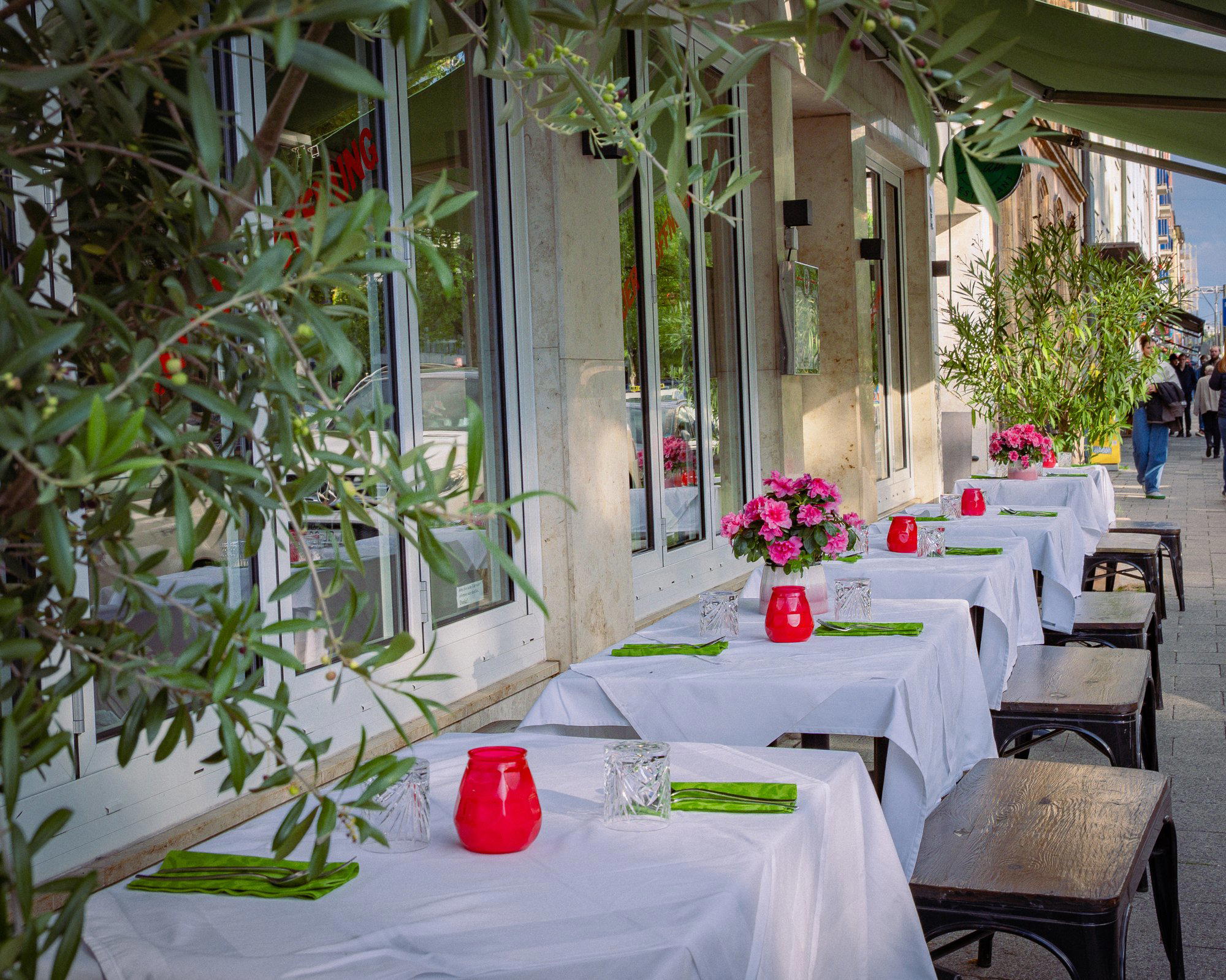
A Street-Level Counter to Munich's Fine-Dining Default
Munich's restaurant identity is built largely around formal European cooking. The city's most-discussed tables, from Tantris and Atelier to Alois - Dallmayr Fine Dining and JAN, operate in the €€€€ bracket and answer to a Michelin-calibrated logic of precision, progression, and ceremony. Against that backdrop, Vietnamese cooking in the city fills a different function entirely. It operates outside the awards architecture, outside the tasting-menu format, and outside the assumption that a serious meal requires a reservation window of weeks.
Theresienstraße itself is worth noting as context. It runs through a part of Munich shaped by Ludwig Maximilian University and the surrounding academic infrastructure, which means the street trades less in tourist footfall and more in the rhythm of people who actually live and work nearby. That demographic tends to reward consistency over spectacle, and the Vietnamese restaurants that survive in such neighbourhoods generally do so because the food holds up visit after visit rather than because any single dish generated social-media momentum.
What Vietnamese Cooking Does in a Northern European City
Vietnamese cuisine has established a serious presence in German cities over several decades, a pattern rooted partly in the migration history following the 1970s and 1980s. Berlin has the documented Vietnamese community and restaurant culture in Germany, but Munich has developed its own circuit of Vietnamese kitchens, ranging from pho-specialist counters to more expansive menus drawing on the regional distinctions between northern, central, and southern Vietnamese cooking traditions.
The broader challenge for Vietnamese restaurants in cities like Munich is one of register. The cuisine spans an enormous range, from the spare northern broth discipline of Hanoi-style pho, where the stock's clarity is the measure of craft, to the herb-laden, sauce-heavy complexity of Saigon-influenced dishes, to the more austere, fermented-forward cooking of Hue in central Vietnam. A kitchen that flattens those distinctions into a generic pan-Vietnamese menu loses much of what makes the cuisine worth seeking out. The restaurants that hold their ground in competitive European cities tend to be those anchored to a specific regional register or to a particular preparation discipline.
For readers accustomed to the technical signalling of places like Tohru in der Schreiberei, where Japanese-German synthesis produces a particular kind of precision cooking, Vietnamese food demands a different evaluative framework. The craft here is less about visible technique and more about the invisible labour of stock-making, fermentation timing, and herb sourcing. A well-made bowl of bun bo Hue or a properly balanced banh mi is no less an exercise in kitchen discipline than a composed tasting-menu course; the signals just read differently.
The Sensory Register on Theresienstraße
Approaching a Vietnamese restaurant in a northern European city, the sensory shift tends to be immediate. The smell of star anise and charred ginger working into a bone broth, the sharper leading note of fish sauce, the faint sweetness of lemongrass, all of these register before you read a menu. That olfactory geography is part of how Vietnamese kitchens claim their space in European streets that otherwise smell of bread, coffee, and cold air.
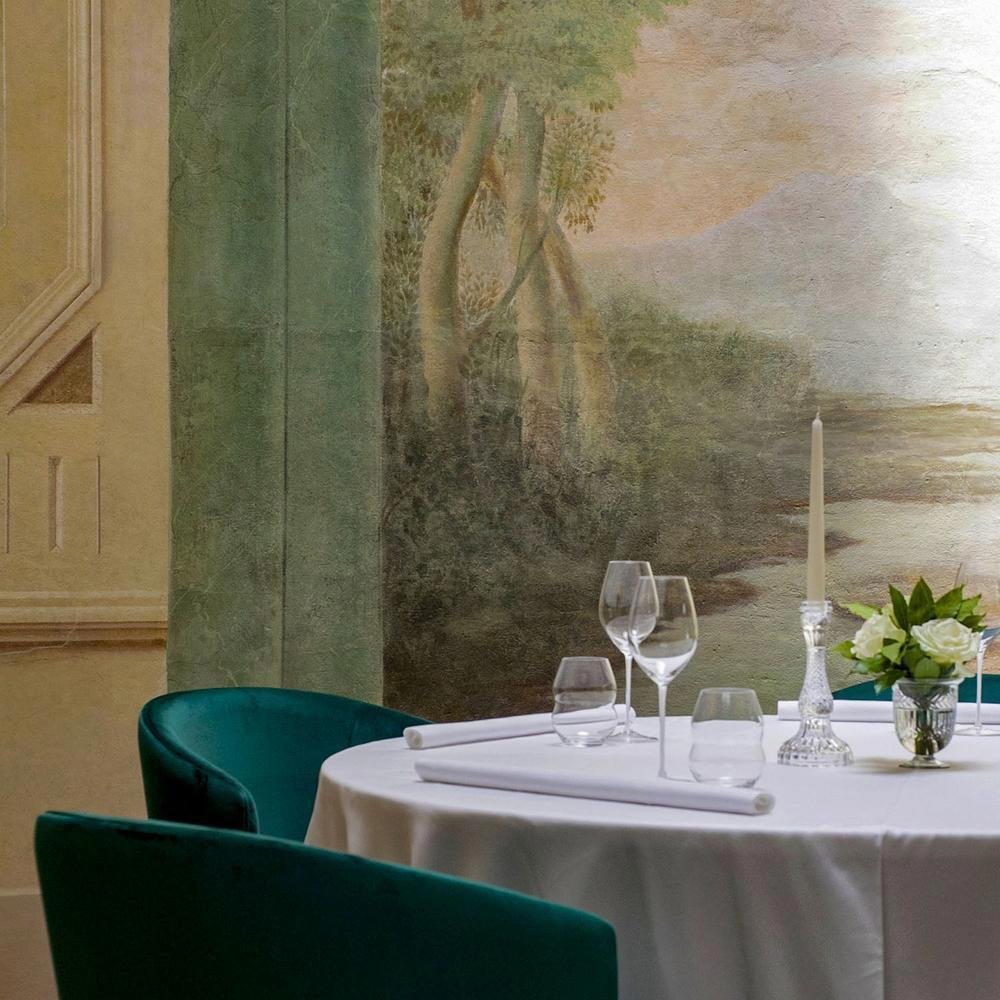
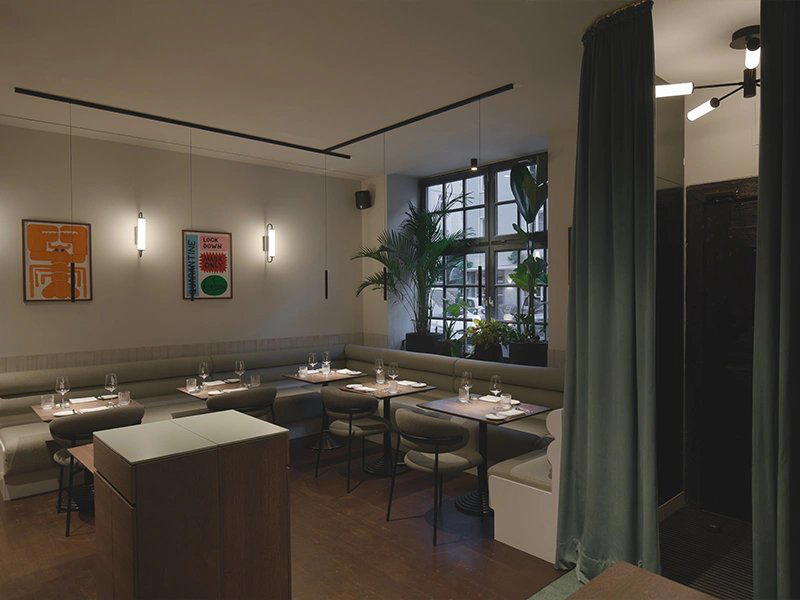
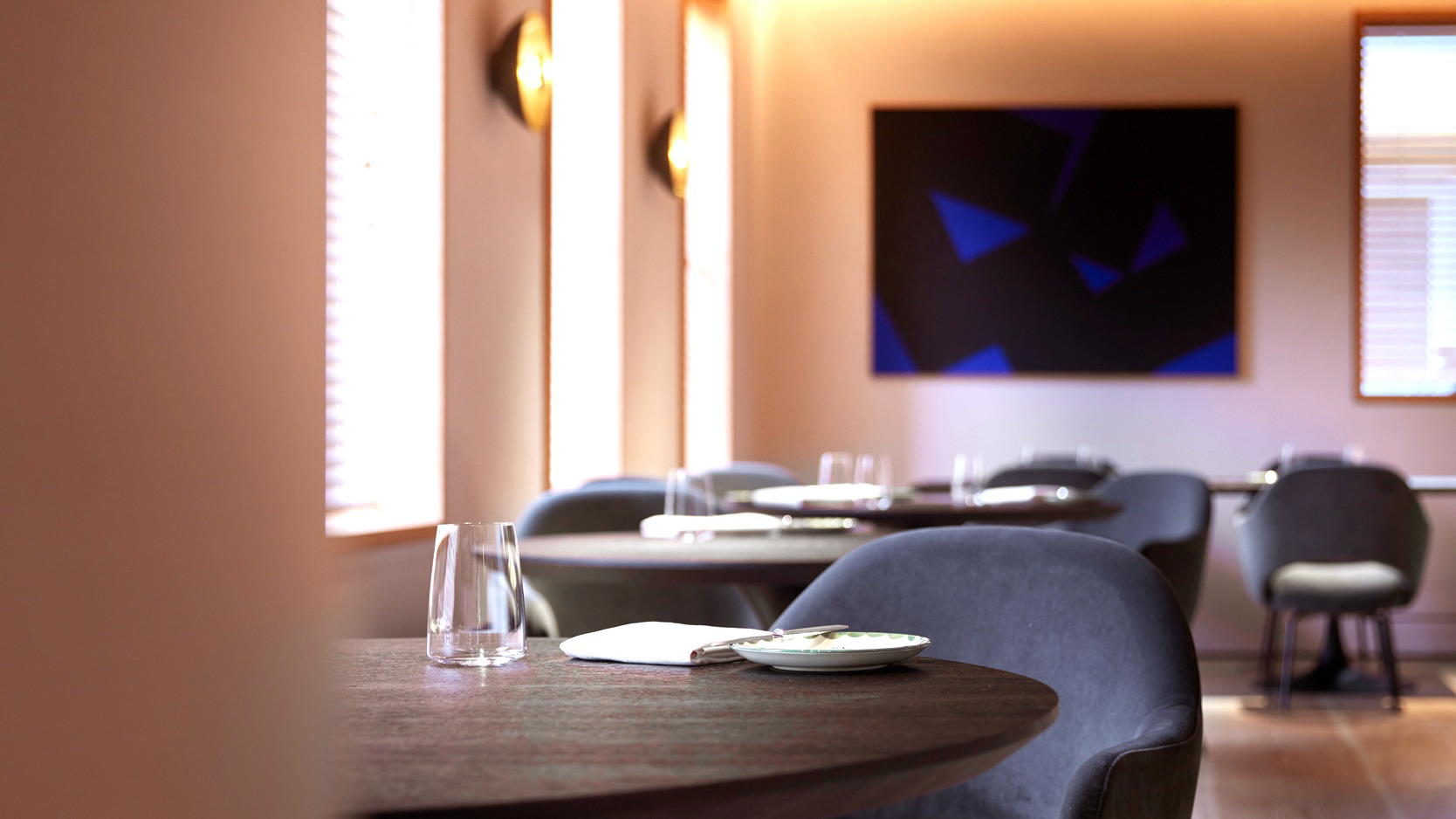
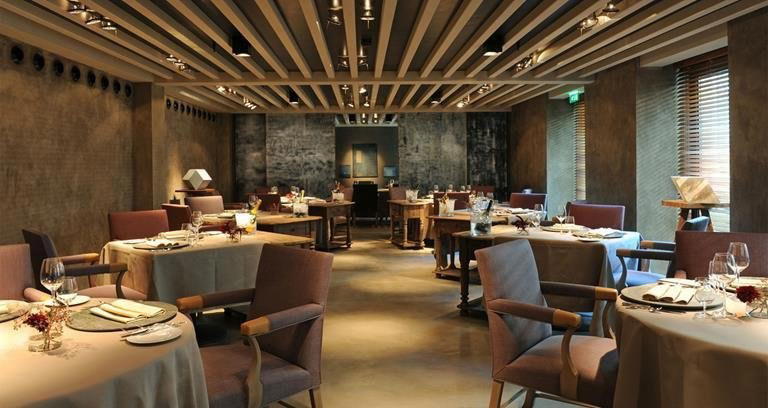
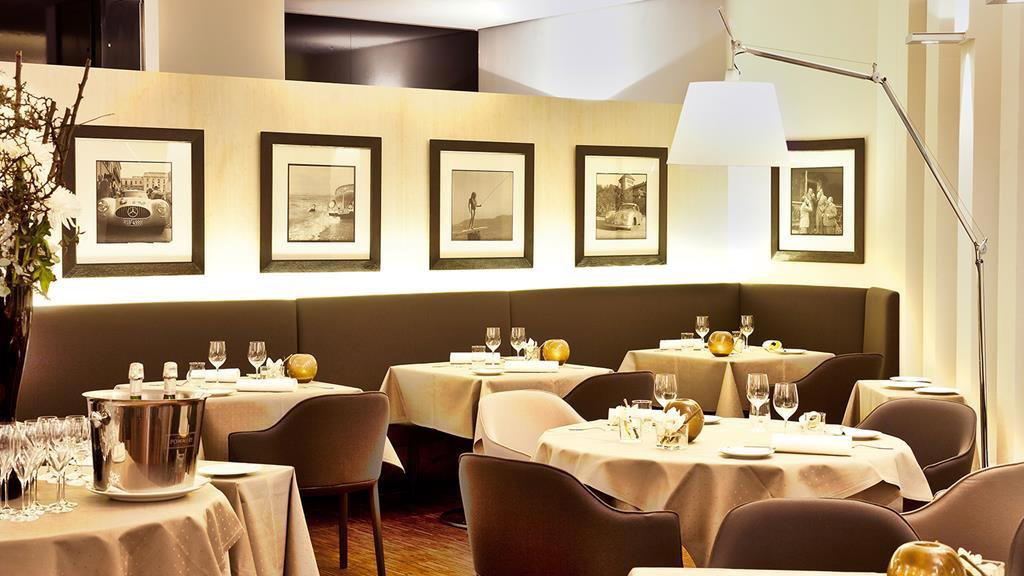
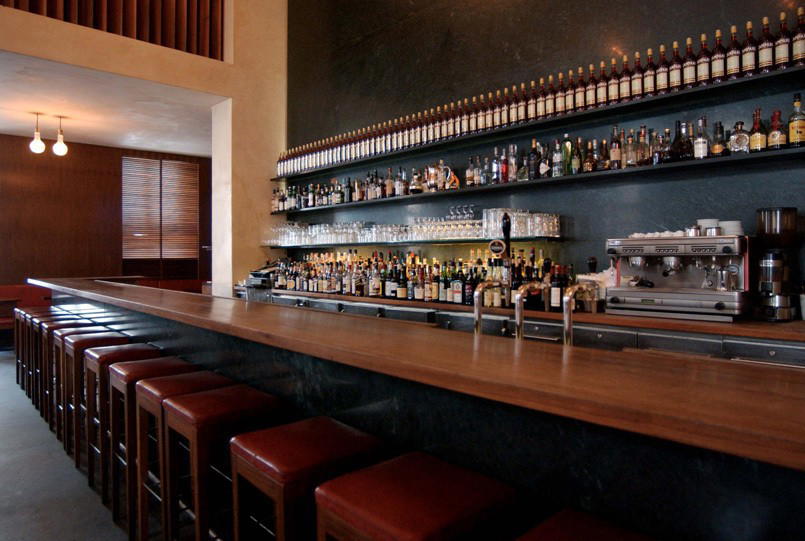
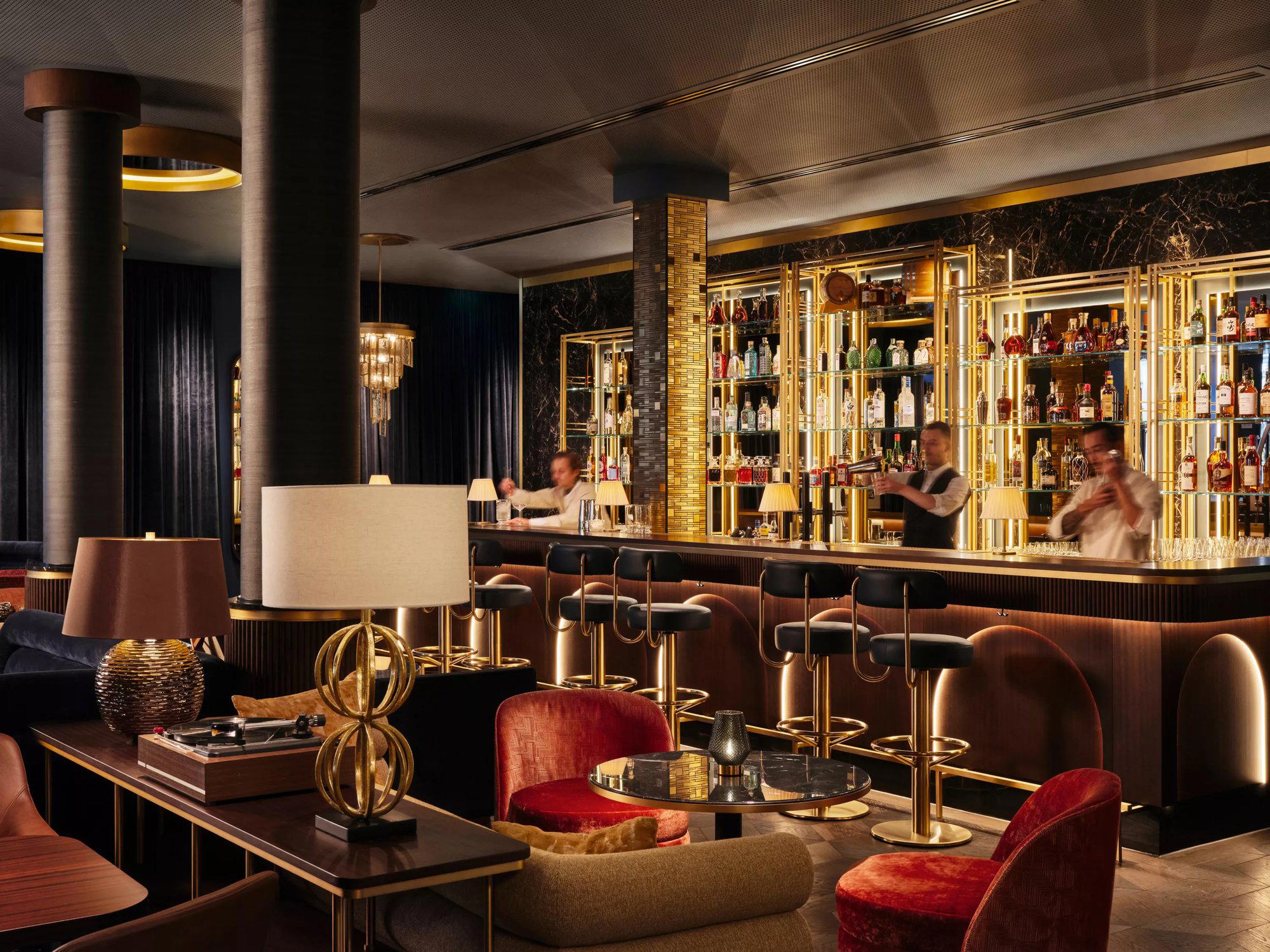
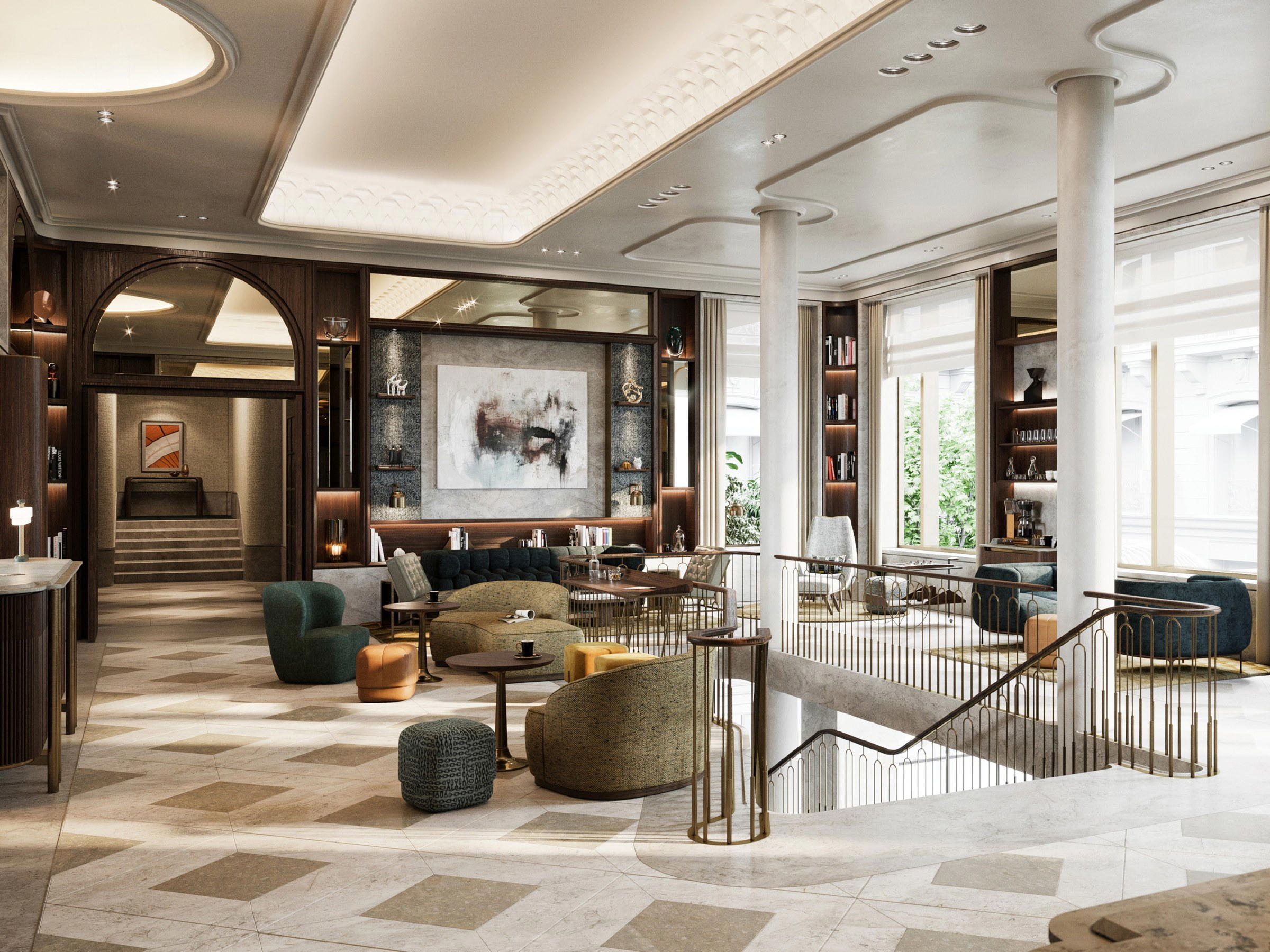
Inside, the visual register of a well-run Vietnamese kitchen tends toward efficiency over ornament. Tables are set to turn; the lighting is functional. The soundtrack, if any, is ambient rather than curated. These are not shortcomings. They are the physical expression of a dining culture that prioritises what arrives in the bowl over what surrounds the table. In the Munich context, where the city's formal restaurants invest heavily in room design as a signal of seriousness, a Vietnamese dining room that strips those signals away is making an implicit argument: the cooking is the point.
The herb plates that accompany many Vietnamese dishes, fresh basil, saw-tooth coriander, bean sprouts, thinly sliced chilli, represent one of the cuisine's most distinctive structural moves. Diners assemble their own flavour balance at the table, adjusting heat, freshness, and acidity as they eat. That participatory element is unusual in a city where most serious restaurants present dishes as finished, non-negotiable compositions.
Munich's Wider Asian Dining Geography
Vietnamese cooking occupies a specific position within Munich's broader Asian dining map. Japanese cuisine claims the prestige end, with omakase-format counters and ramen specialists drawing on the city's familiarity with the format from travel and from the accumulated influence of Japanese restaurants in European fine dining. Chinese cooking covers a wide range, from Cantonese dim sum to Sichuan-forward kitchens that have grown a following among younger Munich diners. Vietnamese sits in a tier that is taken seriously by regular diners without having yet generated the critical attention that Japanese cooking receives.
That gap is partly a function of how Western food media has historically framed Vietnamese cuisine, more as comfort food than as technical cuisine, despite the fact that dishes like banh cuon, a fermented-rice-flour preparation filled with wood-ear mushroom and minced pork, require considerable kitchen skill to execute well. The critical reappraisal is happening slowly, aided partly by chefs in cities like London, New York, and Melbourne who have brought Vietnamese techniques into fine-dining contexts. For reference, Atomix in New York City has demonstrated how Korean culinary traditions can be recalibrated for the tasting-menu format, and a parallel conversation is beginning around Vietnamese cooking in similar cities.
For readers planning a Munich trip that already includes a booking at one of the city's Michelin-tier tables, whether Alois, Tohru, or a comparable address from our full Munich restaurants guide, a Vietnamese meal represents a useful counterpoint: different pace, different price point, different sensory grammar. Vietnamese cooking, at its leading, operates on a logic of abundance and adjustment, and those two registers complement rather than compete with each other across a multi-day trip.
Other strong German tables worth cross-referencing for a wider itinerary include ES:SENZ in Grassau, Victor's Fine Dining by Christian Bau in Perl, Waldhotel Sonnora in Dreis, Restaurant Haerlin in Hamburg, Schanz in Piesport, Bagatelle in Trier, and CODA Dessert Dining in Berlin.
LAM is located at Theresienstraße 70, 80333 München. The restaurant is recommended for reservations, and its regular hours are Tuesday through Sunday from 11:30 AM to 2:30 PM and 5:30 PM to 10:30 PM, with Monday closed.
The Essentials
Comparable venues nearby, for context on price, style, and recognition.
| Venue | Cuisine | Price | Notes |
|---|---|---|---|
| LAM Vietnamesisches RestaurantThis venue — the venue you are viewing | Schwabing, Modern Vietnamese | $$ | Not listed |
| Anh-Thu Restaurant | Schwabing, Authentic Vietnamese | $$ | Not listed |
| Jaadin | Freimann, Modern Vietnamese Grillhouse | $$$ | Not listed |
| Anh Tien Restaurant | Milbertshofen, Modern Vietnamese | $$ | Not listed |
| Cochinchina | Schwabing, Modern Vietnamese Fine Dining | $$$ | Not listed |
| Ho Tay | Not listed | $$$ | Oberföhring, Traditional North Vietnamese |
At a Glance
- Elegant
- Modern
- Date Night
- Casual Hangout
- Craft Cocktails
Current opening hours
- Monday
- Closed
- Tuesday
- 11:30 AM–2:30 PM, 5:30–10:30 PM
- Wednesday
- 11:30 AM–2:30 PM, 5:30–10:30 PM
- Thursday
- 11:30 AM–2:30 PM, 5:30–10:30 PM
- Friday
- 11:30 AM–2:30 PM, 5:30–10:30 PM
- Saturday
- 11:30 AM–2:30 PM, 5:30–10:30 PM
- Sunday
- 11:30 AM–2:30 PM, 5:30–10:30 PM
Hours can change for holidays and private events. Last verified .
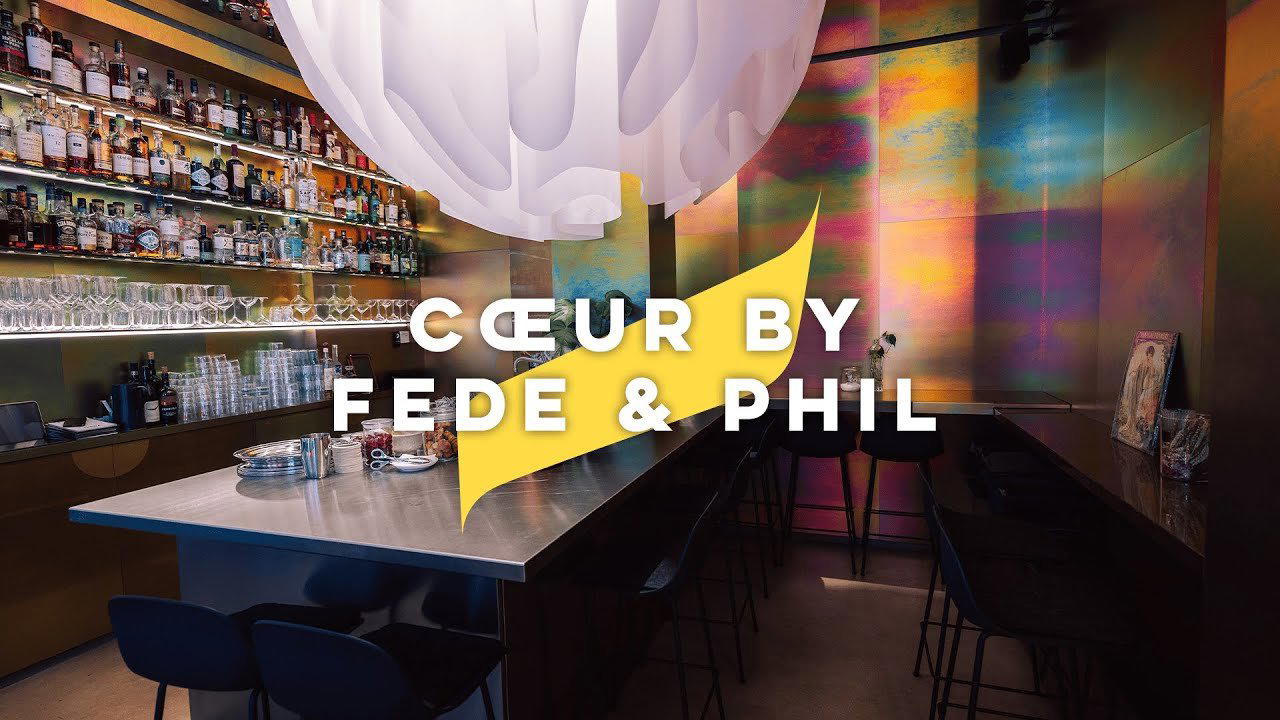
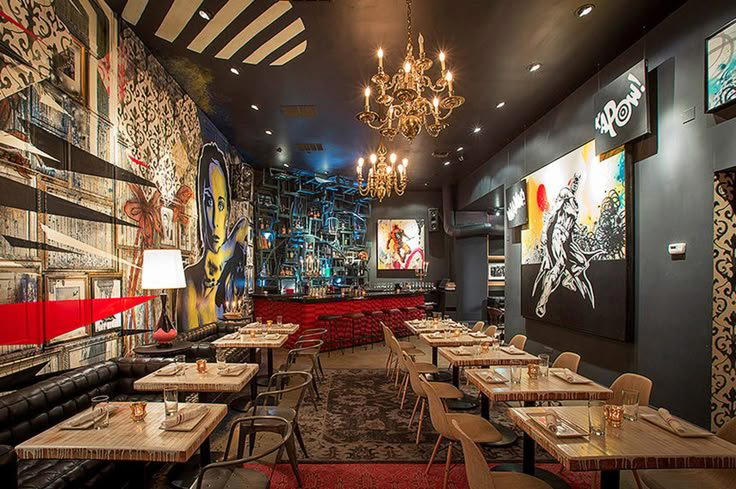
Refined and colorful atmosphere evoking Asian elegance with moderate noise levels.