Ca Go Restaurant occupies a Westend address on Kazmairstraße, a stretch that sits comfortably outside Munich's fine-dining corridor without apologising for it. The neighbourhood context shapes the experience as much as the kitchen does. For visitors mapping Munich's broader restaurant scene, Ca Go represents the city's less-publicised residential dining tier, worth understanding alongside the Michelin-tracked flagships.
Pearl is the En Primeur Club membership app — saves, bookings, and concierge access live there. Same editors, same standards.
- Address
- Kazmairstraße 31, 80339 München, Germany
- Phone
- +498932797623
- Website
- cago-restaurant.de
- Directions
- Get directions
 Saves & bookings on Pearl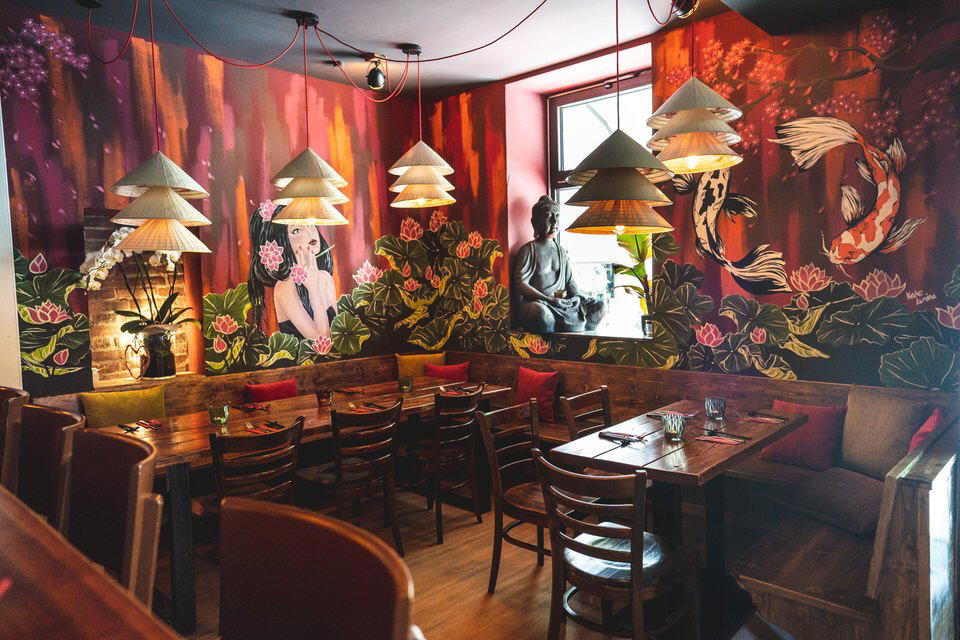
Westend, Not Maxvorstadt: Why the Postcode Matters
Munich's dining reputation is built largely on a handful of addresses in Maxvorstadt, Schwabing, and the historic centre. The city's Michelin-starred tier, Tantris, Atelier, Alois – Dallmayr Fine Dining, and JAN, clusters in districts that visitors already have reason to pass through. Westend operates differently. The neighbourhood, bounded roughly by the Theresienwiese to the east and the Donnersbergerbrücke rail junction to the north, has urbanised steadily over the past two decades, with creative workshops, independent cafés, and smaller restaurants filling the gap left by its industrial past. Kazmairstraße sits inside that zone, and Ca Go Restaurant at number 31 is a product of that context rather than an anomaly within it.
Westend lacks the hotel cluster that funnels international guests toward Maxvorstadt institutions; the demographic at tables around you is more likely to be local professionals and residents than conventioneers working through a curated dining itinerary. That shift in room composition changes how a restaurant calibrates its pace, its noise level, and its degree of formality. It also tends to anchor pricing differently than venues positioned explicitly against tourists or expense-account clients.
What the Address Signals About Format and Tone
Across Munich, a consistent pattern separates the residential-district restaurant from its city-centre counterpart. Neighbourhood venues in Westend and adjacent areas like Neuhausen tend toward smaller rooms, shorter menus, and a model where regulars sustain the week-to-week rather than seasonal tourist waves. The model demands a different kind of kitchen discipline: there is less margin to coast on novelty, and more pressure to deliver consistent quality to guests who have already been twice this month.
Ca Go's Kazmairstraße location positions it squarely in that category. Its Vietnamese Fusion focus is clear from the record. What the address alone communicates is that this is not a venue engineering its way into a Michelin conversation, a different ambition from Tohru in der Schreiberei, where the hybrid Modern German-Japanese format and fine-dining structure signal a deliberate pitch at the city's upper recognition tier.
Germany's broader restaurant culture has room for both registers. The country supports some of Europe's most awarded kitchens, Schwarzwaldstube in Baiersbronn, Aqua in Wolfsburg, Vendôme in Bergisch Gladbach, while simultaneously sustaining a dense network of neighbourhood restaurants that operate with no interest in that machinery. Ca Go's available data places it outside the first category.
The Westend Dining Context in Practice
Arriving at Kazmairstraße from the city centre, one direct route runs through the Theresienwiese U-Bahn corridor, a walk of roughly ten to fifteen minutes from the Goetheplatz or Schwanthalerhöhe stations puts you in the right postcode. The streetscape transitions quickly from the commercial density of Ludwigsvorstadt into quieter residential blocks. The shift is perceptible: fewer lit shopfronts, more apartment buildings with street-level ground floors given over to independent traders.
That physical texture sets expectations before you arrive at a table. Westend restaurants that have built followings here tend to do so through word of mouth rather than review aggregation, and the rhythm of service reflects a room that considers regulars its primary constituency. Whether Ca Go fits that exact description cannot be confirmed without current operational data, but the neighbourhood pattern is consistent enough to frame what a first visit is likely to feel like.
For Munich visitors building an itinerary that extends beyond the Michelin-mapped tier, the Westend cluster alongside Neuhausen represents the useful territory. The comparison point is not Alois or Atelier; it is the category of restaurant that German cities do quietly well, technically grounded, neighbourhood-scaled, and structurally resistant to the format pressure that comes with formal recognition systems.
Placing Ca Go in Munich's Wider comparable set
Munich's restaurant scene is more layered than its international reputation suggests. The city's fine-dining tier gets the coverage, but the mid-register, competent kitchens in residential settings, no declared cuisine type, modest footprint, is where most Munich residents actually eat. That tier spans a wide range of cuisines and price points, and its diversity is precisely what makes it difficult to map from outside the city.
Ca Go sits somewhere in that register, on a street address that confirms its Westend allegiance. For visitors who have already committed time to the flagships, the tasting menu at Tantris, the Japanese-German synthesis at Tohru, a Westend evening offers a different kind of return. The comparison across Germany's dining geography is also instructive: venues like Schanz in Piesport, Waldhotel Sonnora in Dreis, or Restaurant Haerlin in Hamburg anchor the country's formal recognition tier, while the residential neighbourhood restaurant, in Munich or elsewhere, operates with a different logic entirely. Neither is a lesser version of the other; they answer different questions.
Internationally, the neighbourhood-restaurant model finds parallels in formats that prioritise community over ceremony. Lazy Bear in San Francisco reversed the logic by bringing dinner-party format to a fixed-address restaurant. Le Bernardin in New York City sits at the opposite pole, where formal precision is the product. Ca Go's Kazmairstraße address suggests neither extreme.
For those building a broader German dining perspective, the experimental end of the spectrum includes CODA Dessert Dining in Berlin, Bagatelle in Trier, ES:SENZ in Grassau, and Victor's Fine Dining by Christian Bau in Perl, all of which operate with declared culinary ambitions and documented recognition. Ca Go does not appear in that conversation based on current available data, which is itself useful information for trip planning.
Know Before You Go
- Address: Kazmairstraße 31, 80339 München, Germany
- Neighbourhood: Westend, Munich
- Nearest transit: Goetheplatz or Schwanthalerhöhe (U-Bahn U4/U5), approximately 10 to 15 minutes on foot
- Phone: Not available in current records, visit in person or check local listings
- Website: Not listed in current records
- Reservations: Booking policy not confirmed; for neighbourhood restaurants of this type in Munich, advance contact is advisable, particularly Thursday through Saturday
- Price range: About $20 per person
- Awards: None listed
A Quick Peer Check
Comparable venues nearby, for context on price, style, and recognition.
| Venue | Cuisine | Price | Notes |
|---|---|---|---|
| Ca Go RestaurantThis venue — the venue you are viewing | Vietnamese Fusion | $$ | Not listed |
| PhoYou | Vietnamese Pho Specialist | $$ | Schwabing |
| Anh Tien Restaurant | Modern Vietnamese | $$ | Milbertshofen |
| Restaurant Tyni | Authentic Vietnamese Streetfood | $$ | Theresienwiese |
| Ho Tay | Traditional North Vietnamese | $$$ | Oberföhring |
| Beirutbeirut | Authentic Lebanese Street Food | $$ | Sendling-Westpark |
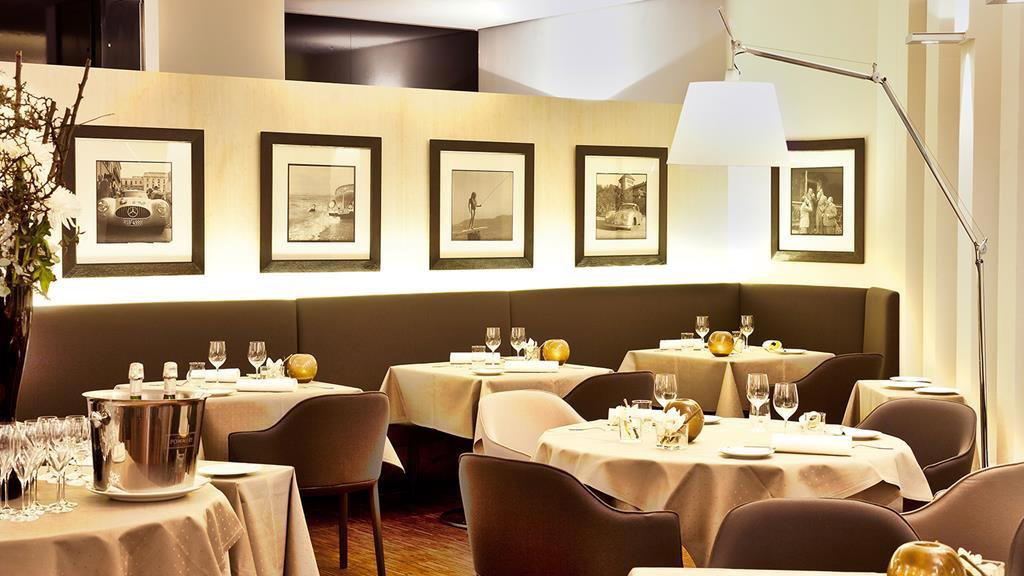
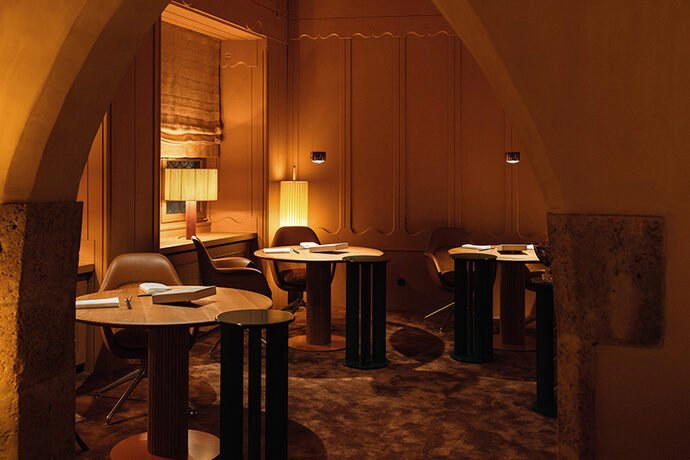
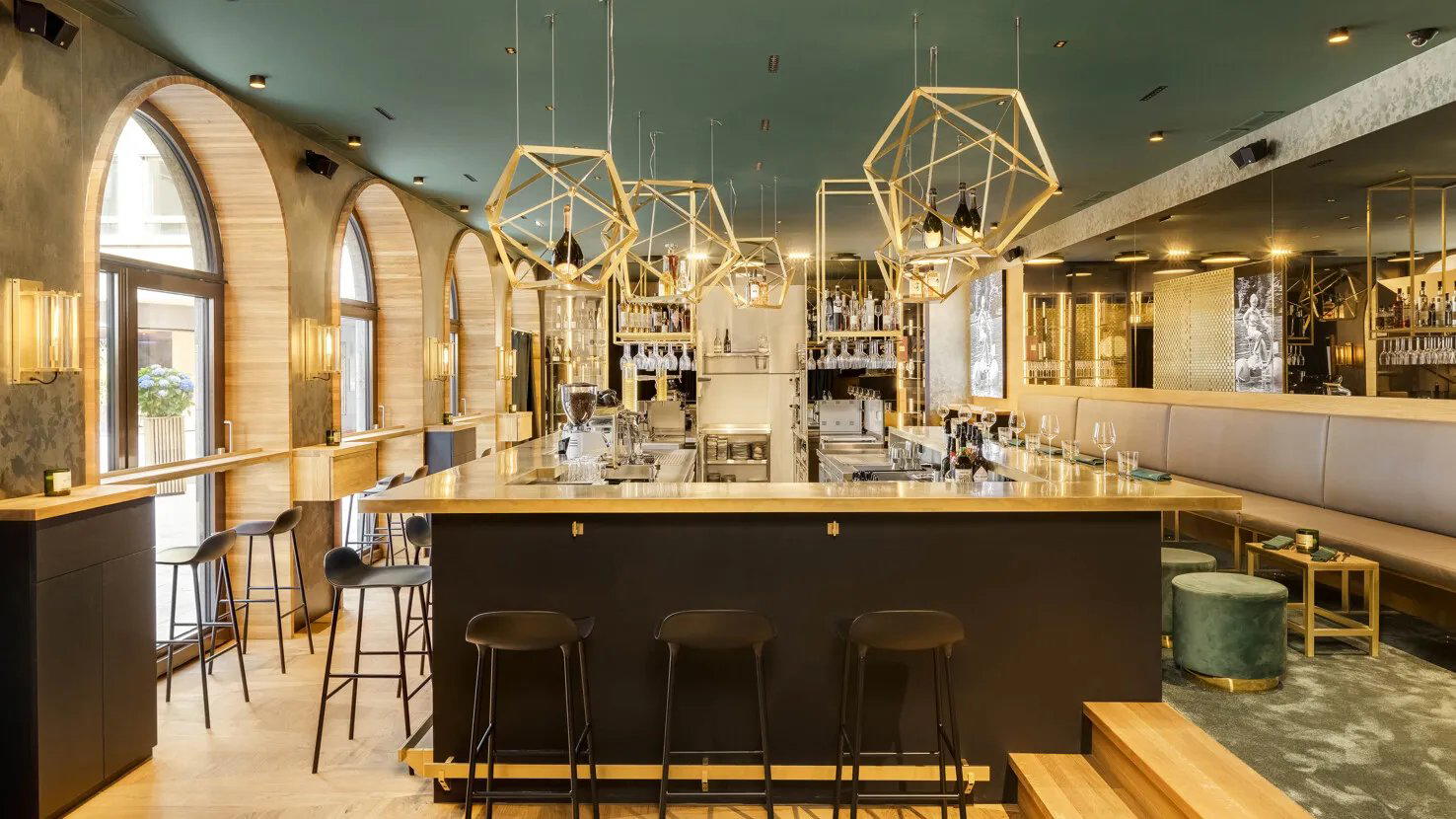
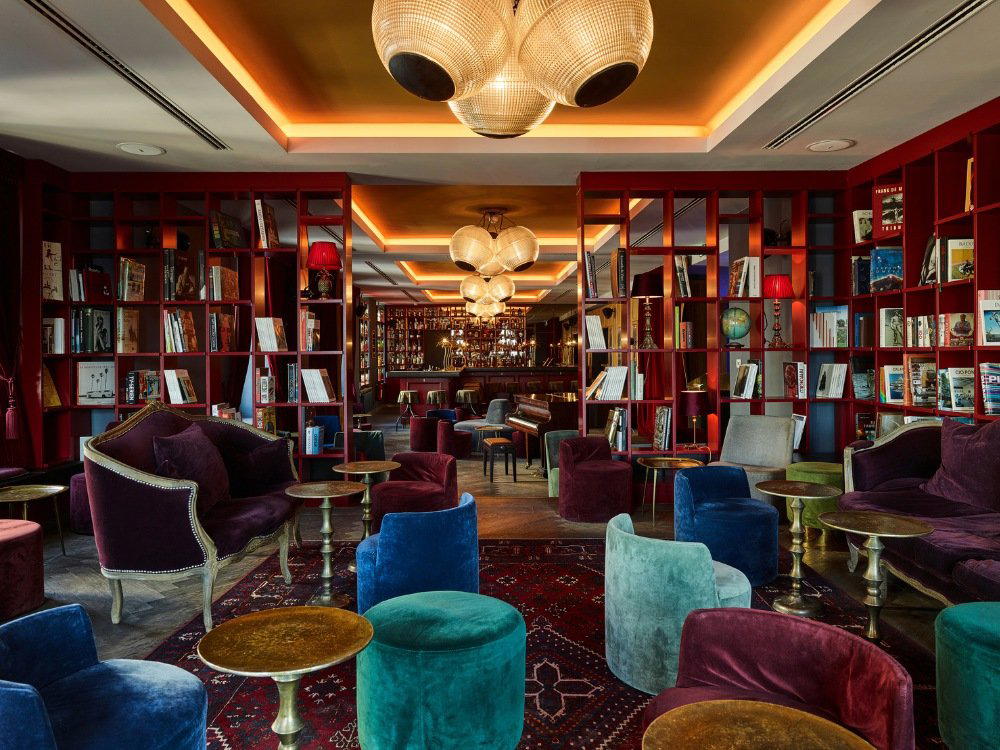
At a Glance
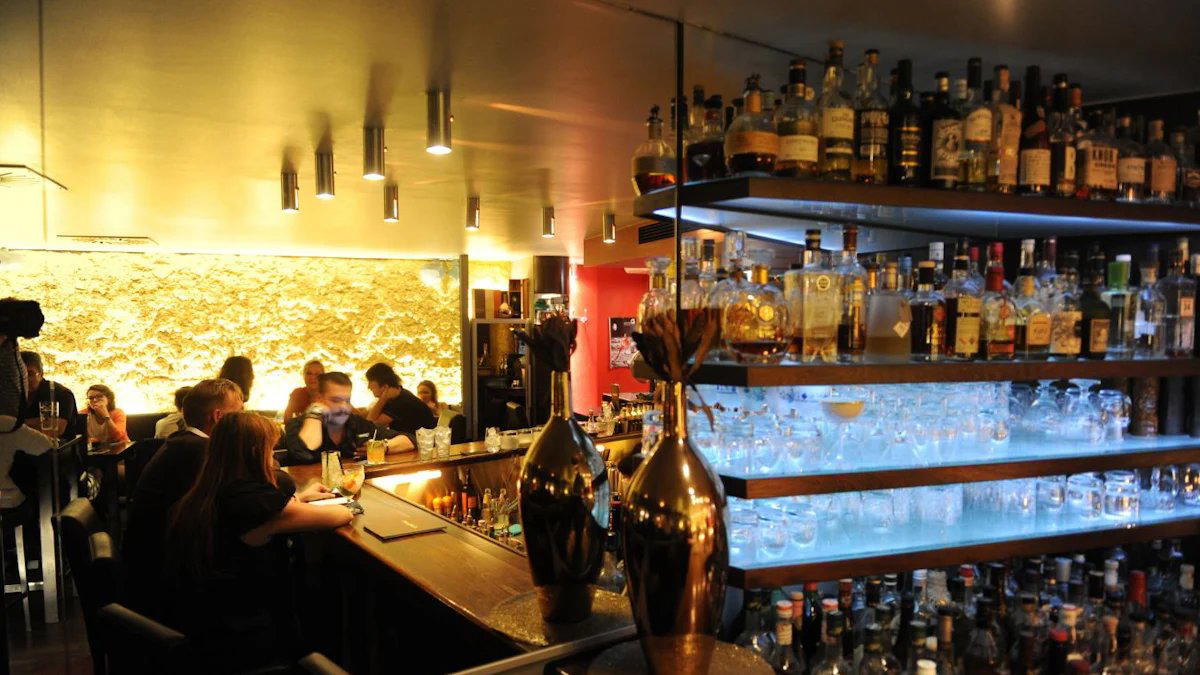
- Cozy
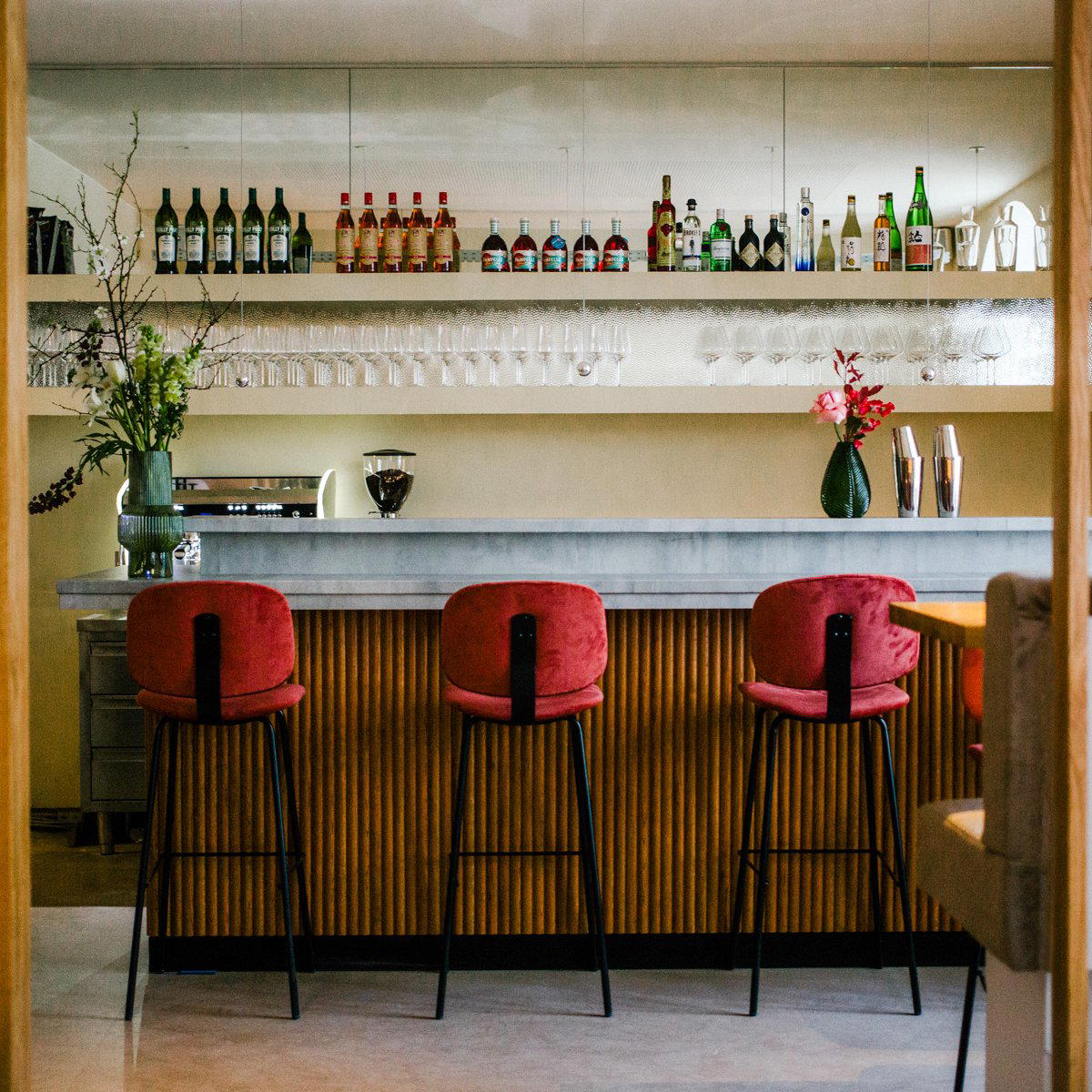
- Modern
- Casual Hangout
- Date Night
- Open Kitchen
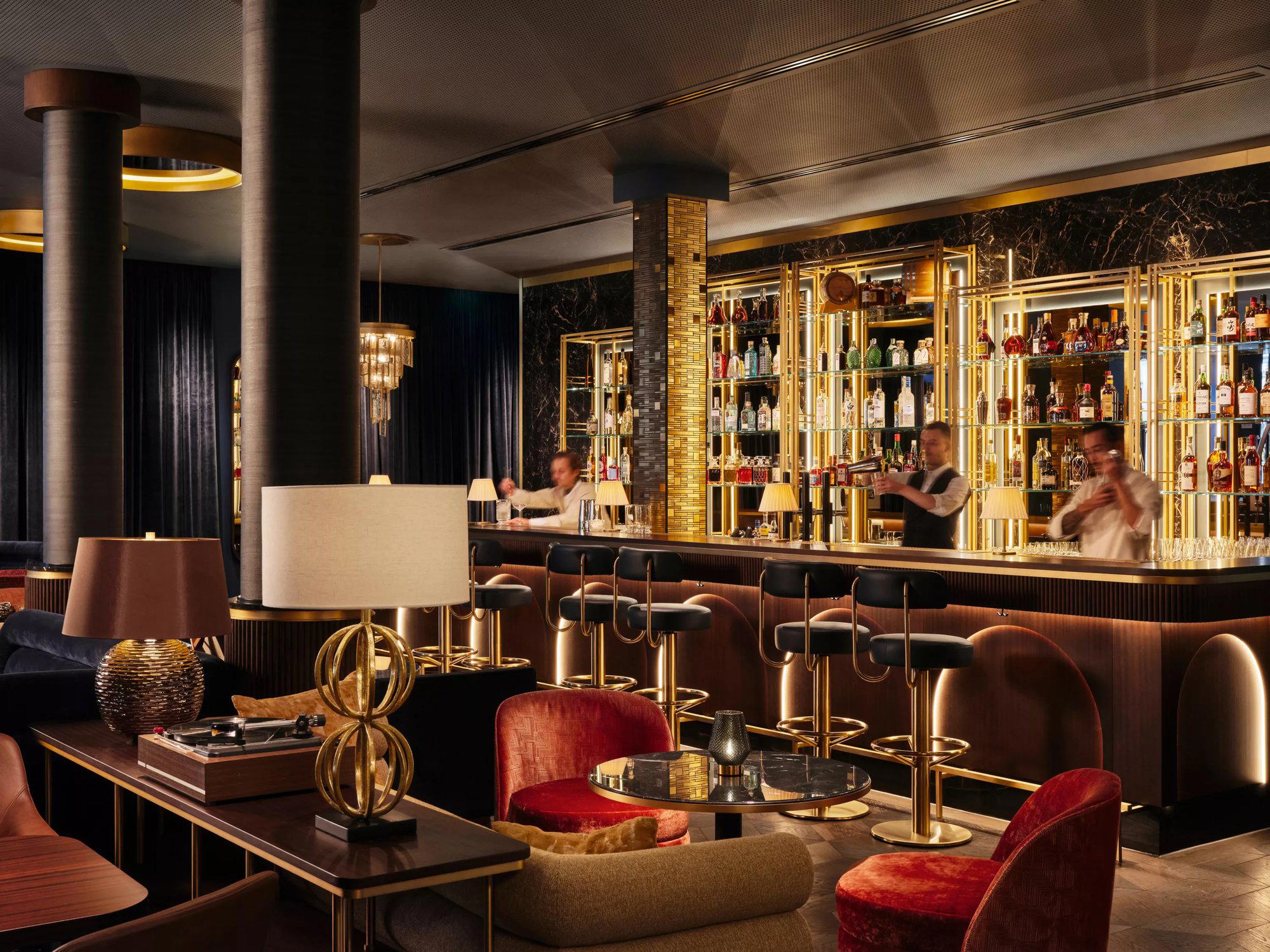
- Craft Cocktails
Current opening hours
- Monday
- 11:30 AM–3 PM, 5–11 PM
- Tuesday
- 11:30 AM–3 PM, 5–11 PM
- Wednesday
- 11:30 AM–3 PM, 5–11 PM
- Thursday
- 11:30 AM–3 PM, 5–11 PM
- Friday
- 11:30 AM–3 PM, 5–11 PM
- Saturday
- 12–11:30 PM
- Sunday
- 12–10:30 PM
Hours can change for holidays and private events. Last verified .
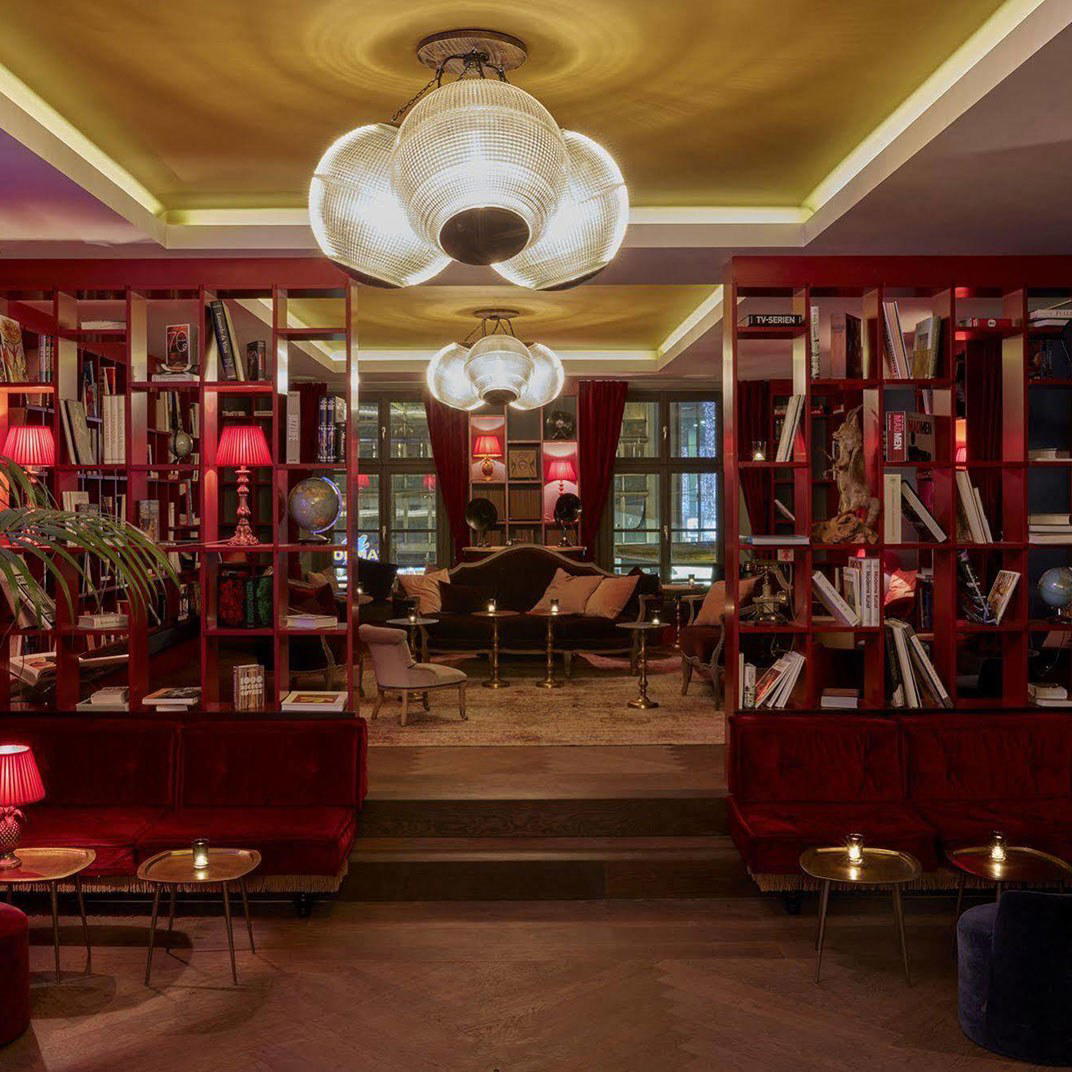
Warm and artistic ambiance with brick-lined interior.