Vietsoup occupies a quietly significant address in Munich's Altstadt, bringing Vietnamese soup-forward cooking to a city whose restaurant scene skews heavily toward Central European and high-end French traditions. Located on Westenriederstraße in the old town, it represents the kind of specialist immigrant cuisine that Munich's dining culture has historically underserved. For travellers moving between the city's Michelin-tracked fine dining circuit and everyday eating, it offers a useful counterpoint.
Pearl is the En Primeur Club membership app — saves, bookings, and concierge access live there. Same editors, same standards.
- Address
- Westenriederstraße 8, 80331 München, Germany
- Phone
- +498945708818
- Website
- vietsoup.de
- Directions
- Get directions
 Saves & bookings on Pearl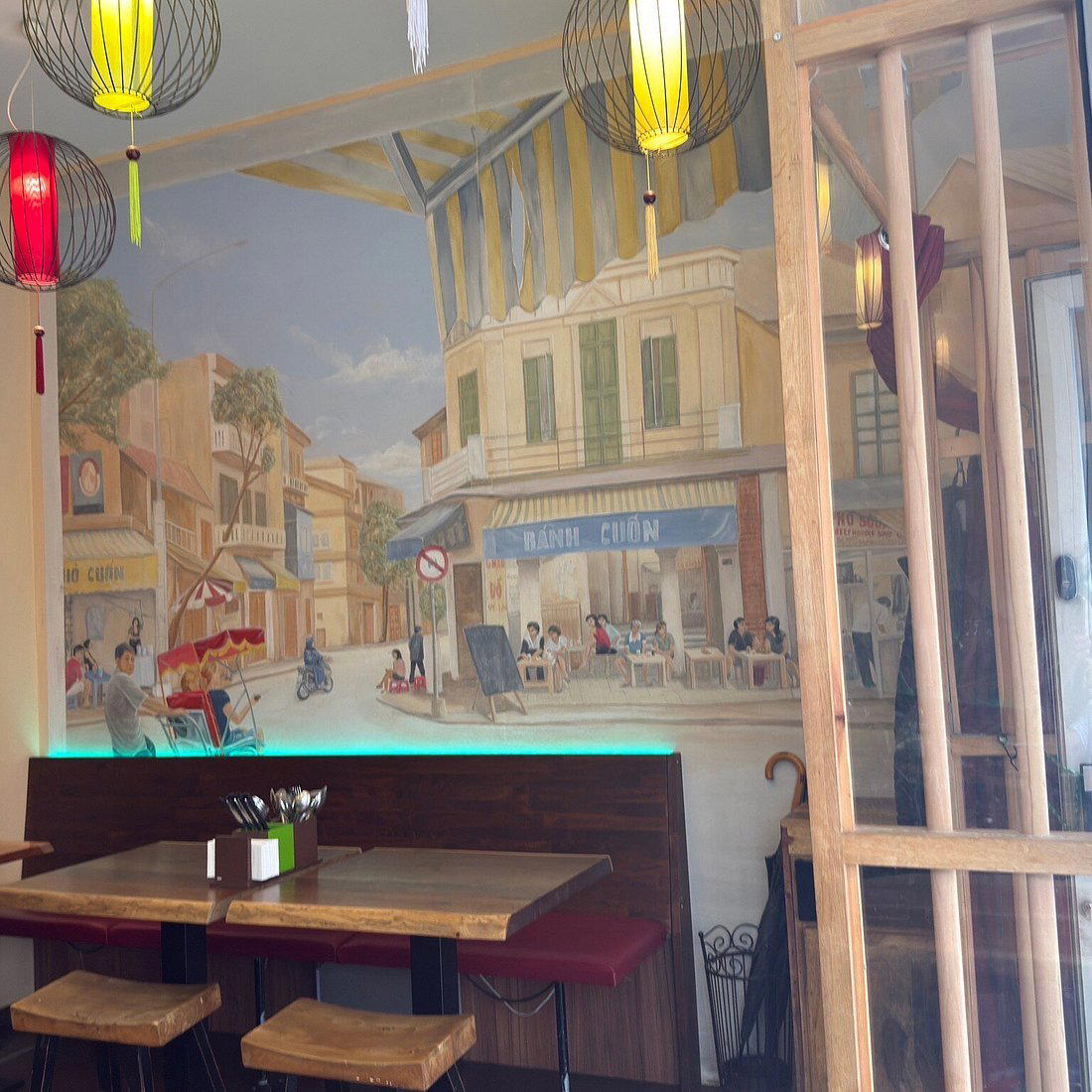
Vietnamese Soup Culture in a City That Runs on Schnitzel and Weisswurst
Munich's restaurant scene has long been anchored by two gravitational poles: the white-tablecloth tradition of houses like Tantris and Atelier, and the deep-rooted Bavarian cooking that defines the city's civic identity. Between those poles, Southeast Asian cuisine has occupied an awkward middle ground, present, but rarely treated with the seriousness given to, say, the Japanese-German synthesis that Tohru in der Schreiberei has built into a three-Michelin-star argument. Vietsoup, at Westenriederstraße 8 in the Altstadt, is a casual Vietnamese Street Food restaurant in Munich, with a price point around $12 per person, making the case for pho and its kin as serious eating on their own terms.
The address itself carries a particular weight. Westenriederstraße runs through Munich's historical core, a short walk from the Viktualienmarkt and the city's dense concentration of both tourist infrastructure and neighbourhood regulars. This is not the fringe of the city where specialist cuisines typically carve out space; it is the centre, which says something about where Vietnamese cooking now sits in Munich's broader dining geography, no longer confined to outer districts, and increasingly present in conversations about the city's everyday eating.
The Soup Tradition as Editorial Subject
To understand what a venue like Vietsoup is doing in a city like Munich, it helps to understand what Vietnamese soup culture actually is. Pho, the broth-based noodle dish that has become especially globally recognised Vietnamese preparation, is a technically demanding production. A proper pho broth requires hours of simmering beef bones with charred ginger and onion, star anise, cinnamon, clove, and cardamom; the result is a clear, deeply aromatic stock that carries flavour without the opacity of a French fond. The discipline required is not decorative. It is the whole point.
That technical depth is part of why Vietnamese cooking, when done seriously, maps interestingly onto a food culture like Munich's, which has its own tradition of long-cooked preparations, stock-based cooking, and respect for technique applied to humble ingredients. The comparison is not forced: both traditions produce dishes that reward patience and penalise shortcuts. The difference is in the spice palette and the textural range, Vietnamese cooking layers fresh herbs, bean sprouts, lime, and chilli against the broth, introducing a brightness that Bavarian cuisine tends to avoid.
For comparison, Germany's broader fine dining circuit, represented at its apex by restaurants like Aqua in Wolfsburg, Schwarzwaldstube in Baiersbronn, and Vendôme in Bergisch Gladbach, operates almost entirely within European frameworks. The country's interest in Vietnamese, Korean, or Southeast Asian cooking at the serious end of the market remains nascent compared to London, Paris, or New York, where venues like Atomix have reframed Asian culinary traditions as fine dining subjects in their own right.
Where Vietsoup Sits in Munich's Drinking and Eating Circuit
Munich's fine dining tier is well-documented. JAN, Alois - Dallmayr Fine Dining, and Tohru in der Schreiberei collectively hold multiple Michelin stars and define what the city's highest-stakes eating looks like. Below that tier, the city has a competent but less distinctive mid-range, and it is in that mid-range where Vietnamese cooking operates, not as a budget option but as a cuisine category that has earned its own serious following.
The editorial angle on wine lists is an interesting lens here. Munich's Michelin-starred circuit maintains cellars of considerable depth: Tantris, in particular, has a wine programme that is among the more respected in Germany, with a breadth spanning Burgundy, Germany's own Riesling producers, and aged Bordeaux. Vietnamese cuisine, by contrast, presents a genuine challenge to the sommelier's canon. The broth-forward, herb-laden, chilli-accented profiles of Vietnamese cooking do not pair naturally with the Cabernet or Burgundy frameworks that dominate German fine dining cellars. The better pairings tend toward aromatic whites, Riesling from the Mosel, Gewurztraminer from Alsace, or off-dry Vouvray, or toward lighter reds with low tannin. Craft beer and Vietnamese iced tea with jasmine also function as serious pairings, outside the wine framework entirely.
What is observable is that the question of how to drink with Vietnamese food in a German city is itself an interesting editorial problem, one that the restaurant scene here has not yet resolved in the way that, say, CODA Dessert Dining in Berlin has resolved the question of pairing drinks with a dessert-first format.
The Broader Munich Context
For visitors building an itinerary around Munich's eating, the city rewards a layered approach. The Michelin circuit, Tantris, Atelier, Tohru, Alois, is well-mapped and bookable well in advance, with waiting lists that extend months for particularly sought-after seats. Alongside that circuit, the city's more casual eating is anchored by Bavarian tradition: Leberkäse, Weisswurst, Brezn, and the beer hall format that turns eating into a collective, bench-seat experience. Vietnamese cooking fits neither category, which is precisely what gives it editorial interest: it is the third option, the specific choice, the cuisine for the traveller who has already done the beer halls and is not yet ready for a tasting menu.
Westenriederstraße's location near the Viktualienmarkt also places Vietsoup in walking distance of one of Munich's most useful food markets, where the city's produce culture is most legibly on display. The juxtaposition is instructive: a market built around Central European seasonal produce, adjacent to a kitchen working with Vietnamese aromatics and broths. That proximity is a useful reminder that Munich's food culture, however rooted in tradition, has always absorbed outside influences when they arrive with enough conviction.
Planning Your Visit
Logistics at a Glance
| Venue | Tier | Booking Lead Time | Price Range |
|---|---|---|---|
| Vietsoup | Casual / Specialist | not confirmed | not confirmed |
| Tantris | Fine Dining (Michelin) | Several weeks to months | €€€€ |
| Tohru in der Schreiberei | Fine Dining (Michelin) | Several weeks to months | €€€€ |
| Alois - Dallmayr Fine Dining | Fine Dining (Michelin) | Several weeks to months | €€€€ |
A Credentials Check
Comparable venues nearby, for context on price, style, and recognition.
| Venue | Cuisine | Price | Notes |
|---|---|---|---|
| VietsoupThis venue — the venue you are viewing | Vietnamese Street Food | $ | Not listed |
| DOAN Restaurant | Authentic Vietnamese | $$ | Theresienwiese |
| Madame DO | Vietnamese Street Food | $$ | Schwabing |
| Breadbox | Vegan Smashburgers & Sandwiches | $ | Ludwigsvorstadt |
| Ha Noi Pho | Vietnamese Pho | $$ | Schwabing |
| Kleiner Ochsnbrater | Traditional Bavarian Organic Street Food | $ | Altstadt |
At a Glance
- Cozy
- Casual Hangout
- Open Kitchen
- Street Scene
Current opening hours
- Monday
- 11:30 AM–9 PM
- Tuesday
- 11:30 AM–9 PM
- Wednesday
- 11:30 AM–9 PM
- Thursday
- 11:30 AM–9 PM
- Friday
- 11:30 AM–9 PM
- Saturday
- 11:30 AM–9 PM
- Sunday
- Closed
Hours can change for holidays and private events. Last verified .
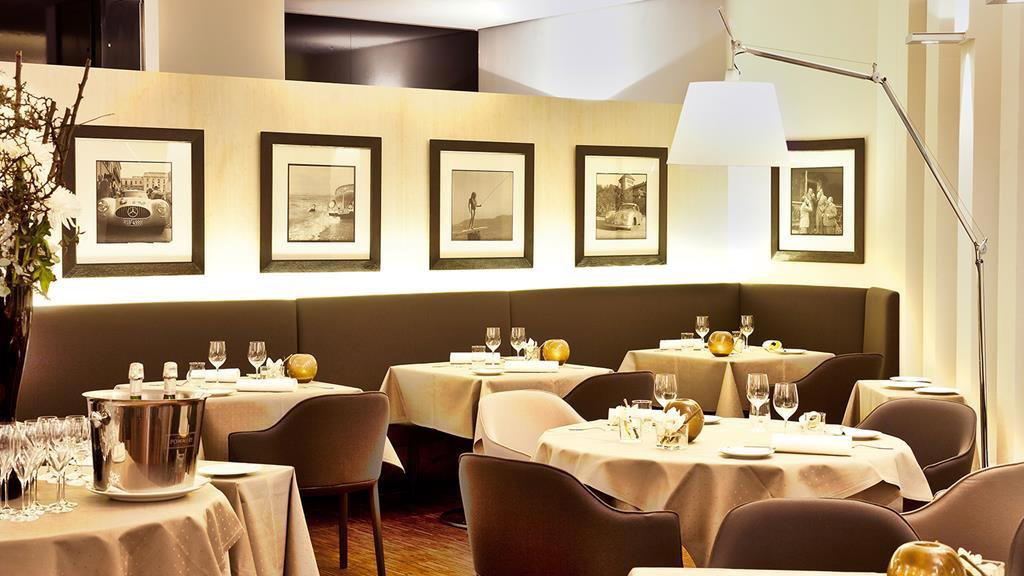
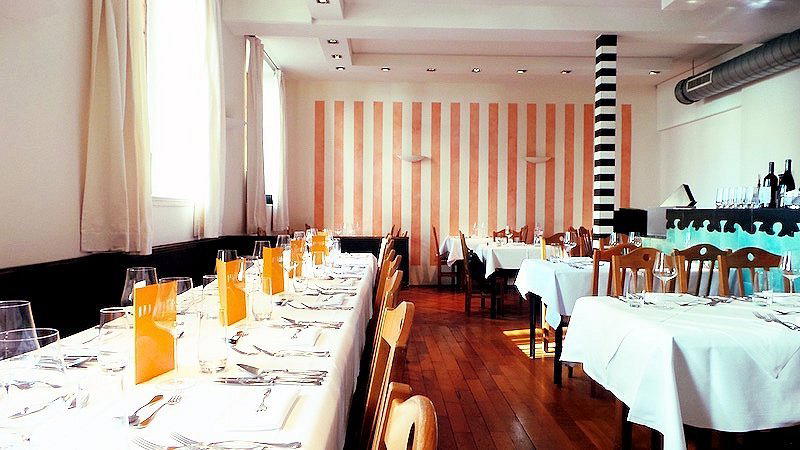
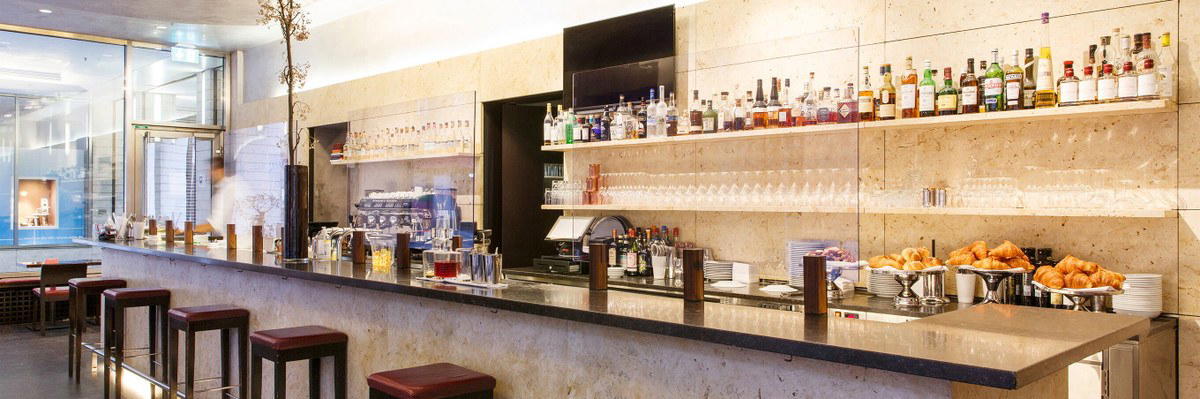
Relaxed cafe-like atmosphere with clean tables, open window seating in fine weather, and a cozy, unpretentious vibe.