Google: 4.4 · 618 reviews
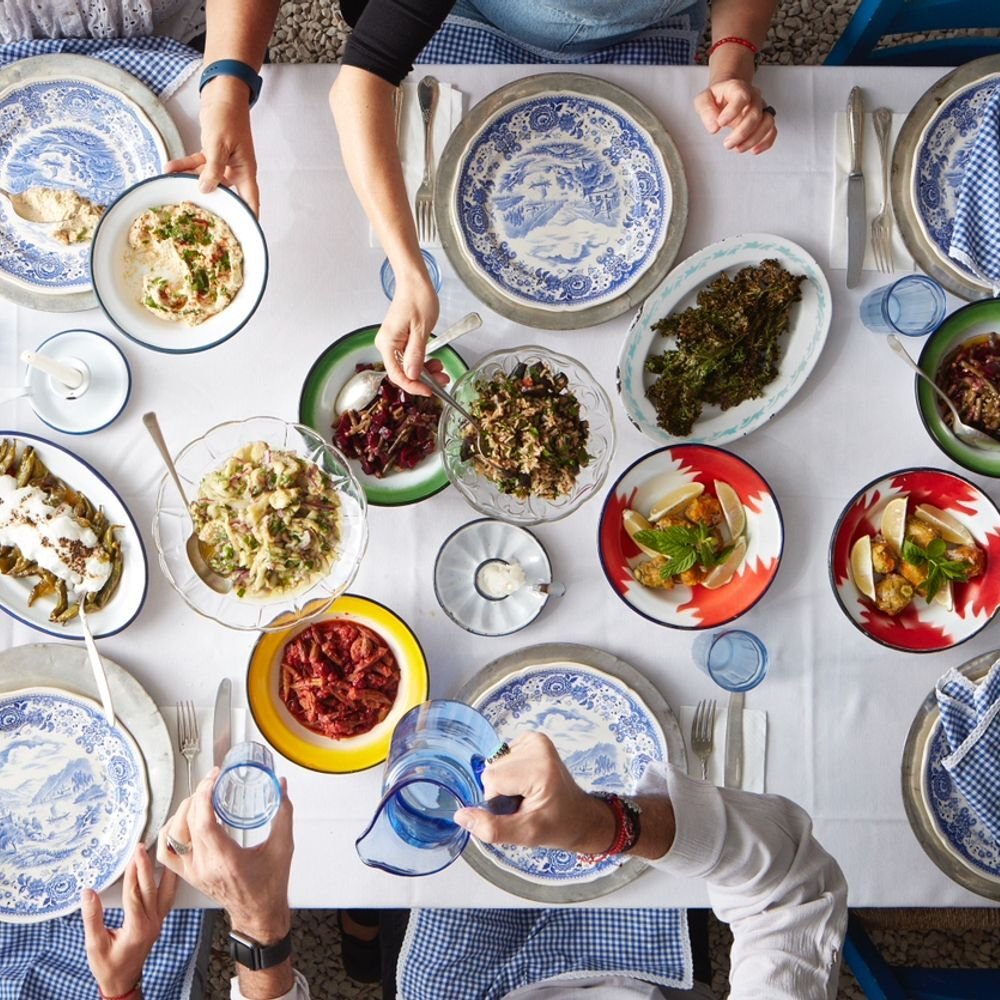
In the stone-paved lanes of Alaçatı, Sota occupies a quiet address on 11039. Sokak that fits the town's broader shift toward produce-led dining with genuine Aegean roots. The kitchen draws on the region's herb gardens, olive groves, and coastal fisheries to build a menu that reads as a statement about place. For Çeşme visitors who eat seriously, it belongs on the short list alongside the town's other considered options.
 Discover on Pearl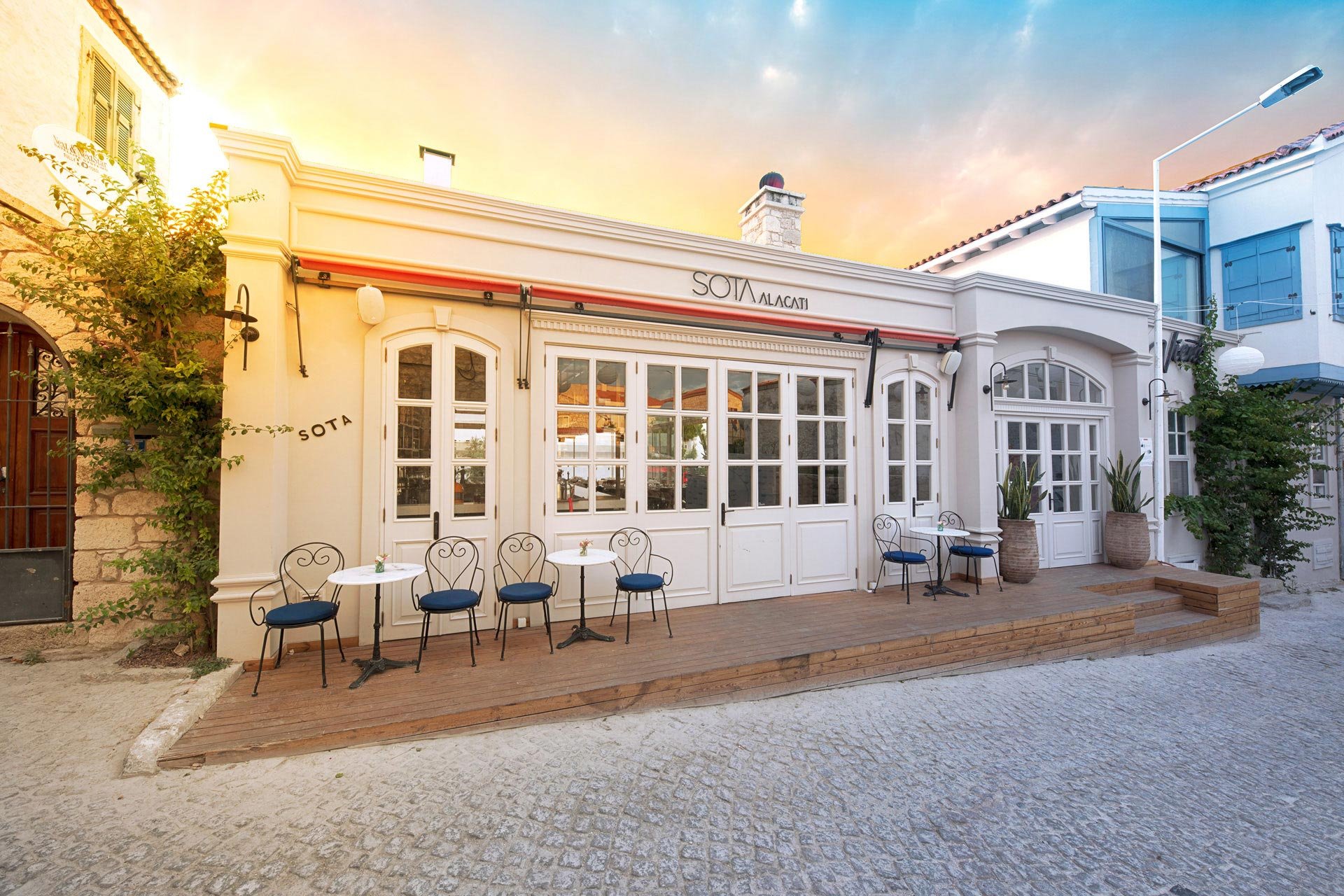
The Alaçatı Table: What the Aegean Actually Tastes Like
Alaçatı earns its reputation on aesthetics as much as food: bougainvillea-draped stone walls, cobbled alleys, and a café culture that stretches well into the evening. But beneath the resort surface, a quieter dining tradition operates out of kitchens that treat the surrounding Çeşme Peninsula as a larder rather than a backdrop. Sota Alaçatı sits on 11039. Sokak inside that tradition, in a town where the leading ingredient sourcing often happens within twenty kilometres of the plate. Approaching the address, the scale is residential rather than commercial: the kind of setting where Turkish restaurant culture still ties food to neighbourhood rather than footfall.
That physical rootedness matters because it signals something about the food. Alaçatı and the surrounding Urla-Çeşme corridor have developed into one of western Turkey's most agriculturally coherent dining zones. Artisan olive oil producers, small-scale herb and vegetable growers, and Aegean coastal fisheries all operate within reach, and the restaurants that take that geography seriously tend to produce the most regionally specific cooking. Sota fits that category. For broader context on how the town's dining scene is currently structured, our full Cesme restaurants guide maps the range from casual meyhane to produce-led kitchens like this one.
Ingredient Geography: Why the Çeşme Peninsula Matters
The Aegean coast between Izmir and the tip of the Çeşme Peninsula is one of Turkey's most productive stretches for wild herbs, small-farm vegetables, and high-quality olive oil. The region's soil and climate — warm, dry summers and mild winters — support varieties of wild purslane, sea fennel, samphire, and capers that rarely travel well and are therefore eaten locally or not at all. Kitchens that source directly from this corridor serve food that cannot be replicated in Istanbul with the same ingredients, regardless of technique or budget.
This is the structural advantage that places like Sota hold over metropolitan restaurants working the same culinary tradition. Venues such as Turk Fatih Tutak in Istanbul and Maçakızı in Bodrum operate at the leading of Turkey's modern fine dining tier with resources and recognition that smaller Aegean venues rarely match, but the ingredient proximity argument runs in the opposite direction: a restaurant on the peninsula in mid-summer is closer to its raw material than almost any kitchen in a major city. Nearby Narımor in Izmir works a similar regional-produce logic from an urban base, which illustrates how far the Aegean sourcing philosophy has spread beyond the coast itself.
Seafood adds a second axis. The waters around Çeşme yield sea bream, sea bass, octopus, and shellfish that move from boat to kitchen on a short timeline. The contrast with fish served in landlocked restaurants or at venues relying on distribution chains is tangible, and it partly explains why Aegean coastal dining retains a following among Turkish food travellers who could otherwise eat at higher-budget venues in Istanbul or Bodrum. The fish at a well-run Alaçatı kitchen in July is a different product from the same species served elsewhere in December.
Where Sota Sits in the Local Competitive Set
Alaçatı's dining offer spans a wide range: high-season tourist spots running simplified menus at premium prices, a handful of meyhanes serving traditional meze and rakı, and a smaller group of kitchens with genuine culinary intent. Sota occupies the latter tier. Its address on a quiet sokak rather than the main pedestrian strip is consistent with that positioning: restaurants that rely on food rather than passing trade tend to sit back from the highest-traffic streets.
Across the Çeşme district, the comparable reference point on the seafood side is ÇARK balık Çeşme, which operates in a different format but draws from the same coastal ingredient base. Further afield, Hiç Lokanta in Urla represents the same peninsula's more experimental register , a useful data point for understanding how Aegean ingredient-led cooking is developing across the region rather than concentrating in a single town.
Turkey's broader fine dining conversation is largely conducted from Istanbul, where venues like Asitane in Fatih work Ottoman culinary history into a modern format, and where the capital's reach extends from street food like Dürümzade in Beyoglu to the formal tasting counter. The Aegean coast operates as a counterargument: that Turkey's most compelling food right now may come not from metropolitan ambition but from geographic specificity. For those who eat across the country, the contrast between a summer table in Alaçatı and a high-production dinner in Istanbul is instructive in both directions.
Practical Notes for Planning a Visit
Alaçatı is a seasonal town. Peak operation runs from late May through September, when the peninsula fills with domestic and international visitors drawn by the wind conditions that make Çeşme one of the Aegean's leading kitesurfing zones, and by the summer social calendar that has built up around the old stone village. Dining reservations at the better kitchens are harder to secure in July and August; planning ahead by several weeks is standard practice for the high season. Outside that window, many venues reduce hours or close entirely, so confirming current operation before travel is worth doing.
Reaching Alaçatı from Izmir takes roughly an hour by road, with the town sitting at the western end of the peninsula past Çeşme town itself. Visitors combining Alaçatı with Izmir's own dining scene can reference Narımor in Izmir for a point of comparison within the same regional tradition. Those extending a Turkish itinerary beyond the Aegean coast will find the dining register shifts considerably: Kocak Baklava in Gaziantep and Ciğerci Mahmut in Adana represent the southeast's entirely different culinary logic, while Kısmet Etliekmek ve Lahmacun Salonu in Karaman and Konya Kebap Evi in Selcuklu illustrate how far inland Turkish cooking diverges from its coastal counterpart.
For those building a broader Aegean itinerary, Kritikos Meyhane in Mudanya on the Marmara coast and Bayramoğlu Döner in Beykoz near Istanbul demonstrate how the meyhane and street-food traditions extend across Turkey's western coastline with significant local variation. Organic-produce focused venues like Kartepe Organic Foods in Kartepe and Casa Lavanda in Sile occupy a comparable farm-proximity positioning to Sota, though in entirely different geographic contexts. International points of comparison are a longer stretch, but the sourcing discipline that connects venues like Le Bernardin in New York City or Atomix in New York City to specific ingredient networks reflects the same underlying logic: proximity and selection define the ceiling of what a kitchen can achieve.
Quick Comparison
These are the closest comparables we have in our database for quick context.
| Venue | Cuisine | Price | Awards | Notes |
|---|---|---|---|---|
| Sota Alaçatı | This venue | |||
| Turk Fatih Tutak | Modern Turkish | ₺₺₺₺ | Michelin 2 Star | Modern Turkish, ₺₺₺₺ |
| Maçakızı | Modern Cuisine | ₺₺₺₺ | Michelin 1 Star | Modern Cuisine, ₺₺₺₺ |
| Mikla | Modern Turkish, Mediterranean Cuisine | ₺₺₺₺ | Michelin 1 Star | Modern Turkish, Mediterranean Cuisine, ₺₺₺₺ |
| Neolokal | Modern Turkish, Turkish | ₺₺₺₺ | Michelin 1 Star | Modern Turkish, Turkish, ₺₺₺₺ |
| Arkestra | Fusion | ₺₺₺₺ | Michelin 1 Star | Fusion, ₺₺₺₺ |


At a Glance
- Elegant
- Trendy
- Sophisticated
- Scenic
- Date Night
- Special Occasion
- Celebration
- Open Kitchen
- Terrace
- Hotel Restaurant
- Extensive Wine List
- Craft Cocktails
- Local Sourcing
- Street Scene
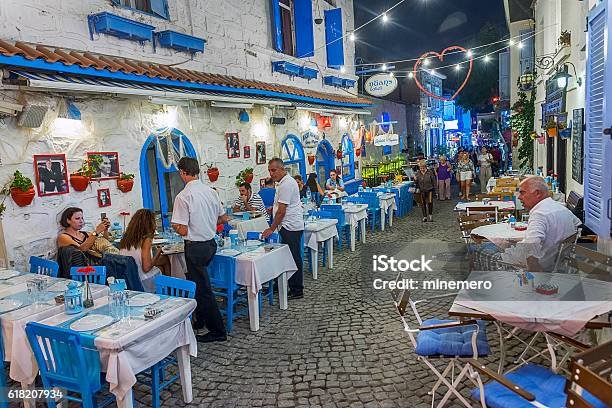
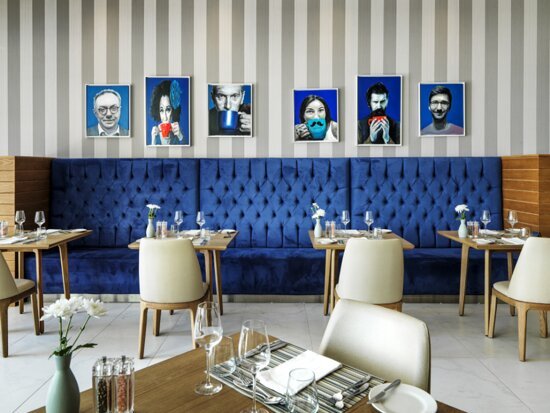
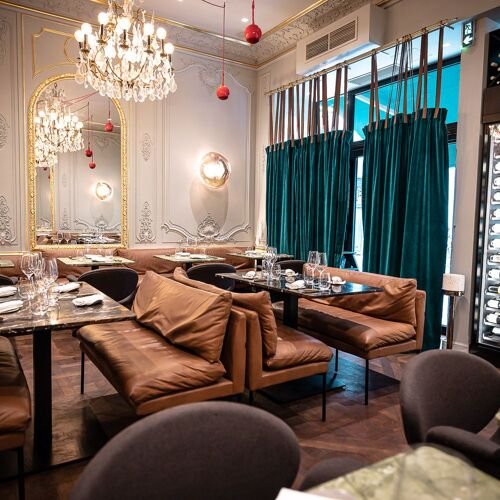
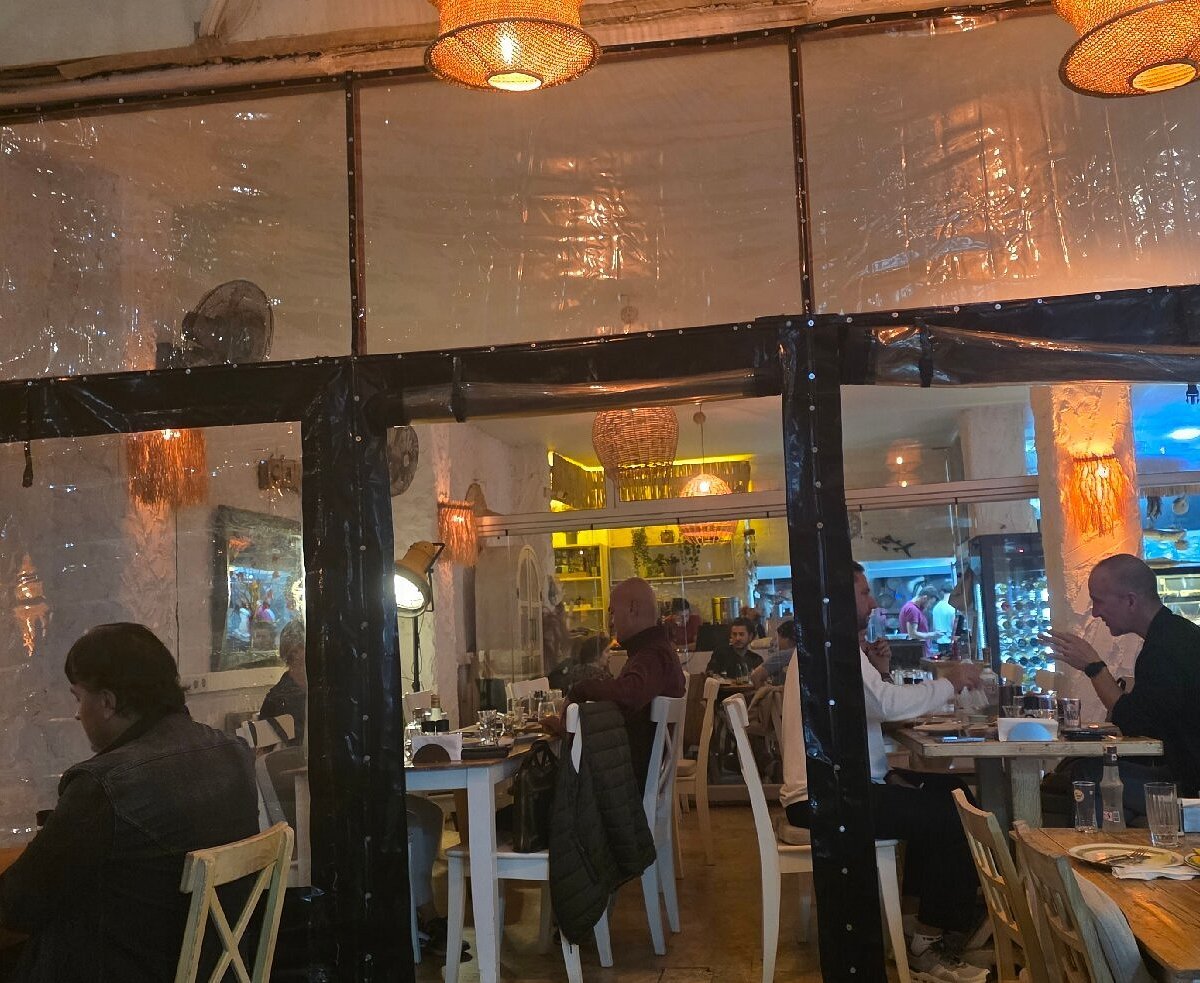
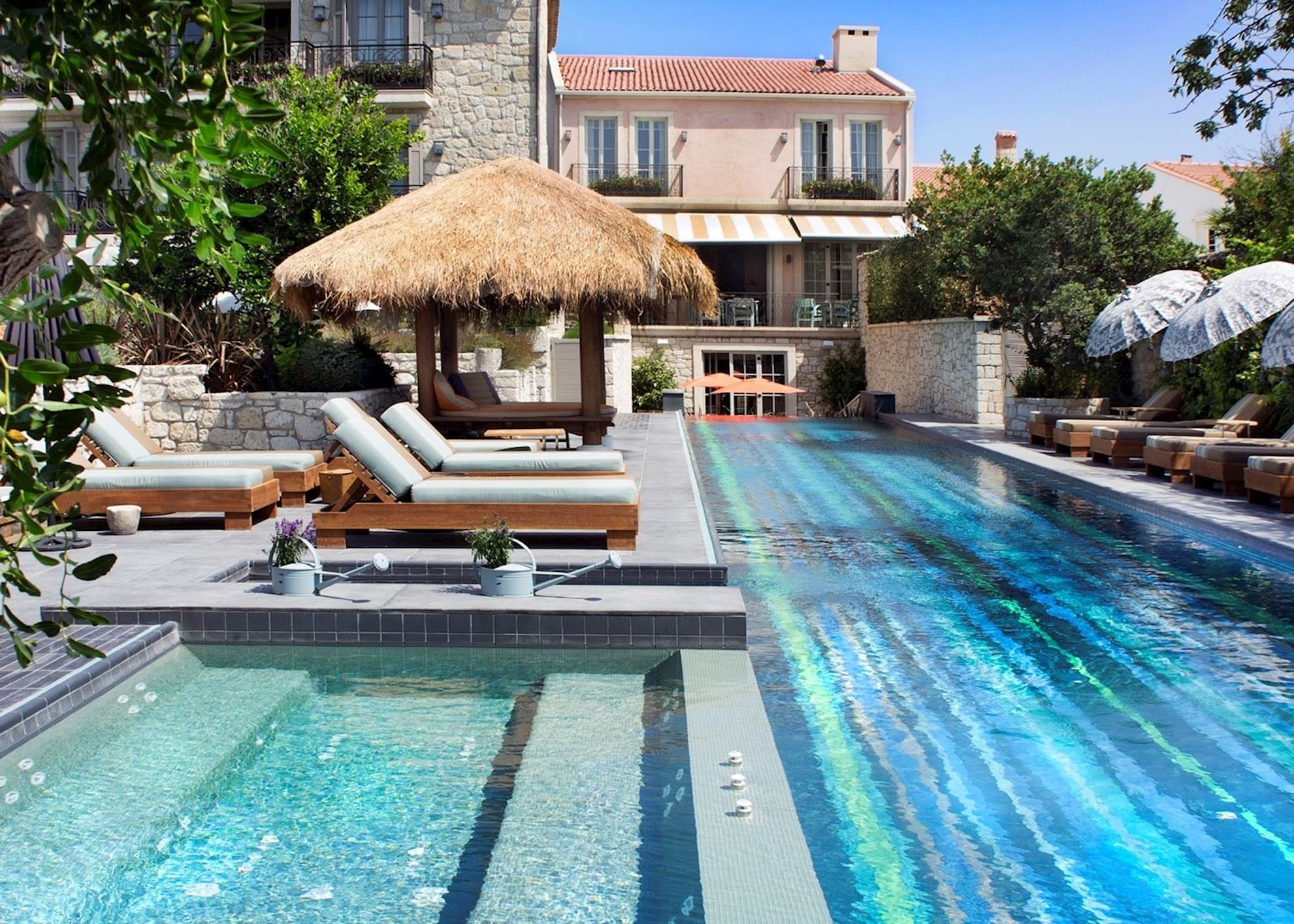
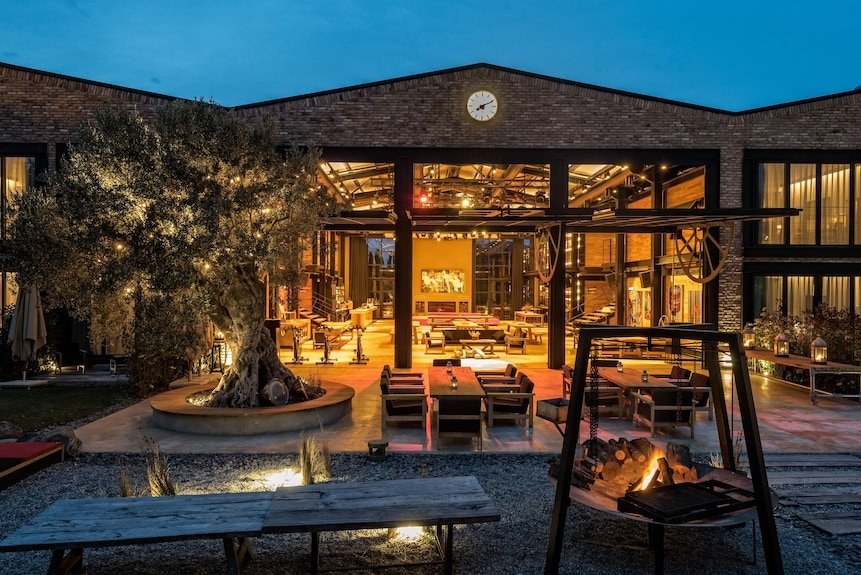
Chic and pleasant atmosphere with sun-washed stone, patterned mosaic tiles, and pleasant music in a serene seaside setting.