In Gaziantep, the city UNESCO recognized as a Creative City of Gastronomy, baklava is not a dessert category so much as a technical discipline. Kocak Baklava operates within that tradition, where sourcing pistachios from the surrounding Antep orchards and working with paper-thin yufka are the baseline expectations, not differentiators. For anyone tracing serious Turkish pastry craft, Gaziantep is the reference point, and Kocak sits within that conversation.
Pearl is the En Primeur Club membership app — saves, bookings, and concierge access live there. Same editors, same standards.
- Address
- Gaziantep, Turkey
- Website
- kocakbaklava.com
- Directions
- Get directions
 Saves & bookings on Pearl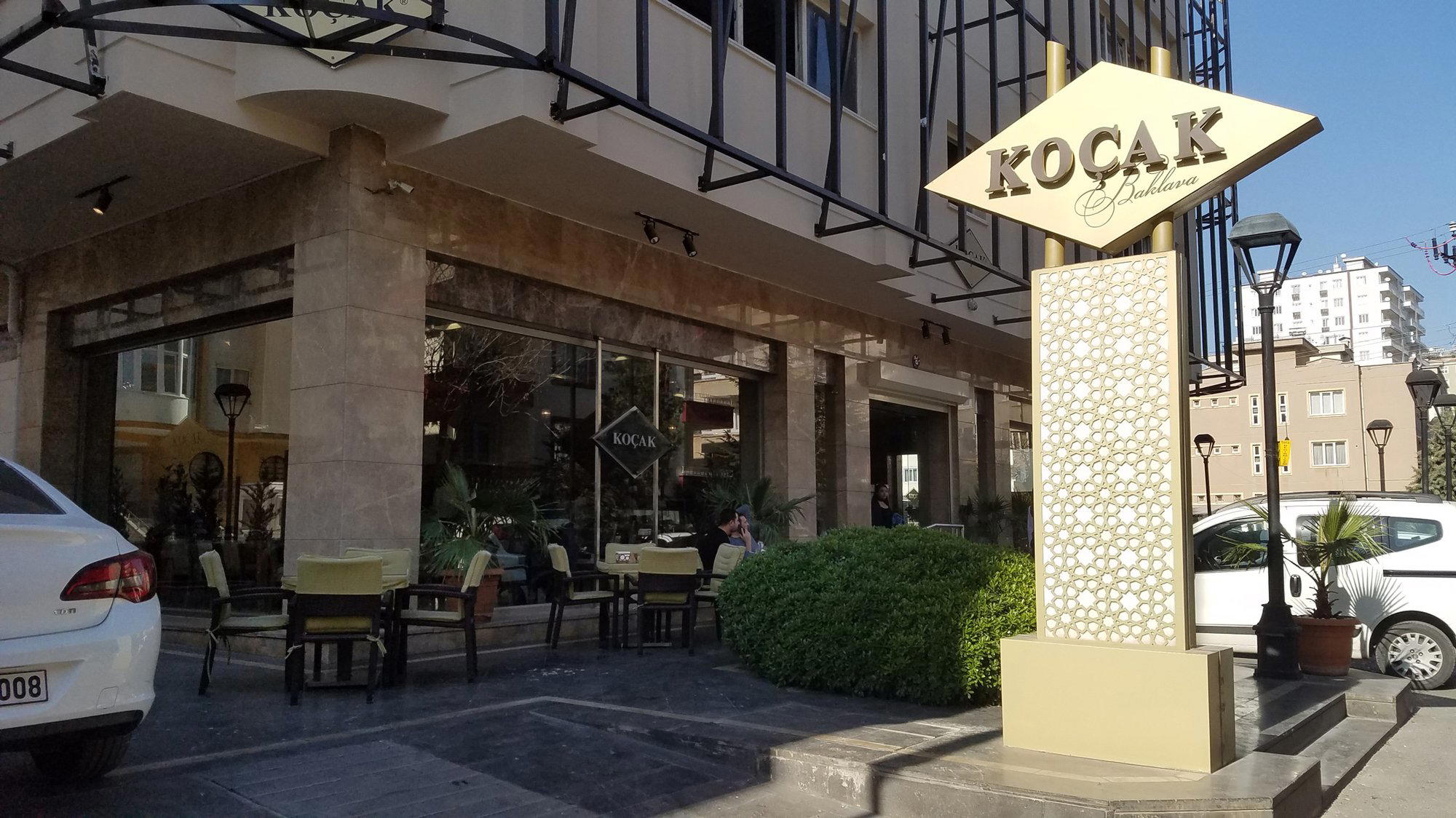
Where Baklava Is a Standard, Not a Spectacle
Approach any serious baklava shop in Gaziantep's older commercial quarters and the sensory information arrives before you enter: the faint caramel warmth of clarified butter, the faint green tint of fresh Antep pistachios through a glass display, trays cooled and stacked with a precision that signals craft over ceremony. The city does not treat baklava as a tourist product or a novelty export. It treats it as a local standard with decades of accumulated competitive pressure, and Kocak Baklava exists inside that pressure. The shops here compete against each other in ways that matter to the neighbourhood, not just to guidebook writers passing through.
Gaziantep received UNESCO Creative City of Gastronomy designation in 2015, one of the first cities in Turkey to earn the recognition, and baklava was central to that case. It reflects a food culture in which sourcing provenance, generational technique, and ingredient quality are tracked with the same seriousness that wine regions apply to terroir. What this means for visitors is that even modest-looking pastry shops in this city are likely operating at a level of technical discipline that would be notable in almost any other context.
The Pistachio Question: Why Sourcing Defines Everything Here
Gaziantep's baklava identity is inseparable from Antep pistachios, the regional variety grown in the orchards surrounding the city. These pistachios differ from Iranian or Californian commercial varieties in oil content, colour, and flavour concentration. The green is more vivid, the flavour more resinous and less sweet, and the fat ratio produces a different textural result when the nut is layered against yufka and butter. Turkish food scholars and chefs including those behind restaurants like Asitane in Fatih, which reconstructs Ottoman culinary records, have repeatedly cited Antep pistachio provenance as the single most significant variable in distinguishing Gaziantep baklava from its imitations.
The supply chain for Antep pistachios is tighter than most outsiders expect. Harvest runs from late August through September, and the leading crop goes quickly to local producers who have established relationships with orchards over years, sometimes generations. A shop working with fresh-season pistachios in the autumn produces a meaningfully different product than one working from older stock. This is the kind of sourcing intelligence that separates the serious producers in Gaziantep from the imitators who operate under the city's reputation without earning it. Kocak Baklava, as a producer operating within this competitive local market, participates in a system where that sourcing discipline is table stakes.
Beyond the pistachio, the butter matters almost as much. Clarified butter (sade yağ) from local dairies has a distinct flavour profile tied to the feed and grazing conditions of southeastern Anatolian livestock. Gaziantep producers tend to source regionally, and the butter's quality is visible in the way finished trays hold their layers without becoming greasy. It is a detail that distinguishes hand-made production from industrial shortcuts, and it is the kind of detail that locals notice immediately.
Kocak Within the Gaziantep Baklava Tier
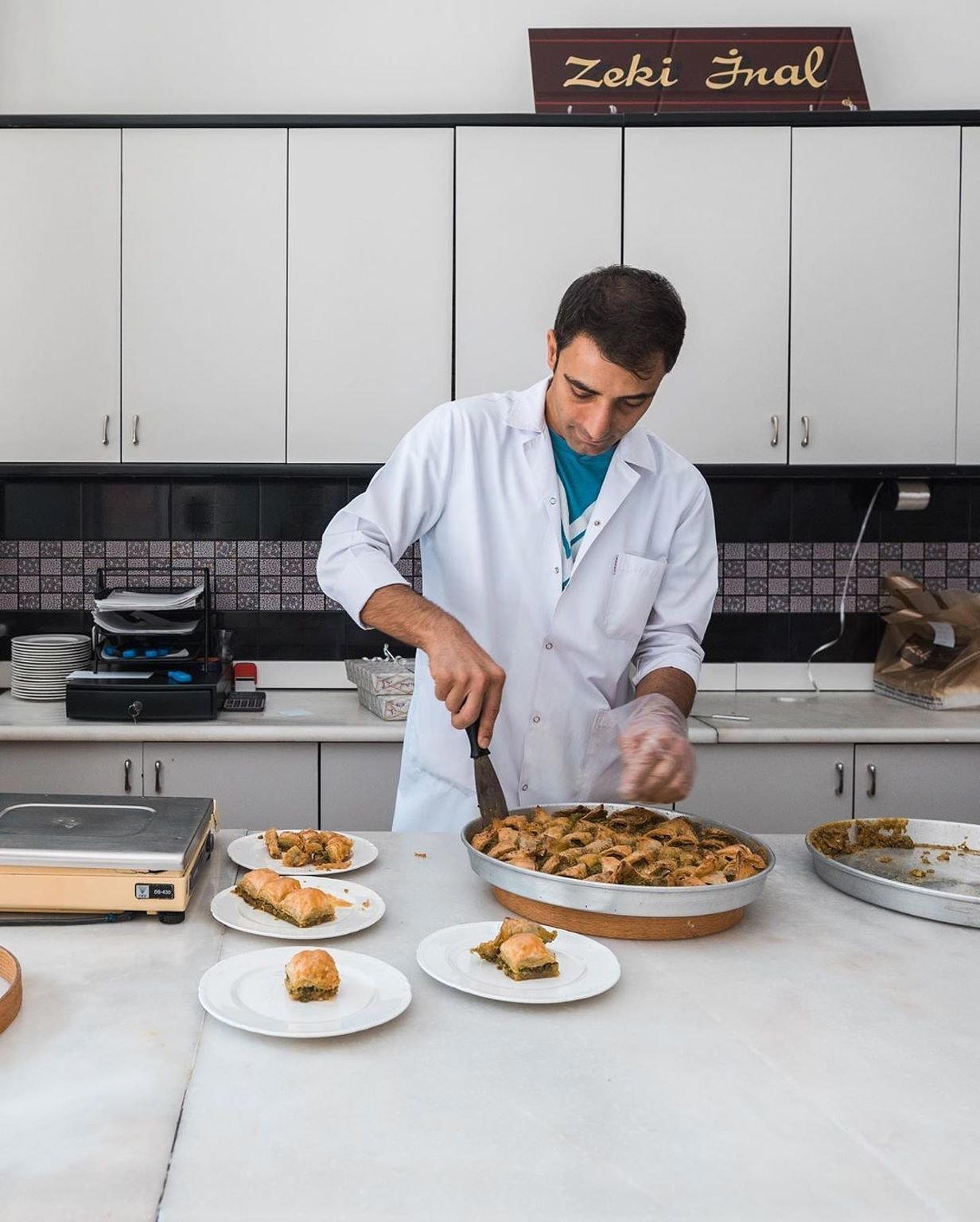
Gaziantep's baklava producers exist on a spectrum. At one end sit the large export-oriented houses, shipping vacuum-sealed trays across Turkey and internationally. At the other end sit neighbourhood shops with daily production, local regulars, and no particular interest in positioning themselves for visitors. Kocak Baklava occupies the kind of position that becomes legible only through local comparison. Shops like Baklavaci Zeki Inal represent the traditional long-established tier of the city's pastry scene, and the competitive environment they create sets the quality floor for every serious producer nearby.
This is a different competitive context from what baklava shops face in Istanbul or Ankara, where the reference points are diluted by distance from the source. In Gaziantep, the customer base knows what the product should taste like, what fresh pistachio looks like against older stock, how the syrup should be absorbed. That local knowledge is a form of quality enforcement, and it shapes what a producer like Kocak can and cannot get away with. For a visitor, this context is useful: the fact that a shop is operating in the centre of Gaziantep's competitive market at all is already a form of credential.
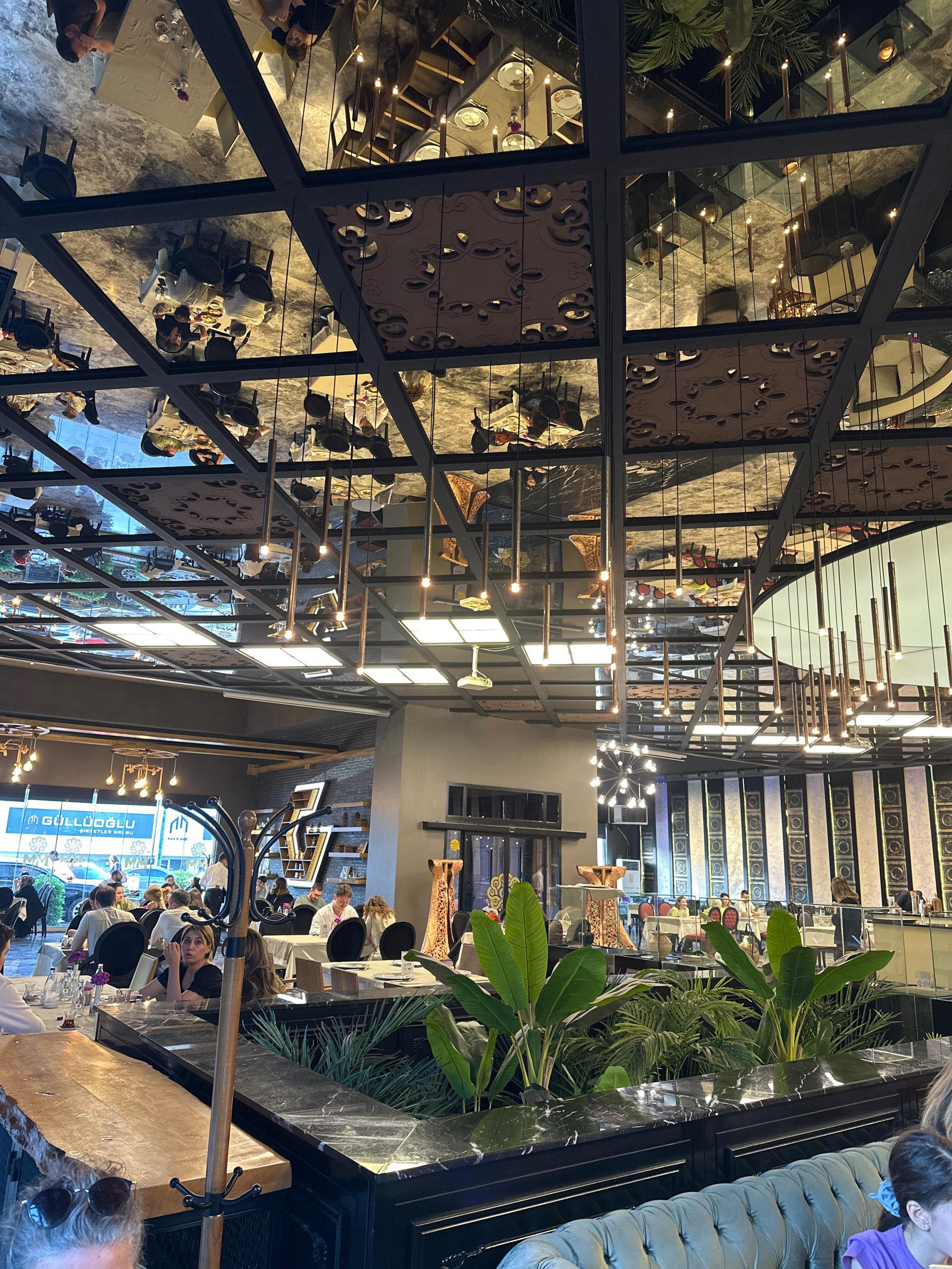
For broader comparison across Turkey, the gap between Gaziantep's craft pastry tradition and the modern dining scene represented by venues like Turk Fatih Tutak in Istanbul or Narımor in Izmir illustrates how different registers of Turkish food excellence coexist without one diminishing the other. Gaziantep's authority is traditional and ingredient-based; it does not require fine-dining framing to carry weight.
Related Stops in the Same City
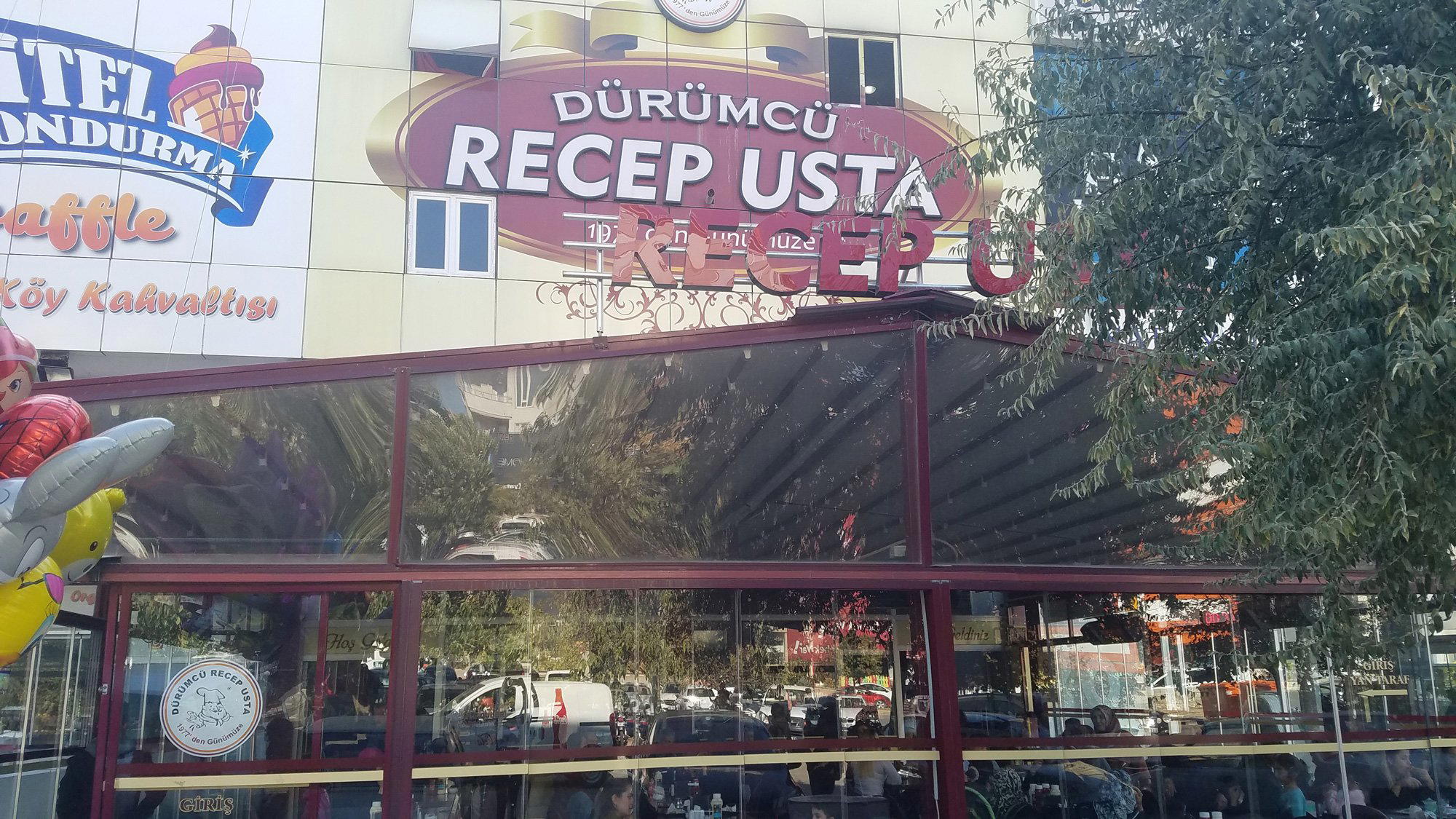
A focused visit to Gaziantep rarely stays within a single category. The city's food culture is dense and cross-referencing: a morning spent at a baklava shop typically follows or precedes a katmer breakfast or a kebab lunch. Metanet Katmer represents the city's katmer tradition, a flaky pastry filled with clotted cream and pistachio that shares the same core ingredients as baklava but belongs to a completely different production logic. Kebapçı Halil Usta and Durumcu Recep Usta anchor the kebab side of the visit, and Metanet Lokantasi covers the broader lokanta register. Those stops together show how Gaziantep uses its ingredients. For context across Turkey's wider dining scene,
Elsewhere in Turkey, venues approaching their regional ingredients with comparable seriousness include Maçakızı in Bodrum, Hiç Lokanta in Urla, and Kritikos Meyhane in Mudanya. The common thread is a sourcing discipline that prioritises regional supply chains over standardised product. In that respect, Gaziantep's baklava tradition is less a category within Turkish food than a case study in what sourcing discipline produces when it operates at scale across an entire city.
Planning Your Visit
Baklava shops in Gaziantep typically operate through daytime hours, with freshly produced trays available from the morning. Walk-in is the standard format for most local producers; queuing is a normal part of the experience at the better-regarded shops, particularly on weekends. Purchases are sold by weight, and most shops will pack trays for travel. The optimal season for pistachio quality is autumn, when the current year's crop is in use, though production continues year-round. Visitors coming to Gaziantep specifically for the food scene should allow at least a full day. For context on pricing, the shop sits in the mid-range tier.
At-a-Glance Comparison
Comparable venues nearby, for context on price, style, and recognition.
| Venue | Cuisine | Price | Notes |
|---|---|---|---|
| Kocak BaklavaThis venue — the venue you are viewing | Authentic Gaziantep Baklava | $$ | Not listed |
| Metanet Katmer | Traditional Gaziantep Katmer | $$ | Suyabatmaz |
| Baklavaci Zeki Inal | Traditional Turkish Baklava | $$ | Şahinbey |
| Durumcu Recep Usta | Turkish Dürüm Wraps | $ | Şahinbey |
| Metanet Lokantasi | Traditional Gaziantep Turkish | $$ | Kozluca |
| Kebapçı Halil Usta | Traditional Gaziantep Kebabs | $$ | Şehitkamil |
Continue exploring
More in Gaziantep

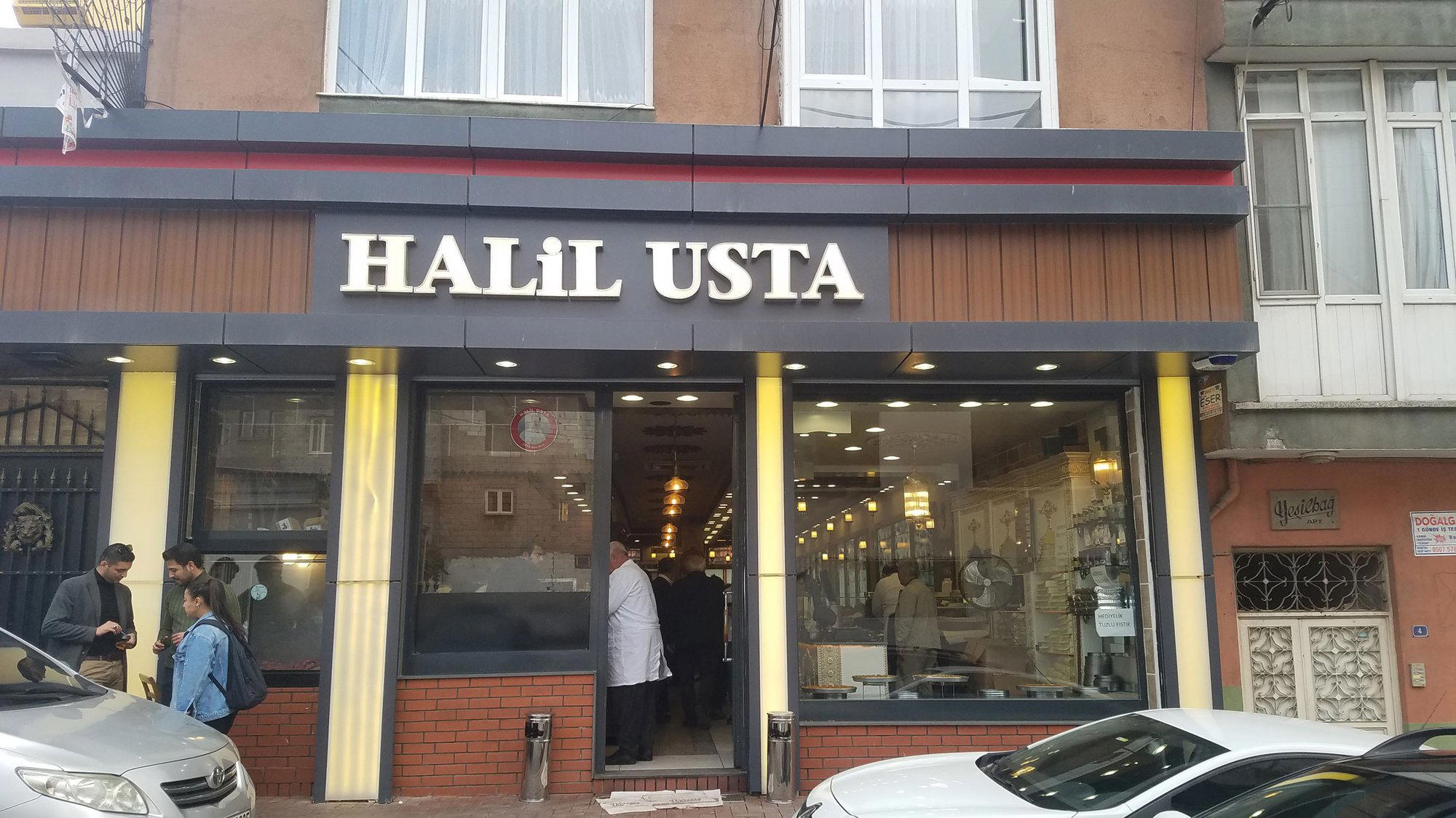
At a Glance
- Classic
- Well Known
- Casual Hangout
- Family
- Standalone
Classic Turkish dessert shop atmosphere focused on baklava service and takeaway rather than formal restaurant dining.