Our verdict
On Cumhuriyet Caddesi in central Adana, Ciğerci Mahmut represents the city's most direct expression of offal cookery, a tradition that runs deeper here than almost anywhere in Turkey. Adana's liver culture is specific, serious, and built on fresh daily sourcing, and this address sits at the centre of that conversation.

Pearl is the En Primeur Club membership app, where members save venues, book tables and use the concierge.
The menu
What to order
- Ciğer
- Adana kebap
- Çöp şiş
Adana and the Liver Tradition
In Turkey's broader grilling culture, Adana occupies a specific and well-argued position. The city gave its name to the spiced köfte that now appears on menus from Istanbul to Berlin, but among locals, the more telling measure of a proper Adana grill house is what it does with ciğer, liver. Thinly sliced lamb liver, salted and cooked over live charcoal at high speed, is not a secondary item here. It is the main event, the standard by which a kebapçı or ciğerci earns its standing. The tradition is tied to Adana's position as a regional agricultural and livestock hub: the Çukurova plain surrounding the city has historically produced high-quality sheep, and the offal from that supply chain found its way into a precision cooking tradition that elsewhere in Turkey rarely receives the same discipline. See our full Adana restaurants guide for how this tradition fits into the wider picture of eating in the city.
Where Ciğerci Mahmut Sits in That Tradition
Ciğerci Mahmut operates from Cumhuriyet Caddesi No:14 in the Reşatbey district of Seyhan, one of Adana's central commercial and civic corridors. This is not a restaurant tucked into a side street or operating at the margins of the food scene. A Cumhuriyet Caddesi address places a ciğerci in direct view of the city's daily foot traffic, office workers, shoppers, and the kind of habitual lunch crowd that makes or breaks a specialist grill house over years rather than weeks. That visibility creates accountability. A ciğerci that survives at this address does so through consistency, not novelty.
The category of specialist offal restaurant, the dedicated ciğerci as opposed to the general kebab house that keeps liver on the menu as an option, is a narrower and more demanding format. Sourcing decisions become visible immediately. Lamb liver has a brief window between fresh and compromised, and a kitchen running high daily volume on a single protein cannot mask quality gaps behind elaborate preparation. The format enforces transparency in a way that broader menus do not.
Ingredient Sourcing and Why It Defines This Category
The sourcing logic behind Adana's ciğer tradition is worth understanding in full, because it explains why geography shapes this food more than technique. The Çukurova region sits at the meeting point of the Taurus Mountains and the Mediterranean coastal plain, and its livestock economy has historically produced lamb with a particular fat profile, leaner than highland breeds in eastern Anatolia, reflecting the diet and climate of the lowland pastures. Liver from younger animals sourced locally carries less of the strong mineral intensity that puts some diners off offal in other contexts. The product that arrives at a Cumhuriyet Caddesi grill in the early morning is not the same as what a restaurant in Istanbul might source through a centralised wholesale market. Proximity and directness matter here in ways that are difficult to replicate at distance.
This dynamic places a venue like Ciğerci Mahmut in a different competitive conversation from the fine-dining operations that have defined Turkey's recent restaurant recognition story. Places like Turk Fatih Tutak in Istanbul or Maçakızı in Bodrum work at the intersection of contemporary technique and Anatolian ingredient heritage. Ciğerci Mahmut operates in a different register entirely, one where the authority comes not from culinary elaboration but from the integrity of a single sourcing decision made daily. The closest structural parallel in the Turkish context is a dedicated offal specialist like Kokorecci Asim Usta in Bornova, where specialisation in one product and a specific preparation method generates its own form of expertise and local trust.
The Physical Experience on Cumhuriyet Caddesi
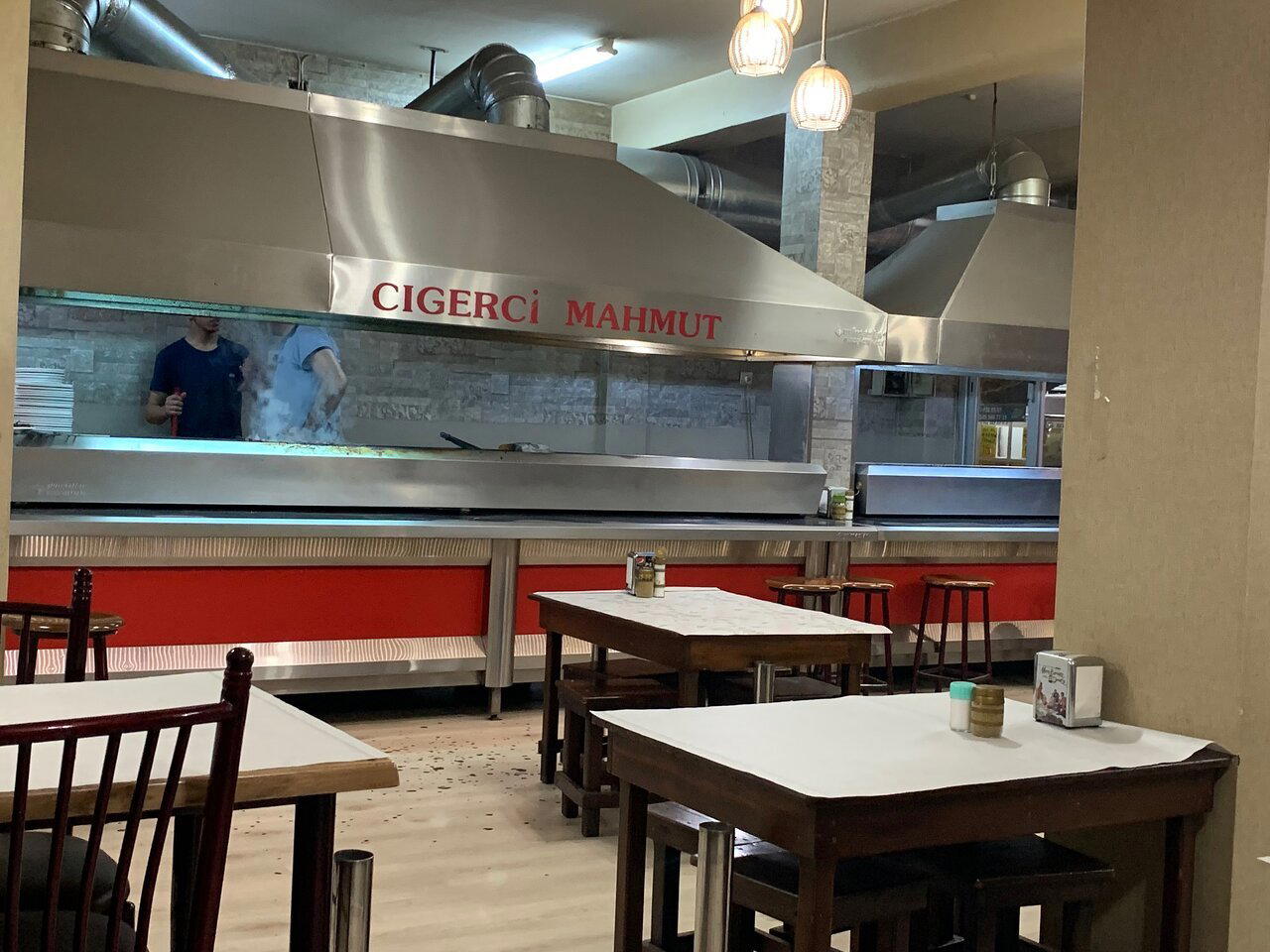
Approaching a working ciğerci on a busy commercial street in Adana, the sensory sequence is specific: charcoal smoke that carries the faint sweetness of rendering fat, the sound of a grill operating at pace during service, and a front-of-house rhythm that moves faster than sit-down restaurant service typically does. The format common to this category involves rapid turnover, liver cooks in minutes, orders arrive quickly, and the expectation is efficiency rather than occasion. That speed is not a compromise. It is what the food requires. Lamb liver held even briefly at the wrong temperature after cooking loses the texture that makes the format worth seeking out. The surrounding streetscape of Reşatbey places this within easy reach of the central Adana hotel corridor, making it a logical stop for visitors who have come to the city specifically for its food culture rather than as a side trip from a resort coast.
Planning Your Visit
Ciğerci Mahmut is located at Cumhuriyet Caddesi No:14, Reşatbey, Seyhan, Adana, a walkable address from the city centre. For visitors building a wider itinerary through southern and central Turkey, Adana sits on a logical route that connects Cappadocian dining destinations like Nahita Cappadocia in Nevsehir and Aravan Evi in Ürgüp with the Aegean coast operations such as Narımor in Izmir or Mezegi in Fethiye. Within the Anatolian interior, the Central Anatolian table represented by addresses like Kardeşler Restoran in Aksaray and Sofram Restaurant in Niğde provides useful comparative context for understanding how regional specificity shapes Turkish cooking across the plateau. Further afield, coastal operations from Ahãma in Göcek to Poyraz Sahil Balık in Beykoz, and concept-driven venues like Divia by Maksut Aşkar in Marmaris, Agora Pansiyon in Milas, Happena in Nevşehir, and Yakamengen III in Datça map the full range of Turkey's current table, from the specialist and traditional to the contemporary and internationally referenced. For perspective on how specialist-format restaurants operate in entirely different culinary contexts, Le Bernardin in New York City and Lazy Bear in San Francisco demonstrate how single-minded product focus generates authority regardless of geography.
Frequently asked questions
Is Ciğerci Mahmut okay with children?
A street-level grill on a busy commercial corridor like Cumhuriyet Caddesi is by its nature an informal setting, which typically suits families with children. The format is counter-style and fast-paced rather than sit-down and quiet. That said, the smokiness of an active charcoal grill may be a consideration for very young children.
How would you describe the vibe at Ciğerci Mahmut?
This is a working ciğerci on one of Adana's busiest civic streets, expect charcoal smoke, the sound of active grilling, and the foot traffic of a city-centre lunch crowd. The atmosphere is functional and purposeful rather than decorative. Locals eating quickly at the counter set the tone, not tourists seeking a curated experience.
What makes Ciğerci Mahmut different from other kebab restaurants in Adana?
Ciğerci Mahmut is a single-category specialist: ciğer, meaning liver, rather than the broader kebab or köfte menus found at most Adana restaurants. This kind of focused ciğerci model, operating from a fixed address at Cumhuriyet Caddesi No:14 in Reşatbey, represents a distinct strand of Adana's grill culture that prioritises offal sourcing and charcoal technique over menu range. The city has a documented tradition of these specialist liver grillhouses, and Ciğerci Mahmut sits within that category rather than the general kebab circuit.
What's the best thing to order at Ciğerci Mahmut?
In Adana's ciğer tradition, the core order is lamb liver grilled over charcoal, typically served with flatbread, raw onion, and dried chilli, the formula is consistent across the city's specialist grillhouses. That combination is the point of venues like Ciğerci Mahmut on Cumhuriyet Caddesi, and ordering anything else would miss what the format is built around.
At-a-Glance Comparison
Comparable venues nearby, for context on price, style, and recognition.
| Venue | Cuisine | Price | Notes |
|---|---|---|---|
| Ciğerci MahmutThis venue (the venue you are viewing) | Traditional Turkish Ciğer & Kebap | $10–20 | Not listed |
| Kuyum Pide Salonu | Traditional Turkish Pide | $10–20 | Konak |
| Carsi Muhallebicisi | Traditional Turkish Desserts & Chicken Soup | $10–20 | Fatih |
| Bayramoğlu Döner | Traditional Turkish Döner | $10–20 | Kavacık |
| Metanet Katmer | Traditional Gaziantep Katmer | $1–10 | Suyabatmaz |
| Kebapçı Halil Usta | Traditional Gaziantep Kebabs | $10–20 | Şehitkamil |
Continue exploring
More in Adana
Restaurants in Adana
All restaurants in Adana →
Details
- Rustic
- Lively
- Casual Hangout
- Family
- Group Dining
- Open Kitchen
- A La Carte
- Halal
Current opening hours
- Monday
- 9 AM–10 PM
- Tuesday
- 9 AM–10 PM
- Wednesday
- 9 AM–10 PM
- Thursday
- 9 AM–10 PM
- Friday
- 9 AM–10 PM
- Saturday
- 9 AM–10 PM
- Sunday
- 9 AM–10 PM
Hours can change for holidays and private events. Hours as of .
Casual, salaş atmosphere with open-air seating in the back, fast-paced service amid a lively grill setting.