Our verdict
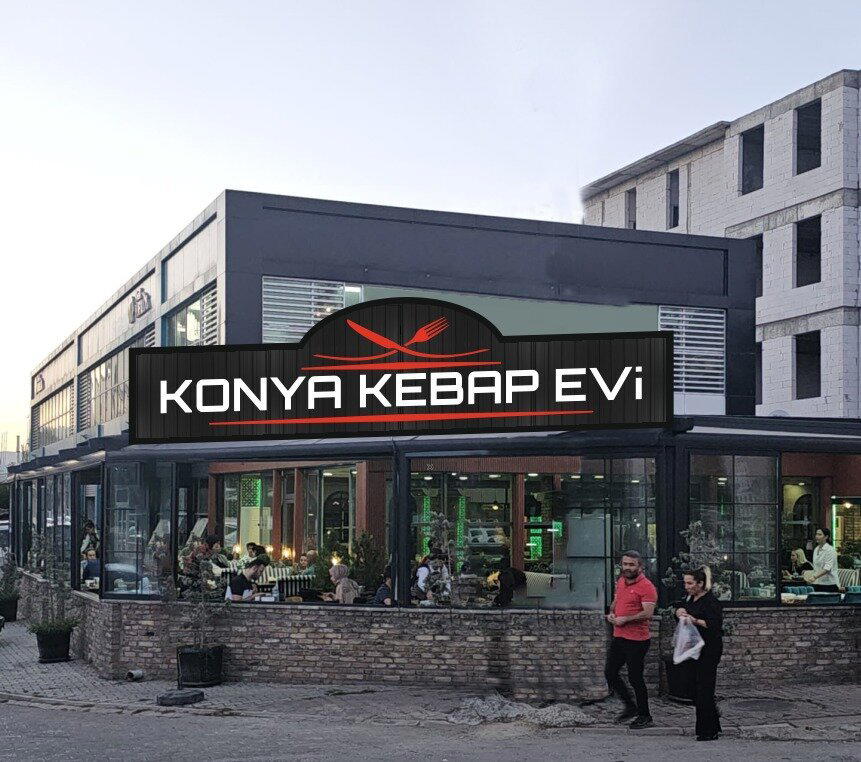
Konya Kebap Evi sits in Selçuklu's Horozluhan industrial district, where the kebap tradition of central Anatolia is taken seriously rather than performed for tourists. The address alone signals a working-class authenticity that the city's old-town tourist strip cannot replicate. For anyone tracing Turkey's meat-fire-bread axis from source, this is a logical stop.

Pearl is the En Primeur Club membership app, where members save venues, book tables and use the concierge.
The menu
What to order
- Hakiki Konya Kuzu Tandır Fırın Kebabı
- Kuzu Boyun Tandır Fırın Kebabı
- Etli Ekmek
- Bamya Çorbası
- Mantar Güveç
Where Konya's Kebap Tradition Meets the Industrial Fringe
Selçuklu is the administrative and commercial twin of historic Konya, and its Horozluhan Organized Industrial Zone is not the kind of address that appears in glossy travel itineraries. That is precisely the point. In central Anatolia, the most serious kebap houses have long gravitated toward working districts rather than tourist corridors, because their primary audience is local: tradespeople on lunch breaks, families marking occasions, and the kind of regulars whose frequency of return is more reliable than any review platform rating. Konya Kebap Evi on İstikamet Caddesi sits squarely inside that tradition.
The approach to the restaurant tells you something before you walk in. Industrial-zone dining in this part of Turkey tends to be no-frills in presentation but disciplined in sourcing, because the clientele knows what good lamb and beef taste like. These are communities with generational proximity to livestock rearing on the Anatolian plateau, and restaurants that cut corners on ingredient quality do not survive long in that context. The competitive pressure is horizontal rather than vertical: no one here is competing with the fine-dining tier represented by venues like Turk Fatih Tutak in Istanbul or Maçakızı in Bodrum. The competition is the kebap house two streets over, and that keeps standards honest.
Konya's Meat Heritage and Why Location Within the Region Matters
Konya province occupies the largest surface area of any province in Turkey and sits at the center of a livestock-raising belt that has supplied Anatolian kitchens for centuries. The plateau's semi-arid pastures produce lamb with a distinctive fat profile, leaner and less gamey than coastal or highland varieties, which is why Konya-style kebap has its own recognizable character in the national canon. The city has also given Turkey one of its most specific regional dishes: etliekmek, an elongated flatbread topped with minced meat that functions as both a kebap delivery format and a bread tradition in its own right. For context on how that tradition plays out further south, Kısmet Etliekmek ve Lahmacun Salonu in Karaman offers a useful regional comparison point.
The sourcing logic embedded in Konya kebap culture differs from the farm-to-table framing that western restaurant audiences are familiar with. It is not a marketing position but a structural reality: proximity to the plateau means that meat arrives fresh, turnover is high, and the menu does not require the kind of preservation or importation that complicates coastal kitchens. When a kebap house in Selçuklu's industrial zone can source plateau lamb directly through regional supply chains, the ingredient integrity is built into geography rather than achieved through premium procurement programs. That is a harder thing to replicate in, say, an Istanbul restaurant drawing from the same raw materials at greater distance and cost.
The Broader Anatolian Grill Context
Turkish kebap houses operate across a wide spectrum, from the street-side dürüm counters of Istanbul's Beyoğlu district, where Dürümzade has built a reputation around a single format executed with precision, to the sit-down regional houses of central Anatolia that treat the kebap as the centerpiece of a longer, more social meal. Konya Kebap Evi occupies the latter category, where the format implies table service, multiple courses beginning with soup or salad, and a pace that does not treat the main event as a quick transaction.
The regional grill tradition also intersects with bread culture in ways that distinguish Anatolian practice from the more internationally recognized forms of grilled meat. Pide, lavaş, and etliekmek are not accompaniments in the passive sense; they are structural components of how the meal is built and consumed. This is a tradition with as much craft investment in fermentation and fire-baking as in the seasoning and grilling of the meat itself. It sits at a considerable distance from the kind of tasting-menu interpretations of Anatolian ingredients that places like Asitane in Fatih pursue, but both ends of the spectrum are drawing from the same culinary archive.
For international visitors accustomed to thinking about Turkish food through a coastal or Istanbul-centric lens, venues like Narımor in Izmir or Hiç Lokanta in Urla represent the Aegean pole of the country's dining range. Konya Kebap Evi represents a different axis entirely: inland, historically pastoral, and rooted in a culinary tradition that predates the modern restaurant category by several centuries.
Selçuklu's Dining Position Within Konya
Selçuklu functions as the new city alongside historic Konya's Seljuk and Ottoman core. Its restaurant culture reflects that split: the old town draws visitors to its historical sites and the restaurants that have formed around that tourist infrastructure, while Selçuklu's commercial and industrial zones carry the everyday dining life of a working city. Konya is Turkey's seventh-largest city by population, which means there is sufficient density to support a serious, locally oriented restaurant ecosystem in districts that foreign visitors rarely reach. Horozluhan is one of those districts.
That geography creates a particular kind of dining experience: no concessions to translated menus, no tourist-adjusted spicing, and pricing calibrated to local incomes rather than visitor budgets. Travelers willing to leave the Karatay and Meram tourist zones will find a more direct version of what Konya actually eats on a daily basis. For orientation across the broader Selçuklu dining picture, our full Selçuklu restaurants guide maps the range of options across the city's different zones.
The contrast with destination-restaurant dining in Turkey's premier cities is worth holding in mind for context. Places like Le Bernardin in New York City or Atomix operate within a global fine-dining grammar that is defined by tasting menus, published critic recognition, and international booking infrastructure. Konya Kebap Evi operates in a register where none of those signals apply, and where credibility is established entirely through local repeat business.
Planning a Visit
Konya Kebap Evi is located at Horozluhan OSB, İstikamet Caddesi, in Selçuklu. The Horozluhan Organized Industrial Zone sits outside the city center, and visitors arriving from the historic core should plan for road travel rather than walking distance. Given the absence of publicly listed contact details or booking infrastructure, arriving without a reservation during peak lunch hours on weekdays carries some risk of wait times, given the venue's primary industrial-zone clientele. Midday on weekdays is the working-lunch peak; later afternoon arrivals are likely to encounter lighter crowds. No dress code or formal booking protocol is documented, which is consistent with the format. Travelers connecting Konya with a broader central Anatolian itinerary might note that Kocak Baklava in Gaziantep and Ciğerci Mahmut in Adana anchor the southern end of the same meat-and-bread cultural corridor that Konya sits at the center of.
Frequently asked questions
Would Konya Kebap Evi be comfortable with kids?
Kebap houses in Konya's working districts tend to run as family-oriented operations rather than destination dining rooms with strict atmosphere codes. The Horozluhan OSB address suggests a practical, canteen-style setting where groups eating together, including children, are the norm rather than the exception.
What's the vibe at Konya Kebap Evi?
The address in Selçuklu's Horozluhan Organized Industrial Zone sets the tone: this is a grill house that serves the working population of one of Konya's commercial corridors, not a tourist-facing dining room. Expect a utilitarian setting where the focus is the food, the kind of place where local tradespeople and factory managers share tables at lunch rather than a space designed around evening ambience.
Is Konya Kebap Evi worth the trip out to the Horozluhan industrial zone?
Konya's grill culture is rooted in the province rather than its tourist centre, and venues in working districts like Horozluhan OSB often reflect that more directly than restaurants positioned near the Mevlana Museum. Selçuklu's commercial zone is accessible from central Konya, though it requires a deliberate journey rather than a walk from the old city. Visitors specifically seeking regional kebap outside the tourist circuit have reason to make that detour.
What should I eat at Konya Kebap Evi?
Konya province is the agricultural and livestock centre of central Anatolia, and its grill houses have historically built their reputation on lamb-based preparations, fırın kebabı (oven-roasted lamb) is the dish most associated with the city. A kebap house operating under the Konya Kebap Evi name in Selçuklu is positioned squarely in that regional tradition.
How It Stacks Up
Comparable venues nearby, for context on price, style, and recognition.
| Venue | Cuisine | Price | Notes |
|---|---|---|---|
| Konya Kebap EviThis venue (the venue you are viewing) | Traditional Konya Kebap and Turkish Grill | $30–50 | Not listed |
| Araf | Modern Turkish Chef’s Table | Not listed | Not listed |
| Karakoy Gulluoglu | Traditional Turkish Baklava and Sweets | Not listed | Karakoy |
| Ala Aksam Restaurant | Turkish Steakhouse | Not listed | Belek |
| Durumcu Recep Usta | Turkish Dürüm Wraps | $10–20 | Şahinbey |
| Küçükoğlu Restaurant side | Authentic Turkish Barbecue | $10–20 | Side |
Details
- Modern
- Classic
- Family
- Group Dining
- Business Dinner
- Celebration
- Terrace
- Standalone
- Beer Program
- Local Sourcing
- A La Carte
- Turkish Coffee
- Beer
- Vegetarian Friendly
Current opening hours
- Monday
- 11:30 AM–11 PM
- Tuesday
- 11:30 AM–11 PM
- Wednesday
- 11:30 AM–11 PM
- Thursday
- 11:30 AM–11 PM
- Friday
- 11:30 AM–11 PM
- Saturday
- 11:30 AM–11 PM
- Sunday
- 11:30 AM–11 PM
Hours can change for holidays and private events. Hours as of .
Modern Turkish restaurant atmosphere with family and group dining, attentive service, and occasional theatrical presentation such as dry-ice table service.