Kartepe Organic Foods operates on Doğuş Caddesi in Kartepe, a district of Kocaeli province where the eastern Marmara hinterland gives way to forested hills and small-scale agriculture. The shop sits within a regional food tradition that prizes direct sourcing over supply-chain convenience, making it a reference point for ingredient-led eating in an area that Istanbul-focused food coverage rarely reaches. For travellers moving between Istanbul and Anatolia, it represents a different register of Turkish food culture.
Pearl is the En Primeur Club membership app — saves, bookings, and concierge access live there. Same editors, same standards.
- Address
- Şirinsulhiye, Doğuş Cd. No
- Phone
- +905062243041
- Website
- kartepeorganik.com
- Directions
- Get directions
 Saves & bookings on Pearl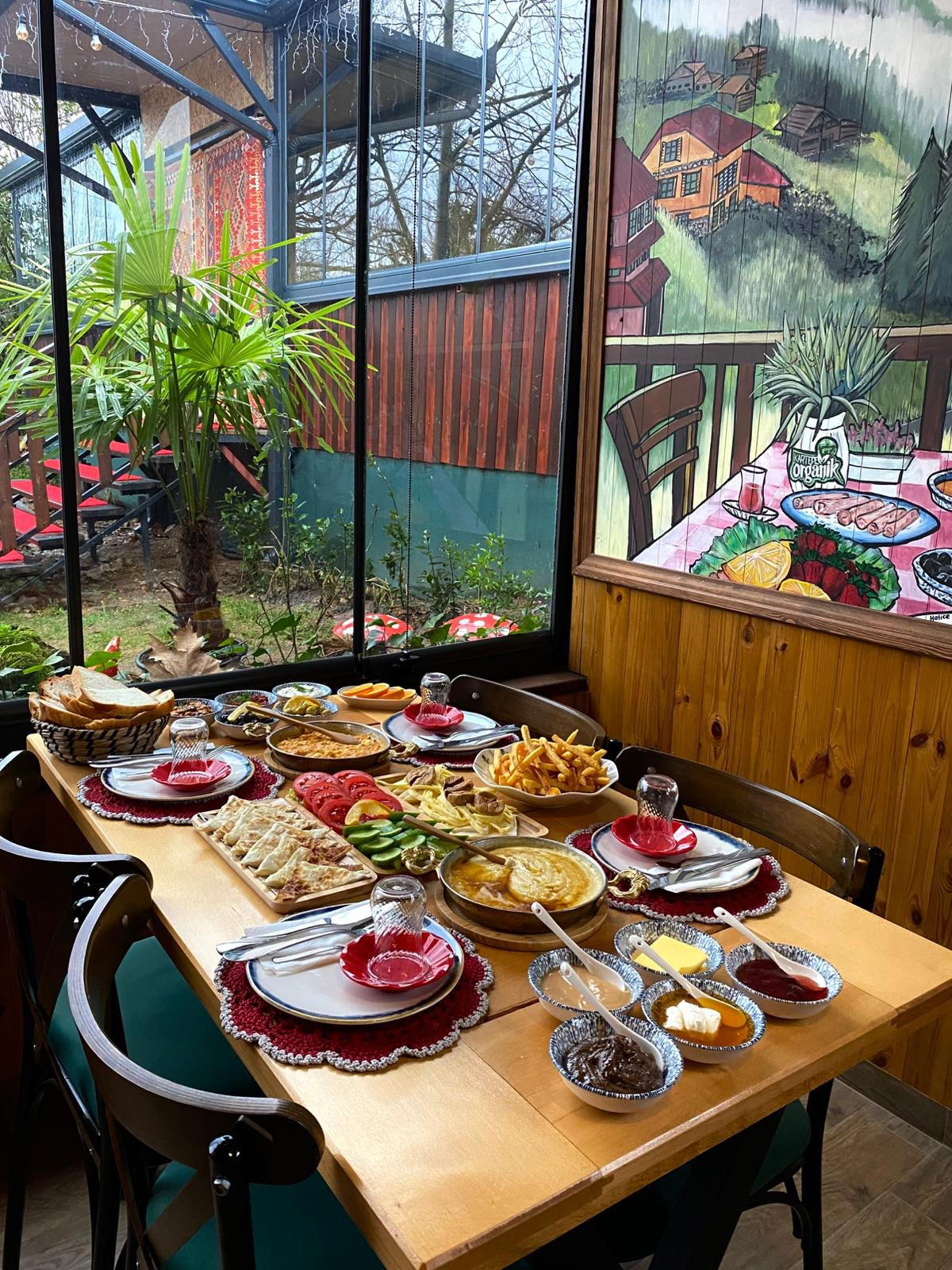
Where the Ingredient Is the Argument
Kartepe sits roughly 100 kilometres east of Istanbul along the Marmara coast, close enough to the city to feel its economic pull but far enough removed to have preserved a different relationship with food production. The district's agricultural character, shaped by its position between the Gulf of İzmit and the forested ridgelines of Kocaeli province, creates conditions that a certain kind of food business depends on: proximity to growers, a customer base with roots in the land, and a market rhythm that has not yet been fully absorbed by supermarket logistics. Kartepe Organic Foods is a restaurant in Kartepe, Kocaeli, serving Turkish Organic Breakfast & Grill at a casual, walk-in-friendly price point of about $15 per person. It operates at its address on Doğuş Caddesi in the Şirinsulhiye neighbourhood.
The organic food retail and provisioning category in Turkey has developed unevenly. Istanbul's wealthier neighbourhoods host a growing tier of certified organic shops and farmers' market formats, and venues like Hiç Lokanta in Urla have shown how ingredient sourcing can become the editorial spine of a restaurant's entire identity. Outside the major cities, the picture is more complicated.
The Eastern Marmara Food Belt
Kocaeli province occupies a position in Turkish food geography that does not receive the attention it warrants. The region's agricultural output includes hazelnuts, dairy, vegetables, and orchard fruit, and the combination of Marmara humidity and Anatolian altitude creates growing conditions with their own character. The food traditions of the area reflect its history as a transit zone between Istanbul and the interior: practical, unshowy, built around preservation and seasonality in ways that predate the current interest in those qualities as premium signals.
The eastern Marmara belt connects, in culinary terms, to a broader set of Anatolian traditions that have attracted renewed attention. Asitane in Fatih has spent decades reconstructing Ottoman culinary heritage, and the ingredient diversity of Anatolia is central to that project. Narımor in Izmir works the Aegean sourcing angle from a coastal position. Kartepe's contribution to this map is less visible in food media, but the underlying agricultural conditions are genuine. For a provisioning operation focused on organic sourcing, the location has structural advantages that a city-centre address cannot replicate: shorter distances from farm to shelf, less cold-chain dependency, and a supplier base that can be visited rather than simply contracted.
Ingredient Sourcing as the Core Proposition
Across Turkey's food scene, the question of where ingredients come from has become a more contested and consequential one. At the summit of the restaurant market, venues like Turk Fatih Tutak in Istanbul and Maçakızı in Bodrum build sourcing narratives that are inseparable from their positioning. The logic flows downward: when fine dining makes provenance a central value, it raises expectations at every tier of the food supply. Organic food retail sits at a different point in that chain, closer to the production end, and the credibility of the claim depends on operational transparency rather than menu copy.
For a shop like Kartepe Organic Foods, the sourcing argument has to be made through the product itself. Customers in provincial markets tend to be more direct in their interrogation of claims than urban shoppers accustomed to certified labels. That pressure, while commercially demanding, tends to produce more honest provisioning. What is knowable is the structural logic: an organically positioned food business in Kartepe's agricultural district has a more direct route to credible sourcing than many urban equivalents.
Kartepe in the Wider Turkey Food Picture
Turkey's food geography rewards lateral movement. The well-documented circuits, Istanbul's restaurant scene, the Aegean coast around Bodrum and Izmir, the kebab traditions of Gaziantep and Adana (represented on the EP Club platform by venues like Kocak Baklava in Gaziantep and Ciğerci Mahmut in Adana), capture most of the food-travel attention. The Marmara hinterland east of Istanbul, including Kocaeli and its districts, rarely features in that conversation. That gap reflects editorial habit more than culinary thinness.
Travellers on the Istanbul-Ankara corridor, or those using the ferry and road routes along the Gulf of İzmit, pass through Kartepe's orbit without being directed toward its food infrastructure. The organic food category is one of the more interesting entry points for that territory, because it connects contemporary sourcing concerns to a region where the agricultural base is still intact. For context on what ingredient-led food looks like at a higher price tier in the same broad region, Kritikos Meyhane in Mudanya and Casa Lavanda in Sile offer reference points along the southern and northern Marmara edges respectively. Bayramoğlu Döner in Beykoz represents the more vernacular end of the same eastern Marmara food belt.
Planning a visit to Kartepe Organic Foods is leading done as part of a broader circuit through the district rather than as a standalone destination. Kartepe is accessible by road from Istanbul in under two hours depending on traffic, and the district's position on the Gulf of İzmit makes it a logical stop on journeys east. The shop's address on Doğuş Caddesi in Şirinsulhiye is in the residential and small-commercial fabric of the district rather than a tourist or market zone, which shapes the experience accordingly. Phone and website details are not currently available through public records, so confirming hours before visiting is advisable. See our full Kartepe restaurants guide for further context on eating and drinking in the district.
For those tracking the wider trajectory of Turkish food, the organic provisioning category in secondary cities and districts is worth following. The restaurant sits in that developing tier.
Quick Comparison
Comparable venues nearby, for context on price, style, and recognition.
| Venue | Cuisine | Price | Notes |
|---|---|---|---|
| Kartepe Organic FoodsThis venue — the venue you are viewing | Turkish Organic Breakfast & Grill | $$ | Not listed |
| The House Of Memories | Traditional Turkish Testi Kebab | $$ | Uchisar |
| Lades 2 Menemen | Traditional Turkish Menemen | $$ | Beyoğlu |
| Kuyum Pide Salonu | Traditional Turkish Pide | $$ | Konak |
| Las Tapas fish and kebap Restaurant | Turkish Fish & Kebap | $$ | Alemdar |
| Öz Şanlıurfa Ciğercisi | Turkish Ciğerci (Liver House) | $$ | Bayraklı |



At a Glance
- Rustic
- Cozy
- Family
- Brunch
- Casual Hangout
- Organic
Current opening hours
- Monday
- 9 AM–3 PM
- Tuesday
- 9 AM–3 PM
- Wednesday
- 9 AM–3 PM
- Thursday
- 9 AM–3 PM
- Friday
- 9 AM–3 PM
- Saturday
- 9 AM–3 PM
- Sunday
- 9 AM–3 PM
Hours can change for holidays and private events. Last verified .
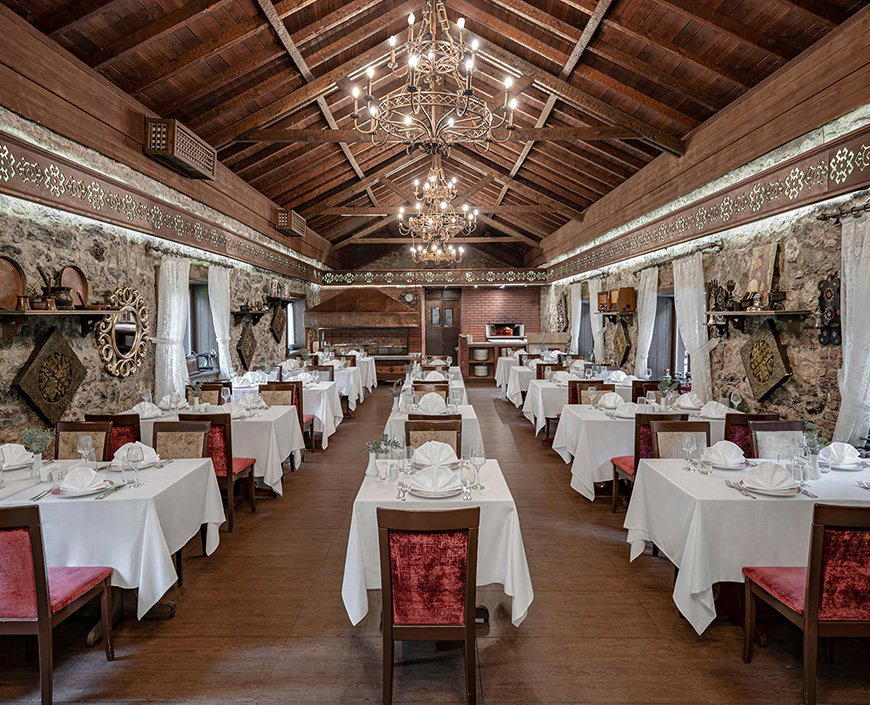
Casual and welcoming with emphasis on fresh organic ingredients.