
1 Michelin Key
Six Ottoman stone houses, joined and restored into 25 individually decorated rooms, make Alavya the reference point for boutique lodging in Alaçatı. Rates start at $370 per night. The hotel sits in a coastal Aegean town that European sailboat crowd has long known about, and everyone else is now discovering.

Pearl is the En Primeur Club membership app, where members save venues, book tables and use the concierge.
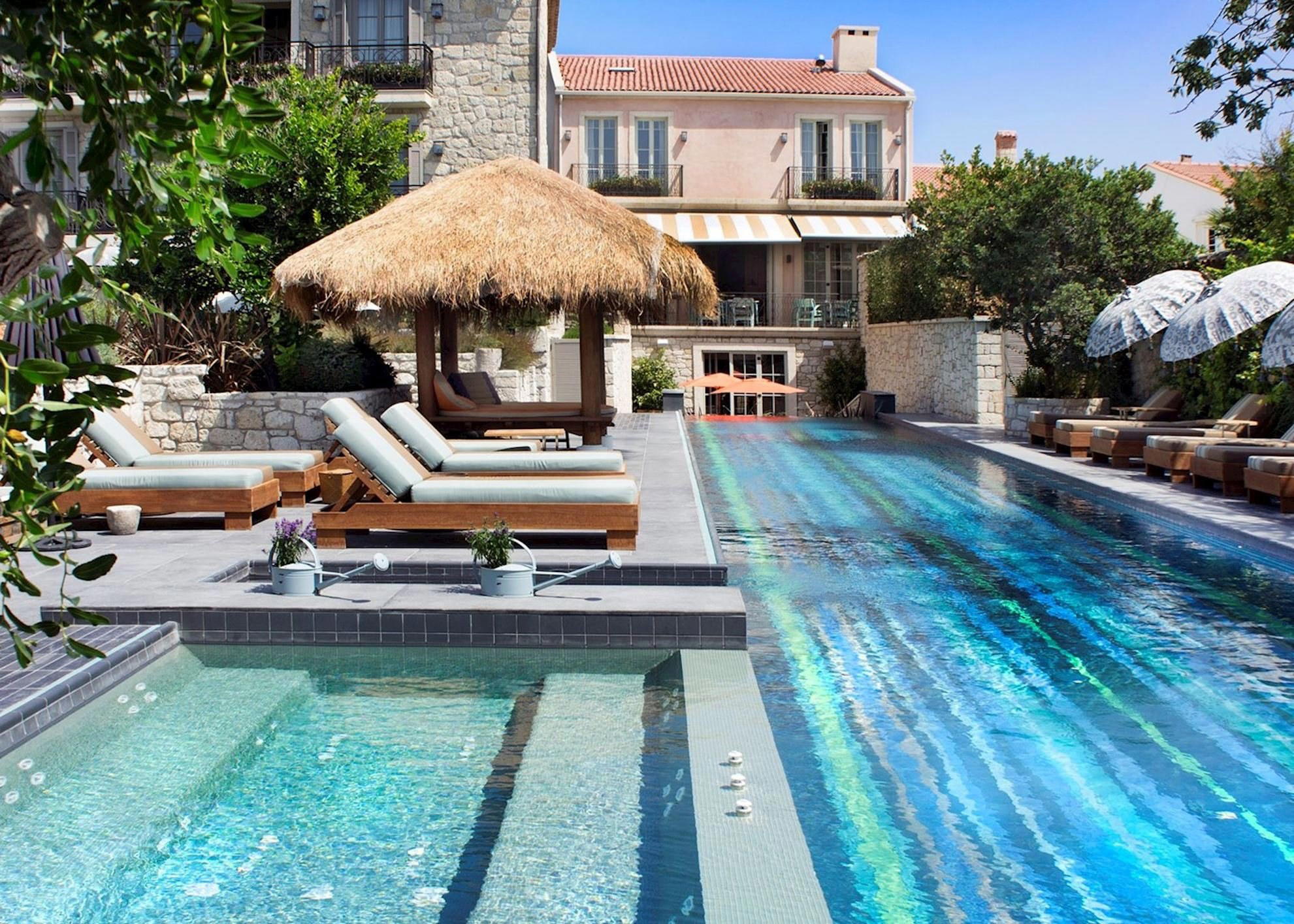
Stone, Sailboats, and a Town That Rewards the Curious
There is a particular kind of place that appears on hot lists for years before most travellers can locate it on a map. Alaçatı is that place. Forty-five miles east of Çeşme on Turkey's Aegean coast, and roughly 400 miles southwest of Istanbul, the town sits on the Izmir peninsula in a part of the country that European sailing circles have treated as a private discovery for decades. Ottoman-era stone houses line the streets. Old windmills punctuate the hillsides. Vineyards stretch toward the water. The harbour holds white boats in various states of calm. If you have arrived without prior coordinates, the effect is disorienting in the leading possible way: you feel you have found something before the crowds did, even if the crowds have, in fact, been here all along.
Alavya opened in 2014 into this context and immediately set the standard for how boutique lodging should work in a town built from historic architecture. The hotel does not occupy a purpose-built block. It occupies six of Alaçatı's village stone houses, joined together and carefully restored to hold 25 guest rooms across different tiers. That physical configuration matters: the building is not imitating local character, it is local character, with all the irregularity and texture that implies. For comparable approaches to historic-fabric hotels elsewhere on the Turkish coast, MACAKIZI BODRUM in Bodrum Mugla and Ahãma in Göcek pursue their own versions of site-specific luxury, though neither works from Ottoman village stock in the same way.
What the Architecture Actually Delivers
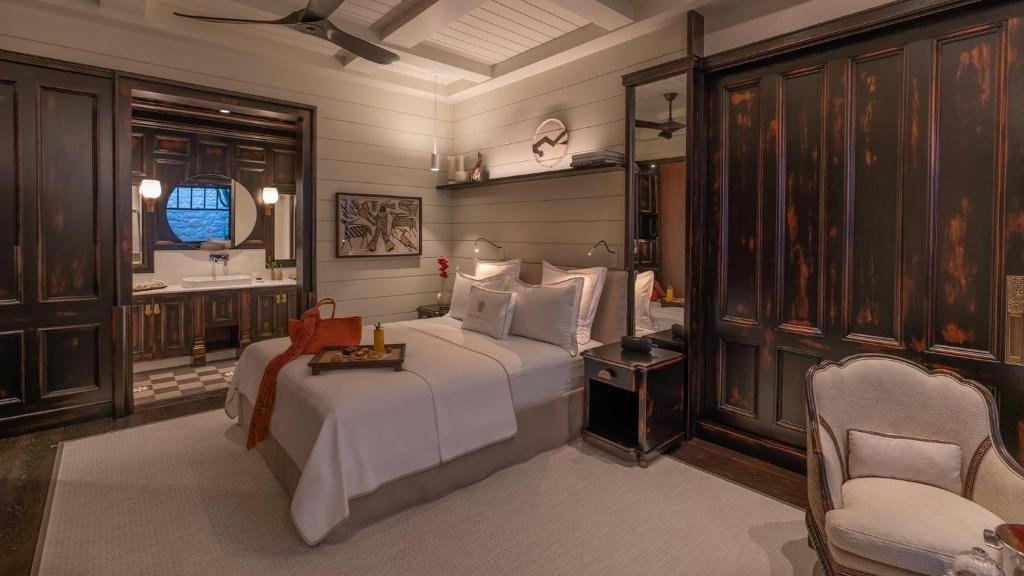
The design work at Alavya did not smooth out the original structures into something hotel-generic. The rough-hewn stonework appears throughout, most prominently in the Classic Collection rooms, where tall arched windows and old-fashioned fireplaces sit alongside Carrara marble bathrooms. Several of these rooms open onto private patios. The contrast between the ancient and the considered-modern is handled without strain: the marble reads as contemporary refinement, not anachronism, precisely because the stone walls around it are so clearly original.
The Premium Collection rooms take a different approach. Blonde wood replaces exposed stone as the dominant material, and contemporary artwork comes forward as the decorative logic. These rooms lean into comfort and lightness rather than historical texture, and many include private open-air terraces. The trade-off is legible: you gain space and a cleaner aesthetic at some cost to the sense of place that defines the Classic tier.
At the top of the room hierarchy sit the suites and two lofts, Turquoise and Jade. The loft format suits a property built from joined village structures: the vertical dimension is genuinely different from what a standard hotel floor plan allows. For travellers comparing options in the area, Warehouse By The Stay and KestelINN Alaçatı in Cesme represent alternative takes on Alaçatı boutique lodging, though neither matches the architectural scope of six joined houses.
How the Hotel Actually Feels to Use
Boutique properties built from historic structures sometimes feel more like museums than places to stay in. Alavya avoids that. The operational approach prioritises flexibility over formality: breakfast is served whenever you want and wherever you prefer, whether that means poached organic eggs on a private patio or yogurt with fruit in the café. This is not a small thing. A fixed breakfast room at a fixed hour imposes a hotel logic onto what should be a restorative experience. Alavya's version treats the guest schedule as the reference point.
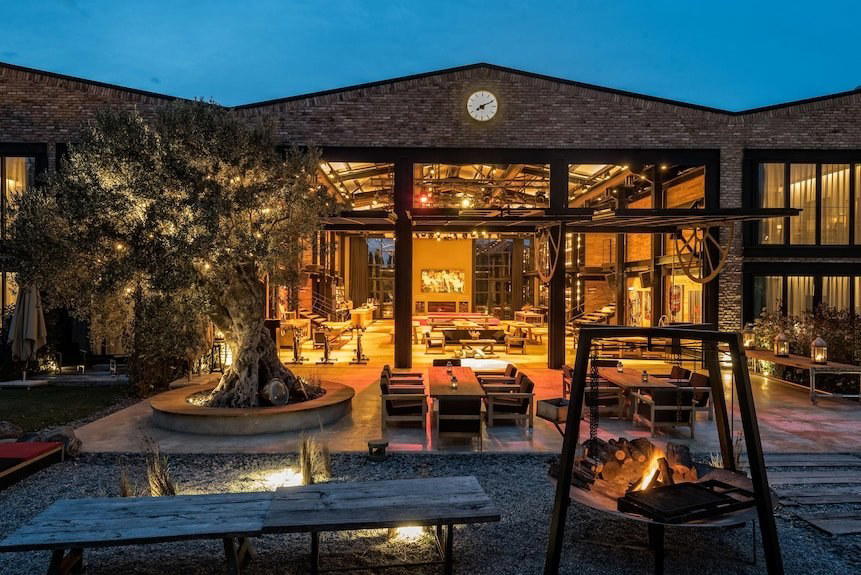
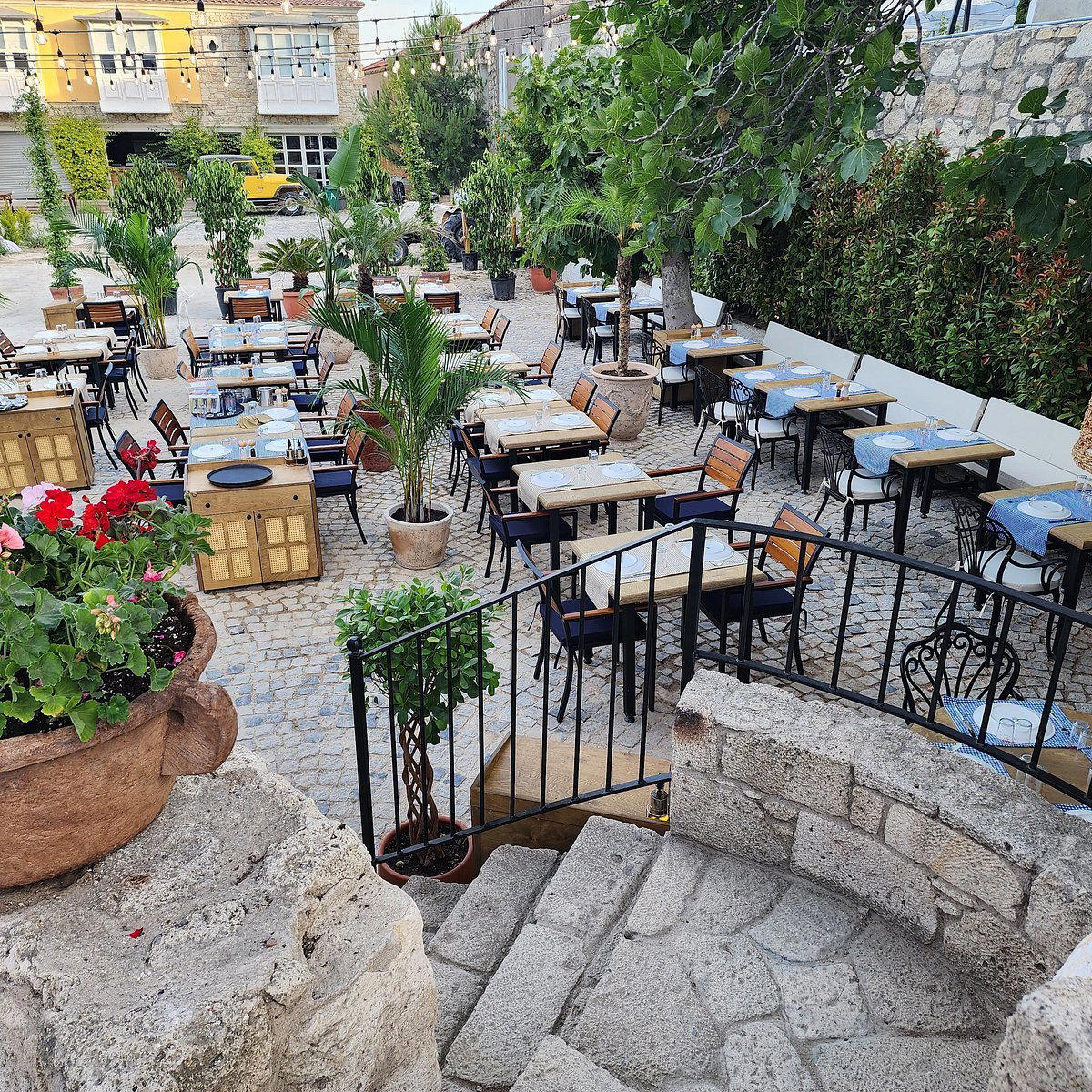
Later in the day, the hotel's backyard becomes the more social proposition. Shaded by established trees, with a house DJ running alongside Mediterranean small plates and locally produced wine, it functions as a proper destination for the evening rather than an amenity that closes at six. The wine sourced locally from the Aegean region gives the setting a geographic coherence that a generic international wine list would not. Turkey's Aegean vineyards, particularly around Çeşme and the broader Izmir peninsula, have developed steadily over the past two decades, and using them here connects the experience to place in a way that the stone walls and the arched windows also do.
Rates from $370 per night position Alavya in the premium tier of Alaçatı accommodation. For context across Turkey's broader boutique hotel market, Argos in Cappadocia in Nevsehir and Hu of Cappadocia in Uçhisar occupy comparable price brackets in their respective regions, each working from a similar premise of restored historic fabric and considered design. On a different scale entirely, Ajwa Cappadocia in Ürgüp offers a more formal luxury register. For those extending a trip toward Istanbul, Akbıyık Cd. in Istanbul and the Renaissance Izmir Hotel in Izmir provide natural staging points. Further afield on Turkey's coast, D Maris Bay in Hisarönü, Hillside Beach Club in Fethiye, Allium Bodrum Resort & Spa in Bodrum, Kempinski Hotel The Dome Belek in Antalya, Regnum Carya in Belek, and NG Phaselis Bay in Kemer represent the range of coastal options for travellers assembling a longer Turkish itinerary. Inland and further north, NG AFYON in Afyonkarahisar, NG ENJOY in Sapanca, Crowne Plaza Ankara in Ankara, Casa Lavanda Boutique Hotel in Sile, BN Hotel Thermal & Wellness in Mersin, and Princes' Palace Resort in Büyükada fill different segments of the Turkey hotel market at various price points and formats. For international comparisons in the boutique-luxury space, Aman Venice in Venice, Aman New York in New York City, and The Fifth Avenue Hotel in New York City show how the category performs across different urban and cultural contexts.
For dining and local context around the hotel, see our full Alacati restaurants guide.
Planning Your Stay
Alaçatı draws most of its visitors between June and September, when Aegean winds make it a windsurfing reference point and the backyard social scene at properties like Alavya reaches its peak. The shoulder months, particularly May and October, offer the architecture and the town at lower density. Getting there typically involves flying into Izmir's Adnan Menderes Airport and driving the roughly 70-kilometre route west toward Çeşme; the journey takes around an hour.
At-a-Glance Comparison
Comparable venues nearby, for context on price, style, and recognition.
| Venue | Cuisine | Price | Awards | Notes |
|---|---|---|---|---|
| AlavyaThis venue (the venue you are viewing) | Restored stone village houses with country modern style blending rustic charm and contemporary luxury. | $300–500 | 1 Michelin Key | Not listed |
| Viento Hotel Alacati | Restored historic Greek mansion with modern amenities in the heart of Alaçatı village. | Not listed | Michelin Selected | Alaçatı |
| Warehouse By The Stay | Contemporary boutique hotel with artistic and cultural focus, blending industrial warehouse architecture with luxury design elements and curated art collection. | $200–300 | 1 Michelin Key | Menderes Mah. |
| Scorpios Bodrum | Modern Mediterranean beach club with private bungalows | Not listed | Michelin Selected · Tablet Hotels Best New Hotel Designs (Asia) | Golkoy |
| Casa Nonna Bodrum | Luxury adult-only beachfront boutique resort | Not listed | Michelin Selected | Yali |
| Renaissance Izmir Hotel | Modern urban waterfront hotel blending business classicism with creative touches. | $100–200 | Not listed | Alsancak |
Recognition history
Dated appearances from independent guides and award organizations, with the underlying list record or original source where available.
Michelin 1 Key
Michelin
Full recognition history (2 entries)
Michelin 1 Key
Michelin
Continue exploring
More in Alacati
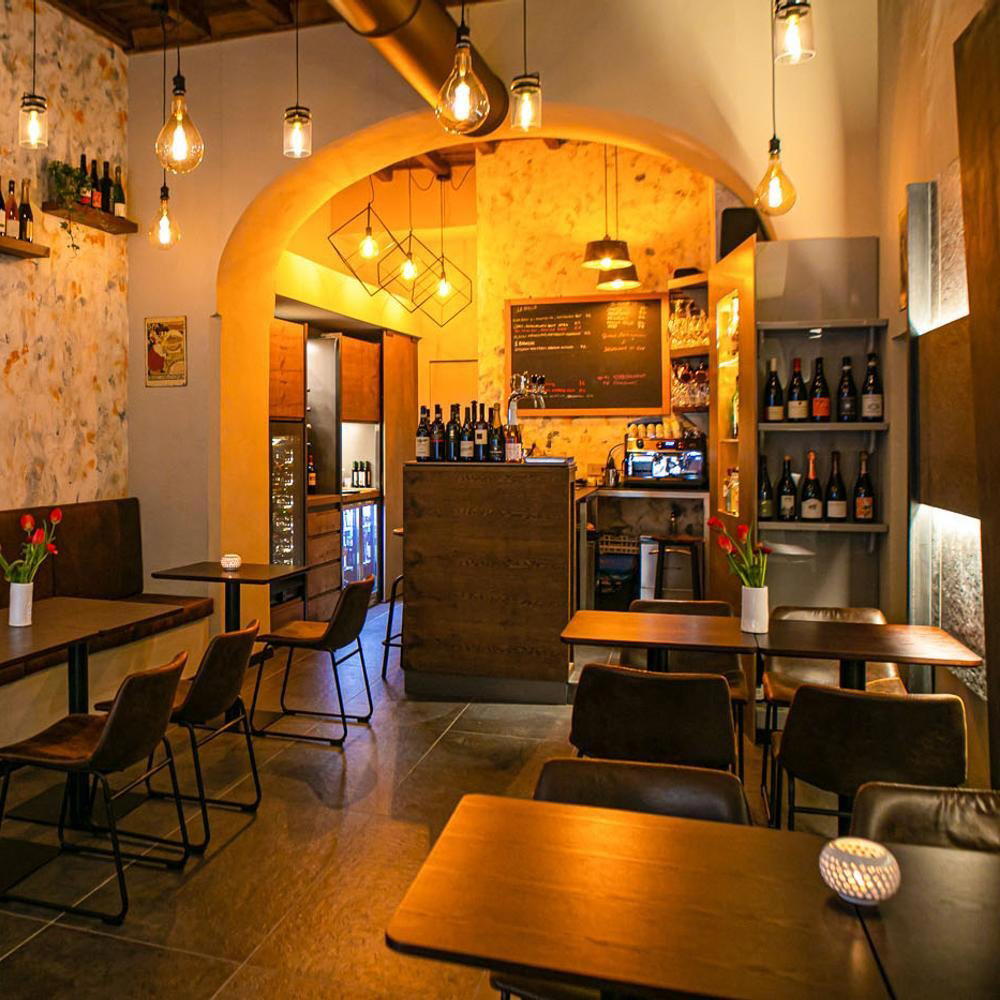
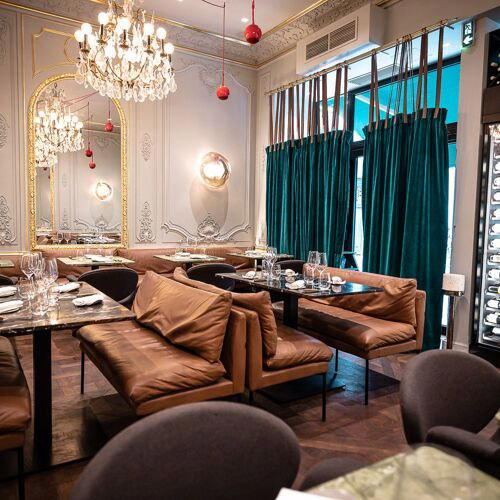
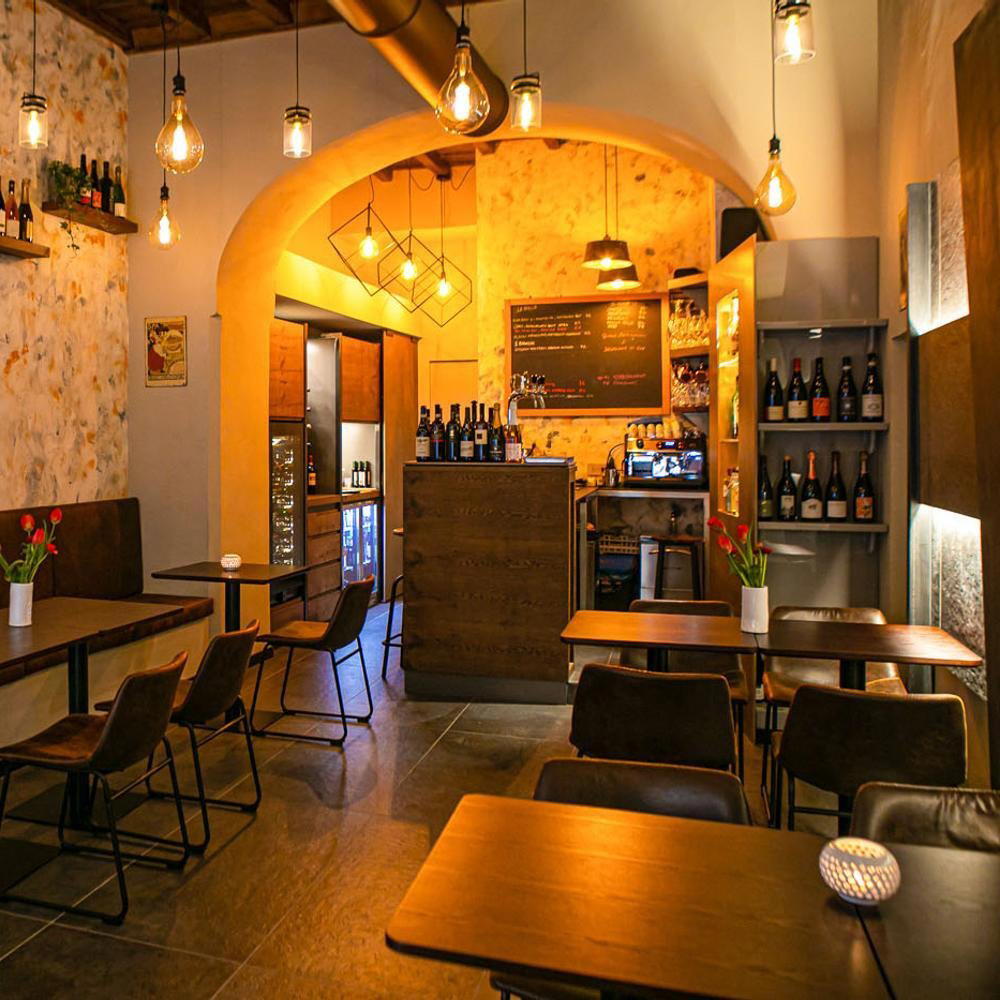
Bars in Alacati
Browse all →
Details
- Romantic
- Quiet
- Elegant
- Cozy
- Intimate
- Whimsical
- Honeymoon
- Romantic Getaway
- Anniversary
- Weekend Escape
- Garden
- Terrace
- Pool
- Spa
- Fitness Center
- Restaurant
- Room Service
- Concierge
- Wi Fi
- Garden
Peaceful and relaxing garden sanctuary with lush courtyards, artistic pool area, soft lighting, and a homey yet elegant atmosphere that isolates guests from the bustling town.