Our verdict
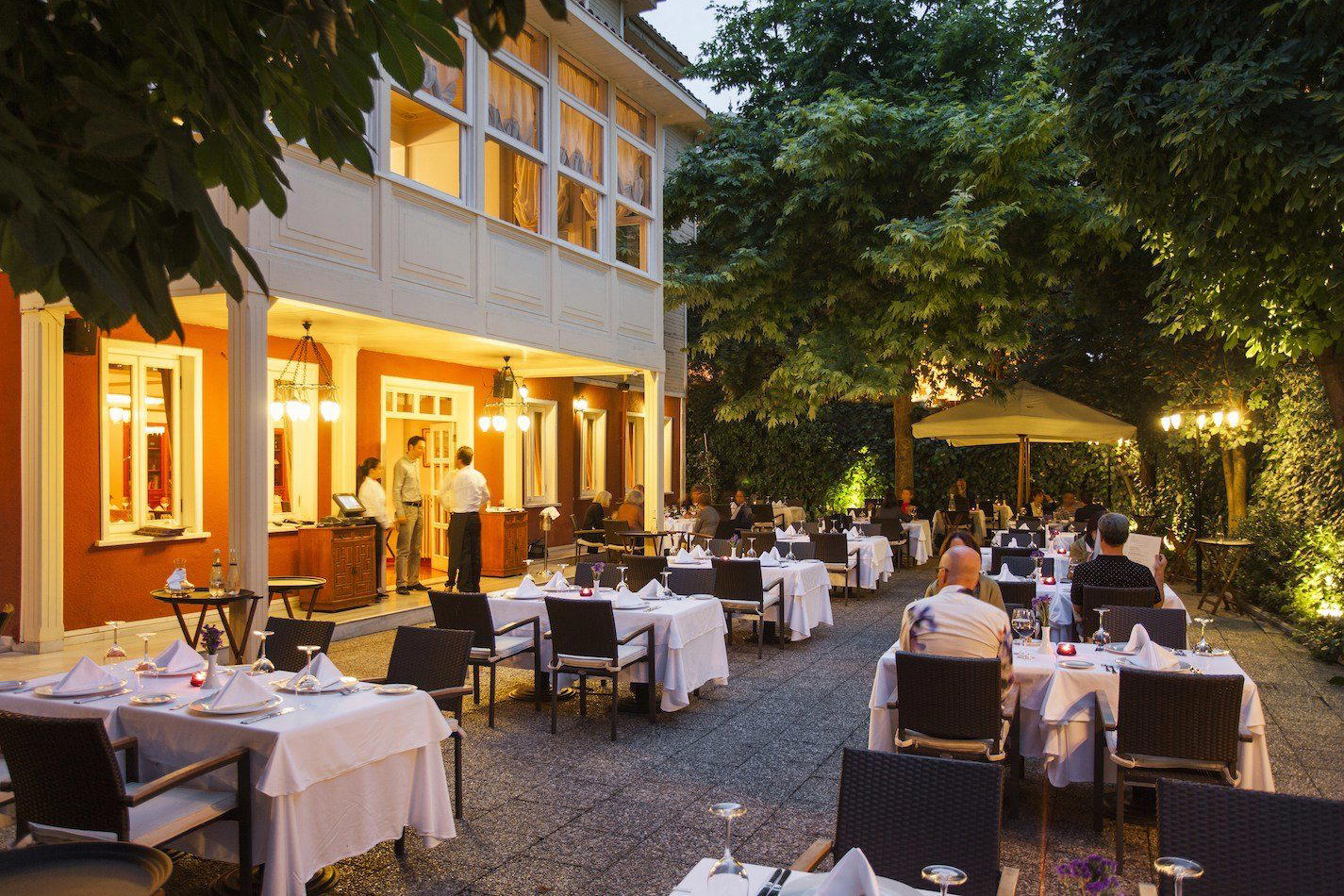
Asitane sits beside the Chora Church in Fatih, Istanbul, and has spent decades reconstructing Ottoman palace cuisine from historical manuscript research. The menu draws on archival recipes dating back to the 15th and 16th centuries, making it one of the few restaurants in Turkey where the sourcing of culinary history is as deliberate as the sourcing of ingredients. For visitors moving through the city's older districts, it occupies a category of its own.

Pearl is the En Primeur Club membership app, where members save venues, book tables and use the concierge.
The menu
What to order
- Stuffed Melon
- Stuffed Quince
- Mahmudiyye
- Ottoman Hums
Where the Byzantine Walls Meet the Ottoman Table
The approach to Asitane sets the interpretive frame before you reach the door. A restaurant that has chosen to operate in this precise location, rather than along the Bosphorus or in Beyoğlu, is making an editorial statement about which version of Istanbul it belongs to. Asitane belongs to the older city, the layered one, and its menu argues accordingly.
The Manuscript Kitchen: What Ottoman Sourcing Actually Means
The phrase "Ottoman cuisine" is deployed loosely across Istanbul's dining scene, often as shorthand for grilled meats, lentil soups, and baklava served in rooms decorated with Iznik tile reproductions. Asitane operates differently. The kitchen draws from primary source research into palace records, specifically feast inventories, ingredient lists, and recipe notations connected to the Topkapi Palace kitchens from the 15th through 17th centuries. These sources detail not only what was cooked, but what was sourced, in what quantities, and from which regions of the empire.
That research orientation changes how ingredient sourcing functions at this address. Rather than working backwards from a contemporary ingredient (say, a regional cheese or a heritage grain) and then building a dish around it, the kitchen begins with a historical preparation and then works to identify what its core components actually were. The distinction matters: one approach is modern farm-to-table dressed in historical costume; the other is closer to culinary archaeology, where the sourcing question is answered by the archive first and the market second. In a dining culture where provenance storytelling can be performative, Asitane's methodology gives its sourcing claims a structural basis that most restaurants in this tier cannot match.
Ottoman palace cooking at its height was an ingredient-diverse operation. Records indicate that spices, dried fruits, rice varieties, and specific cuts of meat arrived at the Topkapi kitchens from across an empire that stretched from the Maghreb to the Persian Gulf and north into the Balkans. Reconstructing that range in a contemporary Istanbul restaurant is not direct, and the menu choices at Asitane reflect the constraints and possibilities of that challenge. Some historical ingredients remain accessible in Turkish markets; others require substitution or are simply absent from modern supply chains. The kitchen's willingness to acknowledge those limits, rather than invent freely, is part of what places this restaurant in a serious category.
Fatih as a Dining District
Fatih is not where most visitors to Istanbul begin their restaurant research. The neighbourhood sits on the European side, west of Sultanahmet, and its dining scene runs more toward lokanta-style lunch counters, neighbourhood kebab houses, and a handful of historically conscious restaurants than toward the contemporary tasting-menu formats found in Beyoğlu or Karaköy. That positioning is not a limitation; it is a character. Eating in Fatih means engaging with a part of the city that has not been significantly reshaped by the tourism infrastructure that transformed Sultanahmet, and which lacks the late-night bar culture that defines parts of Şişli.
Within that context, Asitane occupies a specific tier: more considered than the surrounding neighbourhood restaurants, less concerned with contemporary technique than places like Turk Fatih Tutak in Istanbul, and operating in a register that has no direct peer in Fatih itself. Closer neighbours on the street include a range of more casual options, and the contrast sharpens the sense that this is a deliberate project rather than an opportunistic one. For context on the wider Fatih dining picture, our full Fatih restaurants guide maps the neighbourhood's range from casual to considered, including entries like BURGERMOON, By Kinyas Restaurant, Cafe Amedros, Emek Saray Restaurant, and Fine Dine İstanbul.
Historical Restaurant Research Across Turkey
The kind of archival-driven restaurant program that Asitane represents is rare in Turkey, but not entirely without precedent in the broader movement toward historically grounded cooking. Restaurants across the country's wine-producing and coastal regions have begun referencing Anatolian culinary history in their menus, though usually at a shallower documentary depth. Maçakızı in Bodrum works with Aegean ingredient traditions, while Narımor in Izmir addresses the western Anatolian table. In Cappadocia, places like Nahita Cappadocia in Nevsehir and Aravan Evi in Ürgüp draw on Central Anatolian culinary memory. None of these operate with the specific manuscript-research focus that positions Asitane in a separate category from regional-inspiration cooking.
Beyond Istanbul, the range of approaches to Turkish culinary identity extends further: Mezegi in Fethiye, Poyraz Sahil Balık Restaurant in Beykoz, Kokorecci Asim Usta in Bornova, Agora Pansiyon in Milas, and Divia by Maksut Aşkar in Marmaris each represent distinct regional and conceptual positions within Turkish dining. Internationally, the archival restaurant model has precedents: the research-led tasting format at Lazy Bear in San Francisco and the sustained technical rigour of Le Bernardin in New York City both suggest what institutional commitment to a kitchen methodology, rather than trend-chasing, produces over time.
Planning a Visit
Asitane's location near the Chora Church means it pairs naturally with a morning or afternoon visit to the museum before sitting down to lunch or dinner. The neighbourhood is accessible by tram to Edirnekapı or by taxi from Sultanahmet in under fifteen minutes. Given the restaurant's specific positioning and the absence of a large walk-in tourism infrastructure in this part of Fatih, advance reservations are advisable, particularly for dinner and for groups.
Frequently asked questions
What's Asitane's location?
Asitane is located at Derviş Ali, Kariye Cami Sk. No, Fatih.
How does Asitane's location near the Chora Church affect the dining experience?
The Chora Church, one of Istanbul's foremost repositories of Byzantine mosaic and fresco work, sits effectively at Asitane's doorstep on Kariye Camii Sokak in Fatih. That proximity makes Asitane a natural endpoint for a morning or afternoon visit to the museum, pairing archaeological visual history with a meal reconstructed from a later imperial archive. Few restaurants in Istanbul sit this close to a major historical monument while maintaining a kitchen program with its own research credentials.
What dish is Asitane famous for?
Asitane is known for reconstructed Ottoman palace dishes sourced from historical manuscripts, imperial kitchen records, and feast inventories rather than from any single signature item. Specific dishes rotate based on archival research, meaning the menu at any given visit reflects documented recipes from Topkapi or Edirne palace kitchens. This approach sets Asitane apart from Istanbul restaurants that invoke 'Ottoman cuisine' as loose branding without documentary grounding.
Do they take walk-ins at Asitane?
Asitane sits on Kariye Camii Sokak in Fatih, near the Chora Church, in a residential pocket that sees meaningful visitor traffic from the museum next door. Given that positioning, walk-ins are possible during quieter weekday lunch periods, but the restaurant draws a focused audience of culturally motivated diners and researchers, so booking ahead is the practical approach for dinner or weekend visits. Contacting the venue directly before arrival is advisable.
What is Asitane known for?
Asitane is known for applying archival research to its menu, reconstructing dishes recorded in Ottoman palace documents rather than approximating a historical style through modern interpretations. The restaurant operates in Fatih, Istanbul's most historically layered European-side neighbourhood, adjacent to the Chora Church. This combination of scholarly sourcing and location gives Asitane a specific identity within Istanbul's dining scene that goes beyond period aesthetics.
Comparison Snapshot
| Venue | Cuisine | Price |
|---|---|---|
| AsitaneThis venue (the venue you are viewing) | Ottoman Palace Cuisine | $30–50 |
| BURGERMOON | Burgers | $10–20 |
| By Kinyas Restaurant | Turkish Seafood with Marmara Sea Views | $20–30 |
| Cafe Amedros | Traditional Turkish & Ottoman Cuisine | $20–30 |
| Emek Saray Restaurant | Authentic Turkish Barbecue | $10–20 |
| Fine Dine İstanbul | Palace-Influenced Istanbul Cuisine | $30–50 |
Continue exploring
More in Istanbul
Restaurants in Istanbul
All restaurants in Istanbul →
Bars in Istanbul
All bars in Istanbul →
Details
- Historic
- Elegant
- Cozy
- Intimate
- Special Occasion
- Celebration
- Historic Building
- Courtyard
- Open Kitchen
- Local Sourcing
- Street Scene
- A La Carte
- Vegetarian Friendly
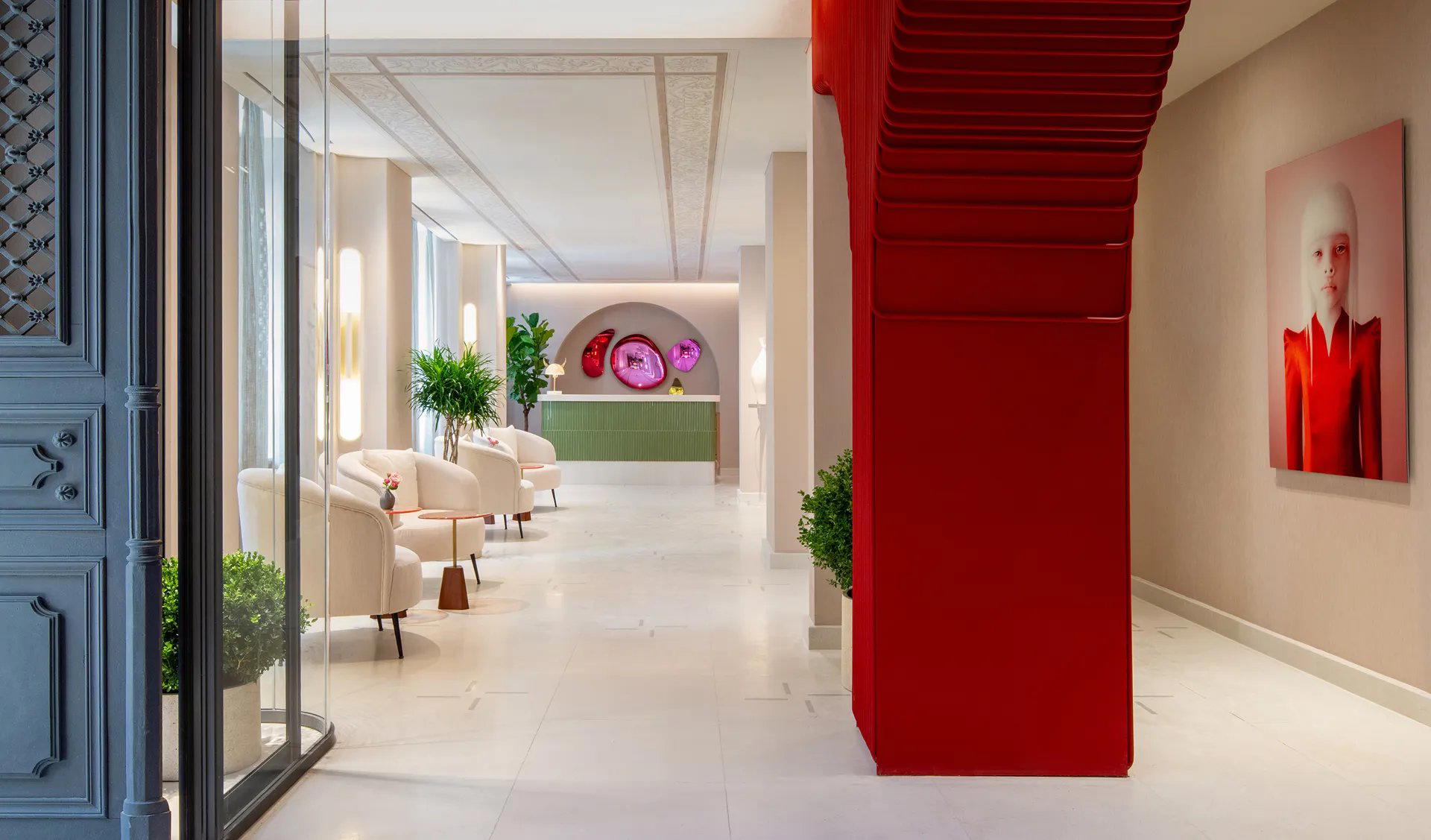
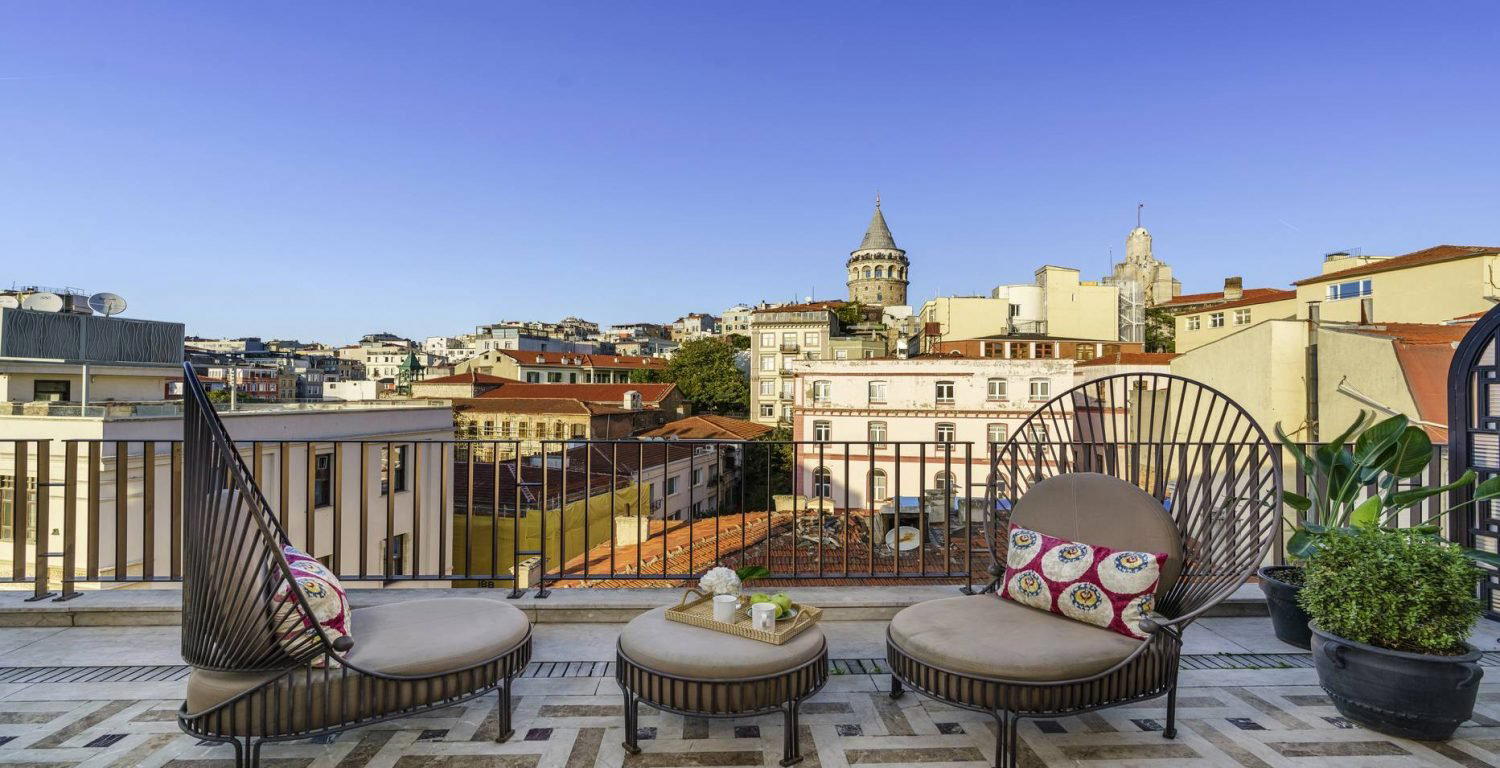
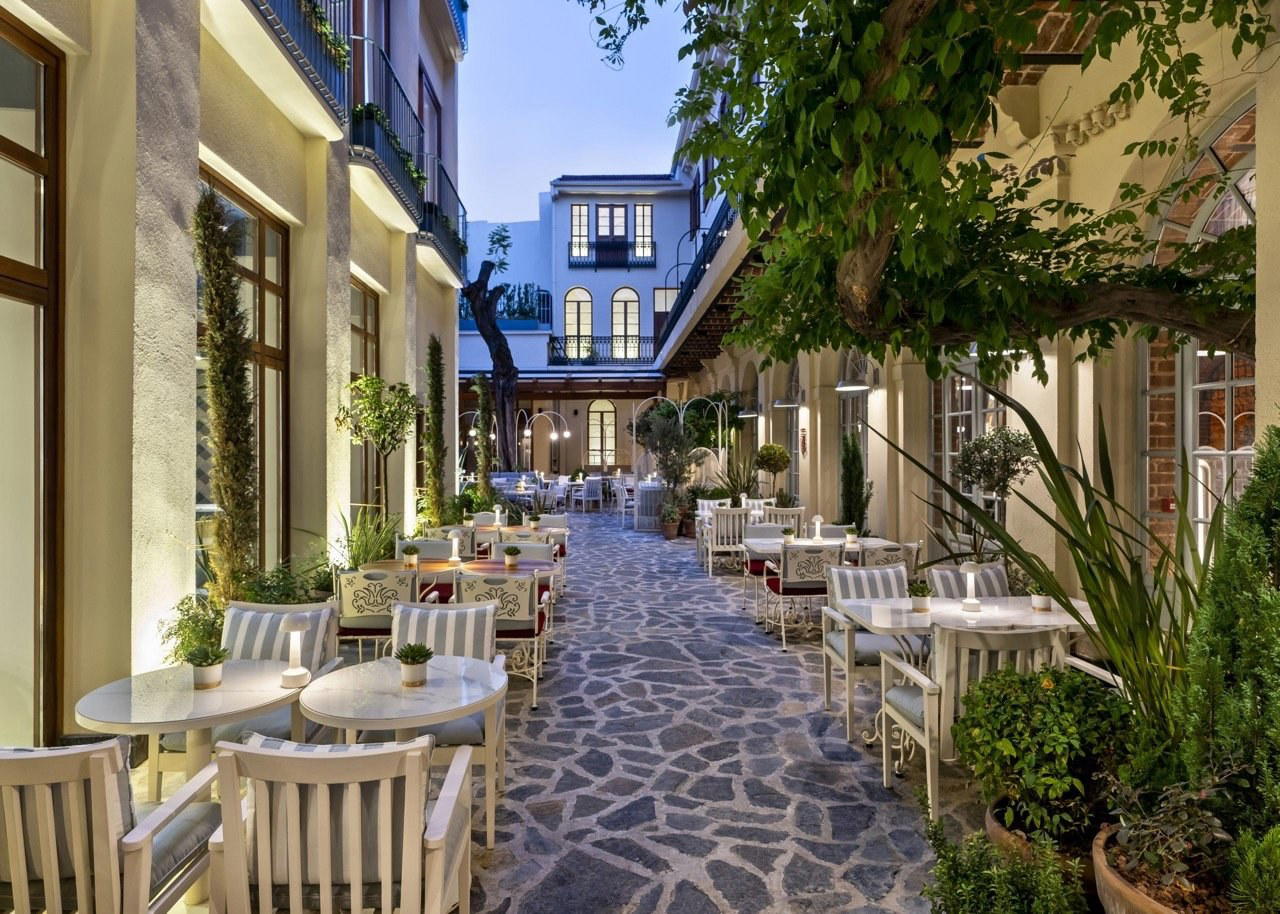
Large and airy space with tree-shaded courtyard, historic setting near Chora Church, featuring live Turkish music on select evenings.