On the seafront of Mudanya, the Marmara port town that signed the 1922 armistice ending the Greco-Turkish War, Kritikos Meyhane occupies a stretch of the old corniche where the meyhane tradition runs deep. The kitchen draws on Aegean and Sea of Marmara produce, placing it squarely within the ingredient-led strand of Turkish tavern dining rather than the modernist tasting-menu tier that dominates Istanbul's premium scene.
Pearl is the En Primeur Club membership app — saves, bookings, and concierge access live there. Same editors, same standards.
- Address
- Mütareke, 12 Eylül Cd., 16940 Mudanya/Bursa, Türkiye
- Phone
- +905369472243
- Directions
- Get directions
 Saves & bookings on Pearl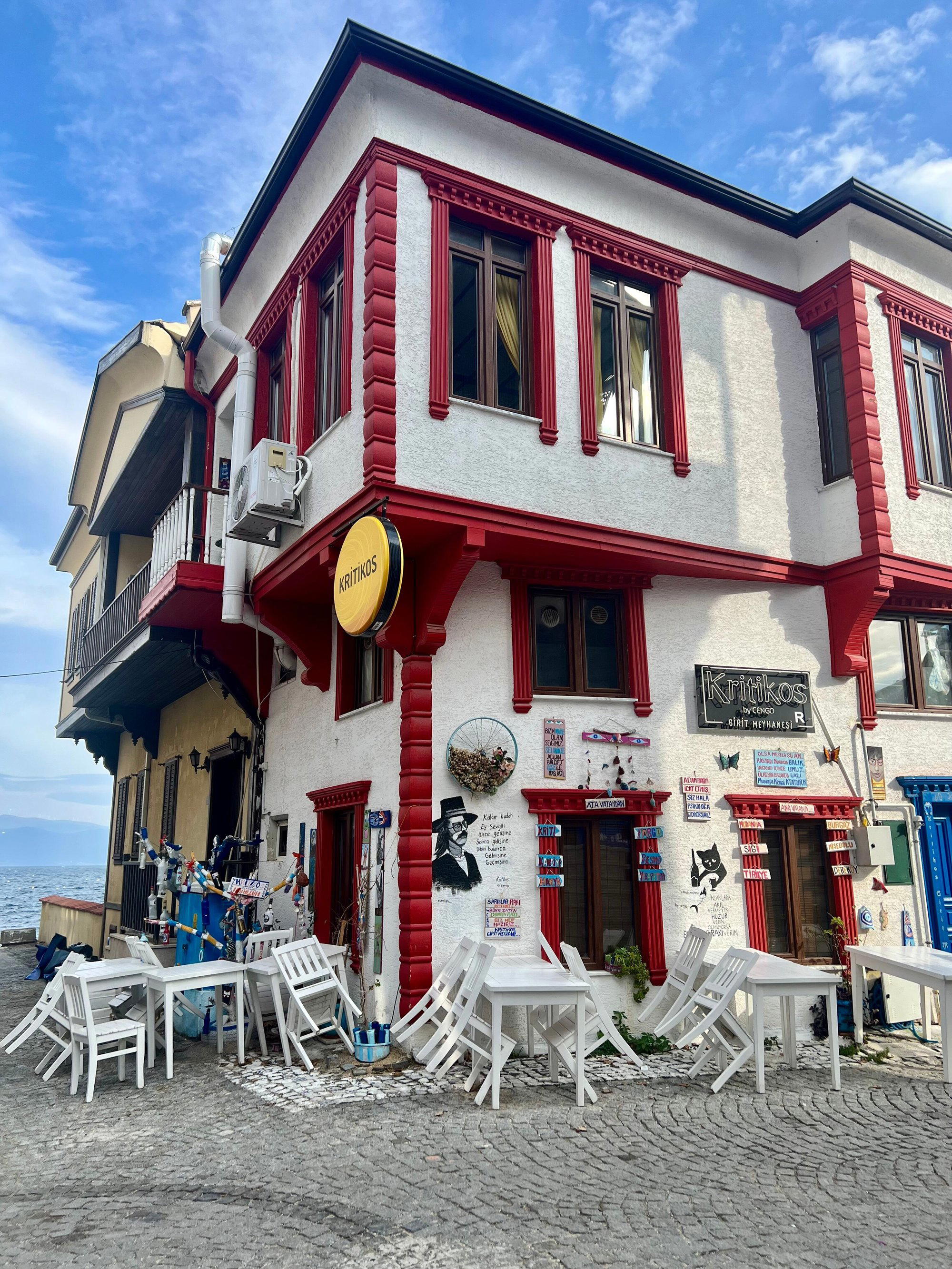
Mudanya and the Meyhane Tradition
The meyhane is not a restaurant in the conventional Western sense. It is a social institution, closer in function to a Greek taverna or a Levantine meze house than to a dining room built around a single chef's vision. At its core, the format is about accumulation: small plates arriving in waves, a bottle of rakı opened early, conversation stretching past any reasonable dinner hour. Along Turkey's Marmara and Aegean coastlines, this tradition has survived modernisation largely intact, sustained by the proximity of good fishing grounds and the stubborn insistence of local regulars who know exactly what they want before they sit down.
Mudanya sits on the southern shore of the Sea of Marmara, roughly 25 kilometres west of Bursa, and its waterfront has long carried the character of a working port town rather than a resort. The corniche along 12 Eylül Caddesi is where that character concentrates: a row of tables facing the water, ferries crossing to Istanbul's European shore in the distance, and a handful of meyhanes that serve the kind of food the neighbourhood actually eats. Kritikos Meyhane holds an address here, and its name signals a particular cultural orientation, the Greek-inflected Aegean tradition that shaped this coastline long before any modern border drew a line between them. For broader context on the town's dining options, see our full Mudanya restaurants guide.
What the Sea of Marmara Puts on the Table
The editorial angle that matters most here is sourcing. The Sea of Marmara, despite its relatively modest size, supports a fishing economy that supplies much of northwestern Turkey. Bluefish (lüfer), sea bass (levrek), bream (çipura), anchovies (hamsi in season), and various shellfish move through Mudanya's small port with a regularity that determines what appears on meyhane tables far more reliably than any printed menu. A meyhane in this position is essentially a pass-through point between the catch and the plate, and the quality of a given evening depends heavily on what came off the boats that morning.
This is the operating logic that separates a Marmara-coast meyhane from the modernist Turkish restaurants at the summit of Istanbul's market. Places like Turk Fatih Tutak in Istanbul or the produce-driven kitchen at Narımor in Izmir approach ingredient provenance as a deliberate, curated programme. The traditional meyhane operates on the same principle but without the editorial apparatus: the fish is local because the sea is there, not because a sourcing story has been attached to it.
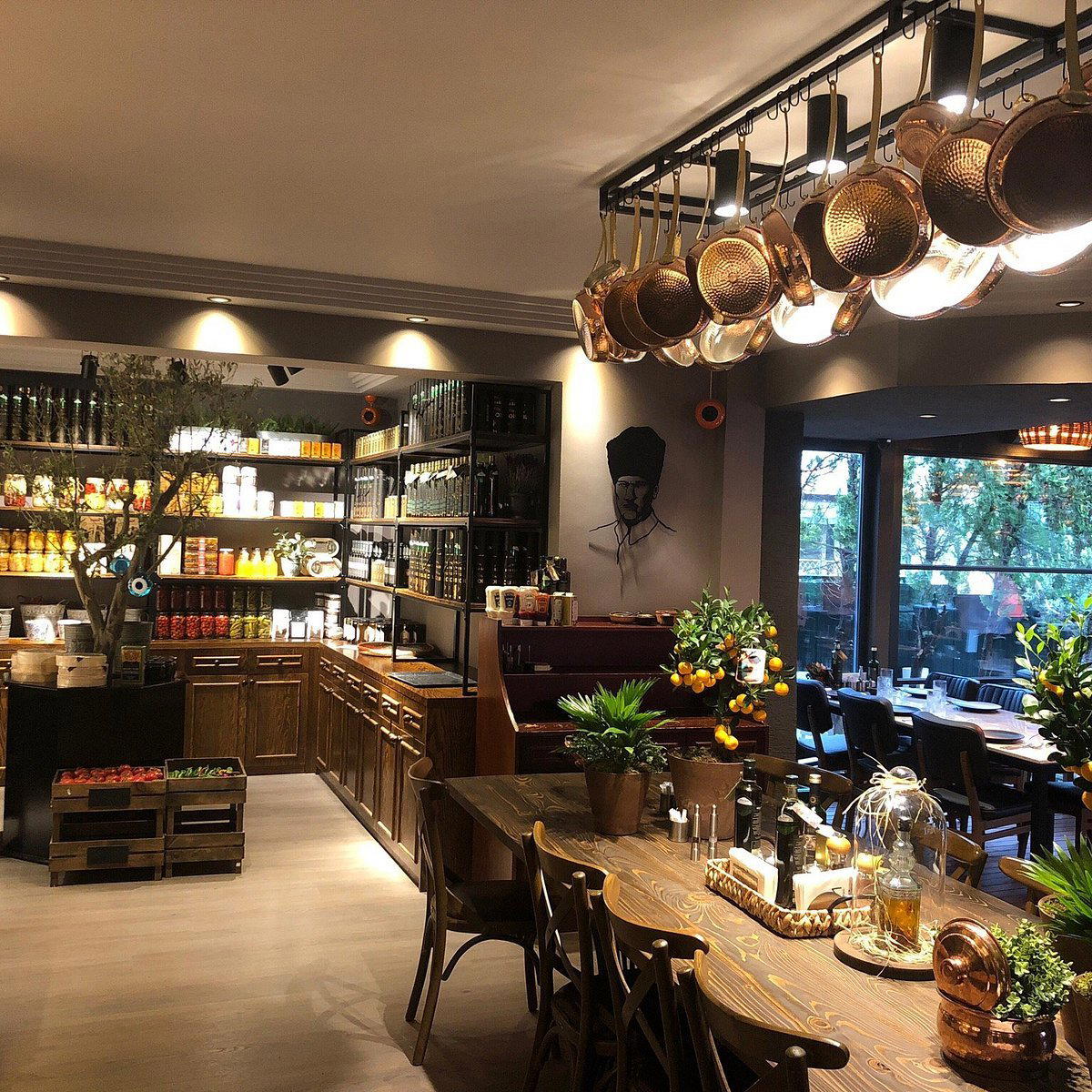
Cold meze sets the rhythm at any serious meyhane. Tarama, haydari, arnavut ciğeri, marinated anchovies, octopus salad, these arrive before any decision about hot food has been made, and at a Marmara venue they carry the specific character of the coastline: lighter on spice than an Antep-influenced kitchen, heavier on olive oil and lemon, structured around whatever the sea and the Bursa hinterland produce in a given month. The Bursa region's agricultural output, particularly its vegetables, dairy, and olives, feeds into this coastal cuisine in ways that rarely appear on a menu but shape the plate consistently. For a comparison point in the Ottoman-influenced meze tradition, Asitane in Fatih offers a more formal, historically researched version of what meyhane culture draws from informally.
The Physical Setting and Who Comes Here
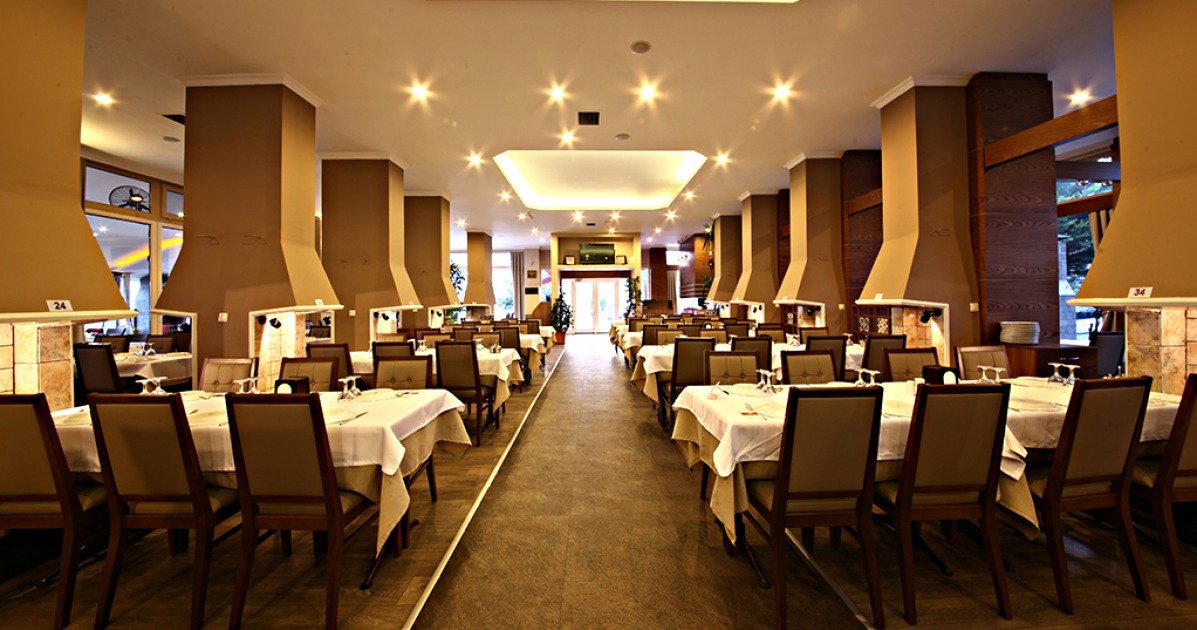
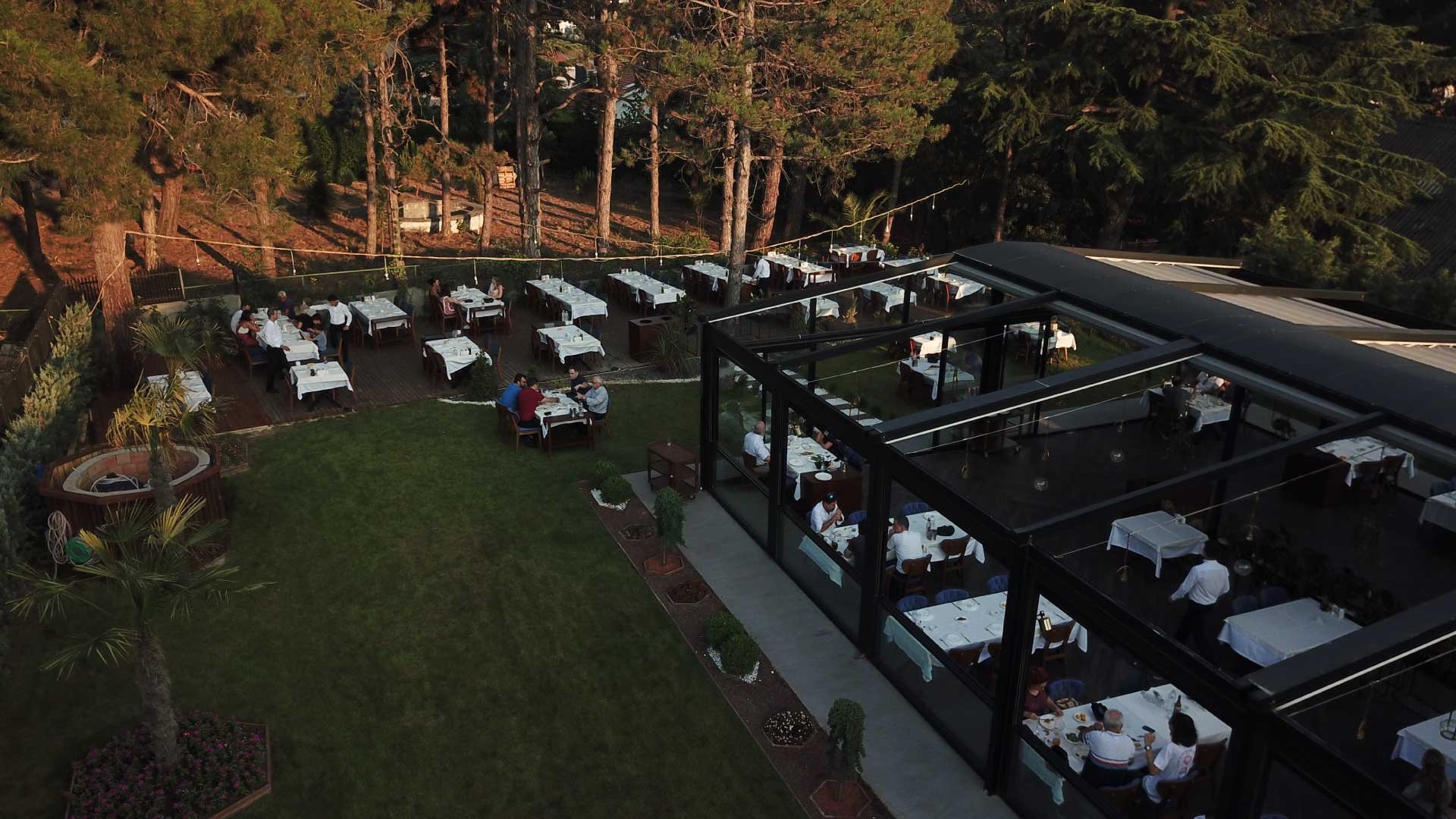
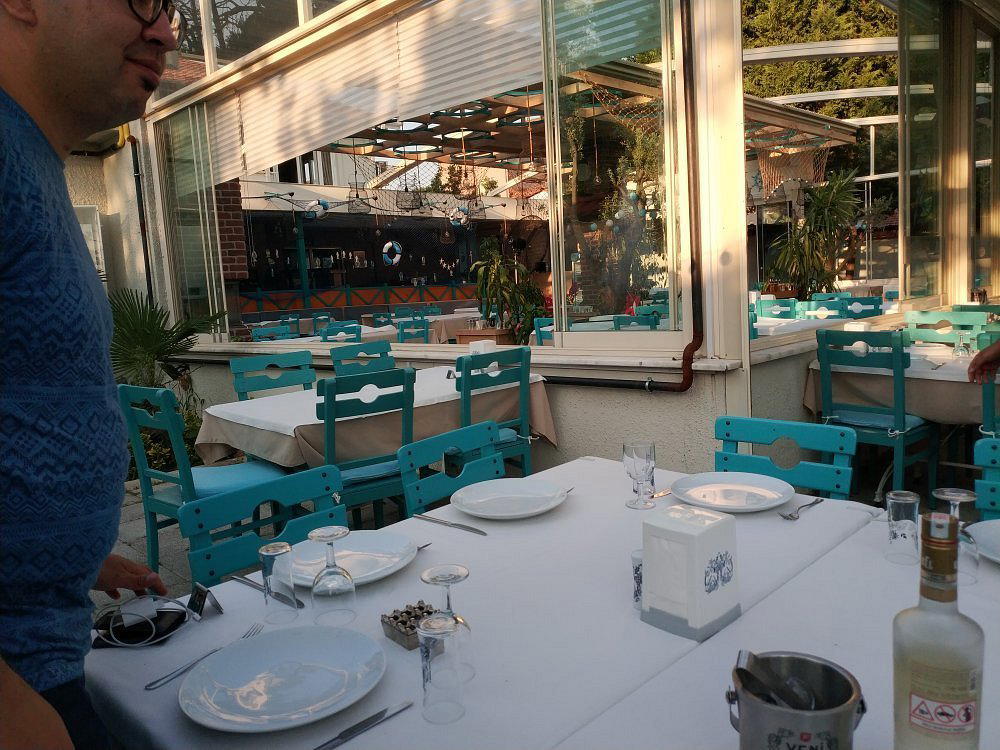
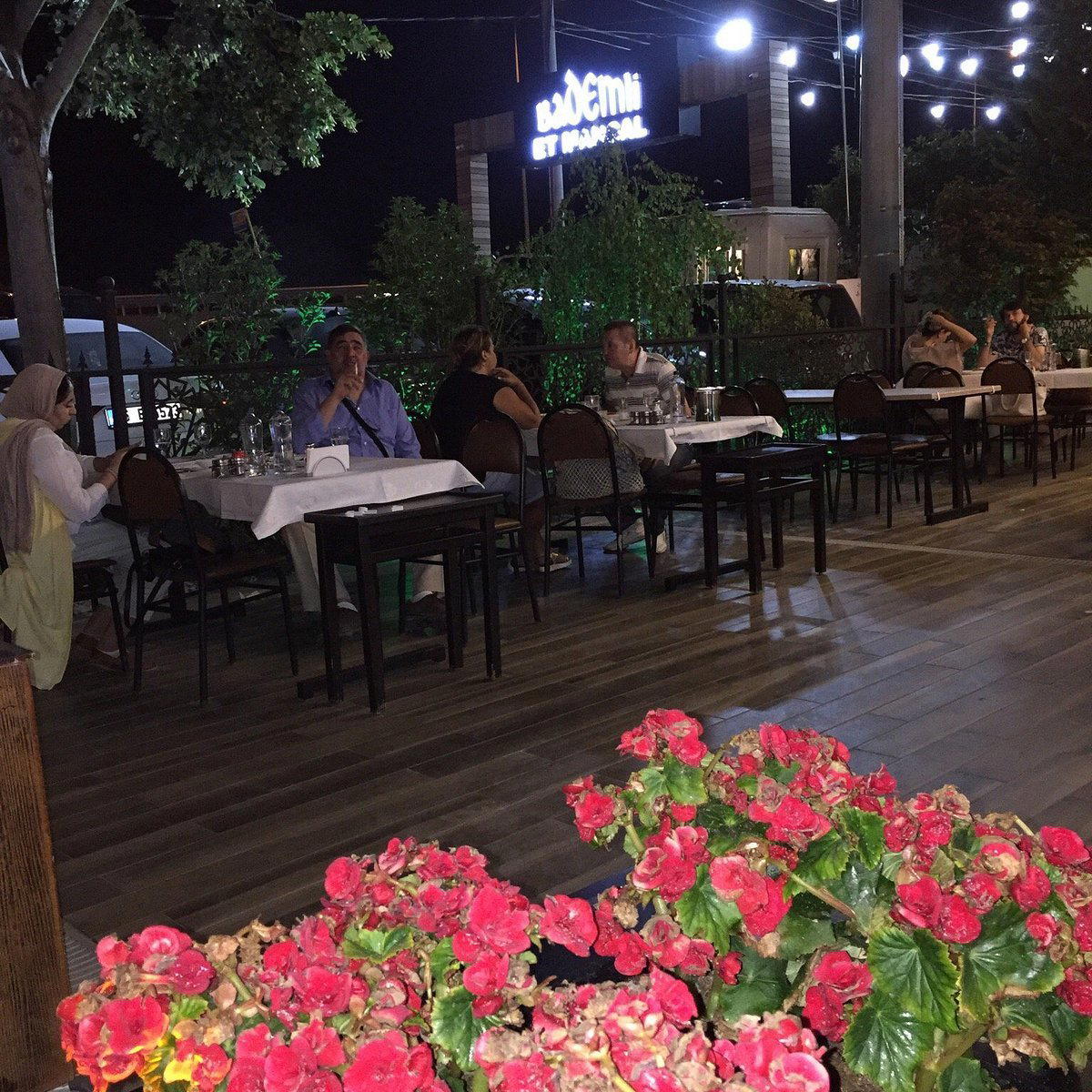
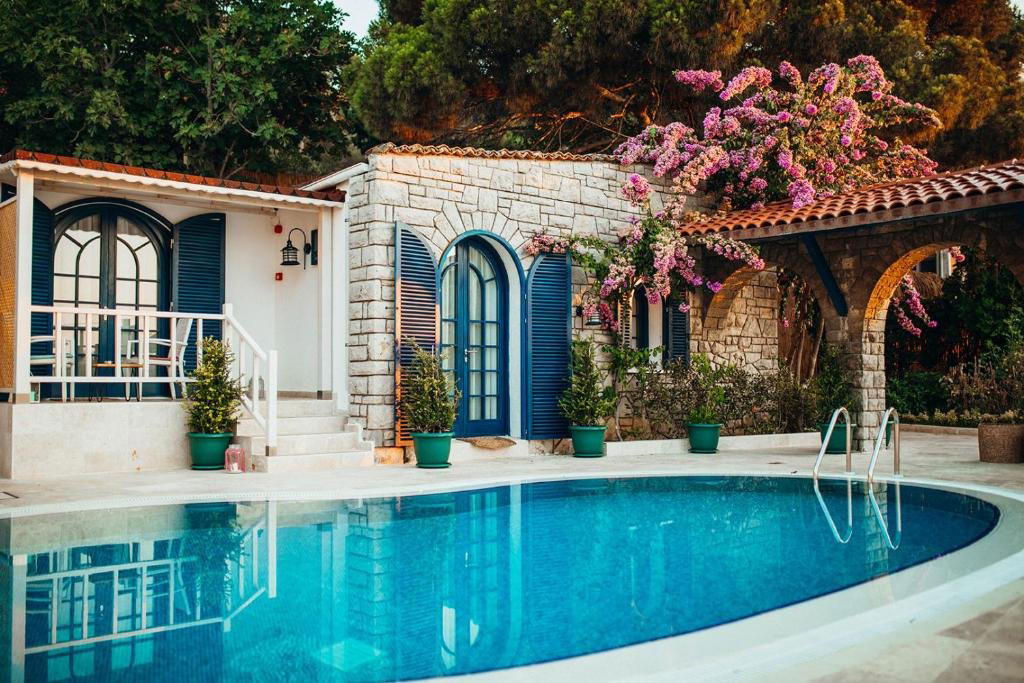
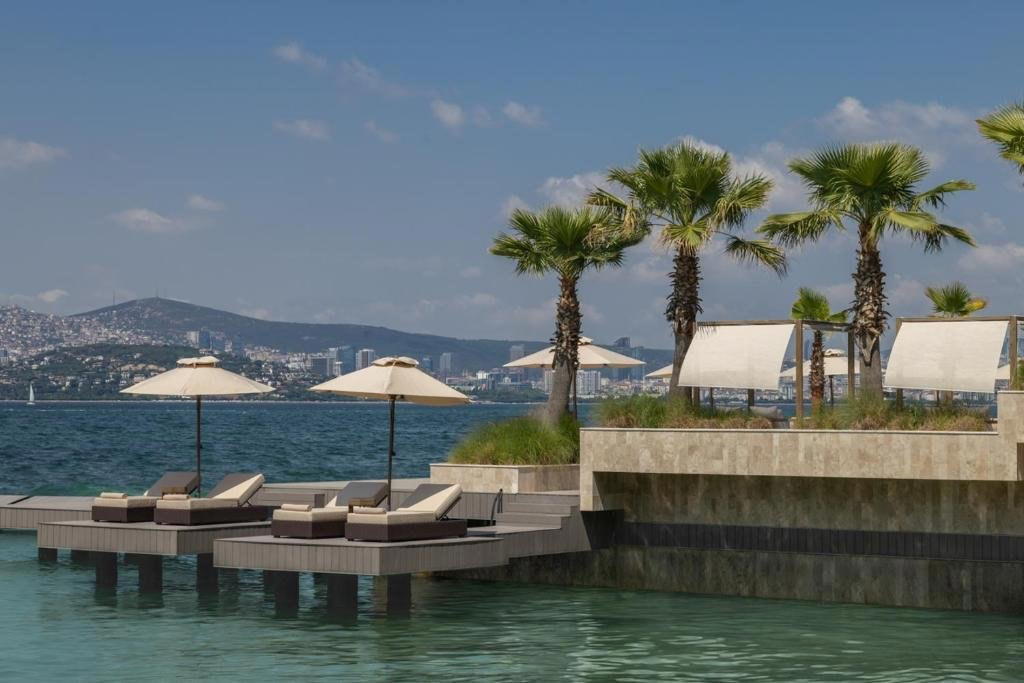
The address on 12 Eylül Caddesi places Kritikos on a street named for a date, September 12, in the Mütareke neighbourhood, itself named for the 1922 armistice (mütareke means armistice in Turkish) that was signed in Mudanya. History sits close to the surface in this town, and the waterfront location means the dining room, or more likely an open terrace, faces the Marmara directly. This is the kind of setting where the view is part of the proposition: ferry lights crossing the water after dark, the smell of salt air mixing with whatever is coming off the grill.
Meyhane dining in a port town draws a particular crowd: locals who have been coming for years and treat the staff accordingly, visitors from Bursa making the drive for a seafood evening, the occasional traveller who has detoured from the Istanbul-Bursa corridor specifically for this kind of meal. It is not the tourist-facing waterfront dining of Bodrum, Maçakızı in Bodrum operates in an entirely different market register, nor the destination-restaurant category that draws international attention to venues like Le Bernardin in New York City or Atomix in New York City. Kritikos occupies the local institution tier, where reputation travels by word of mouth over decades rather than by press coverage.
For planning purposes: Mudanya is accessible by ferry from Istanbul's Güzelyalı or Yenikapı terminals, which makes the journey direct from the city's European or Asian sides, and by road from Bursa in under 40 minutes. The meyhane format suits a weekday evening or a long Sunday lunch rather than a quick dinner, so arriving with time to spare is the only real scheduling advice that applies.
Placing Kritikos in the Wider Turkish Dining Picture
Turkish dining has split into two broad streams over the past decade. One stream runs through Istanbul and a handful of coastal cities, producing modernist menus that engage with Turkish culinary heritage through research and technique, venues like Hiç Lokanta in Urla or the Ottoman-archive approach of Asitane. The other stream is the surviving network of regional specialists and traditional formats: the lahmacun houses like Kısmet Etliekmek ve Lahmacun Salonu in Karaman, the kebap rooms like Konya Kebap Evi in Selcuklu, the doner specialists like Bayramoğlu Döner in Beykoz, and the meyhanes of the Marmara and Aegean coasts.
Kritikos belongs firmly in this second stream. The name and the location suggest a venue that has been shaped by the Greek-Turkish cultural exchange of the Marmara coastline rather than by the contemporary dining conversation happening in Istanbul's Karaköy or Galata. That positioning is not a limitation, it is the point. The meyhane tradition at its leading is an argument that ingredient proximity and accumulated local knowledge produce something that no amount of technique can replicate. The address and the format place it in a category where the conditions for it exist. Similar regional sincerity can be found at Ciğerci Mahmut in Adana or Dürümzade in Beyoglu, venues where the product and the place, not the concept, carry the meal.
Comparable Spots, Quickly
Comparable venues nearby, for context on price, style, and recognition.
| Venue | Cuisine | Price | Notes |
|---|---|---|---|
| Kritikos MeyhaneThis venue — the venue you are viewing | Turkish Meyhane | $$$ | Not listed |
| Turk Art Terrace Restaurant | Turkish Rooftop with Seafood and Kebabs | $$$ | Sultan Ahmet |
| Safran | Turkish and Ottoman Fine Dining | $$$ | Beyoglu |
| Bayramoğlu Döner | Traditional Turkish Döner | $$ | Kavacık |
| 360 Istanbul | Modern Turkish Fusion | $$$ | Beyoglu |
| Kocak Baklava | Authentic Gaziantep Baklava | $$ | Şehitkamil |

At a Glance
- Classic
- Casual Hangout
- Extensive Wine List
Current opening hours
- Monday
- Closed
- Tuesday
- 2 PM–12 AM
- Wednesday
- 2 PM–12 AM
- Thursday
- 2 PM–12 AM
- Friday
- 2 PM–12 AM
- Saturday
- 2 PM–12 AM
- Sunday
- 2 PM–12 AM
Hours can change for holidays and private events. Last verified .
Classic meyhane atmosphere with friendly service.