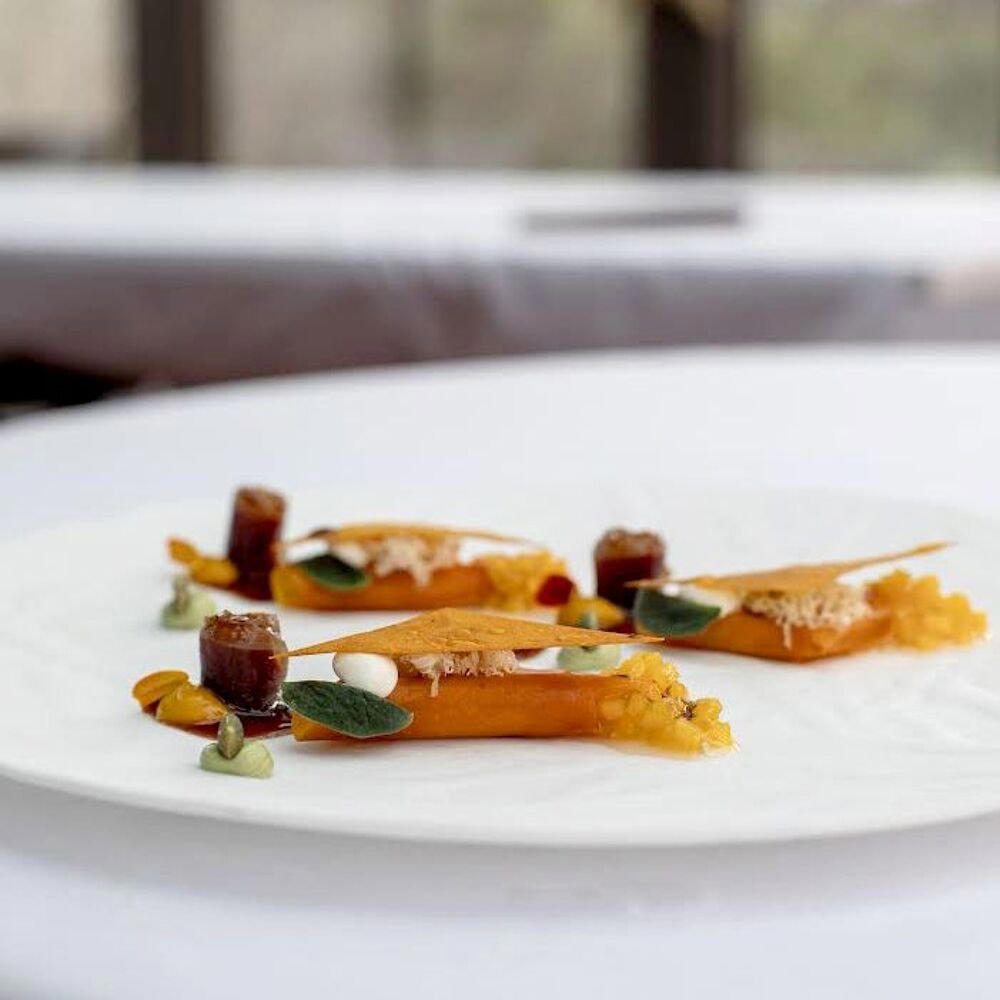
On a quiet street in Urla's art district, Hiç Lokanta operates within one of the Aegean coast's most produce-driven dining traditions. The restaurant sits in a town that has become a reference point for ingredient-led Turkish cooking, where the peninsula's olive groves, vineyards, and vegetable gardens define what appears on the plate. For visitors building a serious itinerary around western Turkey's food scene, Urla warrants the detour.
 Discover on Pearl
Pearl is the En Primeur Club membership app — saves, bookings, and concierge access live there. Same editors, same standards.
- Address
- Sanat Sokağı, Yeni, Zafer Cd. No
- Phone
- +905363521515
- Website
- hicurla.com
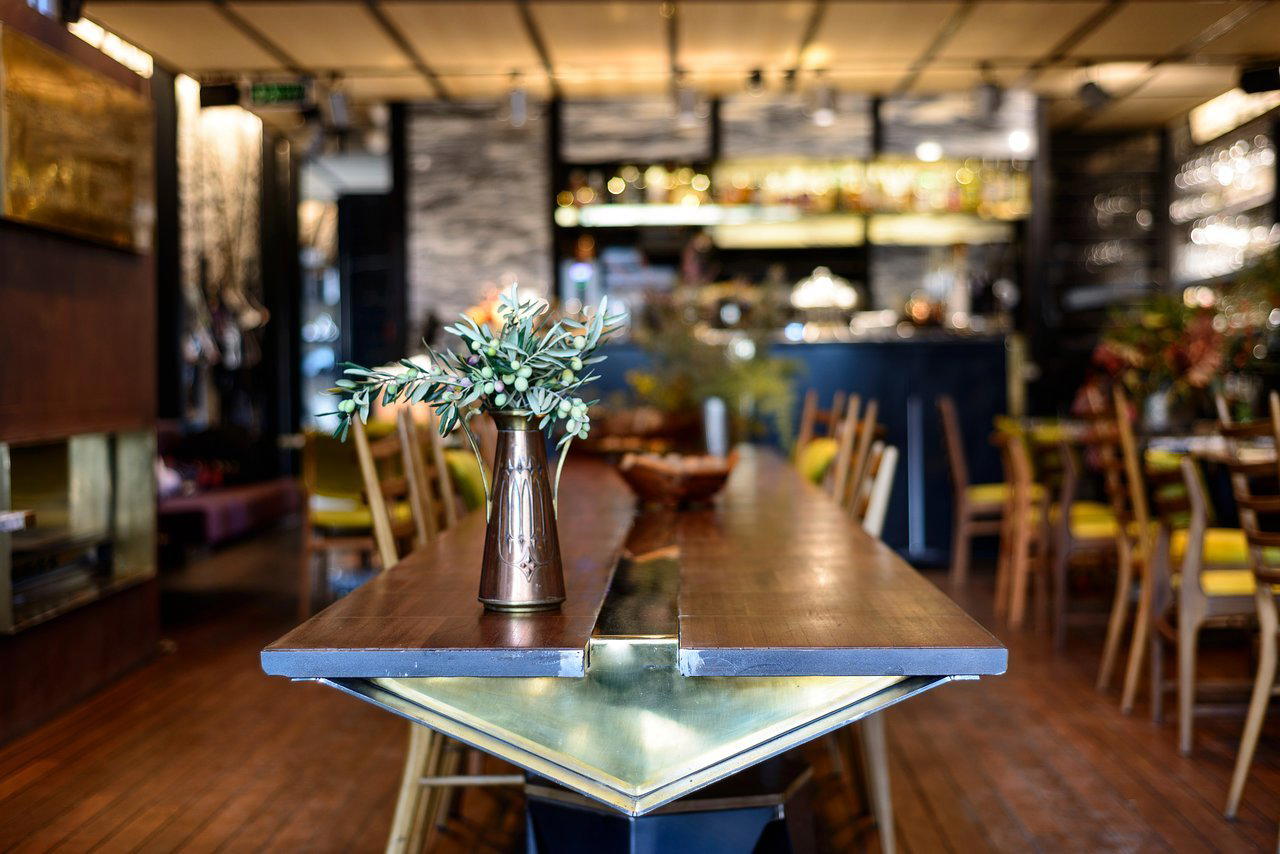
A Street in Urla That Earns Its Own Attention
Sanat Sokağı, the art street that anchors Urla's cultural quarter, is not the kind of address you stumble across. You go looking for it, and the effort reflects a broader truth about this Aegean peninsula town: Urla has become one of the clearest expressions of what ingredient-led Turkish cooking looks like when it is tied to a specific geography. The peninsula sits roughly 40 kilometres west of İzmir, its limestone hills planted with ancient olive varieties, its market gardens running down toward the Aegean. The restaurants that have gathered here over the past decade draw on that agricultural context in ways that distinguish them from the generic meyhane circuits of coastal resort towns. Hiç Lokanta holds an address on Zafer Caddesi within this district, and its Modern Turkish Forest-to-Fork cooking reflects how Turkish cuisine is evolving at the regional level.
What Urla's Ingredient Economy Means for the Plate
Understanding what a restaurant in Urla is doing requires understanding what the peninsula produces. The Urla wine region, still relatively young in terms of international recognition, has driven a shift in how the wider food-and-wine community perceives this stretch of coastline. Producers across the peninsula are farming ancient Aegean grape varieties alongside international ones, and the wine culture has pulled serious cooks toward the same soil. Operations like HUS Şarapçılık represent the winery end of that movement, while restaurants in the art quarter translate the same agricultural seriousness into what arrives at the table.
The Aegean tradition in Turkish cooking leans on olive oil, wild herbs, seasonal legumes, and seafood from the İzmir Bay. It is categorically different from the charcoal-forward, meat-heavy register of Anatolian cooking, and equally distinct from the Ottoman-inflected complexity you find at a place like Asitane in Fatih. In Urla, the sourcing geography is narrow and deliberate: a chef drawing on produce from within a few kilometres is working with the same olives, the same wild greens, the same small-boat fish that have defined this coastline for centuries. That proximity to source is not a marketing claim in this context; it is a structural feature of how kitchens here operate.
Hiç Lokanta in Its Local comparable set
Urla's dining scene has developed a peer group that places it outside the obvious Aegean resort categories. La Cigale and Beğendik Abi represent different registers of the same local-produce commitment, while Partal Kardeşler Balık Restorant anchors the seafood side of the equation. Hiç Lokanta's position on Sanat Sokağı, in the art district specifically, suggests a restaurant calibrated to a clientele that arrives with some intention behind the visit: winery tourists, İzmir professionals driving out for the evening, food-minded travellers who have identified Urla as a destination rather than a stopover.
That positioning matters when thinking about the regional picture. Western Turkey's most formally recognised cooking is concentrated in İstanbul, where restaurants like Turk Fatih Tutak operate in the upper bracket of contemporary Turkish cuisine. The Aegean coast, by contrast, has always worked through a different logic: less formal, more directly tied to what arrived that morning. Maçakızı in Bodrum sits in a coastal luxury tier of its own, while Narımor in İzmir represents the city's contemporary dining direction. Urla occupies a quieter register than either, and Hiç Lokanta reflects that: an address you choose when you want the agricultural reality of the peninsula on the plate rather than a polished interpretation of it.
Thinking About What to Order
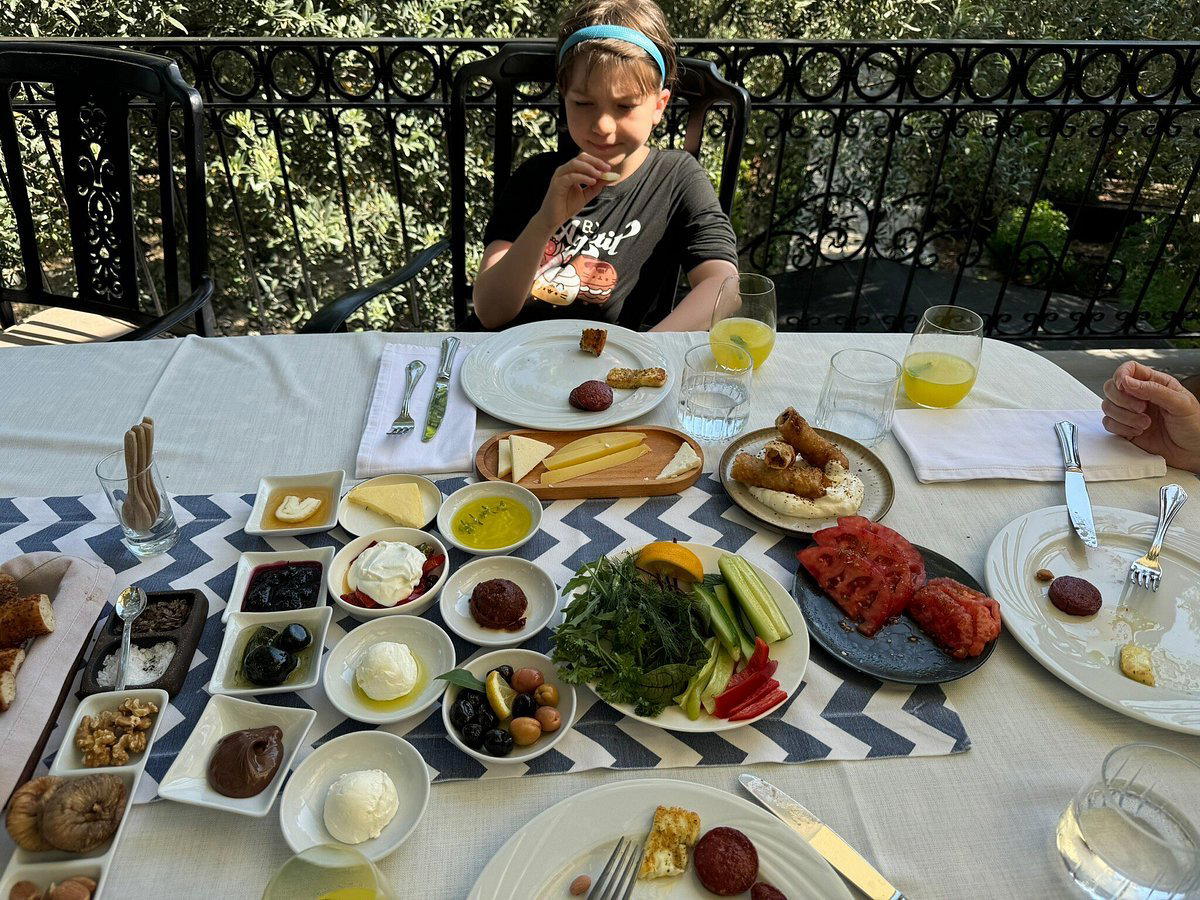
The Aegean kitchen gives clear signals about what to look for. Zeytinyağlı dishes, vegetables braised slowly in local olive oil and served at room temperature, are a structural part of the tradition rather than a side note. Small-boat fish from the İzmir Bay change with the season and the catch, which means the menu at any serious Urla table should reflect the week's supply rather than a fixed list. Wild greens, particularly in spring, are gathered from the surrounding hillsides and treated with a simplicity that requires excellent underlying produce to hold up. At venues in this category and context, ordering toward the vegetable and seafood columns, and asking what arrived most recently, is generally the more rewarding approach than anchoring to a standing dish.
Getting There and Planning the Visit
Urla is accessible from İzmir in under an hour by car; the art district around Sanat Sokağı is a walkable cluster of studios, galleries, and eating places that rewards arriving with time to move between them. The town draws heavily from İzmir's weekend traffic, which means Friday and Saturday evenings fill early in season. Visiting mid-week or arriving at the start of service tends to give more flexibility. Reservations are essential, and the restaurant is open Monday, Wednesday through Sunday from 12:30 PM to 11:30 PM, with Tuesday closed.
For contrast in register and geography, Kritikos Meyhane in Mudanya shows how the Aegean meyhane tradition operates further north around the Marmara coast, while the street-food end of Turkish regional cooking is documented across entries from Dürümzade in Beyoğlu to Ciğerci Mahmut in Adana and Kocak Baklava in Gaziantep. For context on what ingredient-sourcing obsession looks like at the fine dining level internationally, Le Bernardin in New York City and Atomix in New York City represent how similar philosophies operate at a different scale. Closer to home, Bayramoğlu Döner in Beykoz and Casa Lavanda in Şile round out the picture of how Turkish regional cooking reads across different formats and Kısmet Etliekmek ve Lahmacun Salonu in Karaman anchors the Anatolian comparison.
Continue exploring
More in Urla
Restaurants in Urla
Browse all →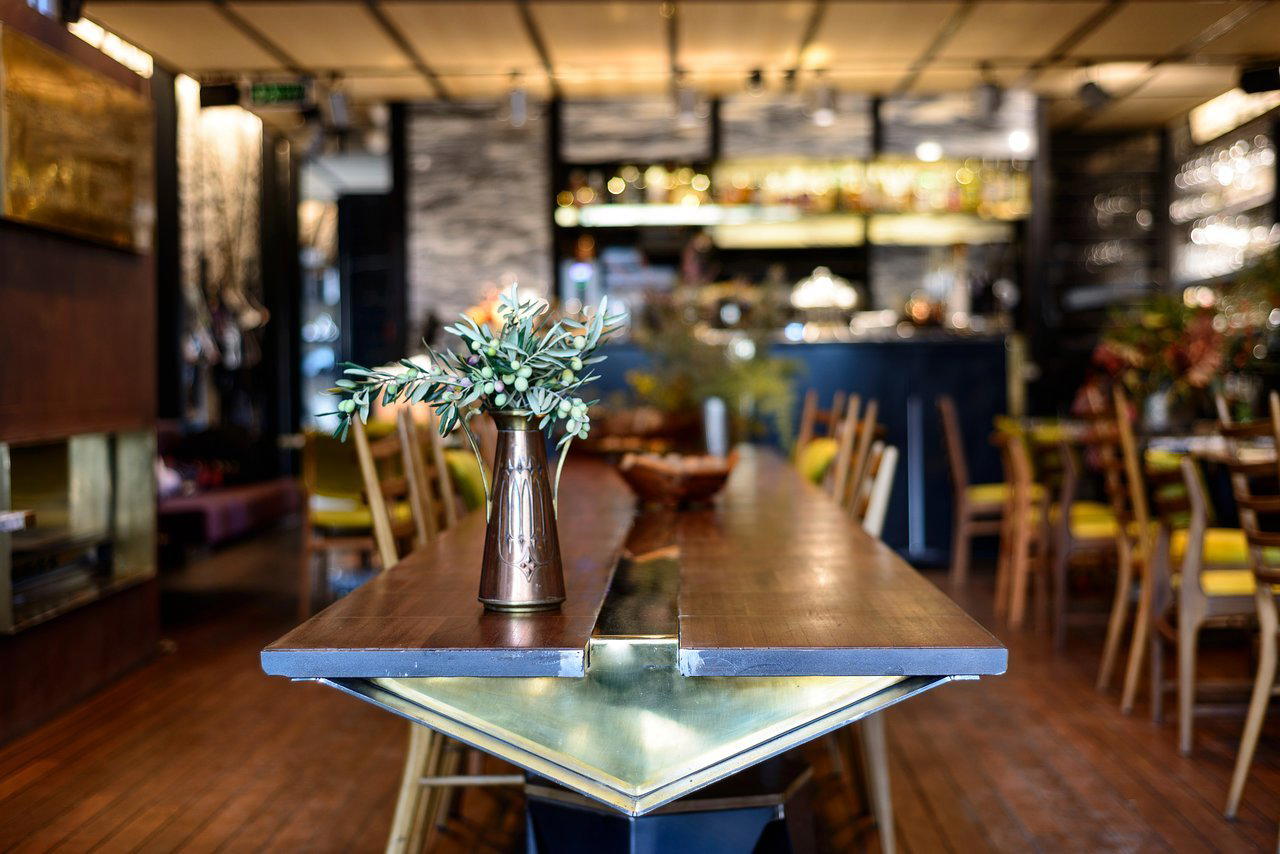
At a Glance
- Trendy
- Modern
- Rustic
- Elegant
- Date Night
- Special Occasion
- Historic Building
- Farm To Table
- Organic
- Local Sourcing
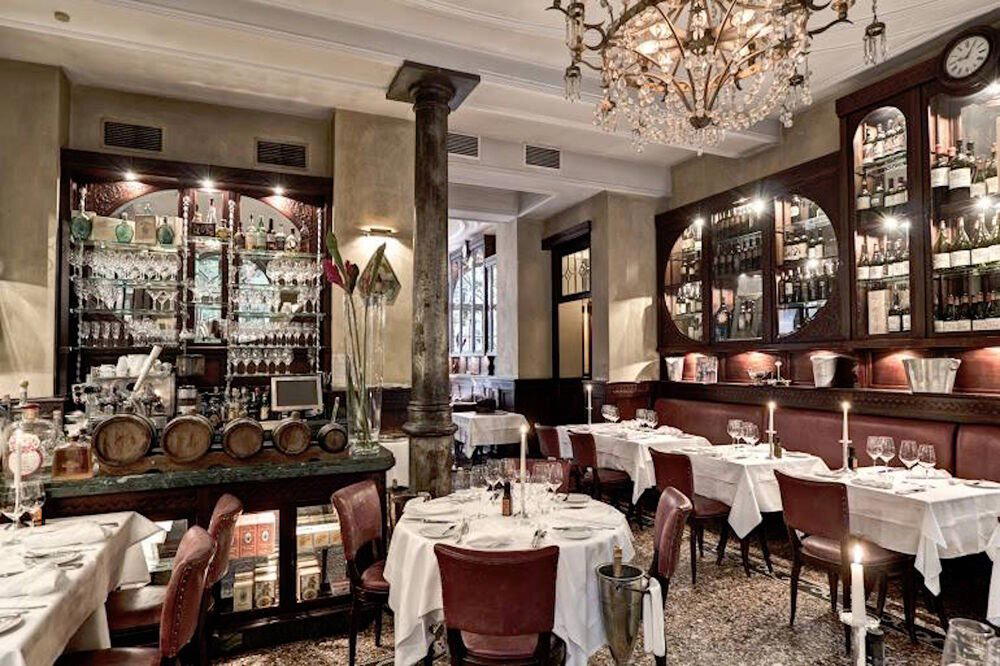
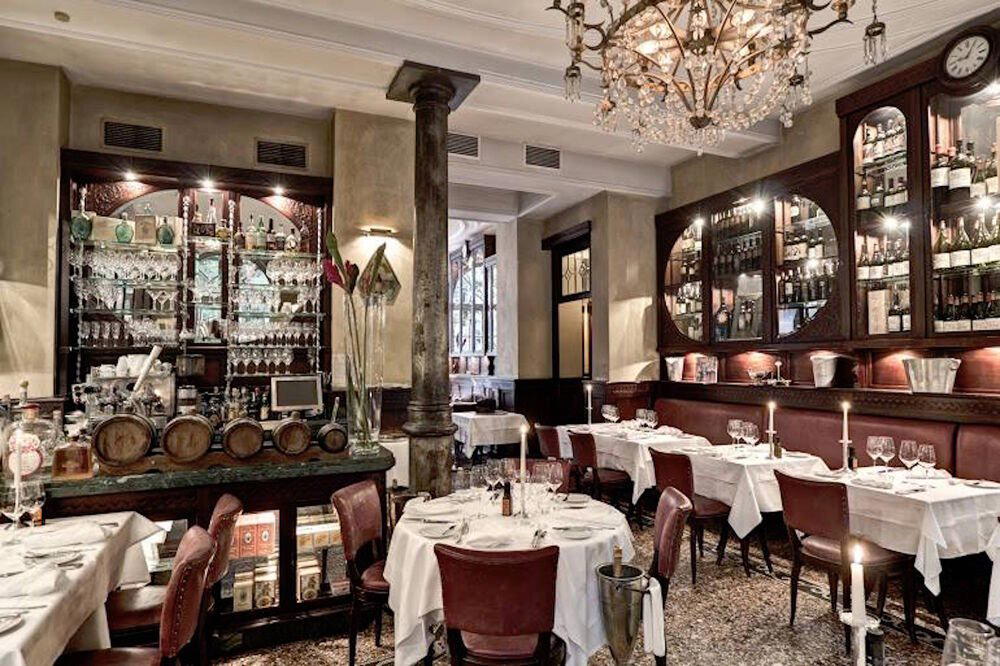
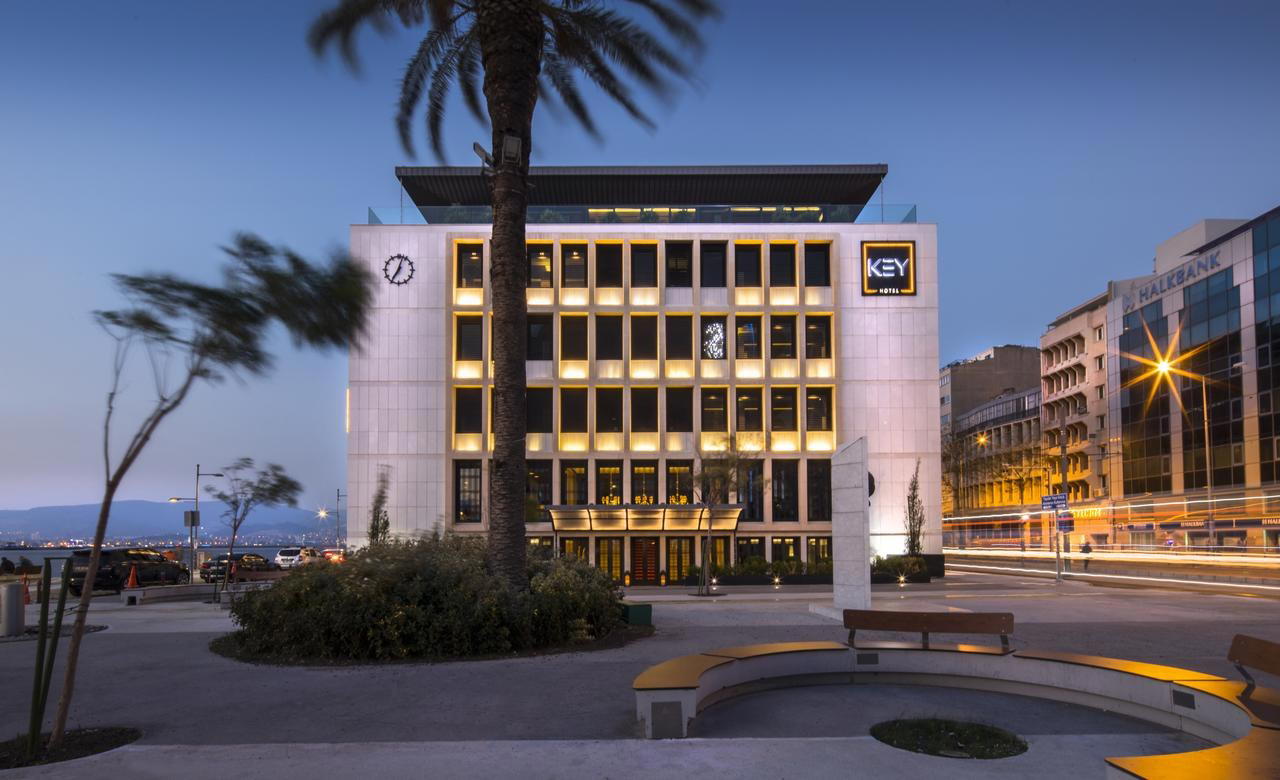
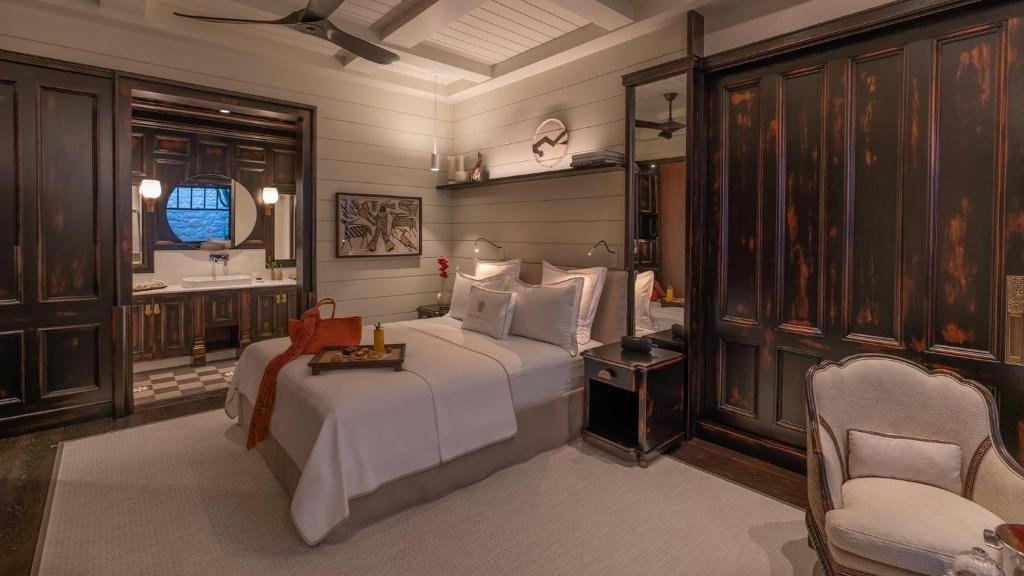
Trendy industrial aesthetic in a beautifully renovated former theater with high ceilings, artistic decor, and an inviting, vibrant atmosphere.