
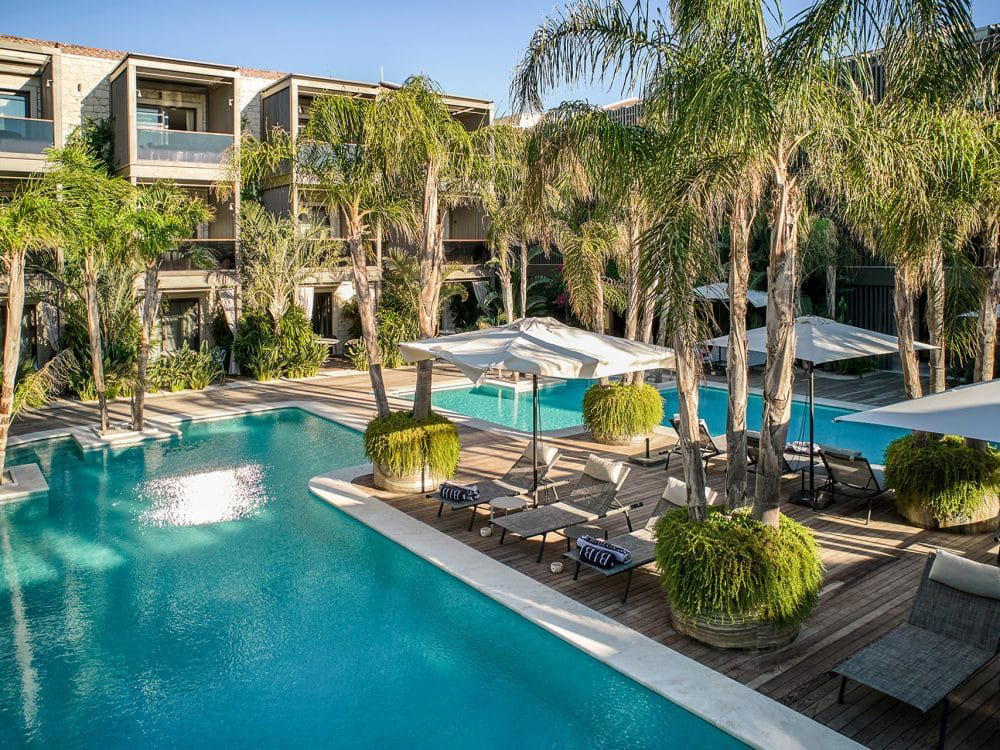
A converted 1980s warehouse in Alaçatı's old town, Warehouse By The Stay operates across 24 rooms and a programme of cultural events — film screenings, cooking workshops, theatrical performances — that most boutique hotels in the Çeşme peninsula don't attempt. Rooms overlook a garden compound, the property connects to a private beach club, and rates start at $355 per night.
Pearl is the En Primeur Club membership app — saves, bookings, and concierge access live there. Same editors, same standards.
- Address
- 27, Alaçatı, 14001. Sk., 35930 Çeşme/İzmir
- Phone
- +90 232 970 78 29
- Website
- thestay.com.tr
- Directions
- Get directions
 Saves & bookings on Pearl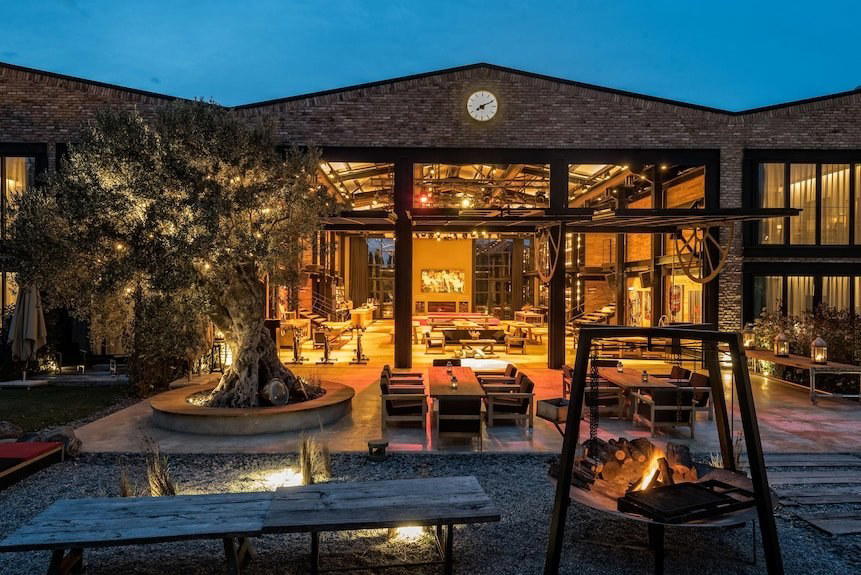
Where a Warehouse Becomes the Editorial Point
The Çeşme peninsula sits at the westernmost edge of Turkey, pushing into the Aegean with the kind of natural advantage — clear water, consistent wind, warm stone — that makes a destination easy to understand but hard to do well at the hospitality level. Alaçatı, the peninsula's most refined address, has a protected bay that draws the windsurfing circuit each summer and a grid of Ottoman-era stone streets that have quietly accumulated some of the more considered small hotels in the country. The question that separates properties here is not whether they have a pool or a beach transfer. It is whether the architecture and the programming have a point of view that holds up beyond high season.
Warehouse By The Stay answers that question in the first thirty seconds. The building is a genuine 1980s industrial warehouse, the steep, distinctive roofline, red-brick facade, and oversized shop windows are not a decorative reference to industrial heritage but the actual structure. Stay, the Turkish hotel mini-chain behind the property, has converted it without smoothing away the edges that make it legible as what it was. That restraint is harder to execute than it sounds. Adaptive reuse projects in resort towns frequently produce spaces that feel like theatrical sets. This one reads as architecture with a history, put to a new use that the bones can support.
The Cultural Programme as the Hotel's Real Amenity
The editorial angle assigned to properties like this one is often the food and beverage offering, and that is reasonable, dining is where many boutique hotels either justify their positioning or expose its limits. At Warehouse By The Stay, the more instructive lens is the broader cultural programme, of which food is one component. The hotel operates as a venue for musical and theatrical performances, film screenings, and cooking workshops, alongside an arts and architecture library. In a town where most accommodation either ignores programming entirely or outsources it to rooftop DJ sets, this is a meaningfully different approach.
Cooking workshops, in particular, place the hotel inside a wider conversation about how premium travel properties engage with food culture. The format, structured, participatory, rooted in local culinary tradition, has become a credible alternative to the standard fine-dining tasting menu as a way for hotels to signal culinary seriousness without requiring a named chef or a Michelin-targeted kitchen. For guests who want to understand what they are eating rather than simply consume it, this distinction matters.
The arts and architecture library sits alongside these events as a detail that repays attention. Libraries in hotels are often decorative, shelves curated for Instagram rather than reading. An architecture-specific collection in a converted industrial building in a town with serious Ottoman residential architecture has an internal logic that a general lifestyle library does not. It positions the property within a conversation about the built environment, which is an unusual and coherent choice.
Rooms, Comfort, and the Garden Compound
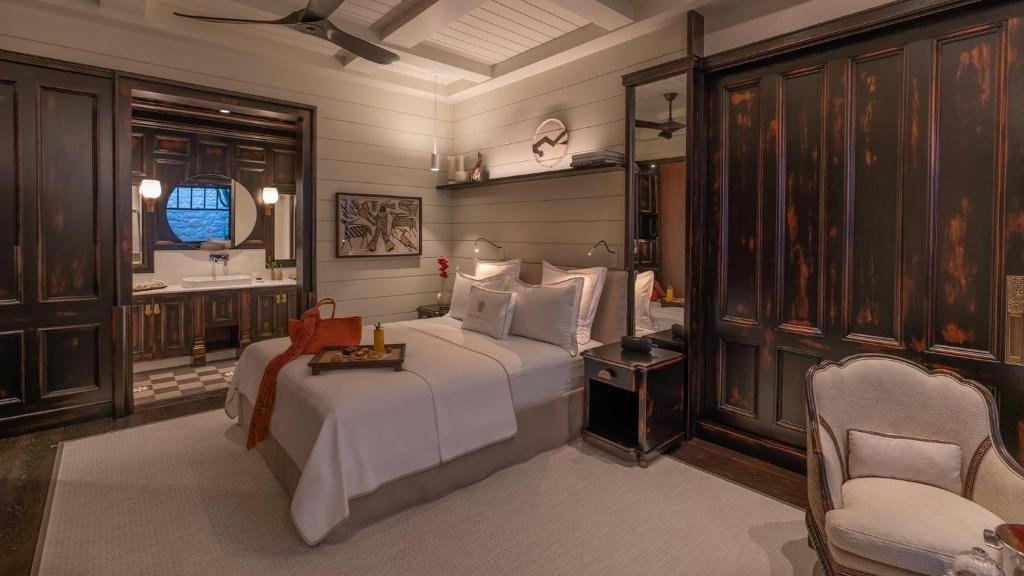
Rooms include espresso machines, Smeg minibars, and high-end sound systems with turntables, the last of which is the kind of detail that signals the property is thinking about how guests spend time in their rooms, not just how rooms photograph. The suite outlook is consistent: all units face the compound's internal gardens rather than the street, which is a significant quality-of-stay decision in a town where summer foot traffic is heavy.
At $355 per night, the property sits in a mid-to-upper bracket for the Alaçatı boutique market. For comparison, Alavya represents a peer property in the same town at a comparable positioning. Further along the Aegean coast, MACAKIZI BODRUM and Allium Bodrum Resort and Spa offer reference points for how the broader Turkish Aegean market prices design-led properties against resort-format competitors. The Warehouse occupies a distinct position in that spectrum: fewer rooms than a resort, more programming than a standard boutique, and a physical structure that is genuinely singular in the Alaçatı context. For other Turkish properties that take cultural programming seriously, Argos in Cappadocia and Hu of Cappadocia are worth examining as a counterpoint in a very different geography.
Beach Access, Town Access, and When to Go
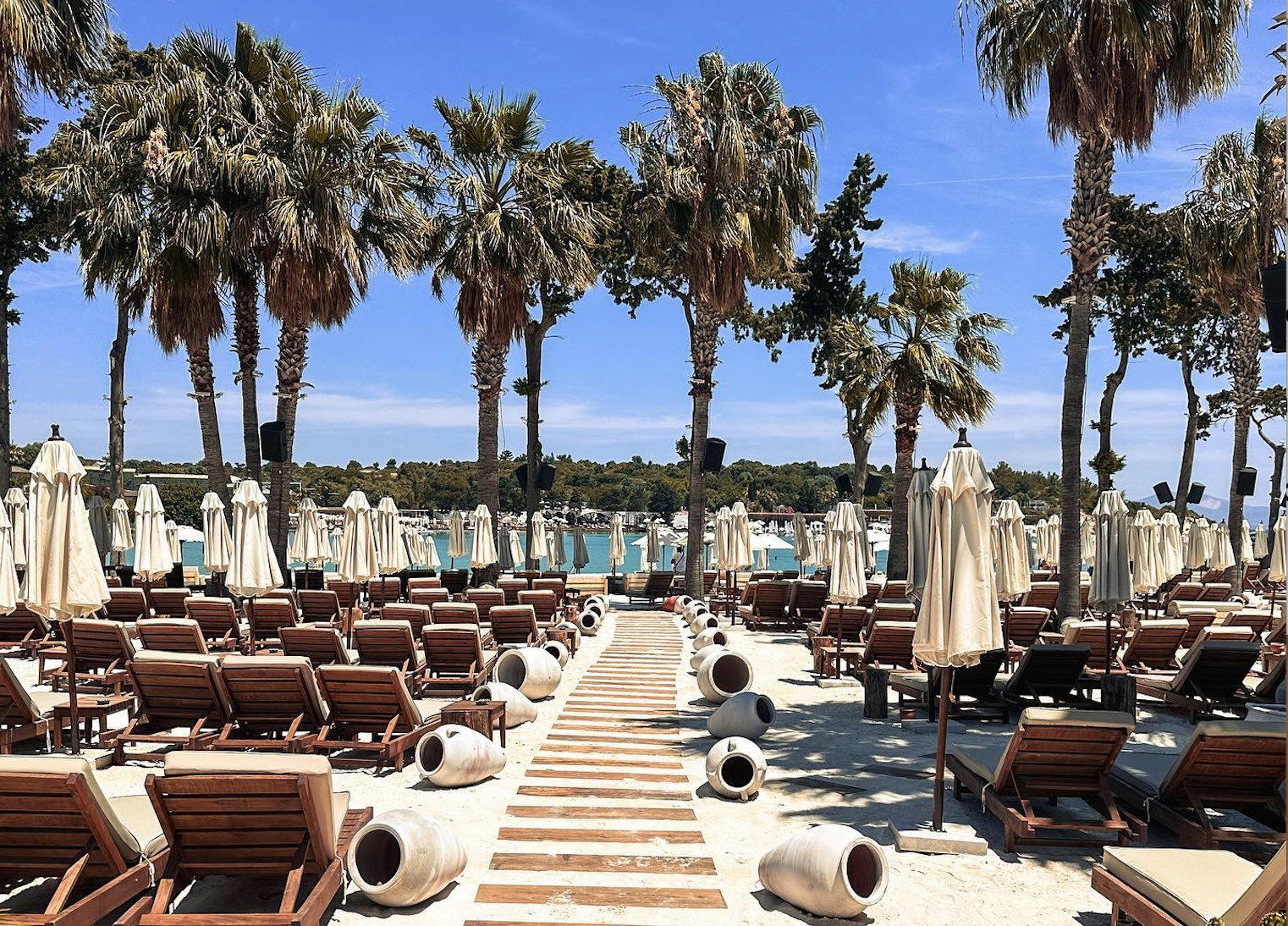
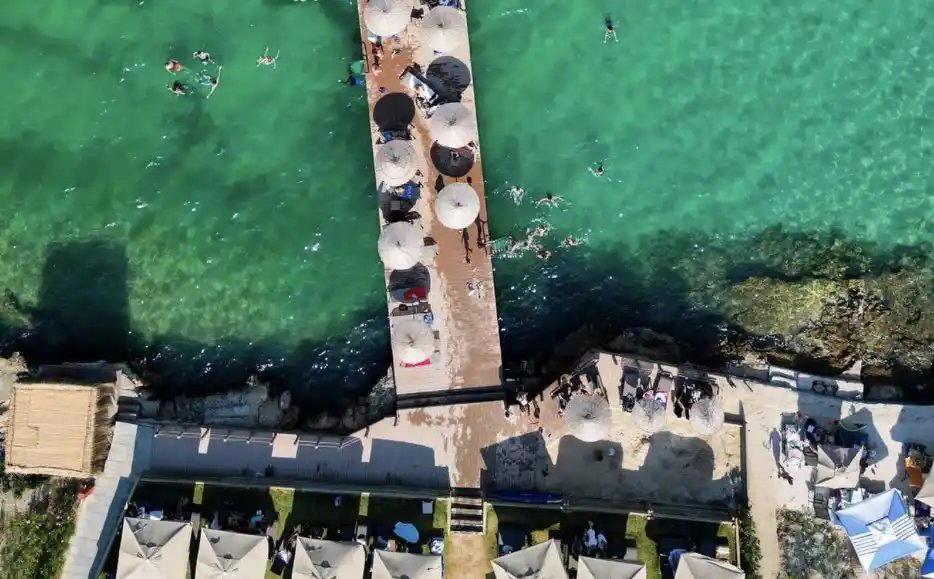
The property runs shuttle service to both Alaçatı's town centre and to the private Plage Isolée beach club, which solves one of the structural challenges of the location: the hotel's urban-compound setting is part of its identity, but guests on the Çeşme peninsula are also there for the Aegean. Alaçatı's protected bay is internationally recognised for windsurfing, the consistent Meltemi winds that blow across the peninsula from June through August make it a serious destination for the sport at a competitive level, not just a lifestyle amenity. That same wind keeps temperatures manageable in the height of summer, which is not true of all Aegean alternatives.
The shoulder season, late May and early September, gives access to the town's stone streets and the bay without peak-season crowds. The cultural programme, which includes film screenings and theatrical performances, arguably makes more sense in those periods than in mid-July, when the outdoor-resort logic tends to dominate. Guests planning around the programme rather than the beach should factor this in.
Address is 14001. Sk. 27, Alaçatı, Çeşme/İzmir. No direct booking details are available in the current record; the property is operated under the Stay mini-chain, which provides a starting point for reservation enquiries. For broader orientation across Alaçatı's dining and hospitality options, our full Alaçatı guide maps the town's current scene in detail. Travellers arriving via İzmir can also reference the Renaissance İzmir Hotel as a transit-night option before making the peninsula transfer.
How Warehouse By The Stay Alacati compares with similar nearby venues.
| Venue | Awards |
|---|---|
| Warehouse By The Stay | Michelin 1 Key |
Recognition history
Dated appearances from independent guides and award organizations, with the underlying list record or original source where available.
Michelin 1 Key
Michelin
Continue exploring
More in Alacati
Hotels in Alacati
Browse all →
Bars in Alacati
Browse all →
Restaurants in Alacati
Browse all →
Wineries in Alacati
Browse all →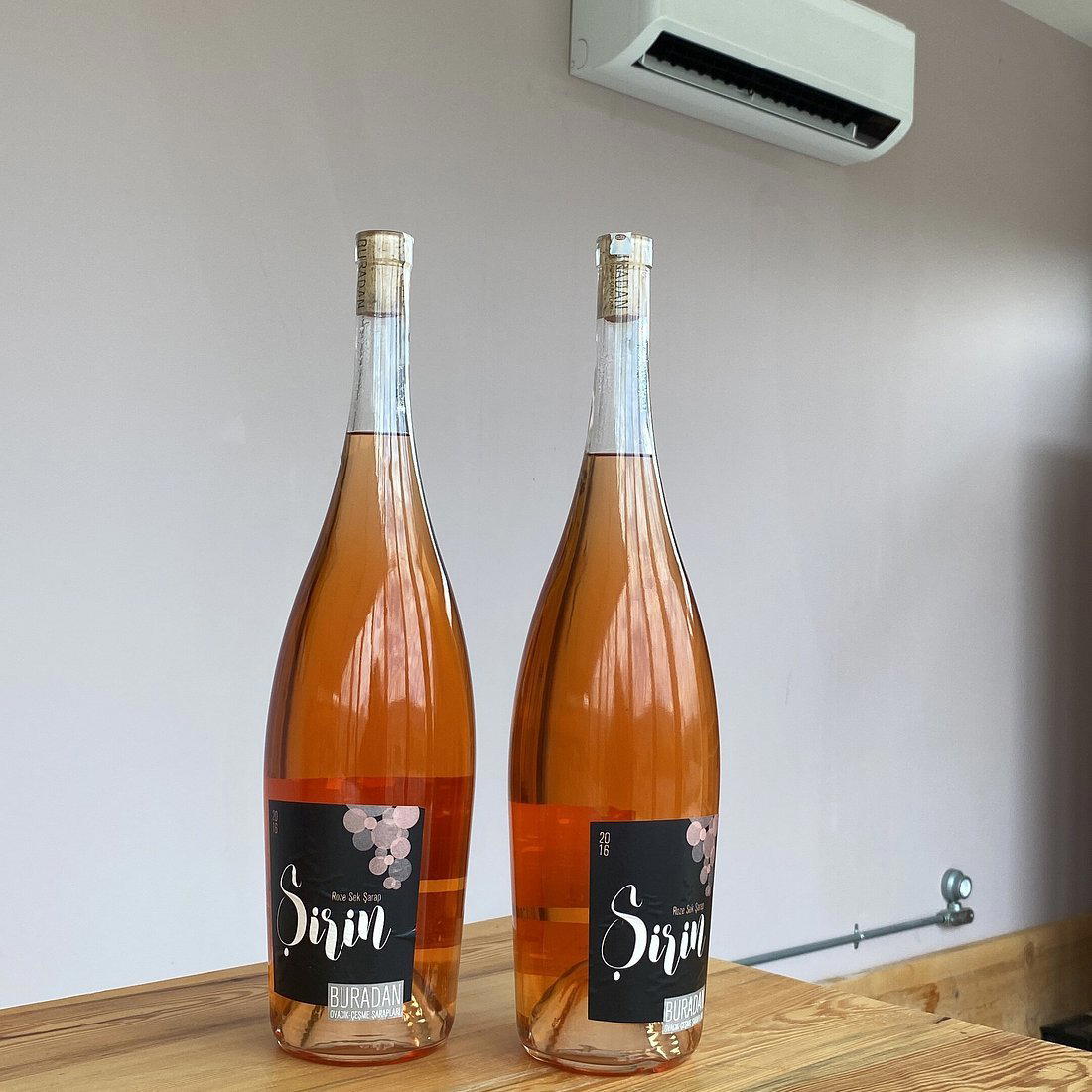
At a Glance
- Modern
- Romantic
- Quiet
- Sophisticated
- Romantic Getaway
- Weekend Escape
- Anniversary
- Garden
- Terrace
- Design Destination
- Private Dining
- Wi Fi
- Outdoor Pool
- Restaurant
- Bar
- Room Service
- Concierge
- Free Parking
- Bicycle Rental
- Garden
- Wi Fi
- Outdoor Pool
- Restaurant
- Bar
- Room Service
- Concierge
- Free Parking
- Bicycle Rental
Relaxing and artistic atmosphere with modern minimalist design, warm fireplace ambiance, and curated music; described as a restful retreat with no urgency or compulsion.
Know Before You Go
- Getting there
- 27, Alaçatı, 14001. Sk., 35930 Çeşme/İzmir