Sonnenalm
Our verdict
Sonnenalm sits above Mandling in the Schladming-Dachstein region, occupying the kind of high-altitude position that Alpine hut dining has claimed for generations. The address at Sonnenalm 18 places it within the broader arc of mountain hospitality that defines eating and drinking in this corner of the Austrian Alps. For context on the wider scene, see our full Schladming restaurants guide.

Pearl is the En Primeur Club membership app, where members save venues, book tables and use the concierge.

The menu
What to order
- Flambierter Kaiserschmarrn
- Kasnockerl
- Ripperl
High Ground: The Alpine Hut Tradition Above Schladming
The Schladming-Dachstein region has long organised its food culture around altitude. In the valleys, you find the more formal sit-down restaurants, places like ARX Restaurant and JOHANN GENUSSraum that serve the après-ski and resort-hotel crowd with structured menus and evening ambition. Climb above the valley floor and the register shifts entirely. Mountain huts, Almhütten, and refined terrace operations occupy a different tier of the local dining ecosystem, one built around the rhythm of the mountain day rather than the restaurant calendar. Sonnenalm, addressed at Sonnenalm 18 in the Mandling area, belongs to this upper tier of the Schladming food map.
The Austrian Alpine hut format has an evolutionary history worth understanding before you arrive anywhere in this region. What began as working shelters for summer herders, Almen in the truest sense, gradually absorbed a hospitality function as skiing infrastructure developed through the twentieth century. By the 1970s and 1980s, many of these structures had pivoted fully into food and drink venues serving skiers and hikers. The better ones retained some architectural honesty: timber construction, low ceilings, the smell of woodsmoke and rendered fat. The less careful ones became interchangeable with any mid-market cafeteria, distinguished only by their elevation. The distinction between those two trajectories matters when you are choosing where to stop on a day in the mountains around Schladming.
The Mandling Position and What It Signals
Mandling sits within the Ennstal valley system, south of Schladming proper. The positioning is significant: this is not the main ski-lift corridor, which means Sonnenalm draws a visitor mix that skews toward walkers, day-trippers, and locals who know the area's quieter geography, rather than the resort crowd moving between groomed pistes and named après-ski venues. That demographic tends to produce a different atmosphere at the table, less performative, more settled into the surroundings.
The evolution of mountain dining in this part of Styria has followed a recognisable arc across peer venues. Hochwurzenalm and Hochwurzenhütte represent the ski-lift-connected end of the spectrum, high-volume, high-visibility, anchored to the Hochwurzen cable car network. Sonnenalm, by contrast, occupies the quieter corner of the local mountain hut map, which carries its own set of trade-offs: less infrastructure, more character; less guaranteed footfall, more likely to feel genuinely embedded in the landscape.
How the Format Has Shifted
Across Austria's Alpine hut sector, the past two decades have brought a clear bifurcation. One cohort of venues has professionalised aggressively, adding structured wine lists, training kitchen staff in more formal culinary techniques, and repositioning themselves against valley restaurants rather than other huts. You see this most clearly at the higher end of the Austrian mountain dining scene, where the ambition in venues like Gourmetrestaurant Tannenhof in Sankt Anton am Arlberg or Griggeler Stuba in Lech reaches far beyond anything the hut format originally implied.
The other cohort has held its position: honest mountain food, Styrian or Tyrolean depending on region, priced and formatted for people who want a break from the trail rather than a destination meal. Gröstl, Käsespätzle, cured meats, and regional soups define this register. It is not a lesser ambition, it is a different one, and in the Schladming context it sits alongside the more formal options that da SEPP and others represent in the valley.
Where Sonnenalm has landed within that bifurcation is not something the available record resolves clearly. What the Mandling address and the hut-format tradition suggest is a venue that has remained closer to the second cohort, a place shaped more by the mountain calendar and the walker's appetite than by the ambition to compete with credentialled kitchens. Whether that positioning has sharpened or softened over recent seasons is a question leading answered by a direct visit.
Placing Schladming in the Wider Austrian Context
Schladming operates at a remove from the headline Austrian dining circuit. The comparison is not unflattering, it is simply categorical. Alpine hut dining answers a different question: not what is the finest cooking in Austria, but what does eating well look like when the frame is the mountains, the weather, and the hour of the day.
The Styrian kitchen that informs this region has its own seriousness, expressed most visibly at venues like Kräuterreich by Vitus Winkler in Sankt Veit im Pongau and, at a more removed distance, Landhaus Bacher in Mautern an der Donau. Mountain hut cooking draws on the same larder, pumpkin seed oil, Styrian beef, cured pork, alpine dairy, but applies it through a simpler lens. That simplicity, done with care, is the point.
Planning Your Visit
Reaching Sonnenalm requires engaging with the area's mountain access rather than any conventional restaurant arrival. Mandling is accessible from Schladming by road through the Ennstal, and the Sonnenalm address sits above the valley on the hillside terrain that defines this corner of the region. In summer, the approach suits walkers; in winter, the snow season reshapes what is reachable and when. Given that no booking contact or published hours are currently available in the public record, the practical advice is to treat this as a walk-in destination during mountain-accessible months, and to verify seasonal opening locally before making the journey the centrepiece of your day. For a mapped overview of where Sonnenalm sits relative to Schladming's other options, from valley restaurants to mountain huts, our full Schladming restaurants guide provides the broader context. Those building a more ambitious Austrian dining itinerary might also cross-reference Ois in Neufelden or Restaurant 141 by Joachim Jaud in Mieming for the region's more formal end of the spectrum.
Frequently asked questions
What's the address for Sonnenalm?
Sonnenalm is located at Sonnenalm 18, 8974 Mandling, Austria, Schladming.
Is Sonnenalm a good base for eating after hiking or skiing near Schladming?
Sonnenalm's address at Sonnenalm 18 in Mandling positions it within the broader Schladming-Dachstein access network, away from the main ski-lift corridor and closer to terrain used by both winter and summer mountain users. The Alpine hut format is built precisely for post-activity eating: substantial Styrian portions, no dress formality, and access that aligns with mountain rather than town logistics. It functions as a working hut stop, not a destination restaurant requiring valley-side planning.
What should I order at Sonnenalm?
The Alpine hut tradition in the Schladming-Dachstein region centres on Styrian mountain staples: Käsespätzle, Gröstl, regional soups, and cured meat plates calibrated for appetite after time on the mountain. These are dishes built around altitude and activity, not fine-dining architecture. Sonnenalm sits at Mandling within this regional format, and the menu logic follows accordingly.
Can I walk in to Sonnenalm?
Alpine hut venues in the Schladming area generally operate on a walk-in basis, particularly for daytime service during both ski and summer hiking seasons. Reservations are not the standard model at this altitude and in this format. Arriving early during peak season periods is the practical approach, as terrace seating at mountain positions fills quickly on clear days.
What's the defining dish or idea at Sonnenalm?
The defining idea at Sonnenalm is less about a single dish than about a format: food served at altitude above Mandling, calibrated to the rhythm of the mountain rather than a restaurant dining room. In the Schladming-Dachstein region, this means Styrian staples delivered in a setting where the elevation and outdoor context are inseparable from the experience. The hut format itself is the proposition.
A Credentials Check
A short peer table to compare basics side-by-side.
| Venue | Cuisine | Price |
|---|---|---|
| SonnenalmThis venue (the venue you are viewing) | Traditional Austrian Alpine | $20–30 |
| Hochwurzenalm | Styrian Alpine Cuisine | $20–30 |
| JOHANN GENUSSraum | Modern Styrian Austrian | $50–100 |
| Hochwurzenhütte | Traditional Austrian Alpine Cuisine | $20–30 |
| Weitmoosalm | Traditional Austrian Alpine | $20–30 |
| da SEPP | Modern Austrian Alpine Cuisine | Not listed |
Continue exploring
More in Schladming
Restaurants in Schladming
All restaurants in Schladming →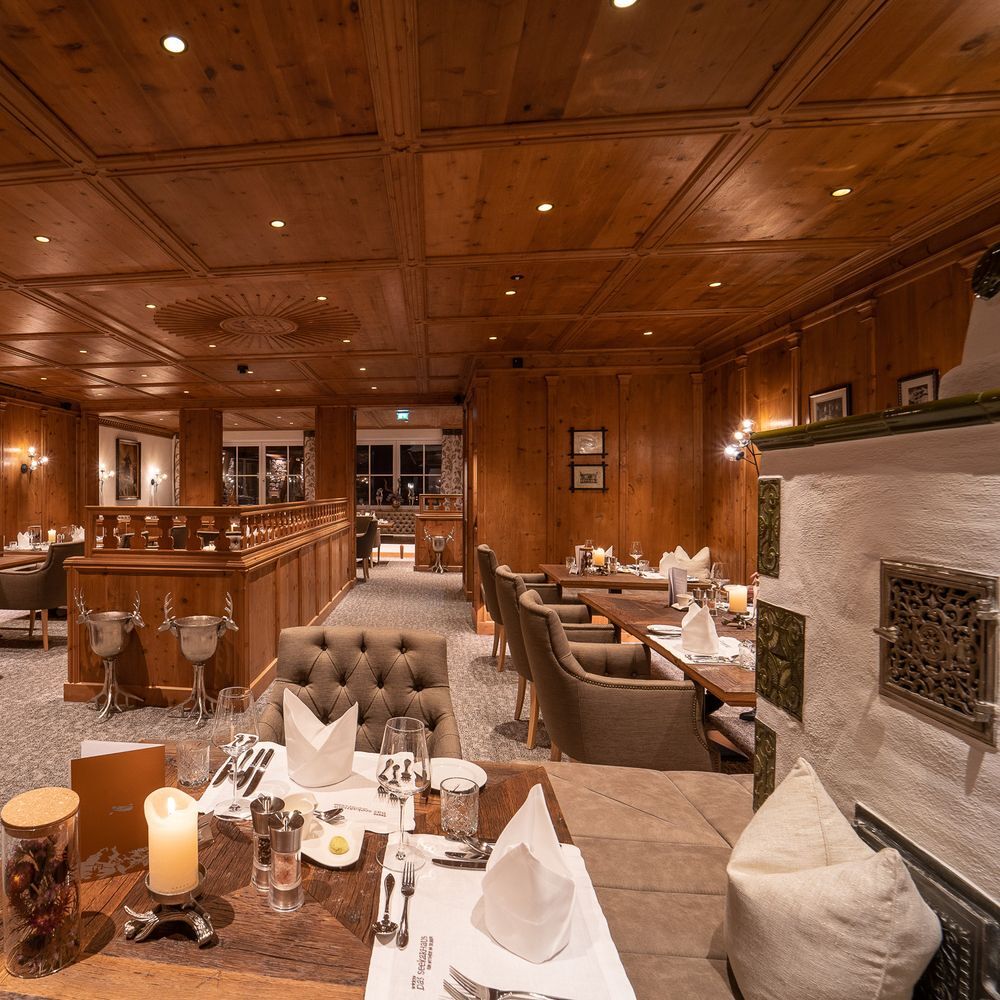
Bars in Schladming
Browse all →
Hotels in Schladming
Browse all →
Wineries in Schladming
All wineries in Schladming →
Details
- Rustic
- Cozy
- Scenic
- Family
- Casual Hangout
- Terrace
- Panoramic View
- Local Sourcing
- Mountain
- A La Carte
- Vegetarian Friendly
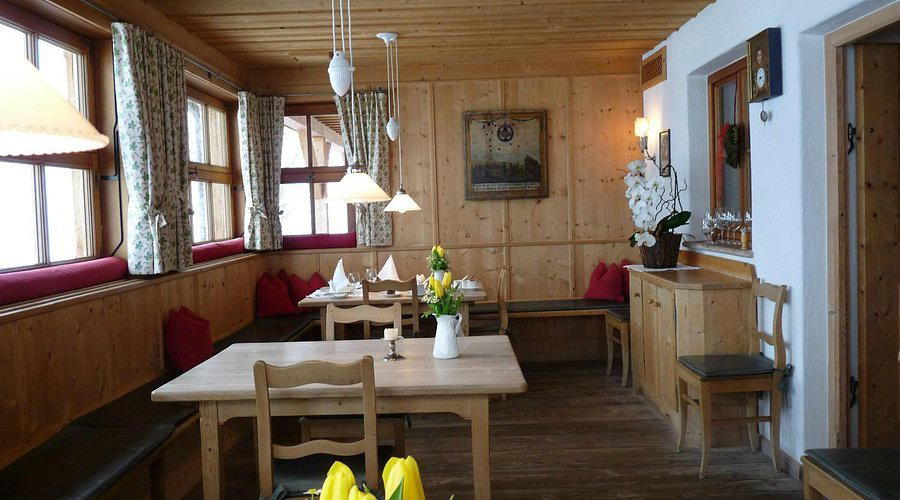
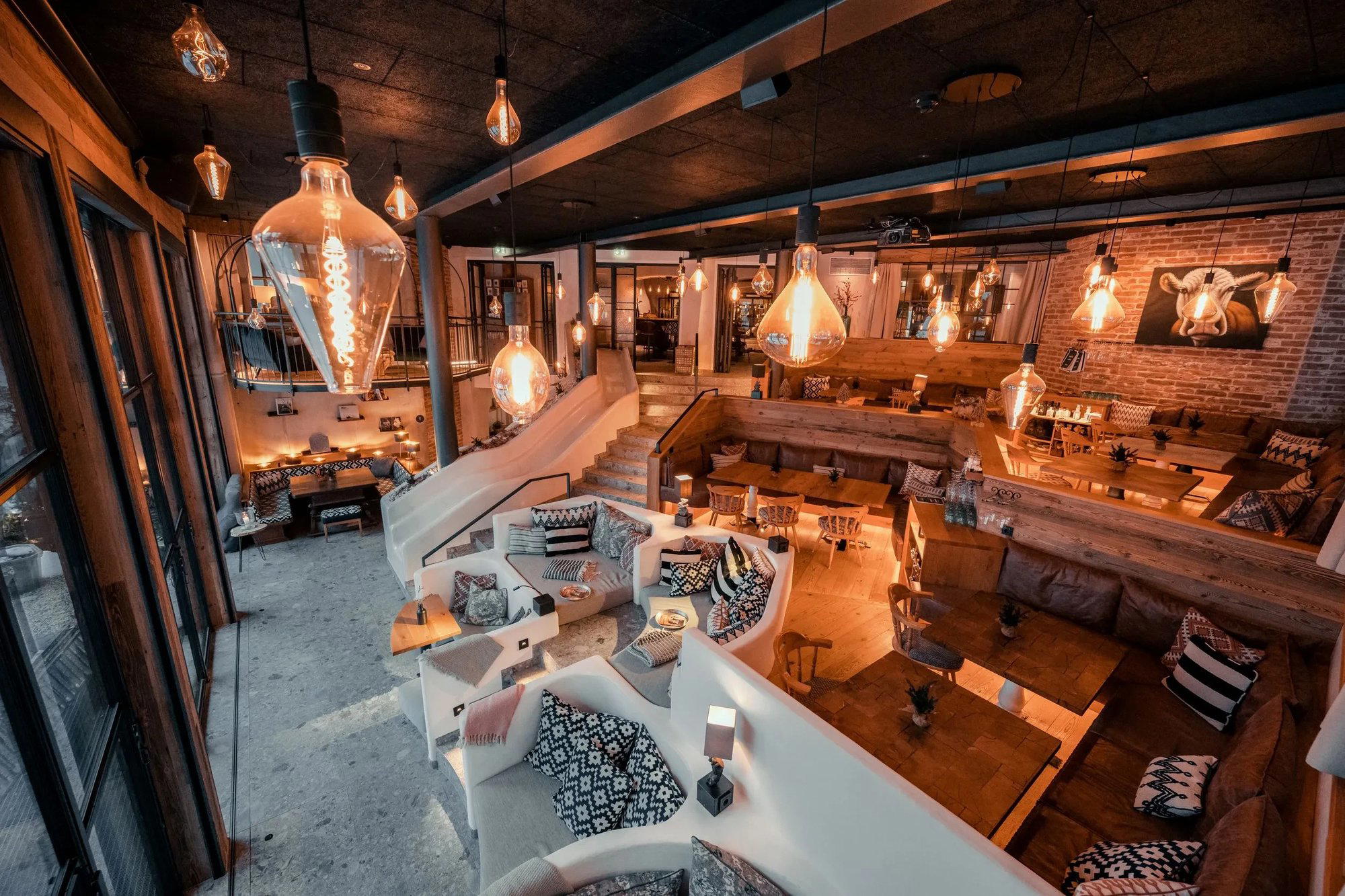
Cozy rustic mountain hut atmosphere with panoramic mountain views and warm hospitality.