Steireralm
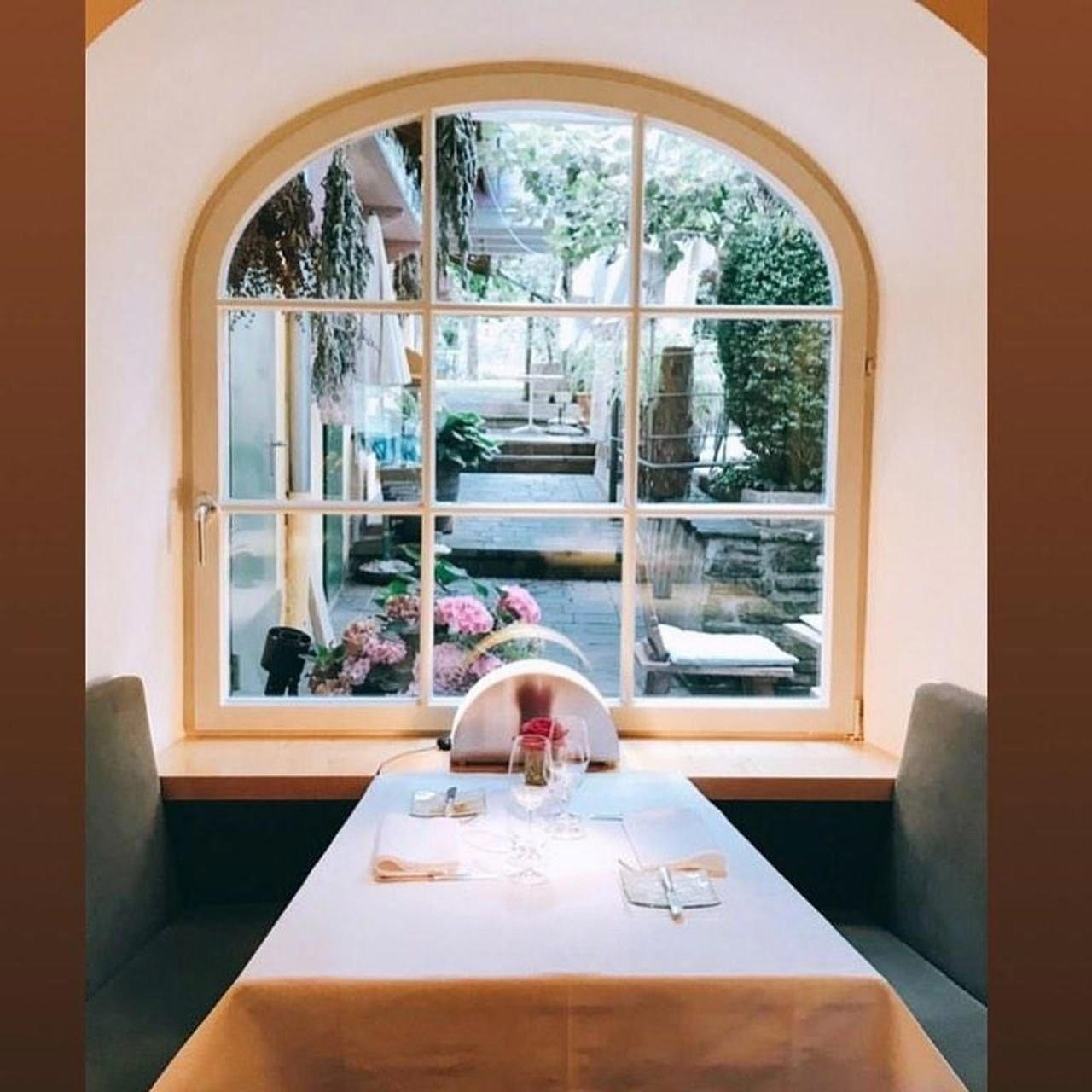
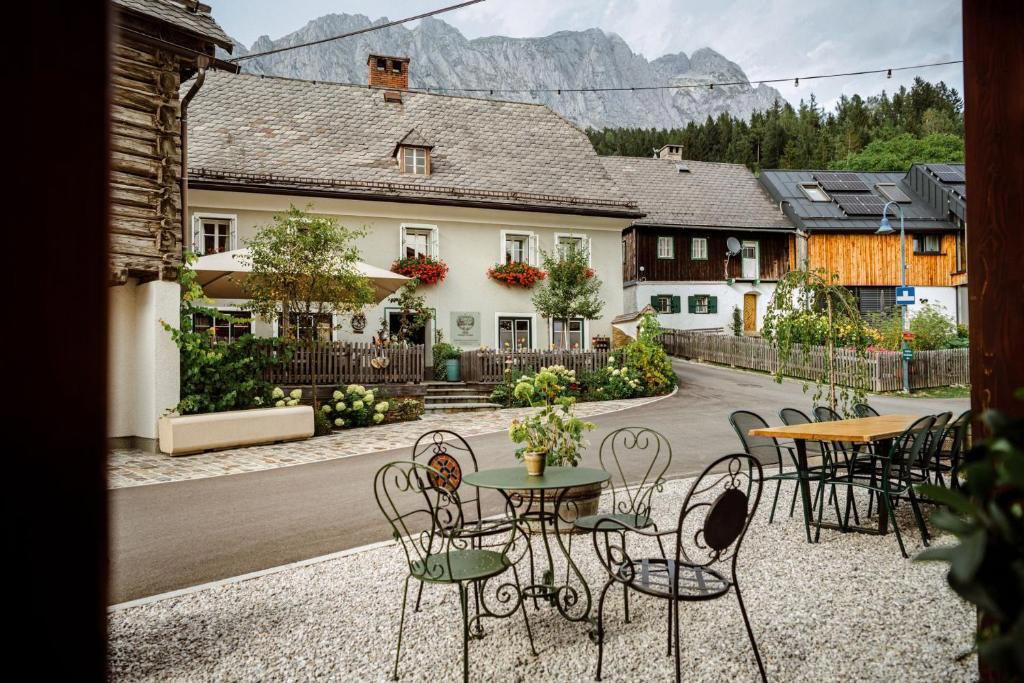
Steireralm serves traditional Austrian ski hut cooking in a historic building with a terrace and mountain views, with goulash soup and Kaspressknödel on the menu.
Pearl is the En Primeur Club membership app — saves, bookings, and concierge access live there. Same editors, same standards.
- Address
- Reiteralmstraße 61-65, 8973 Schladming, Austria
- Phone
- +436504764308
- Website
- steireralm.at
- Directions
- Get directions
 Saves & bookings on Pearl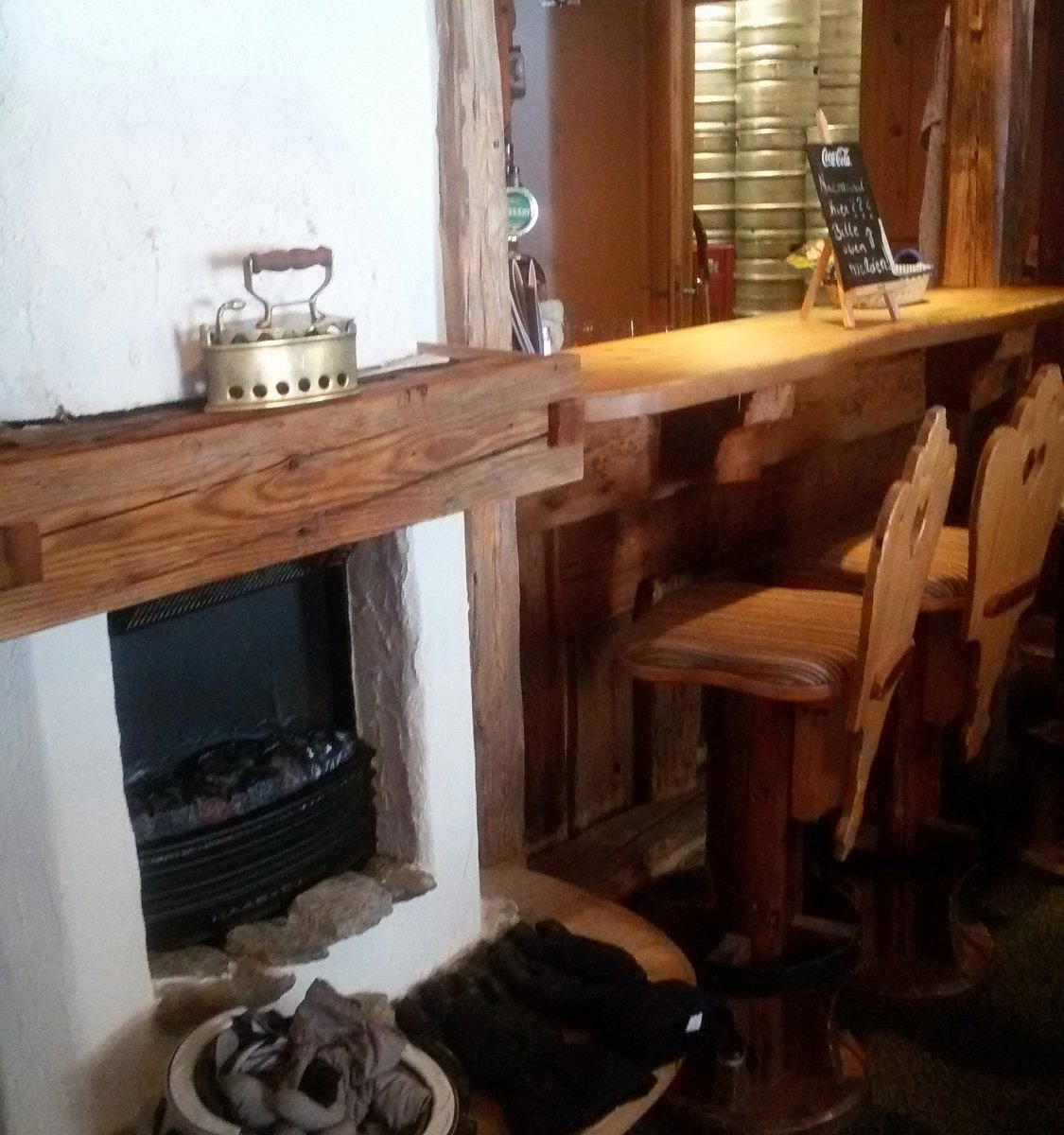
Mountain Eating, Styrian Style
Steireralm is a traditional Austrian ski hut on Reiteralmstraße in Schladming, Austria, with a price tier around $25 per person. The drive up to Steireralm along Reiteralmstraße already does a certain kind of editorial work. The valley floor of Schladming, with its lift infrastructure and après-ski bustle, drops away, and what replaces it is the quieter, more deliberate rhythm of the Styrian Alpine plateau. This part of Austria has long maintained a distinct culinary identity, one that sits apart from the wiener schnitzel shorthand that flattens the country's food culture for outside audiences. Styria (Steiermark in German) produces some of Austria's most characterful cooking: pumpkin seed oil, Vulcano ham, Schilcher rosé, and a tradition of farmhouse cooking that prizes sourness, bitterness, and root-vegetable depth over the cream-heavy richness typically associated with Austrian cuisine. Steireralm takes its name directly from that regional inheritance. The "alm" suffix situates it in the tradition of Alpine pasture huts, seasonal structures where food was always tied to what the land above the treeline could produce.
The Styrian Alm Tradition and Why It Still Matters
Austria's alm dining culture has been under quiet pressure for decades. The original function of the mountain hut was agricultural: summer pasturing, cheese-making, hay-cutting. Food was a function of labour, not leisure. As skiing transformed the Alpine economy through the twentieth century, many alm structures converted into tourist-facing operations, softening their cooking toward a crowd-pleasing middle and losing the regional specificity that made them worth visiting in the first place. What distinguishes the better establishments in this tradition is an insistence on Styrian provenance as a non-negotiable starting point rather than a marketing accent. The cuisine of Steiermark is genuinely different from that of Salzburg or Tyrol: the cooking fats, the pickled vegetable preparations, the use of marjoram and lovage, the preference for cured and smoked meats over fresh, all carry a regional logic rooted in the landscape's agricultural history. Venues in and around Schladming that operate within this tradition place themselves in a different peer group from the generic mountain-resort restaurants that surround them. For comparison, Schladming's dining scene includes the more contemporary ARX Restaurant and the convivial da SEPP, both of which take different approaches to the question of regional identity versus resort hospitality.
Where Steireralm Sits in Schladming's Dining Geography
Schladming's restaurant scene has diversified considerably since the town hosted the Alpine Ski World Championships in 2013, an event that accelerated infrastructure investment and raised the floor on hospitality quality. The mountain venues closest to Steireralm in format include Hochwurzenalm and Hochwurzenhütte, both of which operate in the alm idiom with varying degrees of Styrian commitment. In the town itself, JOHANN GENUSSraum represents a more formal interpretation of regional cooking. Steireralm's address on Reiteralmstraße positions it on the Reiteralm ski area side of the valley, which means it draws from a slightly different circulation pattern than venues accessed via the Planai or Hochwurzen lifts. That geographic specificity matters: in a resort town, where you sit on the mountain determines much of your audience, your seasonal rhythm, and the kind of dining experience you can realistically build.
Styrian Cooking in the Austrian Alpine Context
To understand what Steireralm is reaching for, it helps to trace the lineage of serious Styrian cooking in Austria more broadly. The benchmark for Styrian-inflected fine dining in the country is Steirereck im Stadtpark in Vienna, which has spent decades demonstrating that the regional larder of Steiermark can support cooking at the highest level. Below that apex, a network of restaurants across Austria has built serious reputations on regional Austrian cuisine with genuine provenance: Döllerer in Golling an der Salzach, Obauer in Werfen, Landhaus Bacher in Mautern an der Donau, and Kräuterreich by Vitus Winkler in Sankt Veit im Pongau all anchor this broader tradition. The alpine resort tier has its own high-end comparators: Gourmetrestaurant Tannenhof in Sankt Anton am Arlberg, Griggeler Stuba in Lech, Ikarus in Salzburg, Ois in Neufelden, and Restaurant 141 by Joachim Jaud in Mieming show the range of what serious cooking looks like when mountain or rural Austrian settings are taken seriously as a culinary context rather than just a scenic backdrop. Steireralm operates in a different register from these Michelin-tracked addresses, but the cultural tradition it draws from is the same one that feeds them all upstream.
Planning a Visit
Steireralm is located at Reiteralmstraße 61-65, 8973 Schladming, and sits within the Reiteralm ski area's service zone, making it most naturally accessed during the winter ski season, though mountain venues in this part of Styria increasingly operate across summer hiking months as well. As with most alm-format venues in Austria, the dining rhythm is tied to mountain activity: lunch and early-afternoon service dominate, with the guest flow closely linked to piste conditions and lift operating hours. Visitors planning a dedicated evening meal should confirm operating hours directly, as alm venues frequently run condensed schedules outside peak season. Reservations are recommended. Given the address and format, this is not a venue where turning up mid-morning and expecting a full table-service lunch without some planning is a reliable strategy, particularly during high-season weekends when mountain venues across the Schladming-Dachstein ski alliance operate at capacity.
Comparison Snapshot
Comparable venues nearby, for context on price, style, and recognition.
| Venue | Cuisine | Price | Notes |
|---|---|---|---|
| SteireralmThis venue — the venue you are viewing | Traditional Austrian Ski Hut | $$ | Not listed |
| Sonnenalm | Traditional Austrian Alpine | $$ | Mandling |
| Onkel Willy's Hütte | Traditional Austrian Mountain Hut | $$ | Planai |
| Schnepf'n Alm | Traditional Styrian Alpine Cuisine | $$$ | Reiteralm |
| Hochwurzenhütte | Traditional Austrian Alpine Cuisine | $$ | Rohrmoos-Untertal |
| Waldhäuslalm | Traditional Styrian Alpine | $$ | Rohrmoos-Untertal |
Continue exploring
More in Schladming
Restaurants in Schladming
Browse all →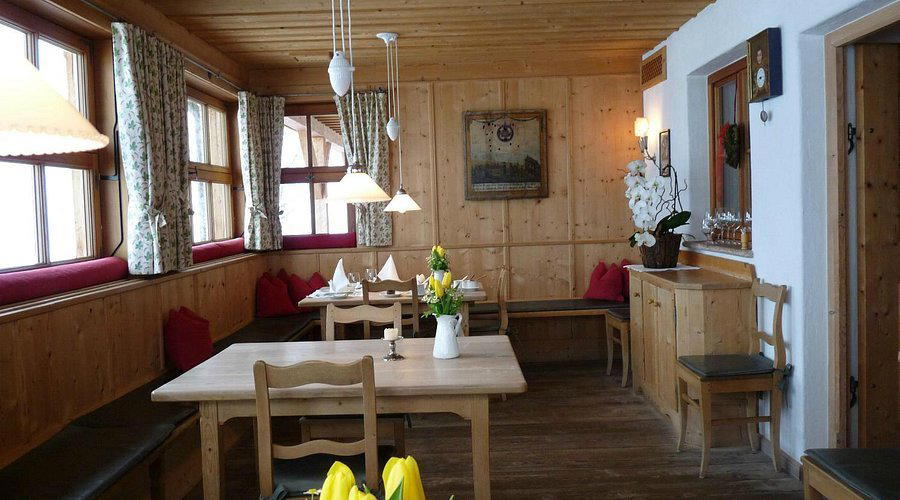
Bars in Schladming
Browse all →


Hotels in Schladming
Browse all →
Wineries in Schladming
Browse all →
At a Glance
- Rustic
- Cozy
- Scenic
- Casual Hangout
- Terrace
- Historic Building
- Local Sourcing
- Mountain
Rustic alpine hut with cozy, traditional atmosphere and hearty mountain hospitality.