On Volkstraat in Antwerp's Zuid district, Tamo occupies a stretch where neighbourhood restaurants set the tempo rather than hotel dining rooms or trophy-chef counters. The room and address place it in a mid-tier residential dining scene that rewards regulars over tourists, where the lunch and dinner divide tells two distinct stories about how the space is used and what it asks of the diner.
Pearl is the En Primeur Club membership app — saves, bookings, and concierge access live there. Same editors, same standards.
- Address
- Volkstraat 44, 2000 Antwerpen, Belgium
- Phone
- +3236899949
- Website
- tamorestaurant.com
- Directions
- Get directions
 Saves & bookings on Pearl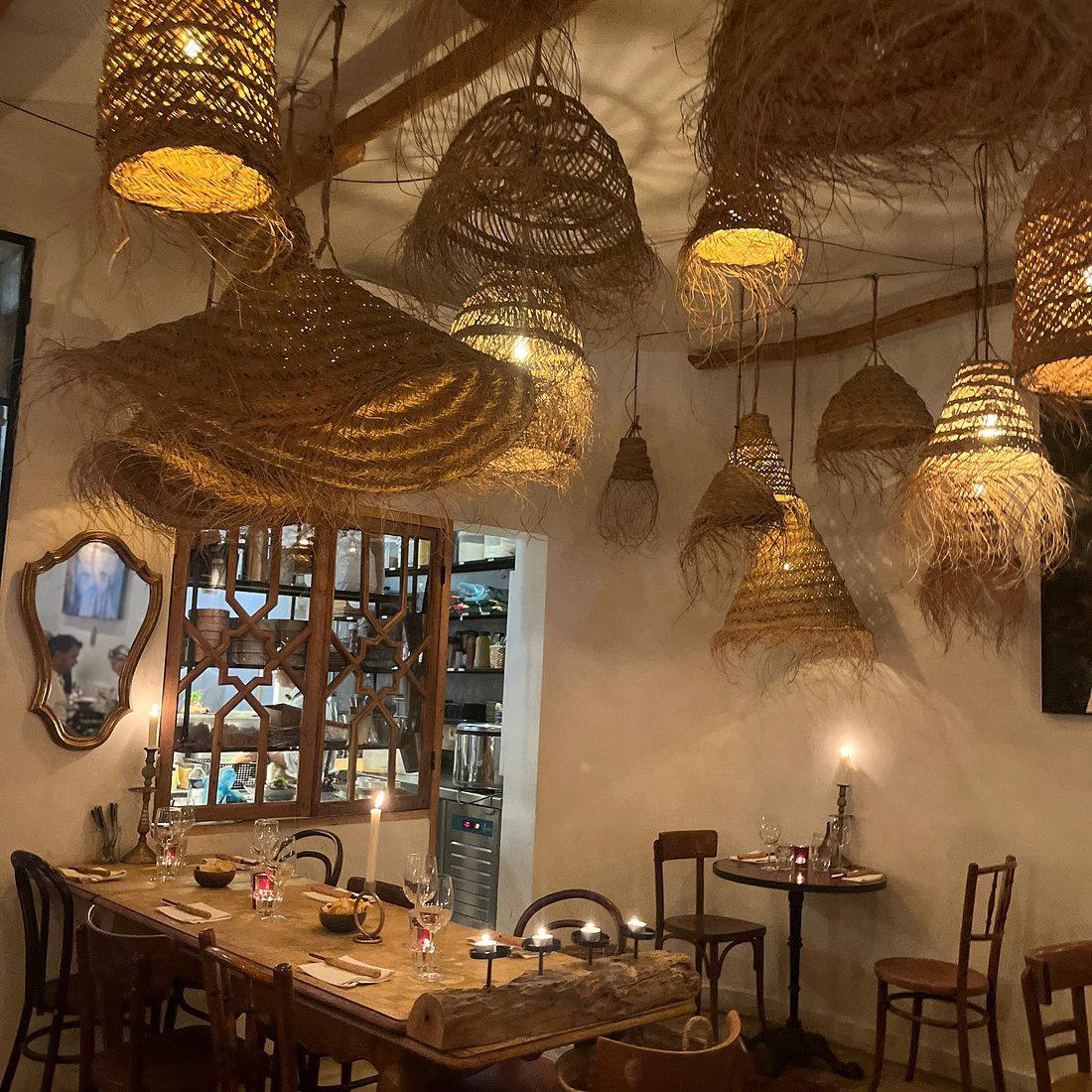
Volkstraat and the Zuid Dining Register
The streets running south from the Museum aan de Stroom toward the Vlaamse Kaai have accumulated a working dining culture: neighbourhood places that fill at lunch with professionals from the nearby galleries and design studios, then shift gear in the evening toward longer tables and more deliberate meals. Volkstraat, where Tamo sits at number 44, belongs to that register. The address alone signals something about the intended audience, not the tourist grid of the Grote Markt, not the Michelin corridor occupied by Zilte or Hertog Jan at Botanic, but the middle ground where Antwerp actually eats from week to week.
That middle ground is worth understanding before arriving. Antwerp's fine-dining tier operates with the formality and pricing you would expect from a city that has produced multiple Michelin-starred tables and a long tradition of Flemish classical cooking, represented at its most entrenched by 't Fornuis. Below that tier sits a layer of neighbourhood restaurants where the cooking is taken seriously but the contract with the diner is looser, no dress code architecture, no multi-hour commitment built into the format. Tamo occupies this layer. Understanding where it sits relative to both tiers helps calibrate expectations correctly.
The Lunch Proposition
In Zuid, the lunch hour carries a different logic from dinner. The neighbourhood draws a working population, architects, gallery staff, buyers from the fashion district a few blocks north, who want a proper meal without the ceremony of an evening booking. The daytime dining culture in this part of the city tends toward faster pacing, a shorter menu, and a value relationship that evening service rarely matches. Across Belgium, the tradition of the dagschotel (daily dish) or a compact lunch formula at a fraction of the evening price is one of the more reliable ways to read a kitchen's actual capabilities without committing to the full evening spend.
At Tamo, the Volkstraat setting positions the lunch service as the more casual, neighbourhood-facing moment. The room, approached from the street, reads as a place built for return visits rather than first impressions, the kind of address you learn about from someone who lives nearby rather than from a review platform. That dynamic tends to produce a lunch that suits regulars: familiar, reliable, priced for repeat custom. For visitors to Antwerp, this is worth noting. Arriving at lunch rather than dinner often means shorter waits, a more compressed version of the kitchen's range, and a room that has not yet shifted into evening mode.
Belgium's broader restaurant culture is relevant here. The country's dining habits, shaped by proximity to both French classical tradition and Flemish ingredient pragmatism, produce a lunch service that is taken seriously in a way that distinguishes it from, say, London or Amsterdam, where lunch at a serious restaurant often feels like a concession. If you are building an Antwerp itinerary around food,
The Evening Shift
Dinner in Zuid changes the tempo. The neighbourhood moves from professional to residential in the early evening, and restaurants that carry a daytime crowd of regulars tend to attract a different composition at night: couples, small groups, people who live within walking distance. The evening service at a Volkstraat address like Tamo is likely to feel more unhurried than its lunch equivalent, the kind of dinner that does not demand a dramatic occasion to justify it, but sustains a two-hour meal without pressure.
This is where the lunch-versus-dinner divide becomes editorially useful. In cities where dining out is a daily practice rather than a special event, the evening neighbourhood restaurant fills a role that the destination-dining tier cannot: it is accessible enough to visit on a Tuesday, serious enough to hold attention for the full meal, and embedded enough in the local routine to feel like an accurate read on how the city actually eats. Antwerp's Zuid does this well, and Tamo's address on Volkstraat places it inside that function.
For context on where Antwerp sits within Belgium's wider restaurant geography, the country's decorated tables cluster outside the city as much as within it. Hof van Cleve in Kruishoutem, Boury in Roeselare, and Willem Hiele in Oudenburg represent the country's coastal and rural fine-dining tier. Within Antwerp itself, the city's most formally recognised tables sit at a significant price and commitment remove from a neighbourhood restaurant on Volkstraat. Tamo is not competing with that tier, which is precisely the point.
Placing Tamo in Antwerp's Dining Map
Antwerp's restaurant scene in the €€ to €€€ neighbourhood range has grown considerably over the past decade, driven partly by the city's expanding design and fashion economy and partly by a generation of cooks who trained in starred kitchens and returned to open smaller, less ceremonial rooms. The city now has enough serious neighbourhood restaurants that a visitor can spend three evenings eating well without touching the Michelin tier at all. Bistrot du Nord and DIM Dining represent different registers of that middle layer, French traditional and Japanese respectively, and give a sense of how varied the non-trophy tier has become.
Beyond Belgium, the reference points for serious neighbourhood dining in European cities worth benchmarking against include Bozar Restaurant in Brussels, which operates in a different cultural register but shows how Belgium's secondary dining tier can anchor itself to institutional credibility rather than awards. Further afield, Le Bernardin in New York City and Atomix represent the outer end of the formality spectrum, useful calibration points for understanding how far Antwerp's neighbourhood tier sits from destination-dining formats. Other Belgian tables worth knowing include Bartholomeus in Heist, Castor in Beveren, d'Eugénie à Emilie in Baudour, De Jonkman in Sint-Kruis, L'air du temps in Liernu, and La Durée in Izegem.
Planning a Visit
Tamo is at Volkstraat 44 in Antwerp's 2000 postcode, walkable from both the Museum aan de Stroom and the central train station via the city's tram network. The Zuid district is compact enough that the address is reachable on foot from most central hotels in under twenty minutes. Tamo is open Wednesday through Sunday, with dinner service from 5:30 PM and later closing on Friday and Saturday. Dress is casual, and reservations are recommended.
Comparable Spots, Quickly
Comparable venues nearby, for context on price, style, and recognition.
| Venue | Cuisine | Price | Notes |
|---|---|---|---|
| TamoThis venue — the venue you are viewing | Thai | $$ | Not listed |
| The Best | Belgian Bistro | Not listed | Old Town |
| Instroom x Seppe Nobels | Seasonal Vegetable-Forward Belgian | $$ | Linkeroever |
| TamTam | Mediterranean Foodbar | $$ | Pulhof |
| Lux | Bar | $$ | Eilandje |
| The Village | Asian Fusion Sushi & Dim Sum | $$ | Zuid |
At a Glance
- Cozy
- Romantic
- Trendy
- Date Night
- Group Dining
- Casual Hangout
- Family
- Open Kitchen
- Terrace
Current opening hours
- Monday
- Closed
- Tuesday
- Closed
- Wednesday
- 5:30–10 PM
- Thursday
- 5:30–10 PM
- Friday
- 5:30–11 PM
- Saturday
- 5:30–11 PM
- Sunday
- 5:30–10 PM
Hours can change for holidays and private events. Last verified .
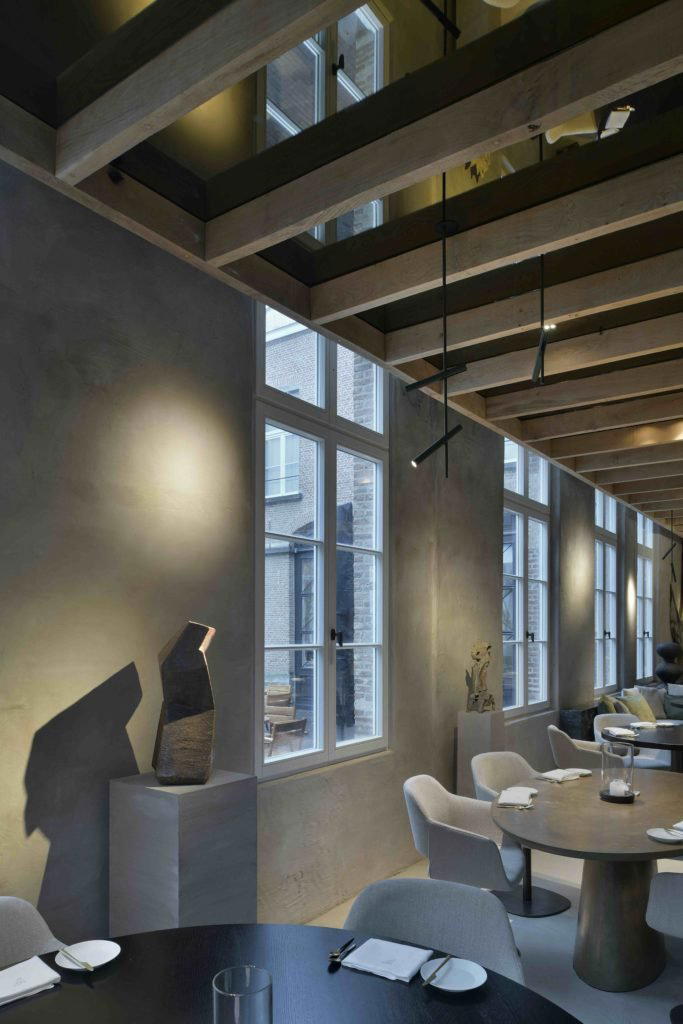
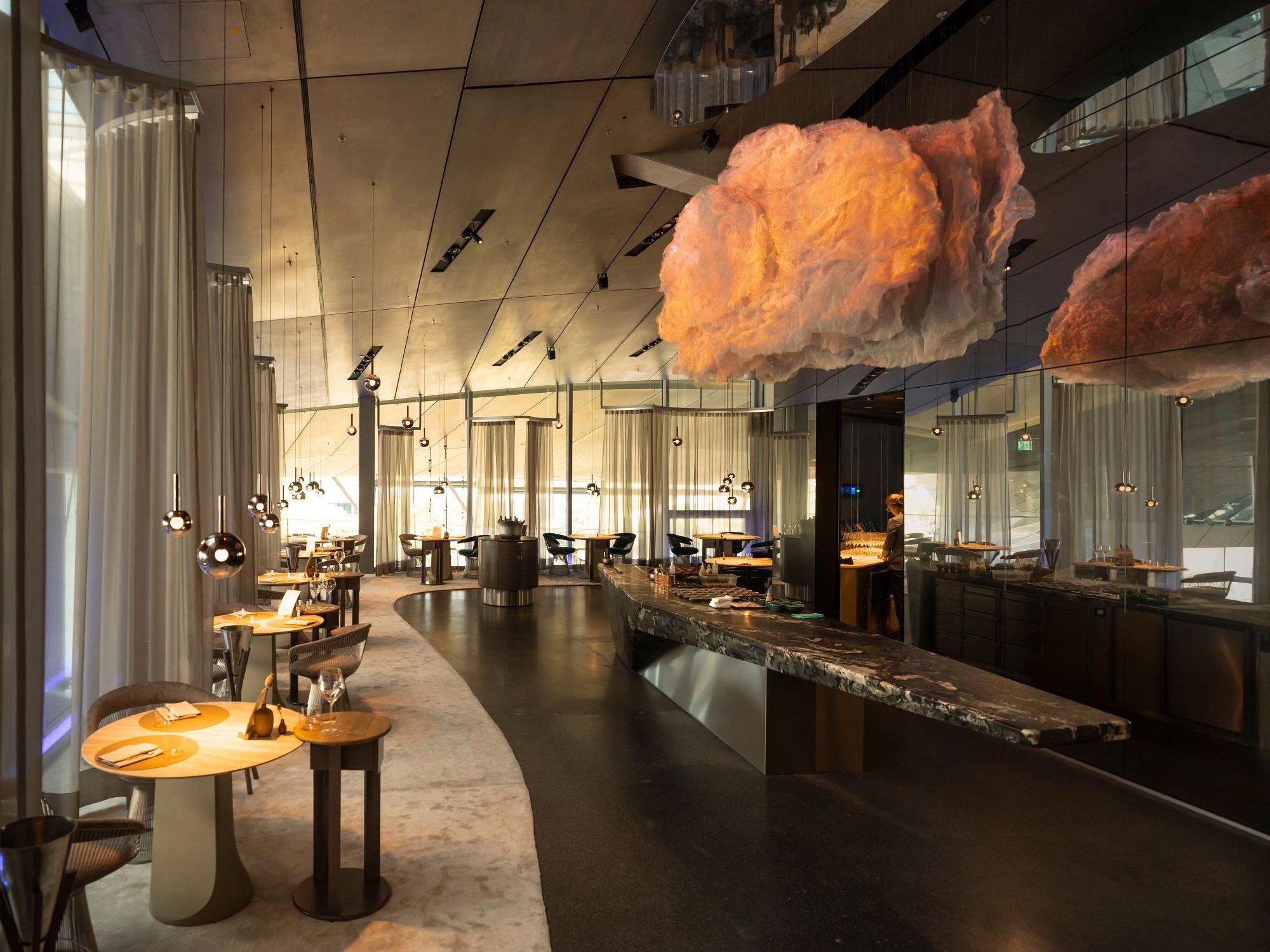
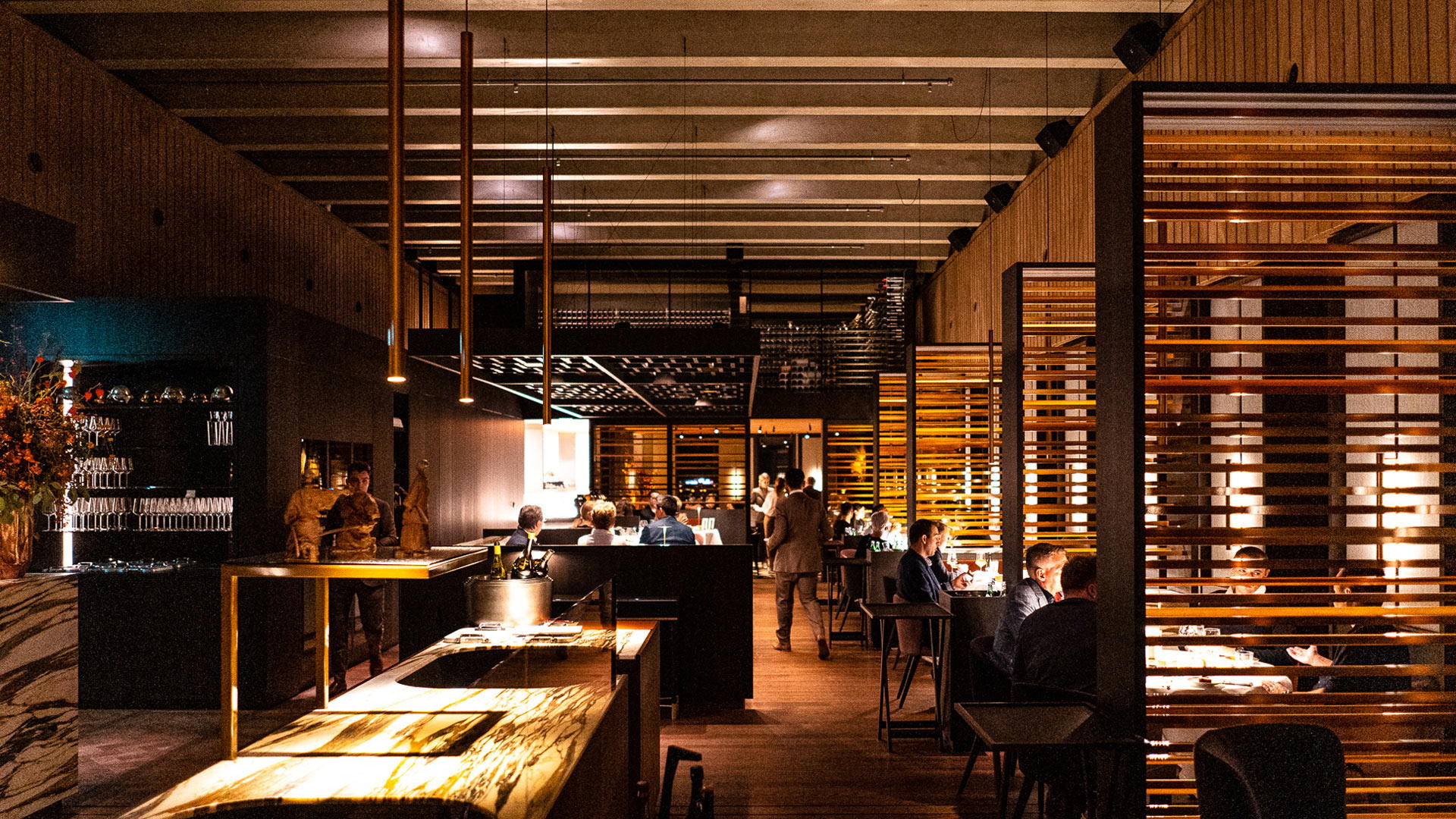
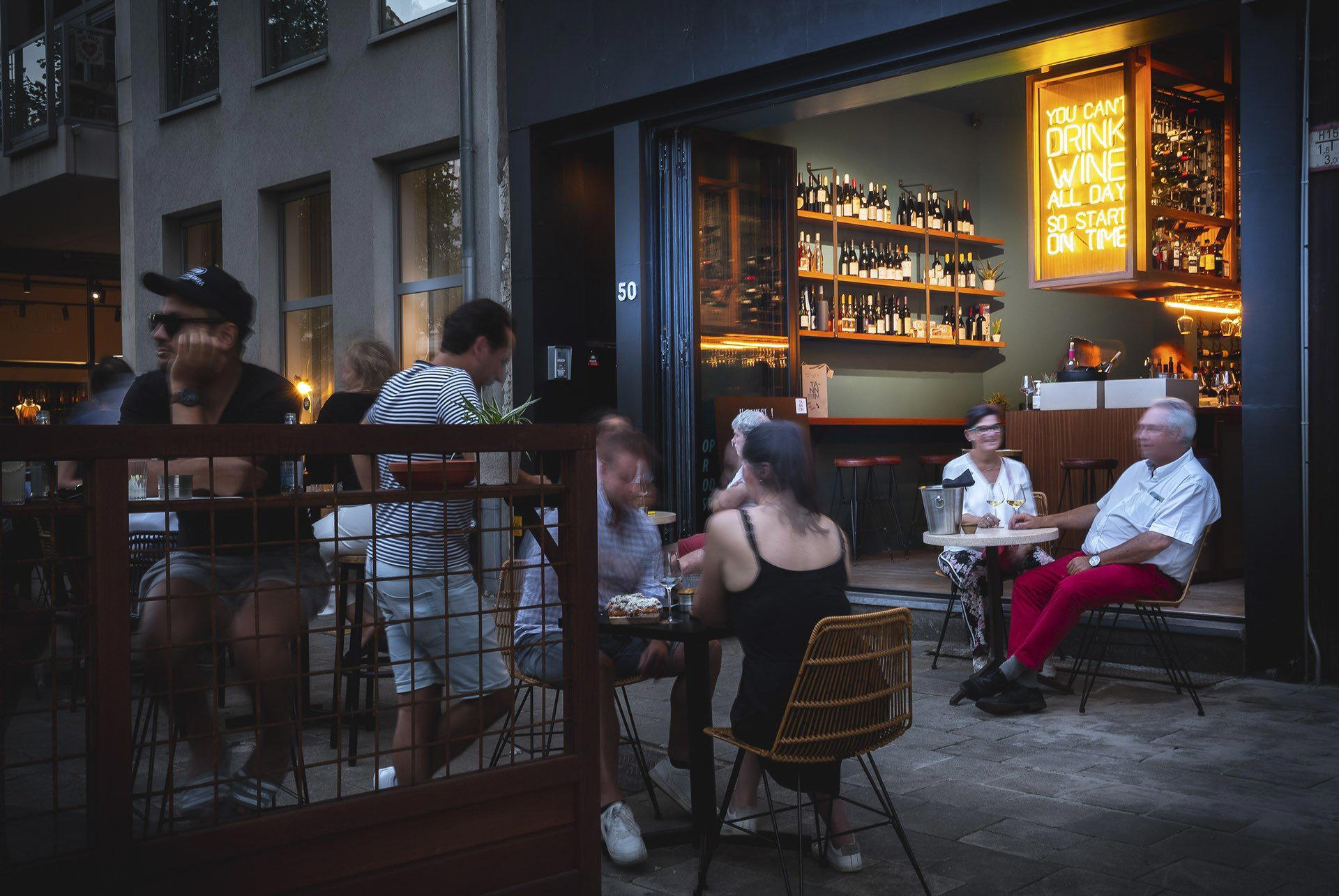
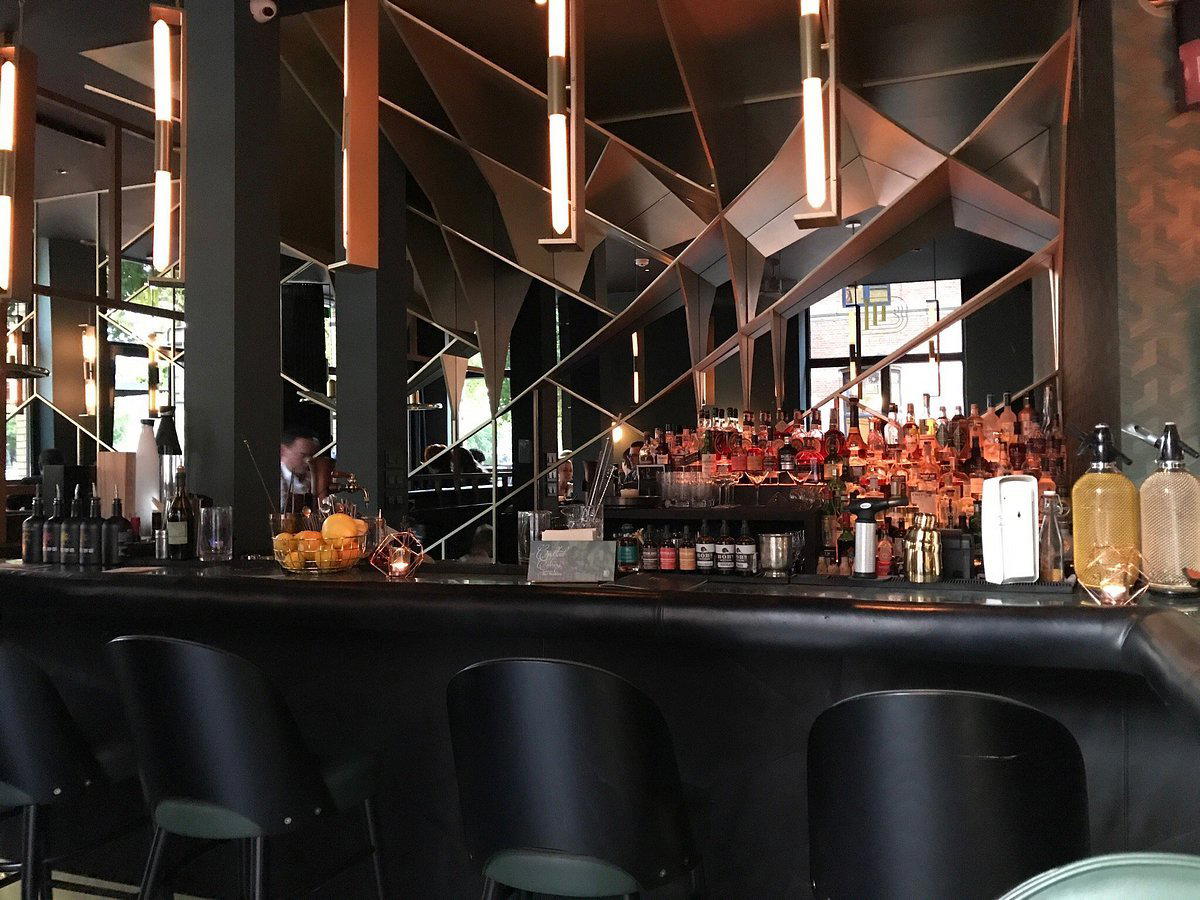
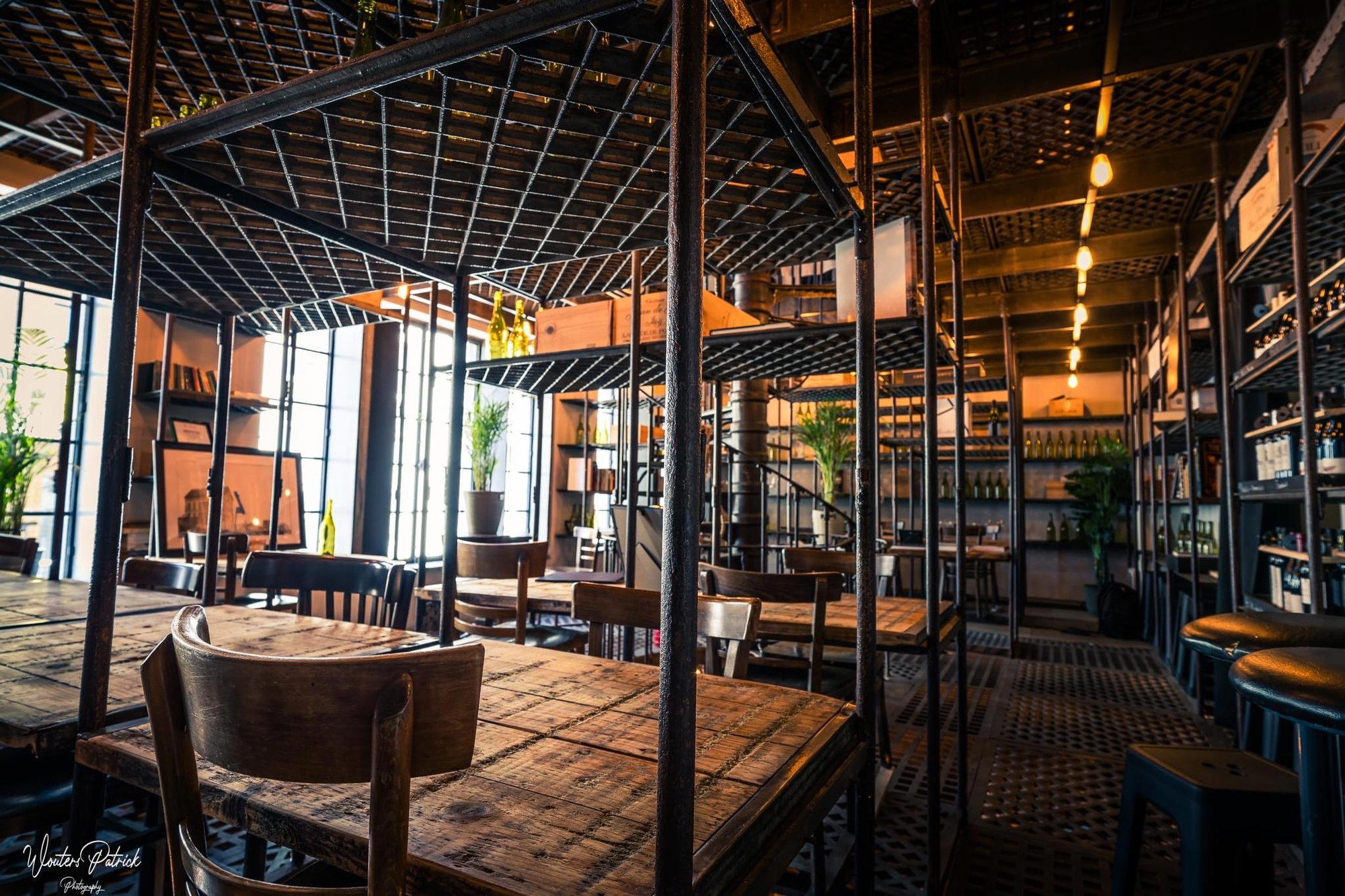
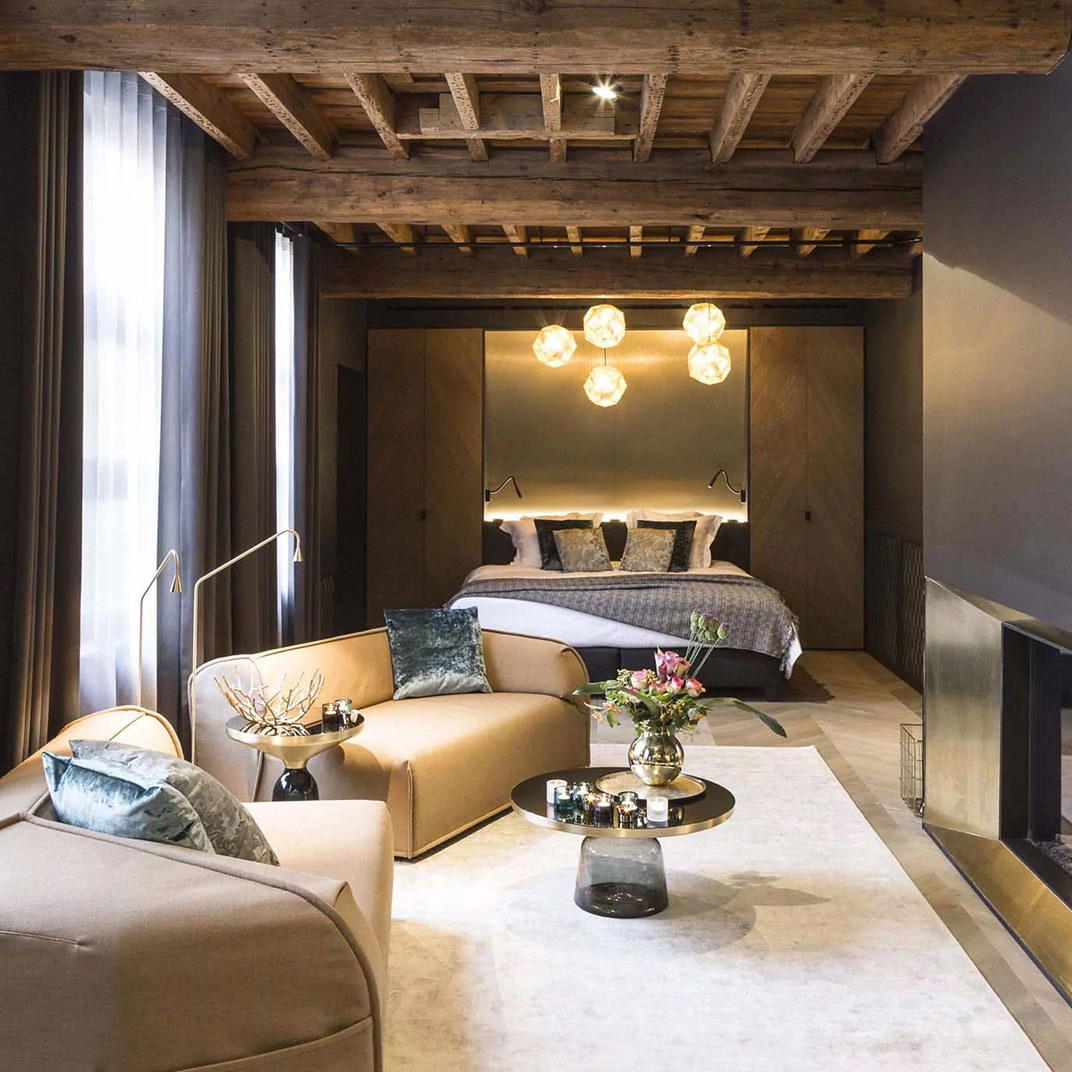
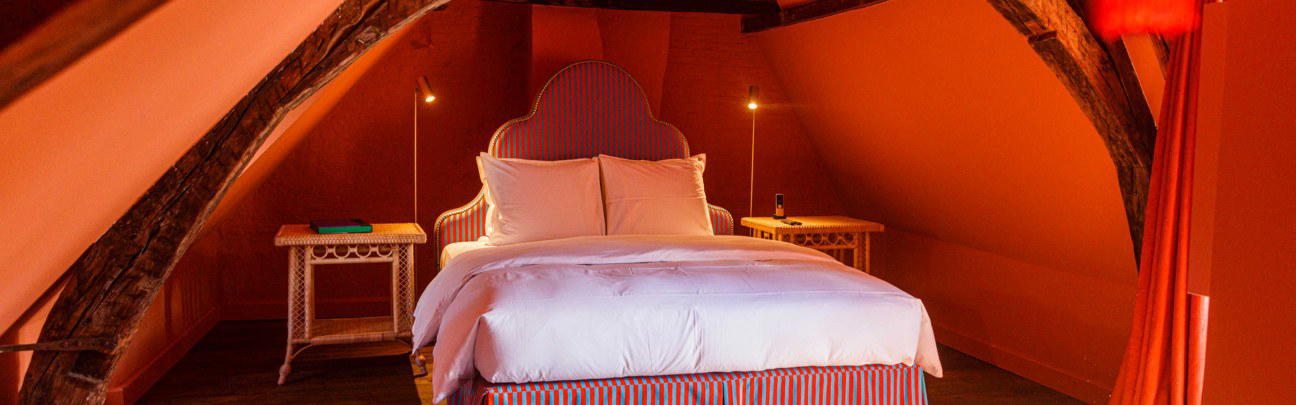
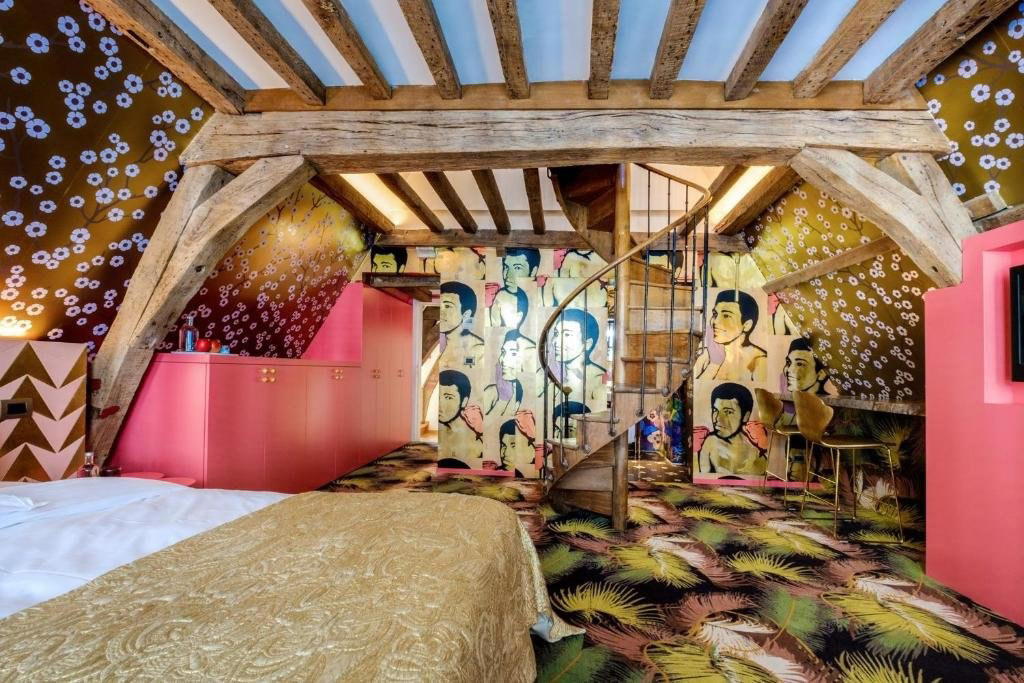
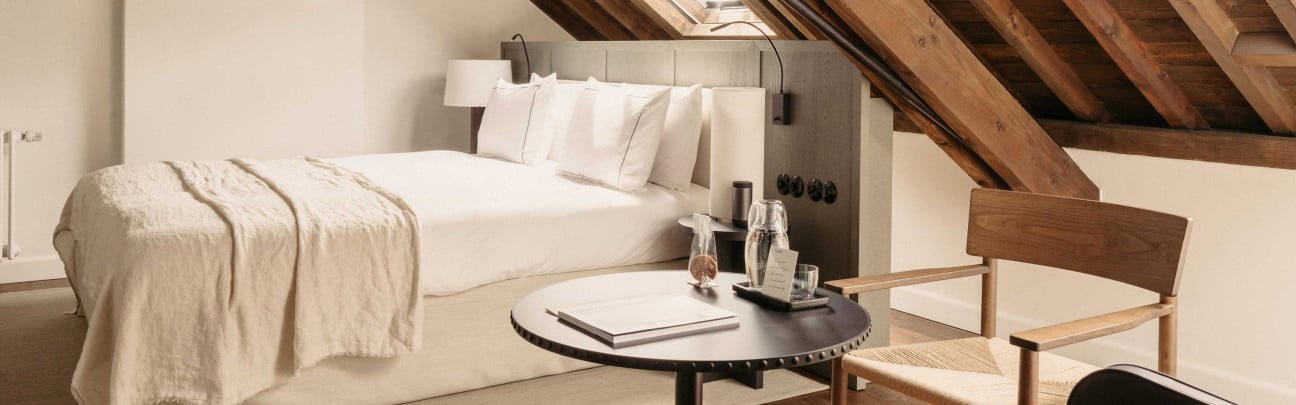
Cozy romantic colonial vibe with dim lighting, vintage decor, and lively terrace atmosphere.