A compact Thai address on Nederkouter in central Ghent, Petit Thai occupies a corner of Belgium's most food-literate mid-sized city. The format is tight and the menu draws on Southeast Asian tradition in a dining culture more accustomed to French-Belgian technique. For Thai food in Ghent, it holds a consistent place on the neighbourhood's informal shortlist.
Pearl is the En Primeur Club membership app — saves, bookings, and concierge access live there. Same editors, same standards.
- Address
- Nederkouter 34, 9000 Gent, Belgium
- Phone
- +32495365914
- Website
- petitthai.be
- Directions
- Get directions
 Saves & bookings on Pearl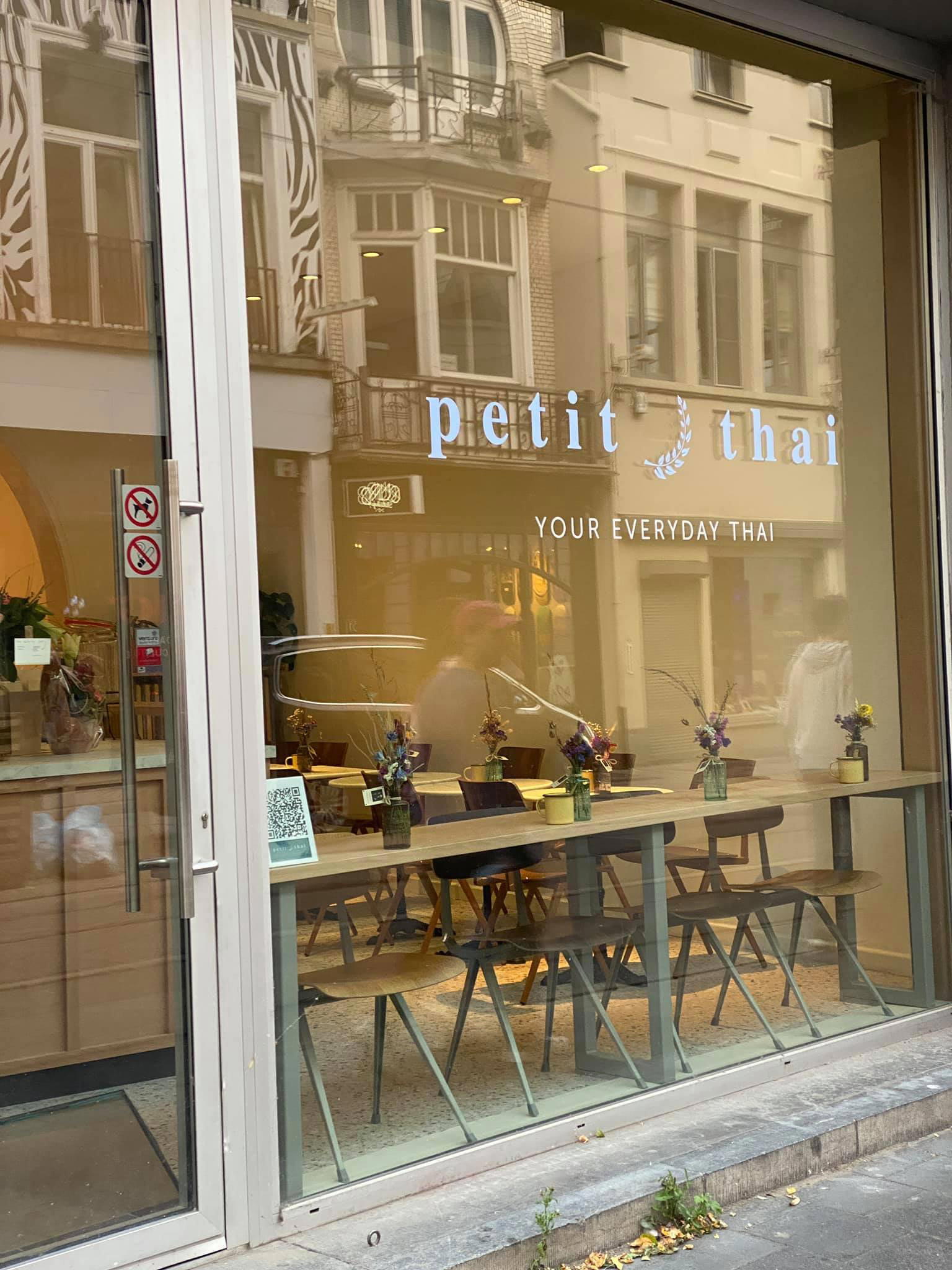
Thai in a Flemish Context
Ghent's dining culture has, over the past decade, developed a seriousness that sits uncomfortably with the city's modest scale. A city of roughly 260,000 that sustains multiple serious tasting-menu addresses — and sits within easy reach of Michelin-recognised tables like Hof van Cleve in Kruishoutem and Boury in Roeselare — has cultivated an eating public that expects precision and provenance, even in its casual registers. That expectation creates an interesting pressure on the city's Asian restaurants: they are judged by an audience that reads menus carefully and asks where things come from.
Thai cooking, in particular, is among the most ingredient-sensitive cuisines in the world. The difference between a dish built on fresh galangal, makrut lime leaf sourced in season, and Thai bird's eye chillies with real heat, versus the same dish assembled from dried substitutes and generic chilli paste, is not subtle. In most European cities, that gap is wide and routinely ignored. In Ghent, where the broader restaurant culture, from neighbourhood bistros like Bij den Wijzen en den Zot to contemporary addresses like Arbane, tends to foreground sourcing, the gap is harder to hide.
Nederkouter and the Neighbourhood It Occupies
Petit Thai sits at Nederkouter 34, a street that runs through one of Ghent's more lived-in commercial corridors, south of the Korenmarkt and away from the tourist concentration around Gravensteen. The address places it among neighbourhood regulars rather than passing visitors, which in practice means a dining room that functions as a local fixture: the kind of place where the same faces return on weekday evenings and where the format does not depend on novelty to sustain itself.
That positioning within the city matters when thinking about what a restaurant like this is doing. Ghent's more internationally-oriented kitchens, Lebanese at Beiruti, Japanese-inflected at Astro Boy, globally-roaming at BABÚ, each occupy a distinct niche in a city that is small enough that niches rarely overlap comfortably. Thai cooking occupies a specific one: aromatic, herb-forward, built on balance between heat, acid, sweetness, and umami in proportions that French-Belgian technique does not naturally produce. When it is done with sourcing rigour, it delivers flavours that local bistro cooking simply cannot replicate.
The Sourcing Question
The central editorial question for any Thai restaurant operating in northern Belgium is ingredient access. Belgium has strong wholesale infrastructure and meaningful Asian grocery networks concentrated around Brussels and Antwerp, which means the raw material question is answerable, but only if the kitchen chooses to answer it. Lemongrass, galangal, Thai basil, and makrut lime are all obtainable; kaffir lime leaves imported dried versus fresh represent entirely different aromatic contributions. Nam pla quality varies enormously across the brands available in the European market. Shrimp paste, palm sugar, and fresh coconut milk versus tinned are choices that compound across every dish on a Thai menu.
In Belgium's broader restaurant culture, which has produced Michelin-recognised addresses from coastal tables like Bartholomeus in Heist to urban fine dining at Zilte in Antwerp, sourcing is a competitive variable, not an afterthought. Thai restaurants operating in that environment face an implicit standard set by the wider dining culture around them. The question is not whether Petit Thai clears some absolute bar; it is whether it takes the sourcing question seriously in a city that does.
For readers planning a visit: verifying current hours, booking policy, and specific menu details directly with the restaurant is advisable, as none of those particulars are confirmed in current available records. Nederkouter is reachable on foot from Ghent-Sint-Pieters station in under fifteen minutes, and the street connects naturally with the broader Overpoort and southern city-centre grid.
Thai in Ghent Against the Wider Belgian Scene
Belgian fine dining has long leaned into French-rooted classical technique, tables like Bozar in Brussels, L'air du Temps in Liernu, and De Jonkman in Sint-Kruis represent a tradition with deep institutional support. The more interesting recent development is what happens below that tier: a mid-market and casual layer that has absorbed global influence without defaulting to fusion compromise. Addresses like Castor in Beveren and d'Eugénie à Emilie in Baudour suggest a broader culinary confidence across the Flemish and Walloon regions alike.
Within that frame, Thai cooking sits in an interesting position: it is neither the newest arrival in European dining consciousness nor fully absorbed into the mainstream in the way that, say, Japanese cuisine has been. In cities with large Thai communities, the cuisine's casual end has fractured into a spectrum from tourist-facing approximation to genuine regional specificity. Ghent is not that kind of city, its Thai restaurant count is modest, which means individual addresses like Petit Thai carry more weight as representations of the cuisine than they might in London or Amsterdam. That is a different kind of pressure, and a different kind of opportunity.
For readers whose Thai reference points are set by high-end benchmarks, the kind of precision that serious restaurants in Bangkok or internationally recognised addresses like Le Bernardin in New York apply to French seafood technique, or that Atomix in New York brings to Korean cuisine, the standard is clarifying. It raises the question of what Thai cooking can achieve when ingredient sourcing and kitchen discipline align, and makes that question worth asking of any address that carries the cuisine's name.
Readers interested in the coastal and estuarine sourcing traditions that feed into Belgian kitchen culture more broadly will find that Willem Hiele in Oudenburg represents one of the more rigorous local examples of provenance-first cooking.
Planning a Visit
Petit Thai is located at Nederkouter 34 in central Ghent. Current booking arrangements, opening hours, and menu details are not confirmed in available records; contacting the restaurant directly before visiting is the reliable approach. The Nederkouter address is accessible by tram from the city centre and on foot from the main rail terminus, making it a practical stop within a broader Ghent evening rather than a standalone destination visit.

At a Glance
- Cozy
- Modern
- Intimate
- Date Night
- Casual Hangout
- Open Kitchen
Current opening hours
- Monday
- 11:30 AM–2 PM, 5:30–9:30 PM
- Tuesday
- 11:30 AM–2 PM, 5:30–9:30 PM
- Wednesday
- 11:30 AM–2 PM, 5:30–9:30 PM
- Thursday
- 11:30 AM–2 PM, 5:30–10 PM
- Friday
- 11:30 AM–2 PM, 5:30–10 PM
- Saturday
- 5:30–10 PM
- Sunday
- Closed
Hours can change for holidays and private events. Last verified .
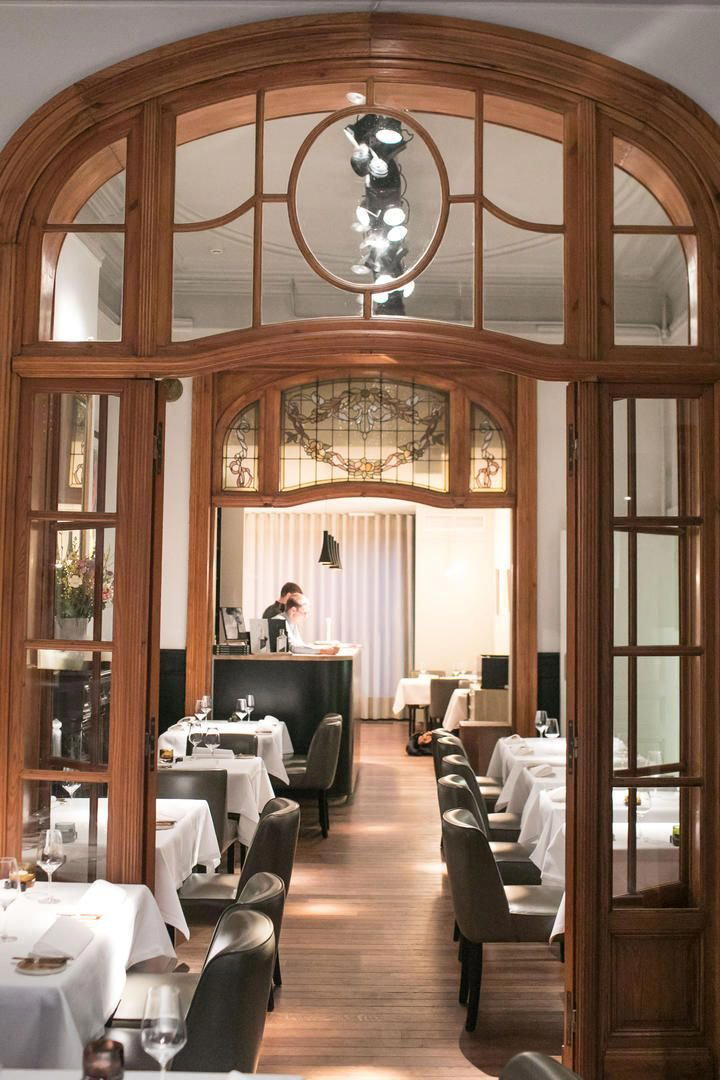
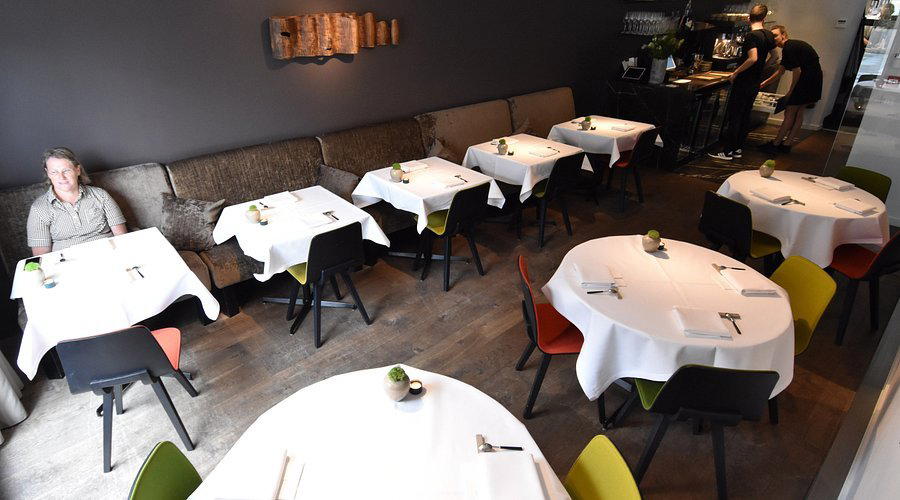
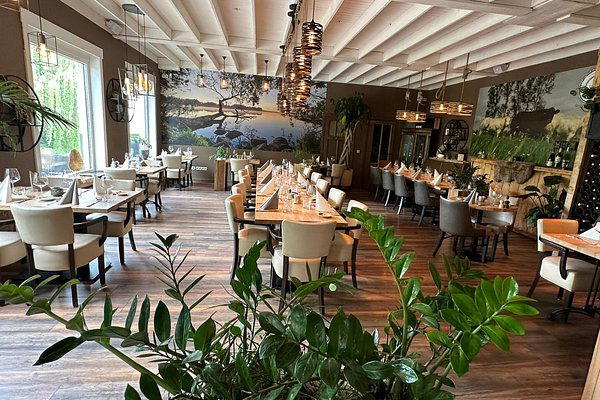
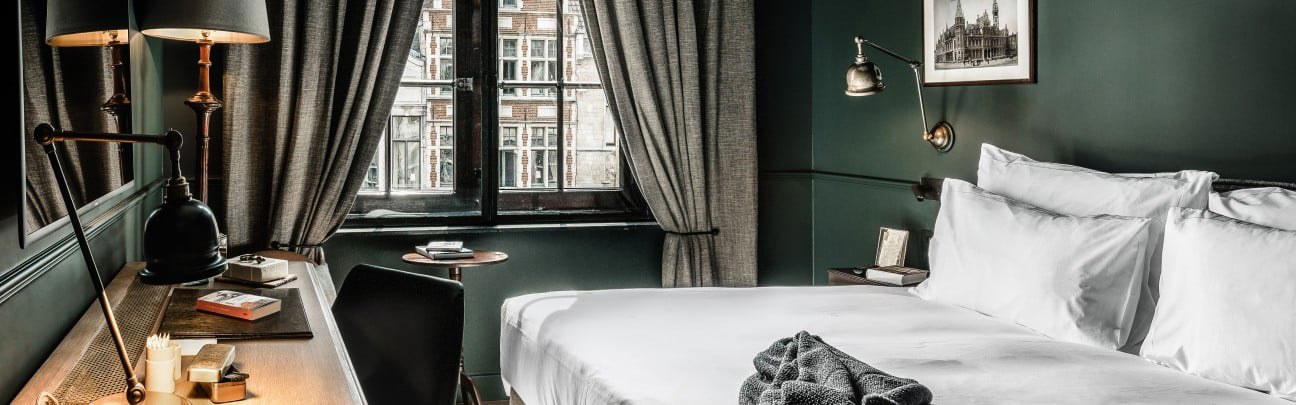
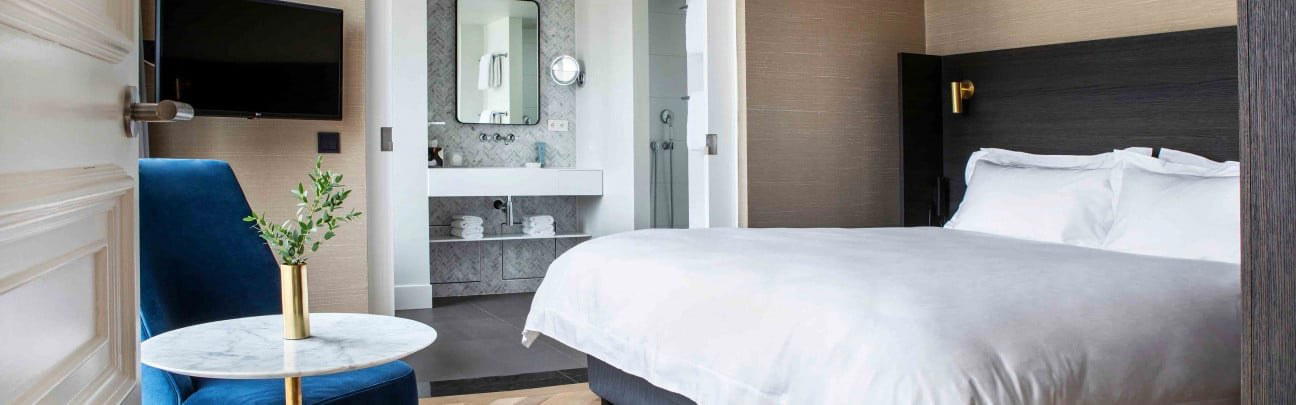
Cozy and modern interior creating an intimate dining atmosphere with friendly service.
Know Before You Go
- Getting there
- Nederkouter 34, 9000 Gent, Belgium