
Sobrino de Botín has operated continuously on Calle de Cuchilleros since 1725, a fact documented in the Guinness World Records as the oldest restaurant in the world. The kitchen centres on Castilian roast traditions, whole suckling pig and lamb from the wood-fired oven that has burned without interruption for three centuries. It sits in Madrid's historic La Latina district, a short walk from the Plaza Mayor.
Pearl is the En Primeur Club membership app — saves, bookings, and concierge access live there. Same editors, same standards.
- Address
- C. de Cuchilleros, 17, Centro, 28005 Madrid, Spain
- Phone
- +34913664217
- Website
- botin.es
- Directions
- Get directions
 Saves & bookings on Pearl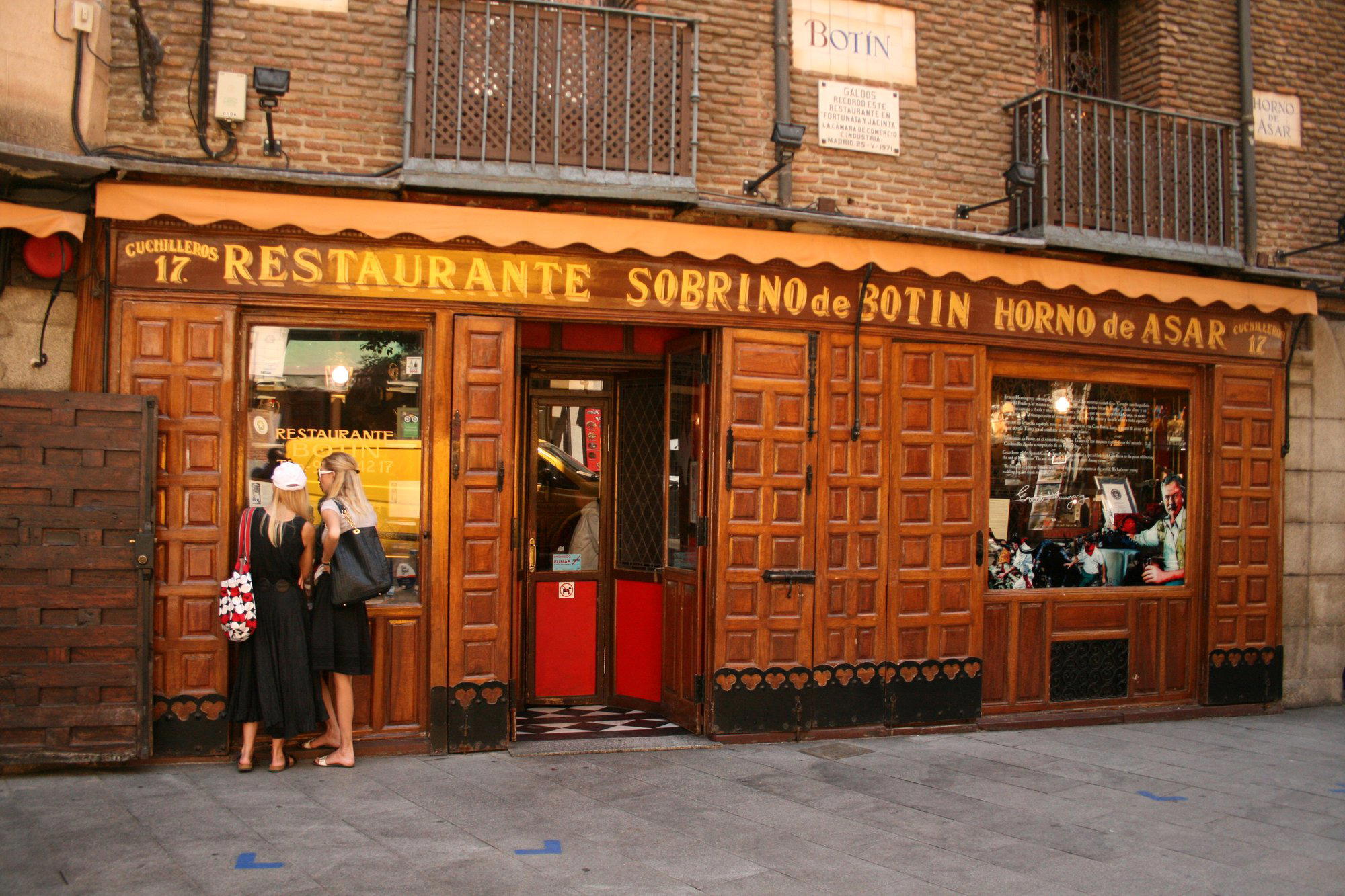
Three Centuries of Wood and Fire in Old Madrid
Approach Sobrino de Botín from the Plaza Mayor and the streets narrow, the stones get older, and the ambient noise of central Madrid drops away. Calle de Cuchilleros descends in a curve of medieval archways, and the restaurant occupies a building that has been feeding people in this configuration since 1725. That date is not marketing copy: Sobrino de Botín has been recognized as the oldest continuously operating restaurant in the world. The weight of that continuity is felt before you are seated.
Castilian roasting culture predates most European fine-dining traditions by centuries. The central technique here, slow wood-fired roasting in a closed oven, fuelled by holm oak, belongs to a culinary tradition that spread across the meseta long before professional kitchen hierarchies existed. The oven at Botín has never been extinguished. What that means practically is that the thermal mass of the structure itself has absorbed three hundred years of cooking cycles. You are eating from a piece of infrastructure that predates the United States.
The Source of the Produce, and Why It Governs the Menu
The editorial angle that matters most at Sobrino de Botín is ingredient geography. Castilian cochinillo, suckling pig, and cordero asado, roast lamb, are the anchoring dishes, and their quality is inseparable from the agricultural system of the surrounding Castile and León region. The suckling pigs typically come from Segovia province, where the breed and feeding practices are calibrated for animals slaughtered before they have grazed, giving the meat a milk-fed fat structure that renders differently from conventionally reared pork. The lamb comes from the same highland plateau system, where low-intensity grazing on scrub and thin pasture produces the leaner, more mineral character that defines the Castilian asado tradition.
This sourcing geography is why the cooking method is inseparable from the ingredient. The holm oak fire does not simply cook the meat, it interacts with the fat composition of animals raised in a specific climate on specific pasture. Attempting to replicate the dish in a different context, with different fuel or different sourcing, produces a recognisably different result. The combination of regional breed, plateau climate, wood species, and three-century-old oven architecture is what makes Botín's version of this dish a reference point rather than just a heritage attraction.
Spain's other multi-generational Michelin-starred houses, such as Arzak in San Sebastián or Martin Berasategui in Lasarte-Oria, have built reputations around provenance-led sourcing in a contemporary tasting-menu frame. Botín predates that framing entirely. The sourcing discipline here was never a philosophy adopted from Basque nouvelle cuisine or French influence, it was the structural reality of feeding a city from surrounding hinterland before refrigeration or national supply chains existed. The tradition survived because it worked.
Where Botín Sits in Madrid's Dining Spectrum
Madrid's current high-end dining tier is led by intensely creative, internationally oriented kitchens: DiverXO, Coque, Deessa, DSTAgE, and Paco Roncero all operate at €€€€ price points with tasting-menu formats and Michelin recognition. Botín operates in a different category entirely. It is a multi-room, high-volume traditional restaurant with a tourist-facing clientele and pricing that sits comfortably below the creative-tasting tier. The comparison set is not DiverXO, it is other long-established Castilian asadores, of which Botín is the reference point by age and visibility.
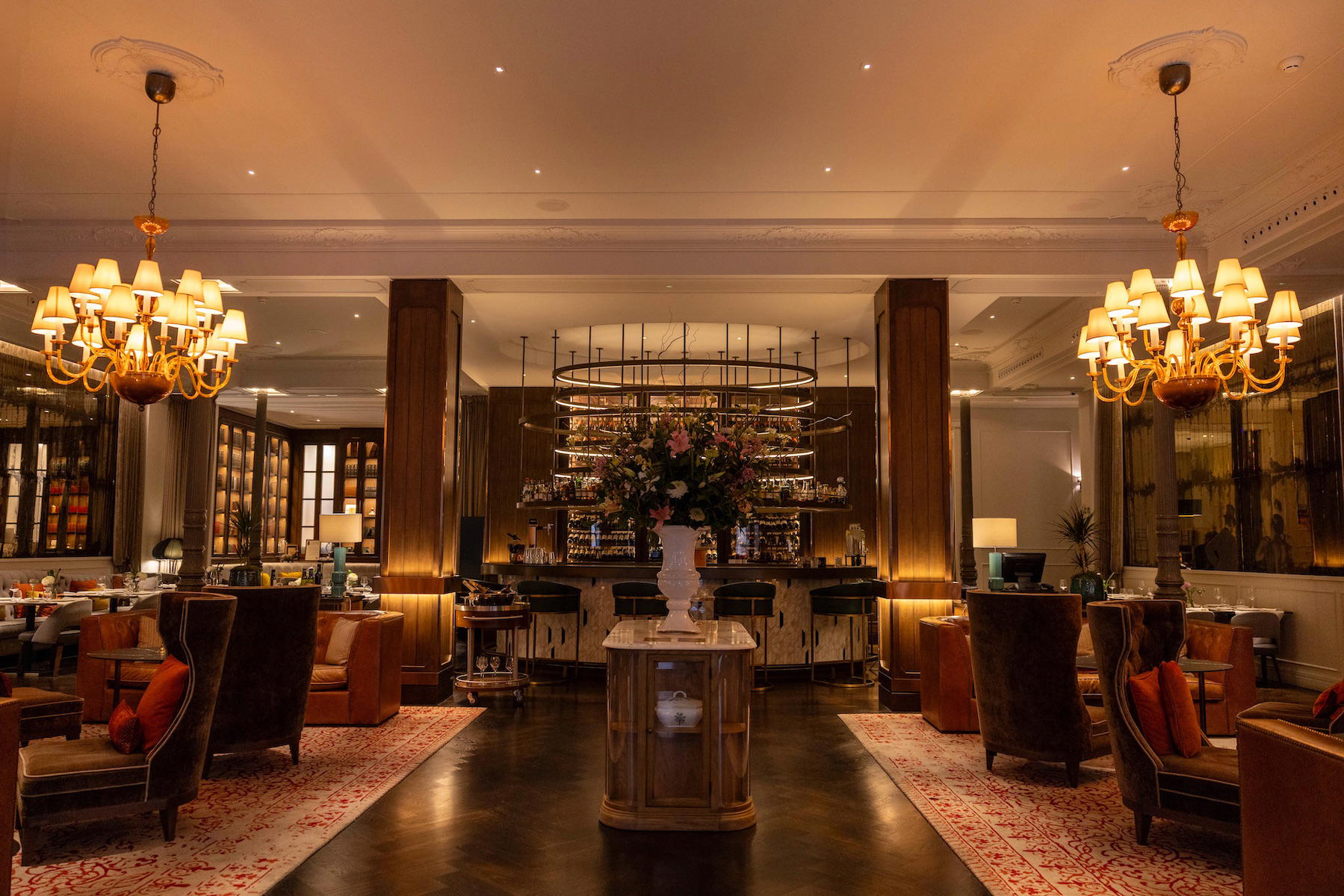
That positioning requires an honest assessment. Botín serves a large number of covers across multiple floors, and the experience is not intimate or hushed. The rooms are low-ceilinged and wood-beamed, the service is professional and practiced rather than conceptually driven, and the menu is stable rather than seasonal. Visitors expecting the format of a contemporary tasting experience will be in the wrong room. Those who understand what Castilian asado represents as a culinary tradition, its relationship to the seasons, to the breeding calendar, to the fire, will find what they came for.
Spain's broader range of destination-worthy kitchens also includes El Celler de Can Roca in Girona, Mugaritz in Errenteria, Azurmendi in Larrabetzu, Quique Dacosta in Dénia, Aponiente in El Puerto de Santa María, Cocina Hermanos Torres in Barcelona, Ricard Camarena in València, and Atrio in Cáceres, each operating with a distinct regional logic.
Timing and Planning Your Visit
Autumn and winter are particularly coherent seasons to eat at Botín. Cochinillo and cordero asado are heavier dishes, calibrated by centuries of tradition for the cold months of the Castilian plateau, and the physical experience of eating from a wood-fired oven in a low-ceilinged room from 1725 is more atmospherically coherent when the temperature outside has dropped. Summer visits are common, the restaurant operates year-round and tourist volume peaks in July and August, but the seasonal logic of the food argues for the colder half of the year.
Tables book ahead, and the restaurant's global visibility means that weekend lunches and dinners fill well in advance. Weekday lunch, particularly in the shoulder months of October through November or February through March, offers shorter waits and a slightly calmer room. The address is Calle de Cuchilleros, 17, in the Centro district, a short descent from the southwest corner of the Plaza Mayor.
For diners whose Madrid itinerary includes contemporary restaurants of the calibre of Le Bernardin or Atomix in their home cities, Botín occupies a structurally different category, not a tasting counter with a composed progression, but a traditional asador in which the cooking technique is the event. Plan accordingly.
Quick reference: the restaurant, C. de Cuchilleros, 17, Centro, 28005 Madrid. Castilian suckling pig and roast lamb from a wood-fired oven. Autumn through winter recommended for seasonal coherence. Book ahead for weekends; weekday lunch in shoulder season offers easier access.
Peers You’d Cross-Shop
Comparable venues nearby, for context on price, style, and recognition.
| Venue | Cuisine | Price | Notes |
|---|---|---|---|
| Sobrino de BotínThis venue — the venue you are viewing | Traditional Castilian Roast Meats | $$$ | Not listed |
| Abascal | Modern Spanish Tapas | $$$ | Almagro |
| KultO | Modern Spanish Tapas with Andalusian Flair | $$$ | Ibiza |
| Castizo Canalejas | Classic Spanish Tapas | $$$ | Sol |
| Brotes | Healthy Spanish Fusion | $$$ | Castellana |
| Qüenco De Pepa | Seasonal Spanish market cuisine with vegetables from its own garden | $$$ | Chamartín |
Recognition history
Dated appearances from independent guides and award organizations, with the underlying list record or original source where available.
Falstaff Restaurant - 92 Falstaff Points
Falstaff


At a Glance
- Classic
- Well Known
- Historic
- Rustic
- Elegant
- Special Occasion
- Celebration
- Historic Building
- Extensive Wine List
Current opening hours
- Monday
- 1–4 PM, 8–11:30 PM
- Tuesday
- 1–4 PM, 8–11:30 PM
- Wednesday
- 1–4 PM, 8–11:30 PM
- Thursday
- 1–4 PM, 8–11:30 PM
- Friday
- 1–4 PM, 8–11:30 PM
- Saturday
- 1–4 PM, 8–11:30 PM
- Sunday
- 1–4 PM, 8–11:30 PM
Hours can change for holidays and private events. Last verified .
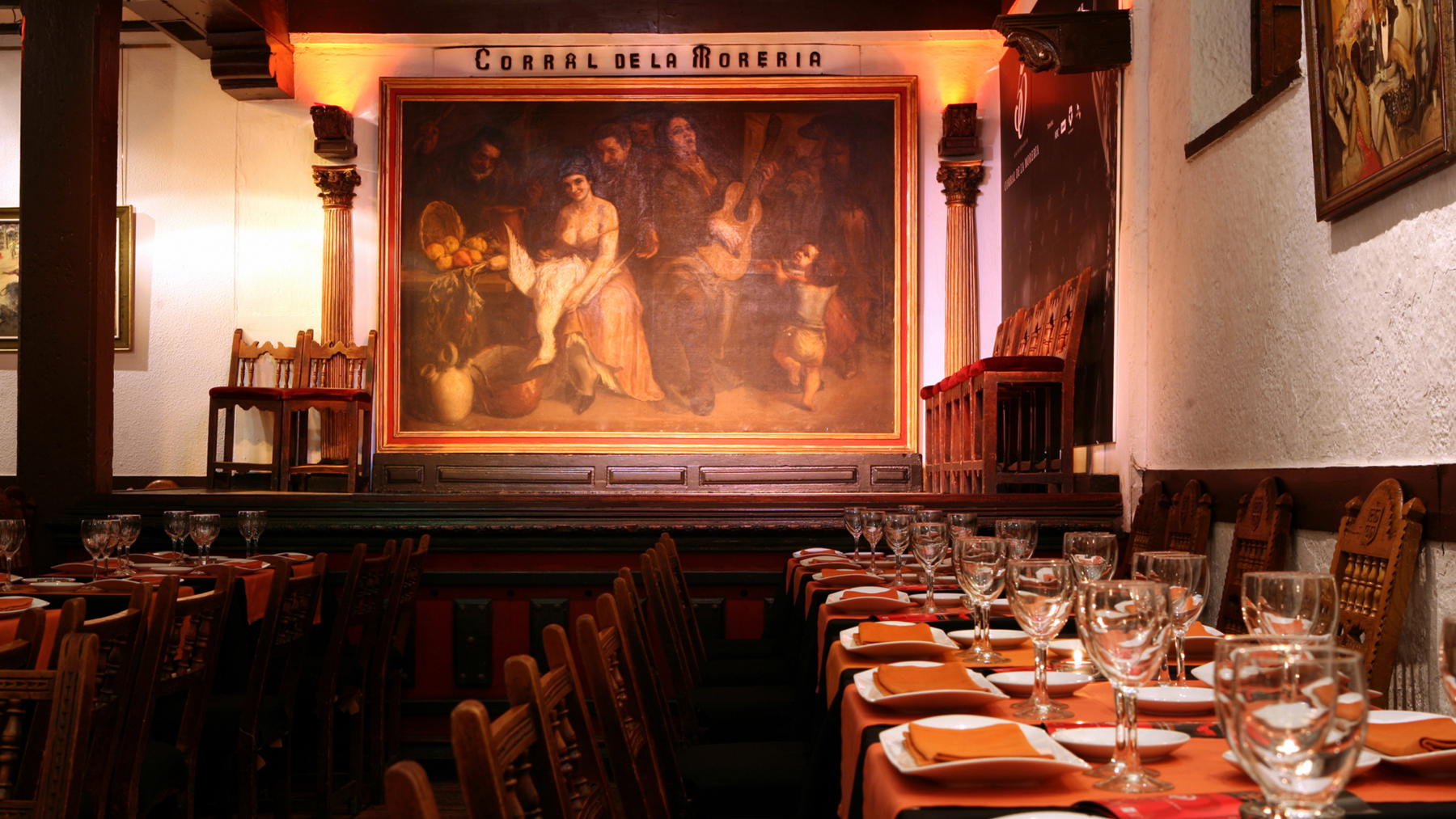
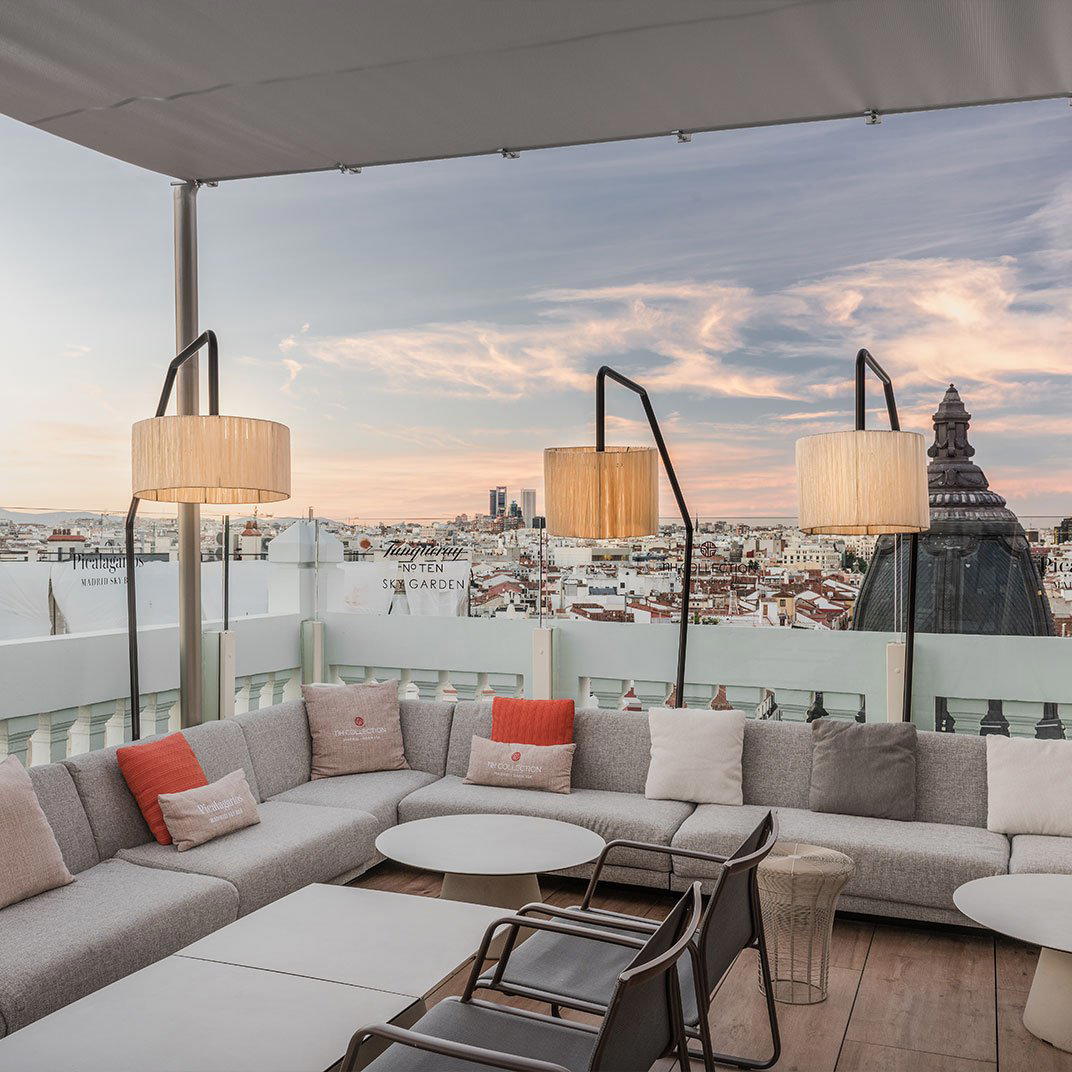
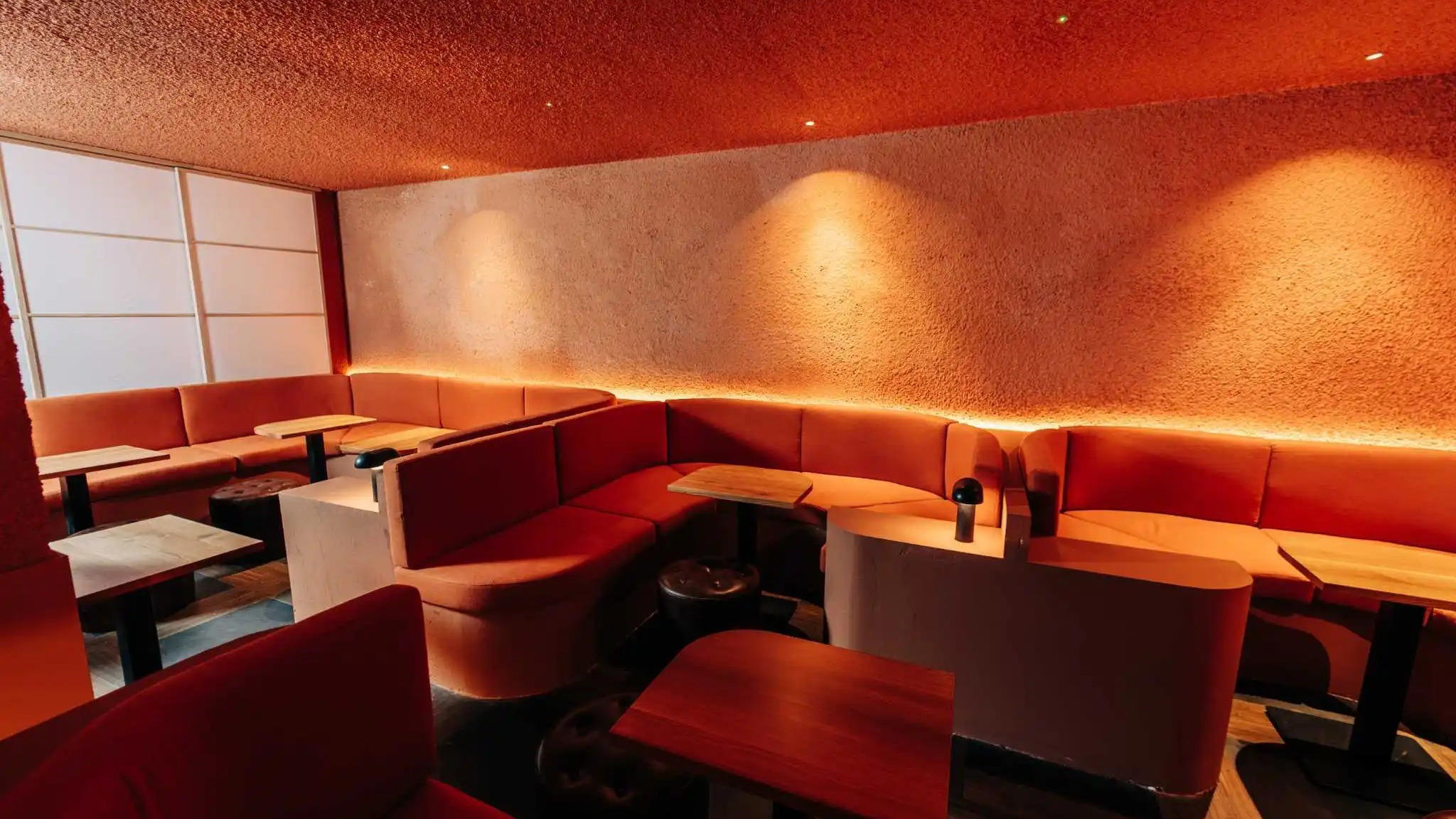
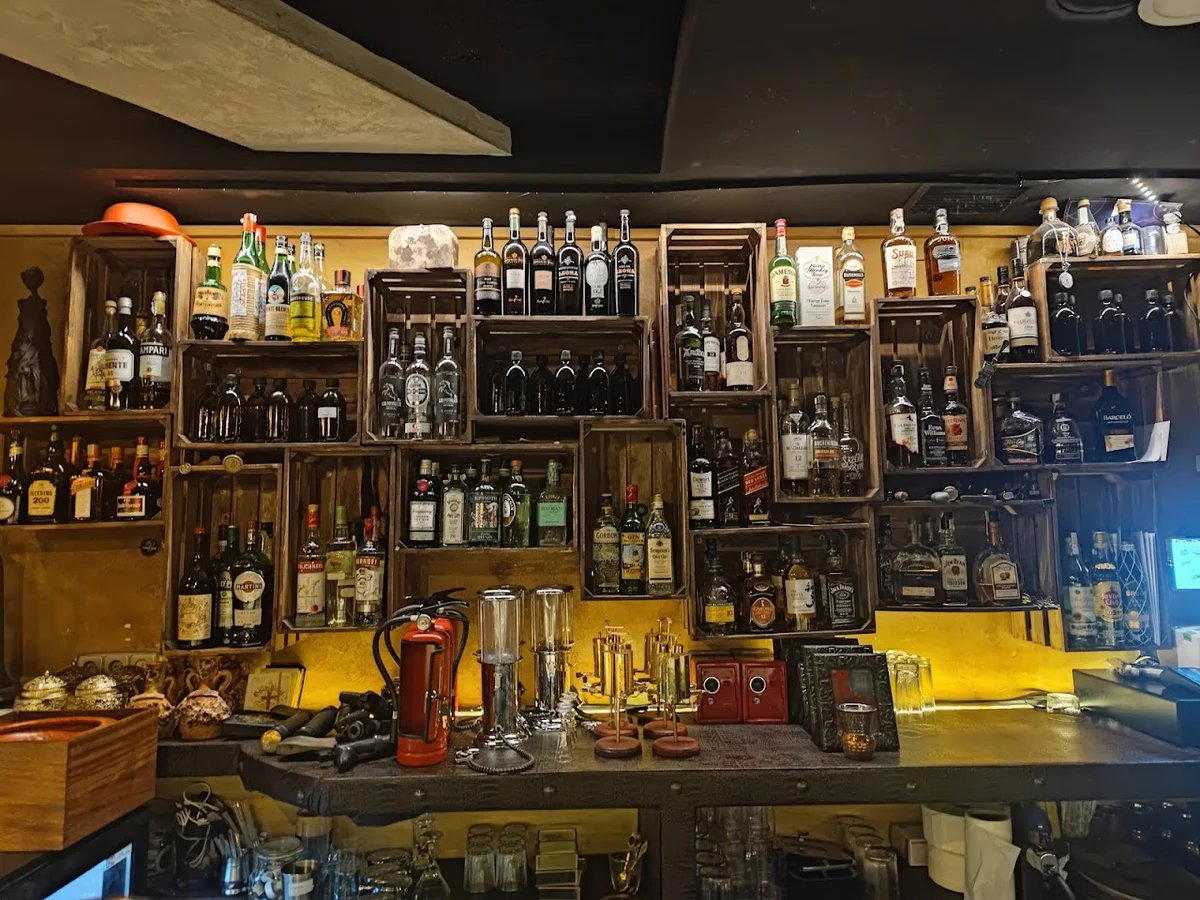
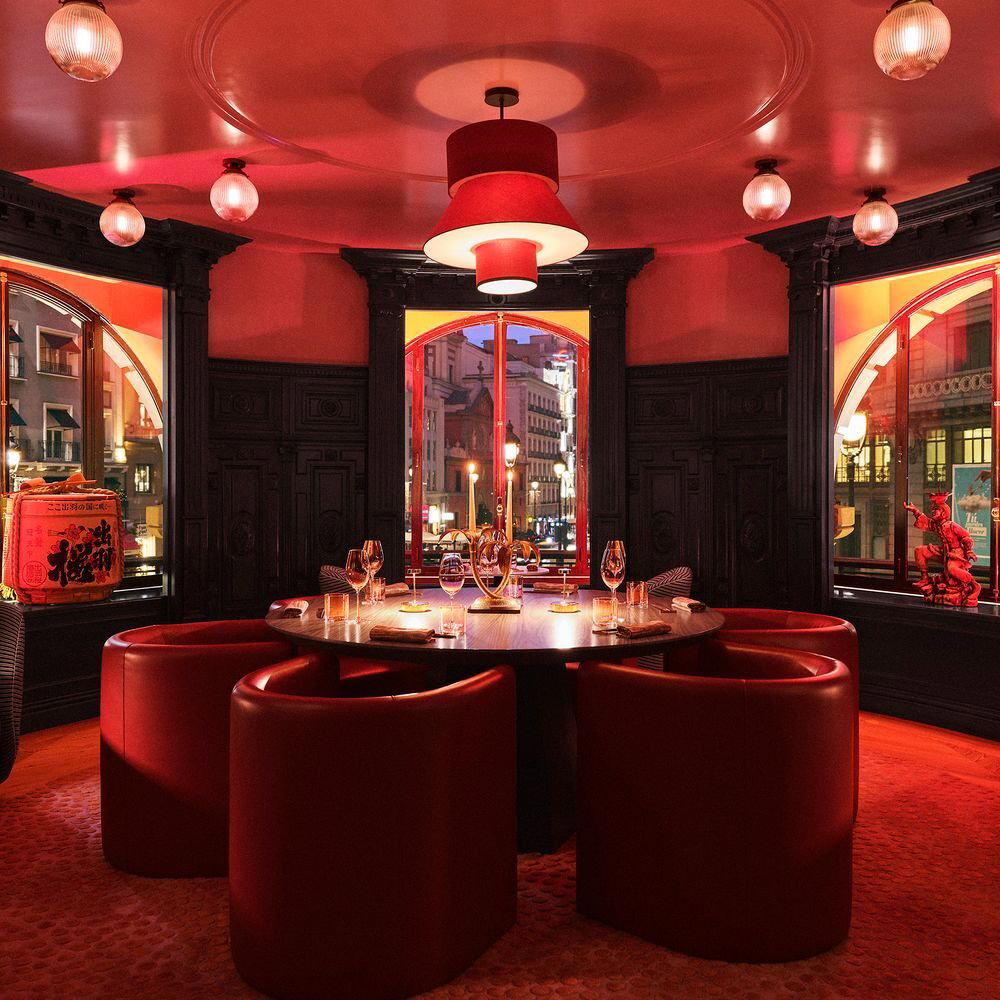
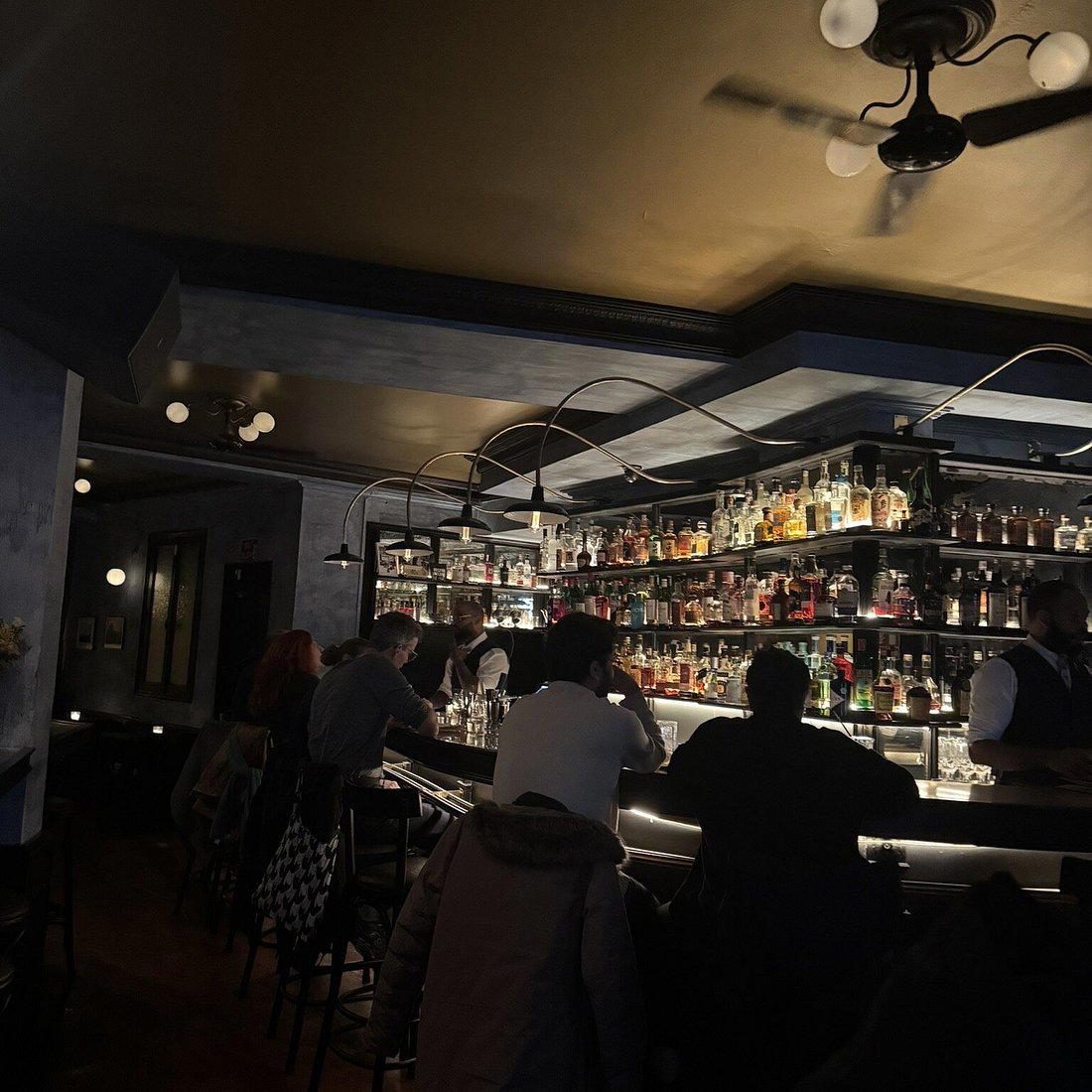
Historic ambiance with rustic wooden beams, traditional Spanish decor, and the glow of an open wood-fired oven creating a warm, time-honored atmosphere.