
A Michelin Bib Gourmand-recognised spinoff of Kaohsiung's Old & New Taiwanese Cuisine, Sinchao Rice Shoppe in Xinyi District reframes fried rice as a serious kitchen discipline. Bottarga and seared scallop fried rice, wok hei-forward stir-fries, and desserts built around local flavours sit inside a wood-rich room modelled on 1920s US Chinatown diners. The name is a deliberate homophone for 'new fried rice' in Mandarin.
Pearl is the En Primeur Club membership app — saves, bookings, and concierge access live there. Same editors, same standards.
- Address
- 110, Taiwan, Taipei City, Xinyi District, Section 5 of Zhongxiao East RoadSection 5 of Zhongxiao E Rd, 68號2樓
- Phone
- +886 2 2723 9976
- Website
- linktr.ee
- Directions
- Get directions
 Saves & bookings on Pearl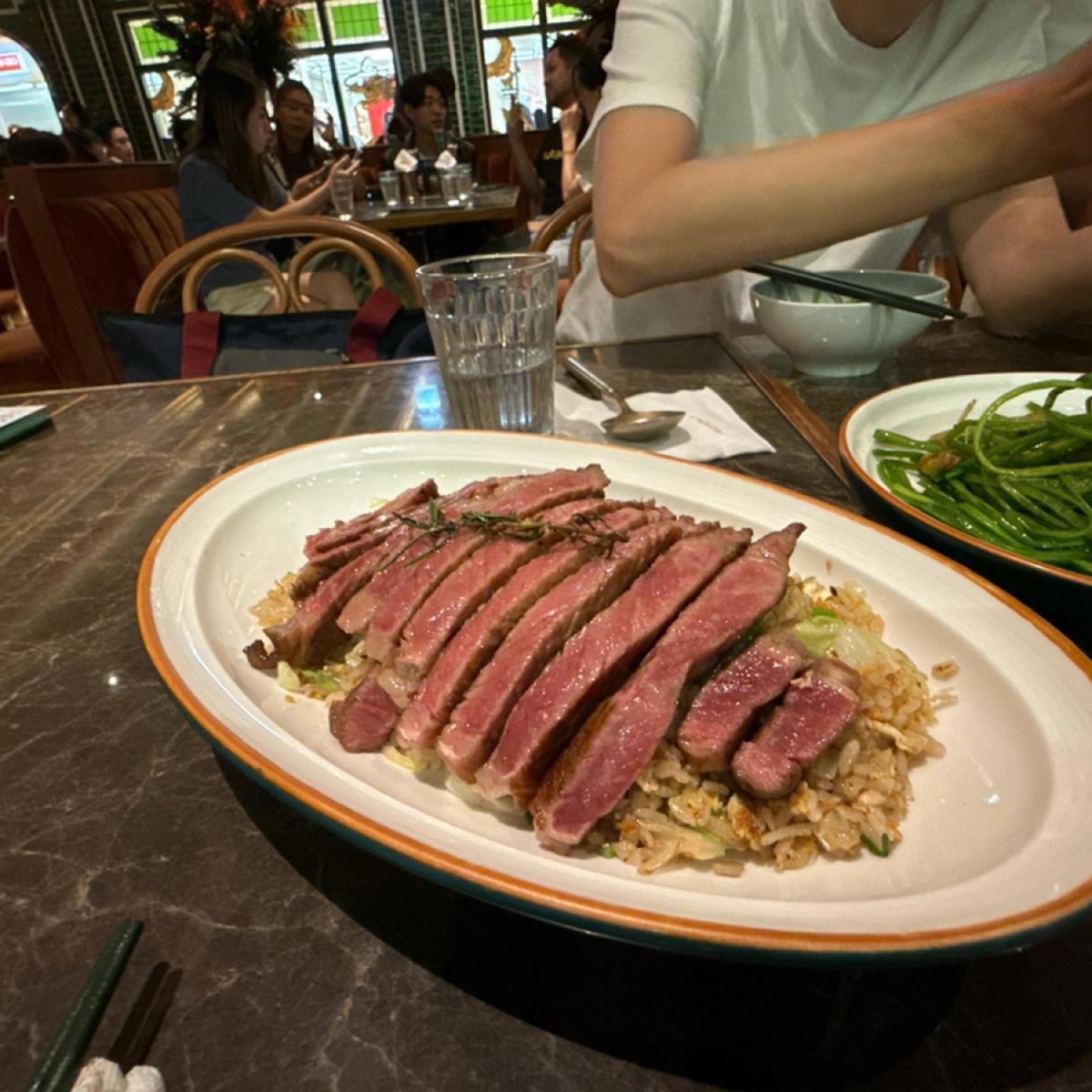
A Chinatown Diner That Never Existed, Rebuilt in Xinyi
There is a particular type of room that communicates comfort before a single dish arrives: wooden booths worn to a patina, pendant lights casting amber over formica-adjacent surfaces, the ambient clatter of a kitchen that is not trying to be quiet. Sinchao Rice Shoppe on Section 5 of Zhongxiao East Road deploys exactly this register, drawing on the aesthetic of US Chinatown diners circa the 1920s, a reference point that sits at an odd and productive distance from its Taipei address. The effect is neither nostalgic nor ironic. It simply gives the room permission to be unpretentious while the kitchen does something more considered than the setting implies.
That gap between relaxed room and technically disciplined cooking is, in many ways, the defining characteristic of contemporary Taiwanese casual dining at its most interesting. Sinchao Rice Shoppe is a Taipei restaurant in Xinyi District serving Modern Taiwanese Fried Rice, priced at about $45 per person, and it holds a Michelin Bib Gourmand from 2025. A tier of restaurants has emerged across Taipei and in cities like Kaohsiung and Tainan that declines the fine-dining apparatus of elaborate service and multi-course progression, while retaining the sourcing rigour and technique depth that Michelin inspectors historically reserved for tablecloth restaurants. Sinchao sits squarely in that tier, confirmed by its 2025 Michelin Bib Gourmand, an award that signals cooking worth a detour at a price point that does not require the same calculation as the city's $$$$-bracket rooms.
Fried Rice as a Technical Discipline
The name is a homophone for 'new fried rice' in Mandarin, which functions as both a declaration of intent and a piece of misdirection. Fried rice in Taiwan is so thoroughly embedded in everyday eating, from roadside stalls to late-night diners, that positioning it as a restaurant's central subject risks sounding either obvious or gimmicky. What Sinchao argues, through its menu, is that the dish has been systematically underestimated.
Contemporary reinterpretations of Chinese and Taiwanese classics tend to follow one of two paths: substitution (replace a traditional ingredient with something European and premium) or deconstruction (separate the components and reassemble them with visual precision). Sinchao's kitchen, under chef Alejandro Aguirre, takes a less categorical approach. The bottarga and seared scallop fried rice keeps the structural logic of the dish intact while pulling in an ingredient, bottarga, that carries Mediterranean weight and concentrated umami, pressing it into dialogue with the wok's high-heat char. This is not fusion for its own sake. It is an argument that fried rice has the textural and flavour capacity to absorb serious ingredients without losing coherence.
The veggie fried rice with thick-cut pork cutlet works a different angle: the pairing subverts the implied modesty of a vegetable-led rice dish by anchoring it with something substantial, creating a contrast that reads as deliberate rather than accidental. Both signatures point toward a kitchen that has thought carefully about what the dish can hold, rather than what it traditionally contains.
Wok Hei and the Question of Technique
Wok hei, the breath-of-the-wok smokiness that distinguishes properly executed Chinese stir-fry from its inferior approximations, is notoriously difficult to replicate outside commercial kitchen conditions. Home stoves cannot generate the BTU levels that produce it. Many restaurants that advertise its presence deliver something closer to a caramelised approximation. The restaurant's position as a spinoff of Old & New Taiwanese Cuisine in Kaohsiung, a kitchen with documented technical standards, suggests that the stir-fries here are genuine in this respect rather than merely described as such.
This matters as context for understanding what the Bib Gourmand recognition reflects. Michelin's Bib category, which recognises quality cooking at moderate prices, has become a sharper signal in Taipei than in cities where the designation is applied more liberally. The 2025 cohort in Taipei includes both street-food specialists and full-service restaurants, but the common denominator is technical credibility at a price that sits below the city's upper-tier tables. For a rice-focused casual restaurant to appear in that group is a statement about execution, not just concept.
Where Sinchao Sits in Taipei's Dining Picture
Taipei's serious restaurant tier has historically been anchored by Cantonese heritage dining, French-influenced Taiwanese contemporary cooking, and a cohort of high-concept tasting-menu restaurants that pitch directly at international recognition. Venues like Mountain and Sea House and Mipon occupy that refined register, as do tasting-format rooms such as Golden Formosa and Ming Fu. Fujin Tree Taiwanese Cuisine & Champagne in Songshan occupies a more casual register while still drawing from Taiwanese culinary tradition.
Sinchao operates at a different price point from all of these, priced at about $45 per person, and makes no attempt to compete on the same terms. What it shares with the more ambitious end of the spectrum is a refusal to treat Taiwanese culinary tradition as a fixed archive. The same impulse that drives the tasting-menu rooms toward French technique or contemporary plating conventions drives Sinchao toward questioning what fried rice can become when a kitchen takes it seriously. The approaches differ radically; the underlying premise is similar.
Beyond Taipei, this conversation about Taiwanese culinary identity is happening across the island. GEN in Kaohsiung and A Fung's Harmony Cuisine in the same city each approach Taiwanese tradition from distinct angles, while A Cun Beef Soup in Tainan represents the hyper-local, single-dish specialisation end of the spectrum. In Taichung, JL Studio and YUENJI demonstrate how Taiwanese ingredients travel into different technical frameworks entirely. The dialogue is national, and Sinchao contributes to it from the casual end. Even internationally, 886 in New York City shows how Taiwanese culinary identity exports and recontextualises itself.
For a different dimension of Taiwan's dining and hospitality scene, Akame in Wutai Township demonstrates how indigenous ingredients are being recentred in serious cooking, while Volando Urai Spring Spa & Resort in Wulai District connects food with landscape in a way that urban dining cannot replicate.
Dessert and the Local Flavour Commitment
The dessert section is worth noting as an indicator of kitchen philosophy. Incorporating local flavours into dessert in Taiwan is not difficult in principle: the island's ingredient range, from pineapple to taro to sesame, is well-documented and widely used. The harder task is doing it without defaulting to the same two or three references that appear on every dessert menu in the city. The desserts quietly incorporate local flavours, which, given the kitchen's evident approach to the savoury menu, suggests the same logic applied: local ingredients treated as serious building blocks rather than decorative signals of Taiwanese-ness.
The Kaohsiung Connection
Sinchao's parentage matters as editorial context. Old & New Taiwanese Cuisine in Kaohsiung has an established reputation, and Sinchao is its Taipei spinoff. This is not unusual in Taiwan's restaurant development pattern: successful operations in Kaohsiung, Tainan, or Taichung have increasingly opened Taipei outposts as the capital consolidates its position as internationally visible dining city on the island. What distinguishes Sinchao from a direct brand extension is that it operates under its own concept logic, the fried rice specialisation and the Chinatown diner aesthetic, rather than simply replicating the parent restaurant's format in a new postcode.
Know Before You Go
Location: 2F, No. 68, Section 5, Zhongxiao East Road, Xinyi District, Taipei City 110, Taiwan
Cuisine: Taiwanese, with a creative focus on fried rice and stir-fry
Price range: $$ (moderate; Michelin Bib Gourmand pricing tier)
Recognition: Michelin Bib Gourmand 2025
3 from 2,885 reviews
Chef: Alejandro Aguirre
Affiliated group: Spinoff of Old & New Taiwanese Cuisine, Kaohsiung
Getting there: Xinyi District is well-served by Taipei Metro; Section 5 of Zhongxiao East Road is accessible from several MRT stations on the Blue Line. The restaurant is on the second floor of No. 68.
Booking: Contact details not currently listed; check directly with the restaurant or local reservation platforms for availability.
What Should I Eat at Sinchao Rice Shoppe?
The fried rice dishes are the kitchen's clearest argument. The bottarga and seared scallop fried rice is especially direct statement among the restaurant's cooking philosophy: a technically demanding dish built around a single staple, with premium ingredients deployed to extend rather than replace the flavour logic of classic wok cooking. The veggie fried rice with thick-cut pork cutlet offers a different kind of contrast. Stir-fries, which carry the kitchen's wok hei credentials, round out a meal that stays within Taiwanese culinary tradition while refusing its more predictable expressions. Chef Alejandro Aguirre oversees a menu where the Michelin Bib Gourmand recognition and the,184 reviews align with a consistent kitchen output rather than a single headline dish.
Compact Comparison
Comparable venues nearby, for context on price, style, and recognition.
| Venue | Cuisine | Price |
|---|---|---|
| Sinchao Rice ShoppeThis venue — the venue you are viewing | Xingya, Modern Taiwanese Fried Rice | $$$ |
| Jin Shang Hsuan | Zhonghua, Refined Taiwanese Cuisine | $$ |
| Hsiao Cho Chih Chia | Xinzhuang, Contemporary Taiwanese | $$ |
| MoonMoonFood (Qingdao East Road) | Liming, Healthy Taiwanese Home-Style | $$ |
| Mao Yuan | Lixing, Home-style Taiwanese Cuisine | $$ |
| Gi Yuan | De'an, Traditional Sichuan Chinese | $$$ |
Recognition history
Dated appearances from independent guides and award organizations, with the underlying list record or original source where available.
Michelin Bib Gourmand
Michelin
Michelin Bib Gourmand
Michelin
Michelin Bib Gourmand
Michelin
Continue exploring
More in Taipei
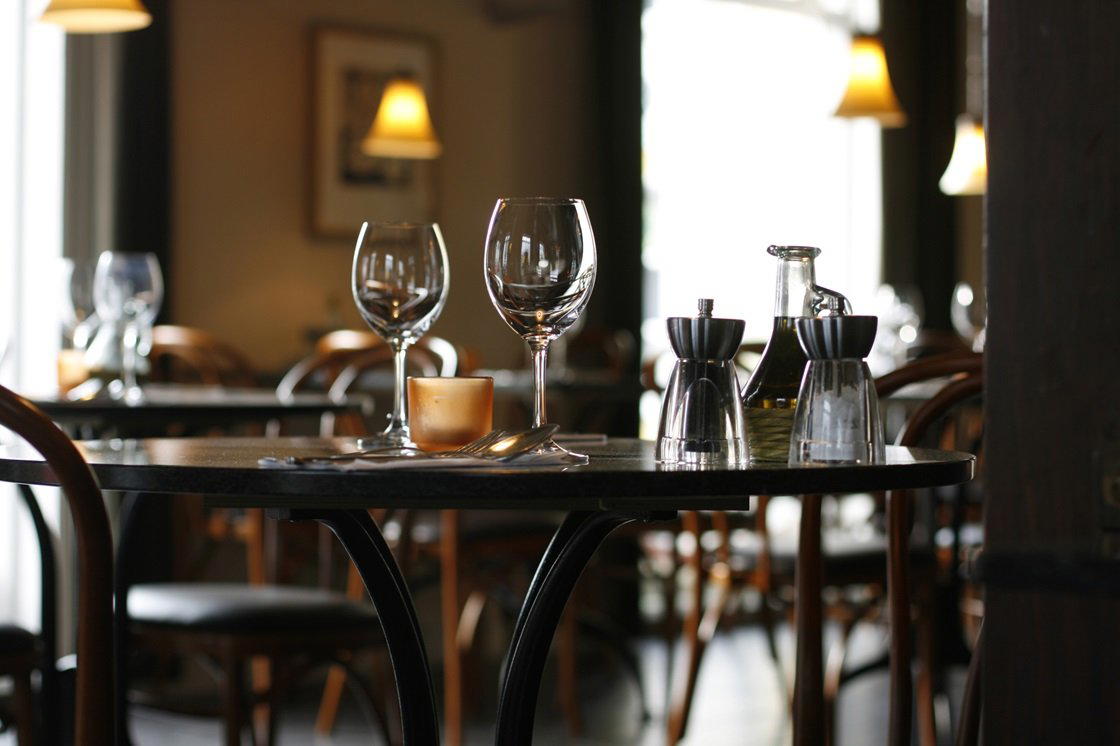
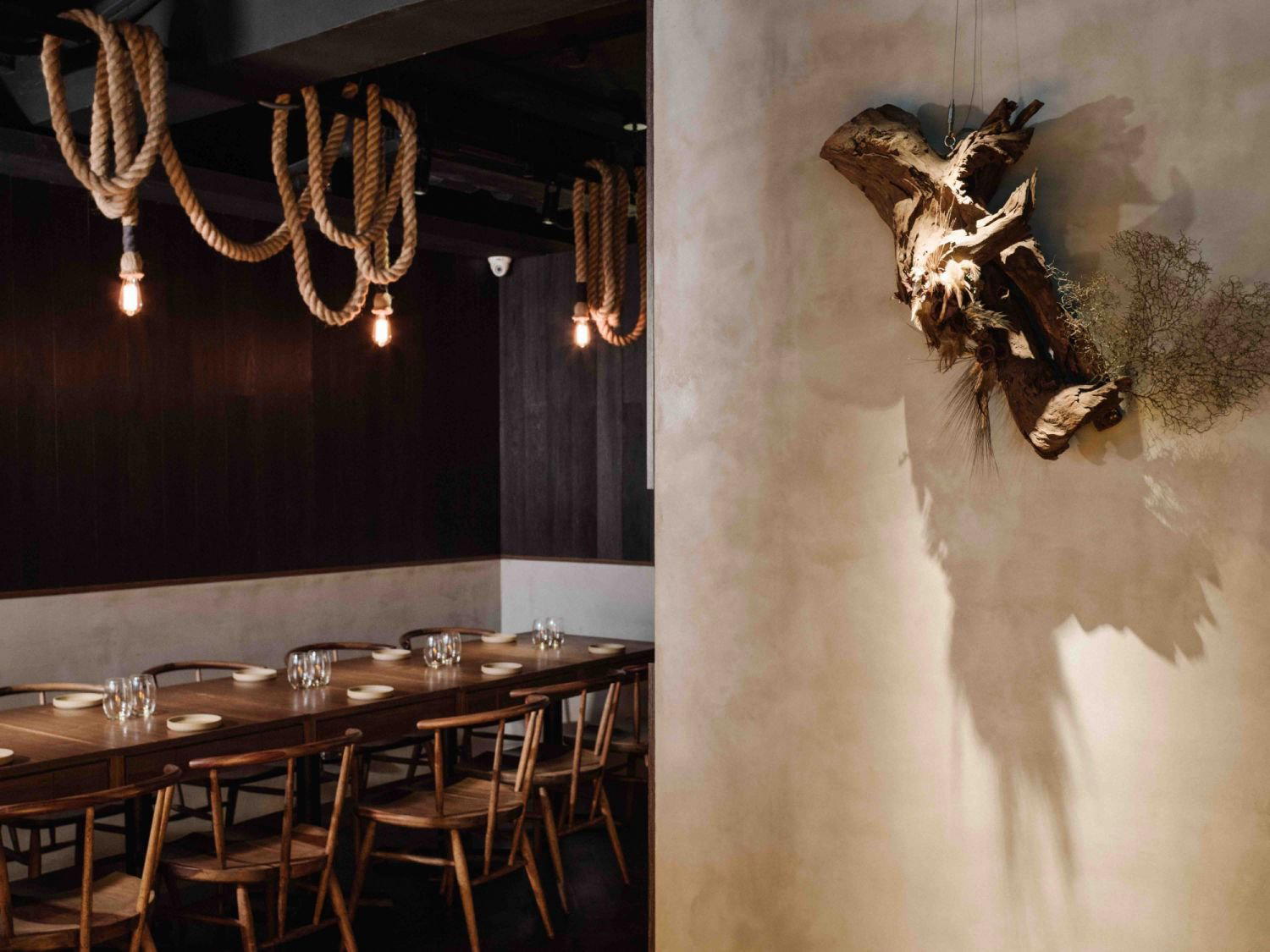
Restaurants in Taipei
Browse all →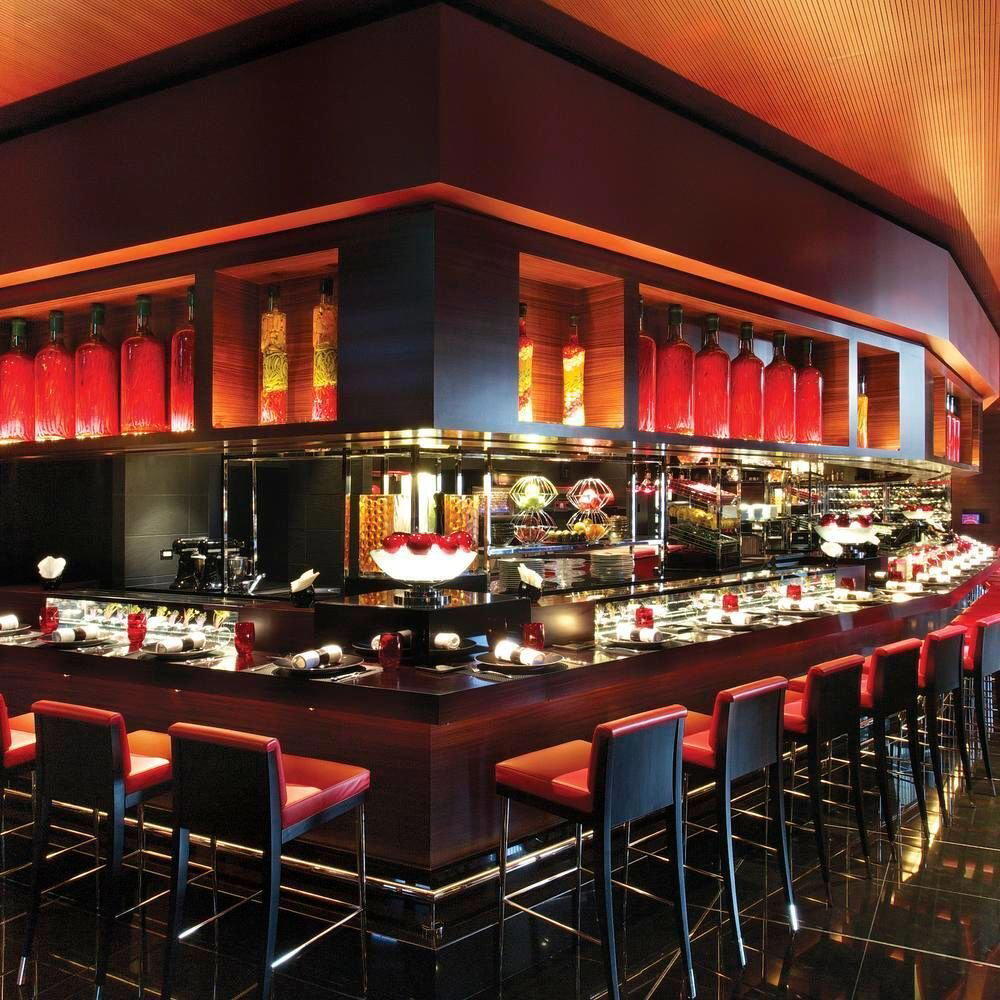
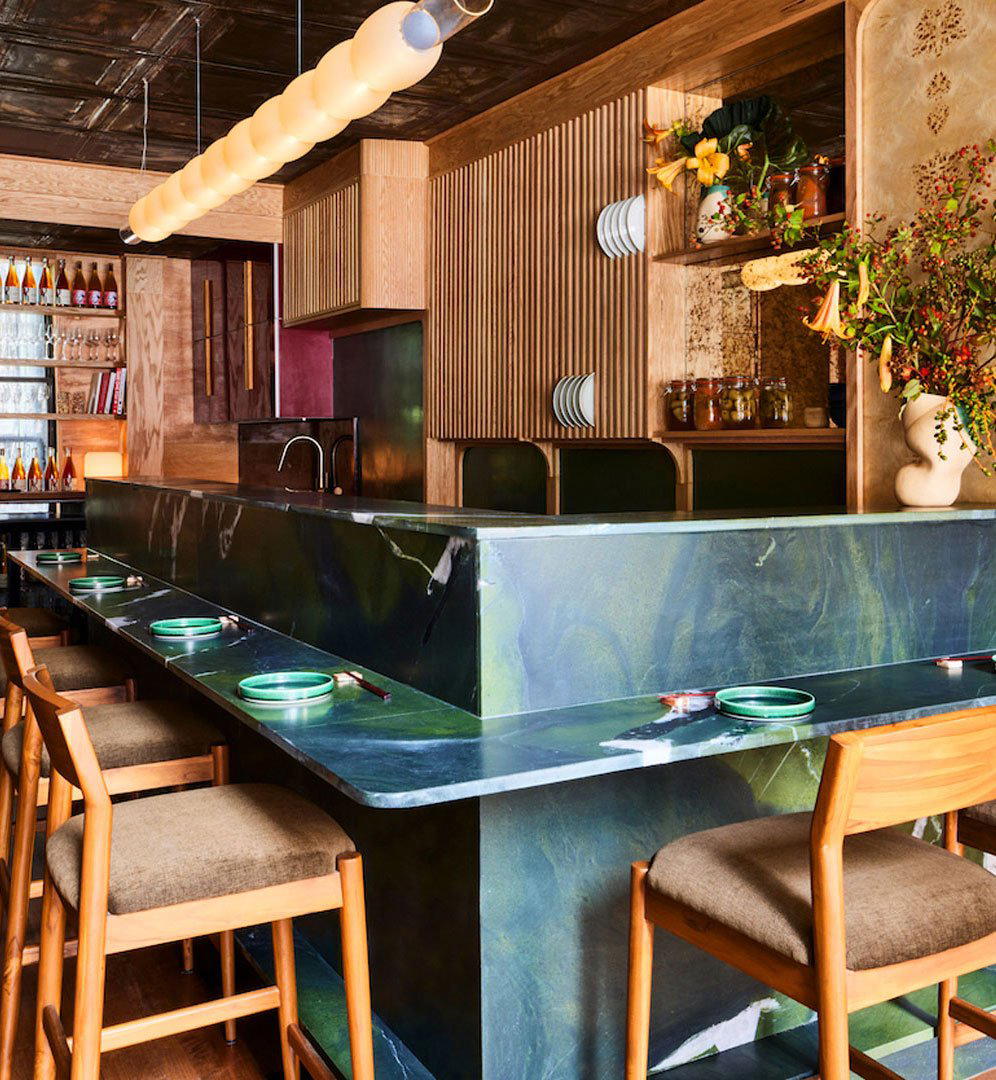
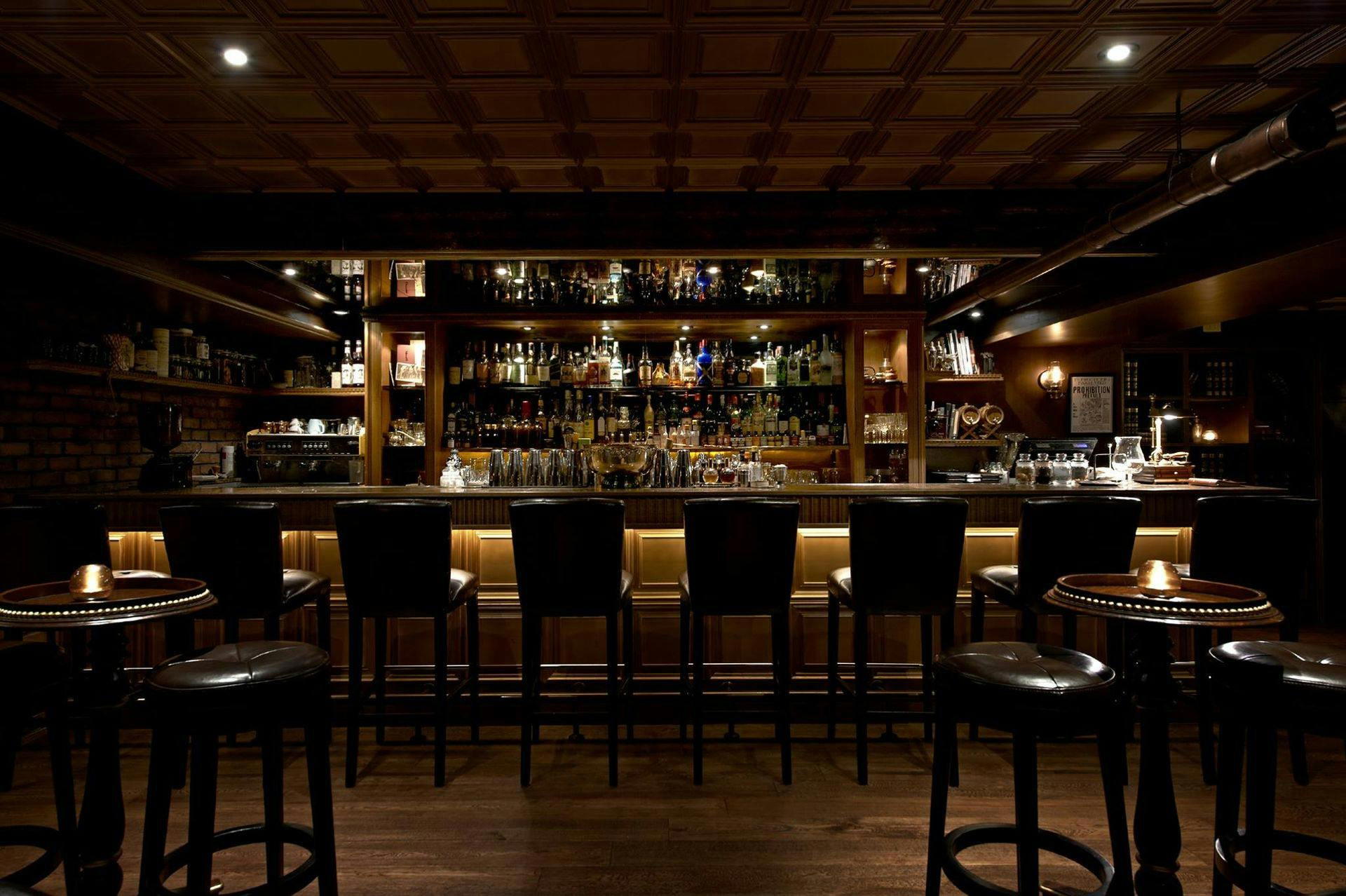
Bars in Taipei
Browse all →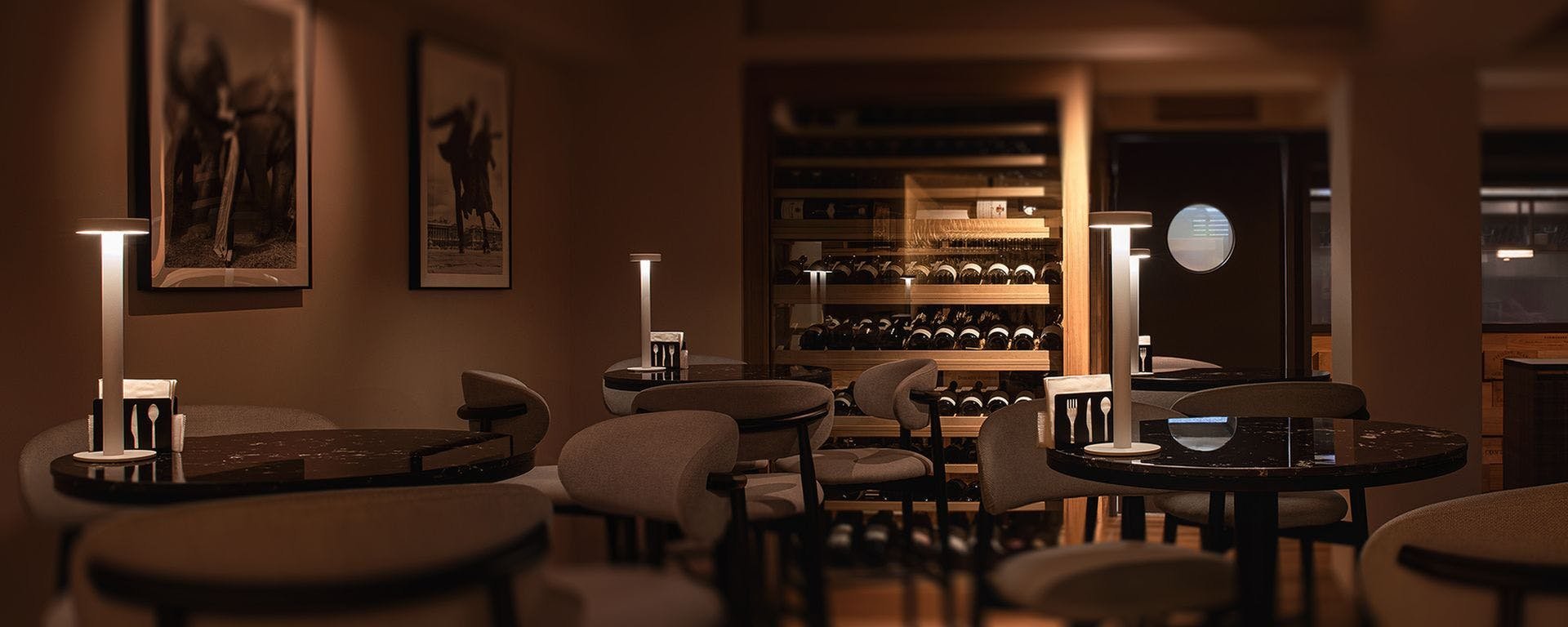
Hotels in Taipei
Browse all →
Wineries in Taipei
Browse all →
At a Glance
- Modern
- Elegant
- Trendy
- Sophisticated
- Date Night
- Group Dining
- Casual Hangout
- After Work
- Special Occasion
- Open Kitchen
- Design Destination
- Standalone
- Craft Cocktails
- Local Sourcing
- Skyline
Current opening hours
- Monday
- 11 AM–9:30 PM
- Tuesday
- 11 AM–9:30 PM
- Wednesday
- 11 AM–9:30 PM
- Thursday
- 11 AM–10 PM
- Friday
- 11 AM–10 PM
- Saturday
- 11 AM–10 PM
- Sunday
- 11 AM–9:30 PM
Hours can change for holidays and private events. Last verified .
Dimly lit with dramatic ceiling design and wood-rich decor inspired by vintage NYC Chinatown diners; contemporary and chic with lively music and an expansive bar overlooking downtown Taipei.