
The price point sits at the accessible end of Taipei's Michelin-acknowledged dining tier, making it a reliable address for Sichuan cooking in a city where Cantonese and Taiwanese formats dominate the top of the awards hierarchy.
Pearl is the En Primeur Club membership app — saves, bookings, and concierge access live there. Same editors, same standards.
- Address
- 106, Taiwan, Taipei City, Da’an District, 敦化南路1段324號B1
- Phone
- +886 2 2708 3110
- Website
- facebook.com
- Directions
- Get directions
 Saves & bookings on Pearl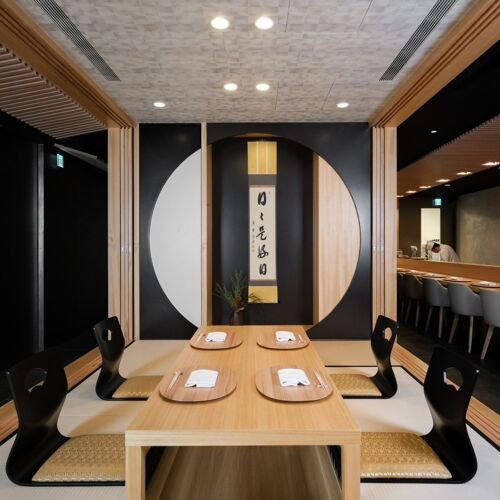
Below Street Level, Above the Noise
Basement restaurants in Taipei carry a particular kind of reputation. Strip away the foot traffic and the window dressing, and what survives is almost always the food. The underground dining rooms along Dunhua South Road in Da'an District operate on that logic, they earn their following through repeat visits, not passing trade. Gi Yuan is a Traditional Sichuan Chinese restaurant in Taipei's Da'an District, priced at about US$35 per person. It sits below street level at No. 324, Section 1, and its,400 reviews points less to viral moments and more to sustained, steady loyalty.
Da'an is one of Taipei's better-resourced dining districts, home to the kind of restaurant density where a Michelin Plate acknowledgement is a signal worth reading carefully. This is not a neighbourhood that elevates mediocrity. The competition includes logy with its two Michelin stars and modern European-Asian framework, and Taïrroir holding three stars for its Taiwanese-French approach at the upper price tier. Gi Yuan operates at about US$35 per person, which in Taipei's Michelin-recognised tier represents a meaningful gap: you are paying for credentials and consistency, not for ceremony.
What the Regulars Are Actually Returning For
Sichuan cuisine in Taiwan occupies an interesting position. It is not native to the island's food traditions, but Chengdu-rooted cooking has been present in Taipei since the wave of mainland Chinese migration in the mid-twentieth century. Over decades, Sichuan restaurants in the city split between those that absorbed Taiwanese palate adjustments and those that held closer to the ma la (numbing-spicy) spectrum of the original cuisine.
The editorial question with any restaurant earning that kind of repeat-visit volume is what specifically anchors the return. For Sichuan cooking at a mid-range price point, the answer is almost always precision in two dimensions: the balance of the spice profile across a meal, and the consistency of that profile visit to visit. The Plate recognition supports the interpretation that Gi Yuan is executing reliably rather than ambitiously. That distinction matters to regulars. An ambitious kitchen experiments; a reliable one delivers the dish you already know you want.
The Sichuan cooking format that sustains regulars typically organizes around a core of dishes the table returns to, supplemented by seasonal or rotating items that give reason to keep exploring. At the $$ price range, the restaurant positions itself as an address where the bill does not require occasion-level justification, which is precisely the condition that builds a weekly or fortnightly clientele rather than a birthday-dinner one. For the comparison context, Chuan Ya represents the Taiwanese capital's broader appetite for Sichuan cooking across different format and price brackets.
Taipei's Sichuan Tier in Regional Context
Across the Chinese-speaking dining world, Sichuan cuisine now occupies a prestige tier that would have seemed unlikely two decades ago. In Chengdu itself, Yu Zhi Lan and Fang Xiang Jing represent the genre at its most formally recognised, while Five Foot Road in Macau shows how the cuisine travels to a different Chinese dining context. Taipei's version of Sichuan dining has its own character: a city whose Michelin upper tier skews heavily toward Cantonese formats (see Le Palais at three stars) and French lineages (L'Atelier de Joël Robuchon) means that Sichuan's Plate-level presence is a smaller, more distinct niche.
That niche matters for how regulars locate the restaurant in their dining rotation. When the high-end options in the city default to different culinary traditions, a mid-range Sichuan address with Michelin acknowledgement and strong crowd-sourced validation fills a gap that the premium tier does not. The basement setting reinforces this: this is not a restaurant competing with the formal dining rooms higher up the Michelin ladder. It is competing for a different kind of loyalty, the weeknight loyalty, the lunch-with-colleagues loyalty, the I-know-what-I-want loyalty.
Planning a Visit
The restaurant sits at 敦化南路一段324號B1 in Da'an District, and the 4.2 Google average across a high review count suggests the kitchen delivers consistently enough to justify booking ahead rather than walking in and hoping. Given the volume of reviews, the dining room likely sees meaningful traffic across lunch and dinner services.
For visitors building a fuller picture of Taipei's dining scene, the city rewards exploration well beyond the Michelin column. Our full Taipei restaurants guide covers the range from Sichuan through to the Taiwanese street-food traditions and the contemporary tasting-menu formats. For accommodation context, our Taipei hotels guide covers the Da'an-area and wider city options. Those extending travel into the rest of Taiwan will find strong editorial coverage at JL Studio in Taichung, GEN in Kaohsiung, A Cun Beef Soup in Tainan, and Akame in Wutai Township. For those whose Taiwan itinerary extends to a resort stay, Volando Urai Spring Spa and Resort in Wulai District rounds out the options. Taipei's bar and drinks scene is covered in our bars guide, with further context on wine and experiences available through our wineries guide and our experiences guide.
Price and Recognition
Comparable venues nearby, for context on price, style, and recognition.
| Venue | Cuisine | Price | Awards | Notes |
|---|---|---|---|---|
| Gi YuanThis venue — the venue you are viewing | De'an, Traditional Sichuan Chinese | $$$ | Michelin Plate | Not listed |
| The Dragon | Liming, Cantonese | $$$ | Michelin Plate | Not listed |
| Chuan Mu Yuan | Not listed | $$ | Michelin Plate | Shuanglian, Traditional Chinese Dim Sum and Noodles |
| EMBERS | Dun'an, Modern Taiwanese Fine Dining | $$$$ | Michelin Plate | Not listed |
| Tao Luan Ting Roast Peking Duck Palace | Not listed | $$ | Michelin Plate | Zhongzheng, Traditional Peking Roast Duck |
| æ³ ç±³é£å | Longyuan, Modern Taiwanese | $$$ | Not listed | Not listed |
Recognition history
Dated appearances from independent guides and award organizations, with the underlying list record or original source where available.
Michelin Plate
Michelin
Michelin Plate
Michelin
Continue exploring
More in Taipei
Restaurants in Taipei
Browse all →
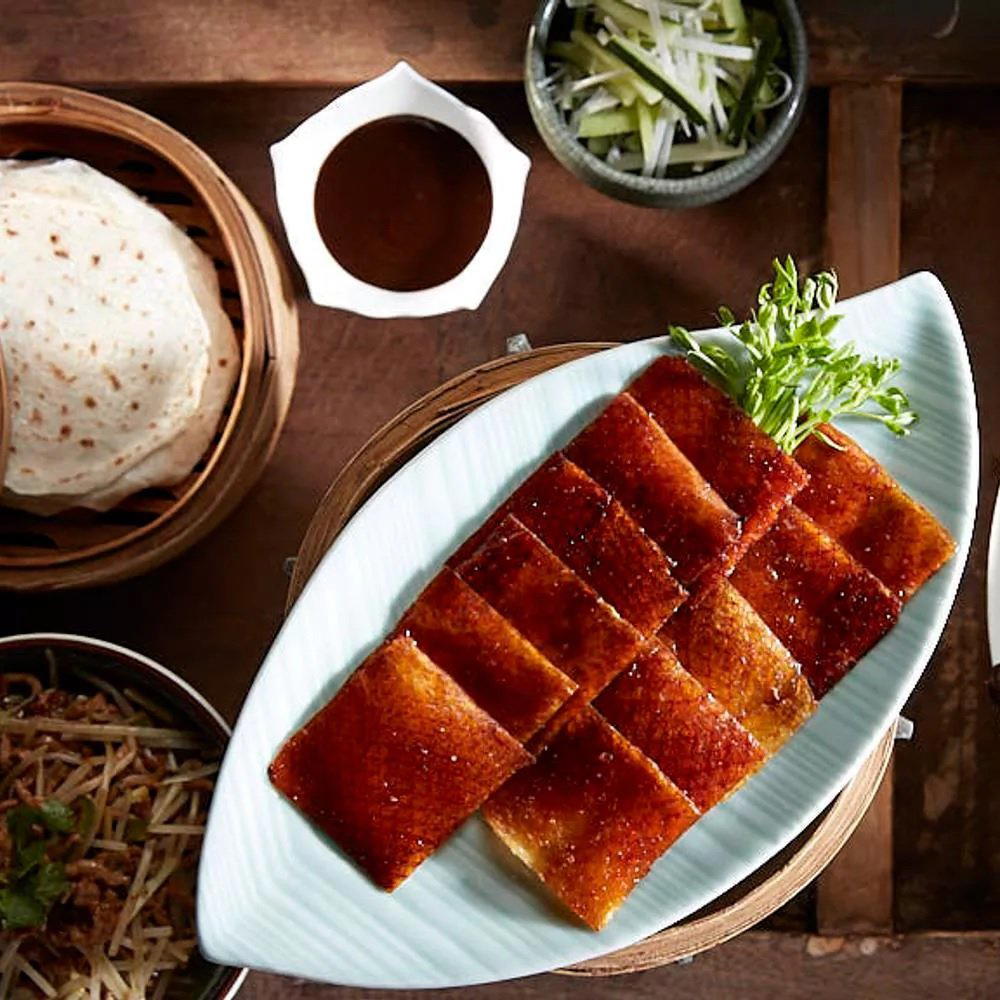
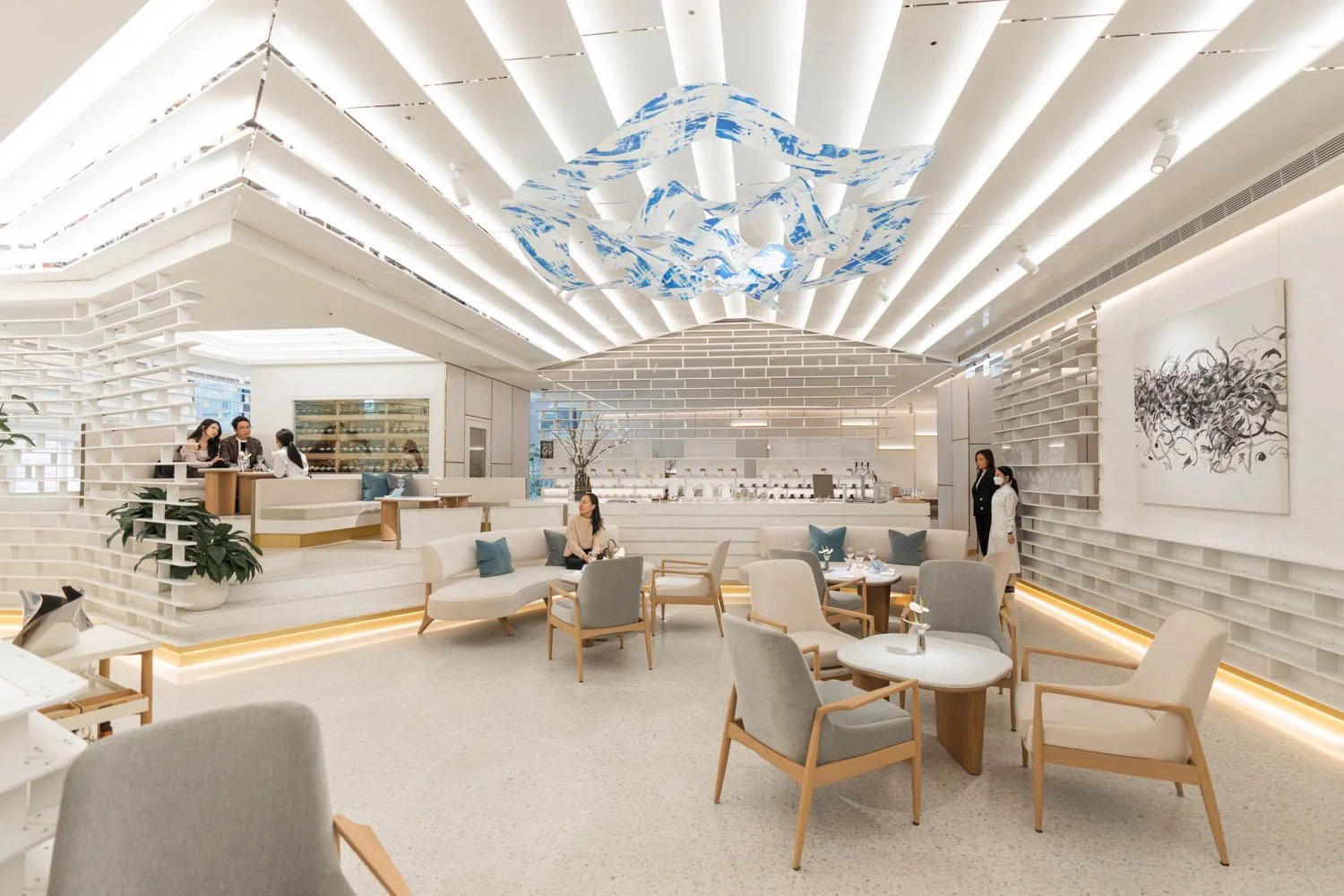
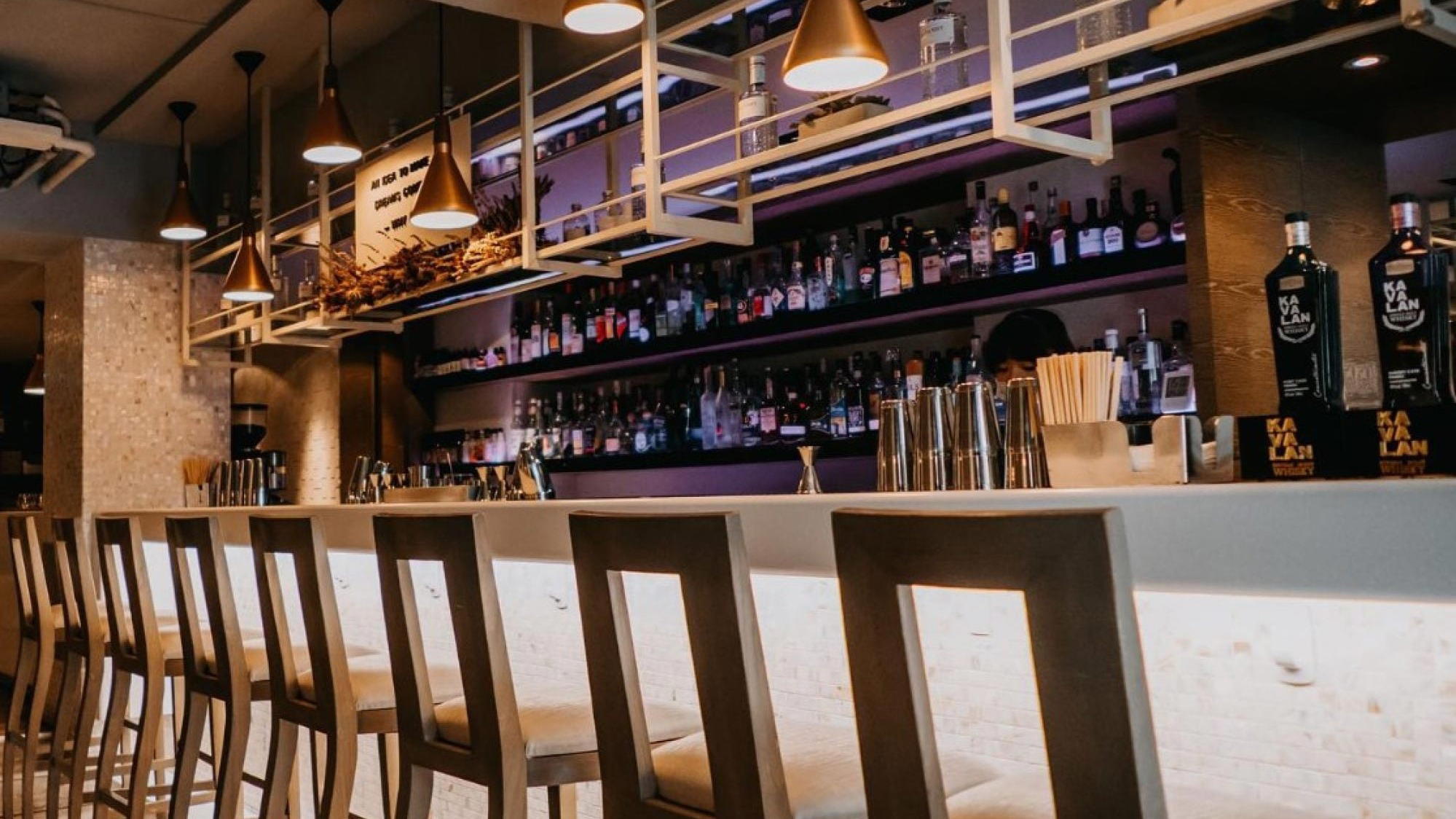
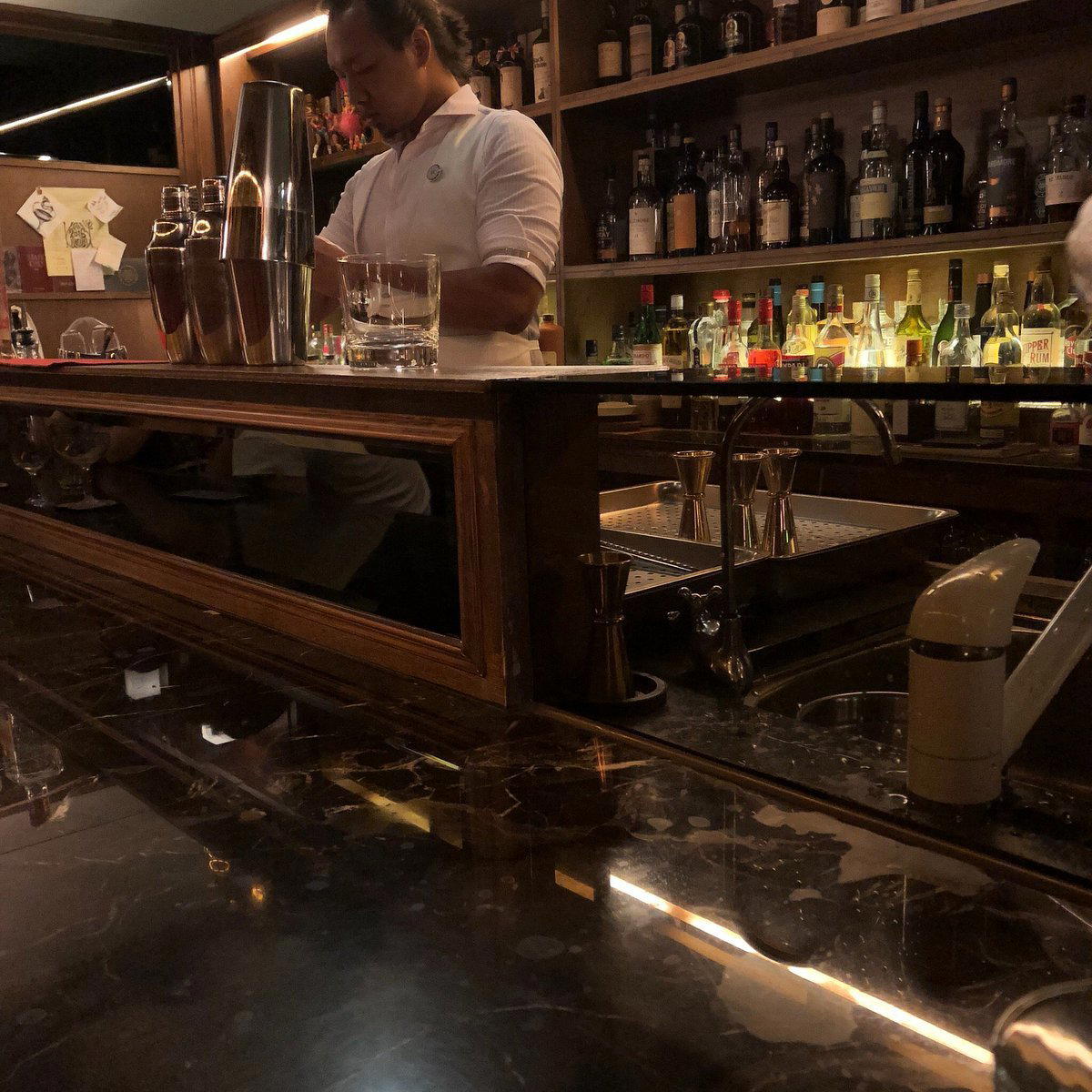
Bars in Taipei
Browse all →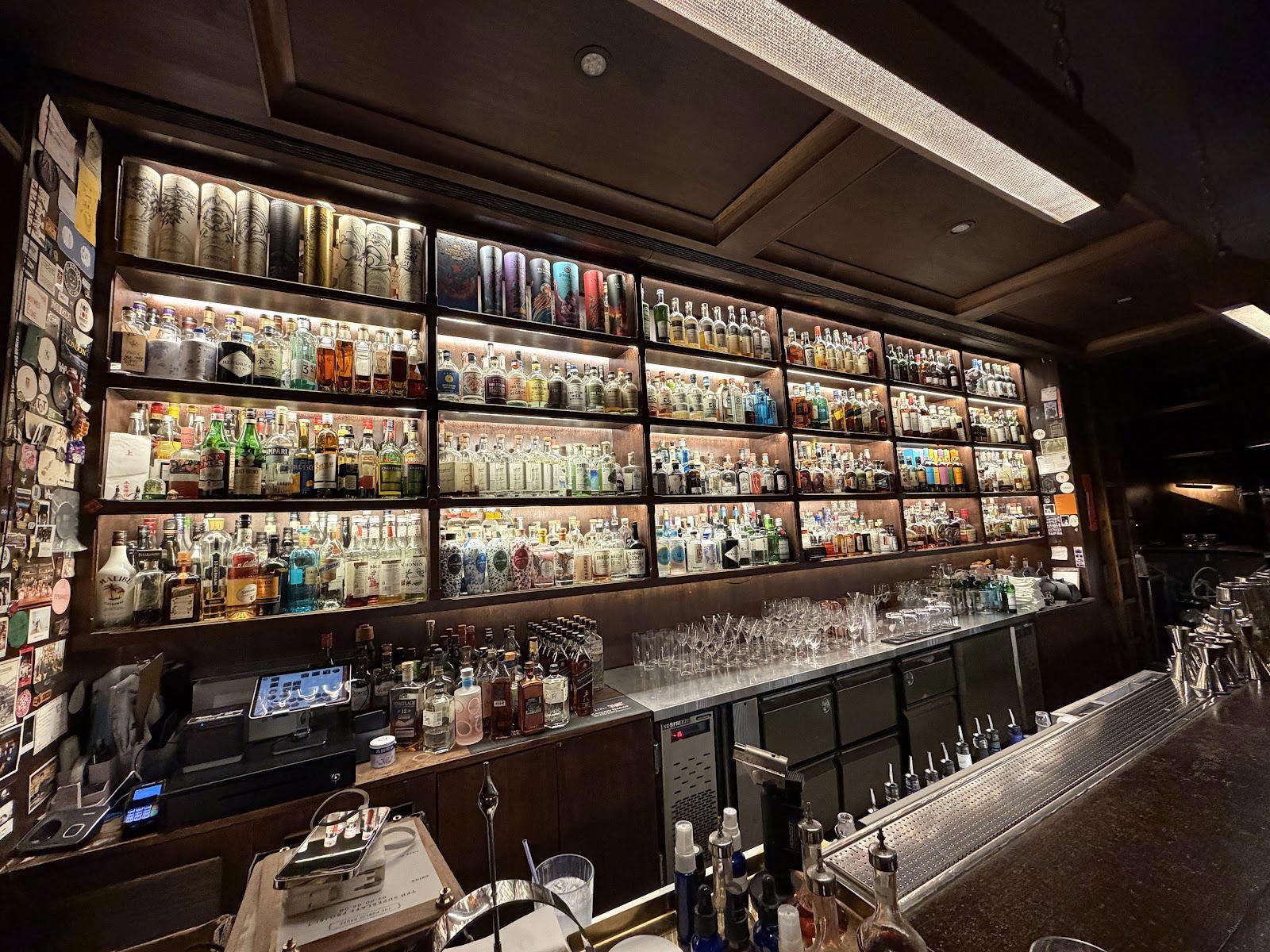
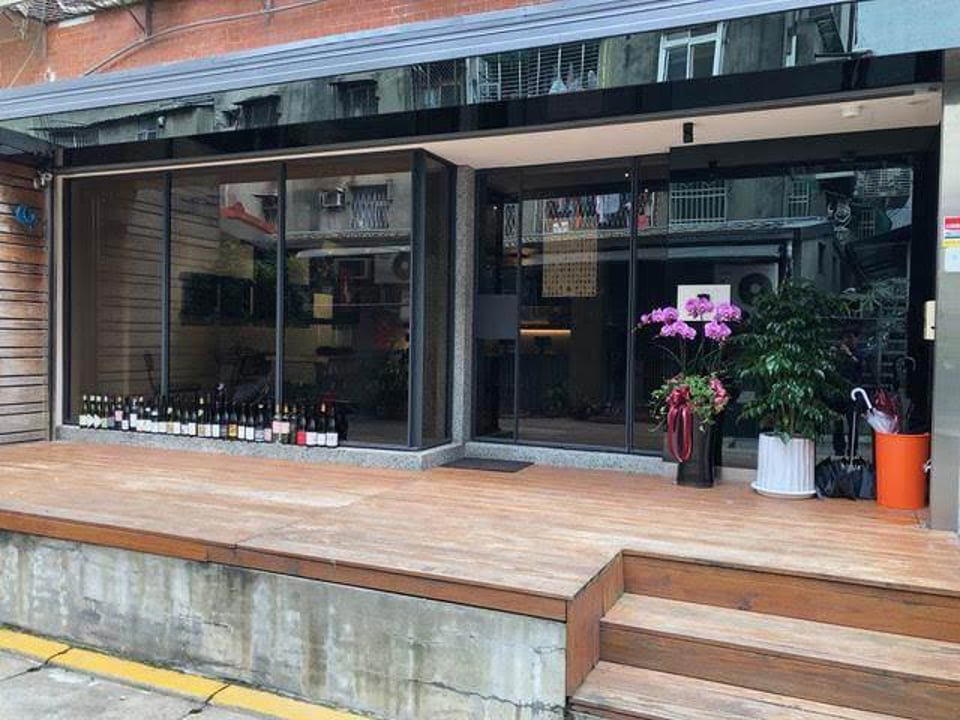
Hotels in Taipei
Browse all →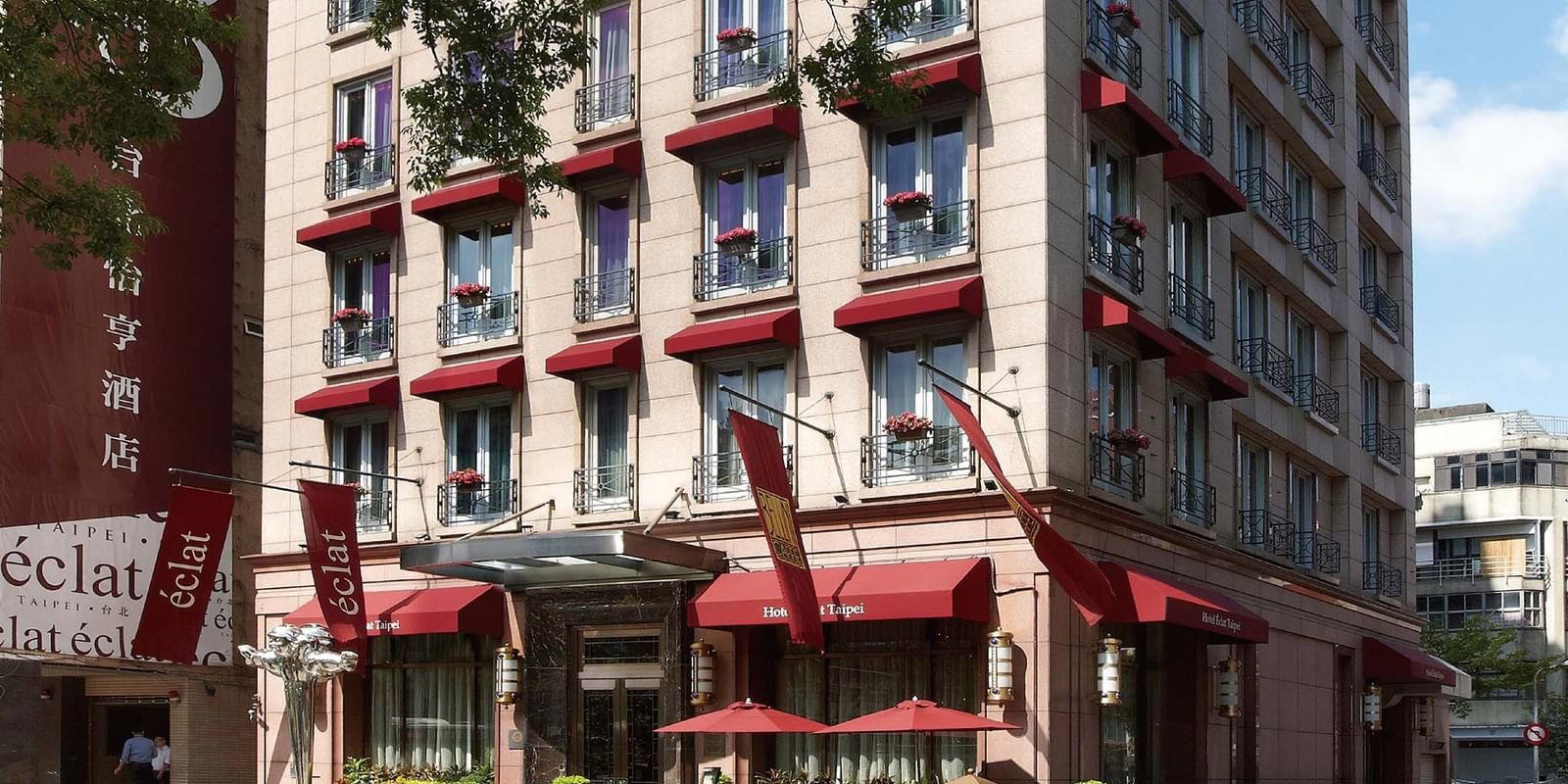
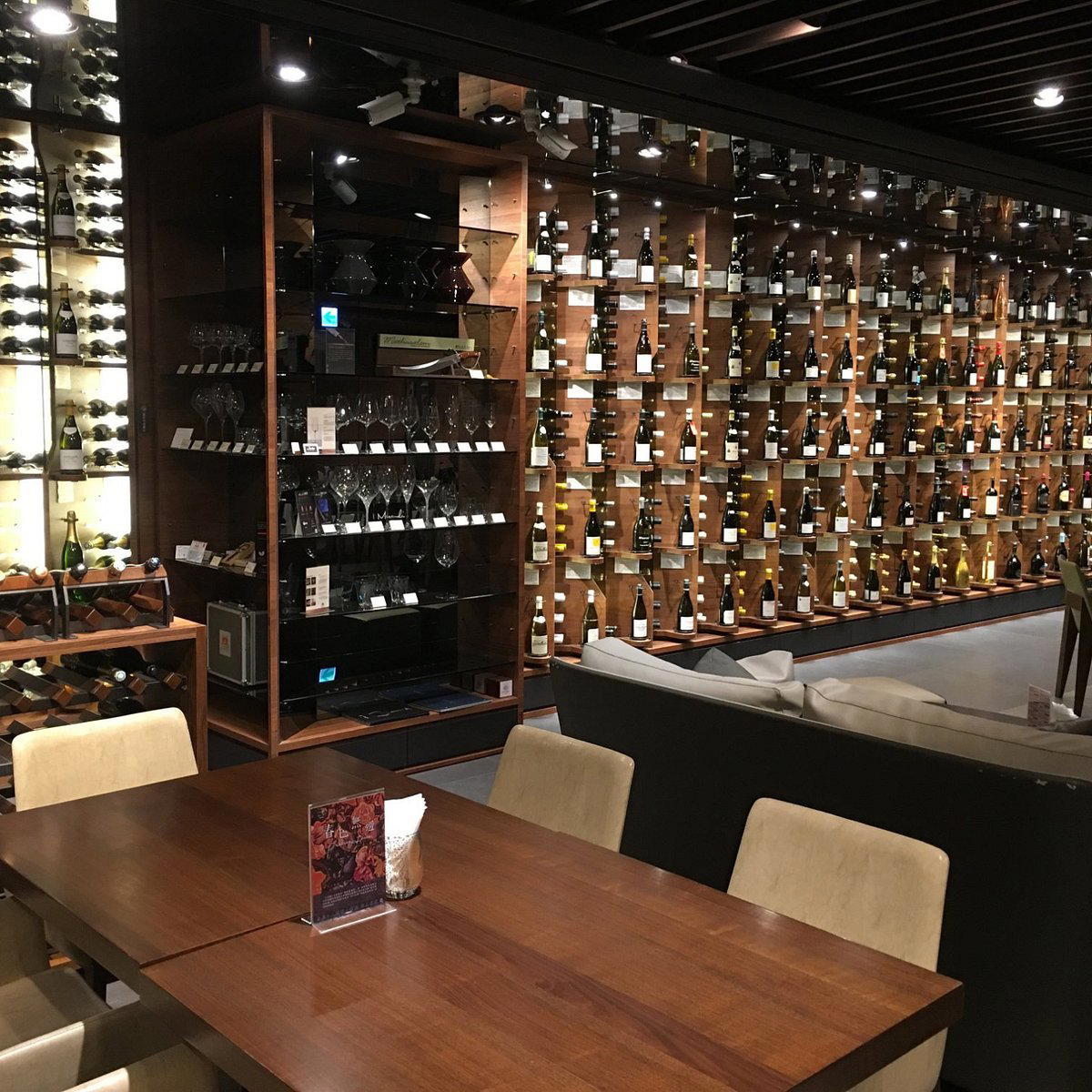
Wineries in Taipei
Browse all →
At a Glance
- Classic
- Cozy
- Group Dining
- Family
- Celebration
- Private Dining
Current opening hours
- Monday
- 11:30 AM–2 PM, 5:30–9 PM
- Tuesday
- 11:30 AM–2 PM, 5:30–9 PM
- Wednesday
- 11:30 AM–2 PM, 5:30–9 PM
- Thursday
- 11:30 AM–2 PM, 5:30–9 PM
- Friday
- 11:30 AM–2 PM, 5:30–9 PM
- Saturday
- 11:30 AM–2 PM, 5:30–9 PM
- Sunday
- 11:30 AM–2 PM, 5:30–9 PM
Hours can change for holidays and private events. Last verified .
Traditional and bustling basement dining room with round tables, golden tablecloths, red menus, and a busy atmosphere filled with families and large gatherings.