Siam Thai
Siam Thai on Av. Italia brings one of South America's less common culinary traditions into the heart of Providencia, a neighbourhood better known for Chilean bistros and European-leaning menus. The address places it within walking distance of the district's main dining corridor, making it a practical choice for those seeking something outside the local default. Thai cooking in Santiago remains a specialist proposition, and this kitchen operates in that niche.
Pearl is the En Primeur Club membership app — saves, bookings, and concierge access live there. Same editors, same standards.
- Address
- Av. Italia 1139, 7501295 Santiago, Providencia, Región Metropolitana, Chile
- Website
- siamthai.cl
- Directions
- Get directions
 Saves & bookings on Pearl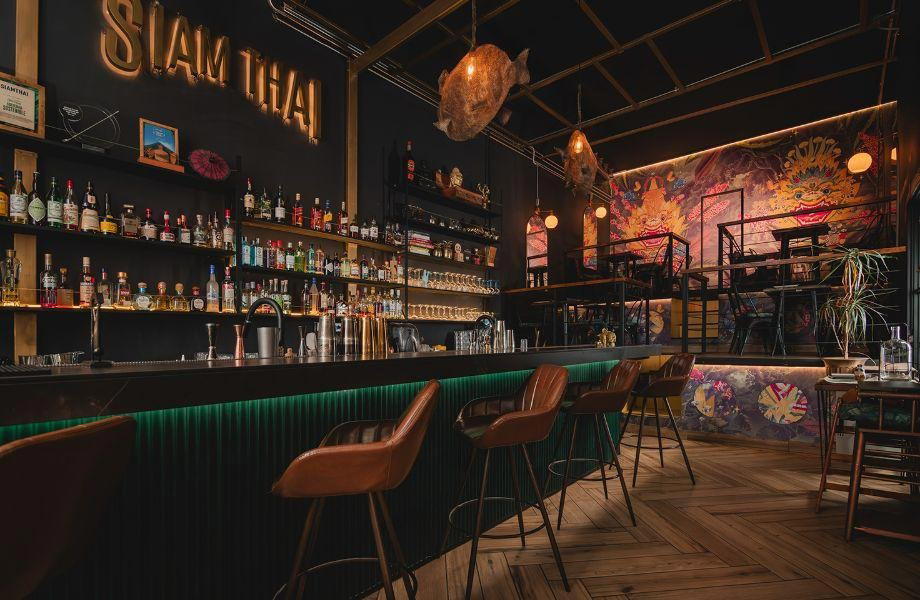
Thai Cooking in a Chilean Neighbourhood Context
Providencia's dining scene runs heavily toward Chilean-European crossover formats. Walk Av. Italia on any given evening and the menus lean toward local seafood, French-inflected bistro plates, and the kind of wine-forward Chilean cooking that venues like Allería and Ambrosia Bistro have made their territory. Against that backdrop, a Thai kitchen at number 1139 reads as a deliberate counterpoint rather than an accident of geography. Southeast Asian restaurants in Santiago remain relatively sparse compared to the city's European-influenced options, which means the handful that operate here function less like casual ethnic alternatives and more like specialist destinations for a specific kind of flavour.
That scarcity matters for understanding Siam Thai's position in the neighbourhood. In cities with large Southeast Asian diaspora populations, Thai restaurants compete on granular distinctions: regional provenance, technique, ingredient sourcing. In Santiago, and in Providencia specifically, the more immediate context is simply that Thai cooking is not what most of the surrounding blocks are doing. Nearby, sabko namaste represents a parallel dynamic for South Asian cuisine, and the two together suggest that Av. Italia and its surrounds have quietly accumulated a small cluster of non-Chilean kitchens operating alongside the neighbourhood's dominant register.
The Architecture of a Thai Meal
Thai cuisine's dining ritual differs structurally from the sequential European model that most Providencia restaurants use as their default. Rather than a fixed procession of courses arriving one after another, the Thai table organises itself around simultaneity: rice arrives early and stays, dishes come out to share, and the balance of flavours across the table is the point rather than the arc of any single dish. A well-ordered Thai meal typically moves through contrasts, something sour, something aromatic, something with heat, calibrated not by a tasting menu logic but by the collective judgment of everyone at the table.
This format has practical implications for how to approach the meal. Ordering too few dishes concentrates flavour in a way that flattens the experience; the cuisine is designed for lateral abundance rather than vertical depth. In the broader Santiago context, where restaurants like Peumayen (Chilean Cuisine) operate through a tightly sequenced tasting structure rooted in indigenous Chilean traditions, or where Rivoli applies a more European pacing, the Thai model represents a genuinely different set of assumptions about how a table should function. The meal is less a performance and more a negotiation.
For those arriving from a fine-dining context, earlier in a week that included Boragó in Santiago or, further afield, something like Le Bernardin in New York City, the shift in register is part of the point. Thai cooking at this level is not trying to replicate fine-dining structure; it is operating inside a completely different tradition of hospitality.
What Travels Well from the Thai Kitchen
Thai cuisine's core building blocks are not subtle. Lemongrass, galangal, kaffir lime leaf, fish sauce, palm sugar, and several varieties of chilli construct a flavour vocabulary that is distinct and largely non-negotiable. The cooking does not benefit from significant localisation, attempts to soften heat profiles or substitute ingredients for local availability tend to produce something that reads as Thai-adjacent rather than Thai. The leading Thai restaurants outside Thailand source their key aromatics directly and resist the pressure to make the food more approachable at the cost of accuracy.
Dishes that typically travel well include those where the flavour balance is set at the sauce or paste level rather than adjusted at the table: curries built on properly made pastes, salads dressed with the right ratio of lime and fish sauce, soups where the aromatic base is assembled correctly from the start. Stir-fry dishes are more vulnerable to the translation problem, since they depend on high heat and fast execution in a way that is harder to replicate outside a purpose-built kitchen. How Siam Thai resolves these trade-offs is something leading assessed in the room.
Placing Siam Thai in the Santiago Dining Picture
Chile's restaurant culture has been expanding its international range steadily, with Santiago functioning as the primary point of entry for cuisines that are still building audience elsewhere in the country. Venues as different as Izakaya Kotaro in Easter Island and Amares Bistro in Antofagasta reflect how Chilean dining has diversified across regions, but the capital and its inner districts remain where the density of non-Chilean options is highest. Providencia, sitting between Lastarria and Las Condes, catches a demographic that tends toward cosmopolitan preferences and repeat international travel, an audience more likely to have a reference point for Thai food than diners elsewhere in the country.
That audience matters because it shapes what a Thai kitchen in this location needs to do. It does not need to explain the cuisine from first principles. It can assume a certain baseline familiarity and focus instead on quality and consistency. Whether Siam Thai operates at that level is a question the room answers more reliably than any external description.
Elsewhere in Chile, the dining conversation tends to stay closer to domestic ingredients and traditions. Casa del Barrio in Chillan, La Concepción in Valparaiso, and operations anchored to Chilean wine culture like Viña Concha y Toro in Pirque point toward how thoroughly local the country's restaurant identity remains outside its capital. A Thai restaurant in Providencia is, in that wider frame, a specifically metropolitan proposition.
Planning the Visit
The restaurant operates from Av. Italia 1139 in Providencia, within the broader Santiago metropolitan area. The address is accessible by metro, the nearest lines serve the Providencia corridor, and the neighbourhood is walkable from several of the district's hotels. Current hours, booking options, and contact details are listed separately. For comparable options in the immediate area, Aquí Jaime in Concon and Aquí está Coco Restaurante in Vitacura represent points of comparison for seafood-forward Chilean cooking if the itinerary calls for it. Those planning a longer Santiago circuit might also consider Café Francés in Los Angeles or the more technically ambitious Atomix in New York City as reference points for how specialist cuisines operate at their upper tier, useful calibration before sitting down to a meal that operates by different measures entirely.
Cuisine Lens
Comparable venues nearby, for context on price, style, and recognition.
| Venue | Cuisine | Price | Notes |
|---|---|---|---|
| Siam ThaiThis venue — the venue you are viewing | Modern Thai | $$ | Not listed |
| sabko namaste | Authentic North Indian Tandoori | $$ | Providencia |
| Yum Cha | Chinese-Chilean Fusion Tasting Menu | $$$ | Providencia |
| Ambrosia Bistro | Modern Chilean Bistro with French Influences | $$$ | Providencia |
| 400 Pizzería | Contemporary Neapolitan Pizzeria | $$ | Providencia |
| Peumayen | Ancestral Chilean | $$$ | Providencia |
Continue exploring
More in Providencia
Restaurants in Providencia
Browse all →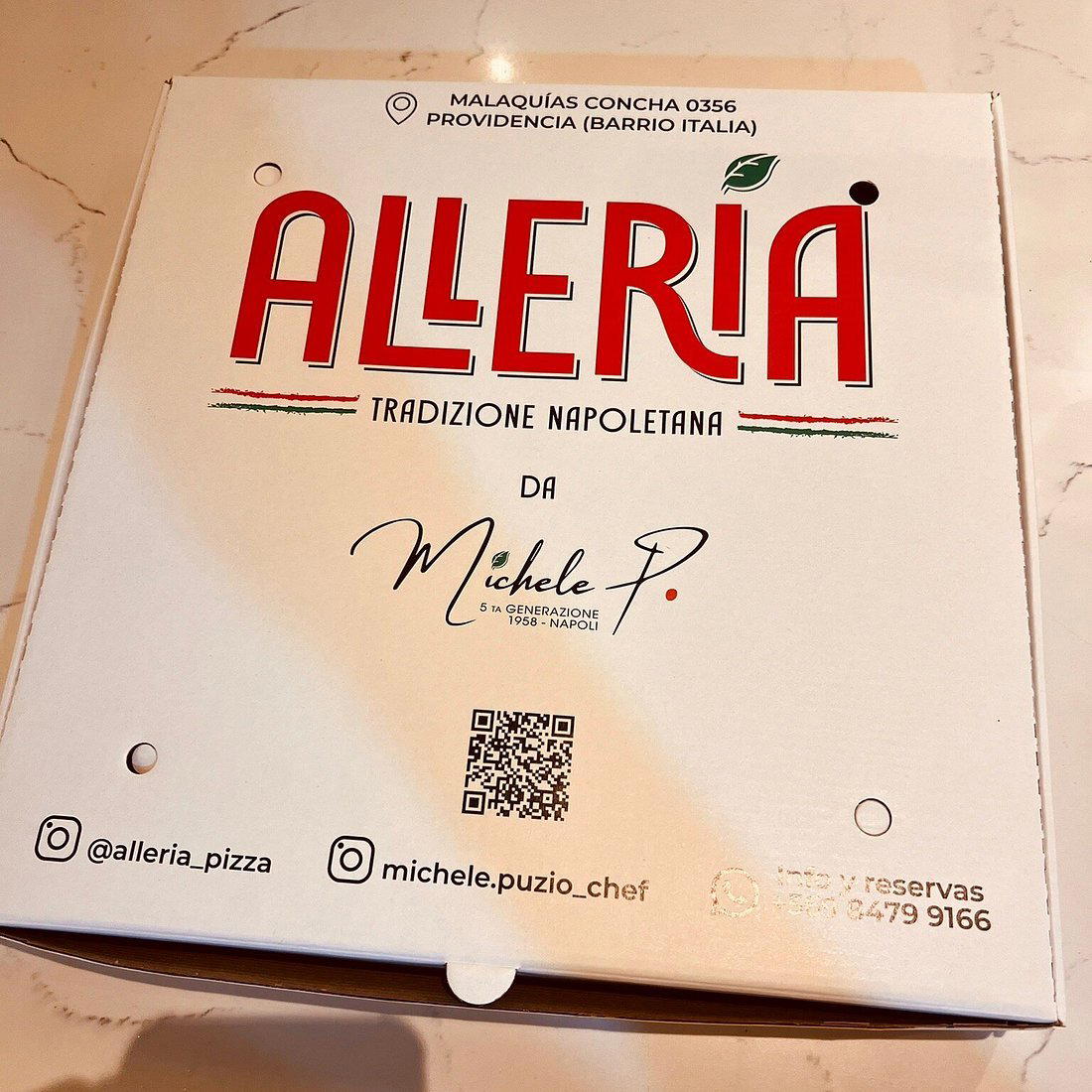
Bars in Providencia
Browse all →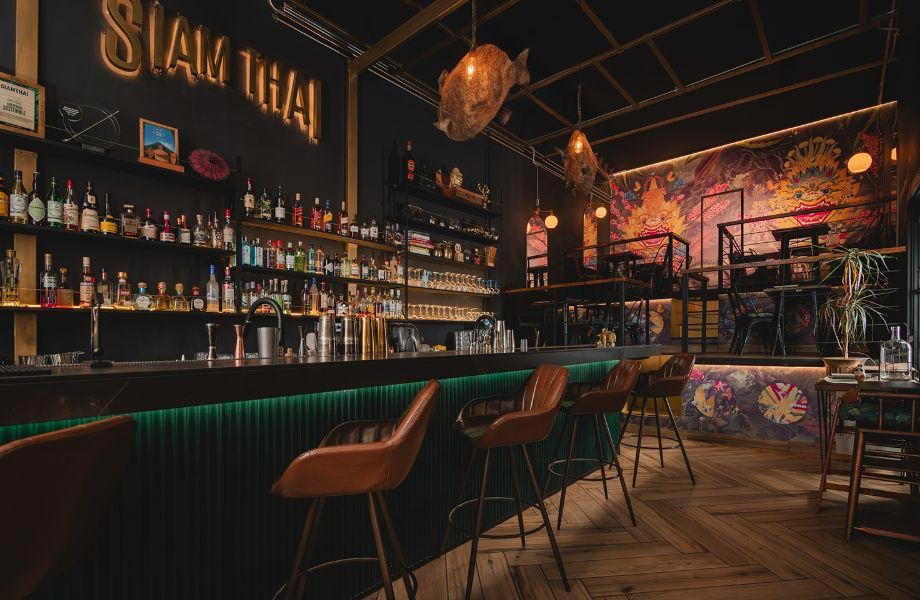

Hotels in Providencia
Browse all →
At a Glance
- Modern
- Cozy
- Trendy
- Date Night
- Casual Hangout
- Late Night
- Terrace
- Craft Cocktails
Current opening hours
- Monday
- 6:30 PM–12 AM
- Tuesday
- 6:30 PM–12 AM
- Wednesday
- 6:30 PM–12 AM
- Thursday
- 6:30 PM–12 AM
- Friday
- 1:30 PM–1:30 AM
- Saturday
- 1 PM–12 AM
- Sunday
- 1–5 PM
Hours can change for holidays and private events. Last verified .
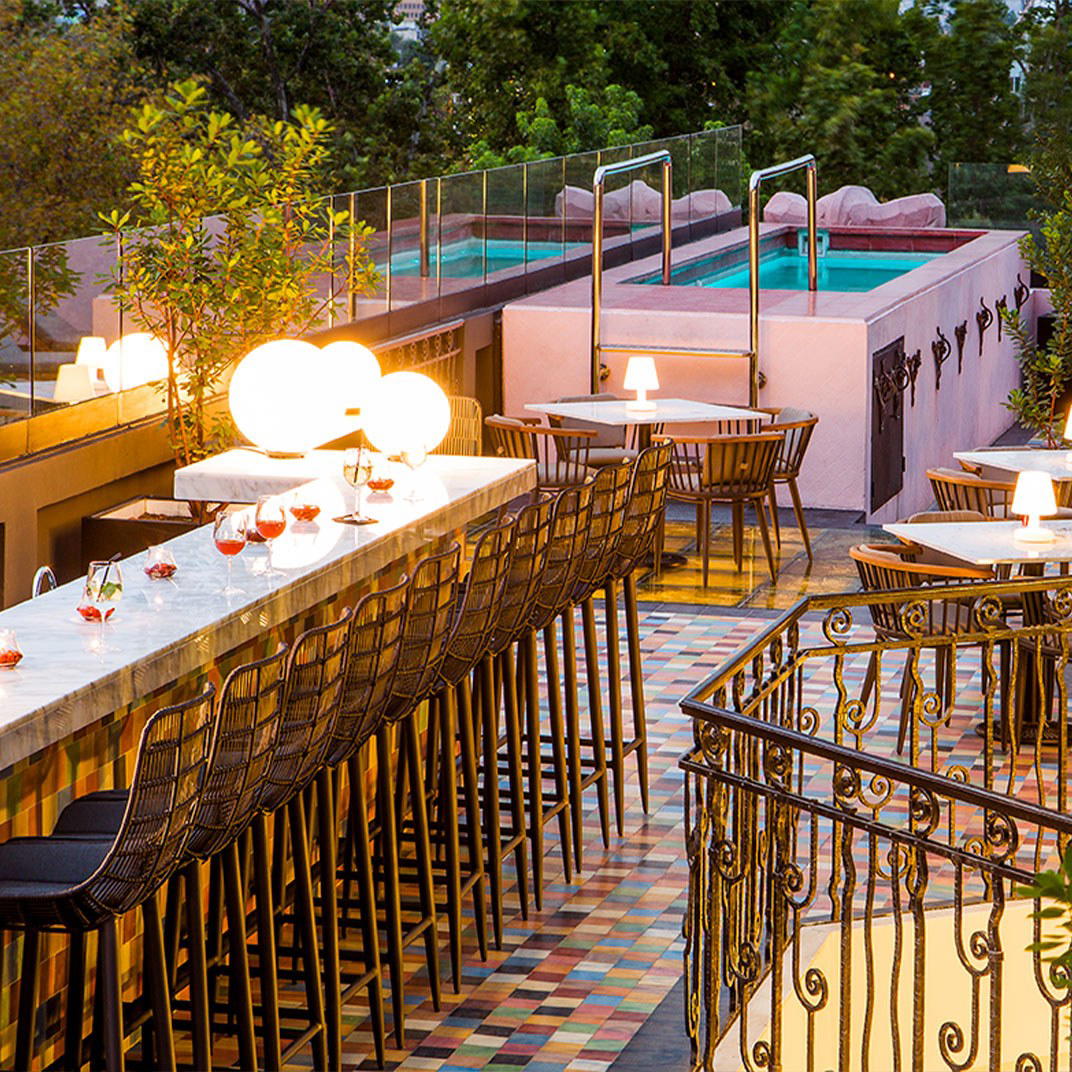
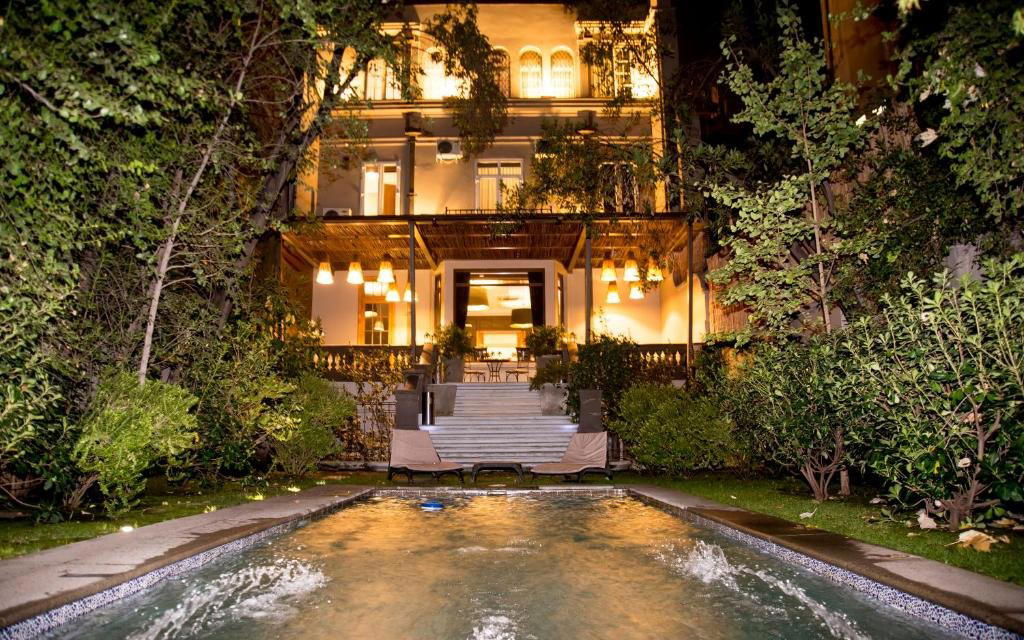
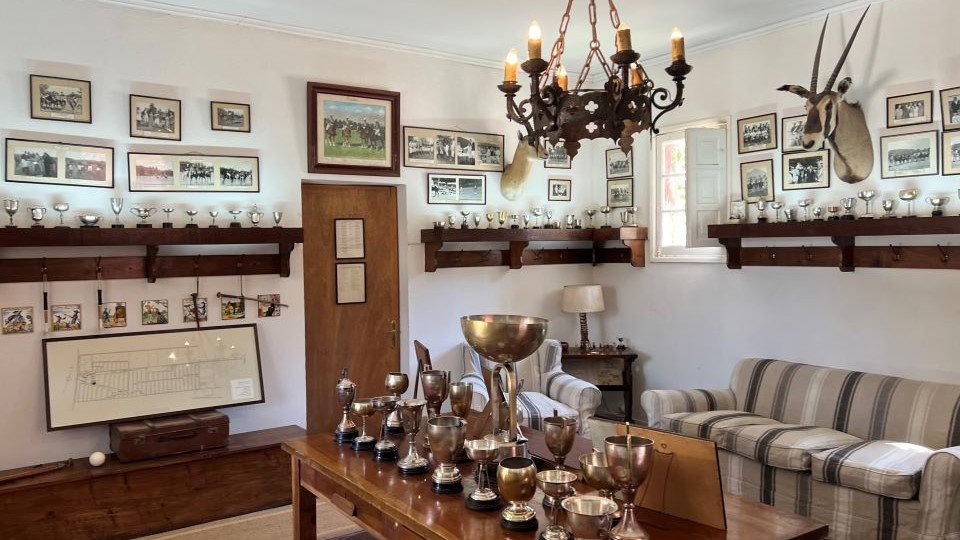
Welcoming atmosphere with diverse spaces including bar, salon, patio, and terrace, blending traditional and modern elements.