sabko namaste
sabko namaste serves Authentic North Indian Tandoori at Manuel Montt 1584 in Providencia, with beer program support and a conversational, casual setting for lunch, dinner, or brunch.
Pearl is the En Primeur Club membership app — saves, bookings, and concierge access live there. Same editors, same standards.
- Address
- Manuel Montt 1584, 7501149 Providencia, Región Metropolitana, Chile
- Phone
- +56958879021
- Website
- sabkonamaste.cl
- Directions
- Get directions
 Saves & bookings on Pearl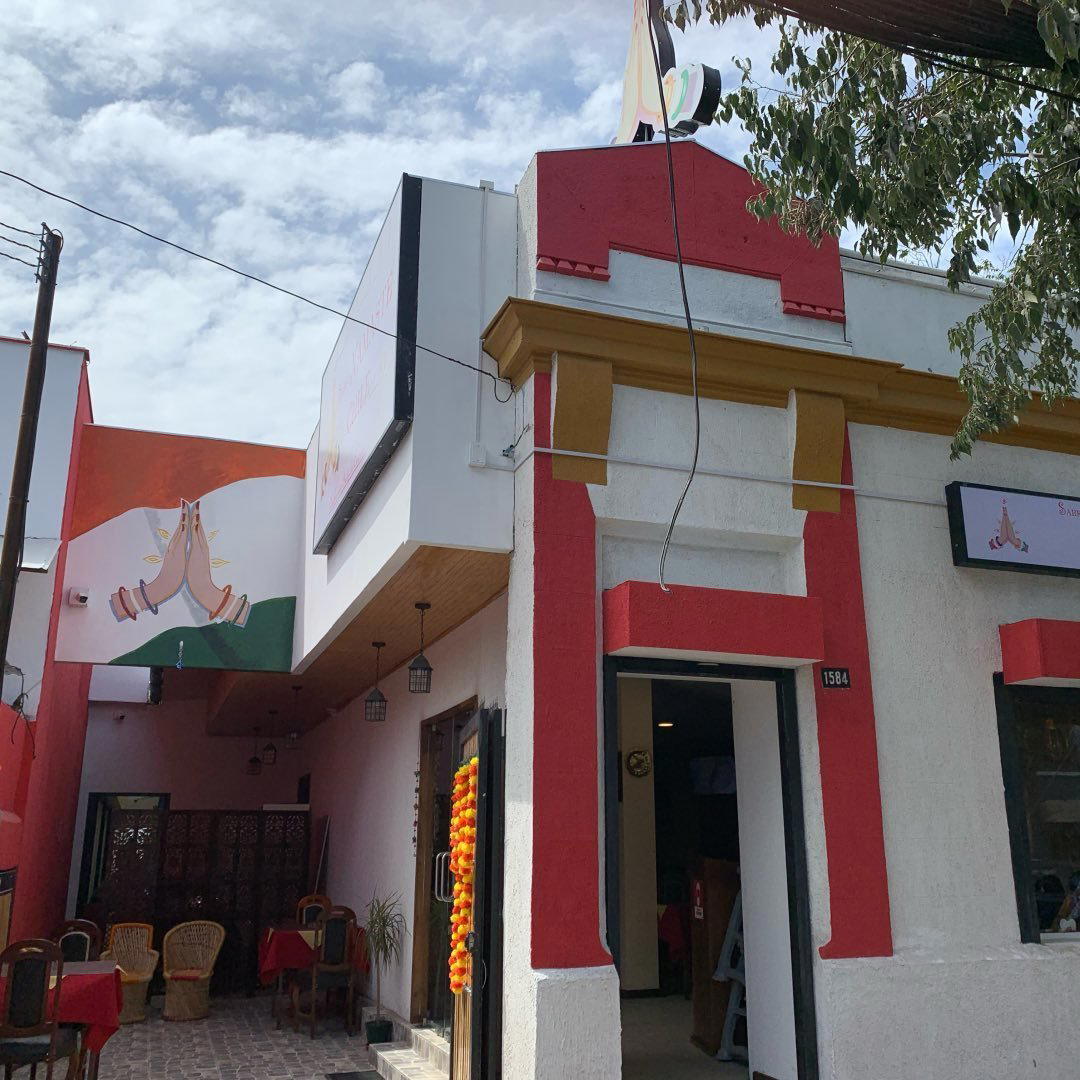
Indian Cooking in the Heart of Providencia
Manuel Montt, the long commercial artery that cuts through Providencia's residential grid, has accumulated a quietly diverse eating strip over the past two decades. Chilean fondas and Italian trattorias share the pavement with pan-Asian spots and, at number 1584, Sabko Namaste, an Authentic North Indian Tandoori restaurant. The name itself signals intent: sabko in Hindi means "to everyone," and namaste is a greeting of mutual respect. That combination suits a casual restaurant in Providencia where diners are accustomed to places that perform well without requiring weeks of planning.
Indian cuisine occupies an interesting position in Santiago's restaurant scene. Chile's immigration history leaned heavily toward European and Middle Eastern arrivals, which is why Lebanese kibbeh and German kuchen appear in supermarkets while subcontinental cooking remains specialist territory. That scarcity means the few Indian restaurants operating in the metropolitan area carry disproportionate weight as cultural reference points, introducing spice structures and cooking techniques that most local diners would not encounter through everyday eating. Sabko Namaste, sitting on a block that most Santiago visitors would pass through rather than seek out, sits inside this smaller, underrepresented tier.
What Indian Food Means in Santiago's Dining Context
The broader context for Indian cooking in Santiago is worth pausing on. Subcontinental cuisine is, globally, among the more regionally varied food traditions in existence: the coconut-and-tamarind profiles of Kerala cooking share almost nothing with the dry-spiced, dairy-forward dishes of Rajasthan, and North Indian tandoor traditions differ structurally from the lentil-centred cooking of Bengal. Most Indian restaurants outside India default to a Greatest Hits format skewed toward North Indian dishes, which is the version most familiar to diners in Europe and North America. Whether any given Santiago kitchen is working from a regional programme or a composite menu shapes the experience considerably.
For Providencia specifically, the street-level dining scene is anchored by places like Ambrosia Bistro, which represents the Franco-Chilean bistro tradition, and Allería, which works in a more contemporary local register. Peumayen (Chilean Cuisine) approaches indigenous Chilean ingredients with a tasting-menu format, and Rivoli covers European-leaning comfort cooking. Siam Thai fills the Southeast Asian gap. Sabko Namaste slots into the South Asian space that none of the above addresses, which in practical terms means it competes on a different axis entirely from its Manuel Montt neighbours: its comparable set is the handful of Indian kitchens across Santiago, not the Chilean bistros on the same block.
Spice Architecture and the Mechanics of Indian Cooking
One reason Indian food translates poorly when executed without care is that its complexity is front-loaded into preparation rather than finishing. A properly built curry depends on the sequencing of aromatics, the Maillard development of onion, ginger, and garlic before liquid is added, and the blooming of dried spices in fat at a specific moment. These are not techniques that reward shortcuts or volume cooking, which is why the gap between a well-run Indian kitchen and a poorly run one is more perceptible than in, say, grilled protein cookery. Diners familiar with the cuisine will notice immediately whether the spicing has depth and integration or whether it tastes additive and flat.
Bread programmes are often the clearest diagnostic. A naan pulled from a properly hot tandoor has char, bubbles, and a slight chew that cannot be faked in a conventional oven, and the same applies to the layering of a paratha. Lentil dishes, similarly, require long cooking times and fat-finishing techniques that distinguish a kitchen taking the cuisine seriously from one treating it as background fare. For diners in Providencia encountering Indian cooking for the first time, these distinctions may not be immediately legible, but they become the reason for returning or not.
Where Sabko Namaste Fits the Neighbourhood
The address at Manuel Montt 1584 places the restaurant in a section of Providencia that functions as a local eating strip rather than a destination dining corridor. This positioning suggests a neighbourhood-restaurant model oriented toward repeat custom from nearby residents and workers rather than tourism-driven footfall. That model has its own logic: the Indian restaurants that sustain themselves over years in cities with small South Asian communities typically do so by becoming reliable anchors for a small but loyal diner base rather than by chasing novelty traffic.
For visitors already planning a wider Providencia eating itinerary, the restaurant sits within a commune that repays focused attention. Elsewhere across Chile, the dining picture looks different: Boragó in Santiago operates at the fine-dining end of local ingredient cookery, while La Concepción in Valparaíso and Casa del Barrio in Chillán represent the regional Chilean tradition. At the opposite end of the geographic range, Izakaya Kotaro on Easter Island shows how Japanese cooking has taken root in even Chile's most remote settings. For serious wine-alongside-food options in the broader Santiago region, Viña Concha y Toro in Pirque offers a different kind of table experience entirely. Internationally, the precision of Atomix in New York City illustrates how Korean cooking has claimed serious fine-dining territory, a comparable cultural-cuisine-meets-new-market story to what Indian cooking is working through in Santiago. Le Bernardin in New York City anchors the fine-dining French seafood tradition against which many high-end restaurants globally continue to position themselves. Other Chilean options worth knowing: Aquí está Coco Restaurante in Vitacura for Santiago's most respected seafood, Amares Bistro in Antofagasta for the northern desert region's table, Aquí Jaime in Concón for coastal cooking, Casino Dreams in Punta Arenas for Patagonian context, and Café Francés in Los Ángeles for the Central Valley tradition.
Planning a Visit
The restaurant is located at Manuel Montt 1584 in Providencia, accessible from the Manuel Montt metro station on Line 5, which puts it within easy reach of central Santiago. The restaurant is open daily from 12:30 PM to 10:30 PM, and reservations are recommended.
- Tandoori Chicken
- Tandoori Lamb
- Tandoori Salmon
- Tandoori Shrimp
- Tandoori Vegetables
- Pulao Rice
Budget Reality Check
Comparable venues nearby, for context on price, style, and recognition.
| Venue | Price | Notes |
|---|---|---|
| sabko namasteThis venue — the venue you are viewing | $$ | Not listed |
| 400 Pizzería | $$ | Providencia, Contemporary Neapolitan Pizzeria |
| Yum Cha | $$$ | Providencia, Chinese-Chilean Fusion Tasting Menu |
| Ambrosia Bistro | $$$ | Providencia, Modern Chilean Bistro with French Influences |
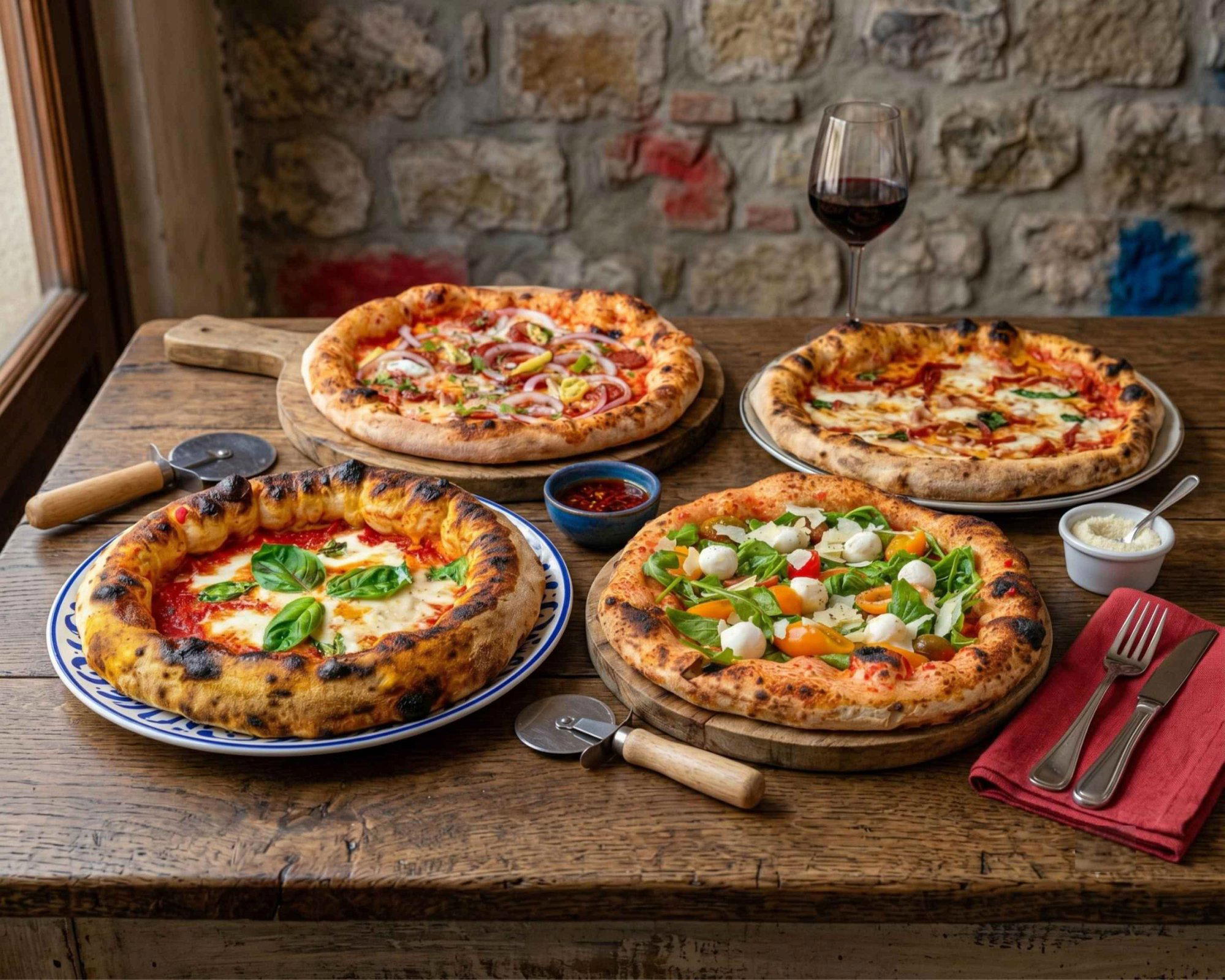
| Allería | $$ | Providencia, Neapolitan Pizza & Northern Italian Pasta |
Continue exploring
More in Providencia
Restaurants in Providencia
Browse all →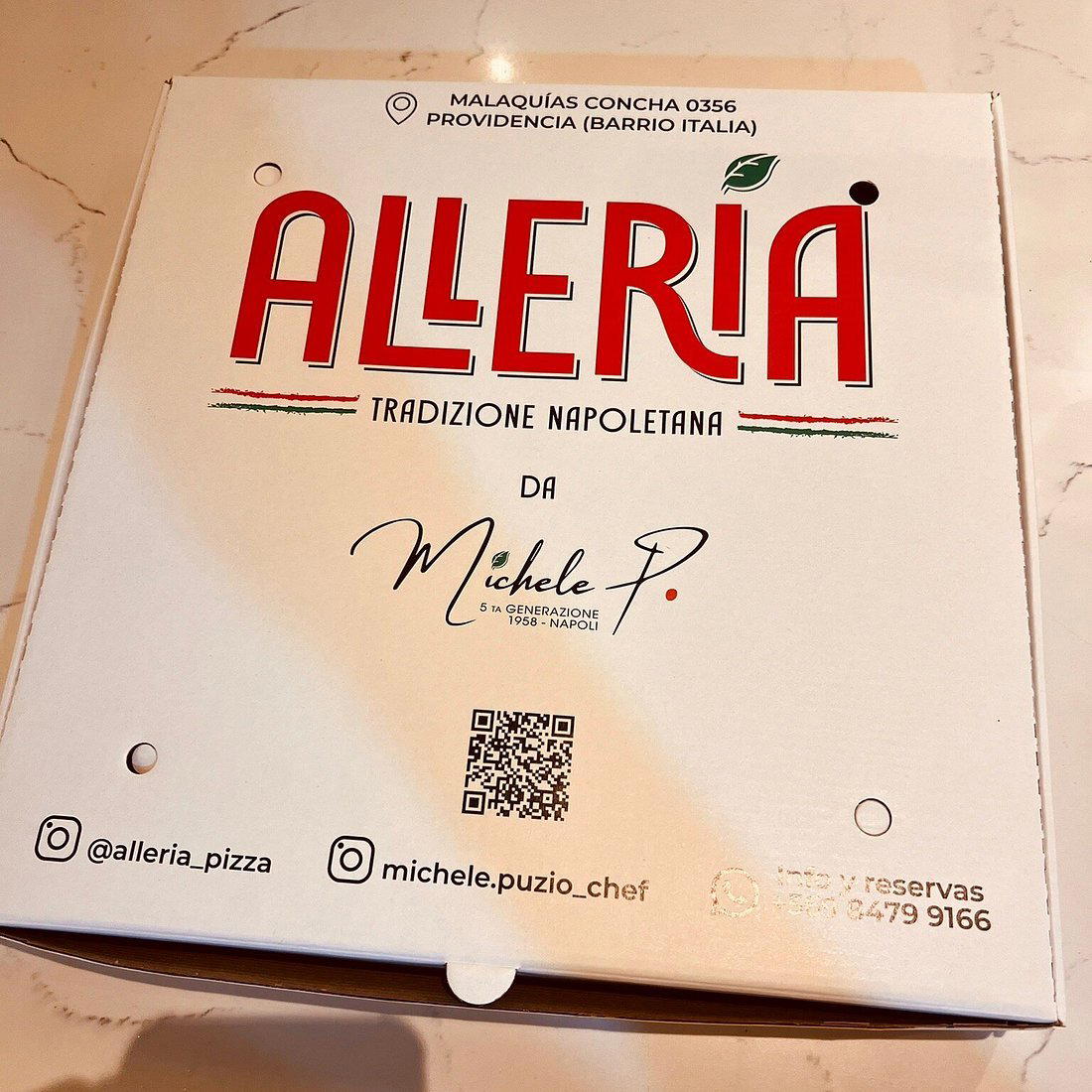
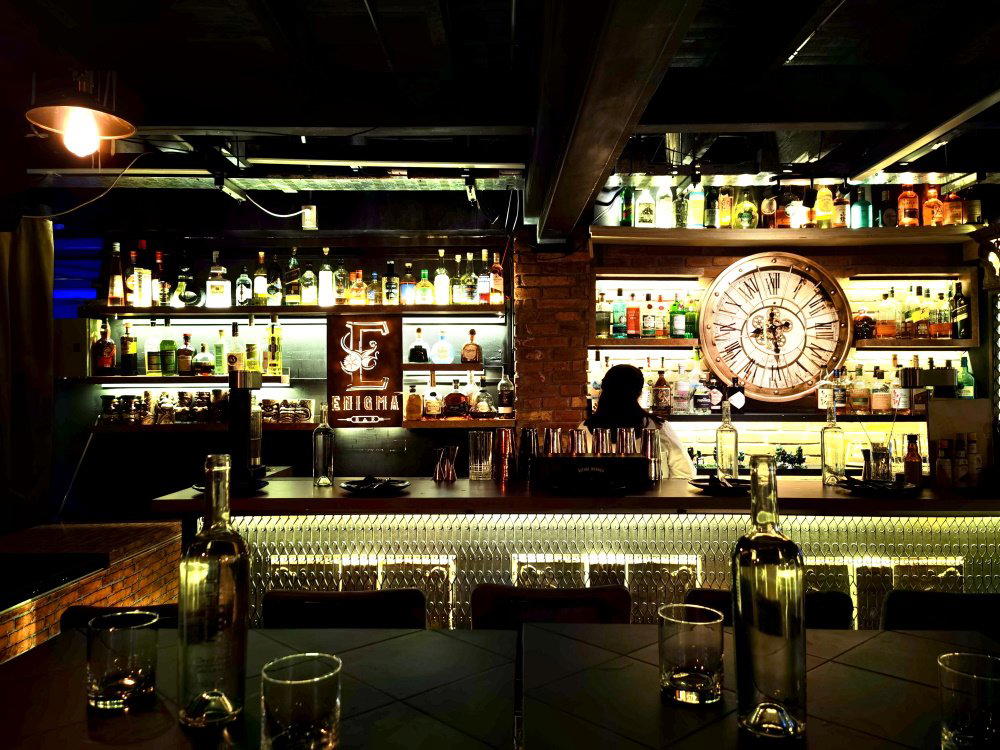
Bars in Providencia
Browse all →
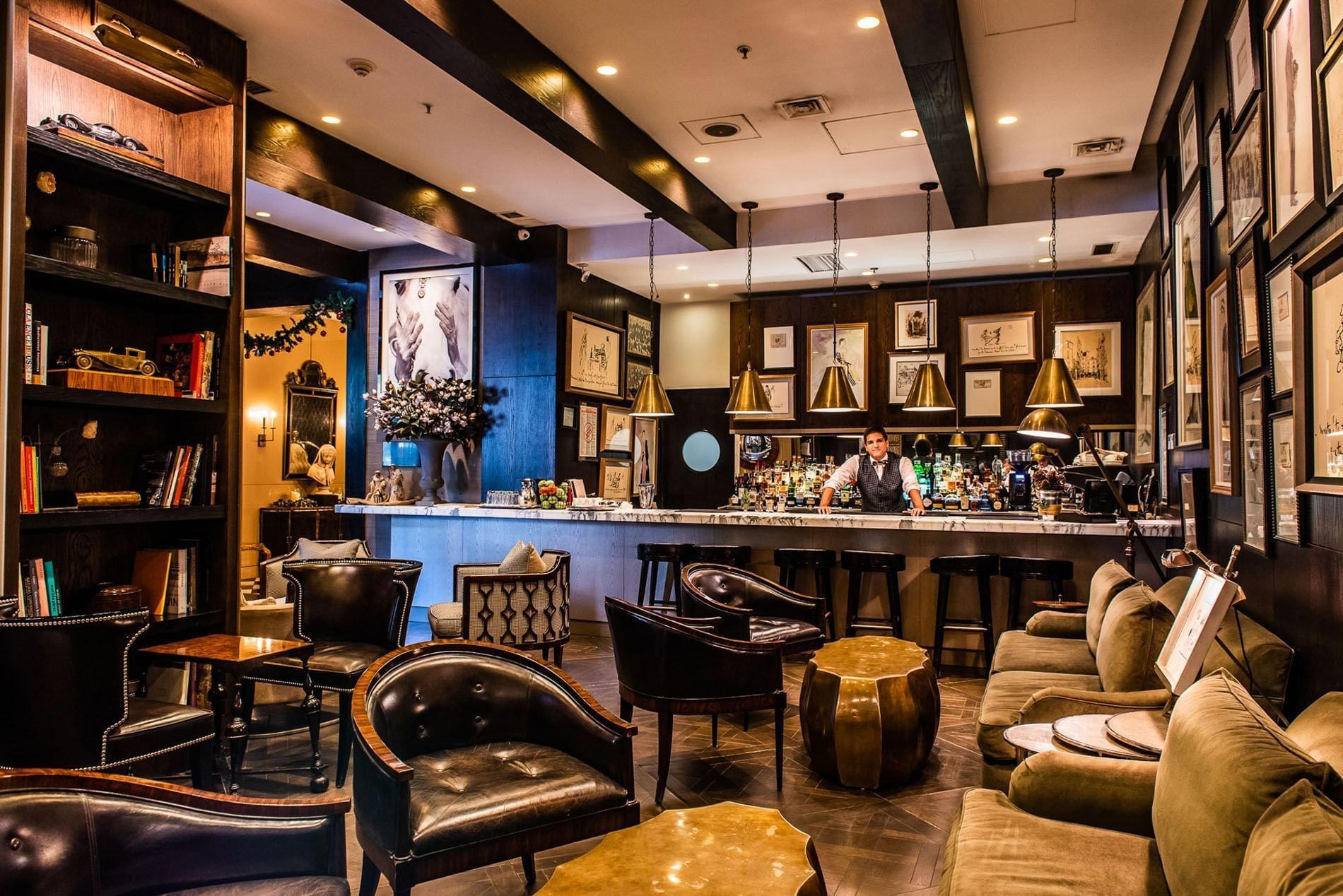
Hotels in Providencia
Browse all →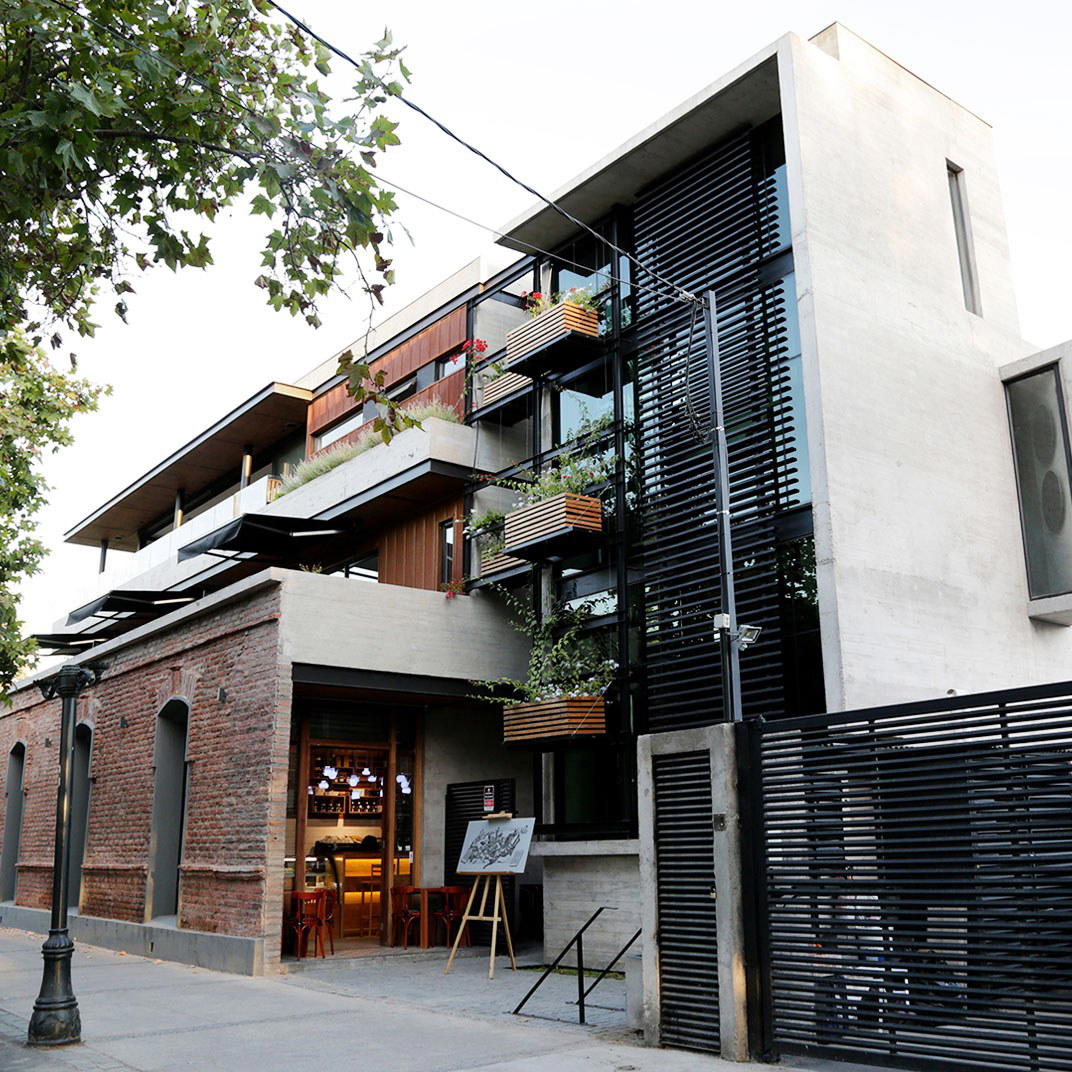


At a Glance
- Elegant
- Classic
- Cozy
- Group Dining
- Casual Hangout
- Standalone
- Beer Program
Current opening hours
- Monday
- 12:30–10:30 PM
- Tuesday
- 12:30–10:30 PM
- Wednesday
- 12:30–10:30 PM
- Thursday
- 12:30–10:30 PM
- Friday
- 12:30–10:30 PM
- Saturday
- 12:30–10:30 PM
- Sunday
- 12:30–10:30 PM
Hours can change for holidays and private events. Last verified .
Evokes grand Oriental palaces with warm, inviting atmosphere that transports diners to India.