Shou Wu

Michelin Plate
Our verdict
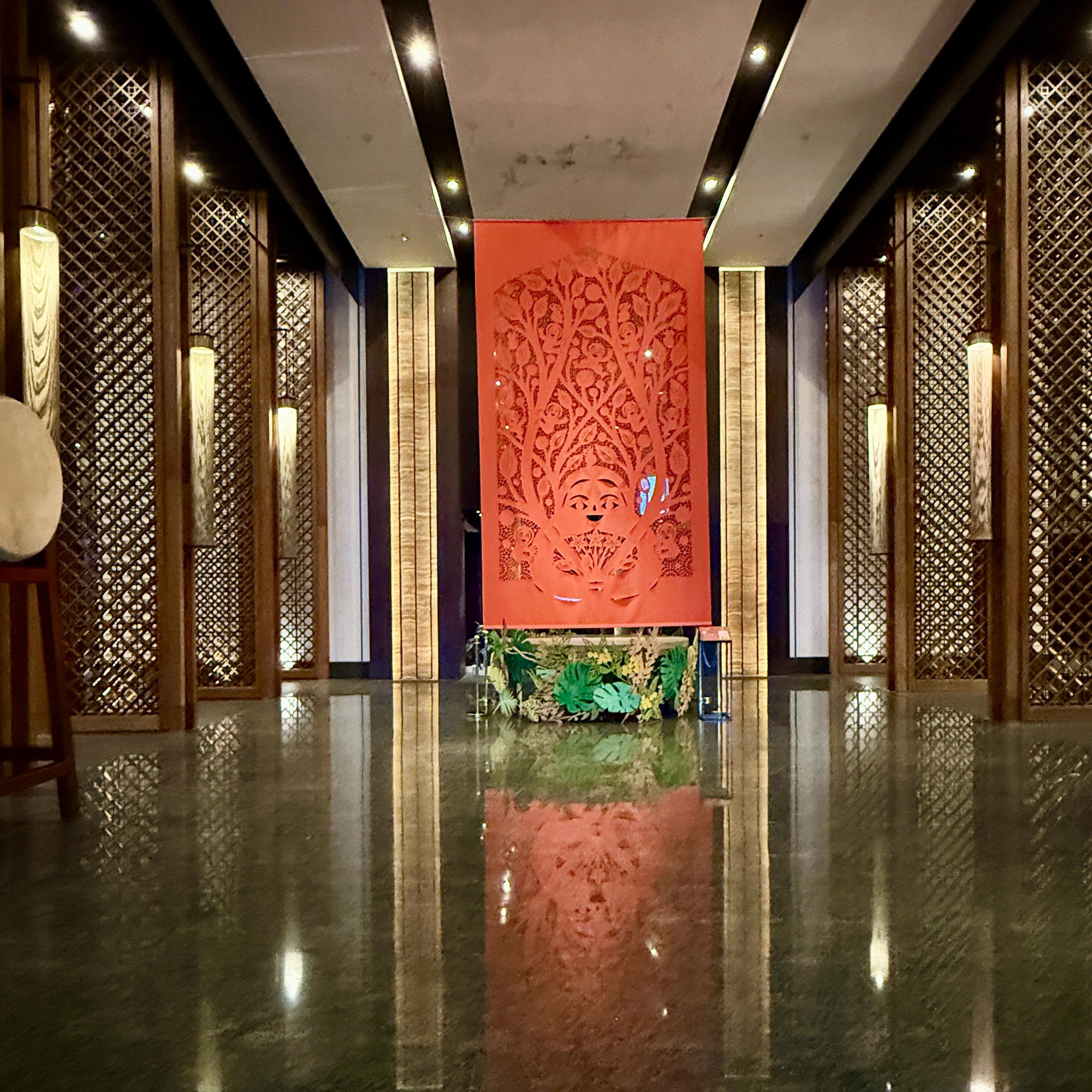
In Banqiao District, Shou Wu draws on Hakka culinary tradition through a chef with over three decades of experience. The kitchen's centrepiece is a slow-cooked silkie chicken soup, simmered for eight hours with organic birds from Yunlin and a blend of Chinese medicinal herbs. Rustic interiors and servers in Hakkanese floral prints give the room a character that few tonic-soup specialists in greater Taipei can match.

Pearl is the En Primeur Club membership app, where members save venues, book tables and use the concierge.
The menu
What to order
- Shou Wu Silkie chicken soup
Where Banqiao Comes to Slow Down
In Taiwan's broader dining conversation, the attention tends to cluster around Taipei proper, the omakase counters, the Michelin-flagged bistros, the destination-worthy addresses that draw visitors from across the region. Banqiao District, the administrative heart of New Taipei City, operates on a different register. Here, the restaurants that endure do so not through critical fanfare but through consistency, specificity, and the kind of repeat custom that comes when a kitchen does one thing with real discipline. Shou Wu, on Minzu Road, fits squarely into that pattern.
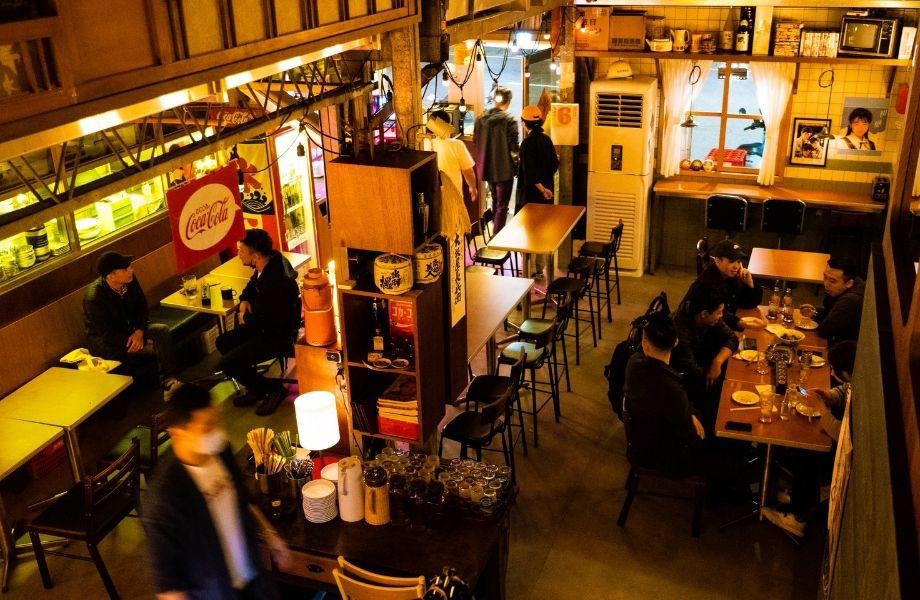
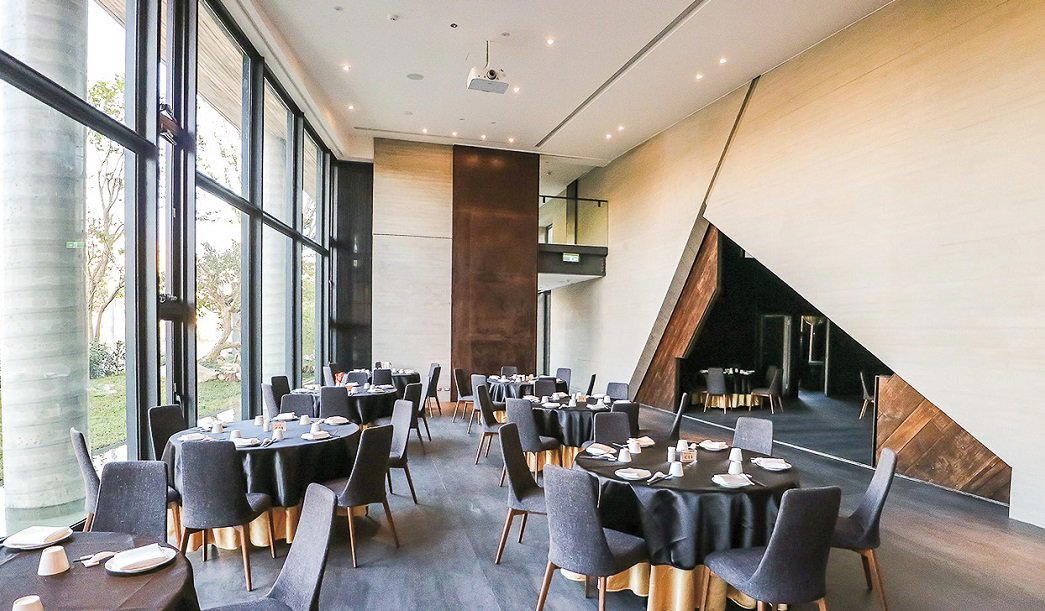
The room signals its intentions immediately. Brick walls, wooden beams, and the kind of material palette that reads as deliberately grounded rather than designed-for-Instagram. Servers dressed in Hakkanese floral prints move through the space with the ease of people who have done this many times, attentive without theatre, knowledgeable without performance. The atmosphere sits closer to a family-run mountain guesthouse than a city restaurant, which is precisely the point. Hakka cooking traditions in Taiwan have always carried that quality: rooted, practical, restorative. Shou Wu leans into it without apology.
The Logic of the Tonic Soup Kitchen
Taiwan's tonic soup culture draws from a deep well of Chinese herbal medicine practice, adapted over generations into a cuisine that treats the dining table as a form of maintenance rather than occasion. The category sits apart from the theatrical broth traditions of, say, Sichuan hot pot or Shanghainese soup dumplings, it is quieter, more methodical, and built around the idea that what you eat should do something for the body, not just please it momentarily.
Within that category, the slow-cooked silkie chicken soup at Shou Wu represents the kitchen's clearest statement of purpose. The process: five kilograms of organic silkie chicken, sourced from Yunlin County in central-western Taiwan, simmered alongside dozens of Chinese medicinal herbs for eight hours. The result arrives at the table with hand-made noodles, intended to absorb the soup rather than compete with it. The Yunlin sourcing matters here, the county has a reputation in Taiwan for quality poultry and agricultural produce, and the decision to specify origin rather than rely on generic supply is a signal of how seriously the kitchen takes its base ingredient.
Thirty-plus years of experience behind the stove does not guarantee quality, but it does tend to produce a certain kind of confidence, the kind that allows a chef to resist the temptation to over-complicate a dish that already works. The tonic soups at Shou Wu have earned their reputation through that restraint. The herbs are the complexity; the chicken is the foundation; the eight-hour clock is the method. Nothing in that formula invites shortcuts.
Positioning Within New Taipei's Dining Range
New Taipei's restaurant scene covers an unusually wide range of formats and price points, from the street-level snack culture of Tamsui and Yingge to more considered sit-down addresses in Banqiao and Zhonghe. Within the restorative and medicinal cooking segment specifically, Shou Wu operates as one of the more established addresses, the chef's tenure alone puts the restaurant in a different tier from newer entrants in the category. For a broader read on what the city offers across all formats, our full New Taipei restaurants guide maps the range in detail.
The comparison set for Shou Wu is less about cuisine type and more about the kind of cooking commitment it represents: specific sourcing, slow process, and a format built around a signature that the kitchen genuinely owns. Banqiao addresses like BAK KUT PAN and Chi Yuan occupy adjacent territory in the district's more deliberate dining tier, while dessert-focused spots such as A Gan Yi Taro Balls, A-ba's Taro Ball, and Amajia illustrate how varied the neighbourhood's offer has become.
Across Taiwan's wider fine-dining tier, addresses like JL Studio in Taichung, logy in Taipei, GEN in Kaohsiung, Zhu Xin Ju in Tainan, and Akame in Wutai Township define the country's contemporary prestige tier. Shou Wu is not competing in that arena and shows no interest in doing so. For regional resort context, Volando Urai Spring Spa and Resort in Wulai District offers a different take on the restorative, nature-adjacent dining mode that has become one of greater Taipei's quieter draws.
Planning Your Visit
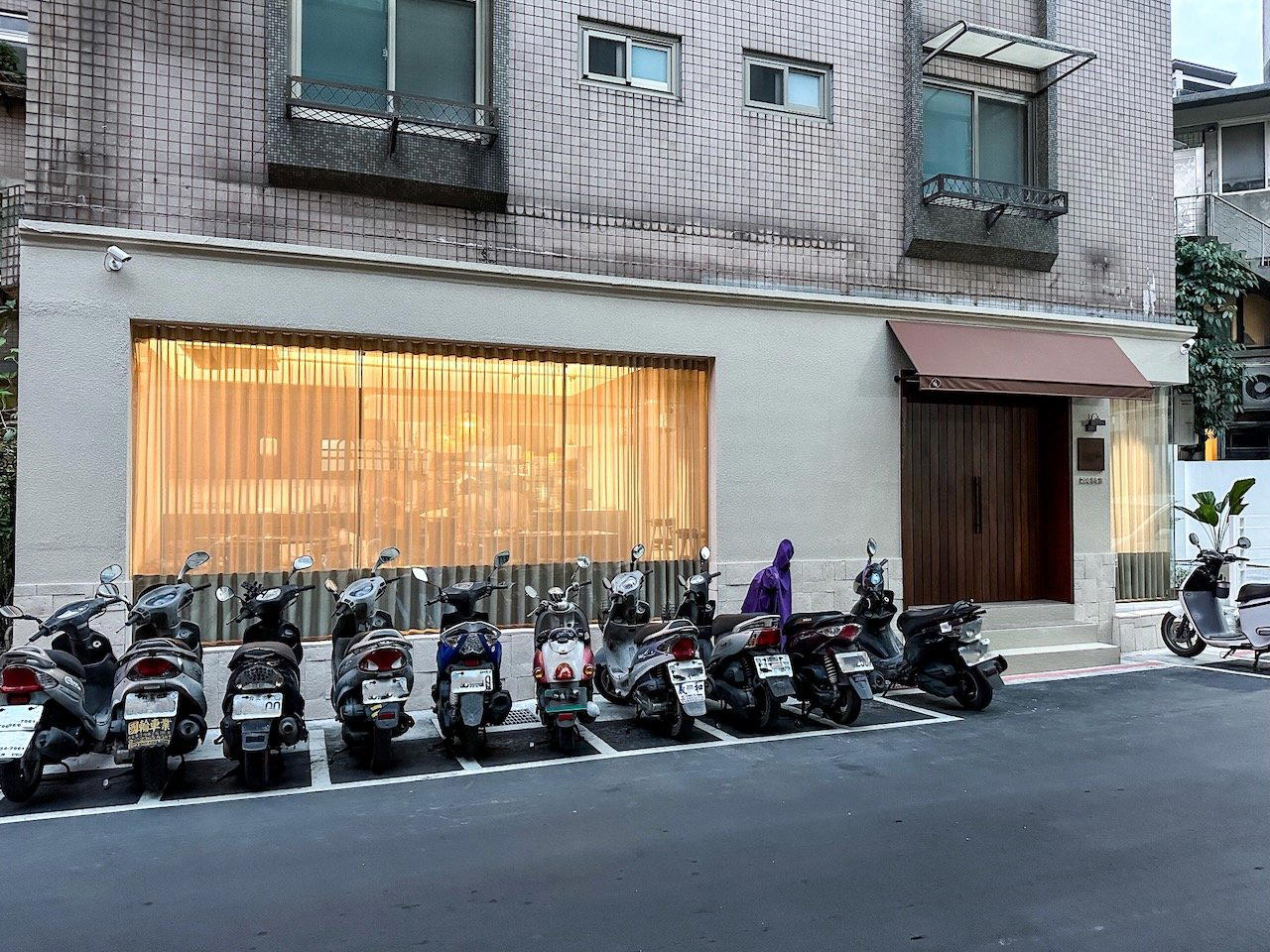
Banqiao District is accessible from central Taipei via the Taipei Metro's Bannan Line, with Fuzhong and Banqiao stations both serving the area. Minzu Road sits within the district's more residential grid, away from the main commercial drag, which means the walk from the nearest station is short but not a landmark-guided route, worth mapping in advance rather than relying on proximity alone.
Given the tonic soup format and the kitchen's evident following, arriving without any prior contact on a weekend carries some risk of a wait or a full house. The approach most consistent with how this category of Taiwanese restaurant tends to operate: call ahead if possible, or arrive early in the service period on a weekday. The kitchen's reputation for the silkie chicken soup specifically suggests this is a dish that sells at volume and may run out before service ends on busy days.
For those building a longer stay around the region, our full New Taipei hotels guide covers accommodation options across the city's districts. Guides to bars, wineries, and experiences across New Taipei are also available for broader trip planning. For international reference points in the slow, process-driven cooking tradition, kitchens where method and sourcing carry the same weight as presentation, Le Bernardin in New York City and Emeril's in New Orleans represent the Western equivalent of that long-game culinary commitment, even if the traditions are entirely distinct.
Frequently asked questions
What part of town is Shou Wu in?
Shou Wu is located at 27 Minzu Road, Banqiao District, New Taipei.
Does Shou Wu have a Michelin star or similar recognition?
Shou Wu has received recognition including: With brick walls and wooden beams, the space exudes a rustic cabin vibe. Friendly servers dressed in Hakkanese floral prints provide thoughtful, detail-oriented service. The chef has over 30 years of experience, and his tonic soups are espe….
What do people recommend at Shou Wu?
The Shou Wu Silkie chicken soup draws the most consistent attention. It is slow-cooked for eight hours using 5kg organic birds sourced from Yunlin and a blend of Chinese herbs, and is served with hand-made noodles. The chef's tonic soups more broadly are the reason most diners make the trip to Banqiao.
Do I need a reservation for Shou Wu?
Contacting the restaurant directly via 27 Minzu Road, Banqiao District is the practical starting point.
What's Shou Wu best at?
Tonic soup cookery is the clear focus here. The kitchen's approach draws on Chinese herbal medicine tradition, and the eight-hour Silkie chicken preparation is the benchmark dish. That depth of technique, sustained over more than three decades by the same chef, is what separates Shou Wu from the broader tonic soup category in northern Taiwan.
Cost and Credentials
Comparable venues nearby, for context on price, style, and recognition.
| Venue | Cuisine | Price | Awards | Notes |
|---|---|---|---|---|
| Shou WuThis venue (the venue you are viewing) | Hakka Cuisine | Not listed | Michelin Plate | Not listed |
| NATURAL TEA MANOR | Tea-infused Taiwanese | Not listed | Michelin Plate | Xizhi District, Tea-infused Taiwanese |
| Xun Kitchen | Taiwanese Rice Vermicelli Specialists | $20–30 | Michelin Plate | Linkou District, Taiwanese Rice Vermicelli Specialists |
| Le Yeh | Home-style Taiwanese | Not listed | Michelin Plate | Pinglin District, Home-style Taiwanese |
| San Fen Su Chi | Jiangzhe Cuisine | Not listed | Michelin Plate | Yonghe District, Jiangzhe Cuisine |
| Chi Yuan | Middle Eastern | Not listed | Michelin Plate | Gongliao District, Taiwanese Farm-to-Table |
Recognition history
Dated appearances from independent guides and award organizations, with the underlying list record or original source where available.
Michelin Plate
Michelin