
Akasaka’s wagashi culture rewards restraint, seasonality, and the quiet discipline of sweets made for take-away rather than spectacle. Shiono sits in that Tokyo tradition with Tabelog 100 recognition for Japanese traditional sweets and sweets cafes in 2023, a 3.75 Tabelog score, and a format that suits a precise stop rather than a drawn-out dining room meal.
Pearl is the En Primeur Club membership app — saves, bookings, and concierge access live there. Same editors, same standards.
- Address
- 東京都港区赤坂2-13-2
- Phone
- +81335821881
- Website
- shiono.net
 Saves & bookings on Pearl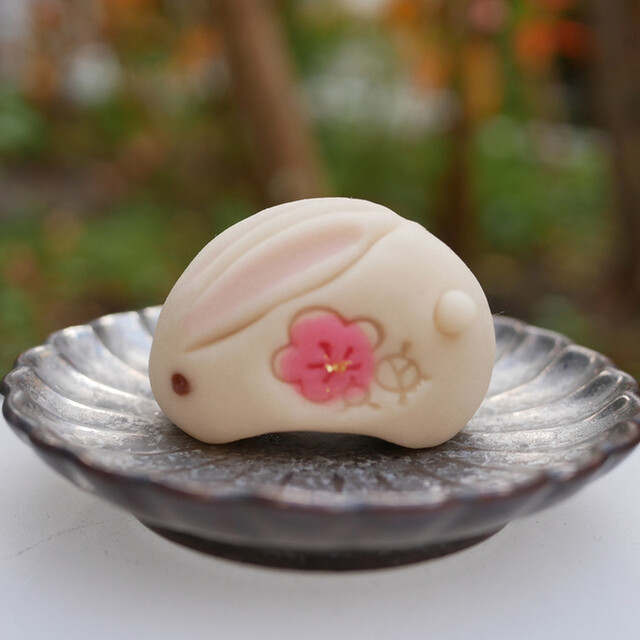
Akasaka shifts register fast: office towers, political addresses, hotel dining rooms, then street-level counters, confectioners, and lunch queues. Here, Japanese sweets are not dinner’s afterthought but a separate discipline with its own pacing, gift logic, and seasonal grammar. Shiono belongs to that quieter circuit, where the experience is less about lingering at a table than choosing carefully, carrying the box well, and letting the sweets work later.
Tokyo’s wagashi scene sits apart from its restaurant culture. Sushi and kaiseki often turn craft into theater; wagashi compresses similar seasonal intelligence into a smaller transaction. The critical question changes. Shiono is not competing with a long tasting menu or wine-paired dinner, but with specialist confectioners on precision, consistency, and how clearly each piece reflects its category. Its selection for the Tabelog 100 Japanese traditional sweets and Japanese sweets cafe list for Tokyo in 2023 gives it a public credential inside that specialist field, not borrowed glow from fine dining.
Akasaka sweets culture is built around sequence, even without a dining room
The rhythm here is closer to a tasting progression than it first appears. Wagashi has its own order of attention: shape, weight, filling, sweetness, and finish. Dorayaki, one listed category, works differently from sculptural seasonal sweets; it reads through griddle work, bean paste, and balance rather than decorative refinement. That range matters in Tokyo, where sweets shops often divide between daily purchase, formal gifting, tea ceremony adjacency, and cafe-style service. Shiono’s take-out format places it on the purchase-and-carry side of that map.
Akasaka sharpens the point. Nearby dining can mean French tasting menus at Takazawa, seafood at Akasaka Kitafuku, or expense-account meat and grill formats such as Akasaka Musashi and Yakiniku Horumon Kinju. Against that backdrop, a wagashi stop gives the neighborhood a lower-ceremony, higher-frequency form of craft. Libertable Akasaka ten sits in a similar spending band, but patisserie and wagashi answer different cravings: one leans toward the European pastry case; the other works through Japanese confectionery codes shaped by tea, gifting, and season.
For a full Tokyo day, this distinction helps. A sweets shop is not filler between lunch and dinner; it can define the middle of an itinerary, especially where restaurants often require sharper planning and longer commitments. Shiono’s Tabelog score of 3.75 and Tabelog 100 selection place it within a recognized Tokyo sweets tier, while take-out keeps the experience compact. That is the editorial reason to care: public recognition in a category where small-format specialists are easy to underestimate.
The value is in precision, not spectacle
Tokyo rewards restraint when the format is small. A counter-only sushi meal can charge for scarcity and performance; a confectioner communicates value through repetition and control. Wagashi criticism is therefore quieter than restaurant criticism. The signs are subtler: how a shop handles classic categories, how the purchase format supports gift use, and whether the sweets feel tied to Japanese confectionery tradition rather than generic dessert culture.
Shiono is listed for Japanese traditional sweets and dorayaki, which frames expectations. This is not a cafe built around a long seated arc, and should not be judged like one. The appeal is assembling a concise progression to take away: something approachable, something more formal, and something that makes sense with tea later. That buying style mirrors how many Tokyo residents use wagashi shops, as domestic hospitality or office gifting rather than a standalone restaurant outing.
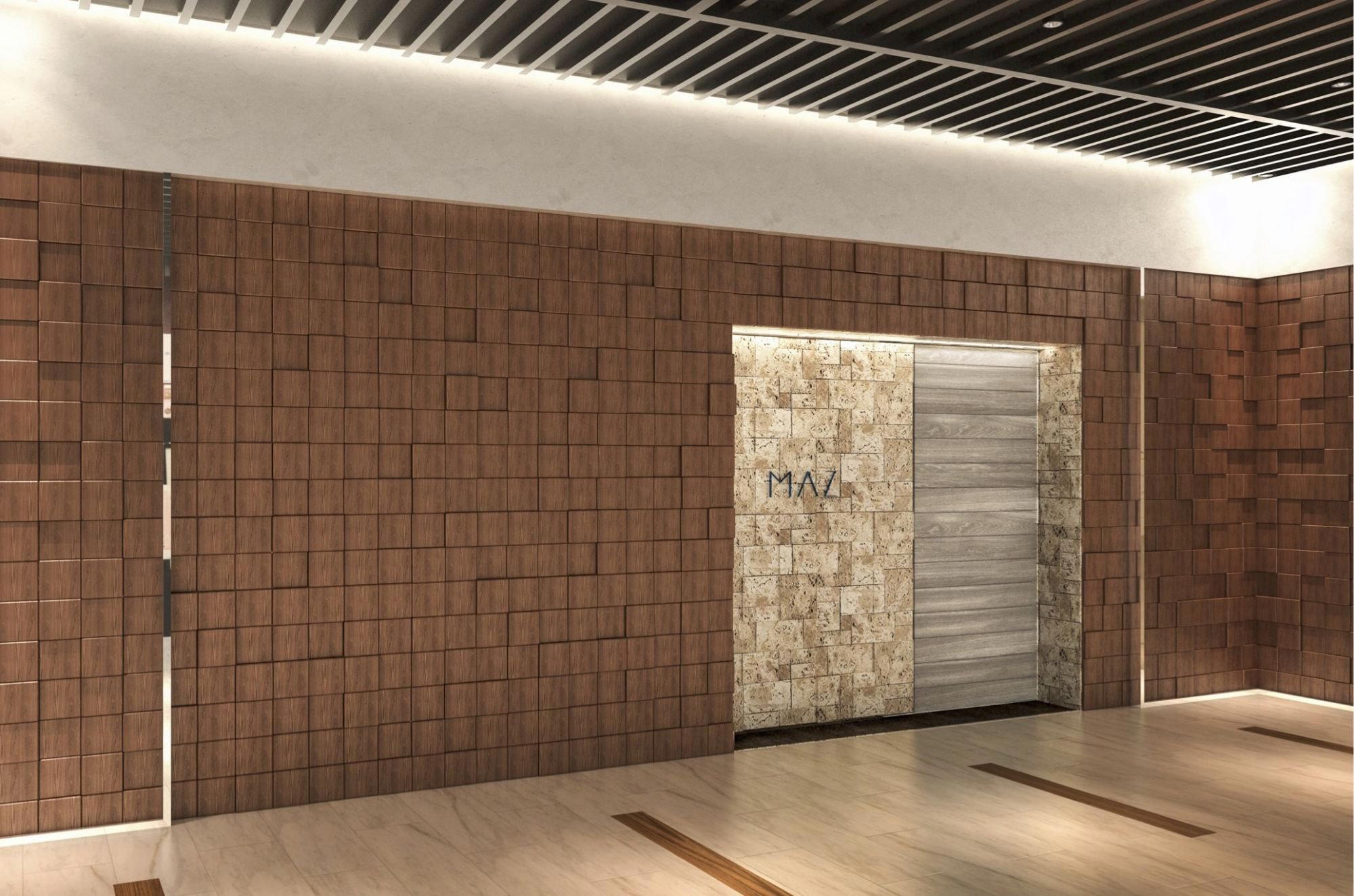
The no-photo policy inside the store also signals a different consumption culture. Much Tokyo dining now exists in images before memory; traditional sweets shops can be more guarded. That restraint will please some travelers and frustrate others. The trade-off is clear: the room is not staged for a feed, and attention stays on the purchase.
For context, compare Tokyo’s other highly specific formats. Yakitori specialists such as 124. KAGURAZAKA (Yakitori), curry counters such as 3 Chome no Curry Ya San, and seafood-driven rooms such as . 鮪と炭火焼き うお炭 秋葉原店 show how narrow focus can be a strength in this city. Sweets follow the same logic, with less noise and fewer courses.
How to fit it into a Tokyo food itinerary
Shiono works well as a planned Akasaka pause rather than a day-consuming destination. Pair it with the neighborhood’s formal dining, or use it as a bridge between central Tokyo appointments. Travelers building a broader restaurant map can cross-check Our full Tokyo restaurants guide, while those staying nearby should also consider Our full Tokyo hotels guide for the practical geography of Akasaka, Roppongi, and central business districts.
The larger Tokyo ecosystem matters because sweets rarely exist alone. A day might run from a visual cafe such as 2D Cafe to a sharper evening format like 12/10 Shinjuku ten, with wagashi in the quieter middle. Drinking plans can be layered from Our full Tokyo bars guide, while culture-led planning sits better in Our full Tokyo experiences guide. Wine travelers can scan Our full Tokyo wineries guide, though Tokyo’s sweets culture aligns more naturally with tea than cellar thinking.
For regional comparison, the Japanese casual and specialist spectrum stretches beyond the capital: -Grilled beef Sukiyaki- KAMAKURA TANUKIAN 鎌倉 たぬき庵 in Kamakura.cafe in Osaka.know in Kumamoto, (Shoku) Vietnam in Kawasaki, [Curry Senmon Ten] Maruyama Kyoju. in Sapporo, and [ki:] in Kyoto each show how tightly formatted venues can carry local dining identity. Outside Japan, Jōdo Saké Bar in Los Angeles and Onigiri Time in Pasadena underline a different point: Japanese food formats travel, but wagashi remains especially dependent on context, season, and handling.
The verdict: Shiono is for travelers who understand Tokyo through small, specialized stops as much as through major dining-room reservations. It is a compact expression of Akasaka’s range: formal food culture nearby, a recognized street-level sweets specialist, and a category that rewards attention without asking for ceremony.
A Quick Peer Check
Comparable venues by category and price.
| Venue | Cuisine | Price | Notes |
|---|---|---|---|
| ShionoThis venue — the venue you are viewing | Traditional Japanese wagashi (sweets) | $$ | Not listed |
| Akasaka Musashi | Japanese Shabu-shabu & Sukiyaki | $$ | Minato |
| Shimbashi Ippashi | Seafood-focused Japanese Izakaya | $$ | Minato |
| Kagurazaka Okawaya | Traditional Soba & Tempura | $$ | Shinjuku |
| 3 Chome no Curry Ya San | Japanese Curry House | $$ | Chūō |
| Chosei An | Tsukiji soba-ya izakaya with seafood donburi | $$ | Chūō |
Recognition history
Dated appearances from independent guides and award organizations, with the underlying list record or original source where available.
Tabelog 100 #68 · No. 68
Tabelog · Tabelog 100 - Japanese traditional sweets / Japanese sweets cafe - TOKYO - 2023






At a Glance
- Classic
- Quiet
- Solo
- Casual Hangout
- After Work
- Historic Building
- Standalone
- Design Destination
Traditional wagashi shop with a small, takeaway-focused space and a calm, old-fashioned atmosphere centered on beautifully presented seasonal confections rather than dine‑in service.