
A compact Hodogaya ramen counter with Tabelog Ramen KANAGAWA 100 recognition in 2025 and a long run of Tabelog ramen selections since 2019. Sakurai Chuka Soba Ten belongs to Yokohama’s serious everyday ramen tier: small-format, counter-led, inexpensive by city dining standards, and built for diners who care about craft without the ceremony of a tasting-menu room.
Pearl is the En Primeur Club membership app — saves, bookings, and concierge access live there. Same editors, same standards.
- Address
- 神奈川県横浜市保土ケ谷区岩井町53 稲村ビル 1F
- Phone
- +81453152058
- Website
- tabelog.com
 Saves & bookings on Pearl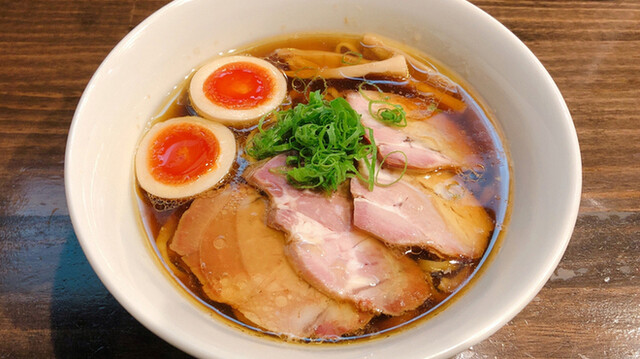
Approaching a serious ramen shop in greater Yokohama rarely feels ceremonial. The better clue is usually scale: a narrow frontage, a short line forming with purpose, and a room designed around turnover rather than lingering. In Hodogaya, the physical grammar is especially clear. A small counter, a couple of tables, a no-smoking room, and a menu built around ramen and tsukemen place Sakurai Chuka Soba Ten in the category where the bowl is the architecture and the seat is part of the pacing.
That matters in Yokohama because the city’s dining identity is broader than its port-city shorthand. Chinese cooking, curry-rice institutions, yakitori counters, gyoza specialists, ramen shops, and polished destination rooms all sit within the same metropolitan appetite. For a wider map of the city’s restaurant range, start with Our full Yokohama restaurants guide; for trip planning around the meal, the companion rails are Our full Yokohama hotels guide, Our full Yokohama bars guide, Our full Yokohama wineries guide, and Our full Yokohama experiences guide.
A twelve-seat ramen room, built for concentration rather than theatre
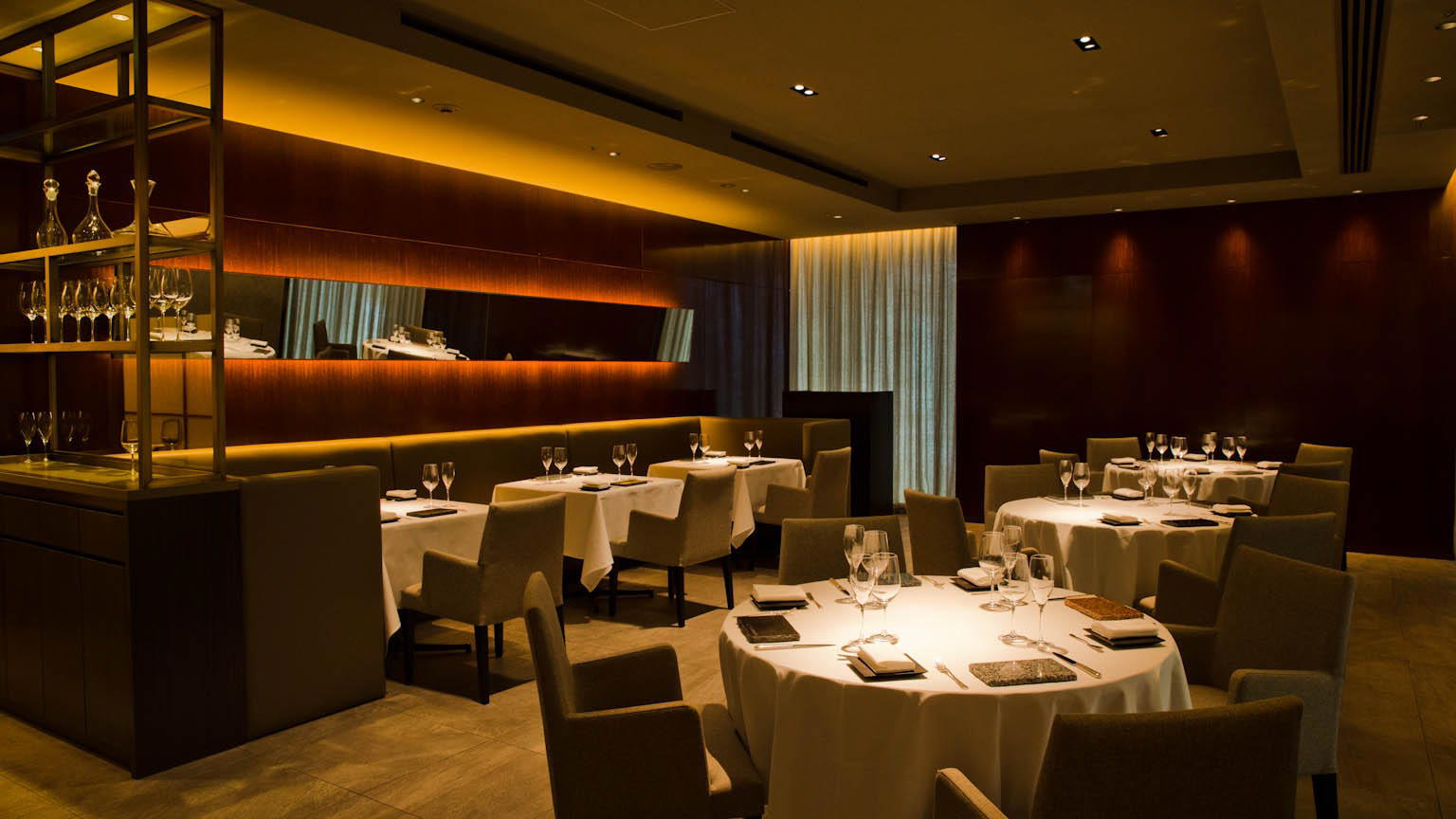
Japan’s better ramen rooms often use space as a form of discipline. Counter seating narrows the diner’s field of vision; tables soften the format without turning it into a social dining room. Here, the room runs to 12 seats, split between eight counter seats and two tables for two. That is not a decorative fact. It defines the rhythm: small parties, short waits once seated, limited tolerance for indecision, and a format that rewards diners who know whether they are there for ramen or tsukemen before the queue reaches the door.
The counter-led model also separates this tier from Yokohama’s broader sit-down dining economy. A restaurant such as Oishi, priced in the JPY 10,000 to JPY 14,999 bracket, occupies a different decision category entirely, while PIZZERIA Speriamo! sits in a mid-priced evening lane. Ramen specialists such as Yokohama Tonton, Mendokoro Tatsunoki, and Ramen Taiko compete closer on budget and appetite, but each asks a different question of the diner: gyoza and comfort, low-cost noodles, or the focused chuka soba and tsukemen register. The useful comparison is not prestige against prestige; it is how much structure, recognition, and spatial focus a modestly priced meal can carry.
Tabelog’s 2025 Ramen KANAGAWA 100 selection gives that small room a public signal beyond neighbourhood popularity. The longer pattern is stronger: selections across the ramen lists from 2019 through 2025, plus Tabelog Award Bronze recognition in 2021 and 2022. Awards do not make a bowl taste better, but in Japan’s ramen culture they do help separate the shops with durable local pull from those riding a temporary queue.
Chuka soba and tsukemen in Yokohama's everyday dining hierarchy
Chuka soba occupies a different emotional register from the maximal ramen styles that often travel better on social media. The name points back to ramen’s Chinese-influenced roots, and in contemporary Japan it often signals a cleaner, more measured approach than heavyweight bowls built around impact alone. Tsukemen, by contrast, changes the meal’s tempo: noodles and dipping broth create a slower sequence, with the diner controlling saturation bite by bite. Without leaning on unverified dish descriptions, the category alone explains why this address attracts serious ramen attention. It is not selling luxury; it is selling precision in a compressed format.
That compression is part of the appeal. Yokohama can support grander meals, but the city’s most persuasive food days often move between low and high registers. A visitor might put a small ramen counter beside 1000 (Yakitori (Grilled chicken skewers)), Aichun, Ajowan, or Alpenjiro Honten and learn more about the city than from a single formal dinner. The pleasure is in the contrast: smoke, spice, stock, wheat, and the practical intelligence of rooms that know exactly how long a meal should last.
That same logic extends beyond Yokohama. Regional Japanese dining is often read too narrowly by visitors who chase only starred counters or hotel restaurants. The stronger itinerary balances genre and city: Anzen Shokudo for another ramen reference point, -Grilled beef Sukiyaki- KAMAKURA TANUKIAN 鎌倉 たぬき庵 in Kamakura for a nearby beef-led meal, (Shoku) Vietnam in Kawasaki for the commuter-belt spread of non-Japanese cooking, and farther afield. 鮪と炭火焼き うお炭 秋葉原店 in Tokyo.cafe in Osaka.know in Kumamoto, and [Curry Senmon Ten] Maruyama Kyoju. in Sapporo. Even the overseas Japanese-food conversation, from Jōdo Saké Bar in Los Angeles to Onigiri Time in Pasadena, makes more sense when measured against the compact, genre-specific rooms that define everyday eating in Japan.
How to read the practical signals before going
The planning logic is simple: this is a no-reservation ramen shop with a small seat count, regular public hours, and a midweek closure. The station-side location in Hodogaya makes it easier to fold into a Yokohama day than many suburban destination counters, but the limited room means timing matters. Cash is the safer assumption because cards, electronic money, and QR payments are not accepted. Parking is not attached to the restaurant, though coin parking is listed nearby.
For EP Club readers, the editorial case is not that this is a luxury stop. It is the opposite: Sakurai Chuka Soba Ten shows how much seriousness can sit inside an inexpensive, tightly planned ramen room. The city’s dining hierarchy is too often read from the high end down. Hodogaya’s counter makes the better argument from the other direction: awards, repeat selections, and a room built for focus can turn a quick bowl into one of the more telling meals in Yokohama.
Peers You’d Cross-Shop
Comparable venues by cuisine and category.
| Venue | Cuisine | Price | Notes |
|---|---|---|---|
| Sakurai Chuka Soba TenThis venue — the venue you are viewing | Classic Japanese ramen & tsukemen | $ | Not listed |
| Kikuya Curry | Japanese & Sri Lankan-style Curry House | $ | Naka |
| Ramen Matsushin | Classic Japanese Ramen Shop | $ | Tsurumi |
| Iekei Sohonzan Yoshimura Ya | Iekei ramen (Yokohama-style pork and soy sauce ramen) | $ | Nishi |
| Ramen Moriya. | Ramen shop in Yokohama | $ | Sakae |
| Tonkatsu Aoki Yokohama bashamichi ten | Japanese Tonkatsu | $ | Naka |
Recognition history
Dated appearances from independent guides and award organizations, with the underlying list record or original source where available.
Tabelog 100 #25 · No. 25
Tabelog · Tabelog 100 - Ramen - KANAGAWA - 2025










At a Glance
- Cozy
- Lively
- Classic
- Intimate
- Solo
- Family
- Casual Hangout
- After Work
- Late Night
- Chefs Counter
- Standalone
A small, cozy ramen shop with counter-focused seating and a simple, relaxed interior that feels classic and unfussy, often bustling with ramen fans but still comfortable for solo diners and families.