
A long-running Cantonese address on Kobe’s Tor Road corridor, Canton Ryori Chinese Shuka Toa rodo ten belongs to the city’s old-guard Chinese dining tradition rather than the newer tasting-menu circuit. Its Tabelog 100 Chinese WEST 2026 selection, 1981 opening date, 80-seat scale, and known dishes such as chilled shark fin and black pepper lobster place it in a category built for regulars, family tables, and repeat orders.
Pearl is the En Primeur Club membership app — saves, bookings, and concierge access live there. Same editors, same standards.
- Address
- 兵庫県神戸市中央区北長狭通3-12-1
- Phone
- +81783915537
- Website
- chugokushuka.com
 Saves & bookings on Pearl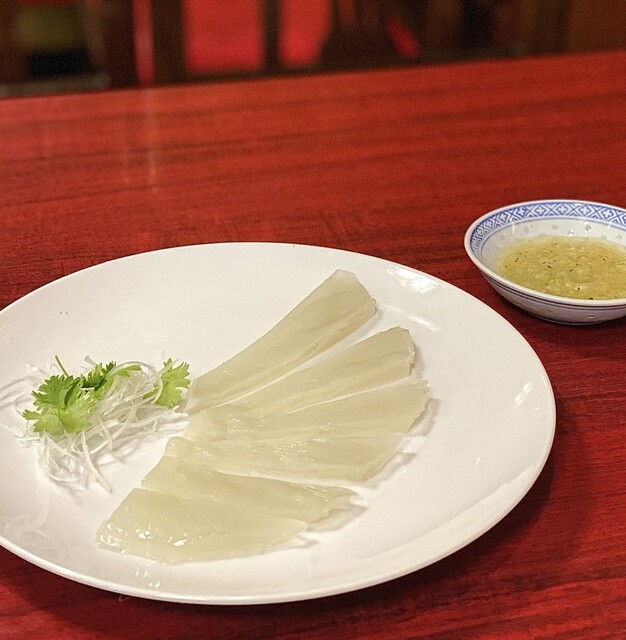
Tor Road has a particular Kobe rhythm: rail lines close by, Motomachi and Sannomiya feeding foot traffic from different directions, and older dining rooms tucked into side streets rather than staged for spectacle. In that setting, Cantonese cooking reads less as novelty than as civic habit. Kobe’s Chinese dining culture has long been shaped by trade, port history, and families returning to the same rooms for set pieces that mark birthdays, reunions, and business meals. Canton Ryori Chinese Shuka Toa rodo ten fits that pattern: established in 1981, selected for Tabelog 100 Chinese WEST in 2021, 2023, and 2026, and operating at a scale that suggests regular custom rather than destination-only dining.
Old Kobe Cantonese dining, built around repeat orders
Chinese food in Kobe is not a single lane. There is the casual lunch economy, the Chinatown snack circuit, hotel Cantonese, neighbourhood counters, and long-running rooms where the menu functions almost like a family archive. This restaurant sits in the last category. The known calling cards, chilled shark fin and black pepper stir-fried lobster, point to an older banquet vocabulary: texture, sauce discipline, seafood supply, and dishes that groups return to because they know how the meal should be paced.
That regulars’ perspective matters. A first-time diner may read the room through awards, price, and location; repeat diners read it through availability, substitutions, service rhythm, and whether the kitchen can deliver familiar dishes across seasons. The published note on possible substitutions, tied to weather, poor catches, shortages, and traffic, is unusually direct. It signals a kitchen dependent on supply rather than a fixed performance script. In a city where seafood access and logistics shape serious dining, that caveat is not a weakness. It is how a long-running Chinese restaurant protects the meal when ingredients do not arrive as planned.
The price bracket also tells a story. Dinner at JPY 10,000 to JPY 14,999 places it above the casual Chinese range represented by Kobe peers such as Juntoku, listed at JPY 3,000 to JPY 3,999 for dinner, and far above everyday rooms such as Mamounia or S.B.DINER-KOBE. It overlaps more with established evening dining than with quick city-center eating, while lunch at JPY 4,000 to JPY 4,999 leaves a lower-risk route into the kitchen’s style. Compared with terzo at JPY 6,000 to JPY 7,999 for dinner or Banshu Jizake Hino in the same evening band, this is a higher spend, and the reason to choose it is not trend-chasing. It is a specific appetite for Cantonese seafood, shared plates, and the comfort of a room that has held its audience for decades.
Award recognition without the small-counter theatrics
The 2026 Tabelog 100 Chinese WEST selection gives the restaurant a useful external marker, but the format separates it from many prize-driven dining rooms in Japan. This is not an eight-seat counter built around chef narration. It lists 80 seats, no private rooms, and private use for parties over 50 people. That scale changes the experience. The pleasure is not exclusivity; it is the logistics of a proper Chinese meal, with enough breadth for families, friends, and larger tables to order across categories.
That distinction is easy to miss when awards flatten restaurants into rankings. Kobe’s dining scene rewards different kinds of excellence: beef specialists such as Aburi Niku Kobo Wakkoku Shinkobe ten and Aburi Niku Kobo Wakkoqu Kitano Sakamoto Ten speak to the city’s wagyu gravity; coffee rooms such as Akaneya Coffee Ten belong to another local ritual; smaller restaurants such as Akari or specialist kitchens such as Ali's Halal Kitchen map different communities. Cantonese dining here has its own criteria: consistency, group suitability, seafood handling, and the ability to remain relevant without remaking itself for every new dining fashion.
The drinks list reinforces that hybrid Kobe character rather than a narrow Cantonese template. Sake, shochu, and wine are listed, which makes sense in Japan’s Chinese restaurants, where pairing habits often follow the table rather than a sommelier-led script. Payment flexibility, take-out service, children welcome, stroller access, and wheelchair accessibility all point to a restaurant used by locals as much as visitors. The absence of private rooms may matter for business entertaining, but the larger room works for multi-generational meals, especially where the point is shared ordering rather than hushed ceremony.
How to read the room before choosing it
The strongest reason to come is not novelty. It is the chance to see how Cantonese cooking has been absorbed into Kobe’s port-city dining culture and retained a loyal audience over more than four decades. The restaurant’s 1981 opening date is not decoration; it is a trust signal in a category where survival depends on repeat customers who know exactly what they want. The Tabelog 100 Chinese WEST selections in 2021, 2023, and 2026 add a broader regional endorsement, but the more revealing fact is that the restaurant has enough capacity for groups while remaining associated with specific dishes rather than a generic Chinese menu.
For travellers assembling a Kobe itinerary, this is a different proposition from chasing a tasting counter or a steakhouse reservation. It suits diners who want a traditional shared-table meal, who understand that seafood availability can affect the final order, and who value a kitchen with a long memory. For wider planning, see Our full Kobe restaurants guide, then build the rest of the trip through Our full Kobe hotels guide, Our full Kobe bars guide, Our full Kobe wineries guide, and Our full Kobe experiences guide.
Readers comparing broader Japan dining styles can contrast this old-guard Cantonese model with -Grilled beef Sukiyaki- KAMAKURA TANUKIAN 鎌倉 たぬき庵 in Kamakura. 鮪と炭火焼き うお炭 秋葉原店 in Tokyo.cafe in Osaka.know in Kumamoto, (Shoku) Vietnam in Kawasaki, and [Curry Senmon Ten] Maruyama Kyoju. in Sapporo. For Japanese food culture beyond Japan, Jōdo Saké Bar in Los Angeles and Onigiri Time in Pasadena show how format, audience, and expectation shift once the same reference points leave their home market.
A Credentials Check
Comparable venues to calibrate price, style, and recognition.
| Venue | Cuisine | Price | Notes |
|---|---|---|---|
| Canton Ryori Chinese Shuka Toa rodo tenThis venue — the venue you are viewing | Traditional Cantonese (Kobe) | $$$ | Not listed |
| Fushin | Traditional Chinese | $$$ | Chūō |
| terzo | Modern Italian pizza and wine bar | $$$ | Chūō |
| Fusible | Creative French | $$$ | Chūō |
| LAGUNA THE BAR | Classic Japanese cocktail bar | $$$ | Chūō |
| Rakkanki | Chinese Xiaolongbao | $$ | Chūō |
Recognition history
Dated appearances from independent guides and award organizations, with the underlying list record or original source where available.
Tabelog 100 #53 · No. 53
Tabelog · Tabelog 100 - Chinese cuisine - WEST - 2026
Continue exploring
More in Kobe
Restaurants in Kobe
Browse all →
Bars in Kobe
Browse all →
Hotels in Kobe
Browse all →


At a Glance
- Classic
- Cozy
- Family
- Group Dining
- Casual Hangout
- Business Dinner
- Special Occasion
- Standalone
- Beer Program
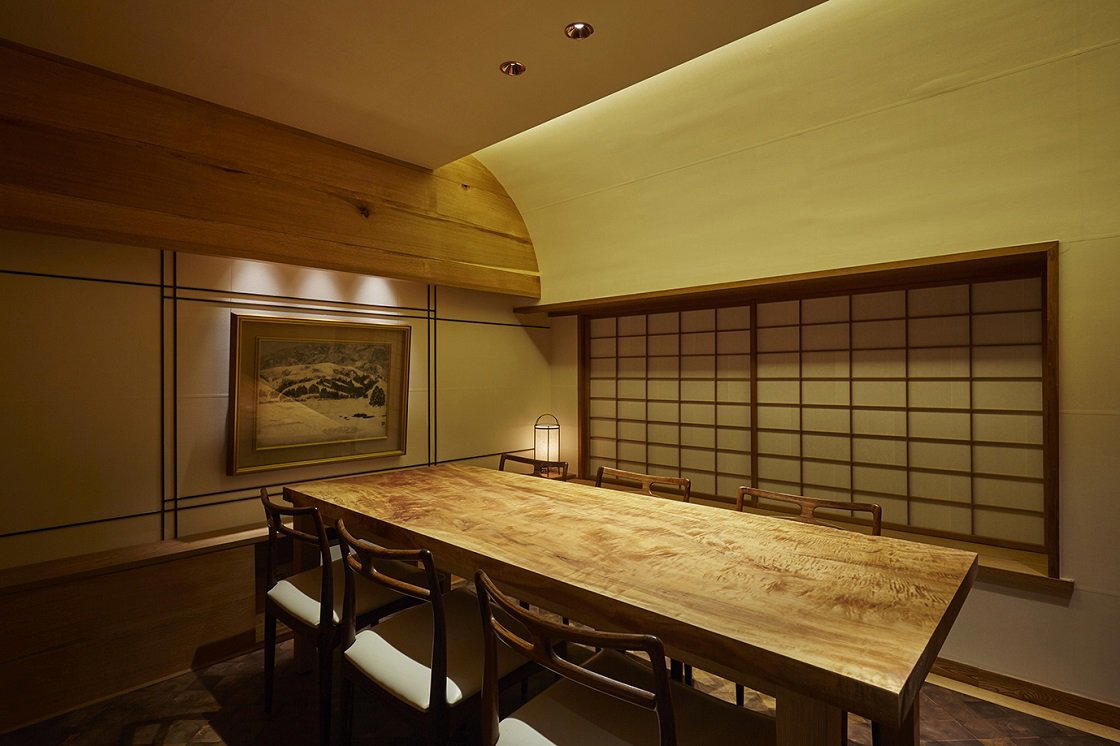
Traditional neighborhood Cantonese dining room with a modest, slightly retro interior, close‑set tables, and a relaxed, quietly bustling atmosphere suited to families and small groups rather than formal occasions.