
Shinjuku Menya Fuuka sits in Kyoto’s Shijo ramen circuit, a counter-only shop recognised in Tabelog’s Ramen WEST 100 for multiple years through 2025. Its appeal is less about luxury than discipline: ramen and tsukemen in a compact format, with cash-only payment, no reservations, and a room designed around eating with focus rather than lingering.
Pearl is the En Primeur Club membership app — saves, bookings, and concierge access live there. Same editors, same standards.
- Address
- 京都府京都市下京区三軒町551
- Phone
- +81753446623
- Website
- tabelog.com
 Saves & bookings on Pearl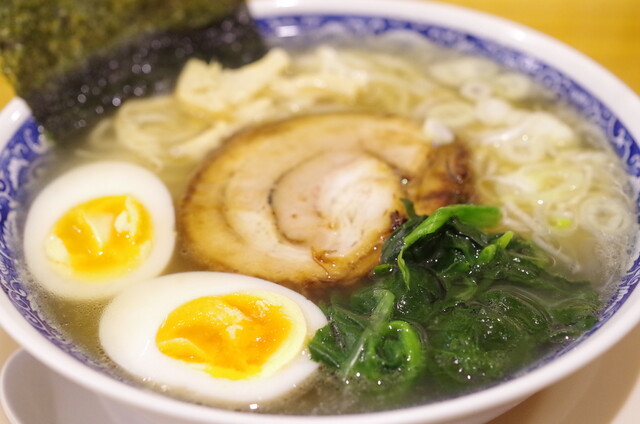
Kyoto’s ramen rooms often reveal themselves at street level rather than through grand entrances: a short queue, a counter visible through the front, the sound of bowls landing in sequence. Around Shijo, that format suits a city where lunch can be precise, brief, and serious without becoming ceremonial. Shinjuku Menya Fuuka belongs to this strain of Kyoto dining, where the room is compact, the exchange is direct, and the measure of quality is consistency over repeated bowls rather than spectacle.
That restraint matters in a city better known internationally for kaiseki, temple cuisine, and polished hotel dining. Ramen in Kyoto operates on a different clock. It is urban, quick, and comparative: regulars know which shops lean toward dipping noodles, which favour heavier broths, and which ask for silence and focus. Here, the format is counter-led and narrow in scope, which makes waste control part of the operating logic. A small ramen shop with a limited category range can prep tightly, turn seats efficiently, and avoid the broad inventory burden that defines more expansive casual restaurants.
A Shijo counter built around ramen, tsukemen, and discipline
The shop’s categories are ramen and tsukemen, a pairing that places it inside a familiar Japanese noodle grammar rather than a chef-driven tasting-menu frame. Tsukemen asks for a different rhythm from soup ramen: noodles and broth are separated, the diner controls the pace, and texture carries more responsibility. That contrast is part of why ramen specialists can be more revealing than their modest price band suggests. They reduce the meal to heat, timing, noodle structure, broth concentration, and seat turnover.
Recognition has followed that narrow focus. Shinjuku Menya Fuuka was selected for Tabelog’s Ramen WEST 100 in 2017 and again from 2019 through 2025, a long enough run to suggest repeat credibility rather than a single-year spike. Its Tabelog score is listed at 3.67, and the room is configured as 17 counter seats. In Kyoto, where high-spend dining often carries the international attention, those numbers point to another tier of seriousness: everyday pricing, specialist execution, and enough local scrutiny to punish inconsistency.
The sustainability angle here is not the language of farm manifestos or tasting-menu sourcing notes. It is operational economy. Counter seating limits service sprawl. A ramen-and-tsukemen focus narrows purchasing. The one-bowl-per-person rule keeps the room moving and discourages table camping in a format where every seat is productive real estate. That model is not romantic, but it is one of the reasons Japan’s noodle culture can deliver technical food without the waste profile of a sprawling menu.
Kyoto casual dining has its own hierarchy
Shijo-Karasuma and its surrounding blocks reward compact specialisation. The area can support office lunches, solo meals, and destination dining within a few streets, which explains why a noodle counter can sit in the same broader ecosystem as polished Japanese rooms and casual snack stops. A reader mapping the neighbourhood could pair the ramen lens here with the local precision of 3TOKU6MI Shijo karasuma ten, the Kyoto branch familiarity of 551蓬莱, or the more design-conscious dining register at [ki:] and Abbesses.
Kyoto’s appeal is the way these categories coexist without needing to imitate one another. A sweet shop such as Aburi Mochi Honke Nemoto Kazariya speaks to shrine-side food memory; a ramen counter speaks to the working city; a formal Japanese restaurant such as Kanzan belongs to another spend-and-occasion bracket. The comparison is useful because it keeps the ramen experience in proportion. This is not a substitute for kaiseki, and it does not need to be. It is Kyoto dining at a smaller scale, judged by speed, focus, and repeatability.
For broader planning, Our full Kyoto restaurants guide gives the strongest context for where ramen fits into the city’s dining map, while Our full Kyoto hotels guide, Our full Kyoto bars guide, Our full Kyoto wineries guide, and Our full Kyoto experiences guide help separate a quick noodle stop from a full evening plan. Kyoto rewards that separation: lunch can be efficient, dinner can be formal, and the city’s cultural schedule can sit around both.
The reader decision: focused, affordable, and not built for lingering
The trade-off is clear. This is a counter ramen address with no private rooms, no broad payment flexibility, and rules that favour concentration inside the room. Mobile phone use is not allowed in the store, children under elementary school age are not admitted, and each guest is expected to order ramen. Those details will deter diners looking for a relaxed group meal, but they clarify the experience for solo diners and small parties who want the shop’s energy without turning it into a social hangout.
That clarity is what makes the place useful in an EP Club Kyoto itinerary. The price band sits at JPY 1,000 to JPY 1,999 for both lunch and dinner, yet the award history places it in a more competitive conversation than casual pricing might imply. Reservations are unavailable, so the decision is less about advance access than timing and tolerance for waiting. In a city where premium dining often requires weeks of planning, a recognised ramen counter offers a different kind of value: a serious bowl, a defined format, and a short meal that leaves the rest of Kyoto intact.
For readers building a wider Japan dining route, the contrast is instructive. Regional casual dining takes many forms, from -Grilled beef Sukiyaki- KAMAKURA TANUKIAN 鎌倉 たぬき庵 in Kamakura to. 鮪と炭火焼き うお炭 秋葉原店 in Tokyo.cafe in Osaka.know in Kumamoto, (Shoku) Vietnam in Kawasaki, and [Curry Senmon Ten] Maruyama Kyoju. in Sapporo. Outside Japan, Jōdo Saké Bar in Los Angeles and Onigiri Time in Pasadena show how Japanese casual formats travel, but Kyoto’s ramen counters keep the lesson sharper: narrow scope, disciplined room, no excess performance.
Similar Picks
Comparable venues at the same tier for side-by-side context.
| Venue | Cuisine | Price | Notes |
|---|---|---|---|
| Shinjuku Menya FuukaThis venue — the venue you are viewing | Kyoto ramen and tsukemen | $ | Not listed |
| Rokuyosha Coffee Ten | Traditional Japanese kissaten & coffee shop | $ | Nakagyō |
| Hinode Udon | Kyoto-style Curry Udon & Udon Noodles | $ | Sakyō |
| Honkaku Teuchi-Udon Taiga | Handmade Sanuki-style Udon | $ | Fushimi |
| Gyoza Dokoro Takatsuji Sukemasa Honten | Kyoto-style Gyoza Specialty Shop | $ | Shimogyō |
| Miyoshiya | Japanese Traditional Sweets | $ | Higashiyama |
Recognition history
Dated appearances from independent guides and award organizations, with the underlying list record or original source where available.
Tabelog 100 #78 · No. 78
Tabelog · Tabelog 100 - Ramen - WEST - 2025
Continue exploring
More in Kyoto
Restaurants in Kyoto
Browse all →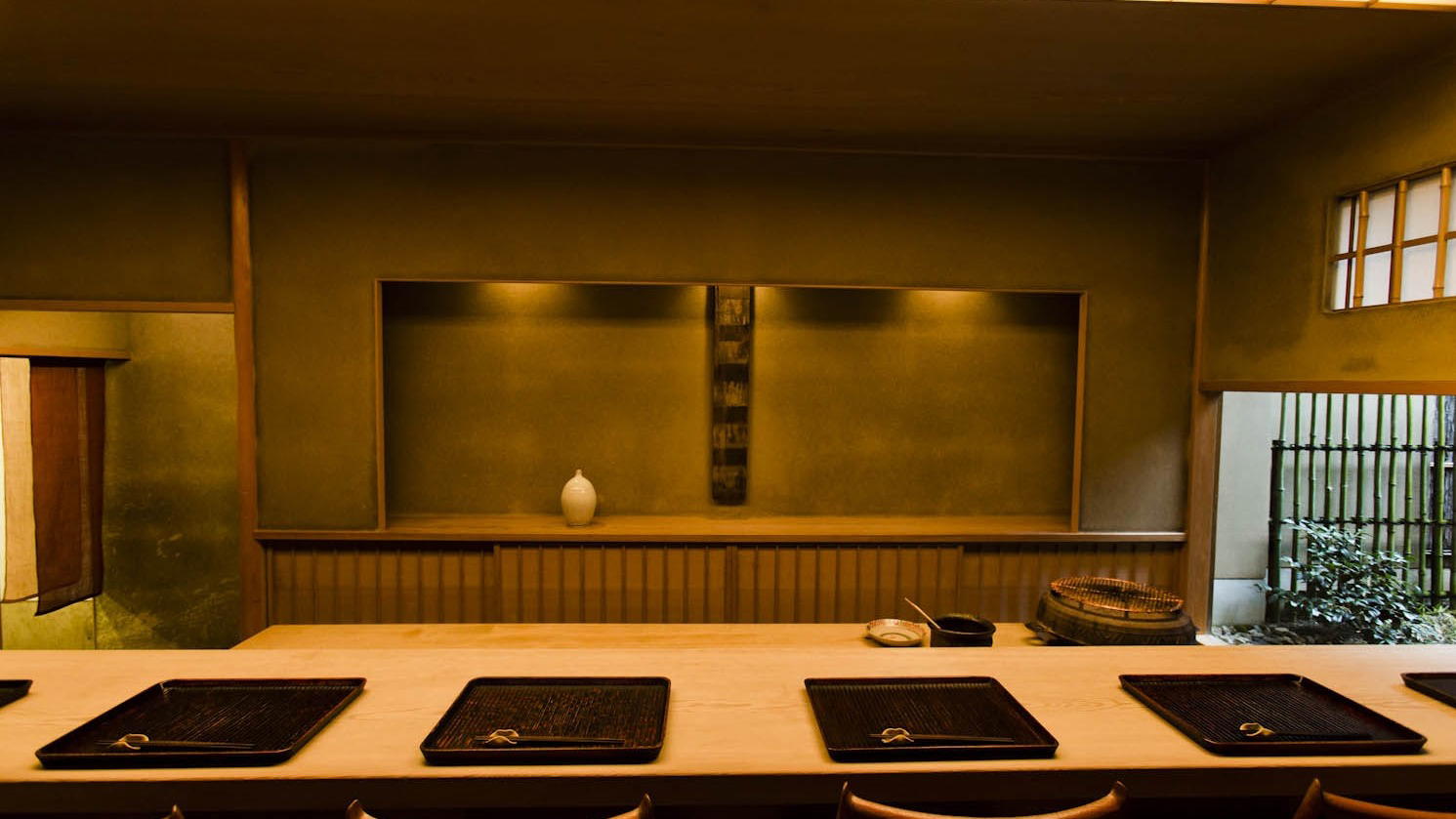
Bars in Kyoto
Browse all →
Hotels in Kyoto
Browse all →
Wineries in Kyoto
Browse all →
At a Glance
- Cozy
- Lively
- Intimate
- Solo
- Casual Hangout
- After Work
- Group Dining
- Standalone
A small, non-smoking ramen bar with only counter seats and a simple, relaxed atmosphere; service is minimalist and focused on efficiently serving solo diners and small parties rather than lingering meals.