Shaw's Crab House

Shaw's Crab House on East Hubbard Street sits at the serious end of Chicago's seafood tradition, where raw bar depth and a room built for proper eating have kept it relevant across decades. It occupies a different register from the city's tasting-menu circuit, offering a format where the fish is the argument and the service team carries the weight of the experience.
Pearl is the En Primeur Club membership app — saves, bookings, and concierge access live there. Same editors, same standards.
- Address
- 21 E Hubbard St, Chicago, IL 60611
- Phone
- +13125272722
- Website
- shawscrabhouse.com
- Directions
- Get directions
 Saves & bookings on Pearl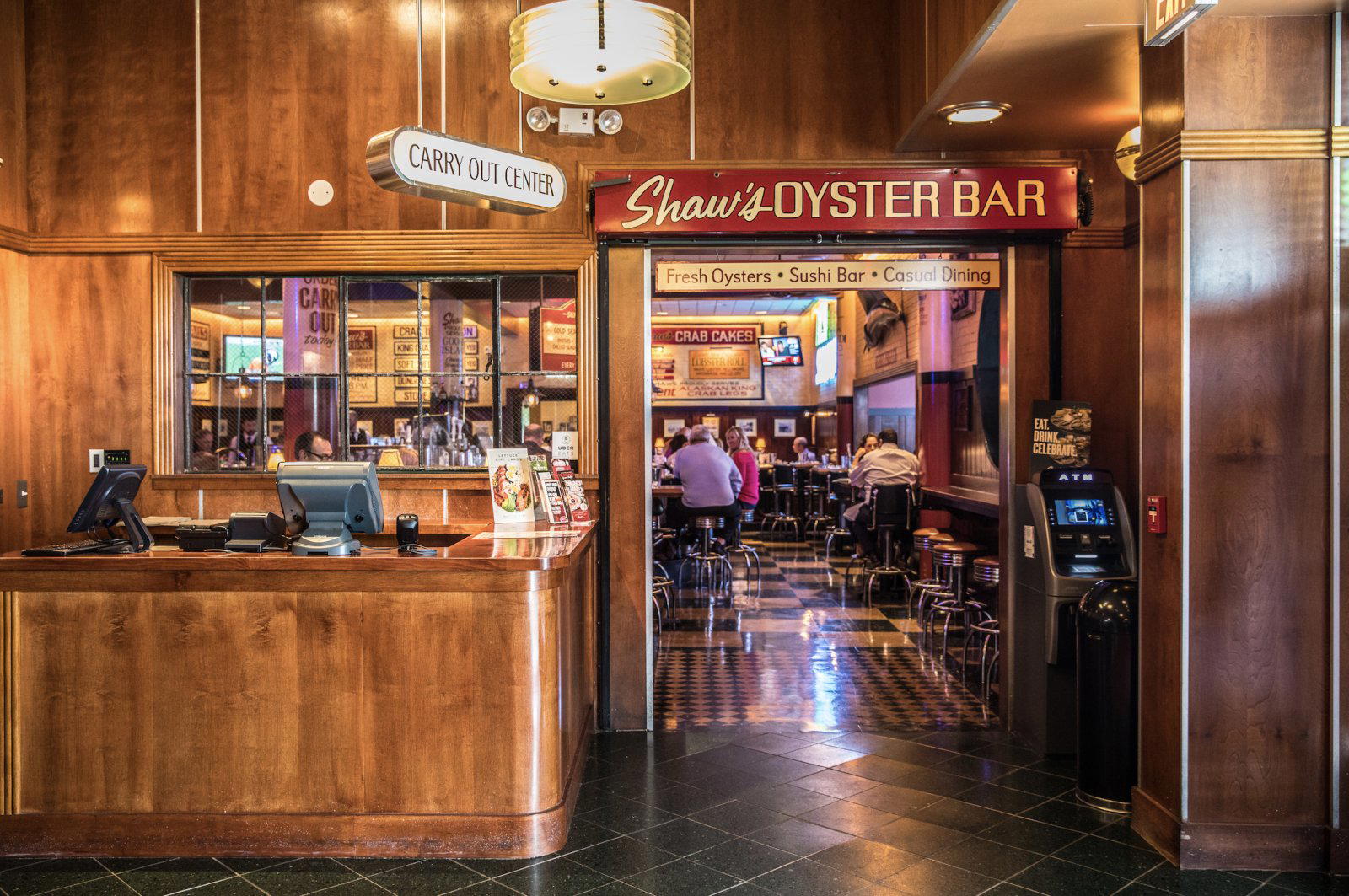
A Room That Means Business
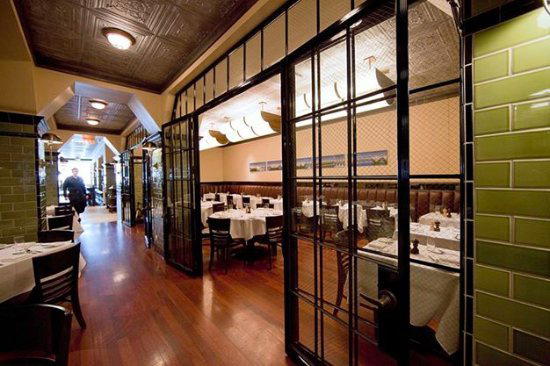
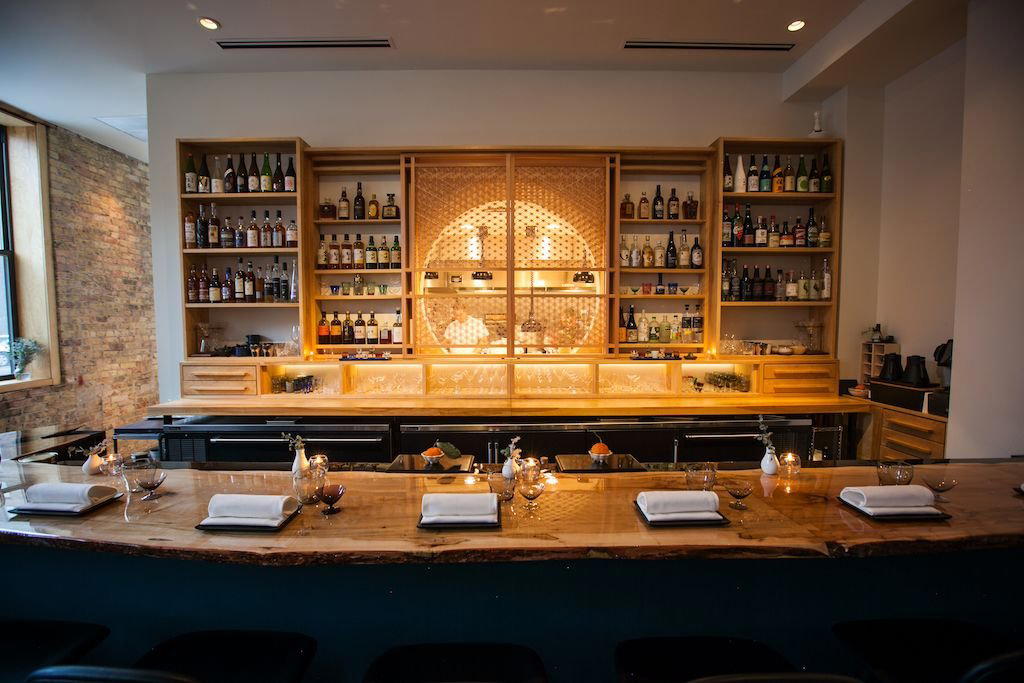
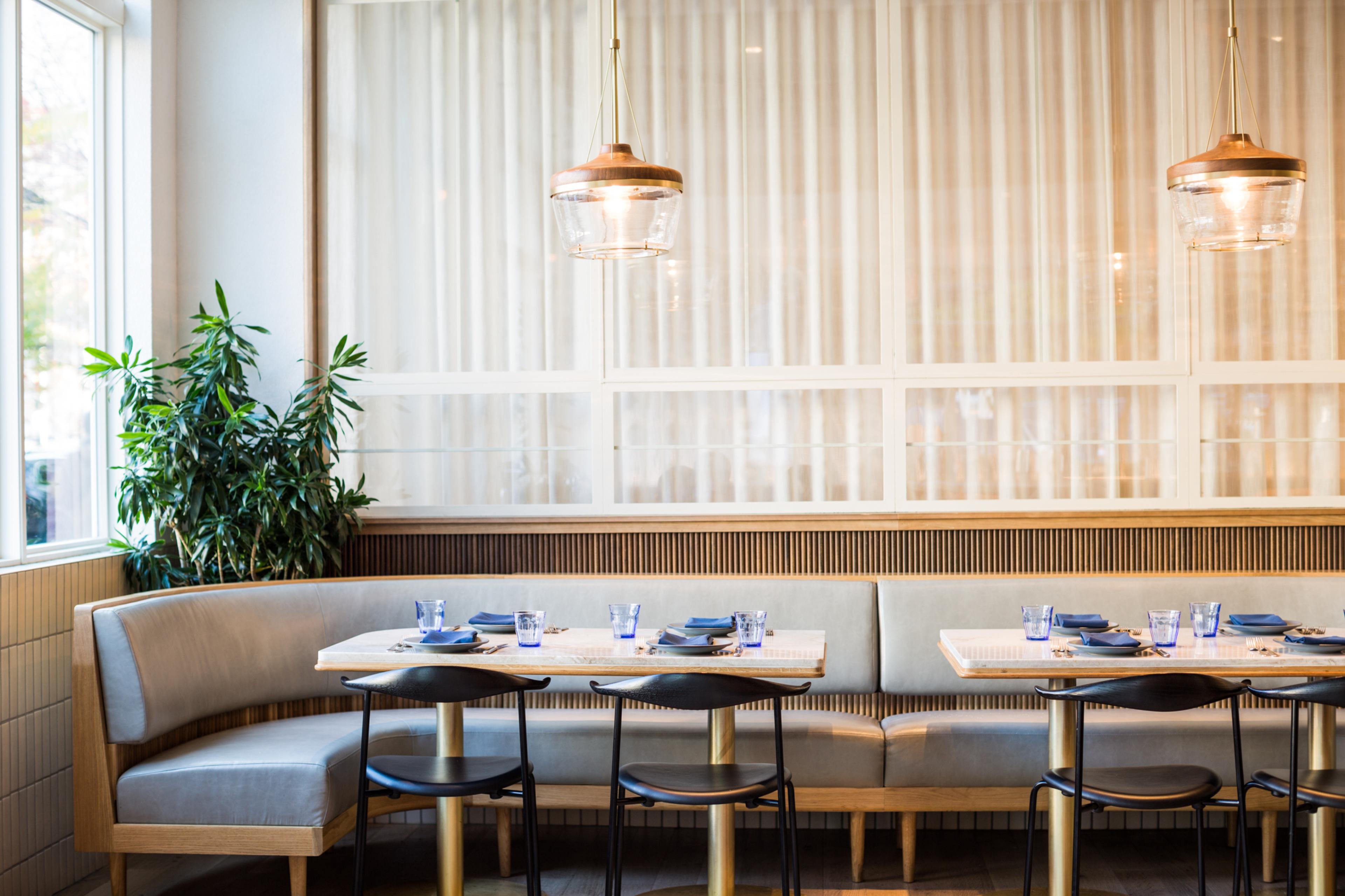
Shaw's Crab House is a classic seafood and crab house in Chicago, priced around $70 per person. Shaw's Crab House, at 21 East Hubbard Street, occupies that position in the seafood tier. The room signals its intentions before the menu arrives: a proper raw bar counter, a dining room calibrated for extended meals rather than quick turns, and a front-of-house posture that treats the table as somewhere to spend time. That combination, in a city where the restaurant conversation is often dominated by tasting-menu destinations like Alinea, Smyth, and Oriole, represents a deliberate counterpoint.
Where Shaw's Sits in Chicago's Dining Structure
Chicago's premium dining market has bifurcated sharply. On one side sit the progression-driven tasting formats, many of them holding serious award recognition, including multi-course operations like Next Restaurant and Kasama. On the other side is a smaller tier of established, format-stable restaurants that anchor themselves to a category rather than a chef's evolving vision. Shaw's belongs to the second group, with seafood as its organising principle and a longevity in the market that functions as its primary credential. Restaurants that hold their position in competitive urban markets for decades do so because the operational floor is high and the regulars return by choice, not obligation. That tenure in River North carries weight.
The Seafood Institution Format and What It Demands
American seafood institutions of this type, which trace a lineage through East Coast chop house culture and Midwest fish house traditions simultaneously, live and die by three variables: sourcing consistency, raw bar execution, and the floor team's ability to guide guests through a menu that rewards knowledge. This is where the team dynamic becomes the actual product. At a restaurant like Shaw's, the sommelier and front-of-house staff carry a disproportionate share of the experience because the leading decisions, what to order from the raw bar, which preparations suit the day's haul, how to sequence a meal across oysters, shellfish, and finfish, require active guidance rather than passive menu scanning.
The parallel can be drawn to how Le Bernardin in New York City structured its service philosophy around the idea that seafood demands more explanation than land-based proteins, because the vocabulary of freshness, origin, and preparation method is less familiar to most diners. Shaw's operates at a different price point and in a different register from Le Bernardin, but the underlying logic of a knowledgeable floor team as a competitive advantage applies across the category.
Raw Bar Culture and Its Place in the Broader American Seafood Canon
The raw bar counter as a dining destination in its own right has a distinct American history, one that connects New Orleans oyster culture, New England clam bar tradition, and the Chicago fish house lineage that emerged alongside the city's commodity trading wealth. Shaw's raw bar is one of the anchoring examples of that format in the Midwest, where access to both Atlantic and Gulf species has historically been more complicated than on the coasts, making curation and logistics more visible as a skill set.
Comparable seafood institutions in other American cities, including Emeril's in New Orleans and Providence in Los Angeles, have each developed distinct regional identities while operating within the same broad tradition of serious, format-committed seafood dining. Shaw's Chicago version reflects the city's particular relationship with abundance and directness: large portions, deep sourcing range, and a service style that prizes efficiency alongside warmth.
The contrast with operations like Blue Hill at Stone Barns in Tarrytown, Single Thread Farm in Healdsburg, or The French Laundry in Napa is instructive. Those operations centre the sourcing story explicitly in the guest experience. Shaw's version is more implicit: the sourcing is serious, but the room's energy is focused on the eating rather than the narration of the eating.
The Team Dynamic as the Experience Architecture
In a kitchen-driven era, where chef recognition and tasting-menu authorship dominate critical conversation, restaurants that succeed through service team excellence occupy a distinct and undervalued position. The front-of-house at a seafood house of Shaw's type needs to operate across multiple registers simultaneously: raw bar specialist, wine program navigator, catch-of-the-day interpreter, and pacing manager for tables that span solo diners at the counter to large party bookings. That range of competency, sustained across a full service, is the actual architecture of the experience.
This model has parallels in other cities. Lazy Bear in San Francisco and Addison in San Diego both demonstrate how service team depth, not just kitchen output, defines the ceiling of a dining experience. The Inn at Little Washington and Bacchanalia in Atlanta have built regional institutions partly on the same premise. Shaw's version of this principle is embedded in the seafood format itself, where floor team knowledge is not supplementary but load-bearing. International comparisons, such as 8½ Otto e Mezzo Bombana in Hong Kong and Atomix in New York City, show how different cultures resolve the same tension between kitchen craft and floor execution. Shaw's answer is characteristically Chicago: direct, confident, and built around the premise that knowing what you are and doing it well is sufficient.
Planning Your Visit
Shaw's Crab House is located at 21 East Hubbard Street in Chicago's River North neighbourhood. Reservations: Booking in advance is advisable, particularly for evening sittings and weekend service. Dress: Smart casual is the appropriate register. Budget: Expect about $70 per person. Timing: The raw bar counter is a strong option for solo diners and those who want a shorter meal; the main dining room suits longer evenings.
Cuisine-First Comparison
Comparable venues nearby, for context on price, style, and recognition.
| Venue | Cuisine | Price | Notes |
|---|---|---|---|
| Shaw's Crab HouseThis venue — the venue you are viewing | Classic Seafood & Crab House | $$$ | Not listed |
| Chicago Oyster House | Prime Seafood & Steaks with Oysters and Sushi | $$$ | South Loop |
| Mariscos San Pedro | Mexican Seafood | $$ | Pilsen |
| Gordon Ramsay Burger - Chicago | Gourmet Burgers & Comfort Food | $$$ | River North |
| Toro by Chef Richard Sandoval | Pan-Latin Cuisine Without Borders | $$$ | Millennium Park |
| Taste 222 | Modern American | $$$ | Fulton River District |
Recognition history
Dated appearances from independent guides and award organizations, with the underlying list record or original source where available.
Wine Spectator Award of Excellence
Wine Spectator
At a Glance
- Lively
- Classic
- Well Known
- Group Dining
- Celebration
- Business Dinner
- Special Occasion
- Live Music
- Open Kitchen
- Extensive Wine List
- Craft Cocktails
- Sustainable Seafood
- Local Sourcing
Current opening hours
- Monday
- 11:30 AM–9 PM
- Tuesday
- 11:30 AM–9 PM
- Wednesday
- 11:30 AM–9 PM
- Thursday
- 11:30 AM–9 PM
- Friday
- 11:30 AM–10 PM
- Saturday
- 11:30 AM–10 PM
- Sunday
- 11:30 AM–9 PM
Hours can change for holidays and private events. Last verified .
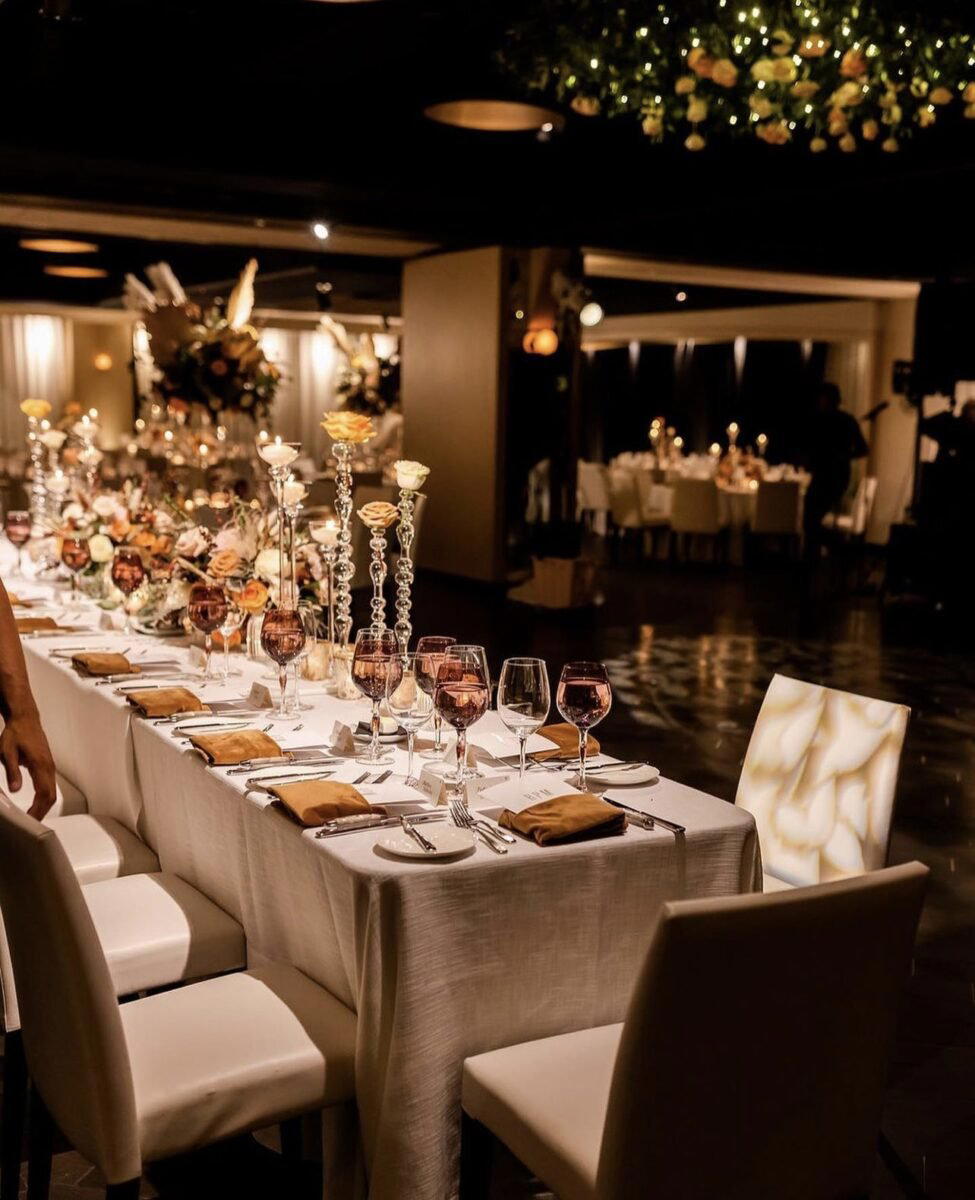
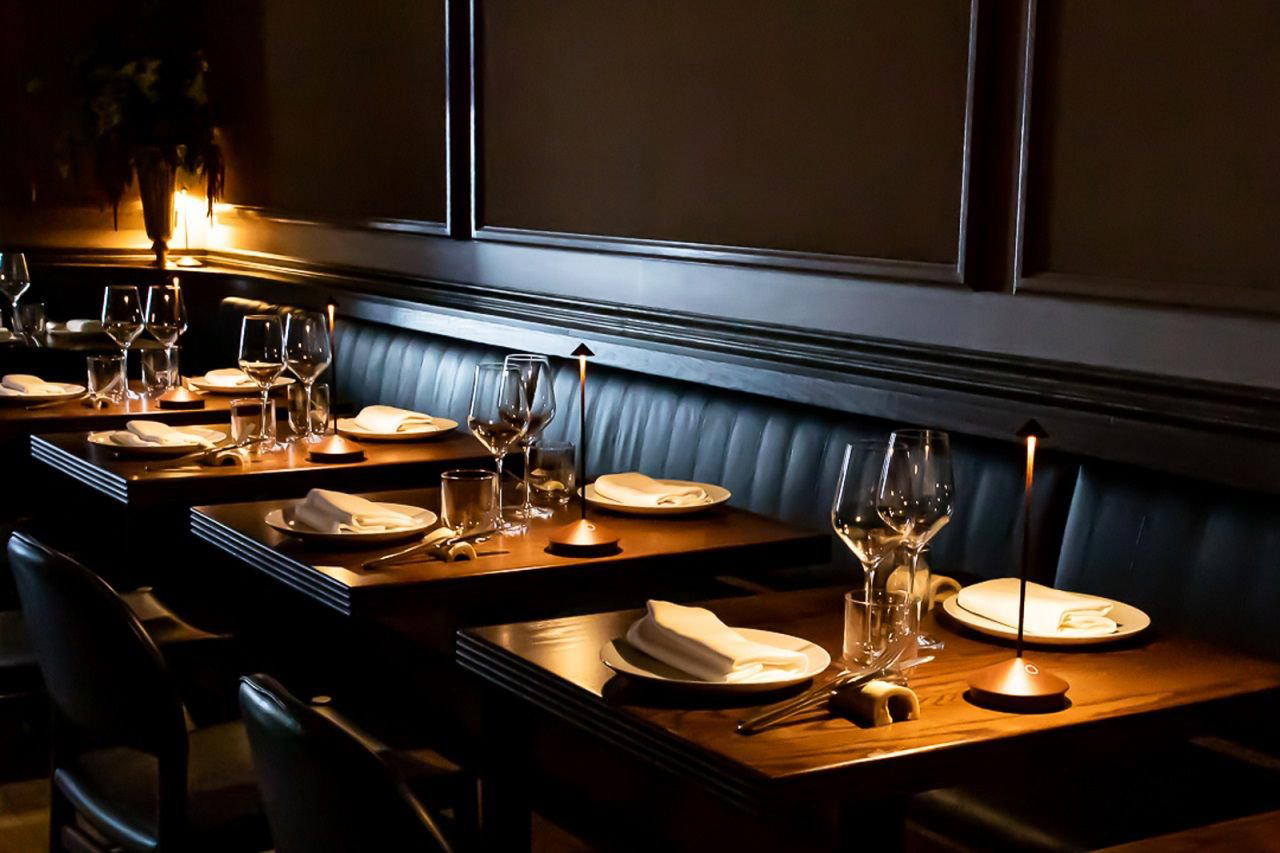
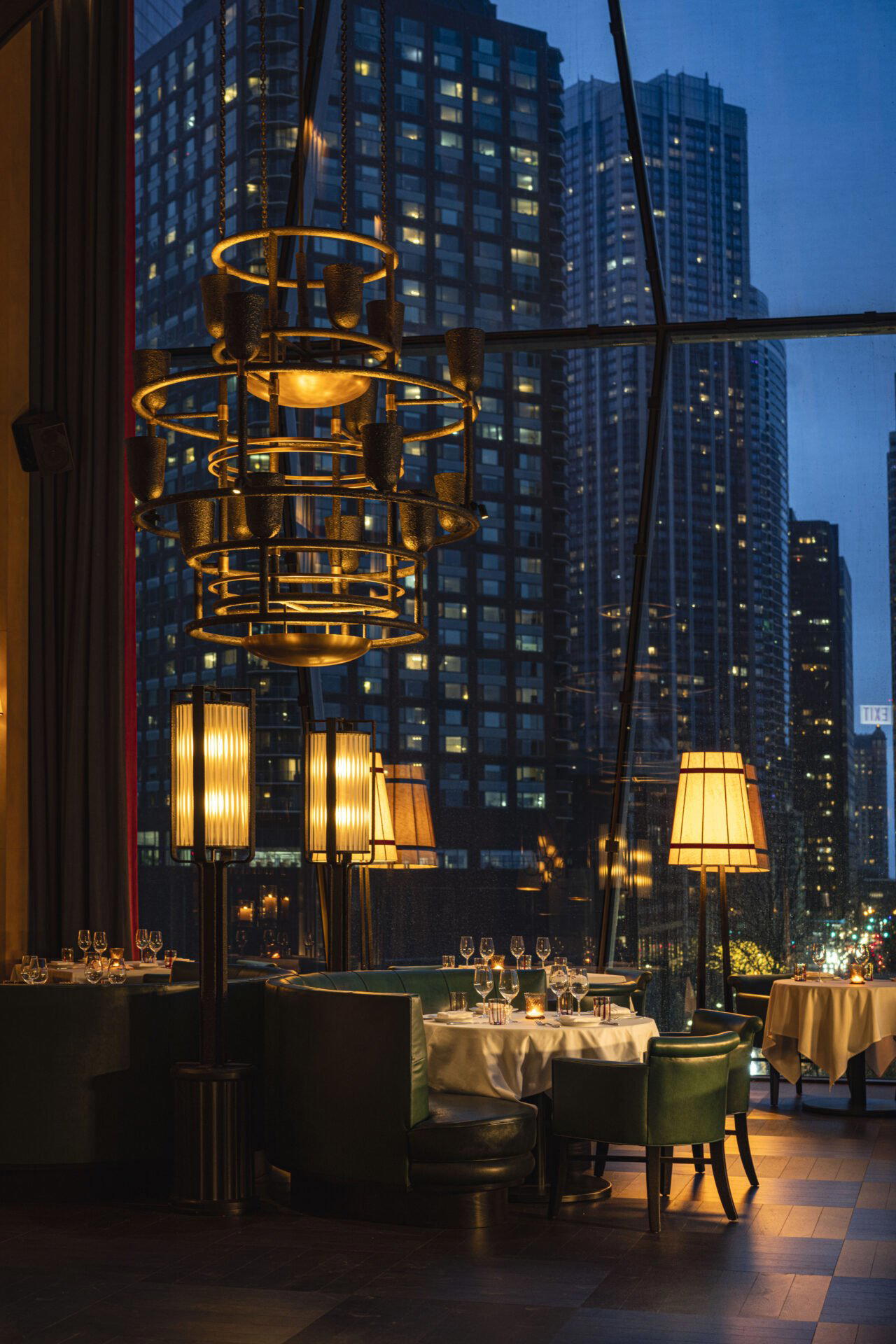
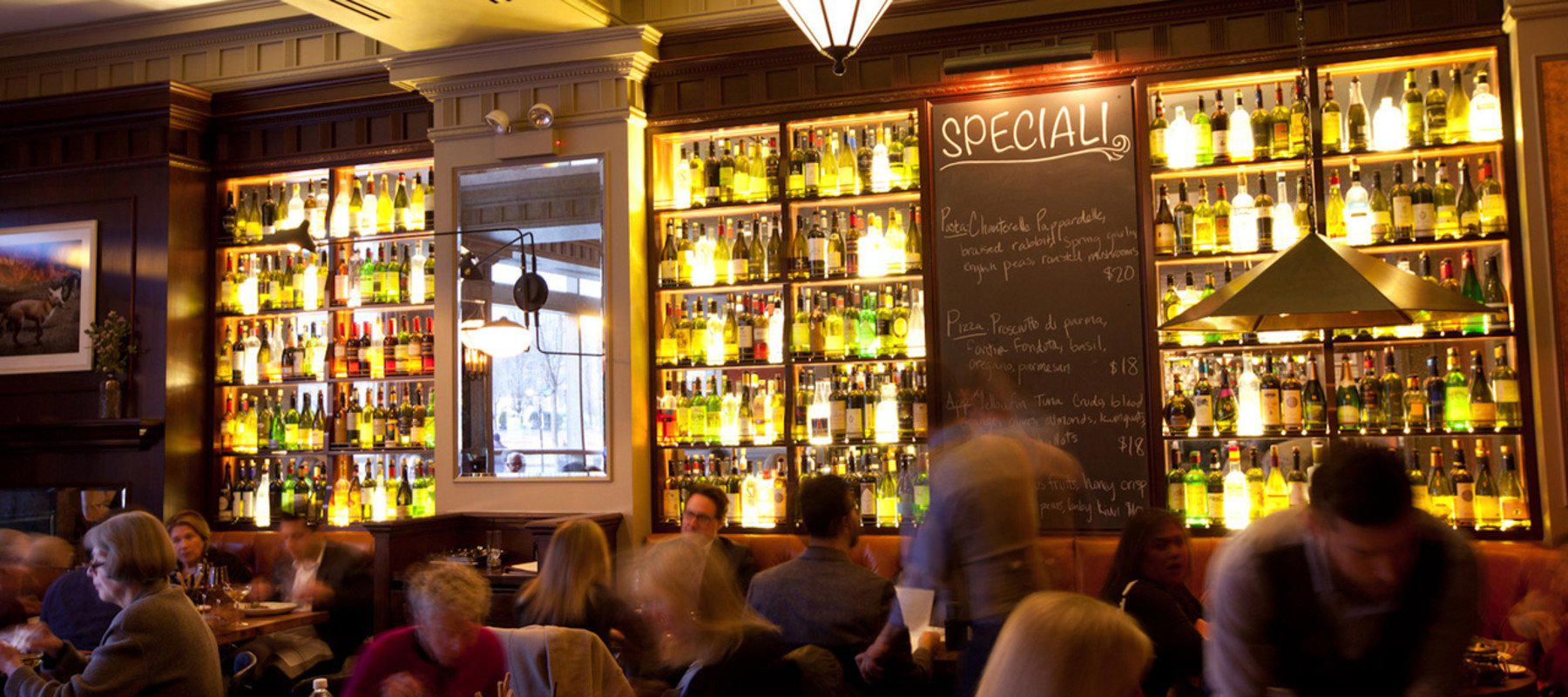
1940s-style setting with a casual, rollicking oyster bar and traditional white tablecloth main dining room featuring warm lighting and energetic atmosphere.