Chicago Oyster House
Chicago Oyster House occupies a corner of the South Loop's Indiana Avenue corridor where the city's blue-collar seafood tradition meets a more considered approach to shellfish. The draw for regulars is less about spectacle and more about consistency: cold, properly handled oysters and a room that rewards those who already know what they want. A reliable anchor in a neighbourhood still defining its dining identity.
Pearl is the En Primeur Club membership app — saves, bookings, and concierge access live there. Same editors, same standards.
- Address
- 1933 S Indiana Ave, Chicago, IL 60616
- Phone
- +13122258833
- Website
- chicagooysterhouse.com
- Directions
- Get directions
 Saves & bookings on Pearl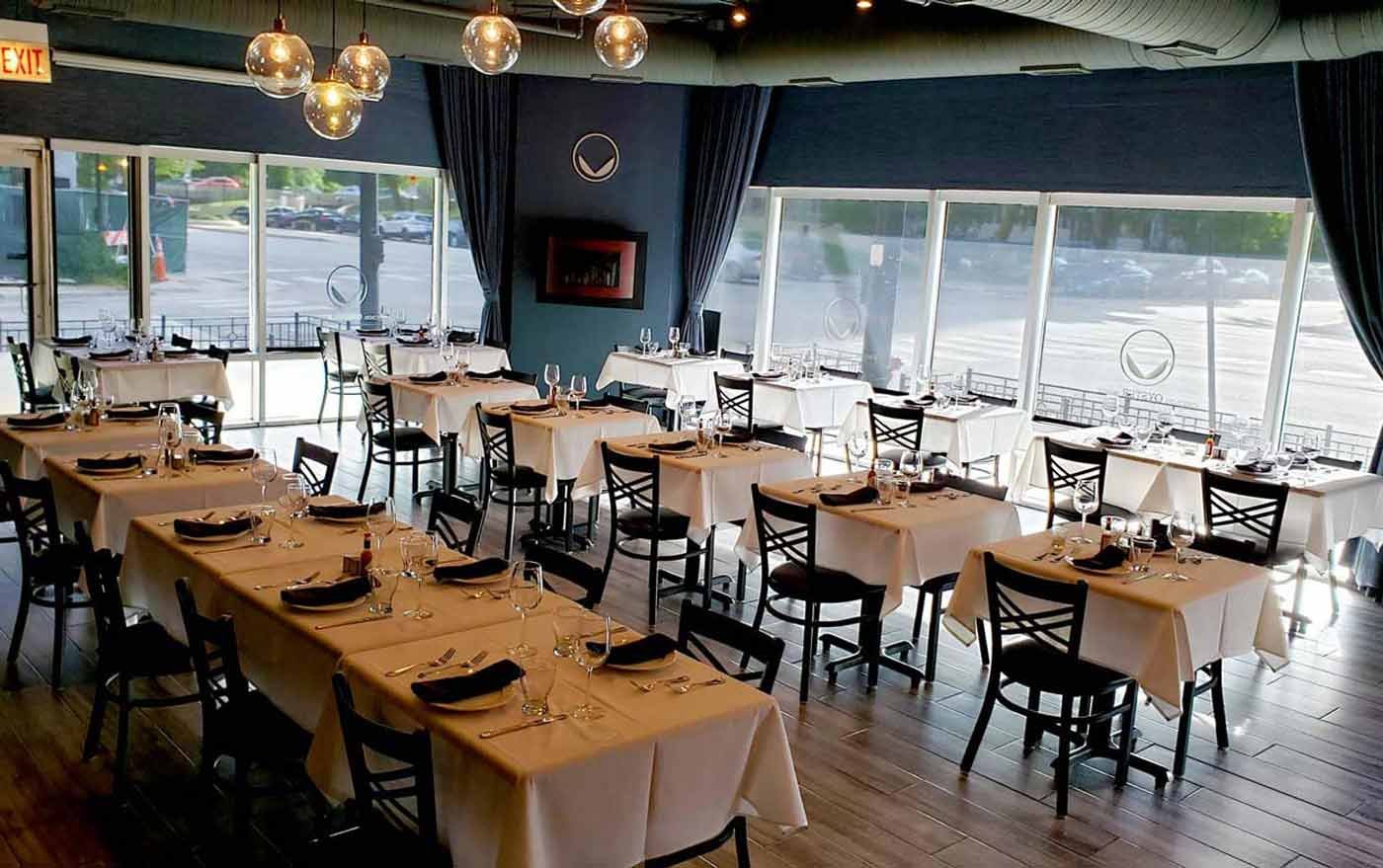
A Room That Rewards Familiarity
On Indiana Avenue, just south of the Museum Campus, the dining character shifts from the tourist-facing energy of the lakefront to something more deliberately local. The South Loop has been accumulating restaurants incrementally over the past decade, and the venues that survive here tend to do so on repeat business rather than walk-in traffic. Chicago Oyster House is a seafood-focused restaurant at 1933 S Indiana Ave in Chicago's South Loop, serving prime seafood and steaks with oysters and sushi.
That regulars' dynamic shapes everything. Unlike the tasting-menu circuit, where Alinea, Smyth, and Oriole operate as destination events anchored by Michelin recognition, a neighbourhood oyster house earns its place by being the kind of spot people return to without a special occasion as justification. The measure isn't a single strong meal; it's the tenth visit matching the first.
Chicago's Seafood Tradition and Where This Fits
Chicago is an inland city with a serious fish culture, which is itself worth noting. The Great Lakes supply the freshest local catch, whitefish, perch, walleye, while the city's wholesale market access means coastal product, including East and West Coast oysters, arrives in credible condition. The oyster bar format has a long history in American cities, from the raw bars of New Orleans (see Emeril's for a different register of Gulf seafood culture) to the coastal institutions of the Northeast.
What distinguishes the Chicago version is the context: oysters here compete with the city's dominant comfort food traditions, deep-dish, Italian beef, steakhouse culture, rather than sitting alongside a pre-existing seafood infrastructure. A venue that holds its ground in that environment earns a different kind of credibility than one operating in a city where shellfish is already the default luxury food. The regulars at a South Loop oyster house are making an active choice to be there, not defaulting to what's nearby.
That positioning is worth comparing against what's happening in other American seafood cities. Le Bernardin in New York and Providence in Los Angeles represent the formal fine-dining expression of seafood; Lazy Bear in San Francisco and Single Thread in Healdsburg each work with coastal and agricultural product in a more theatrical, experience-led format. The oyster house format sits at neither extreme, it's a more democratic, counter-service-adjacent register where product quality carries more weight than production.
What Keeps People Coming Back
The regulars' economy at any oyster bar is built on a few consistent variables: the rotation of oyster varieties, the handling of cold product, and the ambient reliability of the room. At the neighbourhood level, it also includes less tangible things, recognition from staff, a table that's predictably available on a Tuesday, the absence of a two-week booking window. These are the qualities that don't show up in award citations but that determine whether a venue functions as part of someone's actual life rather than their aspirational dining calendar.
Chicago's more decorated restaurants, Kasama and Next Restaurant, operate on an entirely different booking logic. The South Loop has historically had fewer entries in that tier, which leaves room for a different kind of anchor: the place you mention to visiting colleagues, the stop after a museum afternoon, the reliable Thursday option when you don't want to think too hard about where to go.
Nationally, the oyster house model has proven durable across different formats. From smaller regional anchors to the more institutionalised versions that draw critical attention comparable to Blue Hill at Stone Barns or The French Laundry, the common thread is product sourcing and kitchen discipline over conceptual innovation. The format doesn't need to reinvent itself seasonally to justify existence, it needs to maintain standards consistently enough that regulars trust it.
South Loop Context: A Neighbourhood Still Finding Its Register
Indiana Avenue in the 60616 zip code is not a restaurant row. The immediate neighbourhood is mixed-use, adjacent to Bronzeville to the south and the Museum Campus to the north, with foot traffic that varies sharply by time of day and day of week. Venues here tend to serve a patchwork of residential regulars, convention overflow from McCormick Place, and destination-seekers willing to travel for something specific.
That geography creates a different kind of loyalty than you find in River North or the West Loop, where restaurant density generates its own ambient traffic. To become a regular at an Indiana Avenue restaurant, you have to decide to be one, you're not just stumbling past after another meal. That friction filters the clientele toward people with genuine affinity for the food, which in turn shapes the room's atmosphere in ways that are harder to manufacture in higher-traffic corridors.
For context on how other American cities handle the relationship between neighbourhood identity and dining anchors, the cases of Frasca Food & Wine in Boulder, Addison in San Diego, and The Inn at Little Washington each illustrate how a restaurant can become structurally important to a neighbourhood's identity without operating at the volume or visibility of city-centre flagships.
Planning Your Visit
Chicago Oyster House's recommended reservation policy, daily hours, and approximate price point are covered in the venue details. The address, 1933 S Indiana Ave, Chicago, IL 60616, places the venue in the South Loop, accessible via the CTA Green and Red lines (Cermak-McCormick Place is the nearest station). The Museum of Science and Industry and the Art Institute are both within reasonable distance for those planning an afternoon-into-evening itinerary.
Logistics at a Glance
| Venue | Format | Price Tier | Booking Lead Time | Neighbourhood |
|---|---|---|---|---|
| Chicago Oyster House | Prime Seafood & Steaks with Oysters and Sushi | $$$ | Recommended | South Loop |
| Smyth | Tasting menu | $$$$ | Weeks in advance | West Loop |
| Kasama | Tasting menu / café | $$$$ | Weeks in advance | Ukrainian Village |
| Next Restaurant | Ticketed tasting menu | $$$$ | Months in advance | Fulton Market |
Category Peers
Comparable venues nearby, for context on price, style, and recognition.
| Venue | Cuisine | Price | Notes |
|---|---|---|---|
| Chicago Oyster HouseThis venue — the venue you are viewing | Prime Seafood & Steaks with Oysters and Sushi | $$$ | Not listed |
| RPM Seafood, Chicago | Modern Upscale Seafood | $$$ | River North |
| The 101 Rooftop | Mediterranean-Inspired American Rooftop | $$$ | Streeterville |
| 3 Arts Club Cafe | American Cafe Classics | $$$ | Near North Side |
| A Tavola | Authentic Northern Italian | $$$ | Ukrainian Village |
| Taverna 1821 | Modern Greek Taverna | $$$ | Fulton Market |
At a Glance
- Modern
- Lively
- Date Night
- Group Dining
- Special Occasion
- Open Kitchen
- Sustainable Seafood
Current opening hours
- Monday
- 5–9 PM
- Tuesday
- 5–9 PM
- Wednesday
- 5–9 PM
- Thursday
- 5–9 PM
- Friday
- 5–10 PM
- Saturday
- 5–10 PM
- Sunday
- 5–9 PM
Hours can change for holidays and private events. Last verified .
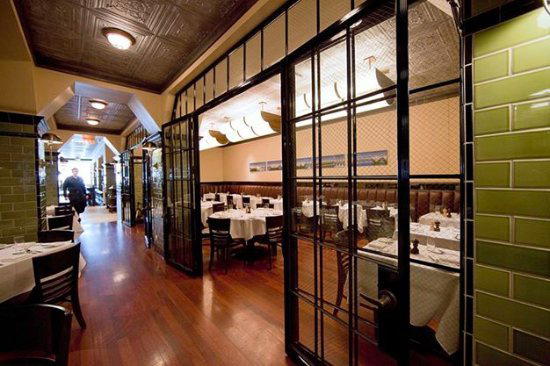
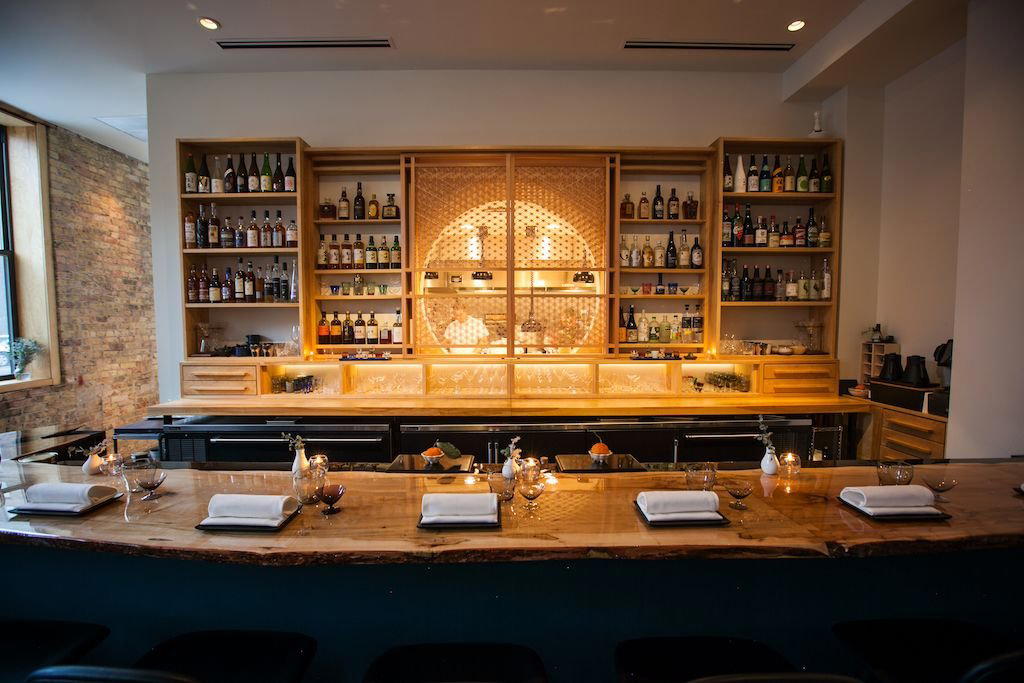
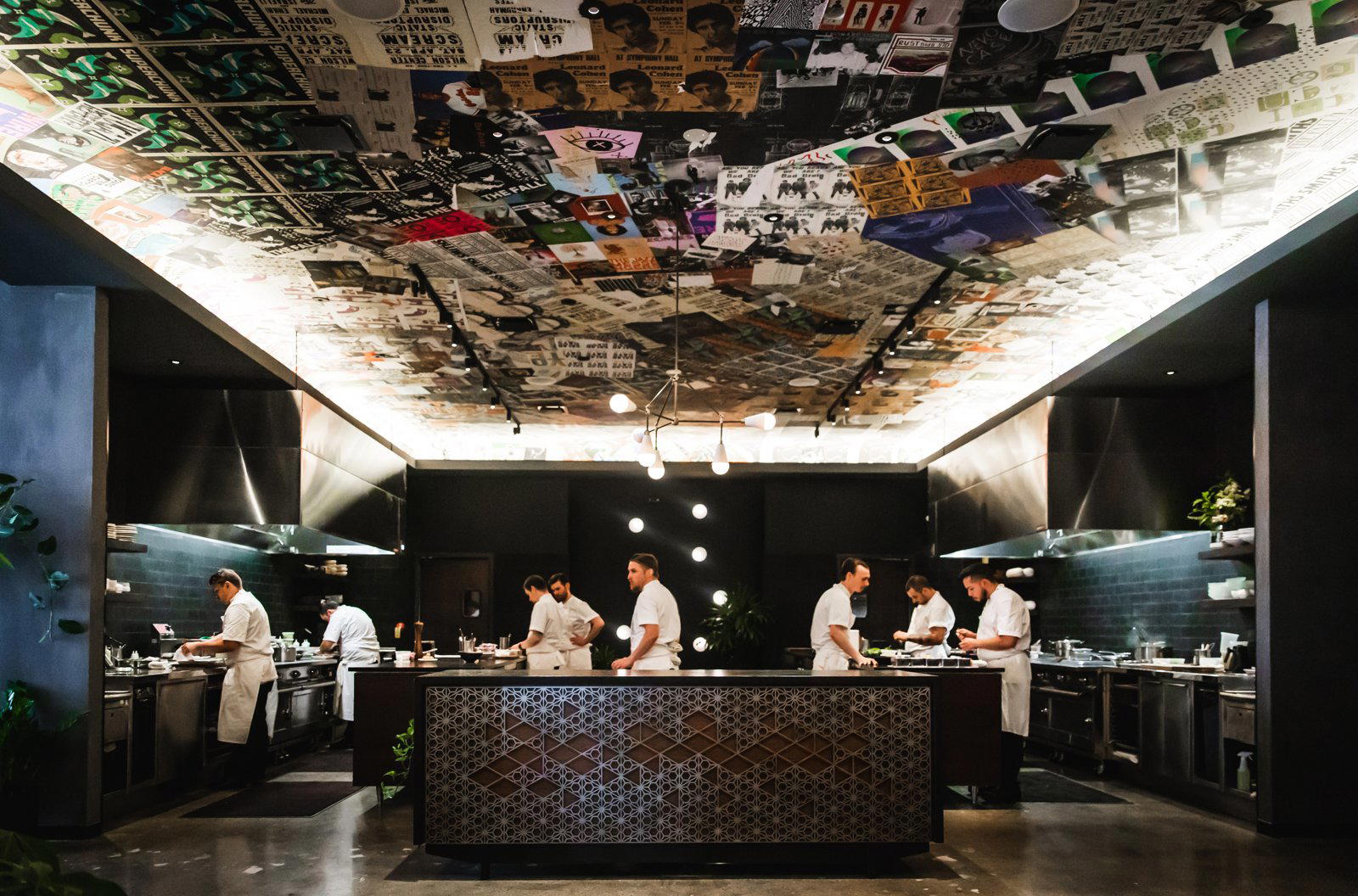
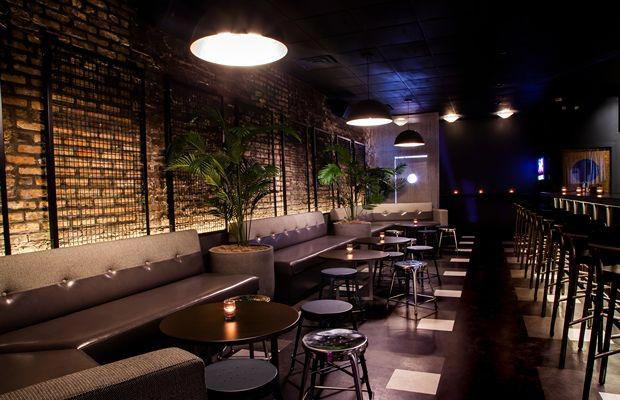
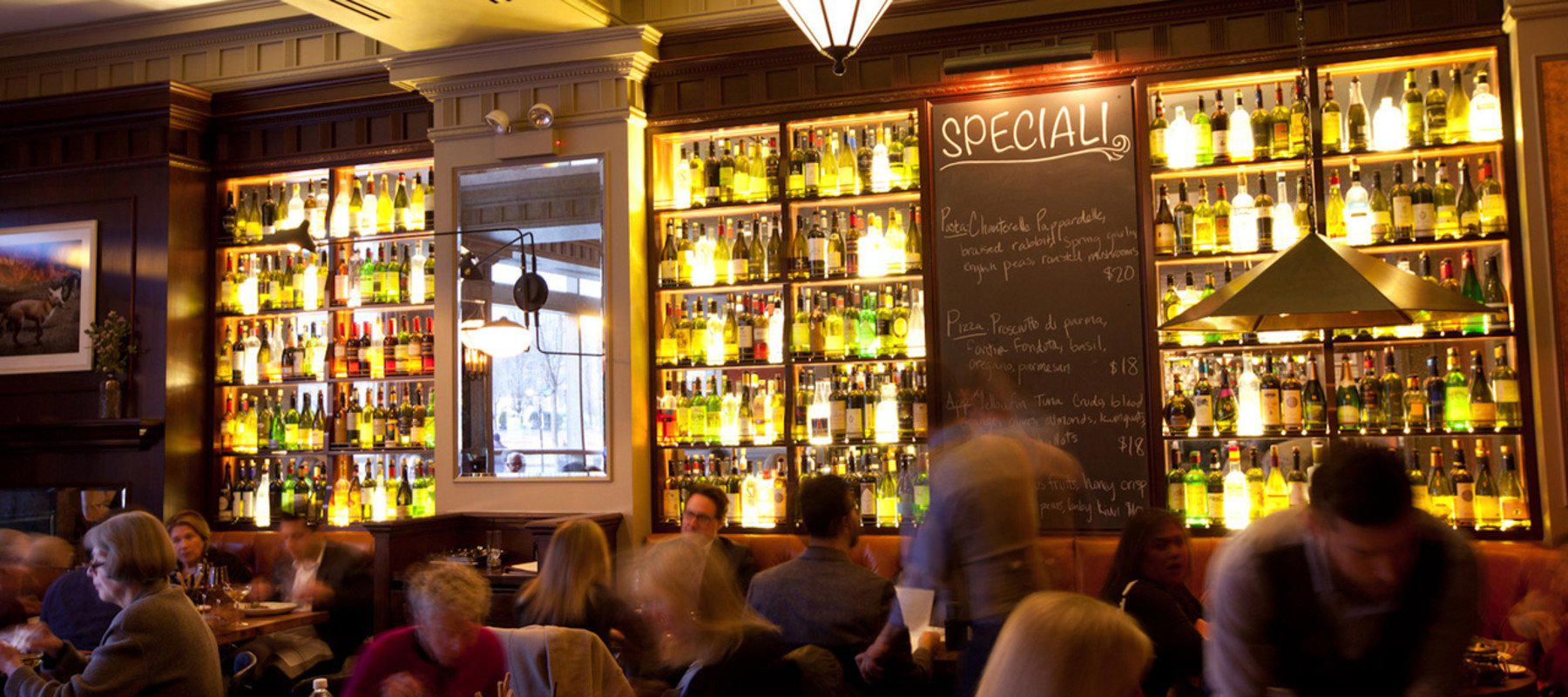
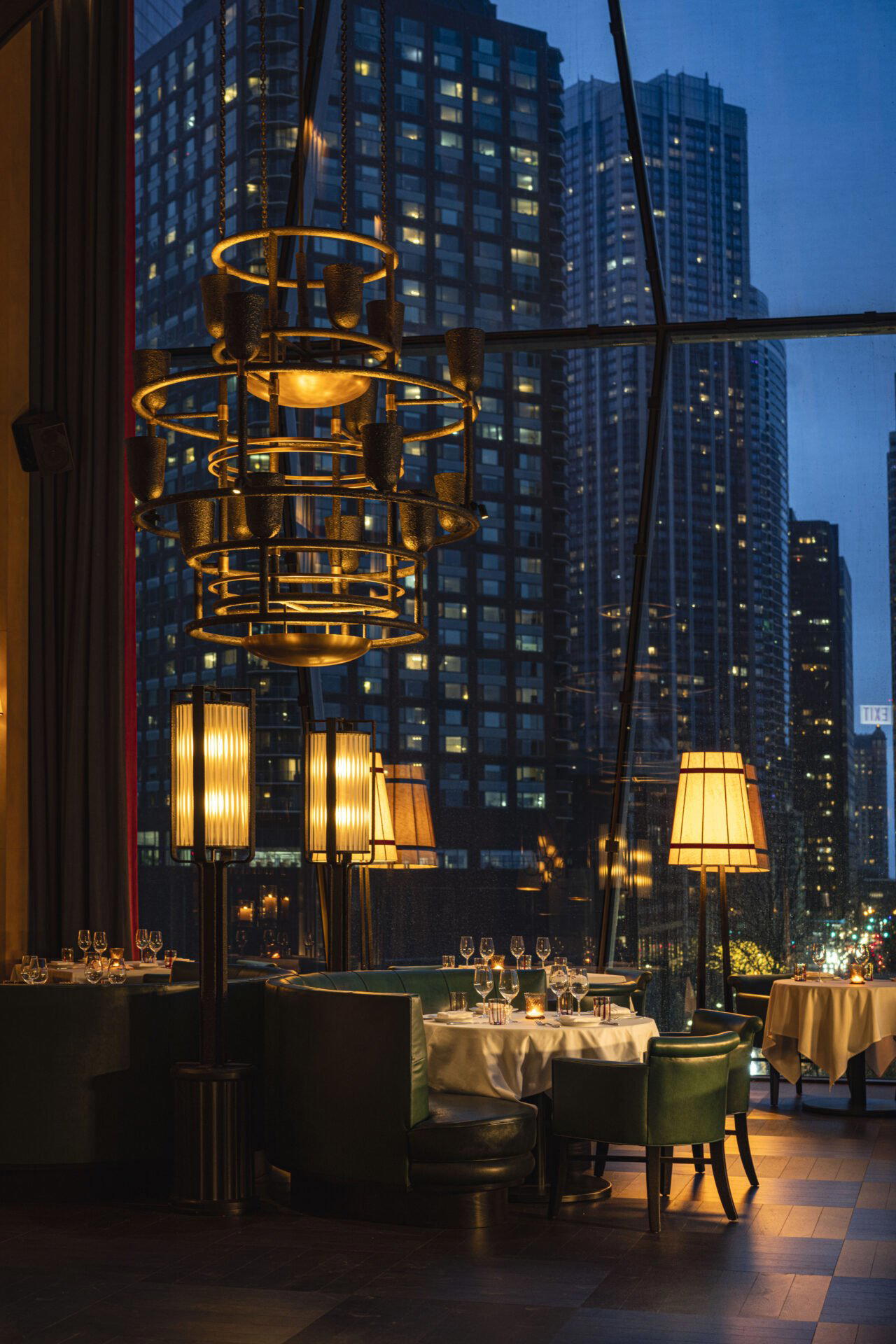
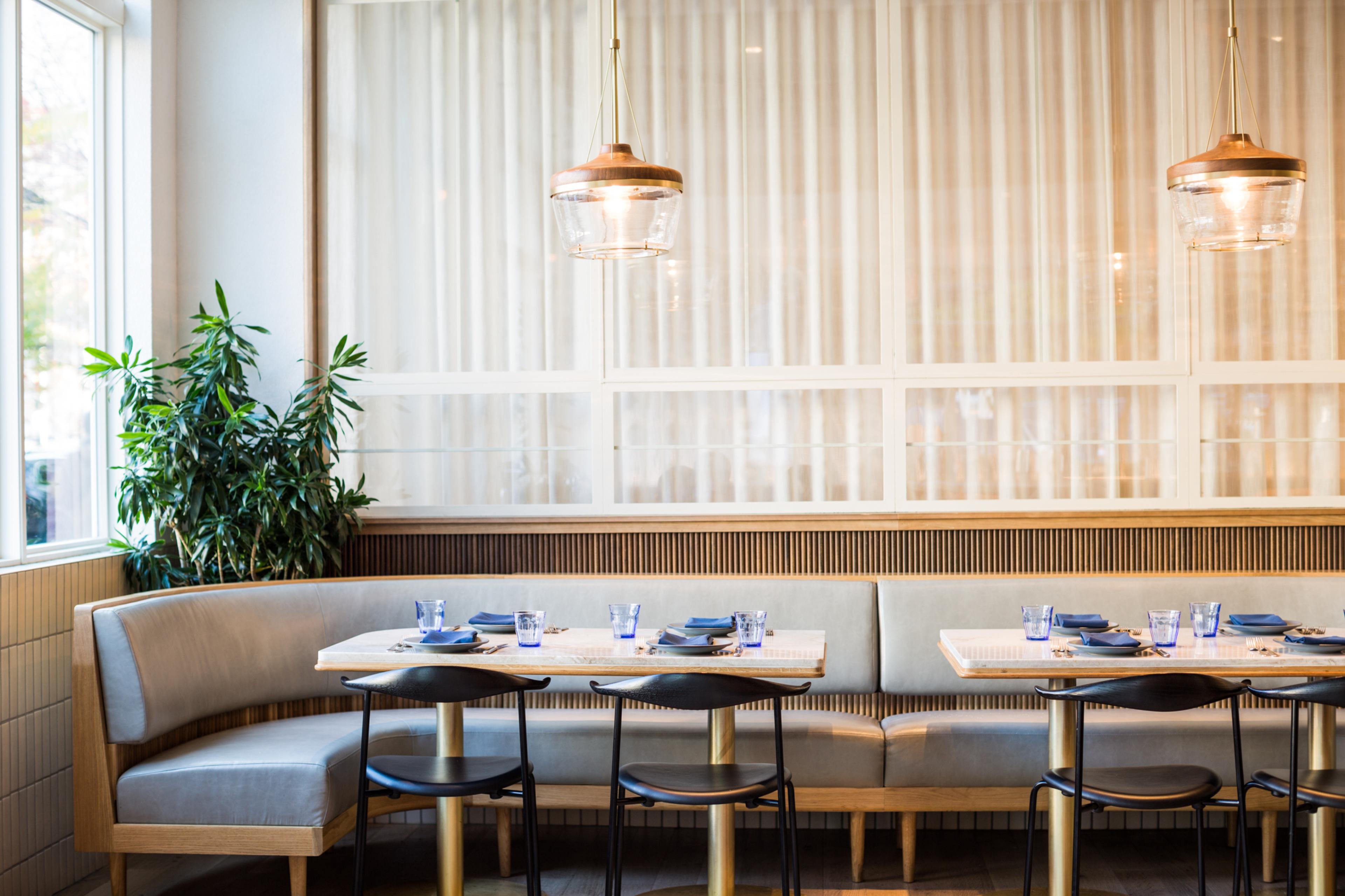
Bright and airy space with modern flair and inviting neighborhood atmosphere.