Shandiz sits on Dachauer Strasse in Munich's Maxvorstadt district, bringing Persian kitchen traditions into a city whose fine-dining conversation is dominated by French and Japanese-inflected tasting menus. The address alone signals something apart from Munich's Michelin corridor, and the menu structure, built around Iranian grilling and rice culture, reads as a deliberate counterpoint to the region's dominant formats.
Pearl is the En Primeur Club membership app — saves, bookings, and concierge access live there. Same editors, same standards.
- Address
- Dachauer Str. 50, 80335 München, Germany
- Phone
- +498959947986
- Website
- shandiz.de
- Directions
- Get directions
 Saves & bookings on Pearl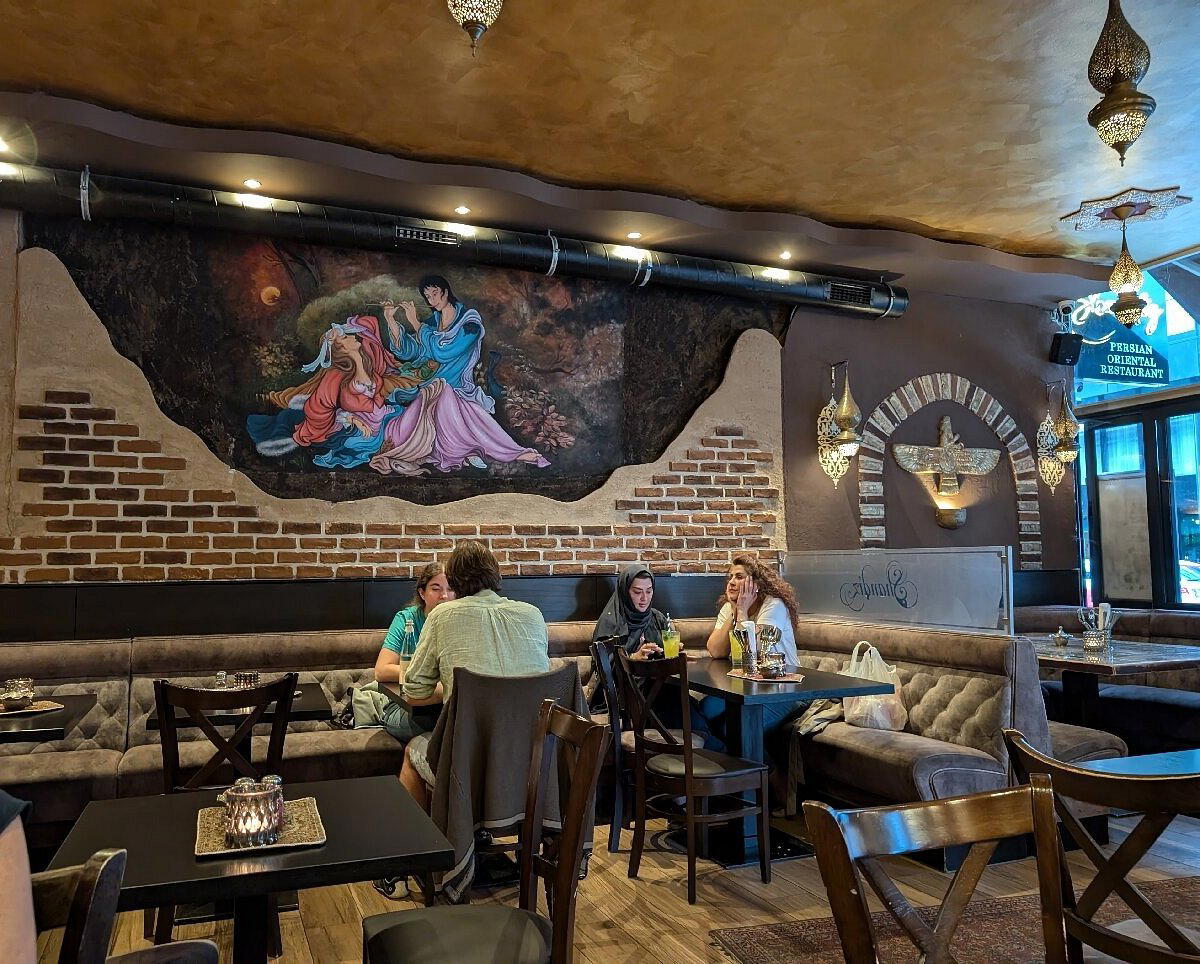
A Different Register on Dachauer Strasse
Munich's restaurant conversation tends to cluster around a familiar axis: modern French technique at places like Tantris, creative tasting menus at JAN and Alois - Dallmayr Fine Dining, and the kind of Japanese-German hybrids represented by Tohru in der Schreiberei. That axis runs through the city's premium tier and, to a large extent, defines what serious dining means here. Shandiz, at Dachauer Strasse 50 in Maxvorstadt, operates at a remove from that conversation. The address is a few minutes west of the Hauptbahnhof, in a stretch of the city that carries none of the ceremonial weight of Altstadt or the polished residential density of Schwabing. The approach is low-key. That low-key approach is not incidental, it reflects how Persian restaurants in German cities have historically positioned themselves: as neighborhood anchors rather than destination venues, with a menu logic that rewards return visits over single marquee evenings.
What the Menu Architecture Reveals
Persian restaurant menus carry a structural logic that differs markedly from European tasting formats. Where a contemporary German kitchen organizes its menu around a linear progression of courses, amuse to mignardise, Iranian cooking organizes around rice, protein, and accompaniment as a simultaneous composition. The chelow, the kateh, the tahdig: rice preparation in Persian cuisine is not a side note but a central discipline, and the menu at a serious Iranian restaurant signals its ambitions through how carefully it treats that category. Grilled meats, particularly kebabs in their various regional expressions, function as the protein anchor, not as casual street food but as a tradition that requires precise charcoal management and rested, correctly spiced meat to execute well.
This structural difference matters for how a diner should read the menu. Ordering a single protein dish without its rice counterpart is roughly equivalent to ordering a main course at Atelier and skipping the accompanying elements. The full picture only resolves when the components arrive together, and the quality of the rice, whether the crust is properly developed, whether the grain is correctly cooked, is as telling as anything else on the table. Starters like meze-style dips, herb platters (sabzi khordan), and ash-e reshteh (herb and legume soup) situate the meal in a hospitality culture where abundance at the table is itself a form of welcome.
Germany's Iranian diaspora is substantial, estimates place the Iranian-born population in Germany at over 100,000, with Munich representing one of the significant concentrations. That demographic context matters for understanding where restaurants like Shandiz sit in the local market. They are not serving a cuisine that requires explanation to its core audience; they are operating within a community of diners who have strong baseline expectations and will notice whether the saffron is used correctly, whether the lamb has been properly marinated, and whether the bread arrives fresh. That kind of informed local audience is often more demanding than a Michelin inspector, and restaurants that survive in that environment over time do so by meeting a consistent standard rather than mounting occasional moments of brilliance.
Munich's Middle Ground and Where This Fits
German fine dining has expanded its geographic and conceptual range considerably over the past decade. The country now holds serious three-star kitchens from the Moselle to the North Sea, Aqua in Wolfsburg, Schwarzwaldstube in Baiersbronn, Vendôme in Bergisch Gladbach, and Victor's Fine Dining by Christian Bau in Perl. Munich contributes several addresses to that tier, and the critical apparatus that covers them tends to speak a particular language: tasting menus, wine pairings, Michelin stars. Shandiz does not compete in that language. It belongs to a different category of restaurant that German cities have historically accommodated well: the serious ethnic-cuisine establishment that operates with genuine culinary depth at a price point well below the starred tier, serving a combination of diaspora community members and culturally curious local diners.
That category, when it works, produces particularly consistent and satisfying meals available in any European city. The economics are different, no sommelier team, no amuse-bouche brigade, but the culinary knowledge required to execute Persian cooking well is not less demanding; it is differently demanding. A well-made ghormeh sabzi requires hours of correct technique. A properly assembled herb platter requires sourcing. The discipline is present; it simply does not announce itself in the vocabulary that wins awards.
For a broader view of where Munich's dining scene is heading, and how venues from the starred tier to neighbourhood specialists fit together, the EP Club Munich restaurants guide maps the full range. Comparisons further afield in Germany, Restaurant Haerlin in Hamburg, ES:SENZ in Grassau, Schanz in Piesport, or the format experiments at CODA Dessert Dining in Berlin, illustrate how varied serious German restaurant culture has become. International reference points like Le Bernardin in New York City and Atomix in New York City underscore how diaspora kitchens, when executed at the highest level, can sit within the same critical conversation as any tasting-menu institution. Bagatelle in Trier and Waldhotel Sonnora in Dreis round out a picture of how Germany's dining geography rewards exploration beyond its major cities.
Planning Your Visit
Shandiz is located at Dachauer Strasse 50, 80335 München, within walking distance of Munich Hauptbahnhof and accessible via the U-Bahn lines that pass through the station. Dress: No dress code is confirmed; the Maxvorstadt location and neighborhood-restaurant positioning suggest smart-casual is appropriate. Timing: Dinner service tends to be the primary occasion for Persian restaurants in German cities, where the communal format of shared dishes suits a longer evening.
How It Stacks Up
Comparable venues nearby, for context on price, style, and recognition.
| Venue | Cuisine | Price | Notes |
|---|---|---|---|
| ShandizThis venue — the venue you are viewing | Persian Grill | $$ | Not listed |
| Das Maria | Levantine Cafe with Oriental Influences | $$ | Isarvorstadt |
| Erbils Vegan | Vegan Turkish Döner | $$ | Haidhausen |
| TUTU Kitchen | Levantine Mezze & Fish & Chips Fusion | $$ | Neuhausen |
| Sababa | Traditional Middle Eastern Falafel & Shawarma | $ | Altstadt |
| Restaurant Kabul | Authentic Afghan | $$ | Neuhausen |
At a Glance
- Cozy
- Elegant
- Classic
- Casual Hangout
- Group Dining
- Date Night
- Family
- Standalone
- Beer Program
Current opening hours
- Monday
- 11:30 AM–11 PM
- Tuesday
- 11:30 AM–11 PM
- Wednesday
- 11:30 AM–11 PM
- Thursday
- 11:30 AM–11 PM
- Friday
- 11:30 AM–11 PM
- Saturday
- 11:30 AM–11 PM
- Sunday
- 11:30 AM–11 PM
Hours can change for holidays and private events. Last verified .
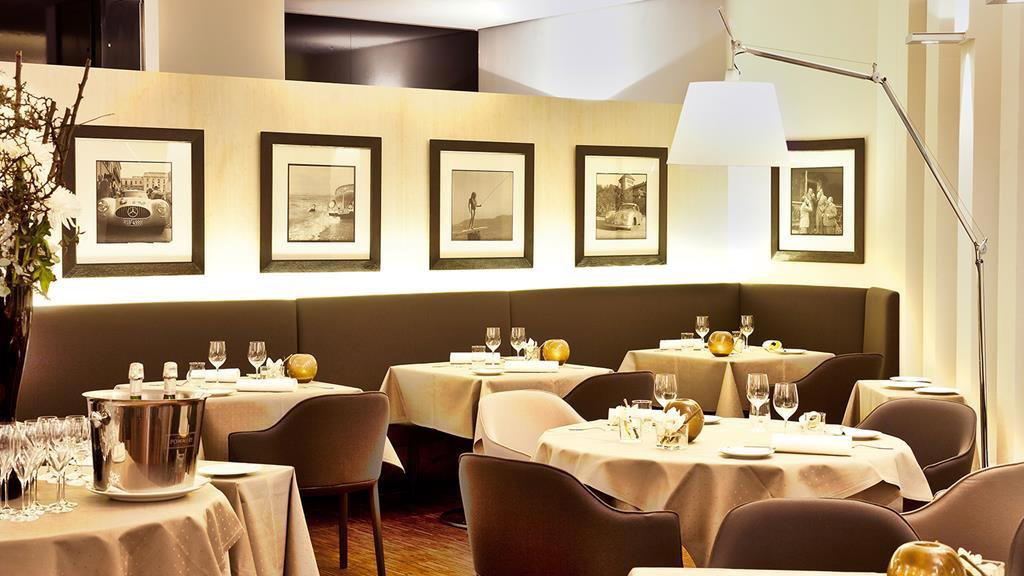
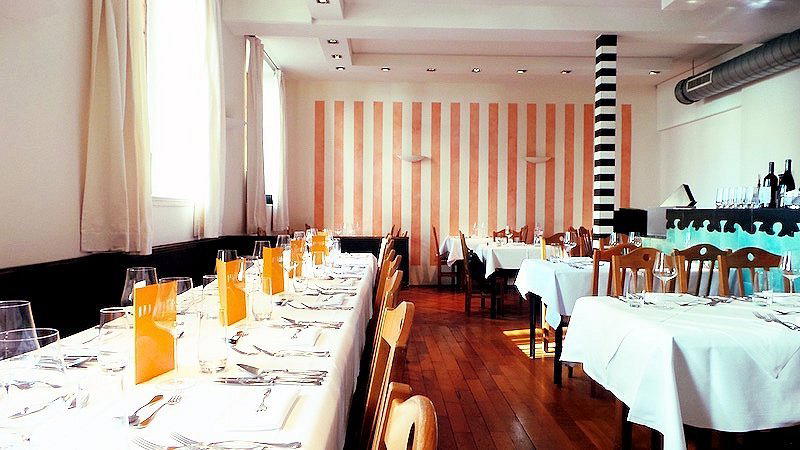
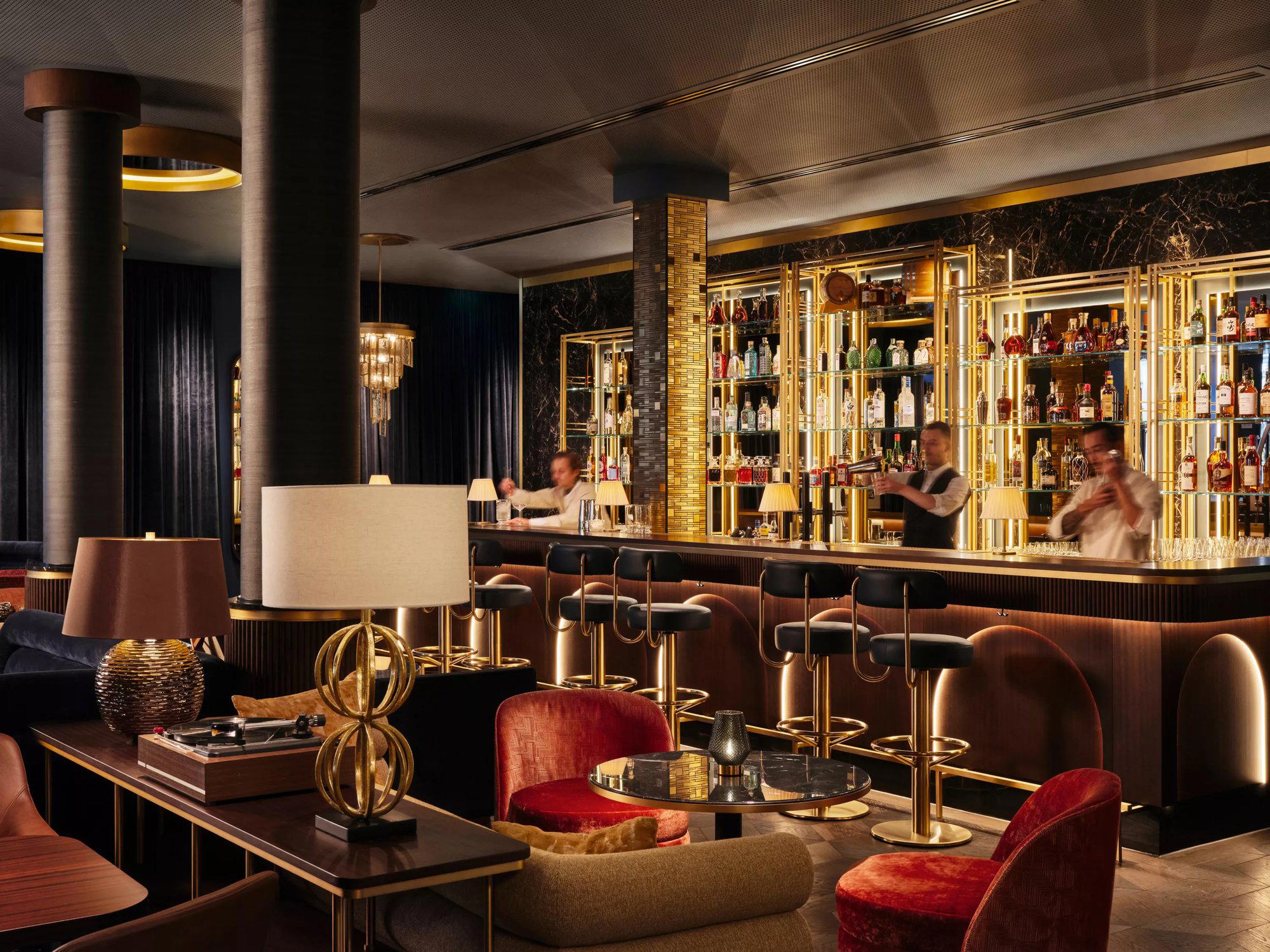
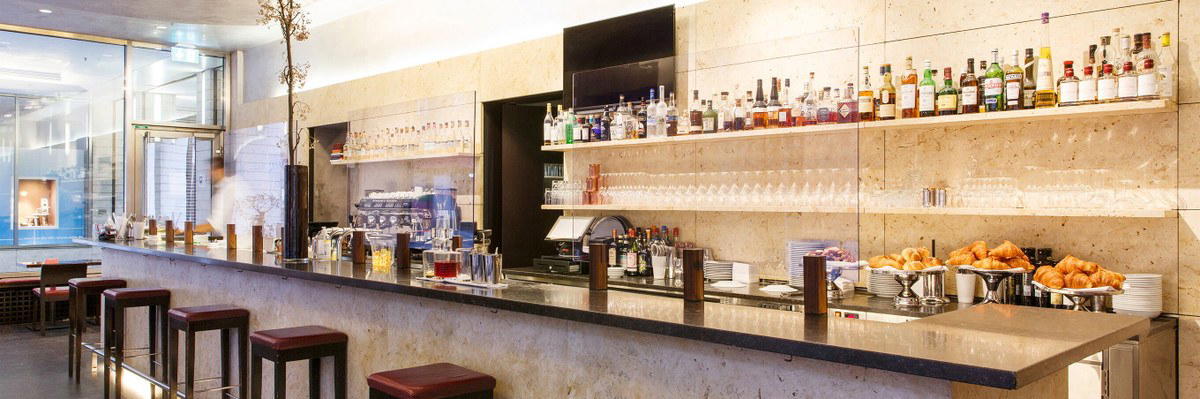
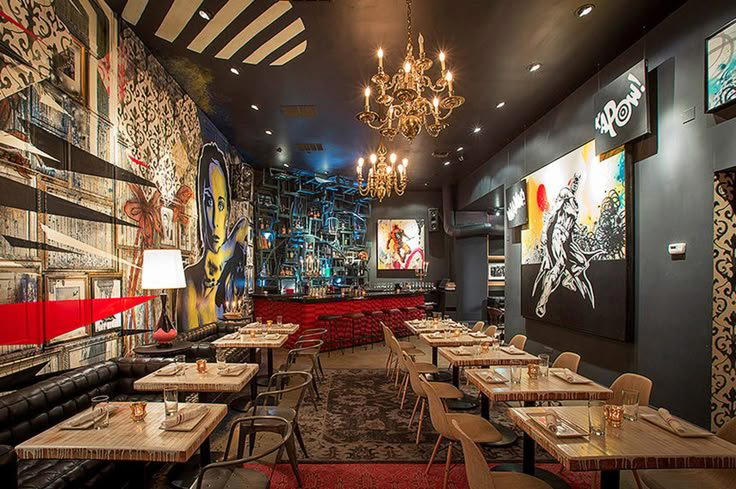
Modern and bright with traditional Persian cultural elements in the décor; warm and cozy atmosphere that feels both contemporary and authentically Persian.