Sababa occupies a spot on Westenriederstraße in Munich's Altstadt, where Middle Eastern cooking traditions meet a central European dining scene increasingly open to the region's flavors. The address places it within walking distance of the Viktualienmarkt and the city's dense concentration of serious restaurants, making it a practical and substantive choice for lunch or an early evening meal.
Pearl is the En Primeur Club membership app — saves, bookings, and concierge access live there. Same editors, same standards.
- Address
- Westenriederstraße 9, 80331 München, Germany
- Phone
- +498923237881
- Website
- sababa-munich.com
- Directions
- Get directions
 Saves & bookings on Pearl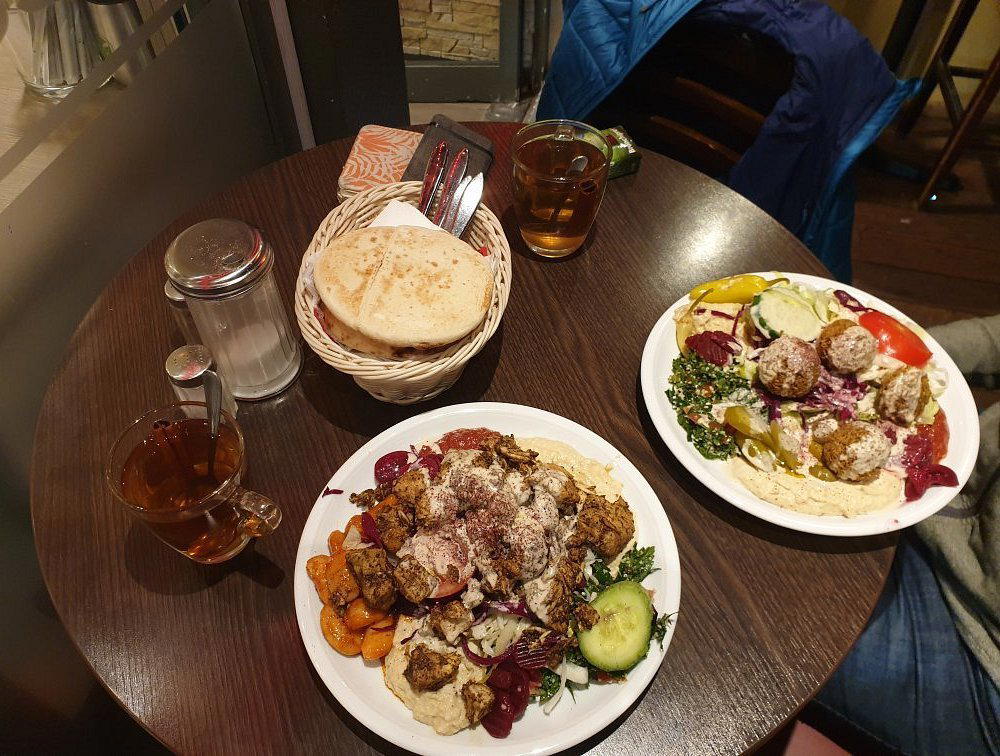
Middle Eastern Cooking in Munich's Altstadt
Sababa is a casual restaurant serving Traditional Middle Eastern Falafel & Shawarma in Munich's Altstadt, on Westenriederstraße 9 near the Viktualienmarkt. Munich's restaurant scene has spent the past decade consolidating around two poles: the formal, tasting-menu end anchored by long-standing houses like Tantris and newer creative programs such as JAN and Atelier, and a growing middle register of cuisine-specific restaurants that treat a single culinary tradition with genuine depth. Sababa, at Westenriederstraße 9 in the Altstadt, belongs to the latter category. The address puts it close to the Viktualienmarkt and within the dense concentration of eating and drinking options that defines central Munich, a location that draws both neighborhood regulars and visitors moving between the city's established dining landmarks.
Middle Eastern cooking has arrived in European city centers not as a trend so much as a correction, an acknowledgment that cuisines built on legume-forward cooking, fermented dairy, charred flatbreads, and layered spice blends had long been underrepresented in the formal restaurant tier. Cities like Berlin, London, and Tel Aviv showed the template: when handled with precision rather than approximation, these traditions hold their own against any European canon. Munich's version of that shift is still developing, which makes addresses like Sababa's more pointed as reference points for where the city's mid-register is moving.
The Lunch and Dinner Divide
The gap between lunch and dinner service in Munich's mid-range restaurants often comes down to pace, price, and the composition of the room. At lunch, the Altstadt draws a working crowd alongside tourists moving between sights, the Residenz, the Hofbräuhaus, the market itself. The energy tends toward the practical: faster turnover, lighter plates, and a version of the menu calibrated for a meal that has to end on time. Middle Eastern cooking suits this format well. Dishes built around mezze, grilled proteins, and bread-based assemblies translate naturally into a daytime service model, they are shareable, don't require extended pacing, and hold flavor at a range of temperatures.
Evening service in the Altstadt shifts the composition of the room toward longer tables, slower decisions, and a greater appetite for the full spread. This is where the cumulative logic of Middle Eastern eating, the way a table fills incrementally with small dishes before a larger centerpiece arrives, finds its proper rhythm. The distinction matters when deciding how to approach a booking: lunch at Sababa is likely the more economical and efficient proposition; dinner is the version that rewards patience and a larger group.
This lunch-versus-dinner calculus is one Munich's more format-conscious restaurants manage deliberately. At Tohru in der Schreiberei, the evening omakase format defines the experience, while Alois - Dallmayr Fine Dining operates within a tasting-menu logic that functions only in extended evening service. Sababa's cuisine type sits outside that formal register, which means the day-to-night shift operates differently, less about menu transformation, more about the room's energy and the pace at which dishes arrive.
Where Sababa Sits in the Munich Dining Map
Munich's Altstadt concentration of serious eating runs from the heavy-investment end, where places like Atelier at the Bayerischer Hof operate within the hotel fine-dining bracket, down through mid-range independents that hold their ground on specificity rather than ceremony. Sababa operates in that independent, cuisine-driven middle. Its comparable set isn't the Michelin-chasing tier, for that, the relevant Munich comparisons include JAN and Tantris. Across Germany more broadly, the highest-rated formal programs, Aqua in Wolfsburg, Schwarzwaldstube in Baiersbronn, Vendôme in Bergisch Gladbach, define the ceiling. Sababa occupies a different position: a restaurant that derives its argument from the cuisine itself, not from the formal apparatus around it.
That positioning has practical implications for how the city's food-curious visitors should think about it. Munich's premium restaurant tier, represented locally by Alois - Dallmayr Fine Dining and Tohru in der Schreiberei, and further afield by programs like Victor's Fine Dining by Christian Bau and Waldhotel Sonnora, requires advance planning and significant spend. Sababa represents the kind of restaurant that anchors a different type of day: spontaneous, neighborhood-anchored, cuisine-forward rather than occasion-driven.
The Westenriederstraße address is a short walk from the Viktualienmarkt, which has long functioned as Munich's clearest indicator of where quality-conscious food sourcing intersects with everyday accessibility. That proximity isn't incidental. The market corridor has generated a cluster of mid-range independents whose customer base has an established appetite for specific, ingredient-led cooking. Sababa's location within that orbit connects it to a dining culture that already understands what it means to prioritize the thing on the plate over the room it arrives in.
Planning Your Visit
ES:SENZ in Grassau, Schanz in Piesport, Bagatelle in Trier, and Restaurant Haerlin in Hamburg, provides useful context for placing Munich's scene within the national frame. For a sense of how Germany's most concept-driven restaurant programs work, CODA Dessert Dining in Berlin is an instructive reference point. Internationally, Le Bernardin and Atomix in New York represent the tier where cuisine specificity and formal ambition converge at the highest level.
Address: Westenriederstraße 9, 80331 München, Germany. Reservations: walk-in friendly. Budget: about $8 per person. Timing: Mon-Sat 10 AM-7 PM; Sun closed.
City Peers
Comparable venues nearby, for context on price, style, and recognition.
| Venue | Cuisine | Price | Notes |
|---|---|---|---|
| SababaThis venue — the venue you are viewing | Traditional Middle Eastern Falafel & Shawarma | $ | Not listed |
| Libanon | Lebanese Imbiss | $ | Schwabing |
| Restaurant Ksara | Traditional Lebanese | $$ | Schwabing |
| Tahdig | Authentic Persian | $$ | Lehel |
| Restaurant Kabul | Authentic Afghan | $$ | Neuhausen |
| Schmock | Israeli-Arabic Mezze | $$ | Theresienwiese |
At a Glance
- Casual
- Rustic
- Casual Hangout
- Solo
- Group Dining
- After Work
- Standalone
Current opening hours
- Monday
- 10 AM–7 PM
- Tuesday
- 10 AM–7 PM
- Wednesday
- 10 AM–7 PM
- Thursday
- 10 AM–7 PM
- Friday
- 10 AM–7 PM
- Saturday
- 10 AM–7 PM
- Sunday
- Closed
Hours can change for holidays and private events. Last verified .
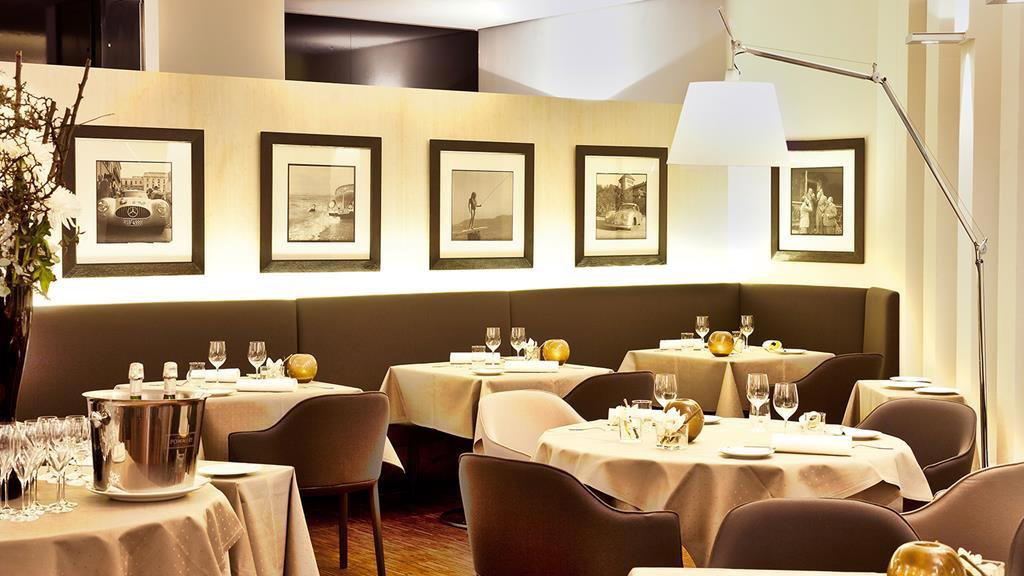
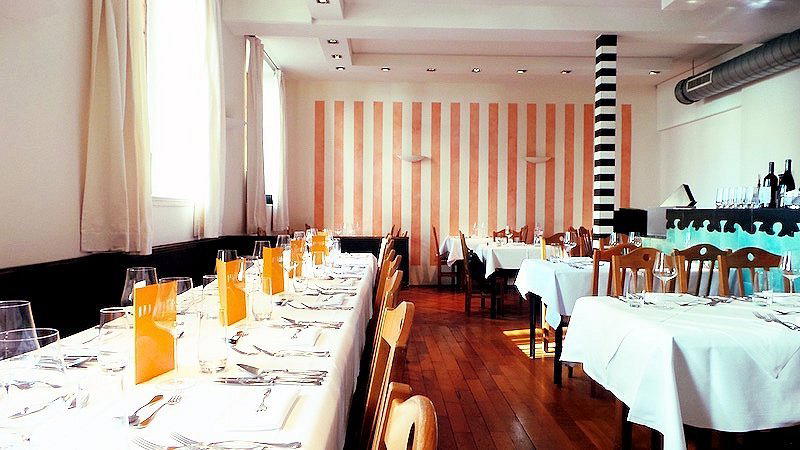
Casual, unpretentious food stall atmosphere with minimal indoor standing space and covered outdoor seating; bustling market setting with authentic Middle Eastern charm.