TUTU Kitchen occupies a address on Steinheilstraße in Munich's Maxvorstadt district, a neighbourhood where independent restaurants sit alongside university canteens and gallery cafes. The kitchen operates in a city that has quietly built one of Germany's more concentrated fine-dining corridors, and TUTU positions itself within that broader scene as a venue worth tracking for anyone moving beyond Munich's Michelin-starred circuit.
Pearl is the En Primeur Club membership app — saves, bookings, and concierge access live there. Same editors, same standards.
- Address
- Steinheilstraße 10, 80333 München, Germany
- Phone
- +498992749377
- Website
- tutukitchen.de
- Directions
- Get directions
 Saves & bookings on Pearl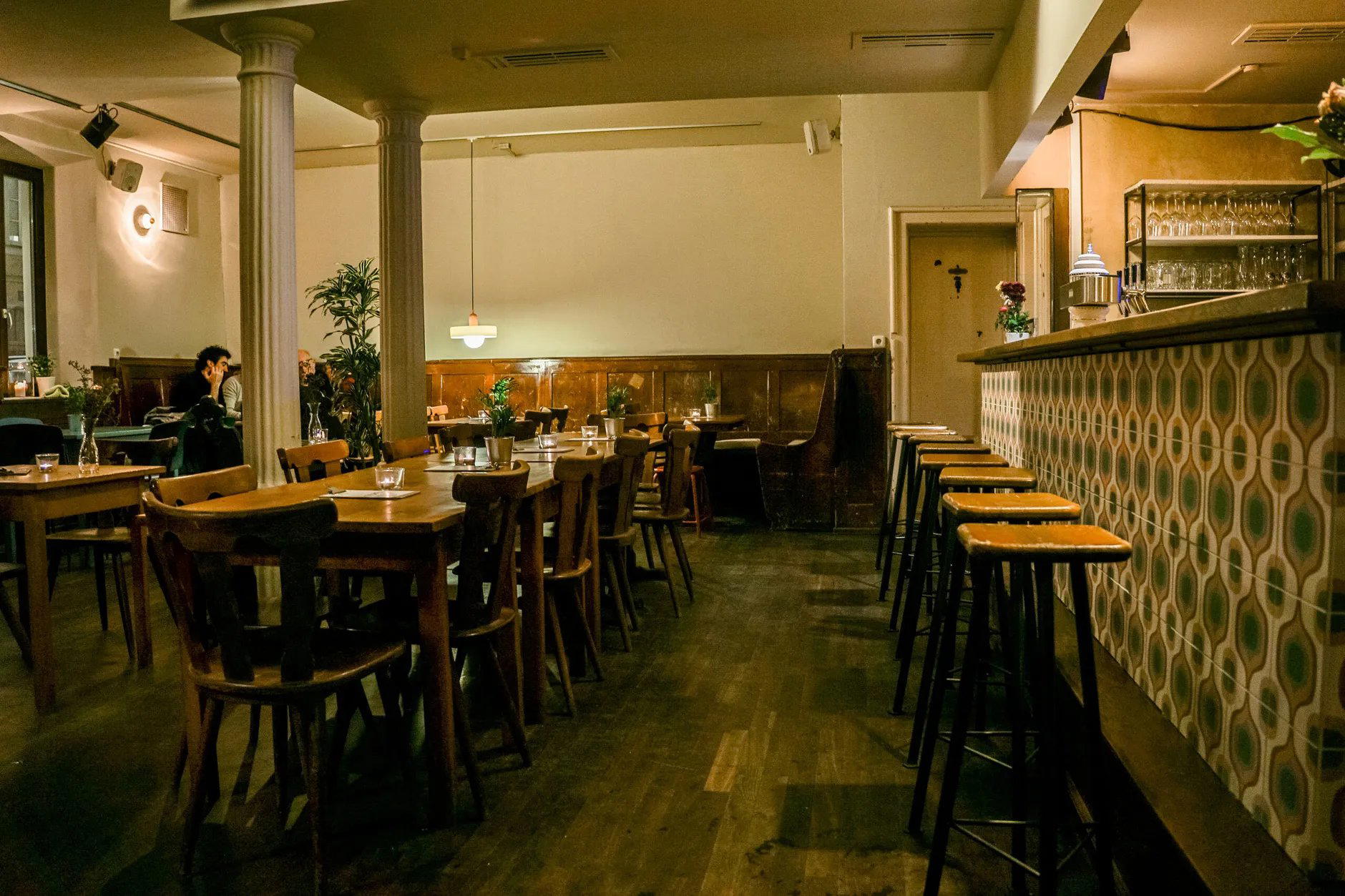
Maxvorstadt and the Meal Before the Meal
TUTU Kitchen is a restaurant in Munich's Maxvorstadt district, serving Levantine Mezze & Fish & Chips Fusion in a casual, walk-in-friendly setting. Maxvorstadt is not Munich's flashiest quarter. The Pinakothek museums anchor its cultural identity, and the streets around them carry a calm, slightly academic weight, bookshops, small wine bars, the occasional gallery running a vernissage. It is precisely this low-key register that makes the neighbourhood a natural incubator for restaurants that rely on word of mouth rather than foot traffic. TUTU Kitchen sits at number 10.
Munich's premium dining tier is dense for a city of its size. Tantris has anchored the Modern French tradition here since the 1970s, while Atelier and Alois - Dallmayr Fine Dining represent the city's appetite for creative tasting-menu formats at the upper price point. Tohru in der Schreiberei has introduced a German-Japanese idiom that reflects the city's growing internationalism. Against this backdrop, independent kitchens in Maxvorstadt occupy a distinct middle register: closer to the neighbourhood than to the hotel dining rooms that dominate the Michelin conversation, but no less serious in their intentions.
The Logic of a Progressive Menu
The menu format, common in serious European dining, operates on a particular contract with the guest. Each course arrives as a statement about what comes next; pacing is a form of argument. Germany's leading progressive kitchens, from Aqua in Wolfsburg to Schwarzwaldstube in Baiersbronn, have refined this contract over years of continuous service. The meal becomes a sequence with internal logic: lighter, more acidic preparations opening the appetite; richer, more structurally complex dishes arriving at the centre; something sweet or sharp closing the arc.
That progression is not simply a convention. It reflects an understanding of how flavour perception changes over the course of two to three hours at the table. The leading German kitchens treat it as a compositional discipline, not a menu format. Vendôme in Bergisch Gladbach and Victor's Fine Dining by Christian Bau in Perl have both demonstrated that the arc of a meal can carry as much authorial weight as the individual dishes within it. Closer to Munich, ES:SENZ in Grassau and Schanz in Piesport show how regional producers can be woven into a progressive structure without the menu becoming a local-sourcing manifesto. TUTU Kitchen, at its Steinheilstraße address, operates within this broader tradition of serious sequential dining in the German-speaking world.
Where TUTU Sits in Munich's Restaurant Tiers
Munich's restaurant scene spans several distinct tiers. At the leading, Michelin-starred rooms like JAN and Tantris price and book against a national and international comparable set. In the middle, a growing cohort of independent kitchens, less decorated but no less focused, serve a local audience that has absorbed years of premium dining and no longer needs the Michelin imprimatur to commit to a serious tasting menu. Below that, neighbourhood bistros and Bavarian cooking institutions coexist with the tourist economy around Marienplatz and the Viktualienmarkt.
Maxvorstadt restaurants generally occupy that middle tier. They sit outside the Michelin spotlight not because of any failure of ambition, but because the economics of smaller, neighbourhood-facing rooms rarely align with the infrastructure that sustained recognition requires. This is the same dynamic visible in Berlin, where CODA Dessert Dining built a serious reputation on a format that the city's restaurant public discovered before the guides caught up. The independent kitchen in a residential or semi-residential neighbourhood is, in many European cities, where genuinely progressive cooking is most likely to be happening without announcement.
The Neighbourhood as Context
Steinheilstraße runs through a part of Maxvorstadt that connects the Technische Universität München to the museum quarter. The street-level mix is practical rather than aspirational: hardware suppliers, a handful of cafes, residential buildings with ground-floor retail. A kitchen operating here draws a specific kind of guest, one who is coming deliberately, not because the location made them stop. That selectivity in the guest profile tends to produce more focused service dynamics than a high-footfall address would. Restaurants in this position live and die on repeat visits and direct recommendation rather than passing trade.
This neighbourhood pattern is not distinctive to Munich. The same logic applies to the addresses where Hamburg's Restaurant Haerlin operates at one end of the hospitality spectrum, and to smaller independent rooms throughout Germany's mid-sized cities. What Maxvorstadt adds is a particular intellectual texture, a neighbourhood where the audience tends to be culturally engaged and food-literate, which raises the ambient expectations for any kitchen that sets up here.
German Dining and the International Reference Set
German fine dining has spent the past two decades accumulating international credibility, partly through individual chefs who trained abroad and returned, and partly through a generation of sommeliers and front-of-house professionals who have reframed what German hospitality can look like. The comparison set for serious Munich dining now extends well beyond Germany's borders. Le Bernardin in New York City and Atomix in New York City both demonstrate how a clear culinary identity, sustained over years of consistent execution, becomes its own form of authority, independent of geography or local culinary tradition. The question for any serious kitchen in a city like Munich is less about what tradition it comes from, and more about whether the guest can feel a clear point of view accumulating across the courses of a meal.
TUTU Kitchen, at Steinheilstraße 10, is part of that picture: a neighbourhood address in a serious restaurant city, operating in the tradition of European progressive dining and serving a guest who is choosing it with intent. Beyond Munich, references like Bagatelle in Trier and Waldhotel Sonnora in Dreis illustrate how Germany's serious restaurant culture extends well into regional addresses that rarely feature in international coverage.
Planning Your Visit
| Venue | Location | Price Tier | Format |
|---|---|---|---|
| The restaurant | Maxvorstadt, Munich | Not published | Neighbourhood kitchen |
| Tantris | Schwabing, Munich | €€€€ | Modern French tasting menu |
| JAN | Munich | Fine dining | Creative tasting menu |
| Tohru in der Schreiberei | Munich | €€€€ | German-Japanese tasting menu |
| Alois - Dallmayr Fine Dining | Altstadt, Munich | €€€€ | Creative tasting menu |
The restaurant is located at Steinheilstraße 10, 80333 München. Hours are Mon: 12-5:30 PM, 6 PM-1 AM; Tue: 12-5 PM, 6 PM-1 AM; Wed: 12-5 PM, 6 PM-1 AM; Thu: 12-5 PM, 6 PM-1 AM; Fri: 12-5 PM, 6 PM-1 AM; Sat: 9:30 AM-3 PM, 6-11:30 PM; Sun: Closed.
Category Peers
Comparable venues nearby, for context on price, style, and recognition.
| Venue | Cuisine | Price | Notes |
|---|---|---|---|
| TUTU KitchenThis venue — the venue you are viewing | Levantine Mezze & Fish & Chips Fusion | $$ | Not listed |
| Tahdig | Authentic Persian | $$ | Lehel |
| Das Maria | Levantine Cafe with Oriental Influences | $$ | Isarvorstadt |
| Schmock | Israeli-Arabic Mezze | $$ | Theresienwiese |
| Erbils Vegan | Vegan Turkish Döner | $$ | Haidhausen |
| Restaurant Kabul | Authentic Afghan | $$ | Neuhausen |
At a Glance
- Cozy
- Bohemian
- Lively
- Casual Hangout
- Group Dining
- After Work
- Live Music
- Standalone
Current opening hours
- Monday
- 12–5:30 PM, 6 PM–1 AM
- Tuesday
- 12–5 PM, 6 PM–1 AM
- Wednesday
- 12–5 PM, 6 PM–1 AM
- Thursday
- 12–5 PM, 6 PM–1 AM
- Friday
- 12–5 PM, 6 PM–1 AM
- Saturday
- 9:30 AM–3 PM, 6–11:30 PM
- Sunday
- Closed
Hours can change for holidays and private events. Last verified .
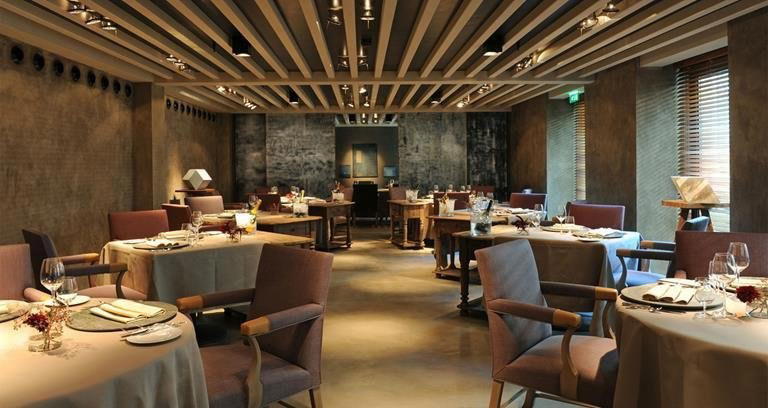
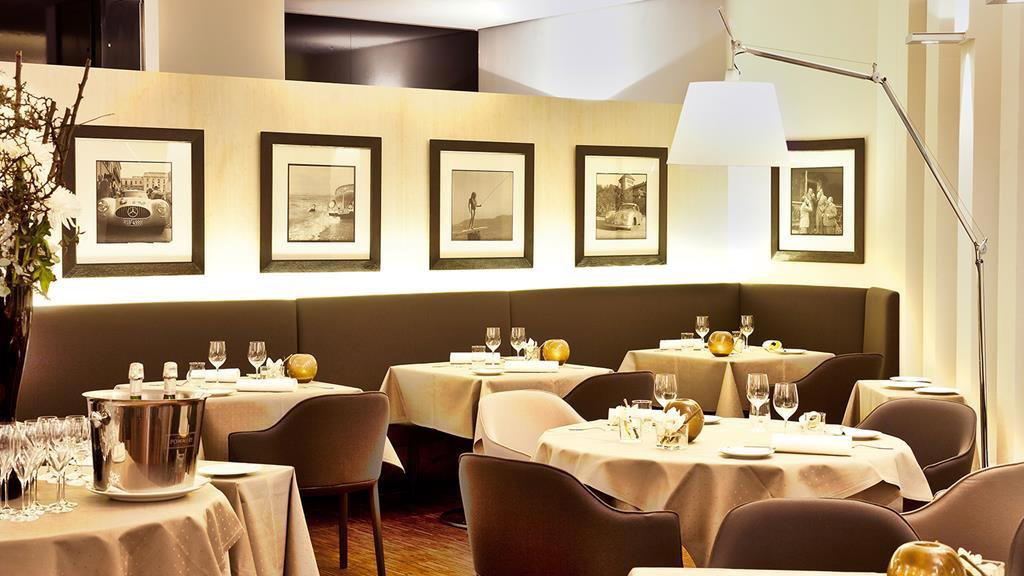
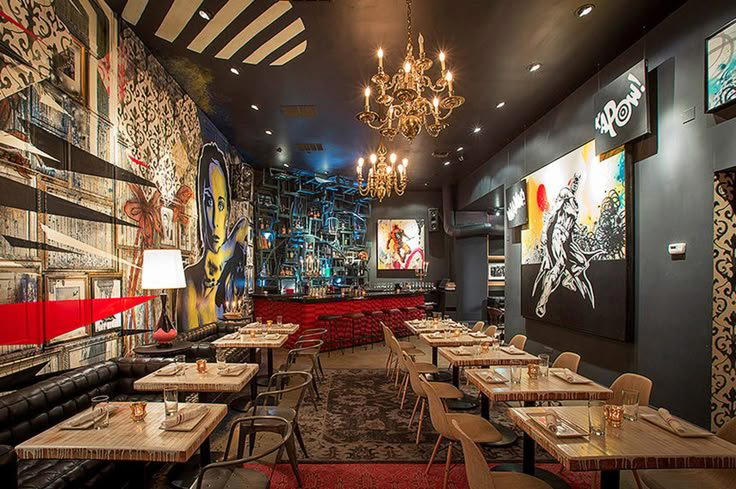
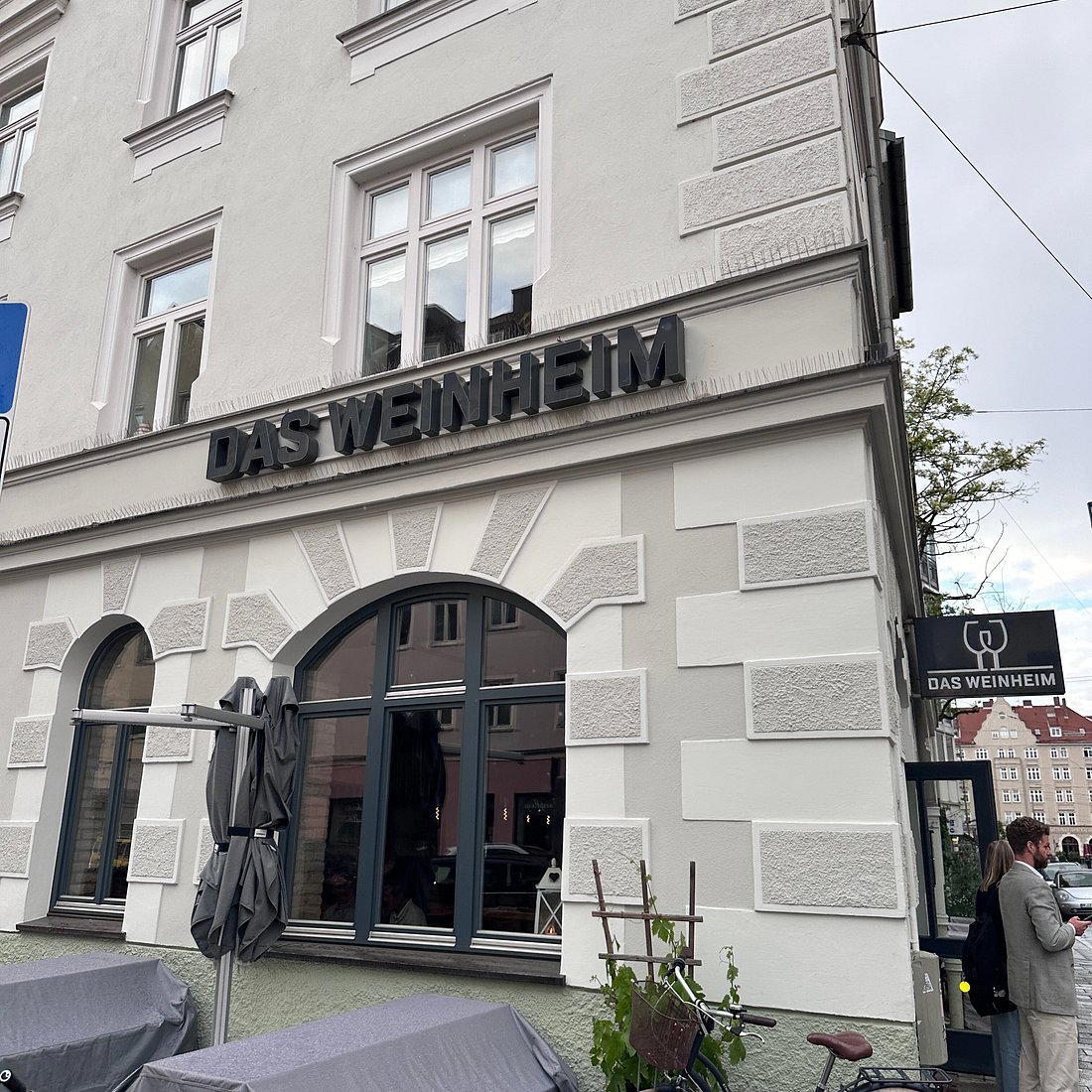
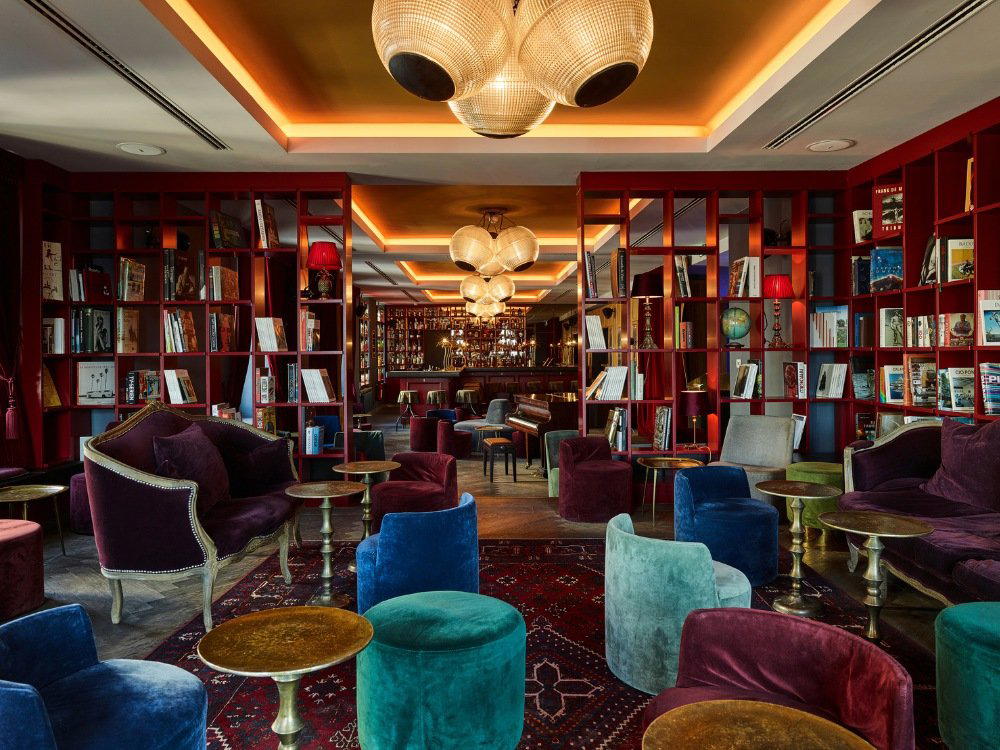
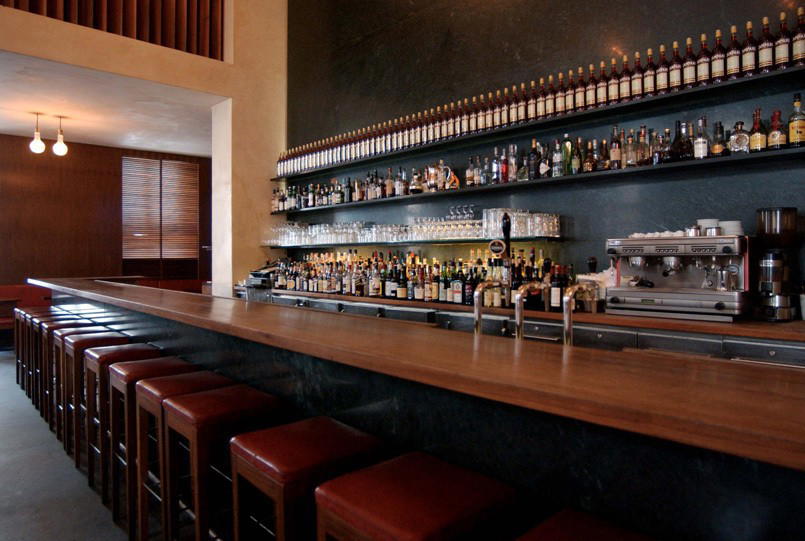
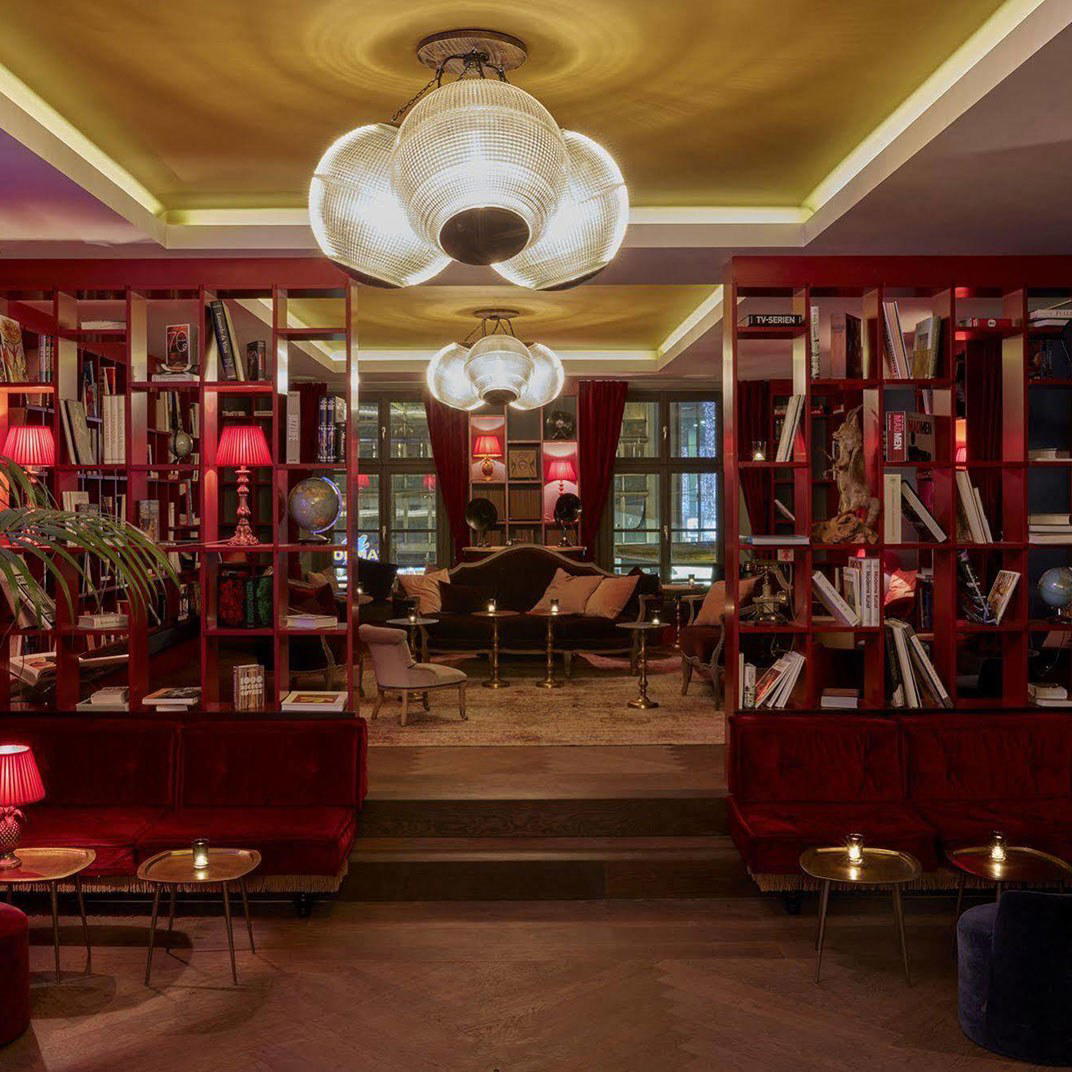
Warm, cozy 1960s-style atmosphere with intimate lighting and live music performances creating a welcoming social gathering space.