On Dachauer Strasse in Munich's inner west, Restaurant Kabul represents the Afghan dining tradition in a city whose restaurant culture is dominated by Bavarian fare and French-trained fine dining. The address places it within easy reach of the central city, offering a distinct alternative to the tasting-menu formats that define Munich's Michelin tier. Contact the restaurant directly for current hours and reservation availability.
Pearl is the En Primeur Club membership app — saves, bookings, and concierge access live there. Same editors, same standards.
- Address
- Dachauer Str. 33, 80335 München, Germany
- Phone
- +498946227038
- Website
- kabul-kueche.de
- Directions
- Get directions
 Saves & bookings on Pearl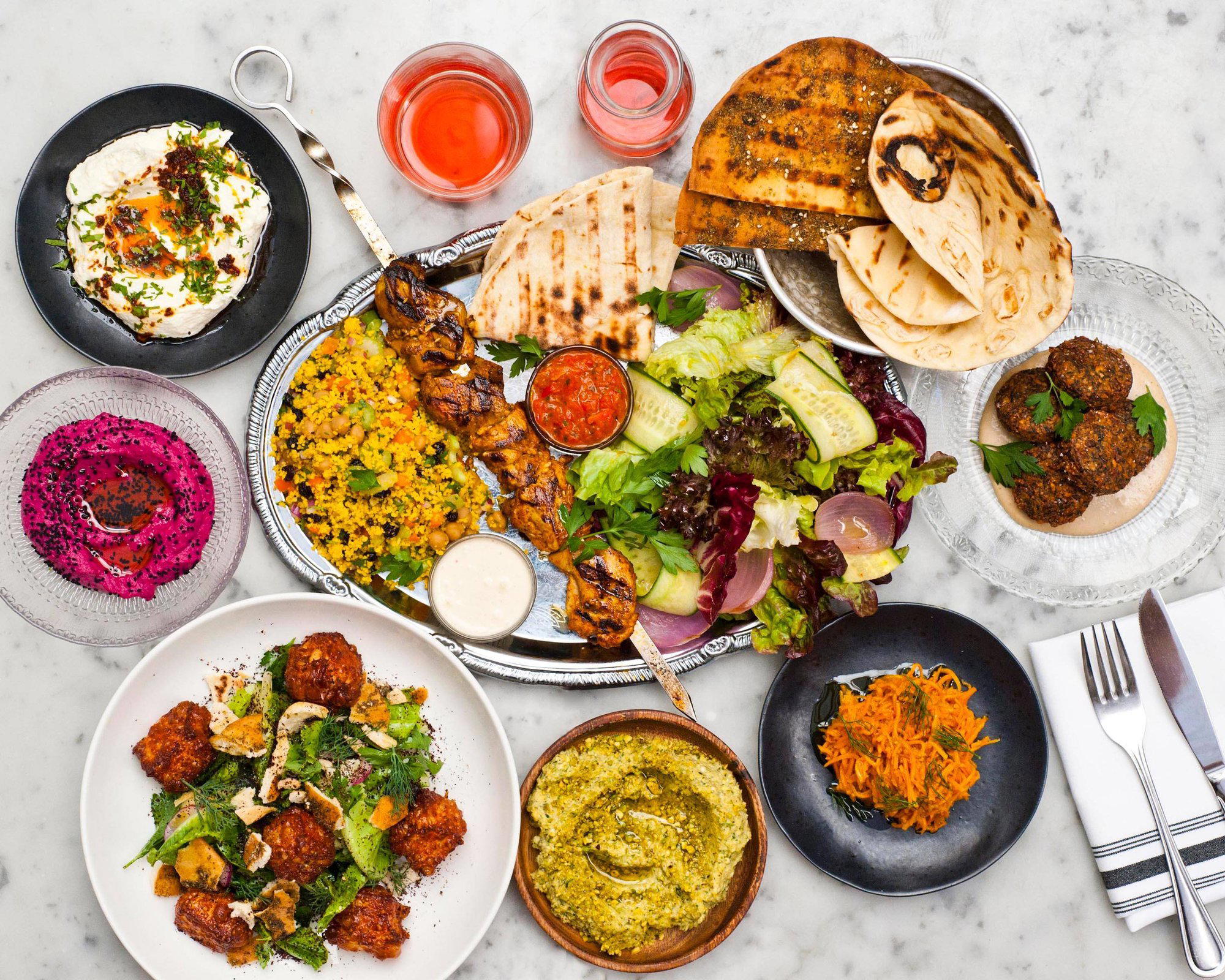
Afghan Cooking in a City Built on Bavarian Tradition
Munich's restaurant identity is constructed around two poles: the deep-rooted Bavarian tavern culture of white sausage, pretzels, and wheat beer, and the concentrated fine-dining circuit that includes addresses like Tantris, Atelier, and JAN, where tasting menus run to multiple courses and wine pairings. Between those two poles sits a quieter tier of restaurants serving immigrant and diaspora cuisines that have shaped the city's everyday eating without attracting the same critical attention. Restaurant Kabul on Dachauer Str. 33 in Munich belongs to that category. Afghan cuisine remains one of the less-documented traditions on Munich's restaurant map, and Kabul operates as one of the city's established points of reference for it.
The neighbourhood itself has a residential and commercial texture, positioned between the more tourist-facing corridors of the Altstadt and the museum-heavy streets of Maxvorstadt. This part of Munich tends to support working restaurants rather than destination dining, which shapes the kind of experience Kabul offers.
The Afghan Culinary Tradition and What It Brings to the Table
Afghan cooking draws from a geography that places it at the intersection of Central Asian, Persian, and South Asian influences. The foundational techniques involve slow-braising and long-cooked rice preparations, particularly the category of dishes known as pilau, where rice is layered with lamb, carrot, raisins, and aromatic spices including cardamom and cumin. Flatbreads function as both utensil and accompaniment. Yogurt-based sauces provide acidity and cooling contrast against richly spiced proteins. The overall flavour register is closer to Persian cuisine than to the chile-forward heat of South Asian cooking, subtler in spice, heavier in slow-cooked fat, and built around the saffron-and-rose-water end of the aromatic spectrum.
In the context of German dining cities, Afghan restaurants occupy a specific niche. Berlin has a larger Afghan restaurant community, partly shaped by the city's historically significant Afghan diaspora population. Munich's Afghan dining options are narrower, which gives Kabul a position of relative prominence within that segment. For visitors or residents oriented toward the Franco-German fine dining that defines Munich's prestige tier, places like Alois - Dallmayr Fine Dining or Tohru in der Schreiberei, Kabul represents a deliberate step sideways into a different culinary framework entirely.
Sustainability and Sourcing in Afghan-Style Cooking
Afghan cuisine's traditional architecture aligns well with principles that contemporary dining now packages under the sustainability label. The cooking is built around whole-animal use, legume-heavy dishes that offset meat consumption, and preparations that stretch primary ingredients across multiple forms. Lamb, the dominant protein in Afghan cooking, appears in cuts that require long braising to become viable, which historically meant nothing was discarded. Lentil dishes like dal variants, chickpea preparations, and dried-fruit-enriched rice dishes reflect a culinary tradition that developed under resource constraints, and that frugality is embedded in the cooking logic rather than retrofitted as a marketing position.
Across Germany's higher-end restaurant tier, the sustainability conversation has become institutionalised. CODA Dessert Dining in Berlin has built a programme explicitly around waste reduction at the pastry level. ES:SENZ in Grassau works from a regional-sourcing framework tied to its alpine location. At a different price point and without the Michelin infrastructure, restaurants like Kabul carry an analogous logic through tradition rather than through formal programme design. The value of that distinction is that it doesn't depend on a marketing budget or a sustainability consultant, it's how the food has always been made.
Where Kabul Sits Relative to Munich's Broader Dining Map
Munich's highest-concentration fine dining is well-covered by the Michelin guide. The city has a cluster of multi-starred restaurants and a larger tier of one-starred addresses that compete on tasting menu design, wine programmes, and kitchen pedigree. Beyond Munich, Germany's fine dining circuit extends to Aqua in Wolfsburg, Schwarzwaldstube in Baiersbronn, Vendôme in Bergisch Gladbach, Victor's Fine Dining by Christian Bau in Perl, Waldhotel Sonnora in Dreis, Restaurant Haerlin in Hamburg, Schanz in Piesport, and Bagatelle in Trier. Internationally, the tasting-menu format that dominates German fine dining has parallels in addresses like Le Bernardin in New York City and Atomix in New York City.
Kabul sits outside that competitive tier entirely. Its reference points are different: the quality of its rice preparations, the depth of its braised lamb dishes, and the consistency of its spice work matter more than wine list depth or course count. That makes it a distinct kind of dining decision.
Planning Your Visit
Awards and Standing
Comparable venues nearby, for context on price, style, and recognition.
| Venue | Cuisine | Price | Notes |
|---|---|---|---|
| Restaurant KabulThis venue — the venue you are viewing | Authentic Afghan | $$ | Not listed |
| Restaurant Ksara | Traditional Lebanese | $$ | Schwabing |
| Shandiz | Persian Grill | $$ | Neuhausen |
| Roshan Restaurant | Authentic Afghan | $$ | Milbertshofen |
| Libanon | Lebanese Imbiss | $ | Schwabing |
| Zen Panasia Cuisine | Pan-Asian Sushi | $$ | Au |
At a Glance
- Cozy
- Lively
- Casual Hangout
- Group Dining
- Terrace
Current opening hours
- Monday
- 11 AM–11 PM
- Tuesday
- 11 AM–11 PM
- Wednesday
- 11 AM–11 PM
- Thursday
- 11 AM–11 PM
- Friday
- 11 AM–11 PM
- Saturday
- 12–11 PM
- Sunday
- 12–11 PM
Hours can change for holidays and private events. Last verified .
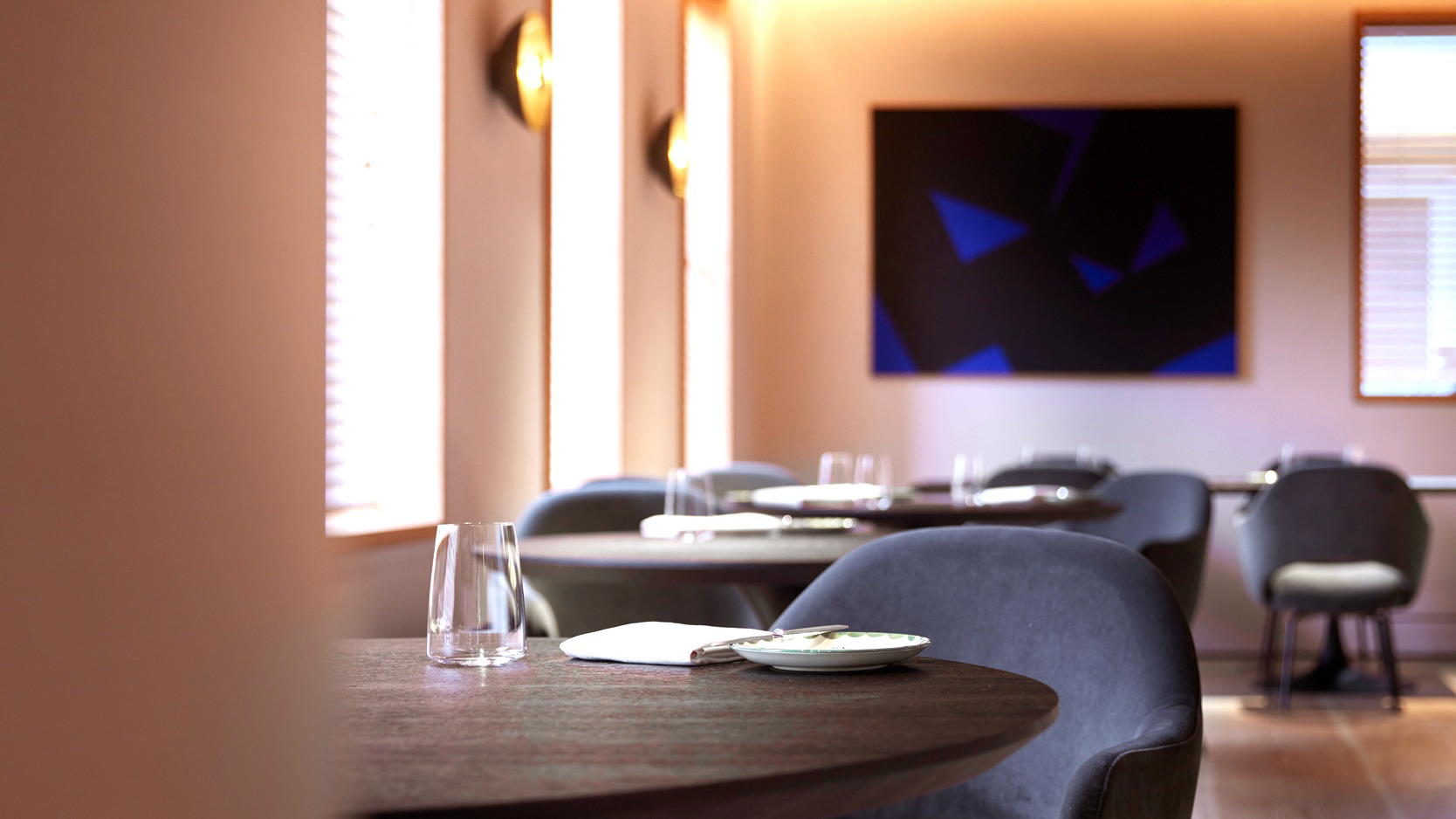
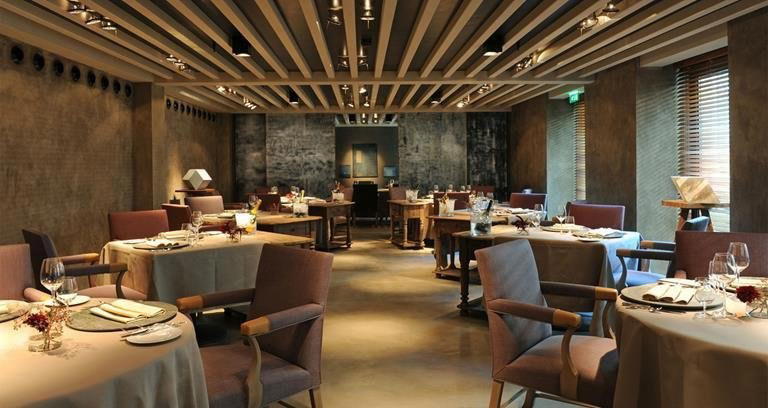
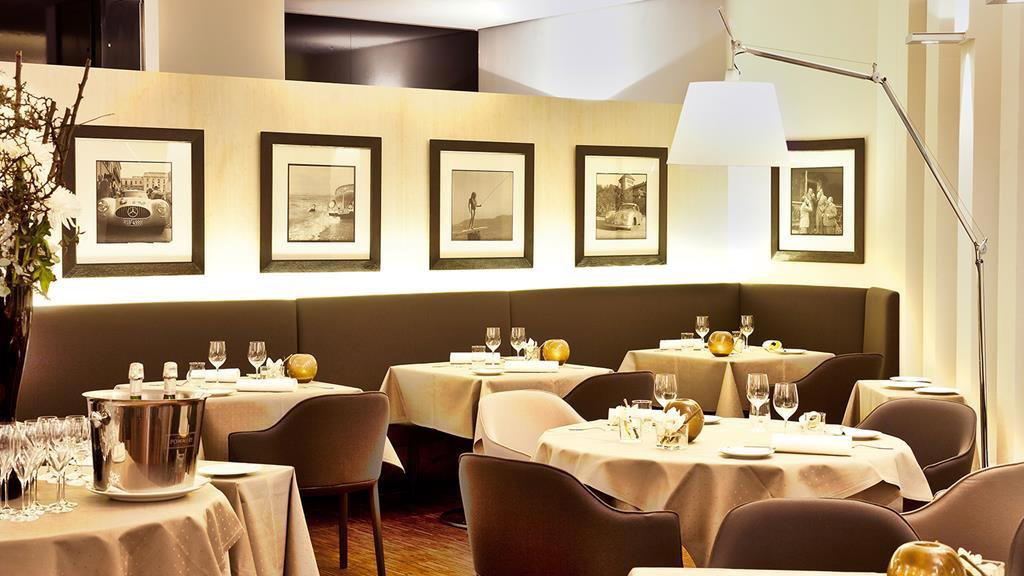
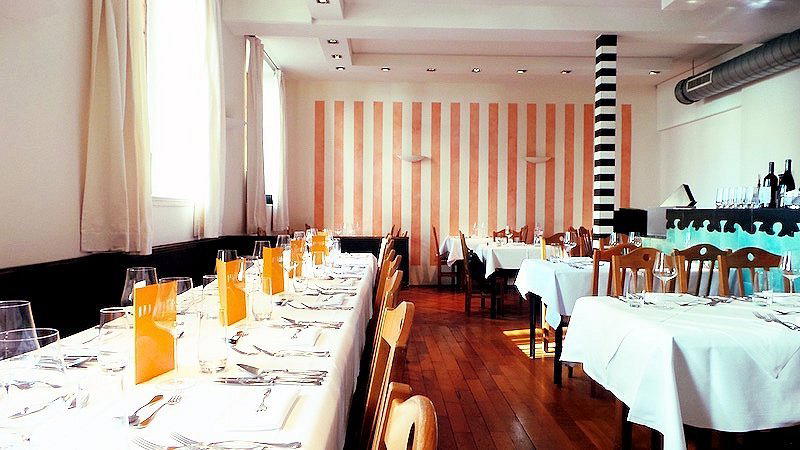
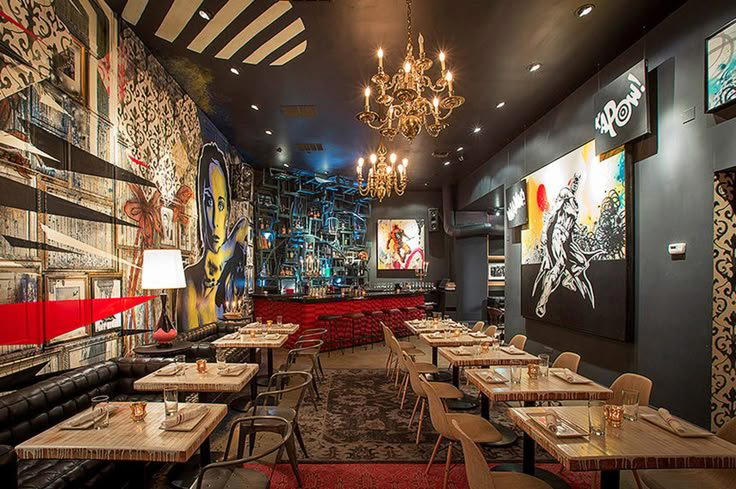
Cozy yet bustling atmosphere enhanced by traditional decorations and lively music.