Shabushabu Mayumon


Michelin Plate
Our verdict
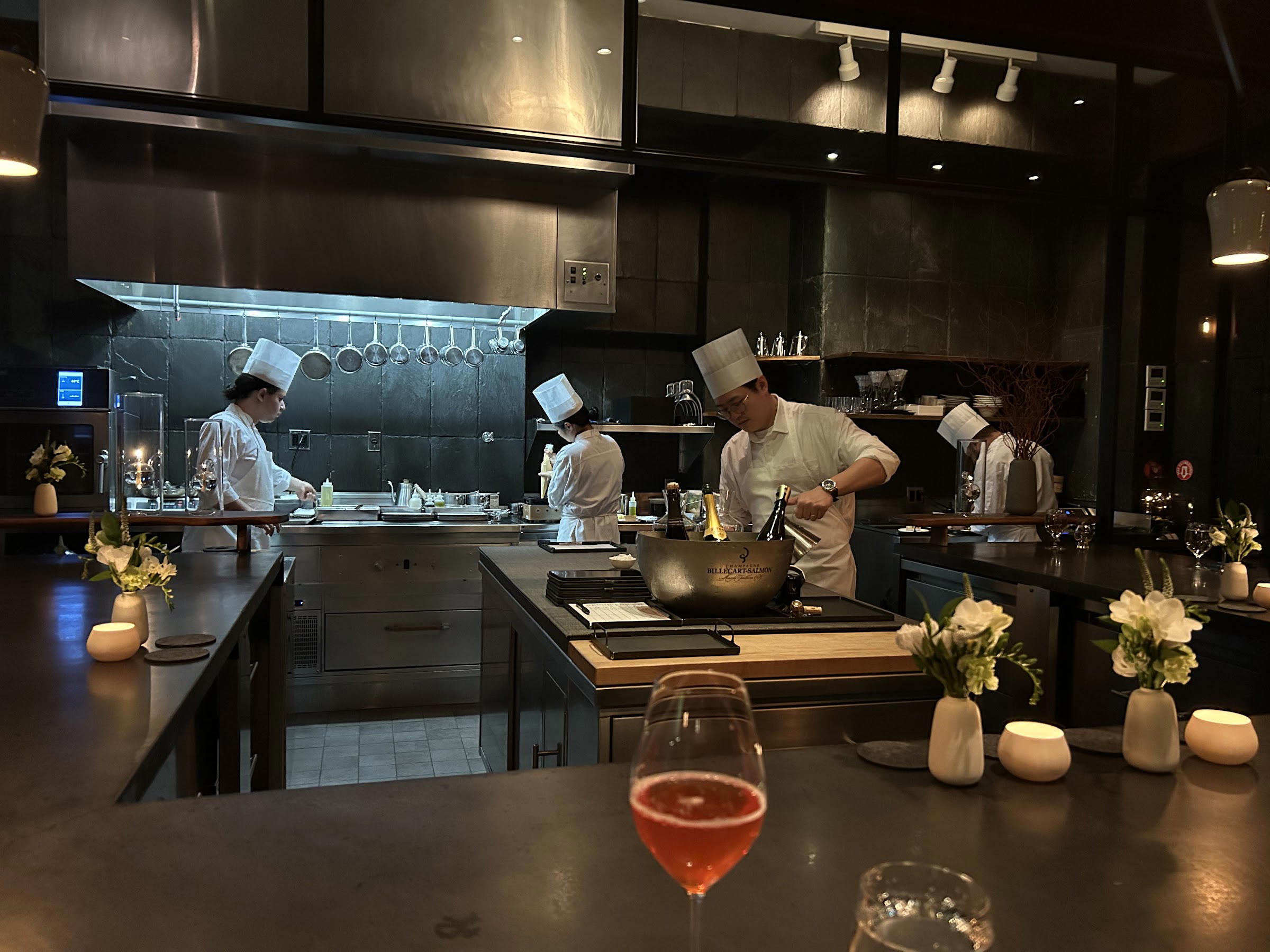
A 10-seat counter in Manhattan's Lower East Side, Shabushabu Mayumon has built a focused reputation around classic Japanese shabu shabu adapted with notable precision. Prime pork belly, A5 Miyazaki wagyu, and American wagyu are swished through boiling broth and finished in house-made sauces, with occasional Spanish and Italian inflections woven into the tasting format. Ranked #202 on Opinionated About Dining's North America list in 2025, it earns its place through restraint, quality sourcing, and counter-driven pacing.

Pearl is the En Primeur Club membership app, where members save venues, book tables and use the concierge.
From Niche Format to Recognised Counter: How Shabu Shabu Found Its Place in New York's Serious Dining Tier
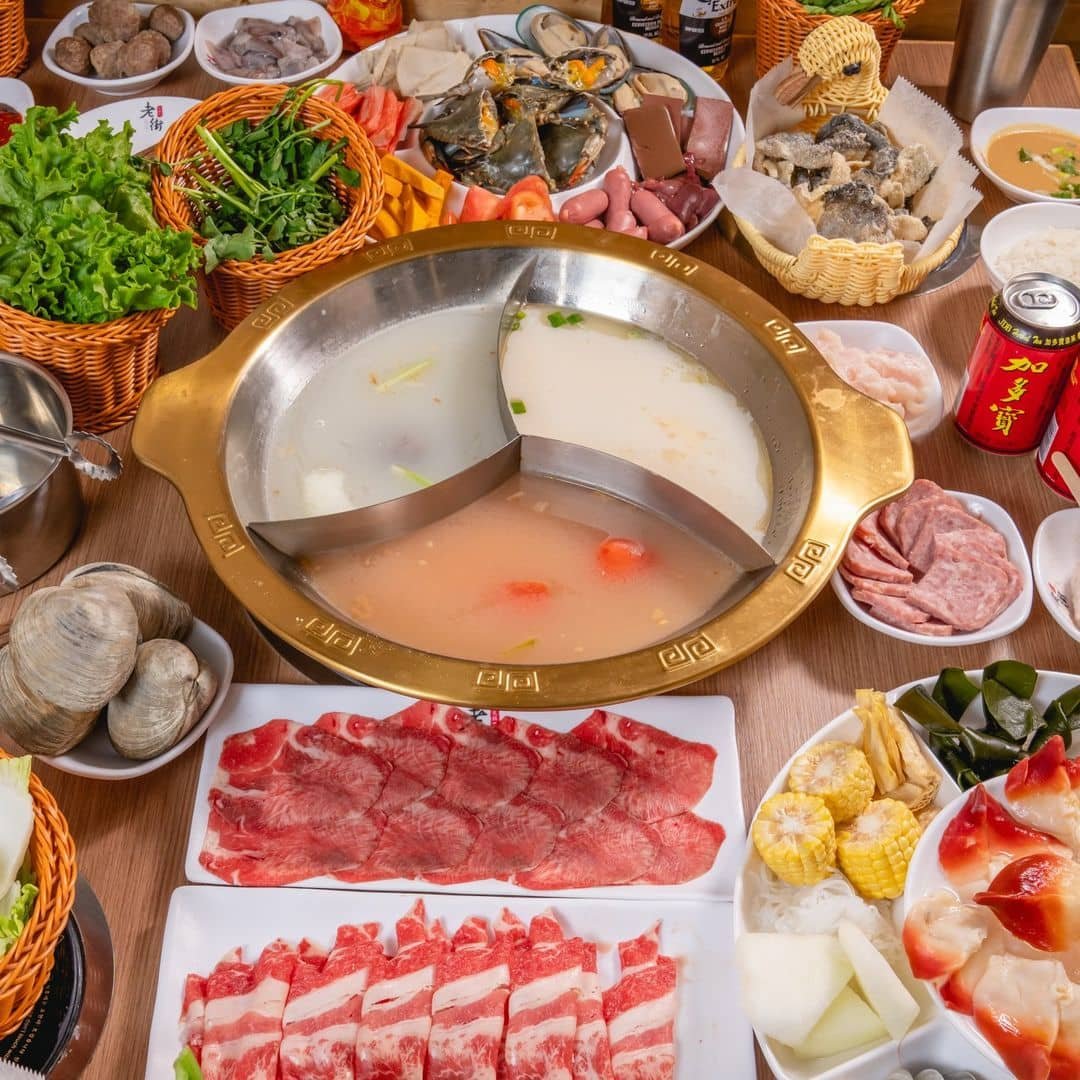
When shabu shabu first arrived in New York, it occupied the casual end of the Japanese dining spectrum: large communal pots, accessible price points, and a format designed for groups rather than the kind of focused attention that earns critical notice. Over the past several years, that picture has shifted. A small cohort of counters has repositioned the format as a vehicle for serious ingredient sourcing and precise kitchen technique, drawing comparisons not to hot-pot chains but to the omakase counters that populate Midtown and the East Village. Its trajectory on Opinionated About Dining's North America rankings, Highly Recommended in 2023, #277 in 2024, #202 in 2025, maps the progression of both the venue and the category it helped define.
The Evolution of the Format: How Mayumon Has Moved Over Three Years
The OAD ranking climb from Highly Recommended to a numbered position, and then upward through that numbered tier, reflects something more than accumulating goodwill. In New York's $$$$ dining segment, where counters like odo, Noda, and Tsukimi compete for attention from the same pool of engaged diners, movement up a ranked list signals a refinement of what the format offers rather than just a broadening audience. Mayumon's current direction points toward a more composed tasting experience: the broth-swishing at the centre of shabu shabu remains, but the surrounding framework has become more deliberate. Occasional Spanish and Italian elements have been absorbed into the menu in ways that are largely convincing, a meaningful distinction from the kind of fusion that signals uncertainty rather than confidence.
That willingness to test European influences against a fundamentally Japanese technique mirrors a broader pattern in New York's Japanese fine dining scene. The city's most-discussed Japanese counters rarely operate as strict preservation exercises. Blue Ribbon Sushi Izakaya and Chikarashi each absorb non-Japanese reference points without abandoning their core registers. Mayumon's evolution follows a similar logic, using outside influences to deepen the format rather than replace it.
What Happens at the Counter
Shabu shabu's defining gesture, drawing thin slices of meat through simmering broth, the action that gives the format its onomatopoeic name, is not typically considered a vehicle for luxury sourcing. Mayumon inverts that assumption. The counter works through prime pork belly, A5 Miyazaki wagyu, and American wagyu, a range that spans both the Japanese grading apex and domestically produced alternatives. The quantity of wagyu is substantial enough to register as a structural element of the meal rather than a token premium addition, yet the broth-cooking method keeps the richness in check. Lighter accompaniments, lettuce, mushrooms, provide contrast without interrupting the protein focus.
Finishing sauces run in three directions: sweet soy, a pungent, peppery ponzu, and a nutty miso preparation. These are not condiments in the background sense; they define the flavour arc of each component. At a counter with 10 seats, the kitchen's ability to calibrate pacing for each guest becomes the central hospitality gesture. The team works to meet individual pacing, whether that means moving quickly or slowing down, a meaningful point in a format where the cooking is partly interactive and the rhythm of a meal can vary considerably between guests at the same counter.
Chef Mako Okano leads the kitchen. Credential context matters here: in New York's serious Japanese counter tier, the individual leading a 10-seat room functions less as a back-of-house figure and more as the consistent presence that defines the counter's character over time. The counter format at this scale leaves little distance between the kitchen and the guest.
Where It Sits in the New York Fine Dining Tier
At the $$$$ price point, Mayumon's competitive reference set is not intuitive. The other venues in this tier include French tasting menus, contemporary American formats, and sushi omakase counters. Per Se, Eleven Madison Park, Le Bernardin, Masa, and Atomix each occupy distinct slots in New York's premium dining geography, and none of them offer a meaningful point of comparison for shabu shabu specifically. That separation is part of what makes Mayumon's OAD placement significant: it earned a numbered position in a cross-category ranking against venues with far larger public profiles and, in several cases, Michelin recognition.
For travellers who have already worked through the obvious $$$$ tier, or who arrive knowing the major Midtown and East Village counters, Mayumon represents the kind of address that gets exchanged among people who follow OAD and similar specialist rankings rather than the broader hotel concierge circuit. The Lower East Side location reinforces that positioning. Division Street places the restaurant within a neighbourhood that has shifted decisively toward serious dining over the past decade, with enough density of interesting options that a well-planned evening in the area can extend well beyond a single reservation.
Planning Your Visit
| Factor | Shabushabu Mayumon | Comparable $$$$ Counter Tier |
|---|---|---|
| Seats | 10 (counter only) | 8–16 typical for this format |
| Price range | $$$$ | |
| Format | Tasting menu, counter-paced | Omakase or set tasting |
| Location | Lower East Side (115 Division St) | Midtown, East Village, Tribeca |
| OAD Ranking (2025) | #202 North America | Varies; several peers unranked |
| Recognition trend | Rising (2023–2025) | Stable or declining in some cases |
Given the 10-seat counter, advance booking is advisable. Check the restaurant's current reservation channels and hours directly before planning. The LES location is accessible by subway, with several lines within reasonable walking distance of Division Street.
For a broader view of the city's dining scene, see the New York City experiences guide. For reference points in other American cities at a similar tier, Lazy Bear in San Francisco, Alinea in Chicago, The French Laundry in Napa, Single Thread Farm in Healdsburg, Providence in Los Angeles, and Emeril's in New Orleans each offer their own version of what serious tasting-format dining looks like at the top of a regional market. For the Tokyo counterpoint in Japanese fine dining, Myojaku and Azabu Kadowaki represent the source tradition from which counters like Mayumon draw their technical foundations.
What Do People Recommend at Shabushabu Mayumon?
The range across A5 Miyazaki wagyu, American wagyu, and prime pork belly means the counter covers both the Japanese grading apex and more accessible domestic cuts within the same meal. Sweet soy, ponzu, and miso define how each protein reads on the plate. Pacing flexibility is a meaningful hospitality feature at this format and price level. The occasional Spanish and Italian inflections work within the framework rather than disrupting it, which at a 10-seat counter with a fixed tasting format is a harder balance to achieve than it might appear.
Frequently asked questions
Where is Shabushabu Mayumon located?
Shabushabu Mayumon is located at 115 Division St, New York, NY 10002.
What do people recommend at Shabushabu Mayumon?
The wagyu preparation consistently draws the strongest response. The counter runs A5 Miyazaki wagyu alongside American wagyu, with both cycled through simmering broth and finished in ponzu or miso sauces.
What should I expect cuisine-wise at Shabushabu Mayumon?
Shabushabu Mayumon is a Japanese restaurant.
Peers Worth Knowing
A small comparison set for context.
| Venue | Cuisine | Price | Awards | Notes |
|---|---|---|---|---|
| Shabushabu MayumonThis venue (the venue you are viewing) | Omakase Shabu Shabu | $100–150 | Michelin Plate | Not listed |
| Le Bernardin | French Seafood Fine Dining | $300–500 | 3 Michelin Stars · World's 50 Best #13 | French, Seafood |
| Atomix | Modern Korean Tasting Menu | $300–500 | 2 Michelin Stars · World's 50 Best #7 | Modern Korean, Korean |
| Masa | Seasonal Hokkaido Tempura Omakase | $150–200 | Tabelog 100 #34 | Sushi, Japanese |
| Per Se | French Fine Dining Tasting Menu | $300–500 | 3 Michelin Stars · World's 50 Best #40 | French, Contemporary |
| Eleven Madison Park | Contemporary Plant-Based Fine Dining | $300–500 | 3 Michelin Stars · World's 50 Best #4 | French, Vegan |
Recognition history
Dated appearances from independent guides and award organizations, with the underlying list record or original source where available.
Michelin Plate
Michelin
Opinionated About Dining Top Restaurants in North America Recommended
Opinionated About Dining
Full recognition history (5 entries)
Opinionated About Dining Top Restaurants in North America Ranked #202
Opinionated About Dining
Opinionated About Dining Top Restaurants in North America Ranked #277
Opinionated About Dining
Opinionated About Dining Top Restaurants in North America Highly Recommended
Opinionated About Dining