

1 Michelin Star
Our verdict
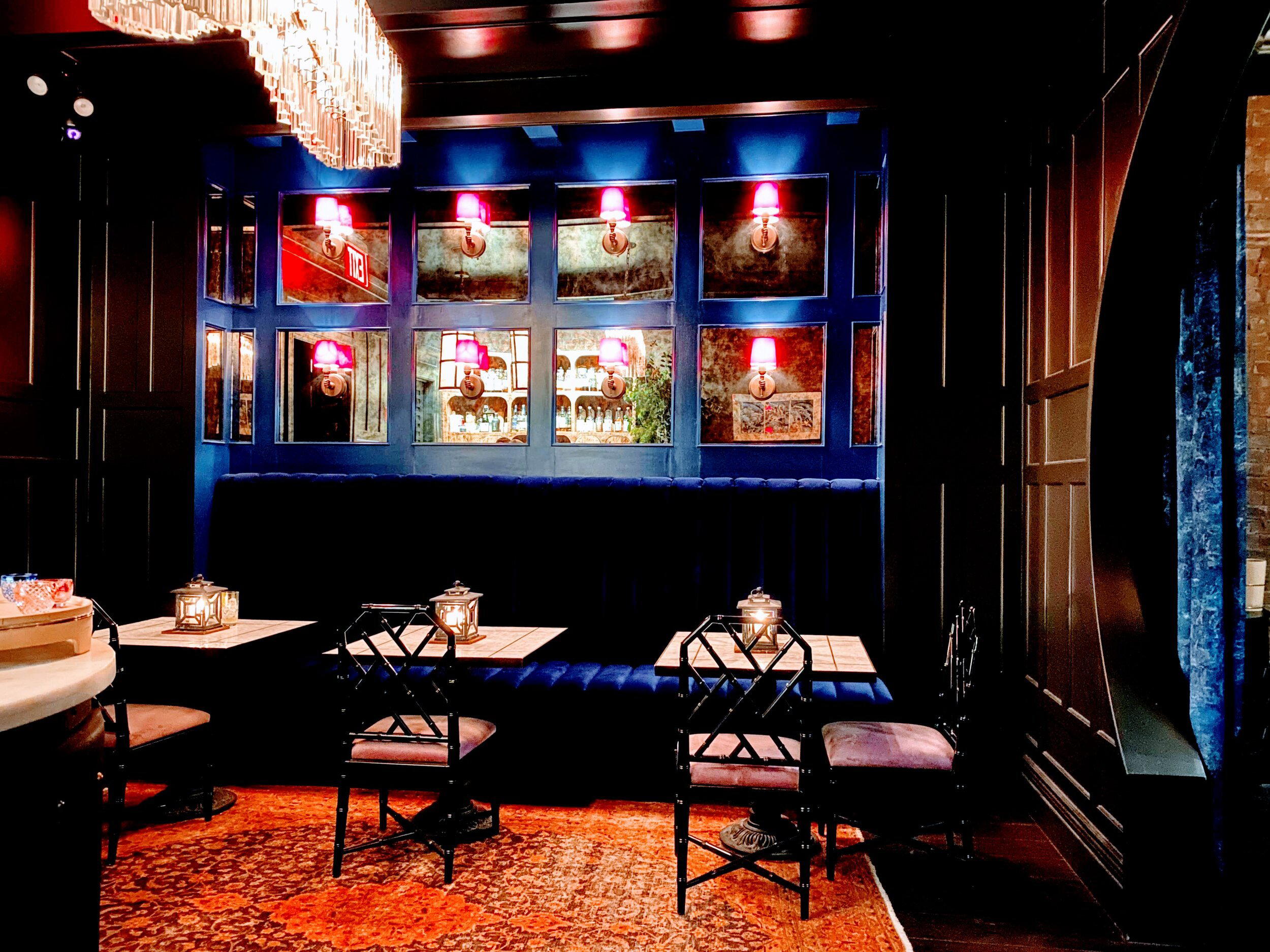
An eight-seat omakase counter in Chelsea operating inside a speakeasy-styled space with exposed brick walls and a cocktail den called Shinji at its entrance. Noda holds a Michelin star and ranked #31 on Opinionated About Dining's North America list in 2025. Chef Shigeyuki Tsunoda's measured, tradition-rooted approach draws on warm rice, confident knife work, and a beverage program anchored by vintage Champagne and rare sake.

Pearl is the En Primeur Club membership app — saves, bookings, and concierge access live there. Same editors, same standards.
- Address
- 37 W 20th St, New York, NY 10011
- Phone
- (212) 481-2432
- Hours
- Mon–Wed 5:45 PM–12 AMThu 5 PM–12 AMFri–Sat 5:45 PM–12 AMSun Closed
- Website
- noda.nyc
- Directions
- Get directions
- Booking
- Book on Tock
The menu
What to order
- Sea eel
- Uni
- Hokkaido uni chawanmushi
- Botan ebi
- Ankimo
The Eight-Seat Counter and What It Signals
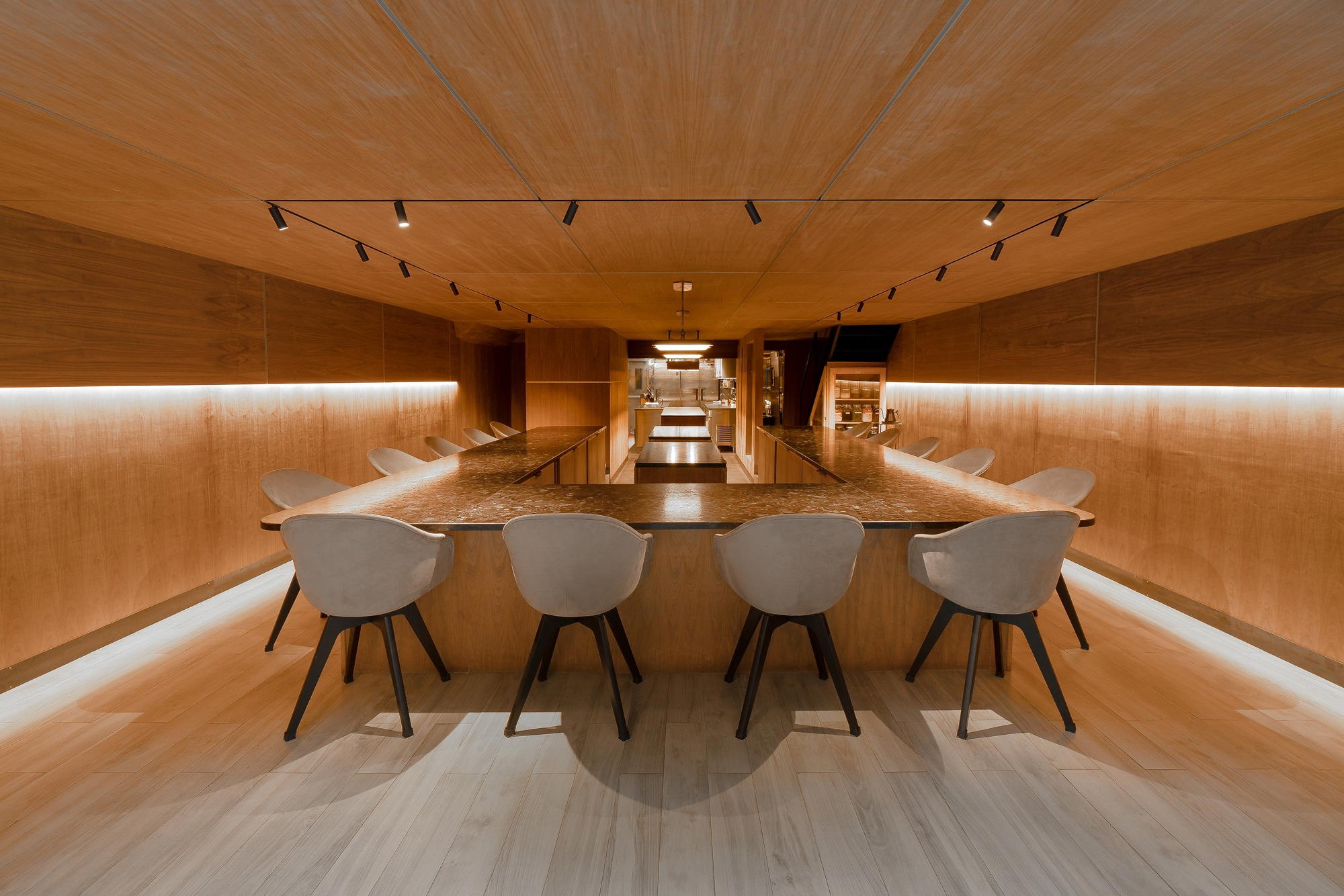
New York's omakase tier has compressed into two distinct bands over the past decade. At one end, mid-market counters price around the $150–$250 range and trade on accessibility. At the other, a smaller cohort operates under Michelin recognition and Opinionated About Dining ranking pressure, where every seat carries the weight of sustained critical attention. Noda, on West 20th Street in Chelsea, sits in the upper band. Its eight-seat half-moon counter is not incidental architecture — it is the whole premise. With that capacity, the kitchen cannot run volume; it can only run precision.
Comparison venues at this price tier in New York — Tsukimi and the high-end sushi counters clustered further uptown, tend to signal their ambition through minimalist design or pronounced ceremony. Noda takes a different environmental position. The space uses exposed brick and dark, close finishes to create something closer to a private dining room than a showpiece kitchen. The cocktail den Shinji, which fronts the counter, functions as a decompression zone, a place where the mood is set before the meal begins. That structural choice reflects a broader trend in premium omakase: the recognition that the experience before the first piece of nigiri shapes how everything after it lands.
Pacing, Presence, and the Architecture of a Meal
Japanese dining tradition places significant weight on ma, the space between things. In an omakase format, this translates directly into pacing: the interval between courses, the way the chef addresses the counter, the temperature of the rice, the order in which fish are sequenced. At Noda, the meal begins with small snacks before moving into nigiri, a structure that mirrors classical Edo-mae progression. This is not unusual in itself, but the execution detail, warm rice, knife cuts described by observers as confident and unhurried, aligns with a kitchen that treats the foundational elements as the main event rather than as prologue to showier preparations.
Sea eel and two varieties of uni appear as the standout courses in documented accounts of the omakase, which is instructive. Both are items that expose the kitchen's sourcing and temperature management directly. Uni served at the wrong temperature or from a second-tier supplier announces itself immediately. Sea eel, prepared in the traditional style, requires a specific wrist technique during butterflying and precise application of heat. That these two courses draw the most attention from diners says something about where the kitchen focuses its effort.
Chef Shigeyuki Tsunoda's presence at the counter is described consistently as calm and unhurried, a posture that matters because eight seats means eight people watching the same pair of hands simultaneously. This is the performance condition that distinguishes small omakase from larger restaurant formats. At Odo, the Japanese fine dining tradition takes a kaiseki-influenced form. At Noda, the frame is tighter: the nigiri counter as the singular act.
Beverage Program as Structural Peer
The beverage component at premium omakase counters is increasingly treated as an extension of the food program rather than a supplement to it. Noda's approach follows this pattern. The sake collection is documented as showcasing rare bottles not available through standard retail channels, which positions it as a curation operation rather than a functional list. Vintage Champagne appears alongside sake, a pairing logic that has gained traction at omakase counters worldwide and reflects the recognition that high-acid sparkling wine works structurally against fatty fish in the same way that premium junmai daiginjo does, cutting through, then clearing the palate.
The comprehensiveness of the sake program also signals something about the counter's intended guest. A guest who engages with rare sake is a guest who has made previous omakase visits, who understands the format, and who arrives with attention already calibrated. That is the guest Noda appears to be designing for.
Noda has moved in one direction on Opinionated About Dining's North America list since its first appearance: ranked #44 in 2023, #42 in 2024, and #31 in 2025. OAD rankings are compiled from a network of experienced diners rather than a single critic, which makes sustained upward movement over three consecutive years a meaningful signal. It is not a spike driven by opening buzz; it reflects repeated visits from a distributed group of attentive eaters.
The Michelin one-star, held since 2024, places Noda in a different institutional frame. Michelin's New York guide operates in a city that includes Masa, which has maintained three stars at the highest price point in American fine dining, and a deep field of Japanese venues across multiple formats. A star in this market is awarded against serious competition. That Noda holds it with eight seats and no group backing is a structural statement about what a focused, small-format operation can achieve.
For context on comparable omakase formats at the high end of the American market, the ambition is legible alongside venues like The French Laundry in Napa or Alinea in Chicago, not in cuisine terms, but in the shared insistence on a fixed-format experience where the kitchen controls the pace entirely. The counter model at this level operates on similar logic to Single Thread Farm in Healdsburg or Lazy Bear in San Francisco: intimate scale, no à la carte option, and a guest-to-cook ratio that makes quality maintenance possible.
For those tracing Japanese culinary standards across cities, the comparable precision-focused counters in Tokyo, among them Myojaku and Azabu Kadowaki, provide useful reference points for what the tradition looks like in its origin context.
Chelsea as Context
The address on West 20th Street places Noda in a neighbourhood that has accumulated serious restaurant density without quite resolving into a coherent dining district. Chelsea's dining identity is plural, it includes the gallery crowd, the converted loft set, and spillover from the Flatiron. This works for a counter that does not rely on street traffic or drop-in business. Eight seats book on their own terms.
For diners building a wider picture of Japanese dining in New York, the range extends considerably below the omakase tier. Blue Ribbon Sushi Izakaya, Chikarashi, and Curry-ya each occupy a different register of the Japanese food spectrum in the city, and together they illustrate how broad and internally differentiated that spectrum has become. The full picture is available in our full New York City restaurants guide.
Those planning a wider New York visit can also consult our full New York City hotels guide, our full New York City bars guide, our full New York City wineries guide, and our full New York City experiences guide.
Know Before You Go
- Address: 37 W 20th St, New York, NY 10011
- Cuisine: Japanese omakase
- Price Range: $$$$
- Counter: Eight seats, half-moon format
- Hours: Monday–Wednesday, Friday–Saturday: 5:45 PM–12 AM; Thursday: 5:00 PM–12 AM; Sunday: Closed
- Awards: Michelin One Star (2024); OAD Leading Restaurants in North America #31 (2025)
- Beverage: Vintage Champagne; rare sake not widely available through standard retail
- Cocktail Den: Shinji fronts the counter and operates as a pre-meal space
- Rating:
- Planning note: Eight seats across six service nights means availability is limited; advance booking is advisable
Frequently asked questions
What's Noda's location?
Noda is located at 37 W 20th St, New York, NY 10011, New York City.
Does Noda have a Michelin star or similar recognition?
Noda has received recognition including: Opinionated About Dining Top Restaurants in North America Ranked #31 (2025); Chef Shigeyuki Tsunoda's iconic eight-seat half-moon shaped counter is fronted by the team's cocktail den, Shinji. Throughout this arena, the signature speak-easy ….
What do regulars order at Noda?
Noda runs a fixed-format omakase, so there is no à la carte selection — the kitchen sequences the entire meal. The progression opens with small snacks before moving into nigiri, where sea eel and two preparations of uni are noted as standout courses. The beverage program, which includes vintage champagne and rare sake bottles, is treated as an integral part of the experience rather than an afterthought. Noda holds a Michelin star and ranked #31 on Opinionated About Dining's 2025 North America list.
Awards and Standing
| Venue | Cuisine | Price | Awards | Notes |
|---|---|---|---|---|
| NodaThis venue — the venue you are viewing | Traditional Japanese Omakase | $200–300 | 1 Michelin Star | Not listed |
| Le Bernardin | French Seafood Fine Dining | $300–500 | 3 Michelin Stars · World's 50 Best #13 | French, Seafood |
| Atomix | Modern Korean Tasting Menu | $300–500 | 2 Michelin Stars · World's 50 Best #7 | Modern Korean, Korean |
| Masa | Seasonal Hokkaido Tempura Omakase | $150–200 | Tabelog 100 #34 | Sushi, Japanese |
| Per Se | French Fine Dining Tasting Menu | $300–500 | 3 Michelin Stars · World's 50 Best #40 | French, Contemporary |
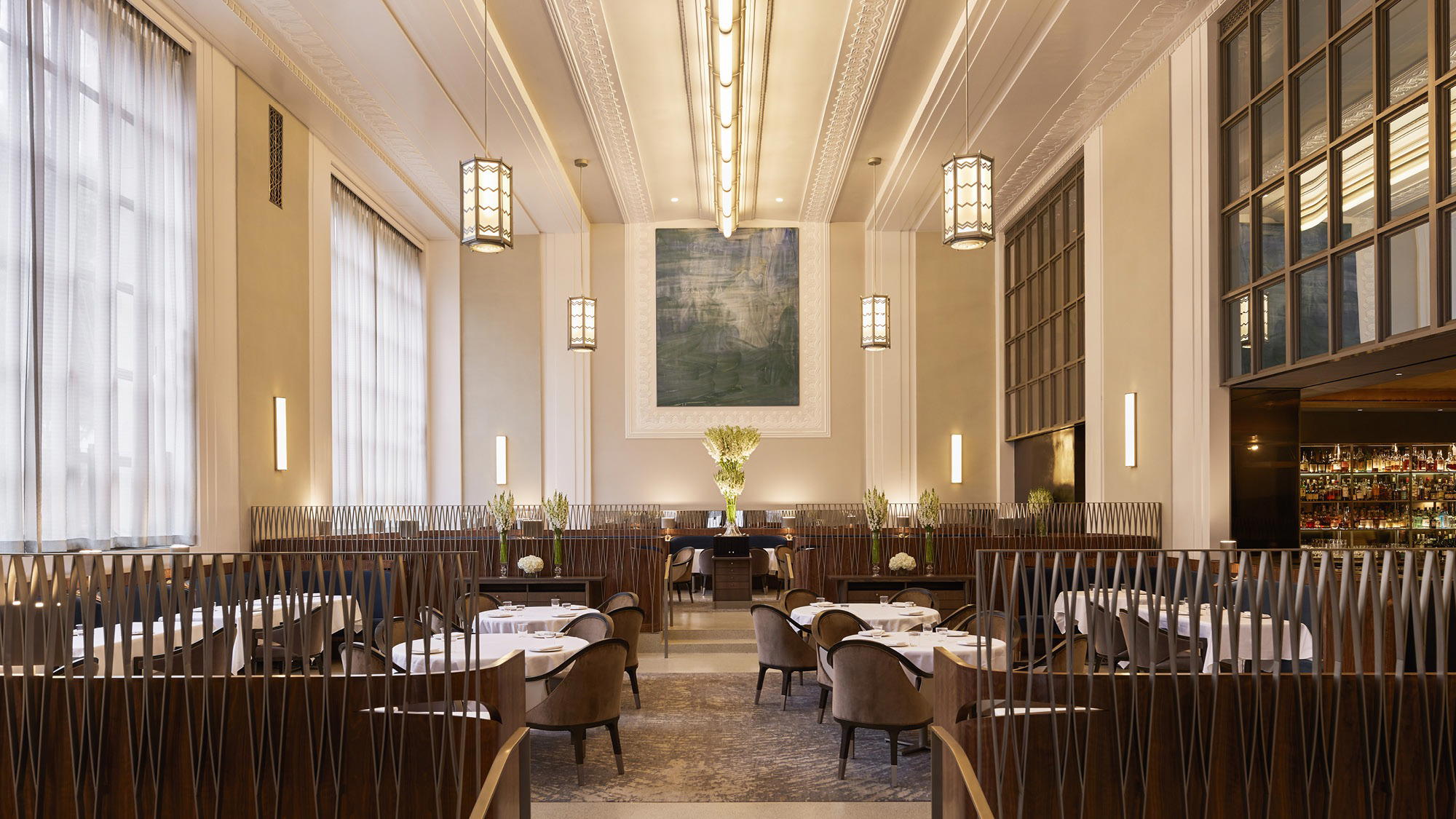
| Eleven Madison Park | Contemporary Plant-Based Fine Dining | $300–500 | 3 Michelin Stars · World's 50 Best #4 | French, Vegan |
Recognition history
Dated appearances from independent guides and award organizations, with the underlying list record or original source where available.
Michelin 1 Star
Michelin
Opinionated About Dining Top Restaurants in North America Ranked #46
Opinionated About Dining
Full recognition history (6 entries)
Opinionated About Dining Top Restaurants in North America Ranked #31
Opinionated About Dining
Michelin 1 Star
Michelin
Opinionated About Dining Top Restaurants in North America Ranked #42
Opinionated About Dining
Opinionated About Dining Top Restaurants in North America Ranked #44
Opinionated About Dining
Continue exploring
More in New York City
Restaurants in New York City
Browse all →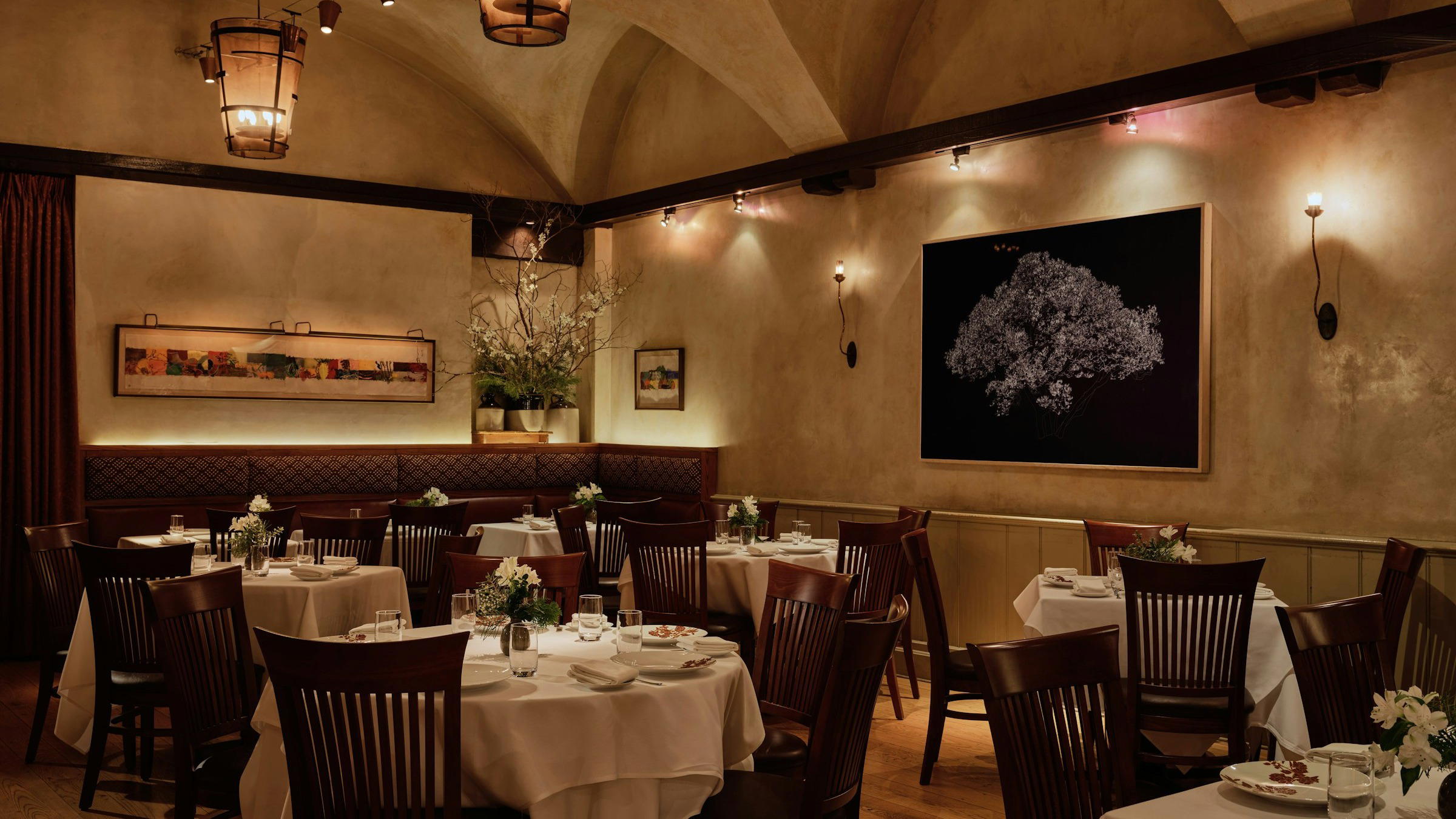
Bars in New York City
Browse all →
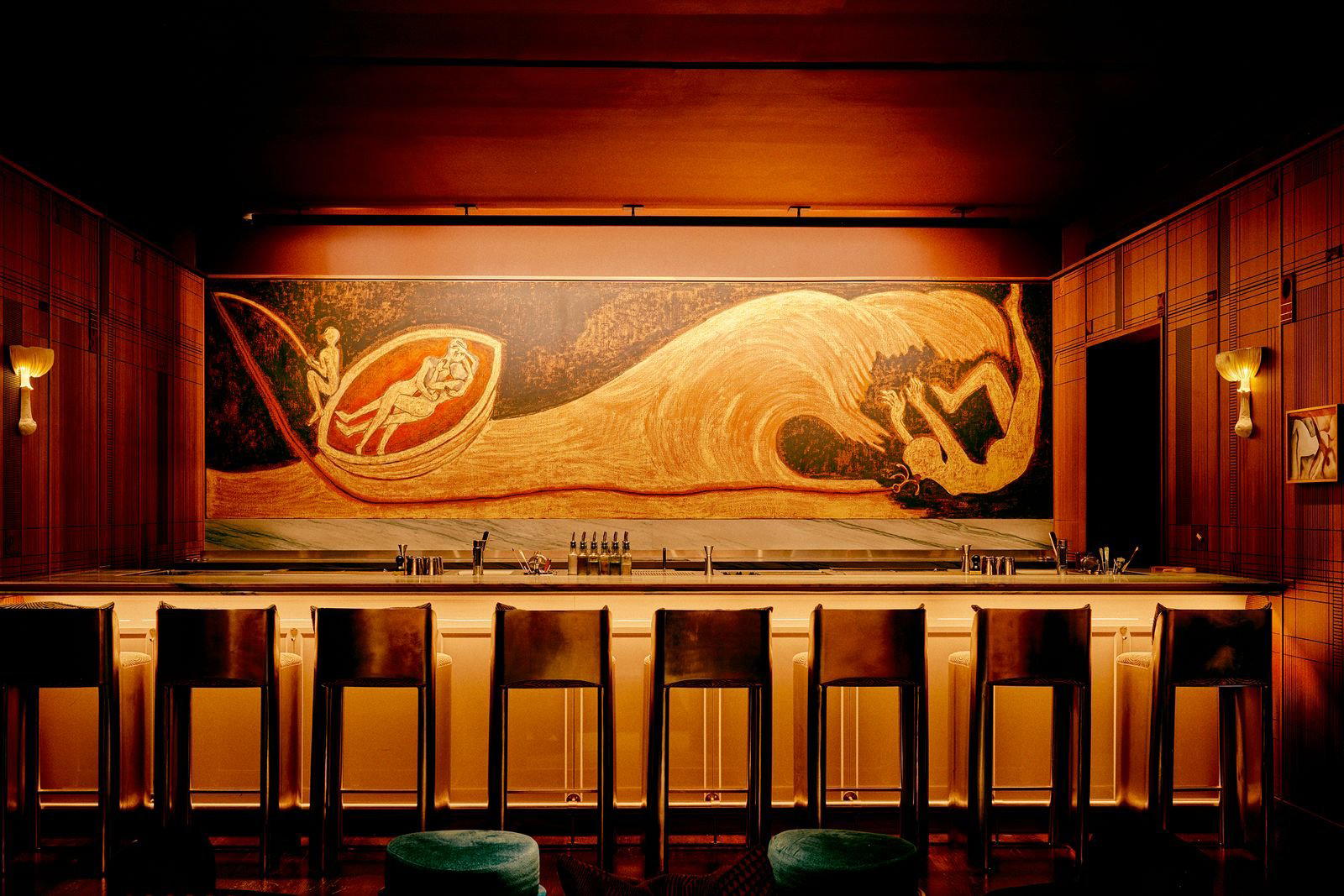
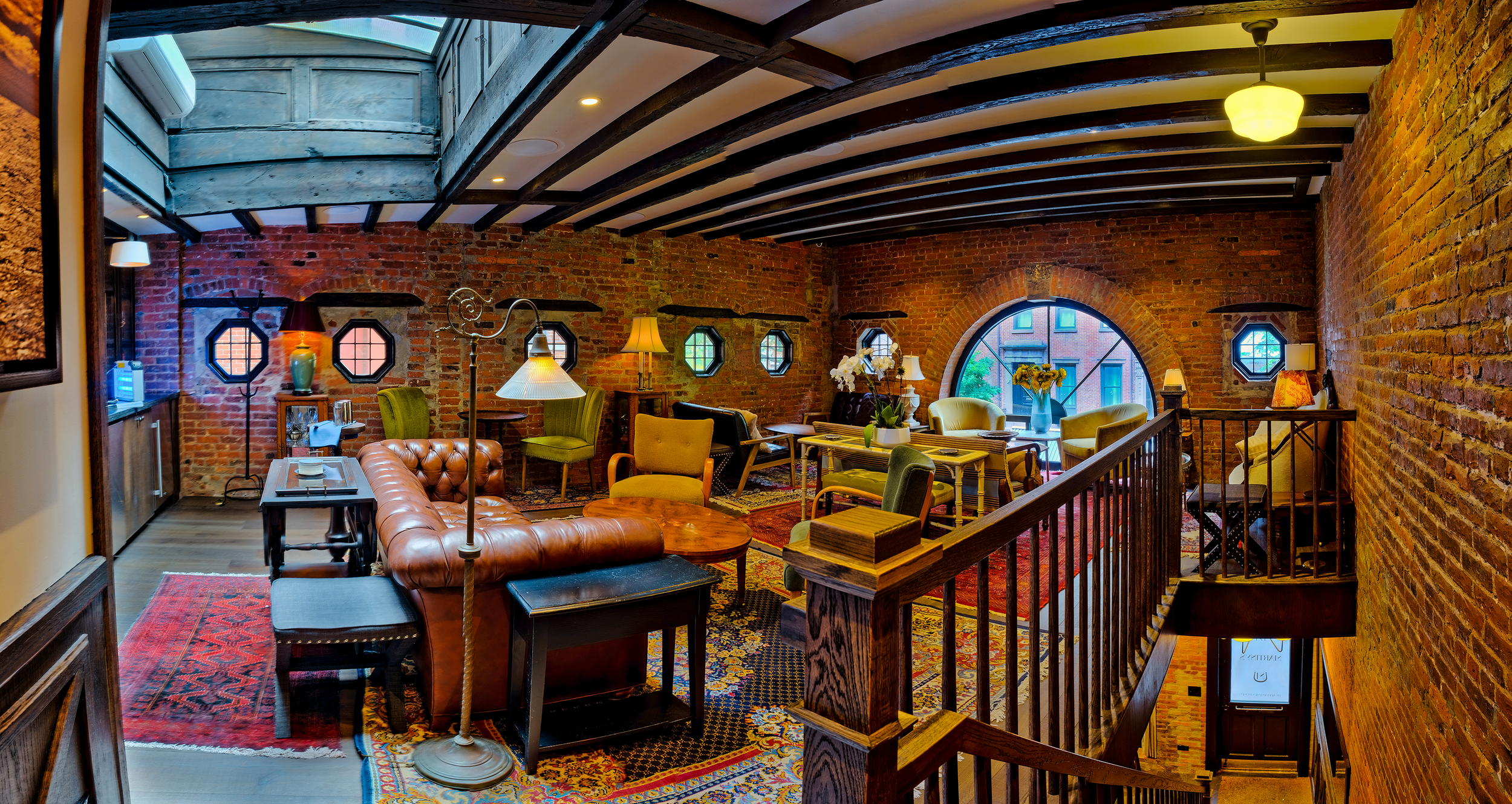
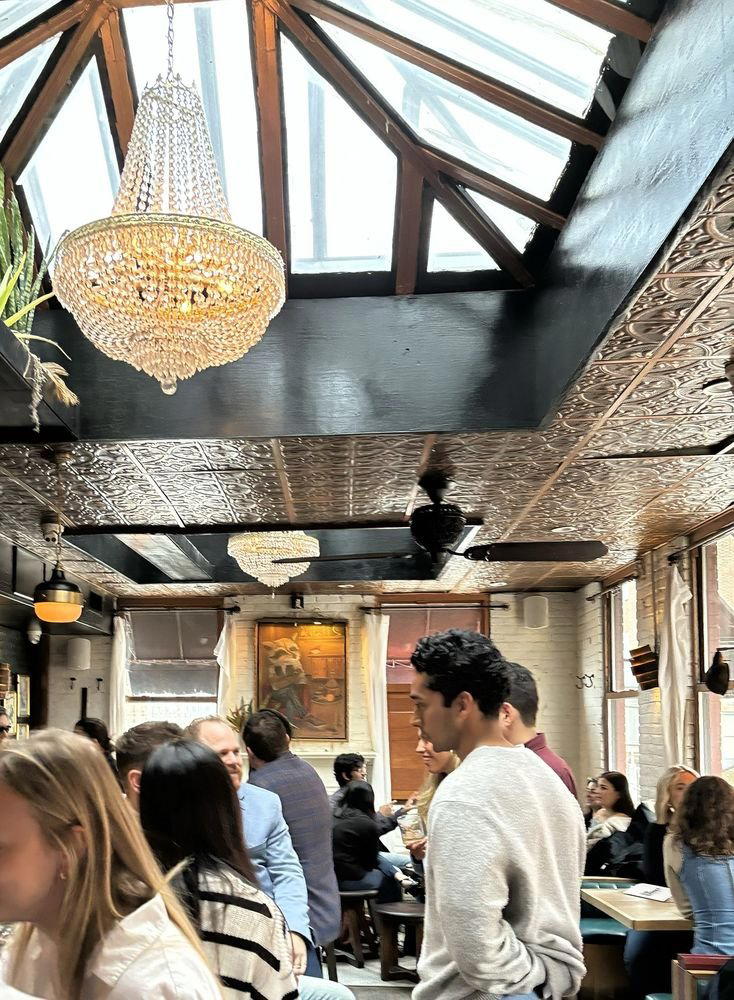
Hotels in New York City
Browse all →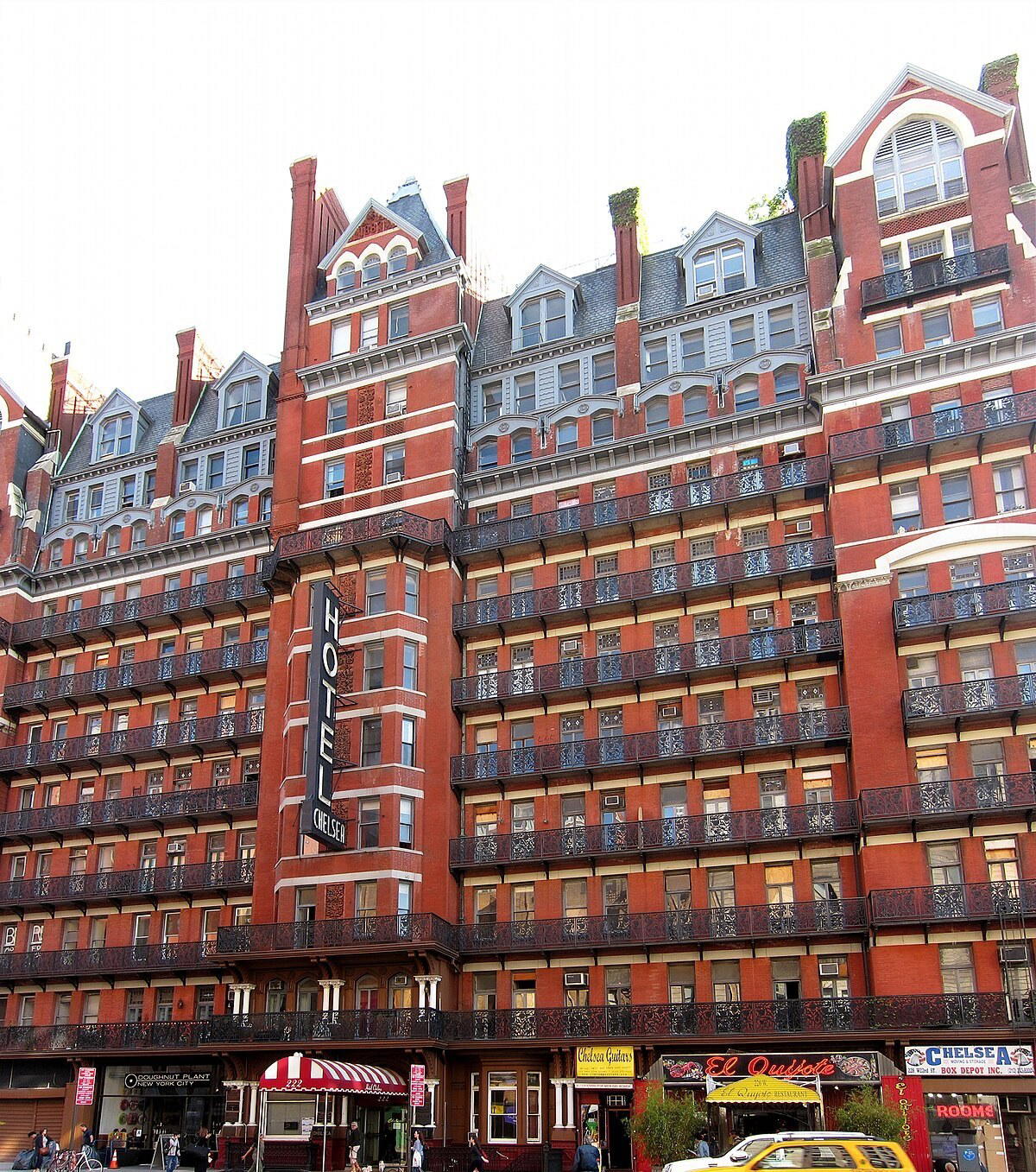




Noda
The wine
- Wine program
- Curated wine list
- Sake program
- Craft cocktails
Details
- Intimate
- Cozy
- Elegant
- Sophisticated
- Date Night
- Special Occasion
- Chefs Counter
- Open Kitchen
- Sake Program
- Craft Cocktails
- Omakase
- Counter Dining
- Sake
- Japanese Whisky
Current opening hours
- Monday
- 5:45 PM–12 AM
- Tuesday
- 5:45 PM–12 AM
- Wednesday
- 5:45 PM–12 AM
- Thursday
- 5 PM–12 AM
- Friday
- 5:45 PM–12 AM
- Saturday
- 5:45 PM–12 AM
- Sunday
- Closed
Hours can change for holidays and private events. Last verified .
Dark cozy space with exposed brick walls, dim red lighting, cobalt banquettes, and a warm, otherworldly atmosphere.