



A two-Michelin-star kaiseki counter on West 20th Street where locally sourced American ingredients meet classical Japanese technique. Odo ranks 39th in Opinionated About Dining's 2025 North America list and earns 82.5 points from La Liste, placing it firmly in the upper tier of New York's Japanese fine dining scene. The counter opens Tuesday through Sunday, with both lunch and dinner seatings most days.
Pearl is the En Primeur Club membership app — saves, bookings, and concierge access live there. Same editors, same standards.
- Address
- 17 W 20th St, New York, NY 10011
- Phone
- 312-877-5016
- Website
- odo.nyc
- Directions
- Get directions
 Saves & bookings on Pearl
Where Kaiseki Meets the Greenmarket
New York's Japanese fine dining scene has fractured into recognizable camps over the past decade. Omakase counters in Midtown and the Upper East Side compete on provenance of Japanese-imported fish and fidelity to Tokyo's own aesthetic codes. A smaller cohort has moved in a different direction, applying Japanese structural discipline to the seasonal logic of New York's own ingredient economy. Odo, a Michelin 2-Star Seasonal Japanese Kaiseki restaurant at 17 W 20th St in New York City, belongs to that second group.
The kaiseki format is the right vehicle for this kind of cooking. Where omakase is built around a procession of nigiri and the singular theater of rice and fish, kaiseki is sequential and vegetable-forward, with an internal logic that moves through broth, dressed dishes, grilled proteins, and rice in an order refined over centuries of Japanese formal dining. That architecture creates genuine space for local American ingredients to appear not as novelties but as structurally necessary components. A locally grown yuzu arriving in a broth course, for instance, is doing the same aromatic work that Japanese citrus has done in that position for generations. The technique does not change; the provenance does.
The Counter and What Happens There
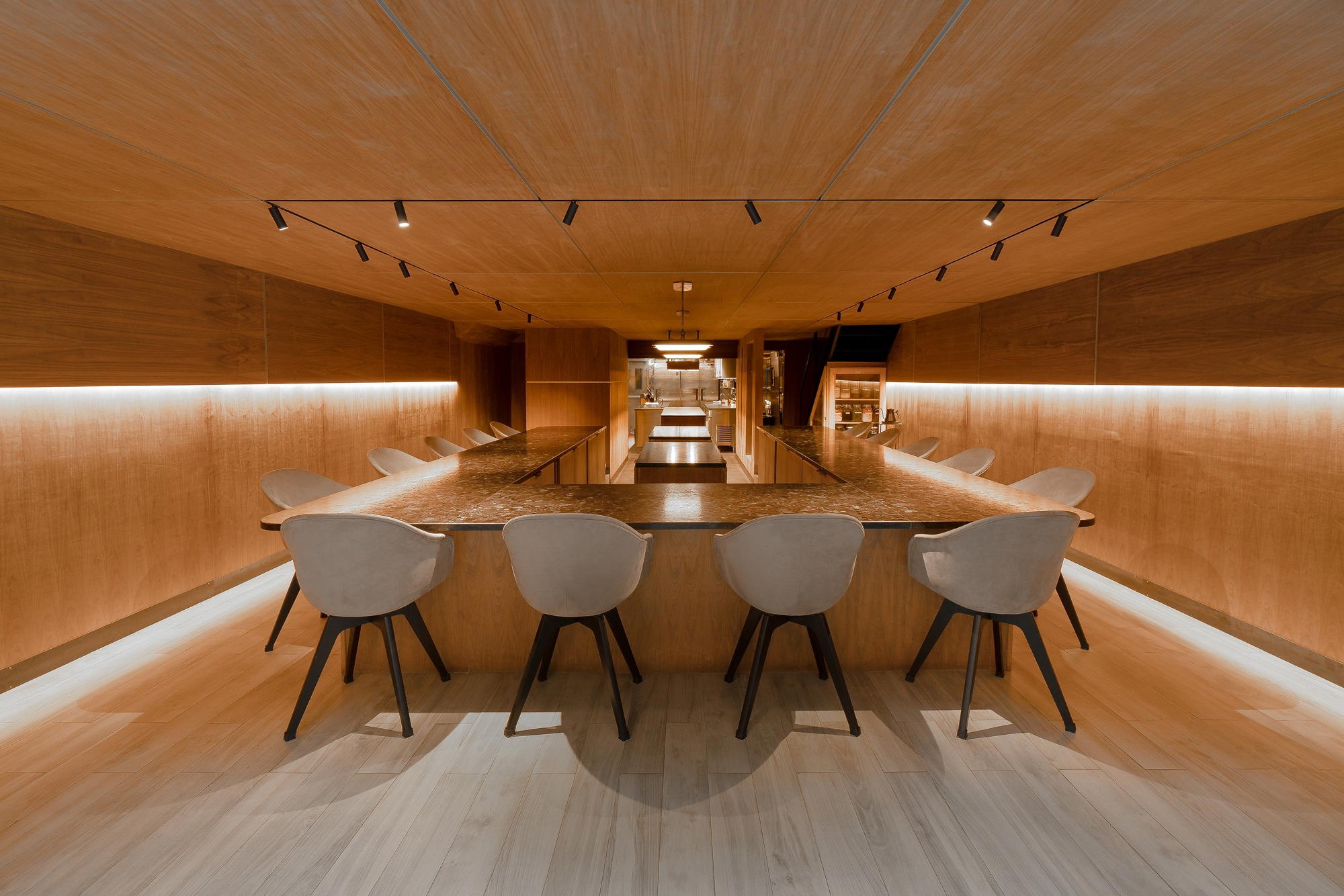
Physically, odo operates as a counter separated from a cocktail bar at the front of the space. That separation is deliberate. The counter is closed off to create intimacy, and the service is calibrated to match: warm without ceremony, attentive without interruption. The format is a single kaiseki menu, which means every diner at the counter is experiencing the same sequence at the same pace. There is no menu negotiation, no substitution logic to manage mid-service. That simplicity of format is part of what allows the kitchen to focus on precision rather than volume.
Kaiseki counters of this tier in New York are a small category. Masa, across town at the Time Warner Center, operates as a sushi-led Japanese counter at comparable price points and holds three Michelin stars. Atomix in NoMad applies a similarly rigorous approach to Korean tasting menus at $$$$ pricing and has its own Michelin recognition. What distinguishes odo from both is the specifically kaiseki architecture and the explicit interest in sourcing American ingredients through a Japanese lens. That combination positions it against peers like Noda, which also operates in the premium Japanese dining tier in New York, and Tsukimi, where the Japanese tasting menu format takes a different but equally considered approach.
Recognition and Where It Sits in the Critical Record
The awards trail here is worth reading carefully because it documents a trajectory. Opinionated About Dining ranked odo 39th in North America in 2024 and 2025. That kind of sustained position in OAD's list, which covers the entire continent, places odo in the same conversation as American fine dining institutions that have held recognition for much longer. For comparison, Lazy Bear in San Francisco, Alinea in Chicago, and The French Laundry in Napa operate in the same register of North American fine dining ambition, though across different culinary traditions. The two Michelin stars confirm the professional critical view, and La Liste's 82.5 points in 2025 (adjusting slightly to 81 in 2026) put it in a tier that La Liste reserves for restaurants with consistent technical command.
5 across 292 responses. High satisfaction at low volume is a different operational achievement than high satisfaction at scale, and the consistency implied by that rating aligns with what the formal awards suggest.
The Ingredient Argument at the Core of the Menu
The editorial description of odo's cooking references a savory broth with tilefish lifted by yuzu, and house-made soba with salmon roe. Those two dishes, taken together, illustrate the method clearly. Tilefish is an American Atlantic species, common enough in New York's seafood supply, but not typically the fish that defines prestige Japanese cooking, which gravitates toward species with deep Japanese culinary histories. Placing it in a kaiseki broth course and calibrating the preparation to match the delicacy of the fish is a statement about what the format can absorb. The locally grown yuzu compounds that statement: yuzu is one of the defining aromatics of Japanese cooking, and sourcing it domestically rather than importing it is both a logistical signal and an editorial one about the restaurant's relationship to its geography.
Soba made in-house is a standard of quality at serious Japanese restaurants anywhere. Salmon roe alongside it is a pairing with precedent in Japanese cuisine. What the combination signals, in the context of odo's broader approach, is a kitchen that does not treat American provenance as a compromise or a concession. The ingredients arrive on the menu because they perform well in the position, not because they carry a flag.
This intersection of imported technique and locally sourced product is increasingly the terrain where serious American-Japanese cooking is being done. For a different expression of this in the wider New York Japanese dining context, Blue Ribbon Sushi Izakaya and Chikarashi each occupy different price tiers and formats but share an interest in how Japanese culinary logic translates through American sourcing. At the other end of the price spectrum in the neighborhood, Curry-ya demonstrates how even Japanese comfort formats find an audience in the same part of the city.
For reference points in Japan's own kaiseki tradition, Azabu Kadowaki in Tokyo and Myojaku in Tokyo represent the format in its home context, and comparing their structural approach to what odo does with American ingredients is a useful exercise for anyone trying to understand how much creative latitude kaiseki actually permits.
On the national fine dining circuit, the conversation about local sourcing through classical technical frameworks runs across multiple cuisines. Single Thread Farm in Healdsburg applies a Japanese-influenced tasting menu structure to Northern California ingredients with similar ambition, and Providence in Los Angeles does comparable work with Pacific seafood through a French technical lens. Emeril's in New Orleans represents a different generation of the same underlying argument about American ingredients and European-derived technique. Odo's version of that argument is especially formally Japanese among the group, and the awards record suggests it is especially rigorously executed.
Chef Hiroki Odo and the Kitchen's Orientation
Chef Hiroki Odo leads the kitchen, and his assured hand shapes the cooking's blend of tradition and personal interpretation. The important thing about his role, editorially, is not biography but orientation: the kitchen is pointed toward a version of kaiseki that takes American seasonality as a legitimate structural input rather than an accommodation. That is a meaningful creative and logistical position to hold at a two-Michelin-star level in New York, where the pressure to replicate Tokyo's own standards is constant and the critical apparatus to evaluate deviation from those standards is well developed.
Know Before You Go
- Address: 17 W 20th St, New York, NY 10011 (Flatiron)
- Hours: Tuesday through Sunday, lunch (12:00 to 1:45 pm) and dinner (6:00 to 8:30 pm); Monday closed
- Price range: $$$$ (kaiseki tasting menu format)
- Format: Counter dining, single kaiseki menu, no à la carte
- Recognition: Two Michelin Stars (2024); OAD North America #39 (2025); La Liste 82.5 pts (2025) 5 / 5 (249 reviews)
Quick Comparison
Comparable venues nearby, for context on price, style, and recognition.
| Venue | Cuisine | Price | Awards | Notes |
|---|---|---|---|---|
| odoThis venue — the venue you are viewing | Michelin 2-Star Seasonal Japanese Kaiseki | $$$$ | Michelin 2 Star | Not listed |
| Sushi Noz | Edomae Omakase | $$$$ | Michelin 2 Star | Upper East Side-Carnegie Hill |
| Gabriel Kreuther | Modern Alsatian-French Fine Dining | $$$$ | Michelin 2 Star | Midtown-Times Square |
| Aquavit | Contemporary Swedish Fine Dining | $$$$ | Michelin 2 Star | Midtown-Times Square |
| Atera | Modern American Fine Dining | $$$$ | Michelin 2 Star | Tribeca-Civic Center |
| Sushi Nakazawa | Traditional Japanese Omakase | $$$$ | Michelin 1 Star | West Village |
Recognition history
Dated appearances from independent guides and award organizations, with the underlying list record or original source where available.
La Liste Top Restaurants
La Liste
Opinionated About Dining Top Restaurants in North America Ranked #119
Opinionated About Dining
La Liste Top Restaurants
La Liste
Michelin 2 Stars
Michelin
Opinionated About Dining Top Restaurants in North America Ranked #39
Opinionated About Dining
The Best Chef One Knife
The Best Chef
Michelin 2 Stars
Michelin
Opinionated About Dining Top Restaurants in North America Ranked #39
Opinionated About Dining
Opinionated About Dining Top Restaurants in North America Ranked #64
Opinionated About Dining
Continue exploring
More in New York City
Restaurants in New York City
Browse all →
Bars in New York City
Browse all →
Hotels in New York City
Browse all →






At a Glance
- Intimate
- Quiet
- Elegant
- Minimalist
- Sophisticated
- Date Night
- Special Occasion
- Celebration
- Chefs Counter
- Open Kitchen
- Sake Program
- Craft Cocktails
- Local Sourcing
Current opening hours
- Monday
- Closed
- Tuesday
- 12–1:45 PM, 6–8:30 PM
- Wednesday
- 12–1:45 PM, 6–8:30 PM
- Thursday
- 12–1:45 PM, 6–8:30 PM
- Friday
- 12–1:45 PM, 6–8:30 PM
- Saturday
- 12–1:45 PM, 6–8:30 PM
- Sunday
- 12–1:45 PM, 6–8:30 PM
Hours can change for holidays and private events. Last verified .
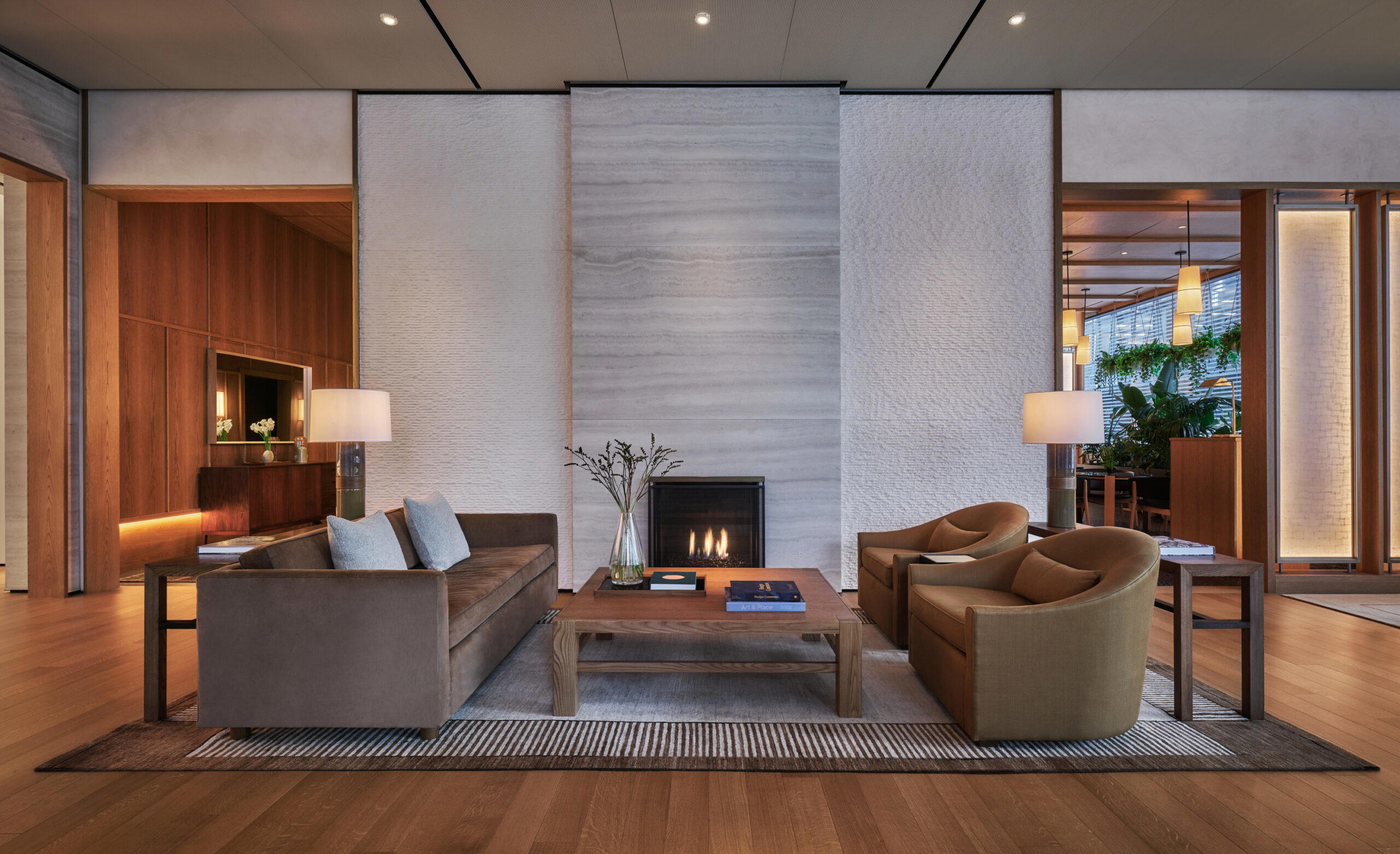
Serene, quiet, and zen-like atmosphere with dark and mysterious tones; minimalist dining room with no background music; intimate counter seating allows diners to watch chefs prepare each dish.