
Nagoya’s Sakae district has room for polished hotel dining, quick gyoza counters, and late-night izakaya formats; this pork shabu-shabu address sits in the hot-pot lane with izakaya flexibility. Selection for Tabelog 100 - Hot Pot - 2024 gives it a clear external signal, while the format points to a meal built around table management, drink pacing, and shared cooking rather than chef-counter theatre.
Pearl is the En Primeur Club membership app — saves, bookings, and concierge access live there. Same editors, same standards.
- Address
- 愛知県名古屋市中区栄4-9-10 愛信プラザビル 2F
- Phone
- +81522613900
- Website
- tabelog.com
 Saves & bookings on Pearl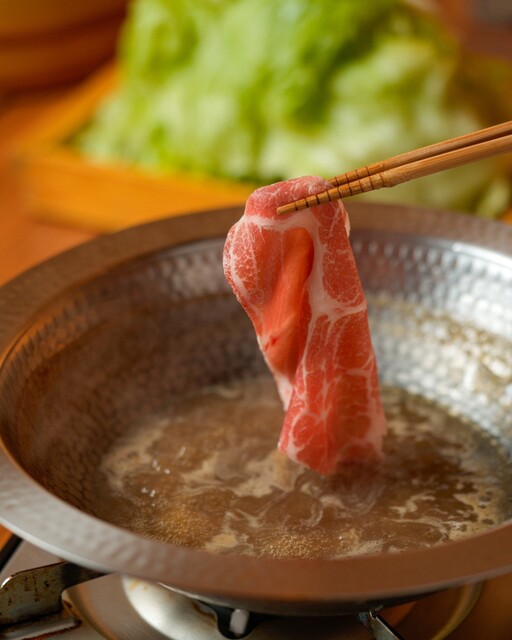
Walk into Sakae after dark and the hierarchy is clear: hotel restaurants handle occasions, gyoza and ramen counters take the quick crowd, and izakaya formats carry the long evening. Shabushabu Creative Izakaya Butagin Sakae ten belongs to that last category, while recognition in Tabelog 100 - Hot Pot - 2024 places it among Nagoya hot pot judged beyond convenience.
That matters because visitors often misread shabu-shabu as simply swishing meat through broth. Better versions depend on sequencing, heat control, vegetables that keep texture, and service that moves the table without turning dinner into instruction. Add the izakaya layer and drinks set the rhythm, especially when sake, shochu, wine, and cocktails share the format.
Pork shabu-shabu with izakaya pacing, not ceremonial stiffness
Nagoya’s restaurant culture is not built around one code. Sakae compresses department-store dining, late bars, business meals, and casual group rooms into walkable blocks. In that field, pork shabu-shabu is useful: more participatory than plated dining, more deliberate than a snack-and-drink stop, and more flexible than a formal tasting menu.
The pork shabu-shabu and Japanese-style izakaya pairing is the point. Hot pot creates the shared centre; izakaya service gives the meal elasticity. Front-of-house is more visible than in a narrow chef-led room: staff manage burners, courses, drinks, and tempo while diners control part of the cooking. Collaboration is practical, not theatrical, with kitchen preparation, drink service, and floor timing aligned so the table feels relaxed.
Public food notes point beyond meat, with attention to vegetables, fish, health-conscious options, and vegetarian choices. In shabu-shabu, vegetables are not garnish; they set pacing and texture between pork rounds. In a city where heavier local comforts can dominate casual dining, a hot-pot room foregrounding vegetables gives the meal lighter architecture without leaving the drinking-house frame.
For readers mapping Nagoya by category, this differs from higher-priced hotel French at Restaurant Loire French, the broader hotel-dining utility of All Day Dining Montmartre, or the lower-spend gyoza rhythm of Gyoza Sakaba Issei Ichidai Honten. It sits closer to the long-evening meal: social, table-centred, and built for groups wanting cooking, drinking, and conversation in one space.
Why Tabelog 100 recognition carries weight in a hot-pot category
Tabelog 100 - Hot Pot - 2024 is a useful signal because hot pot is crowded and format-driven. Unlike sushi or kaiseki, where luxury cues are easier to read, hot pot often hides quality in consistency: stock management, slicing, produce handling, burner control, and smooth service across shared tables. Selection does not make the room fine dining; it shows notice within a category where repetition quickly exposes weak systems.
Shabushabu Creative Izakaya Butagin Sakae ten also holds a Tabelog score of 3.47, best read in the Japanese context rather than through Western review inflation. On Tabelog, mid-3s can signal serious local traction, especially for specialised casual formats. The award is the stronger trust marker, but the rating supports the same picture: not a luxury-room claim, but a category-performance claim.
The team dynamic is central. A chef’s name is not the anchor here, appropriately for the format. Shabu-shabu izakaya dining depends less on auteur narrative than coordination: kitchen prep that makes table cooking clean, a drinks list broad enough for different paces, and front-of-house attention that knows when to step in. That division of labour is why the style works for banquets and longer group meals. The guest experience is collaborative too, since diners finish part of the cooking themselves.
There is also a Nagoya angle. The city’s dining reputation is often flattened into miso katsu, tebasaki, hitsumabushi, and morning-service cafe culture. Those are legitimate entry points, but they do not explain how residents use Sakae at night. Hot pot izakaya dining shows another pattern: office-adjacent, group-friendly, drink-compatible, and less tied to sightseeing checklists. For a wider read on the city’s tables, start with Our full Nagoya restaurants guide, then place this address in the Sakae after-dark circuit rather than the formal special-occasion lane.
How to place it within a Nagoya evening
The practical appeal is timing and format. This is a dinner venue, not a lunch stop, and its late operating pattern suits Sakae’s second-shift energy: after shopping, after work, or before bars. Reservations are available, sensible for a recognised hot-pot room where turnover depends on group pacing rather than quick counter seats. Private-room dining is not part of the setup, but private use is listed for group sizes, so its strength is social rather than secluded.
Smoking is allowed, a dividing detail for travellers: for some it fits an older izakaya atmosphere; for others it decides the choice. Payment is more traditional than some visitors may expect in urban Japan: major credit cards are accepted, while electronic money and QR code payments are not. Parking is not provided, so the restaurant fits a Sakae evening reached by subway or taxi better than a self-drive itinerary.
EP Club readers building a full Nagoya stay should treat this as one piece of the city, not a standalone trophy meal. Pair it with hotel planning through Our full Nagoya hotels guide, drinking research via Our full Nagoya bars guide, and broader city programming in Our full Nagoya experiences guide. Wine-focused travellers can also scan Our full Nagoya wineries guide, though sake or shochu is the more natural match with a shared pot.
For comparison across Japanese and Japan-adjacent formats, EP Club’s wider restaurant index ranges from Nagoya entries such as 1022, 451, Aaron, and Alan. to regional references including -Grilled beef Sukiyaki- KAMAKURA TANUKIAN 鎌倉 たぬき庵 in Kamakura. 鮪と炭火焼き うお炭 秋葉原店 in Tokyo.cafe in Osaka.know in Kumamoto, (Shoku) Vietnam in Kawasaki, [Curry Senmon Ten] Maruyama Kyoju. in Sapporo, Jōdo Saké Bar in Los Angeles, and Onigiri Time in Pasadena. That spread reminds us that casual Japanese formats can carry editorial weight when their systems are disciplined. In Sakae, this pork shabu-shabu izakaya earns attention for exactly that reason: the meal is communal, but the machinery behind it must be precise.
At a Glance
Comparable venues to calibrate price, style, and recognition.
| Venue | Cuisine | Price | Notes |
|---|---|---|---|
| Shabushabu Creative Izakaya Butagin Sakae tenThis venue — the venue you are viewing | Naka, Lettuce Shabu-Shabu & Pork Izakaya | $$ | Not listed |
| Atsuta Horaiken (あつた蓬莱軒 本店) | Not listed | $$ | Atsuta-ku, Traditional Nagoya Hitsumabushi (Grilled Eel) |
| Udon Ryori Sen | Naka, Curry Udon & Oden Udon House | $$ | Not listed |
| Shurakutei Kuan | Midori, Duck-focused Japanese ramen | $$ | Not listed |
| 料亭 香楽 | Not listed | Not listed | Higashi, Nagoya Hitsumabushi Eel Restaurant |
| Don Hyara | Not listed | $$ | Nishi, Traditional Japanese Izakaya & Tempura |
Recognition history
Dated appearances from independent guides and award organizations, with the underlying list record or original source where available.
Tabelog 100 #56 · No. 56
Tabelog · Tabelog 100 - Hot Pot - 2024
Continue exploring
More in Nagoya
Restaurants in Nagoya
Browse all →

At a Glance
- Trendy
- Lively
- Cozy
- Group Dining
- Date Night
- Celebration
- Casual Hangout
- After Work
- Late Night
- Standalone
- Sake Program
- Beer Program
- Craft Cocktails
- Local Sourcing
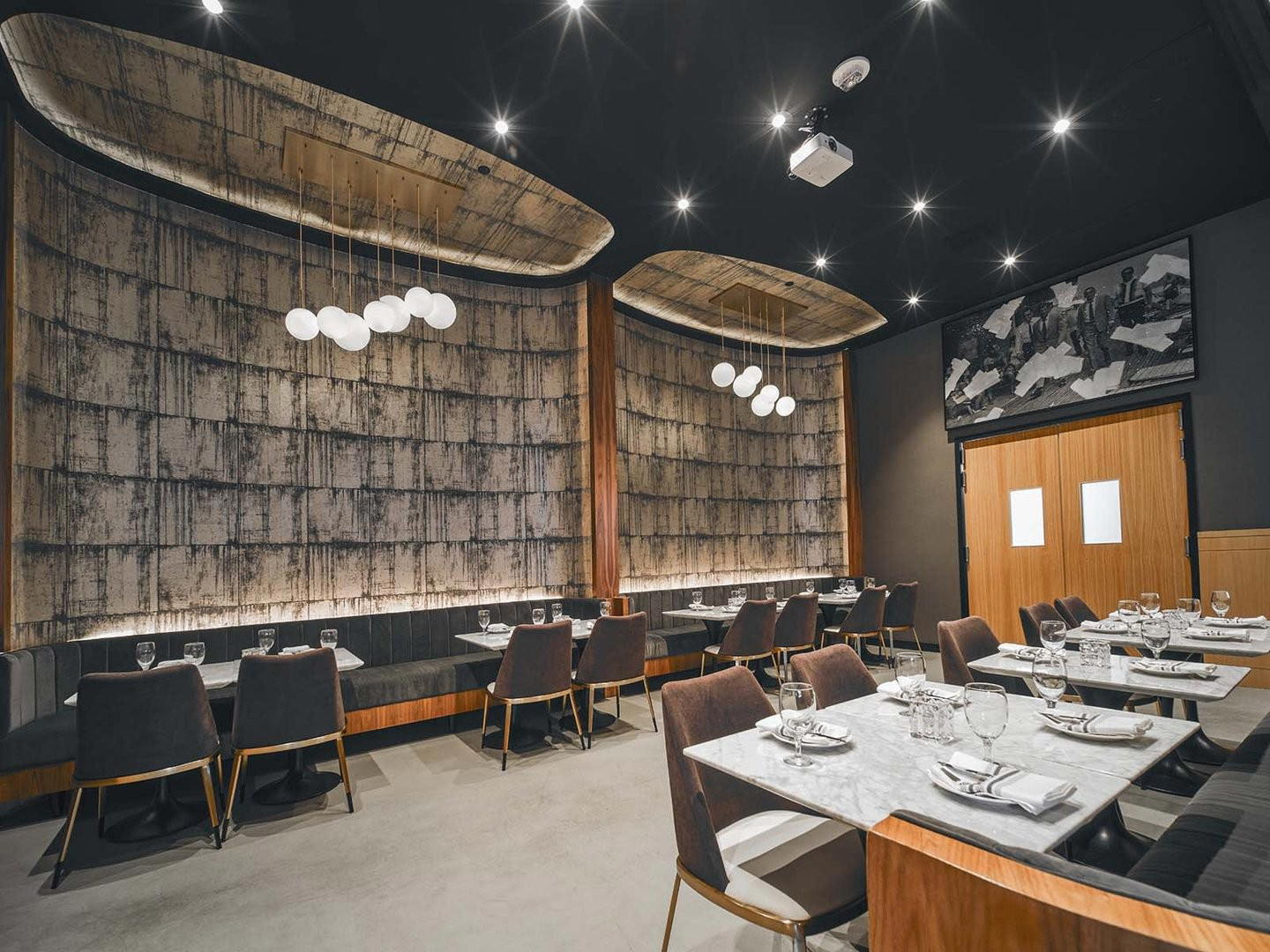
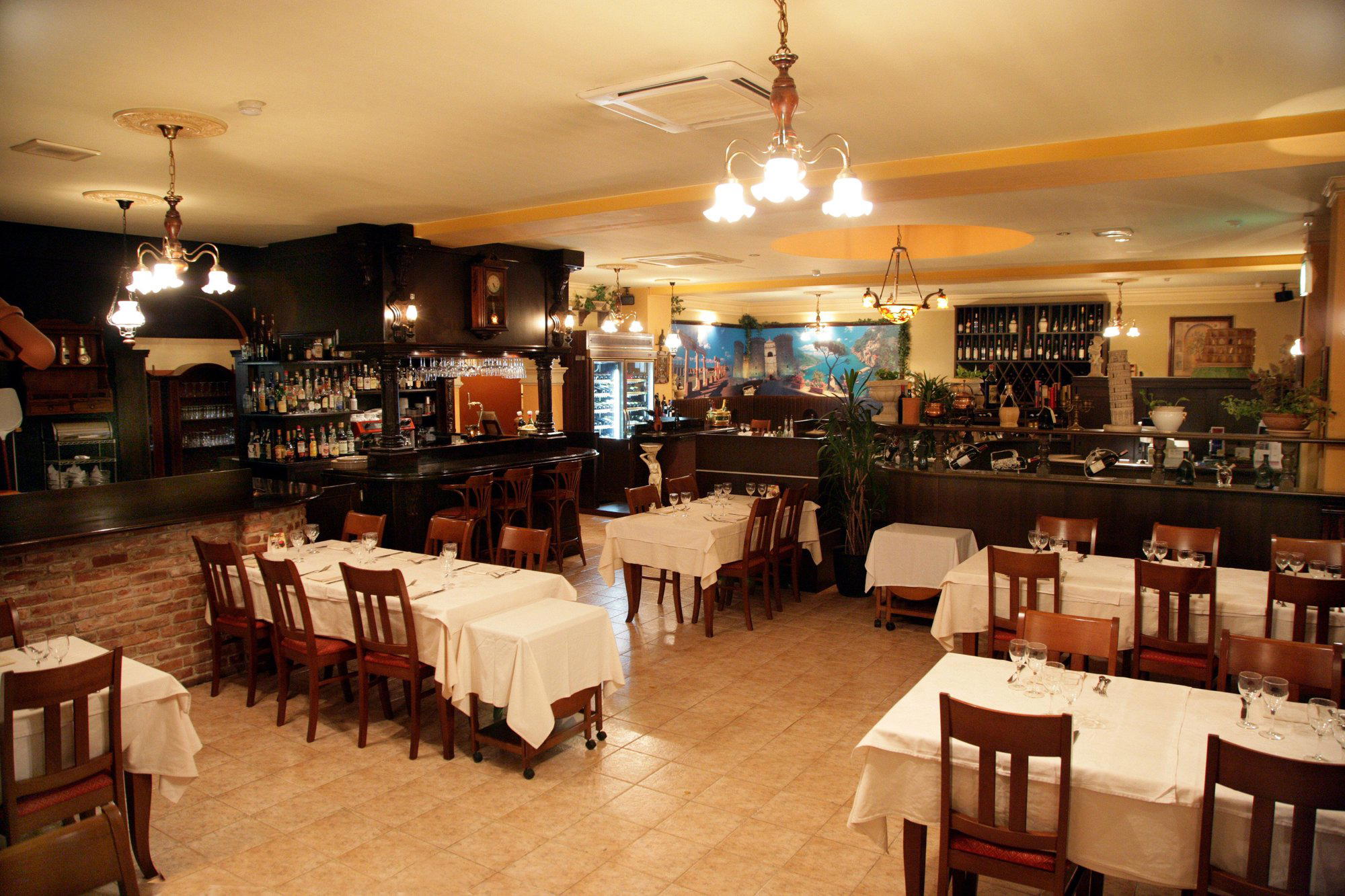
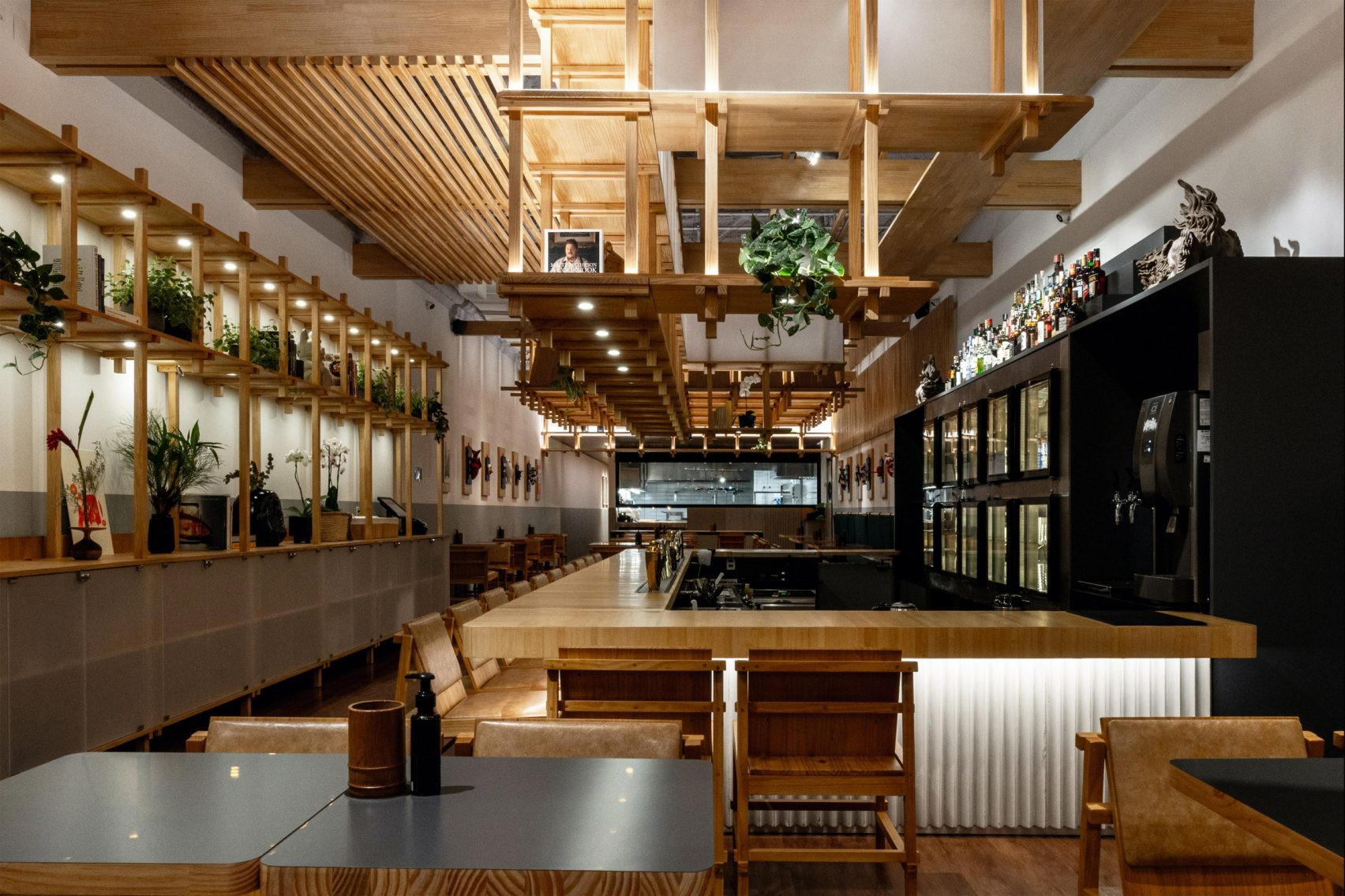
A stylish, relaxed izakaya with spacious seating and a hideout feel, popular for long, lively hotpot gatherings over drinks late into the night.