
Shurakutei Kuan gives Nagoya’s ramen scene a tighter, more deliberate reading: duck broth ramen and tsukemen served in a small Midori Ward room rather than a station-front chain format. Tabelog selected it for Ramen AICHI 100 in 2025, and the structure of the menu keeps the focus on broth, noodles, and the choice between soup and dipping formats.
Pearl is the En Primeur Club membership app — saves, bookings, and concierge access live there. Same editors, same standards.
- Address
- 122 Takejicho, Midori Ward, Nagoya, Aichi 458-0917, Japan
- Phone
- +81 52-622-9888
- Website
- instagram.com
 Saves & bookings on Pearl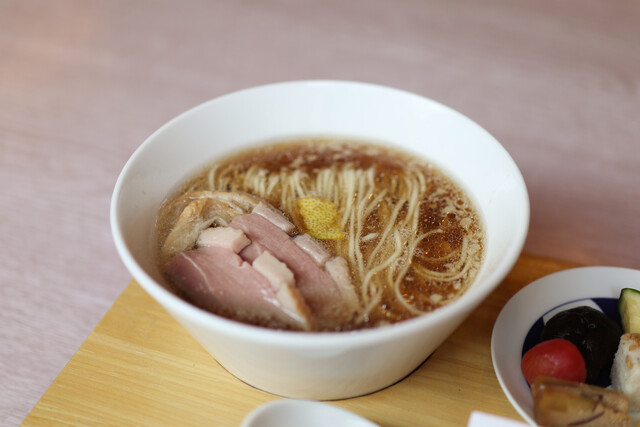
Reaching the ramen shops that matter outside central Nagoya often means leaving the main station grid for a quieter residential rhythm. In Midori Ward, the appeal is compression rather than spectacle: a small room, counter seating, a few tables, and a menu that asks diners to think first about broth and noodle format, not toppings as decoration. That is the useful way to read Shurakutei Kuan, a ramen address near Arimatsu where duck broth ramen and tsukemen define the experience.
Nagoya’s ramen culture has never needed to imitate Tokyo’s density or Fukuoka’s single-style devotion. The city works as a crossroads: miso-heavy local preferences, commuter-neighbourhood shops, and specialist bowls that draw diners away from the centre. Recognition from Tabelog’s Ramen AICHI 100 list in 2025 places Shurakutei Kuan in that specialist tier. The signal matters because Aichi ramen is competitive at a lower price band than fine dining; distinction comes from repeatability, broth identity, and whether a shop gives regulars a reason to travel beyond convenience.
Duck broth gives the menu its spine
The menu architecture is direct: duck broth ramen and tsukemen are available at lunch and dinner. That explains more than a long list of flourishes. Ramen asks broth and noodles to arrive as one integrated bowl; tsukemen separates them, making the meal about concentration, dipping rhythm, and noodle texture. Committing to both formats around duck broth is not just variety. It tests the same core idea under two structures.
Duck broth occupies a different lane from pork-bone richness or soy-led clarity. It can carry depth without tonkotsu’s weight, and in tsukemen it can support a more concentrated dipping profile. The point is control, not novelty. In Nagoya, where everyday ramen pricing often sits within a narrow band, a focused broth identity helps a modestly priced shop separate itself from interchangeable bowls near transit corridors.
The JPY 1,000 to JPY 1,999 bracket also shapes expectations. This is not tasting-menu ramen, and it should not be judged by luxury-restaurant theatre. It belongs to the serious everyday category, where scrutiny is sharper because diners can compare several nearby options within the same budget. Banrai Tei and Ramen mellow sit in a similar Nagoya price range, while Ramen Burai runs lower; that spread helps define the local market. At this level, awards do not excuse inconsistency. They raise the burden on the bowl.
A small-room ramen format, not a destination dining ritual
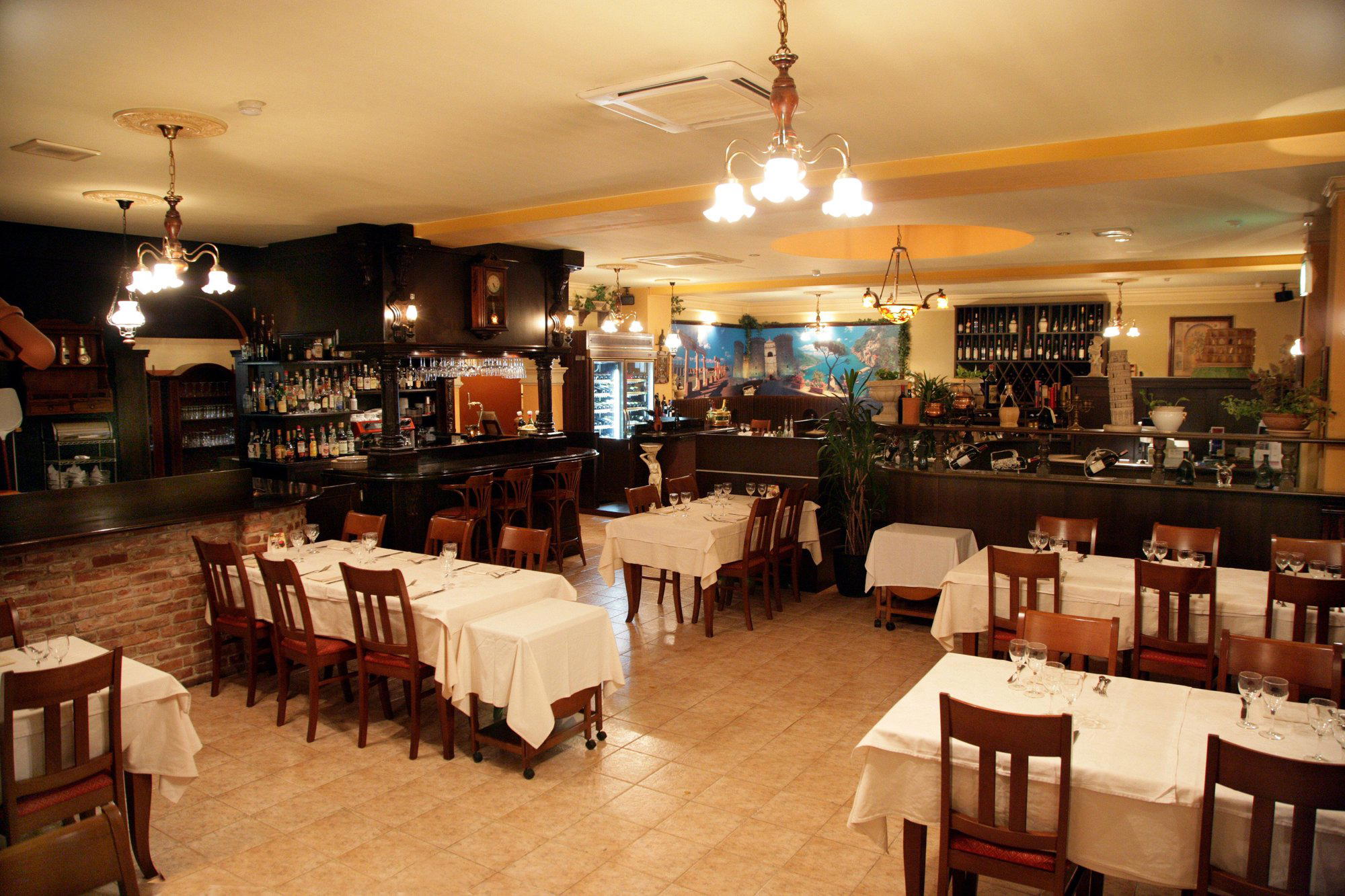
Scale matters. With 24 seats, including 14 at the counter and five two-seat tables, the format sits between solo ramen efficiency and a small neighbourhood dining room. Counter seats keep the meal focused; tables make it workable for pairs or families. Private rooms and private use are not part of the setup, consistent with the category. Ramen at this level is democratic but not casual in craft: the transaction is fast, the evaluation immediate, and the bowl has little room to hide behind service choreography.
That balance explains why the shop fits Midori Ward better than a polished central address. Arimatsu has a different tempo from Meieki or Sakae, so eating here reads as a local detour rather than a concierge-planned evening. Nearby station access keeps it viable for travellers willing to leave the central hotel corridor, while the residential setting supports the family-friendly and solo-dining signals attached to the restaurant. For broader planning, Our full Nagoya restaurants guide is the starting point, with adjacent planning through Our full Nagoya hotels guide, Our full Nagoya bars guide, Our full Nagoya wineries guide, and Our full Nagoya experiences guide.
Practical details shape how to use the address. Reservations are unavailable, payment is cash-only by the listed methods, and parking is available in front of the restaurant. That makes it better suited to a flexible meal slot than a tightly sequenced anniversary dinner. Lunch and dinner both carry the duck-broth ramen and tsukemen proposition, so the choice is about timing and tolerance for a small room, not menu access.
Where it sits in the Nagoya ramen conversation
Tabelog’s 2025 Ramen AICHI 100 selection is the main external credential, supported by a 3.72 score. In Japan’s user-review culture, that number is more meaningful than it may seem to travellers used to inflated rating systems. Ramen shops with serious followings often cluster in the high-3 range, and the Aichi list works as a regional filter rather than a national glamour badge. The useful reading: Shurakutei Kuan has enough local traction to be assessed against the prefecture’s stronger ramen counters, not just nearby convenience.
The shop opened in 2013, another signal. Ramen trends move quickly: clear broths, shellfish broths, chicken paitan, mazesoba variants, and high-hydration noodles all cycle through attention. A duck-broth specialist still in the conversation after more than a decade suggests steadier appeal than trend-chasing. The editorial case rests on that steadiness: a compact menu idea, small service format, and regional award context that gives travellers a reason to consider a Midori Ward detour.
Readers comparing across Japan will find contrasts in other city guides and restaurant pages, though ramen should not be treated as interchangeable across regions. Nagoya’s mid-priced ramen tier differs from Tokyo’s broader queue culture and Osaka’s density of late-night casual counters. For wider reference, EP Club also covers 1022, 451, Aaron, Alan., and All Day Dining Montmartre, alongside Japanese and international addresses such as -Grilled beef Sukiyaki- KAMAKURA TANUKIAN 鎌倉 たぬき庵 in Kamakura. 鮪と炭火焼き うお炭 秋葉原店 in Tokyo.cafe in Osaka.know in Kumamoto, (Shoku) Vietnam in Kawasaki, [Curry Senmon Ten] Maruyama Kyoju. in Sapporo, Jōdo Saké Bar in Los Angeles, and Onigiri Time in Pasadena.
The reader decision is simple. This is a disciplined ramen stop for someone interested in how a duck-broth idea performs as both soup ramen and tsukemen, and how Nagoya’s stronger neighbourhood shops compete without luxury pricing. It is less compelling for diners seeking a long, reservation-led evening. Treat it as a focused bowl in a small room, and the appeal becomes clear.
Similar Picks
Comparable venues at the same tier for side-by-side context.
| Venue | Cuisine | Price | Notes |
|---|---|---|---|
| Shurakutei KuanThis venue — the venue you are viewing | Duck-focused Japanese ramen | $$ | Not listed |
| Menya Kitara | Nagoya ramen shop | $$ | Naka |
| Shabushabu Creative Izakaya Butagin Sakae ten | Lettuce Shabu-Shabu & Pork Izakaya | $$ | Naka |
| カモシヤ | Miso Oden & Wine Izakaya | $$ | Naka |
| Nagano Meijitei | Nagano Sauce Katsudon | $$ | Nagano Station |
| Yoshimitsu | Japanese Traditional Sweets | $$ | Higashi |
Recognition history
Dated appearances from independent guides and award organizations, with the underlying list record or original source where available.
Tabelog 100 #6 · No. 6
Tabelog · Tabelog 100 - Ramen - AICHI - 2025
Continue exploring
More in Nagoya
Restaurants in Nagoya
Browse all →

At a Glance
- Cozy
- Elegant
- Solo
- Casual Hangout
- Late Night
- Standalone
- Garden
- Garden
Current opening hours
- Monday
- 11 AM–2:30 PM, 6–8 PM
- Tuesday
- 11 AM–2:30 PM, 6–8 PM
- Wednesday
- 11 AM–2:30 PM, 6–8 PM
- Thursday
- Closed
- Friday
- 11 AM–2:30 PM, 6–8 PM
- Saturday
- 11 AM–2:30 PM, 6–8 PM
- Sunday
- 11 AM–2:30 PM, 6–8 PM
Hours can change for holidays and private events. Last verified .
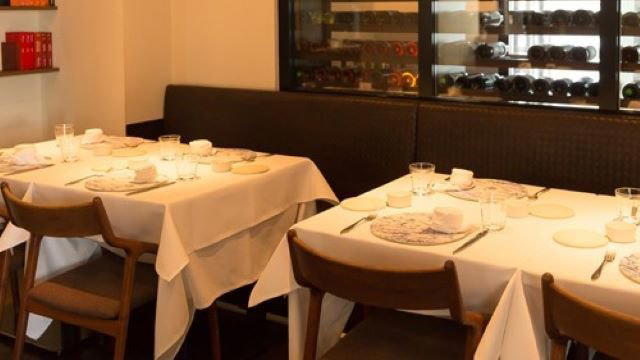
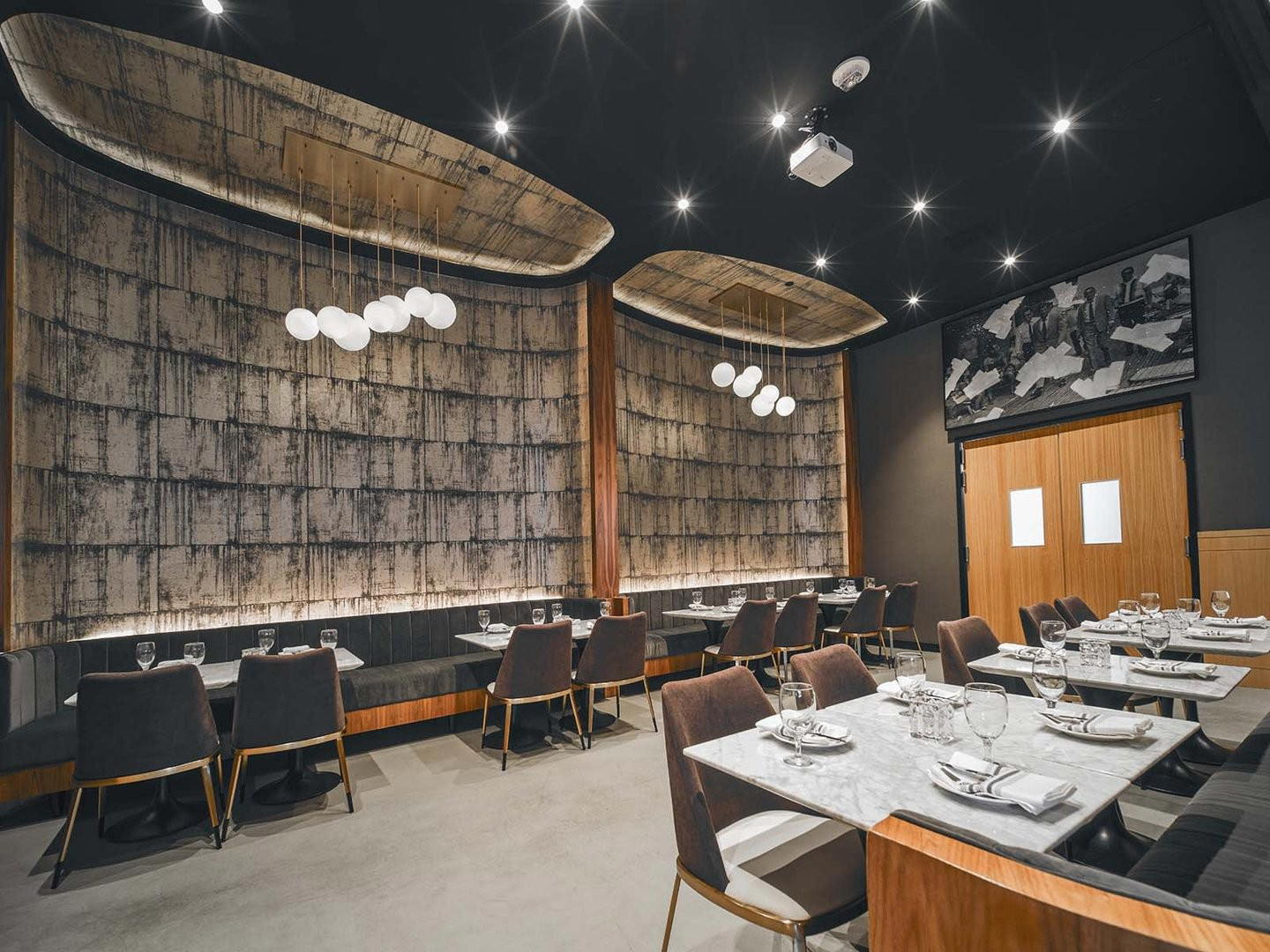
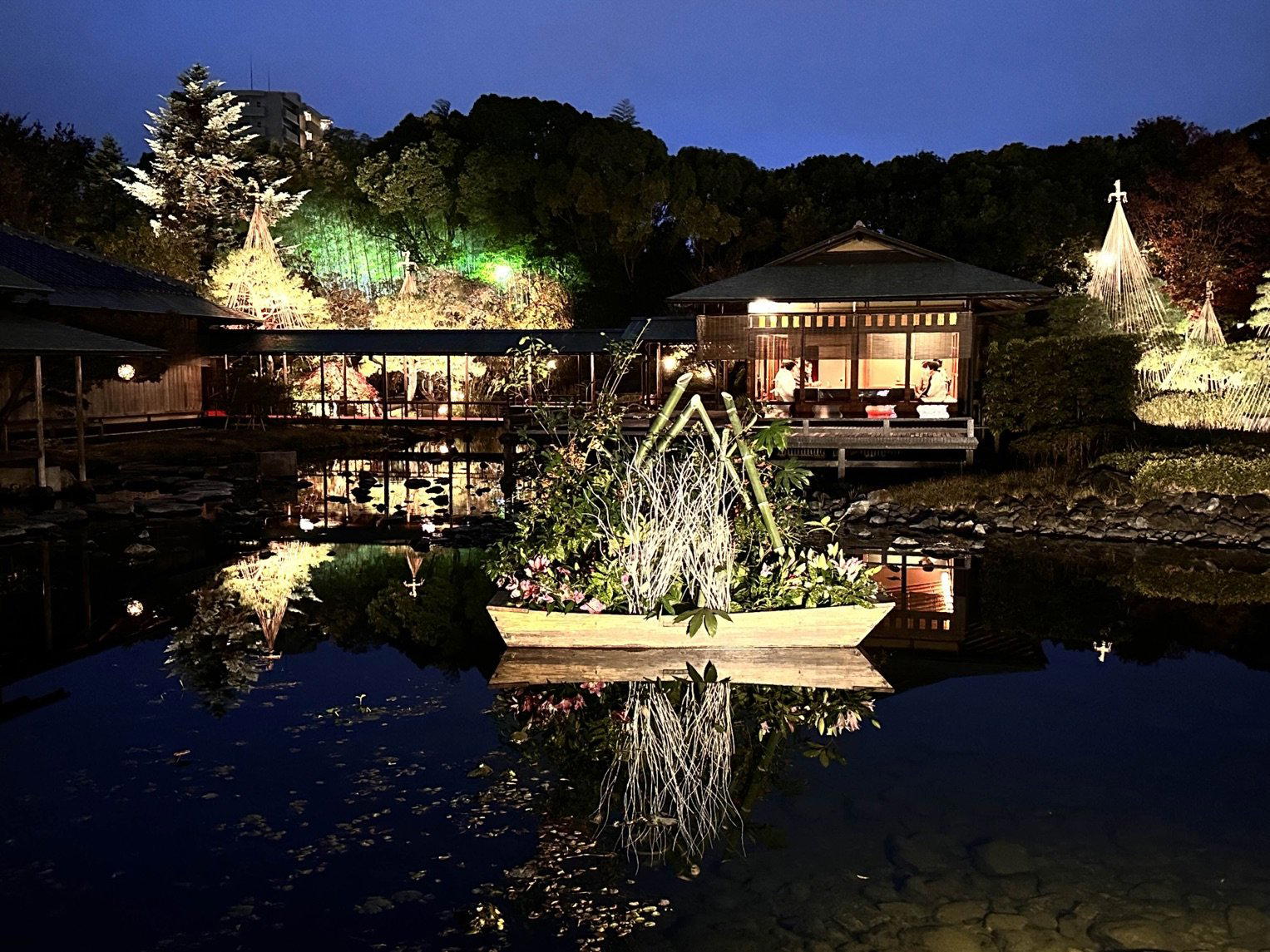
The interior is considered among the more luxurious among Nagoya ramen shops, with polished, traditional Japanese design and views onto a tranquil garden, creating a calm, upscale yet intimate atmosphere more akin to a kaiseki restaurant than a standard noodle bar.