
A 16-seat izakaya in Nagoya’s Sengen area, Don Hyara belongs to the small-room, weekday rhythm of neighbourhood dining rather than the spectacle end of Japanese restaurants. Its Tabelog 100 Izakaya EAST selections in 2024 and 2025 give it a clear credibility signal, while the format points toward tempura, ten-don, sake, and shochu in a compact local setting.
Pearl is the En Primeur Club membership app — saves, bookings, and concierge access live there. Same editors, same standards.
- Address
- 1 Chome-3-11 Sengen, Nishi Ward, Nagoya, Aichi 451-0035, Japan
- Phone
- +81 52-522-1770
- Website
- tabelog.com
 Saves & bookings on Pearl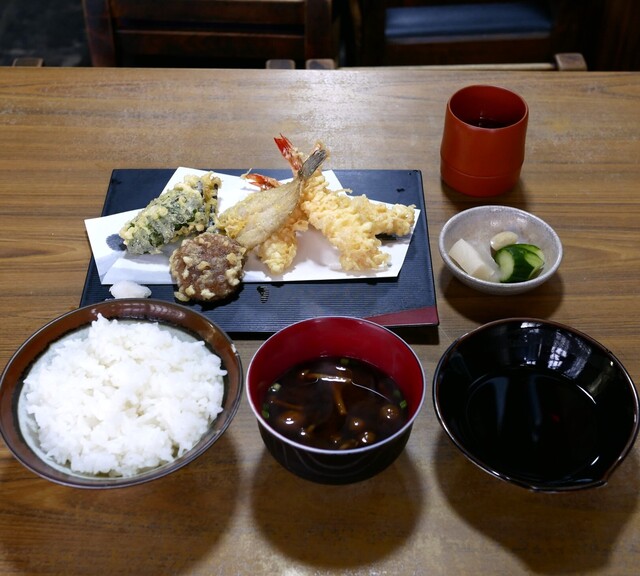
Approaching Sengen’s quieter blocks, the mood shifts from Nagoya Station’s department-store restaurants to a lower, residential register. Don Hyara fits that context: a house-style izakaya with a compact room, counter seating, and a scale that makes the meal feel governed by proximity rather than presentation. In Nagoya, that matters. The city’s food identity is often read through miso katsu, hitsumabushi, kishimen, and tebasaki, but neighbourhood izakaya culture is where everyday drinking food, short opening windows, and repeat custom do much of the work.
This is not hotel dining or inbound-tour set menus. It is Nagoya as local diners use it: near a subway stop, modest in footprint, practical in pricing, and specific in category. Don Hyara’s listing among Tabelog 100 Izakaya EAST selections in both 2024 and 2025 places it in a curated field of Japanese taverns, not the fine-dining hierarchy. That distinction helps: izakaya recognition rewards consistency, drink compatibility, and making familiar formats worth crossing town for.
Sengen's small-room izakaya culture, viewed through tempura and drink
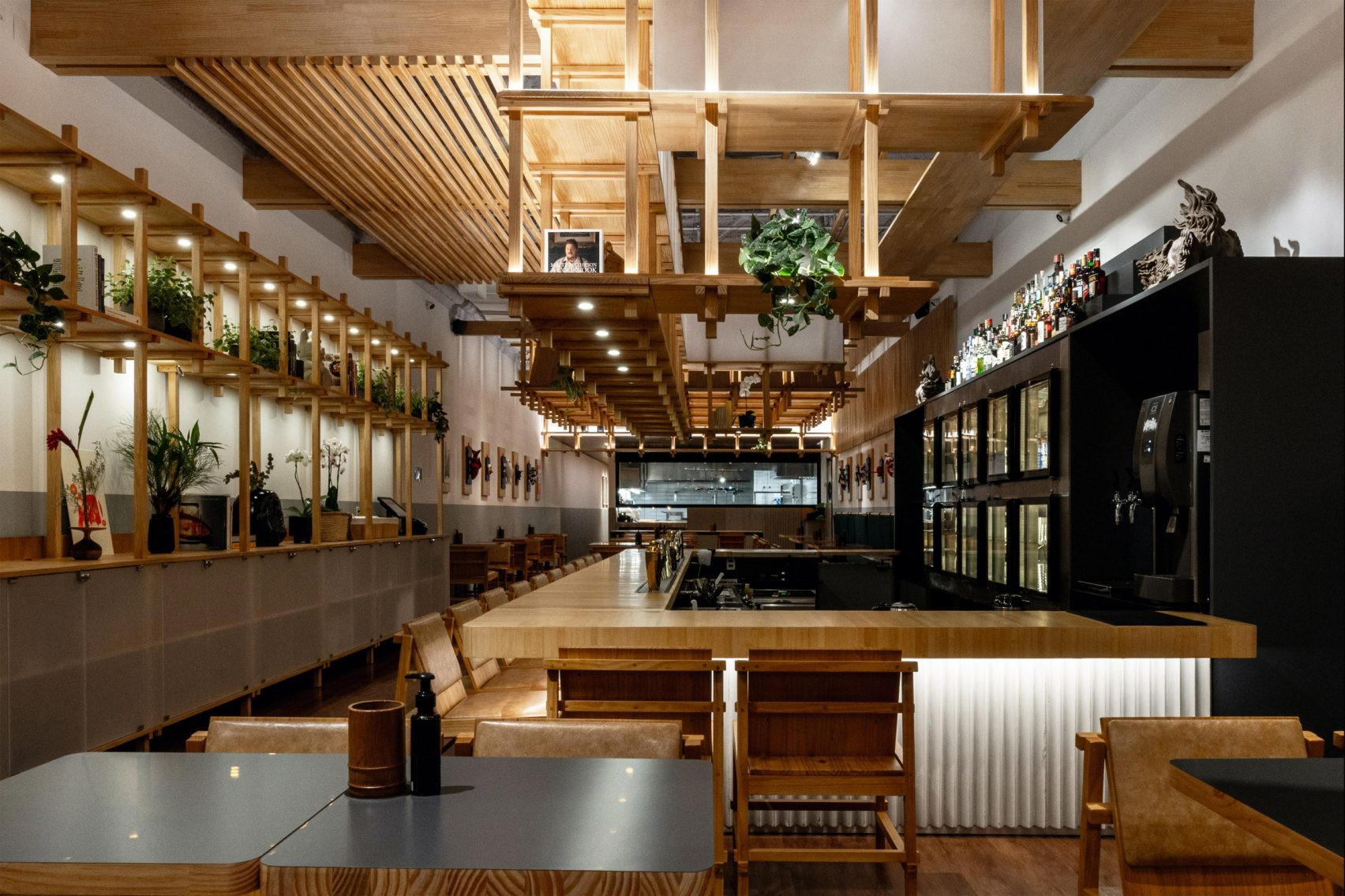
Nagoya’s stronger dining addresses often split into polished destination rooms around central business and hotel districts, and smaller neighbourhood places with narrower focus. Sengen supports the second track. A 16-seat room, with four counter seats and a dozen table seats, sets expectations before the menu does. This format is built for close-order cooking, quick decisions, and a meal paced around what fits the room, not a long theatrical sequence.
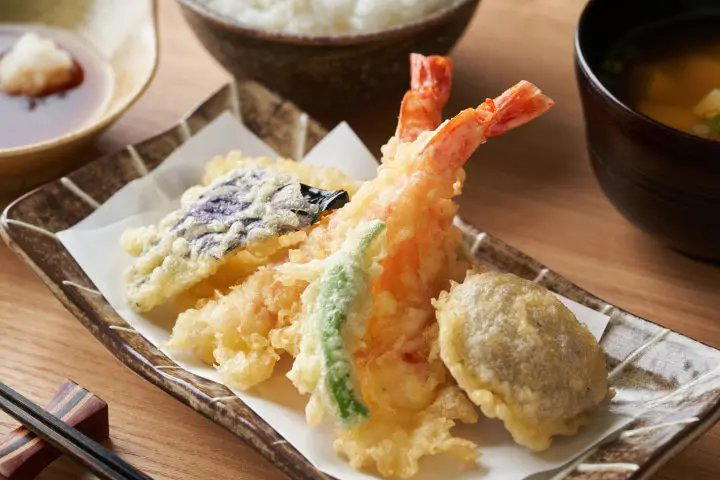
The categories are clear: izakaya, tempura, and ten-don. That combination keeps the restaurant inside a practical Japanese tavern grammar while giving the kitchen a defined centre. Tempura and ten-don sit in a different emotional register from luxury kaiseki or sushi omakase. They ask for heat management, timing, rice, sauce discipline, and drink pairing rather than ornament. Sake and shochu are listed as the drinks, aligning the room with the classic izakaya function: food that anchors drinking without turning dinner into ceremony.
For visitors using Our full Nagoya restaurants guide, this listing broadens the city beyond headline regional dishes. It also sits apart from broader Nagoya dining references such as 1022, 451, Aaron, Alan., and All Day Dining Montmartre, which help map how varied the city’s restaurant field has become. Don Hyara belongs to the tighter, more vernacular end of that map.
Recognition without the luxury script
Tabelog’s Hyakumeiten lists matter for casual Japanese categories because they capture an audience-driven dining culture that does not always overlap with Michelin-style destination planning. The restaurant’s 2025 Tabelog 100 Izakaya EAST selection, following selection in 2024, gives travellers a concrete filter in a category where international visitors often lack one. A Tabelog score of 3.67 also places it in a band that, in Japan’s rating culture, usually signals serious local traction rather than generic popularity.
The award context is not a cue for formality. In Japanese dining, small izakaya can carry strong reputations without adopting luxury-restaurant behaviours. The relevant comparison is not a grand tasting-menu room, but the compact tavern where seats are few, the cooking lane is narrow, and repeatability counts. That is why the counter matters as much as any accolade. Four counter seats create a different meal from a large dining room: closer to the work, less buffered by service choreography, and more dependent on timing.
Within Nagoya, comparison venues such as Chinese Restaurant RYUJO NAGOYA CASTLE, Taniya, Brillance, and Japanese Restaurant JO point to other modes of dining, from hotel-adjacent polish to more formal Japanese cooking. The restaurant’s role is narrower and more local: a tavern-scale address for readers who want a Nagoya meal with a specific category identity rather than another broad “Japanese restaurant” booking.
How to read it within a Nagoya itinerary
The ideal way to use the restaurant is as part of a neighbourhood-led itinerary, not as a standalone trophy reservation. Sengen places the meal away from the heaviest tourist circuits, and the room’s size naturally constrains the experience. Dinner needs more planning than an open-ended bar crawl, while lunch has a shorter window and a lower price band. The point is editorial as much as logistical: this restaurant is shaped by local time, not visitor convenience.
That rhythm affects who should prioritise it. Solo diners and families are both identified as suitable audiences, not always the case in small Japanese restaurants. Children are welcome, private rooms are not part of the format, and the room is non-smoking. Private use is available for groups up to 20 people, underlining how small the operation is: taking over the space means taking over nearly the whole restaurant.
For a broader Nagoya trip, the restaurant works alongside category guides rather than replacing them. Pair the local dining search with Our full Nagoya hotels guide, Our full Nagoya bars guide, Our full Nagoya wineries guide, and Our full Nagoya experiences guide. Readers extending the Japan file can compare how casual formats translate across cities through -Grilled beef Sukiyaki- KAMAKURA TANUKIAN 鎌倉 たぬき庵 in Kamakura. 鮪と炭火焼き うお炭 秋葉原店 in Tokyo.cafe in Osaka.know in Kumamoto, (Shoku) Vietnam in Kawasaki, and [Curry Senmon Ten] Maruyama Kyoju. in Sapporo. For drink-led Japanese references outside Japan, Jōdo Saké Bar in Los Angeles and Onigiri Time in Pasadena show how narrow formats can travel, though Nagoya’s neighbourhood izakaya grammar remains its own thing.
The editorial read is simple: the restaurant is for diners who value small scale, local cadence, and a clearly defined izakaya lane over spectacle. Recognition gives the address weight, but the appeal is the category itself: tempura, rice, sake, shochu, and a compact Sengen room that keeps Nagoya’s everyday dining culture in focus.
Standing Among Peers
Comparable venues for context, by category and price tier.
| Venue | Cuisine | Price | Notes |
|---|---|---|---|
| Don HyaraThis venue — the venue you are viewing | Traditional Japanese Izakaya & Tempura | $$ | Not listed |
| Murasakiya | Traditional Japanese Wagashi Cafe | $$ | Naka |
| Ichibiki | Traditional Unagi | $$ | Nakamura |
| Gyoza Sakaba Issei Ichidai Honten | Gyoza-focused Japanese Izakaya | $$ | Naka |
| kitchen NOMU | Yoshoku (Japanese-style Western) & Hamburger Steak | $$ | Meitō |
| Shabushabu Creative Izakaya Butagin Sakae ten | Lettuce Shabu-Shabu & Pork Izakaya | $$ | Naka |
Recognition history
Dated appearances from independent guides and award organizations, with the underlying list record or original source where available.
Tabelog 100 #12 · No. 12
Tabelog · Tabelog 100 - Izakaya - EAST - 2025
Continue exploring
More in Nagoya
Restaurants in Nagoya
Browse all →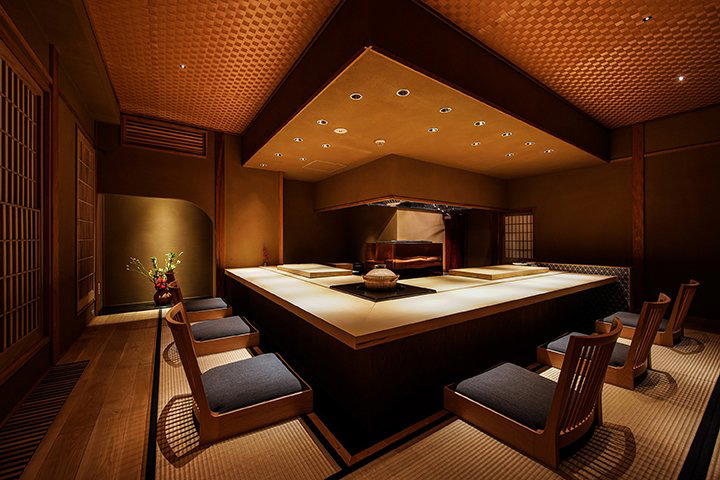
At a Glance
- Cozy
- Lively
- Classic
- After Work
- Solo
- Family
- Group Dining
- Casual Hangout
- Date Night
- Standalone
- Sake Program
Current opening hours
- Monday
- 11:30 AM–12:45 PM, 5:30–9 PM
- Tuesday
- 11:30 AM–12:45 PM, 5:30–9 PM
- Wednesday
- 11:30 AM–12:45 PM, 5:30–9 PM
- Thursday
- 11:30 AM–12:45 PM, 5:30–9 PM
- Friday
- 11:30 AM–12:45 PM, 5:30–9 PM
- Saturday
- Closed
- Sunday
- Closed
Hours can change for holidays and private events. Last verified .
A small, house-like neighborhood izakaya with only 16 non‑smoking seats, counter and table seating in a relaxed, cozy setting that feels welcoming to both solo diners and families.