The Omakase Room at Sushi-San
Inside River North's Sushi-San sits a counter-format omakase room that occupies a different category from its casual host restaurant, a small-footprint, reservation-driven experience within one of Chicago's most visited Japanese dining addresses. The room positions itself against Chicago's growing tier of chef-led tasting formats, including peers like Kasama and Smyth, where intimacy and sequence define the proposition.
Pearl is the En Primeur Club membership app — saves, bookings, and concierge access live there. Same editors, same standards.
- Address
- 63 W Grand Ave, Chicago, IL 60654
- Phone
- +13127667899
- Website
- theomakaseroom.com
- Directions
- Get directions
 Saves & bookings on Pearl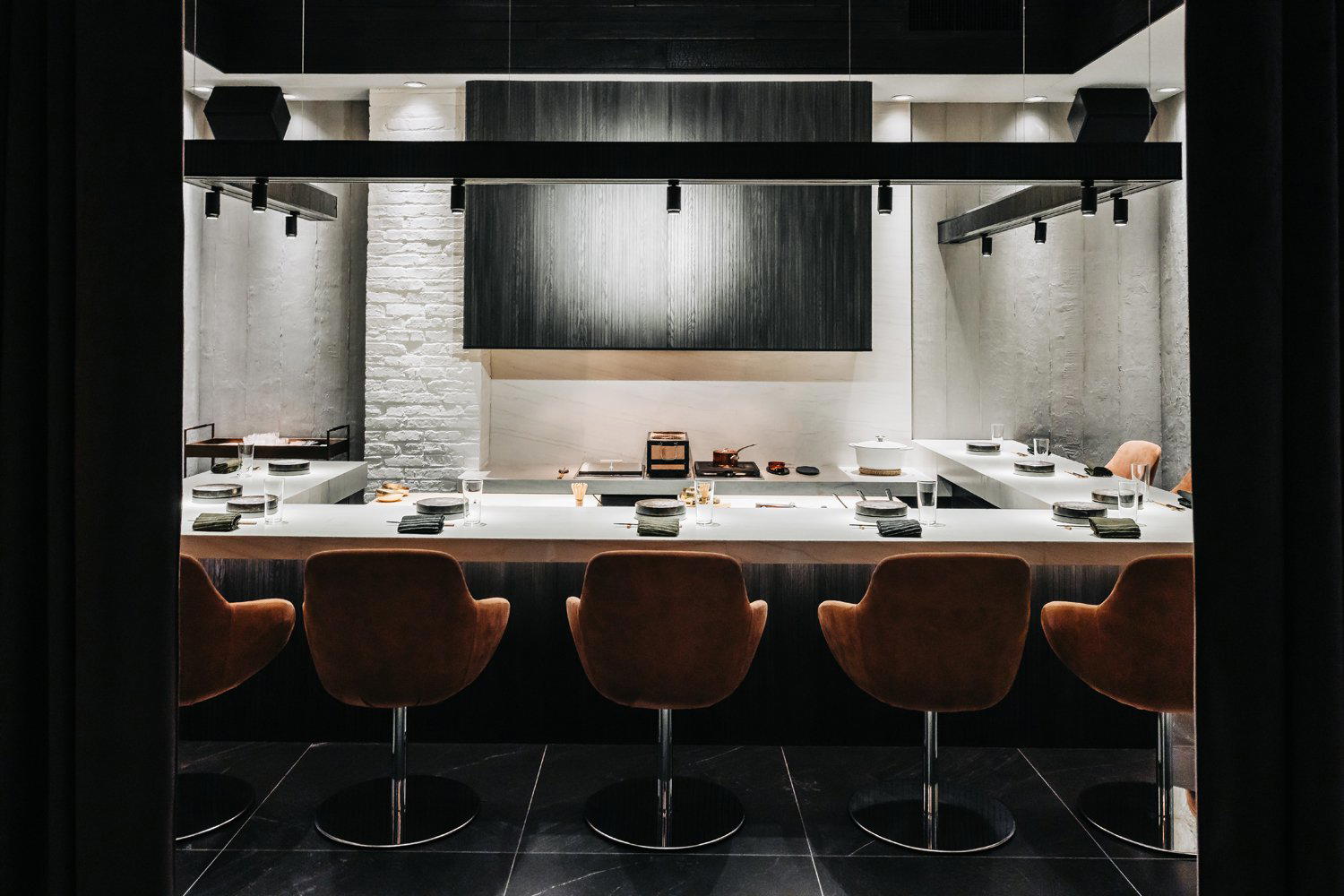
A Room Within a Restaurant: How Chicago's Omakase Tier Grew Up
River North has spent the better part of a decade sorting itself into tiers. The neighbourhood that once ran on volume, noise, and late-night tables has quietly developed a secondary layer: smaller, more deliberate formats operating inside or alongside the larger venues they share addresses with. The Omakase Room at Sushi-San, located at 63 W Grand Ave, is one of the clearest examples of this split. Sushi-San itself draws a wide crowd; the omakase room draws a different one, and it operates by different rules. That distinction, a specialist counter embedded inside a broader hospitality operation, has become one of the more interesting structural moves in Chicago dining.
Across the city, the separation between casual Japanese dining and counter-format omakase has sharpened considerably. Where a single restaurant once served both functions, often awkwardly, the more considered operators have started ring-fencing the omakase experience: separate booking windows, separate pacing, sometimes a physically separate space. The Omakase Room at Sushi-San follows this logic. The address is shared; the experience is not.
The Format and What It Signals
Counter omakase in the United States has gone through several distinct phases. The first wave was largely about access, bringing a Japanese format to American cities with limited modification. The second wave, which peaked roughly between 2015 and 2020, was about credentialism: lineage, Japan-trained chefs, imported fish programs, and aggressive pricing that signalled seriousness. The current phase is more nuanced. The strongest counters now compete on consistency, sourcing intelligence, and the quality of the sequenced experience rather than on any single prestige marker. Chicago's omakase room operators, including the room at Sushi-San, are working within that third-wave logic.
The omakase format itself rewards attention. Unlike à la carte dining, where the guest assembles the meal, a counter omakase places all compositional decisions with the kitchen. Pacing, temperature contrast, the ratio of rich to lean cuts, the moment a palate-cleanser appears, these are editorial choices made on the guest's behalf. When the format works, it reads as a conversation. When it doesn't, it reads as a performance without an audience. The room at Sushi-San sits within the tier of Chicago counters where that conversation is the explicit promise.
Reinvention and the River North Context
The evolution angle matters here. Sushi-San did not launch with an omakase room as its primary identity. The venue's trajectory reflects a broader pattern in American restaurant groups: a popular casual concept creates the footfall and financial base, and a more focused format grows from within it. This is not dilution, it is differentiation. The same logic underpins how several of Chicago's most-discussed tasting experiences have developed. Kasama evolved its daytime Filipino bakery into a nighttime tasting counter that earned Michelin recognition. Smyth has operated as a fine-dining anchor in the West Loop while maintaining a distinct identity from its downstairs sibling. In each case, the more ambitious format developed alongside, not instead of, a broader hospitality offering.
For an omakase room, the host restaurant context carries both advantages and risks. The advantage is infrastructure: a serious fish procurement operation, an established supplier network, and a kitchen culture already oriented around Japanese technique. The risk is perception: guests arriving from the casual dining room may not recalibrate expectations quickly enough, and the omakase counter can feel underserved if the operational separation is not clean. The Omakase Room at Sushi-San has had to manage both sides of that equation as it has developed its identity within River North's increasingly competitive dining environment.
Chicago's broader fine-dining scene, anchored by venues like Alinea, Oriole, and Next Restaurant, operates at a price point and recognition level that omakase counters are measured against. The comparison is not always fair: a Japanese counter format and a multi-course progressive American tasting menu serve different functions and appeal to different guest profiles. But in a city where reservation competition is real and dining budgets are finite, the omakase room competes for the same evening and the same spend as those larger operations. Knowing where it sits in that competitive field matters for anyone planning around it.
Placing the Room Against National Peers
Outside Chicago, the counter omakase format has produced particularly closely watched restaurants in the country. Atomix in New York City runs a Korean tasting counter that has attracted sustained critical attention. Lazy Bear in San Francisco operates a communal tasting format that redefined what an intimate counter experience could look like on the West Coast. The French Laundry in Napa and Single Thread Farm in Healdsburg both maintain counter-adjacent formats within broader destination dining operations. The common thread: format discipline, sourcing depth, and the ability to build a repeatable experience that justifies its price and its booking difficulty.
Chicago's omakase room tier has not yet produced the same sustained national profile as some of those addresses. That may change. The city has shown, through the recognition received by venues like Kasama and the long-running seriousness of operations like Alinea, that it can sustain ambitious formats at the highest level. The Omakase Room at Sushi-San is one of the addresses that will be watched as that conversation continues.
For readers planning a broader sweep of American fine dining, the comparison set extends well beyond Chicago. Providence in Los Angeles, Blue Hill at Stone Barns in Tarrytown, Addison in San Diego, and Le Bernardin in New York each anchor a different regional tradition. The restaurant belongs to a Japanese-inflected counter tradition that these addresses do not directly occupy, which is precisely what makes it a distinct entry point in any serious American dining itinerary. See our full Chicago restaurants guide for how the room fits within the city's wider dining architecture.
Planning Your Visit
Counter omakase rooms in this tier typically require advance reservations, often booked weeks out, and do not accommodate walk-ins in any meaningful sense. Dietary accommodations at omakase counters are format-dependent: some operators can adjust for vegetarians with sufficient notice, others cannot reconfigure the sequence without compromising the experience. The restaurant is located at 63 W Grand Ave in Chicago's River North neighbourhood.
Category Peers
Comparable venues nearby, for context on price, style, and recognition.
| Venue | Cuisine | Price | Notes |
|---|---|---|---|
| The Omakase Room at Sushi-SanThis venue — the venue you are viewing | Modern Japanese Omakase | $$$$ | Not listed |
| Omakase by Kanemaru | Traditional Japanese Omakase | $$$$ | River North |
| Noriko | Modern Japanese Handroll Bar | $$$$ | West Loop |
| Omakase Takeya | Traditional Japanese Omakase | $$$$ | West Loop |
| Hiro Izakaya | Modern Japanese Izakaya | $$$ | West Town |
| Monster Ramen | Beef-Based Gyukotsu Ramen | $$$ | Logan Square |
At a Glance
- Intimate
- Elegant
- Sophisticated
- Modern
- Special Occasion
- Date Night
- Celebration
- Chefs Counter
- Open Kitchen
- Private Dining
- Sake Program
- Extensive Wine List
- Sustainable Seafood
- Local Sourcing
Current opening hours
- Monday
- Closed
- Tuesday
- Closed
- Wednesday
- 5:30–11:30 PM
- Thursday
- 5:30–11:30 PM
- Friday
- 5:30–11:30 PM
- Saturday
- 5:30–11:30 PM
- Sunday
- Closed
Hours can change for holidays and private events. Last verified .
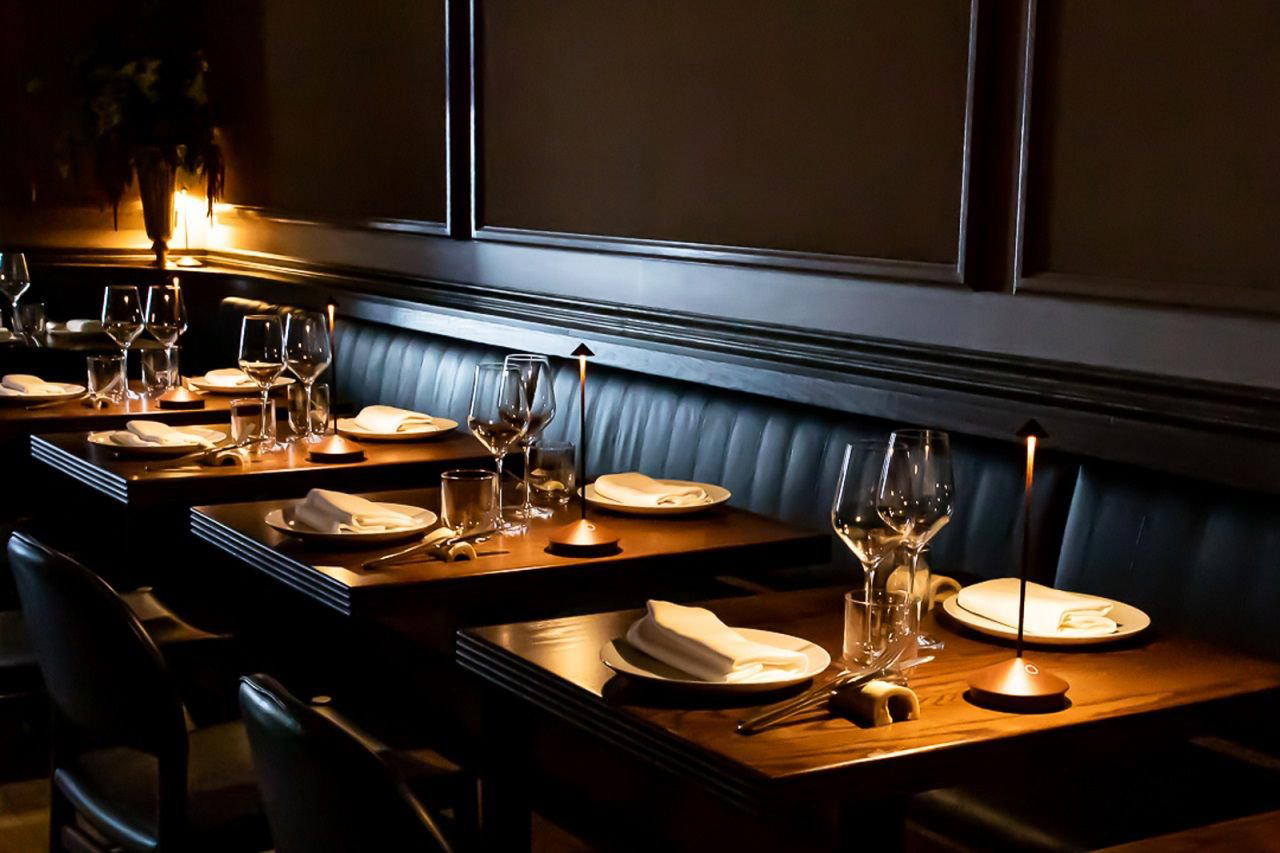
Dark, moody waiting lounge with a convivial and intimate setting; well-paced dinner with J. Cole soundtrack and approachable energy despite luxurious ingredients.