Galit






1 Michelin Star · Star Wine List · James Beard Award Semi Finalist
Our verdict
Galit holds a Michelin star and an Opinionated About Dining ranking of #71 in North America (2025) for its modern Middle Eastern prix-fixe on Lincoln Avenue. Chef Zach Engel works regional produce through an aromatic, produce-forward lens, with a beverage program built around wines from Armenia, Lebanon, Palestine, and Israel. Open Tuesday through Saturday from 5 PM, with a price point at the upper tier of Chicago's neighbourhood dining scene.

Pearl is the En Primeur Club membership app — saves, bookings, and concierge access live there. Same editors, same standards.
- Address
- 2429 N Lincoln Ave, Chicago, IL 60614
- Phone
- (773) 360-8755
- Hours
- Mon ClosedTue–Thu 5–9 PMFri–Sat 5–9:30 PMSun Closed
- Website
- galitrestaurant.com
- Directions
- Get directions
- Booking
- Book on the venue's website
The menu
What to order
- Roasted Carrots with Hazelnut Dukkah
- Falafel with Mango Labneh
- Salatim
- Fried Fish Tunisian Style
- Pastrami
- Foie Gras Toast
- Lamb Chops
Lincoln Avenue in Lincoln Park has never been Chicago's most celebrated dining corridor — that distinction belongs to the West Loop and its constellation of tasting-menu destinations. Yet it is here, in a room that reads unassuming from the outside, that one of the city's most argued-over Middle Eastern kitchens has taken root. The broader shift it represents matters: over the past decade, American cities have watched Middle Eastern cooking move from the periphery of fine-dining conversation toward its centre, with a new generation of chefs treating the region's aromatics, preserved ingredients, and fire-cooking traditions with the same rigour once reserved for French or Japanese cuisine. Galit at 2429 N Lincoln Ave sits squarely inside that trajectory, and the Michelin star it earned in 2024 is the formal acknowledgement of what local diners had already decided.
The Room and the Register
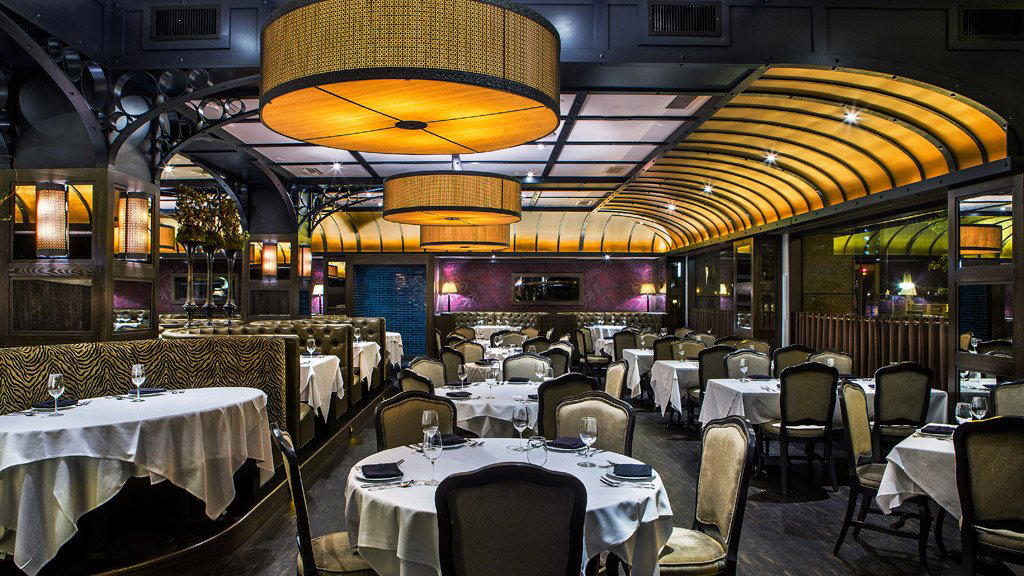
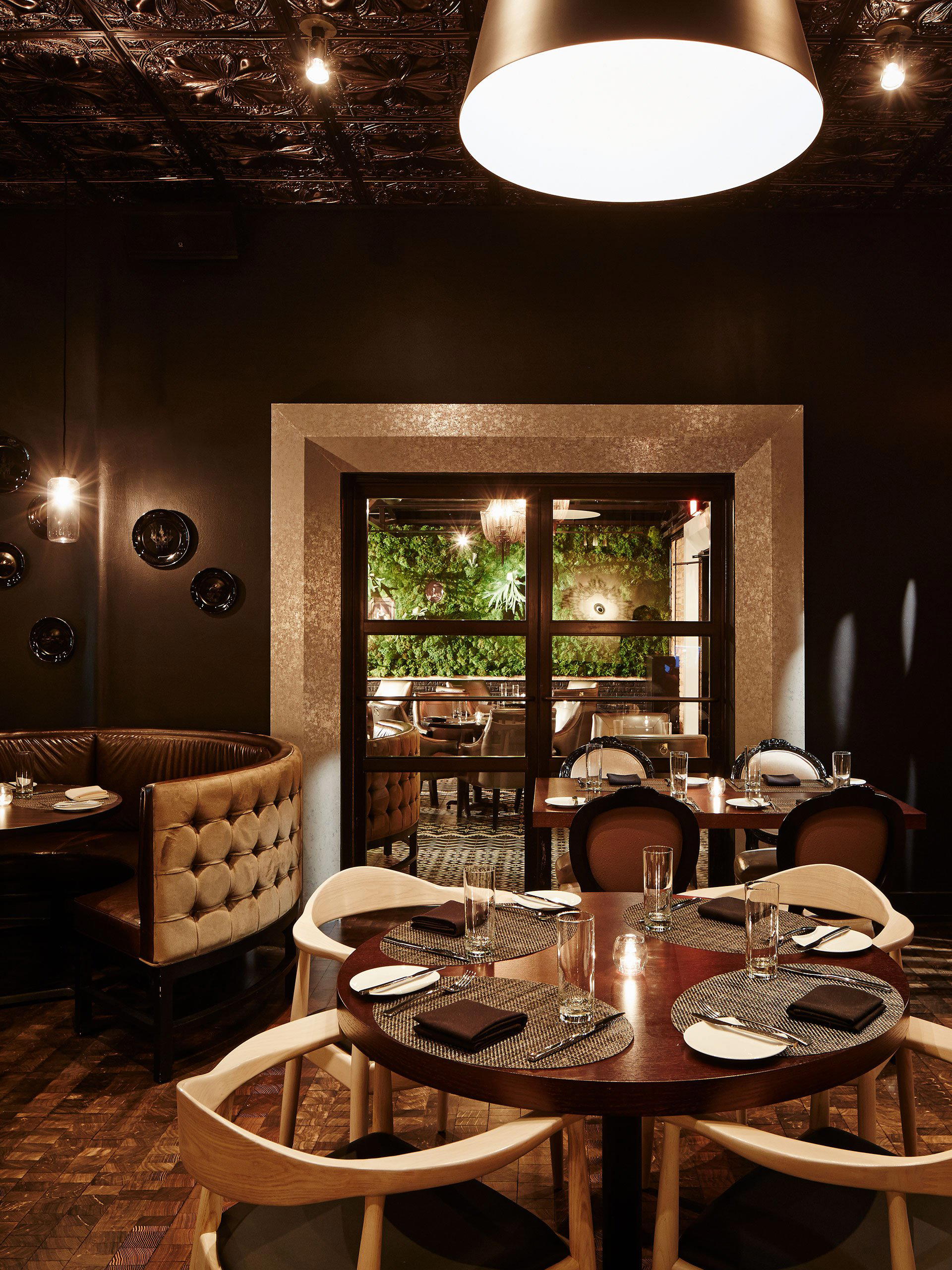
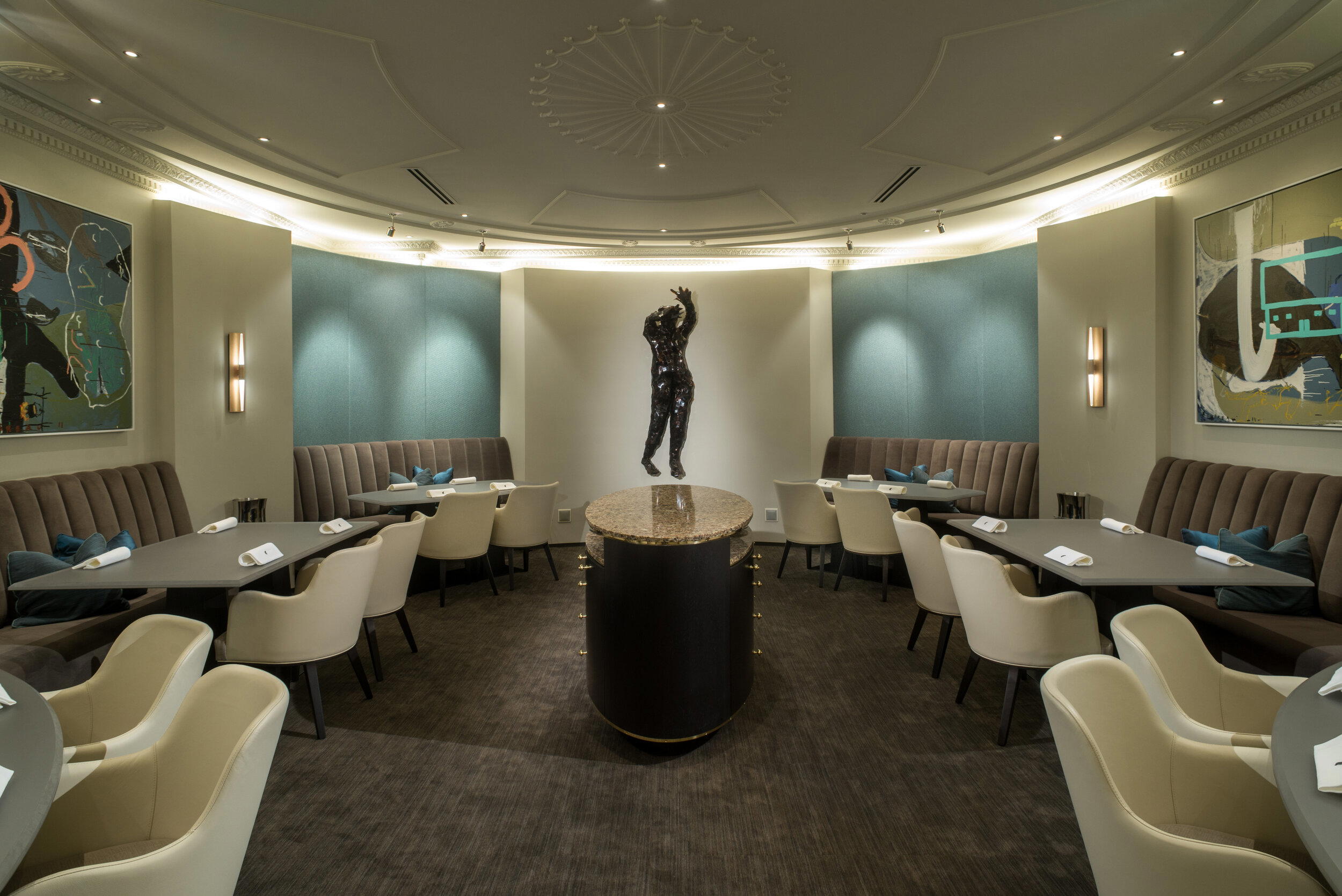
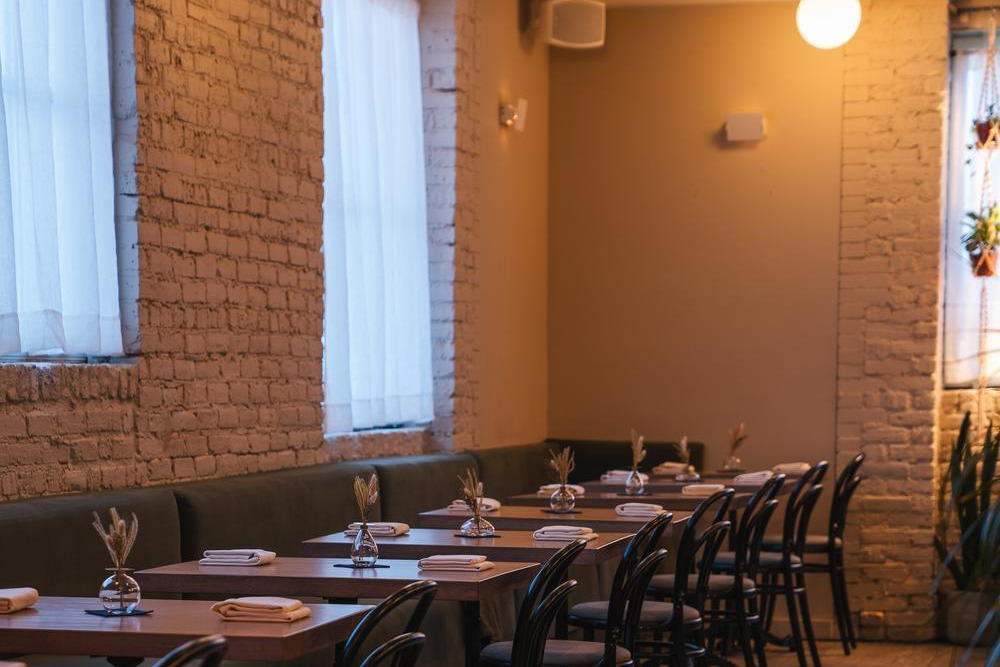
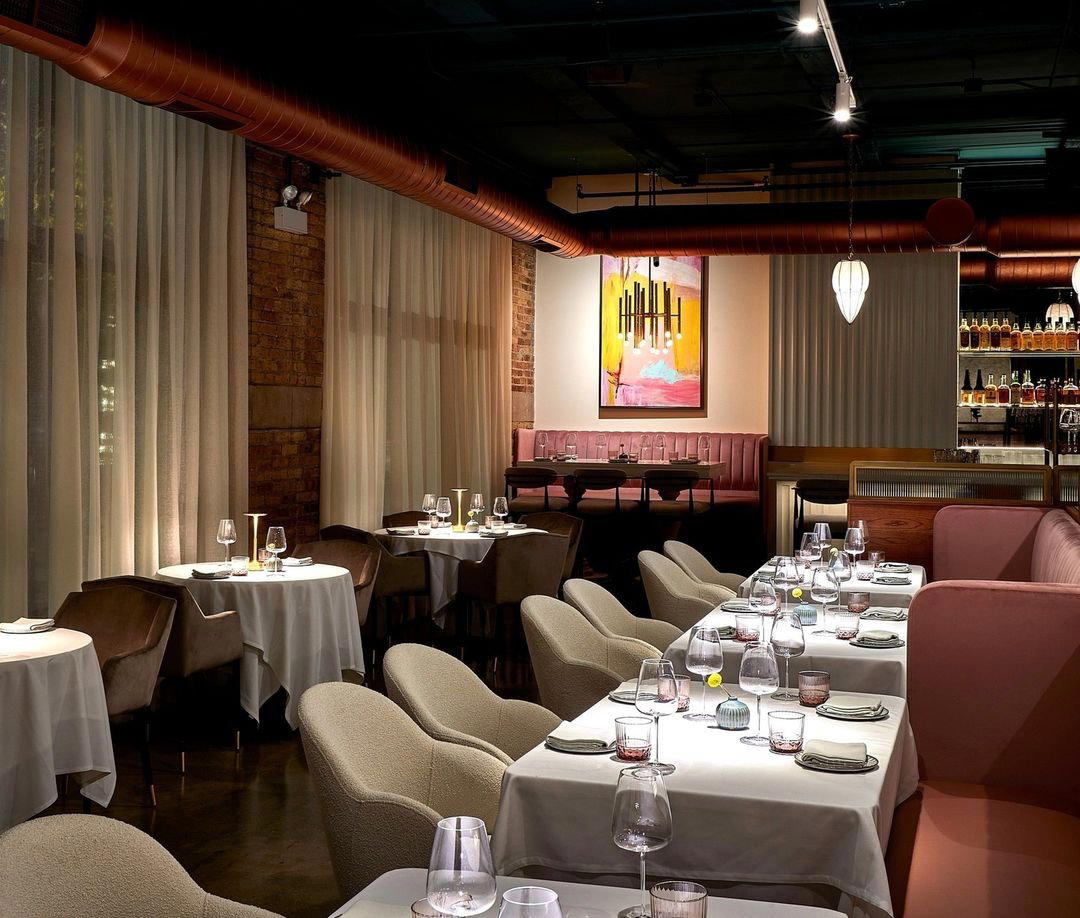
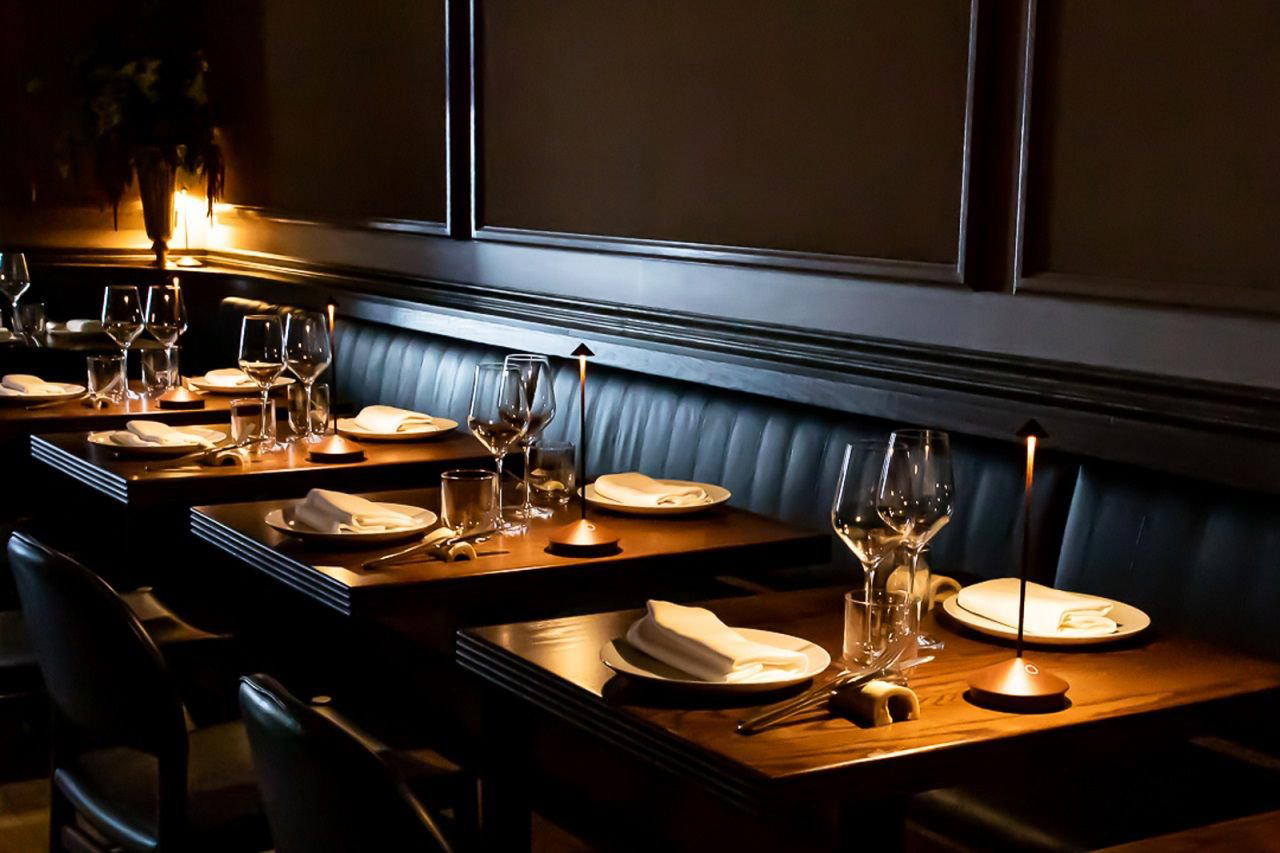
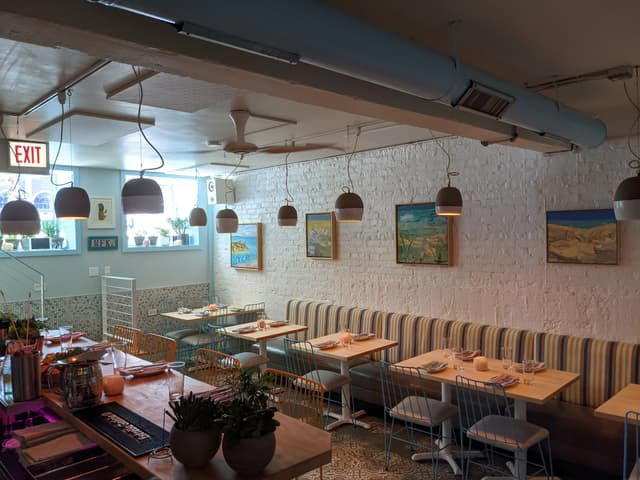
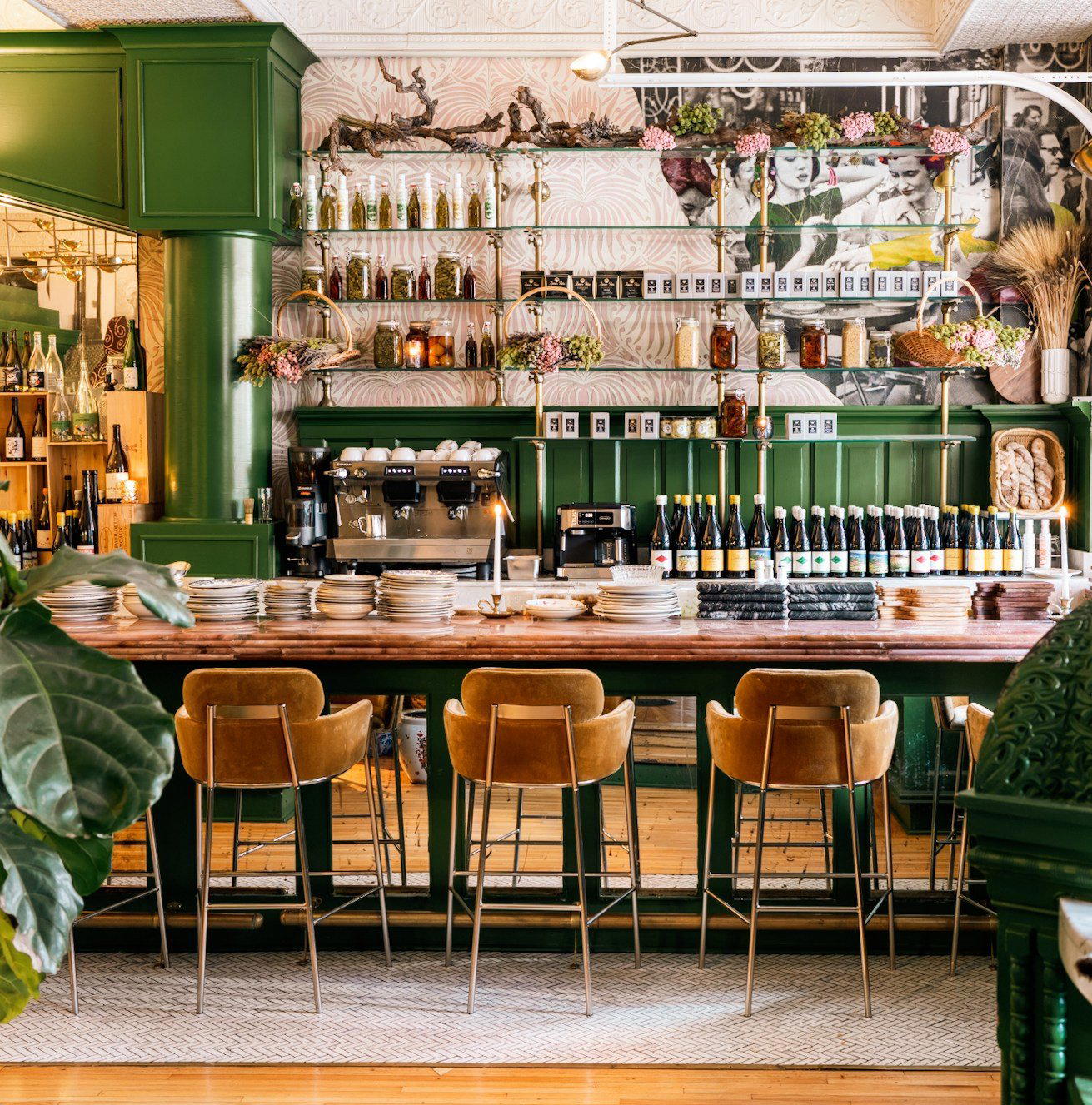
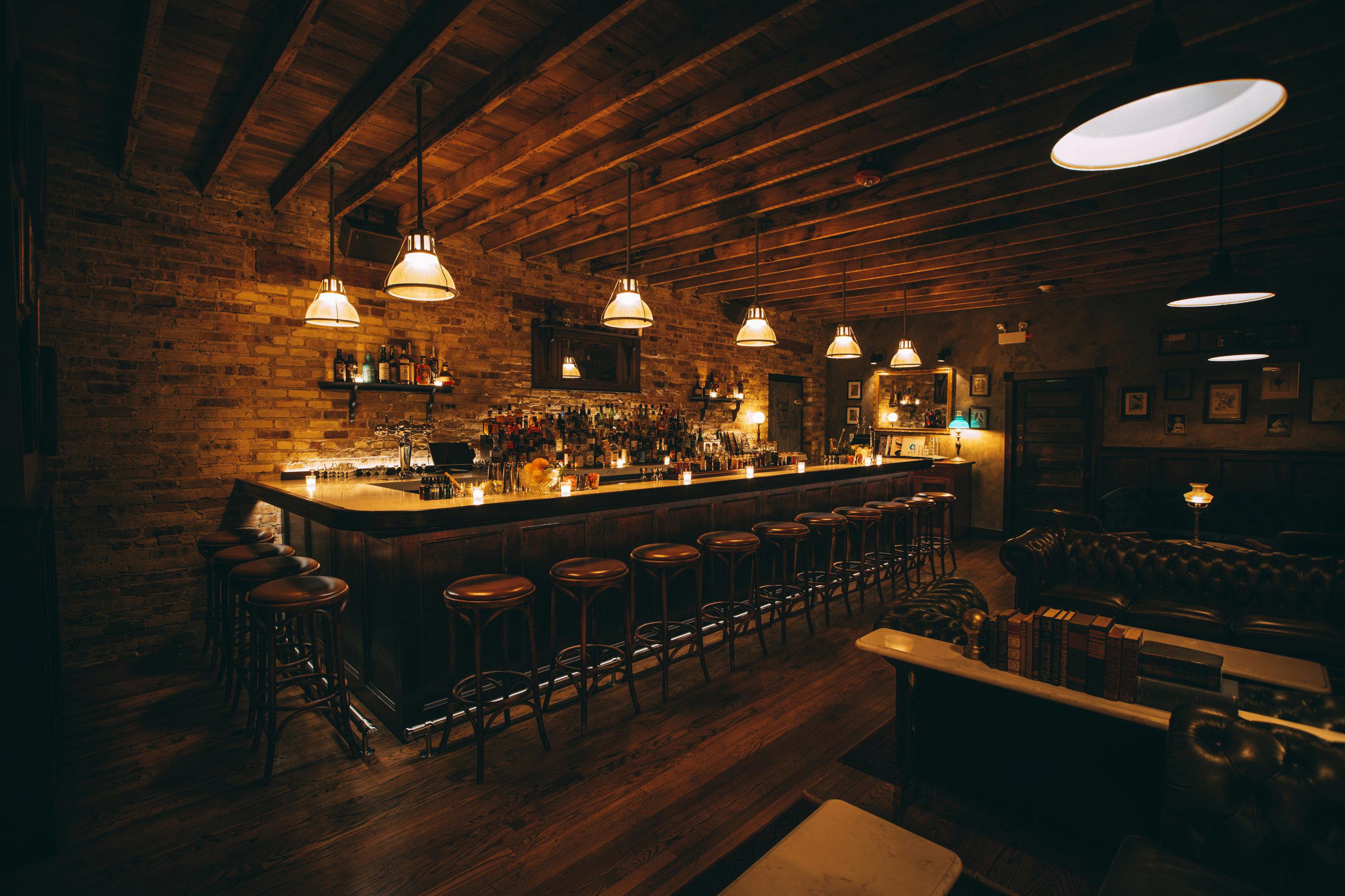
The atmosphere inside Galit is animated rather than hushed. The room leans warm and colourful, with energy that reads more like a lively neighbourhood spot than the stripped-back minimalism favoured by some of Chicago's tasting-menu peers. That positioning is deliberate and consequential: it places the restaurant in a different emotional register from, say, Alinea or Smyth, where the room architecture is part of the theatrical proposition. Here, the cooking carries the argument, and the hospitality is designed to lower the temperature rather than raise the drama. For diners who find the formal tasting-menu circuit exhausting, that calibration has real appeal.
The price range sits at the upper tier of Chicago neighbourhood dining — the same bracket as Kasama and Next Restaurant, which means guests arrive with serious expectations even if the atmosphere doesn't demand reverence.
Slow Heat: The Case for Middle Eastern Fire Cooking
Middle Eastern cooking has always understood fire differently from European traditions. Where French technique classically separated stock-making, roasting, and sauce-work into distinct processes, the cooking of the Levant and North Africa built flavour through proximity: meat and aromatics together in a vessel, or over a flame, for long enough that the two become inseparable. Slow-roasted lamb is the clearest expression of this logic, the fat rendering gradually, the spices migrating inward, the exterior developing a crust that carries concentrated versions of everything that happened in the heat.
Chef Zach Engel works within that tradition while reframing it for a contemporary American dining room. The Michelin inspectors noted sophistication in the handling of aromatics alongside a quality of apparent simplicity, a combination that takes more technical discipline than it looks. Regional produce anchors the menu, and the plant-based options are substantive enough that the We're Smart Green Cuisine community has recognised the programme specifically for that dimension. But the slow-cooking logic runs through the meat preparation as well, and it is here that the kitchen earns its Michelin credential most directly.
The Prix-Fixe Format and What It Asks of You
Galit runs a prix-fixe format, but one with a structural generosity that distinguishes it from the locked-sequence tasting menus at restaurants like Oriole. Diners select from a range of options within the format, which means the meal has a fixed architecture but variable content, a construct that suits Middle Eastern cooking particularly well, since the tradition is inherently one of shared abundance rather than linear progression.
The first course is built around hummus, salatim (the spread-and-pickle array that functions as an opening hospitality gesture across the region), and pita cooked to order over flame. That opening course is doing cultural work as much as culinary work: it sets up a table-sharing rhythm and signals that what follows will be grounded in recognisable tradition before it departs from it. The falafel, finished with mango labneh, is a case in point, a dish with an immediately legible identity that arrives with enough specificity to surprise.
The beverage programme extends the editorial logic of the food. Wines from Armenia, Lebanon, Palestine, and Israel anchor the list, which means the pairings are doing something more focused than simply matching acidity to fat or tannin to protein. They are drawing a geographic and cultural map that corresponds to the cooking, an approach that a handful of American restaurants with serious commitments to regional cuisine have adopted, though few as consistently as Galit appears to manage it. For comparison, Atomix in New York has done similar work around Korean wine and spirit pairings, making the regional provenance of the beverage programme integral to the dining argument.
Where Galit Sits in the Chicago Fine-Dining Picture
Chicago's Michelin-starred dining is concentrated heavily at the progressive American end of the spectrum. Alinea, Smyth, and Oriole each work within that tradition at varying levels of formality and abstraction. Galit's Michelin star in 2024 represents something slightly different: a kitchen earning accreditation through deep engagement with a non-European culinary tradition, presented in a neighbourhood room rather than a destination-dining complex.
The Opinionated About Dining ranking of #71 in North America for 2025 adds a second data point. OAD rankings are crowd-sourced from a community of experienced diners rather than a small inspection team, which means they tend to reflect repeated visits and accumulated opinion rather than a single assessment. A top-100 North America position from OAD alongside a Michelin star means Galit is being validated by two different methodologies, a more durable indicator than either award alone. For context on the broader American fine-dining landscape, see how peers like Le Bernardin in New York, The French Laundry in Napa, and Single Thread Farm in Healdsburg have built similarly layered credibility over longer timelines.
Planning a Visit
Galit operates Tuesday through Thursday from 5 PM to 9 PM, extending to 9:30 PM on Fridays and Saturdays. It is closed Sunday and Monday. The address is 2429 N Lincoln Ave in Lincoln Park, accessible from central Chicago by the Brown or Red Line to Fullerton. At the $$$$ price tier with a Michelin star and an OAD ranking, booking ahead is advisable, at comparable Chicago restaurants in this bracket, lead times of two to four weeks are standard. For the full picture of where Galit sits among Chicago's dining options, see our full Chicago restaurants guide. Those building a longer itinerary will also find useful context in our Chicago hotels guide, bars guide, wineries guide, and experiences guide.
For travellers arriving from cities with their own deep restaurant traditions, Galit offers a useful calibration point: it demonstrates that Chicago's starred dining is not simply a west-side tasting-menu circuit, and that serious cooking is appearing in neighbourhood formats across the city. Internationally, restaurants like 8½ Otto e Mezzo Bombana in Hong Kong and Emeril's in New Orleans represent different versions of the same argument, that distinctive regional or cultural cooking, done with enough precision, earns its place at the same table as any European-derived fine-dining tradition.
Frequently asked questions
What's the signature dish at Galit?
No single dish has been formally designated as a signature by the restaurant, but the opening course built around hummus, salatim, and flame-cooked pita functions as the meal's anchor and cultural statement. The falafel with mango labneh has drawn specific mention from Michelin inspectors and the broader Chicago dining press as an example of the kitchen's approach: a familiar Middle Eastern form, reworked with enough precision that it reads as something new. Chef Zach Engel's prix-fixe format allows for variation across visits, so the full picture of the menu shifts, but that opening sequence appears to be a consistent through-line. The beverage programme, anchored in wines from Armenia, Lebanon, Palestine, and Israel, is also widely cited as integral to the overall experience rather than supplementary to it.
Budget Reality Check
| Venue | Cuisine | Price | Awards | Notes |
|---|---|---|---|---|
| GalitThis venue — the venue you are viewing | Modern Middle Eastern | $100–150 | 1 Michelin Star · Star Wine List | Not listed |
| Alinea | Avant-Garde Molecular Gastronomy | $300–500 | 2 Michelin Stars · World's 50 Best #37 | Progressive American, Creative |
| Smyth | Modern American Tasting Menu | $200–300 | 3 Michelin Stars · World's 50 Best #1 | Progressive American, Contemporary |
| Kasama | Modern Filipino | $30–50 | 2 Michelin Stars · World's 50 Best #31 | Filipino |
| Next Restaurant | Avant-Garde Themed Tasting Menus | Not listed | 1 Michelin Star · We're Smart World 2 Radishes | American Cuisine |
| Boka | Modern American Seasonal Fine Dining | $150–200 | 1 Michelin Star · La Liste Top Restaurants | New American, Contemporary |
Recognition history
Dated appearances from independent guides and award organizations, with the underlying list record or original source where available.
Michelin 1 Star
Michelin
Star Wine List
Star Wine List
James Beard Award Semi Finalist
James Beard Award
Opinionated About Dining Casual in North America Ranked #49
Opinionated About Dining
Wine Spectator Award of Excellence
Wine Spectator
Full recognition history (9 entries)
James Beard Award Semi Finalist
James Beard Award
Opinionated About Dining Casual in North America Ranked #71
Opinionated About Dining
We're Smart World 3 Radishes
We're Smart World
Michelin 1 Star
Michelin



Details
- Lively
- Rustic
- Elegant
- Warm
- Date Night
- Celebration
- Special Occasion
- Group Dining
- Open Kitchen
- Chefs Counter
- Extensive Wine List
- Craft Cocktails
- Sommelier Led
- Local Sourcing
- Prix Fixe
- Family Style
- Armenian Wines
- Lebanese Wines
- Palestinian Wines
- Israeli Wines
- Vegetarian Friendly
- Allergy Accommodating
Current opening hours
- Monday
- Closed
- Tuesday
- 5–9 PM
- Wednesday
- 5–9 PM
- Thursday
- 5–9 PM
- Friday
- 5–9:30 PM
- Saturday
- 5–9:30 PM
- Sunday
- Closed
Hours can change for holidays and private events. Last verified .
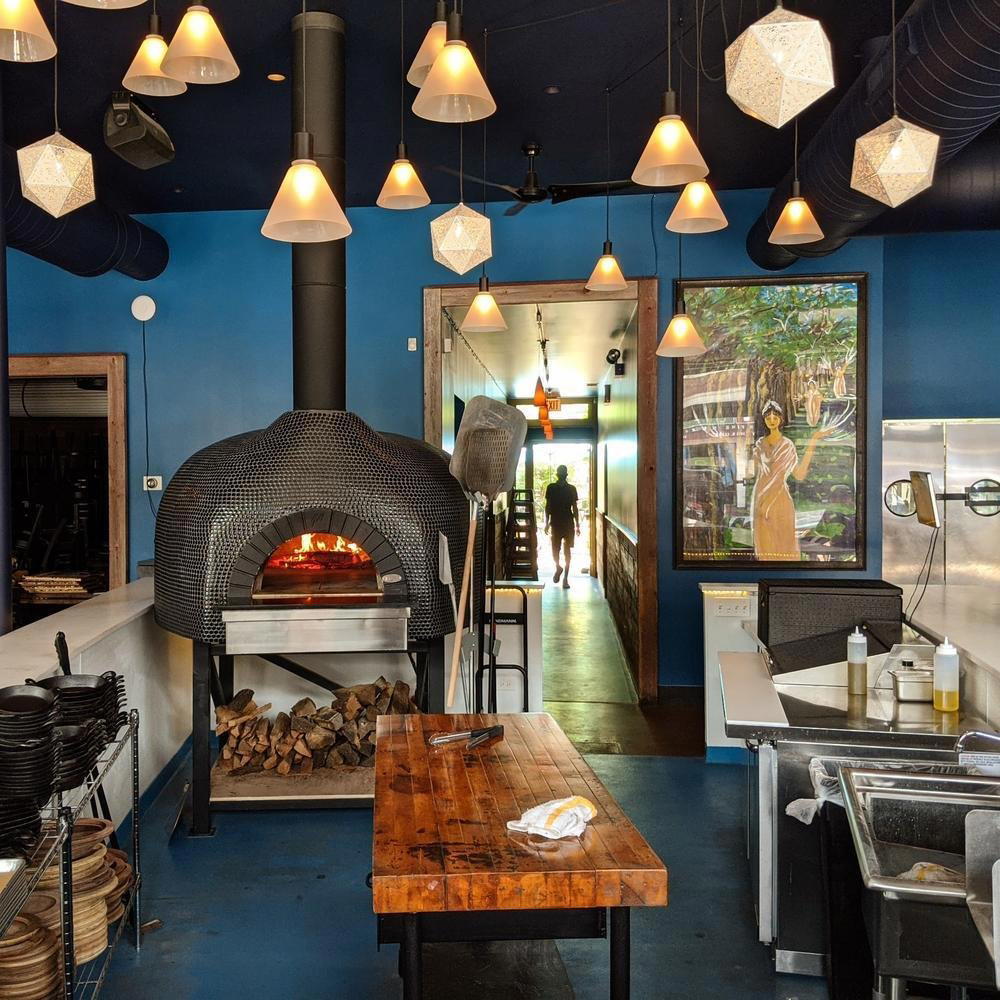
Rustic yet chic interior with wooden tables, exposed brick walls, and framed photographs; large open-plan kitchen with visible flames creates a warm, lively, and relaxed atmosphere that defies typical fine dining stuffiness.