Set within a historic courtyard building on Kirchenstraße in the small Upper Austrian settlement of Moosdorf, s'Gwölb im Thurmhof occupies a regional dining niche where architecture and provenance carry as much weight as what arrives on the plate. The address places it firmly in the slower, more deliberate tradition of Austrian country dining, where sourcing proximity and seasonal rhythm define the kitchen's logic.
Pearl is the En Primeur Club membership app — saves, bookings, and concierge access live there. Same editors, same standards.
- Address
- Kirchenstraße 1, 5141 Moosdorf, Austria
- Phone
- +436641232832
- Website
- sgwoelb.com
- Directions
- Get directions
 Saves & bookings on Pearl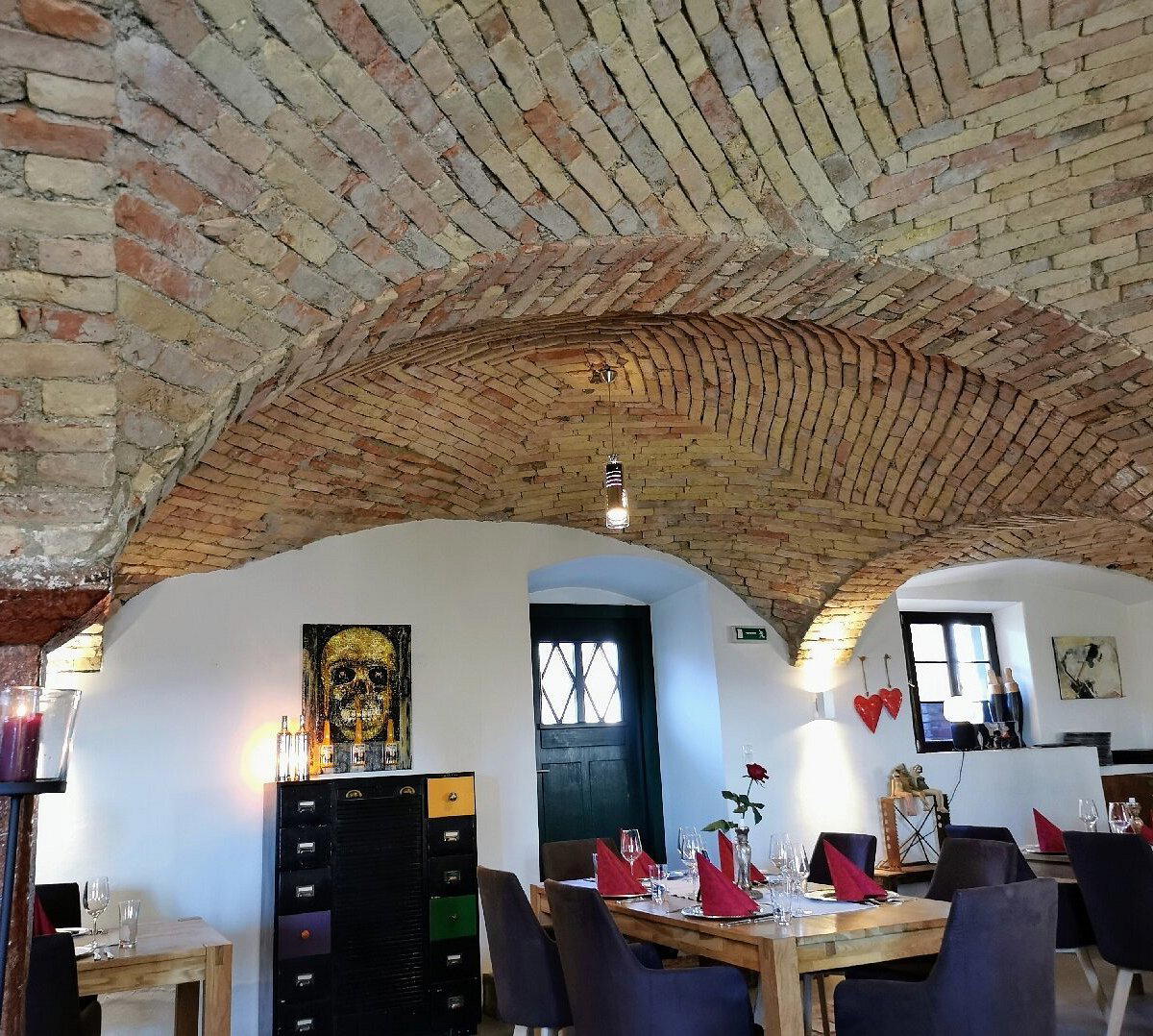
Stone Walls and the Logic of Proximity: Dining at s'Gwölb im Thurmhof
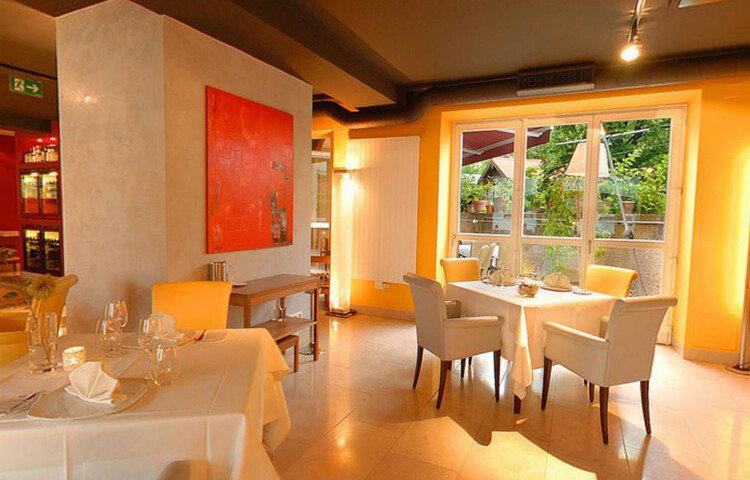
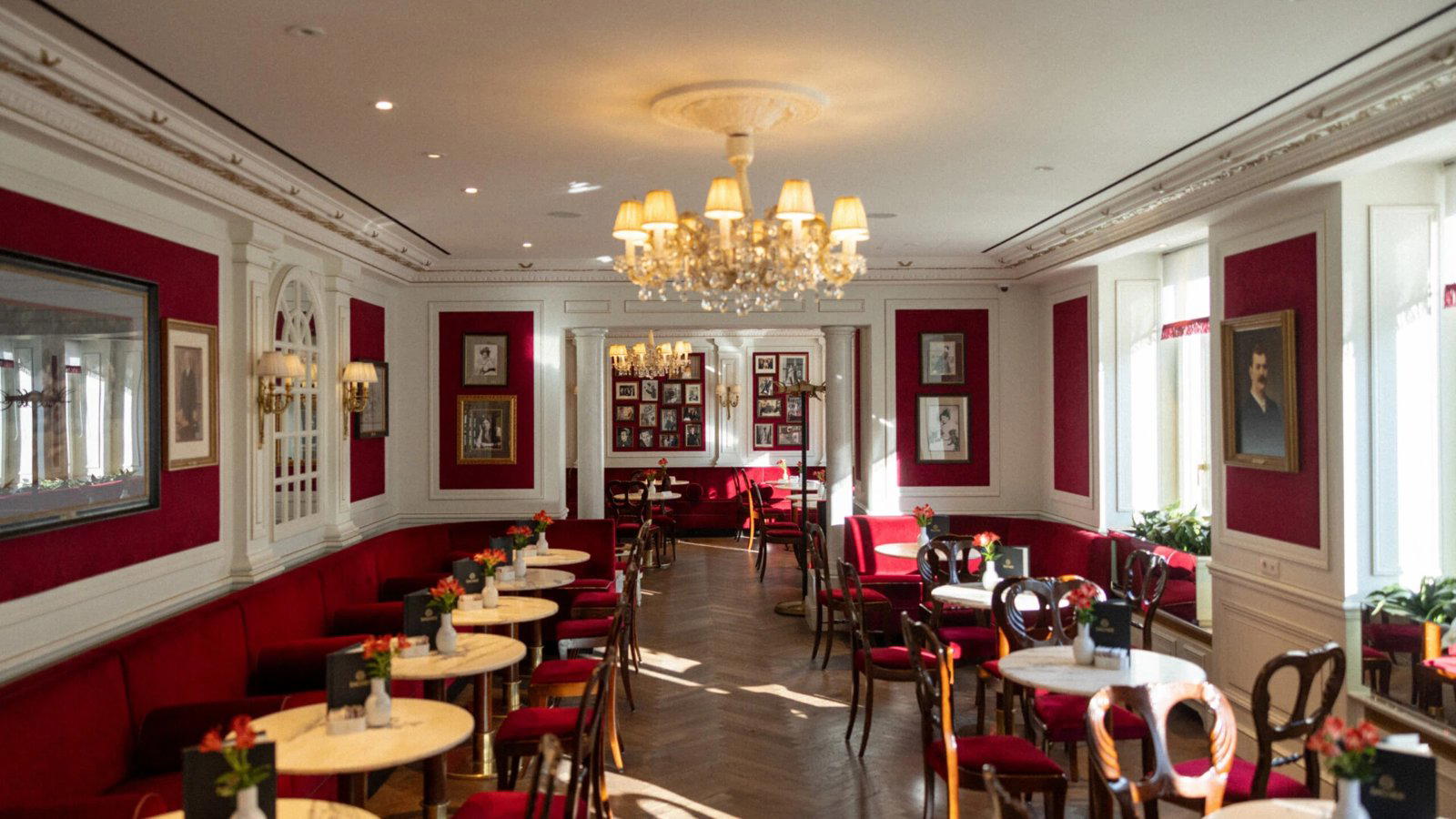
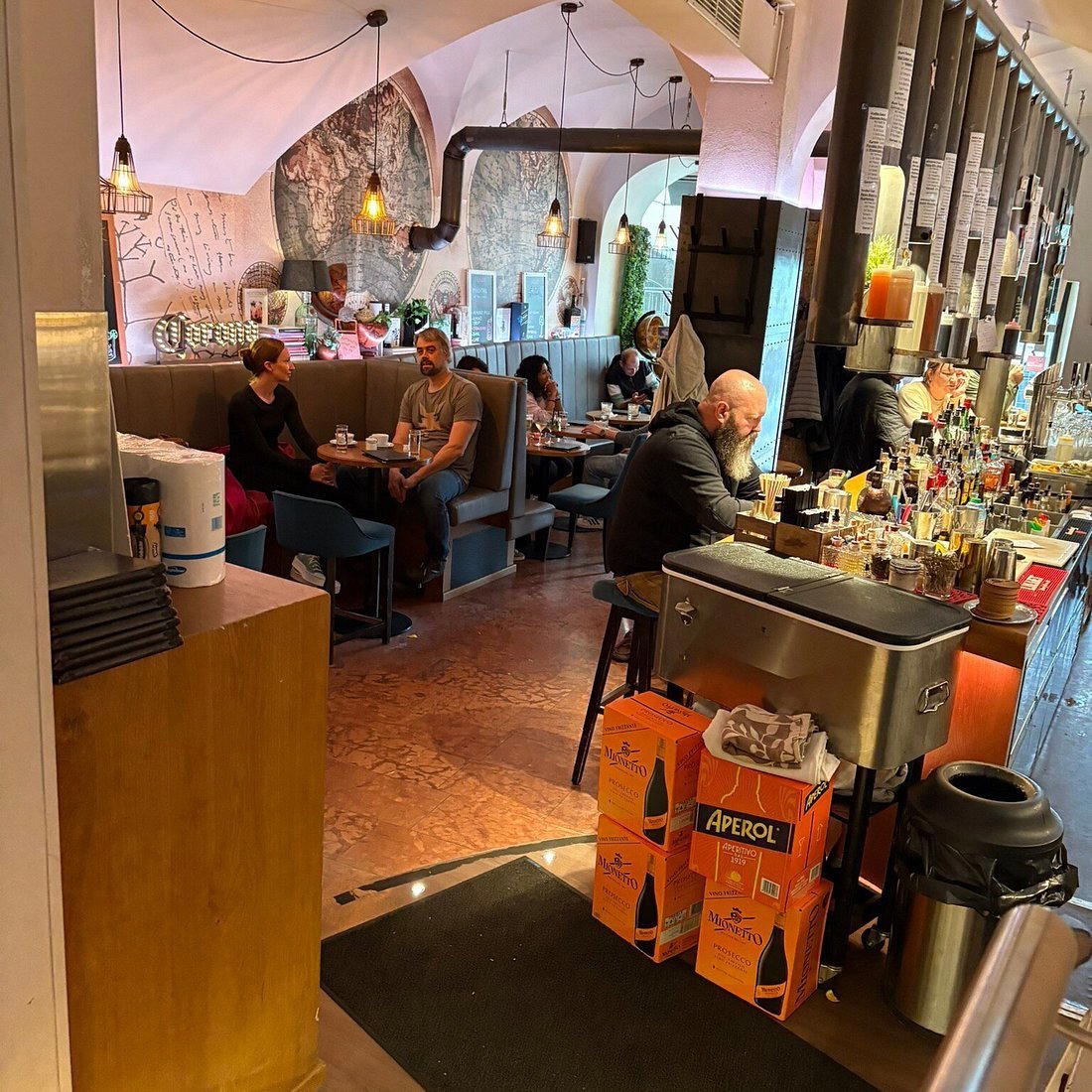
There is a particular category of Austrian dining room that makes its argument through architecture before the first dish arrives. The stone vaults, the thick walls absorbing sound, the suggestion of centuries in the joinery, these are not decorative choices but structural facts that shape how a meal feels. s'Gwölb im Thurmhof, at Kirchenstraße 1 in the small Upper Austrian community of Moosdorf, belongs to that category. The name itself signals the setting: Gwölb is the Austrian-dialect word for a vaulted cellar or arched room. Arriving at a building called the Thurmhof, a tower courtyard, you are entering a space whose physical character predates any menu decision by several hundred years.
This matters to the dining experience in ways that go beyond atmosphere. Spaces like this one create an implicit accountability to place. A kitchen operating inside a medieval farmstead complex in the Salzburg-bordering flatlands of the Innviertel sits at the intersection of two strong regional traditions: the lake-and-river larder of the Salzburg basin to the south, and the grain and livestock culture of the Inn valley lowlands stretching toward Bavaria. For restaurants in Moosdorf and the wider Innviertel, that geography is not incidental, it is the sourcing brief.
The Innviertel Table: What the Region Produces
Upper Austria's Innviertel occupies a strip of low agricultural land between the Inn and Salzach rivers, historically one of the more productive farming zones in the eastern Alps. The region's kitchens have traditionally drawn on freshwater fish from the Inn and its tributaries, pork from small holdings, root vegetables, and cereals that sustain a bread culture distinct from Vienna's. What it has never been is a region of showpiece restaurants with international profiles. The dining tradition here runs through gasthouses and courtyard inns rather than destination-restaurant formats, which makes the presence of a named venue inside a historic Thurmhof address the more notable.
Across Austria, the gap between the country's leading urban restaurants and its regional inns has narrowed in recent years, with venues like Döllerer in Golling an der Salzach and Obauer in Werfen demonstrating that serious kitchens can operate at high altitude, both literally and figuratively, in small towns. The common thread in these cases is a commitment to regional sourcing so specific that the menu becomes, in effect, a map of the surrounding countryside. Kräuterreich by Vitus Winkler in Sankt Veit im Pongau takes this further, building an entire program around foraged and cultivated herbs from the immediate valley. The question s'Gwölb im Thurmhof poses, in its vaulted room on the Kirchenstraße, is whether the Innviertel's quieter agricultural identity can sustain the same kind of table.
Architecture as Editorial Statement
Courtyards and vault rooms carry a specific hospitality grammar in the German-speaking Alpine world. They imply shelter, communal eating, and a meal anchored to what the season has produced rather than what a supply chain can deliver year-round. This is not nostalgia as design concept but a functional inheritance: before refrigeration, the vault kept things cold; before global logistics, the courtyard was the logistics. Venues that operate inside these structures and take the architecture seriously tend to source accordingly, the room and the kitchen end up making the same argument.
In the broader Austrian context, this approach sits alongside properties like Taubenkobel in Schützen am Gebirge, where a converted farmstead in Burgenland anchors a kitchen deeply committed to local wine and produce, and Landhaus Bacher in Mautern an der Donau, where the Danube-bank setting informs a menu that has stayed in conversation with its specific geography for decades. At these addresses, the building is not background, it is part of the editorial case the kitchen makes with every plate.
Placing s'Gwölb in Austria's Wider Dining Geography
Austria's restaurant conversation is disproportionately Vienna-centric. Steirereck im Stadtpark and its peer group define the country's international reputation, while the Salzburg orbit, Ikarus among them, draws a different kind of destination diner. The Tirol and Vorarlberg have their own tier, represented by addresses like Griggeler Stuba in Lech, Stüva in Ischgl, and Gourmetrestaurant Tannenhof in Sankt Anton am Arlberg, where alpine ski resort economics sustain serious kitchens through a compressed season. Upper Austria's Innviertel operates on none of these logics, no urban density, no ski resort flow, which means any kitchen here earns its audience through the particulars of what it offers, not the structural advantages of location.
Venues in smaller Austrian towns are increasingly making a case for exactly this kind of slow-lane dining: Ois in Neufelden, Atelier Fischer in Sankt Gilgen, and Schwarzer Adler in Hall in Tirol each occupy a similar position: regionally specific, architecturally grounded, and operating outside the major city circuits that generate most international dining press. Restaurant 141 by Joachim Jaud in Mieming and Artis in Graz round out a picture of Austrian fine and serious dining that extends well beyond the capital. What connects them is the same principle that makes places like Le Bernardin in New York City or Atomix compelling at a completely different scale: conviction about a specific culinary identity, executed with discipline.
Planning a Visit
Moosdorf sits in the Innviertel district of Upper Austria, roughly equidistant between Salzburg to the southeast and Braunau am Inn to the northwest, a drive of under 40 minutes from Salzburg's city center puts the address within range of a day trip or an extension of a wider Salzburgerland itinerary. The address at Kirchenstraße 1 places the venue at the centre of the village, adjacent to the parish church, which is consistent with the historic Thurmhof designation. Reservations are recommended.
Quick Comparison
Comparable venues nearby, for context on price, style, and recognition.
| Venue | Cuisine | Price | Notes |
|---|---|---|---|
| s'Gwölb im ThurmhofThis venue — the venue you are viewing | Austrian-Mediterranean Gastropub | $$ | Not listed |
| Stücklerhof | Regional Carinthian Home-Style | $$ | Lavanttal |
| ISTRA Konoba Restaurant | Croatian Seafood Konoba | $$$ | Neustadt |
| Jakob's Esskultur | Austrian & Mediterranean Fine Dining | $$$ | Linke Altstadt |
| Golfrestaurant Schloss Finkenstein | Mediterranean and Regional Austrian | $$ | Godersdorf |
| Wirtshaus Schlössl | Traditional Austrian Wirtshaus | $$ | Nußdorf am Haunsberg |
At a Glance
- Cozy
- Rustic
- Intimate
- Date Night
- Special Occasion
- Historic Building
- Extensive Wine List
- Local Sourcing
Current opening hours
- Monday
- Closed
- Tuesday
- Closed
- Wednesday
- 5–11 PM
- Thursday
- 5–11 PM
- Friday
- 5–11 PM
- Saturday
- 5–11 PM
- Sunday
- 11 AM–2 PM
Hours can change for holidays and private events. Last verified .
Lovevoll eingerichtete Räumlichkeiten with attentive service and beautiful historic setting.