Wirtshaus Schlössl
Wirtshaus Schlössl sits in Nußdorf am Haunsberg, a quiet agricultural commune in the Salzburg Flachgau, where the Austrian Wirtshaus tradition still operates as a community anchor rather than a tourist draw. The setting places it squarely in the regional inn category that prizes local produce and seasonal cooking over imported spectacle. Travellers exploring Salzburg's rural dining circuit will find it worth including on their itinerary.
Pearl is the En Primeur Club membership app — saves, bookings, and concierge access live there. Same editors, same standards.
- Address
- Schlößl 5, 5151 Nußdorf am Haunsberg, Austria
- Phone
- +43627221500
- Website
- wirtshausschloessl.at
- Directions
- Get directions
 Saves & bookings on Pearl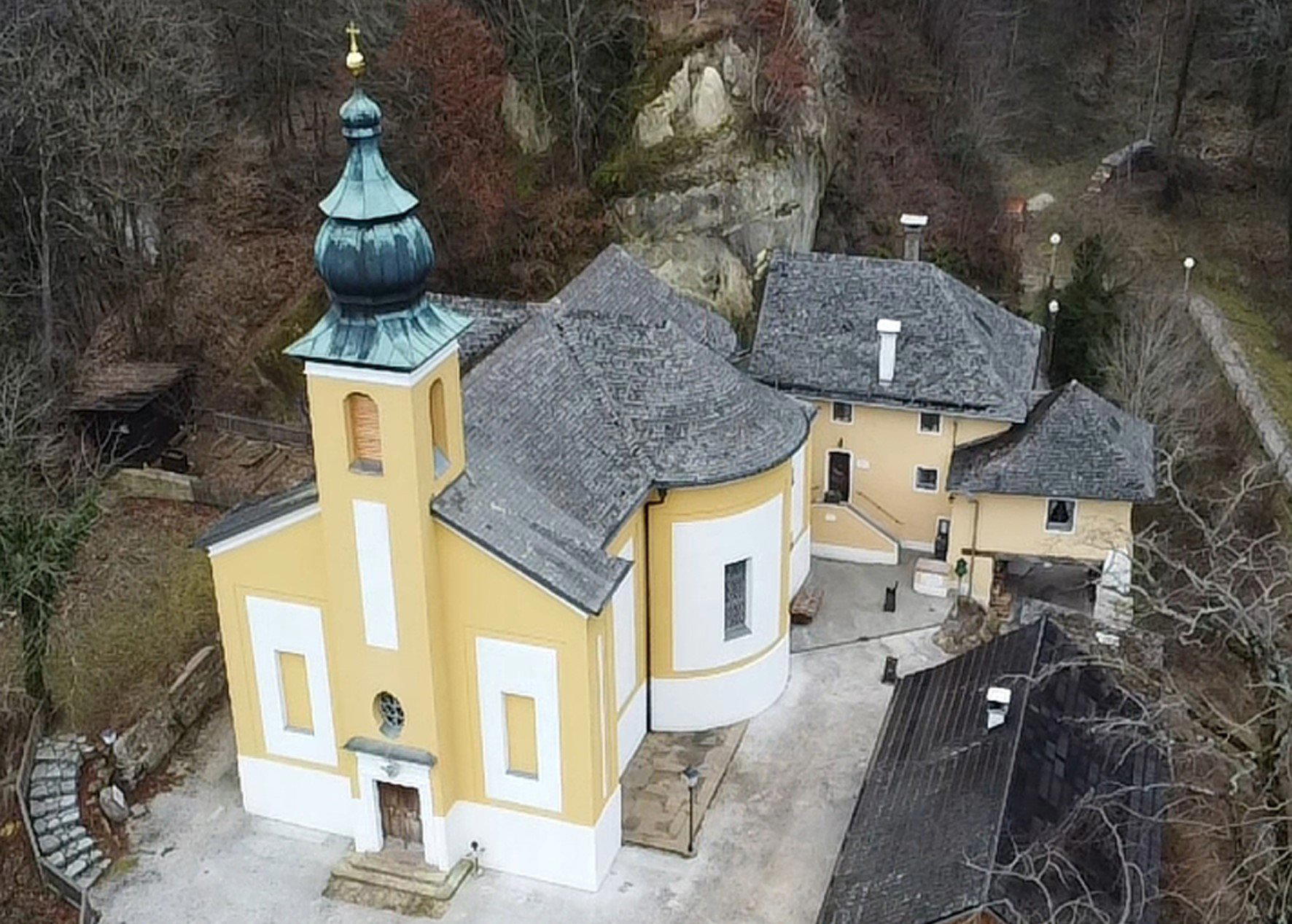
A Farming Village, an Inn, and the Logic of Local Supply
The road into Nußdorf am Haunsberg passes fields that change character with every month of the agricultural calendar. By the time you reach Schlößl 5, the address of Wirtshaus Schlössl, you have already read the landscape that supplies the kitchen. This is not incidental. The Salzburg Flachgau, the flat agricultural belt that stretches north of the city toward the German border, has supported a dense network of small farms for centuries, and the Wirtshaus tradition in this region grew up as the natural commercial partner to that production system. Inns here did not import ambition from the city; they cooked what the surrounding parishes produced.
That relationship between place and plate is the defining characteristic of the Austrian Wirtshaus at its most coherent. Where destination restaurants like Döllerer in Golling an der Salzach or Ikarus in Salzburg operate with national and international supply chains to support ambitious tasting menus, the village Wirtshaus draws its authority from a much tighter radius. The seasonal menu is not a marketing concept here; it is a logistical reality shaped by what local producers can supply week to week.
The Wirtshaus as a Regional Institution
Austria's Wirtshaus culture occupies a distinct position in European inn traditions. It sits between the formal gasthaus and the destination restaurant, offering a level of cooking that is serious without being ceremonial. In the Salzburg region specifically, that tradition has produced some of the country's most grounded dining experiences, from the river-adjacent precision of Landhaus Bacher in Mautern an der Donau to the alpine herb focus of Kräuterreich by Vitus Winkler in Sankt Veit im Pongau. Wirtshaus Schlössl operates in that same tradition, at the more locally embedded end of the spectrum.
The Flachgau's farms produce dairy, pork, poultry, and seasonal vegetables that align closely with the classical Austrian repertoire: roasts, dumplings, cured meats, and the kind of braised preparations that reward patience and good raw material. A Wirtshaus that draws from this supply base is not constrained by it; it is made coherent by it. The ingredients determine the menu's character in a way that no amount of import-driven creativity can replicate.
Ingredient Sourcing as the Kitchen's Core Logic
In the broader context of Austrian regional cooking, the question of sourcing is increasingly a differentiating factor. The gap between restaurants that source regionally as a principle and those that treat it as an occasional talking point has widened as consumer awareness has grown. The Salzburg Flachgau's agricultural density gives any kitchen operating here a genuine advantage: short supply chains, seasonal produce at its point of peak quality, and the kind of supplier relationships that allow for cuts and preparations that never appear in centrally supplied kitchens.
Pork from Salzburg-region farms, for instance, tends to be raised at smaller scale than the industrially supplied equivalents, which affects fat distribution, flavour, and the behaviour of the meat under slow cooking. Dairy from Flachgau producers carries the character of local pasture. These are not abstract claims; they are the practical consequences of geography that a village Wirtshaus is positioned to use in ways that city restaurants often cannot.
For comparison, the sourcing ambitions of Obauer in Werfen or the alpine ingredient philosophy at Gourmetrestaurant Tannenhof in Sankt Anton am Arlberg demonstrate what rigorous regional procurement looks like when applied at a higher price tier. The Wirtshaus model applies a version of the same logic at a more accessible register, which is where regional sourcing has democratic impact.
Placing Wirtshaus Schlössl in the Salzburg Dining Circuit
Travellers building a Salzburg-region itinerary often anchor their dining around the city itself, where venues like Ikarus and the broader restaurant scene provide obvious reference points. The surrounding Flachgau and Tennengau districts reward a different kind of attention: slower, more geographically dispersed, and oriented around the village and small-town dining that defines how most Austrians actually eat when eating well.
Nußdorf am Haunsberg sits roughly in the northern Flachgau, within reasonable driving distance of Salzburg city but clearly outside its gravitational pull. That distance is part of the point. The village context means the clientele is largely local, the pace is unhurried, and the kitchen is cooking for regulars rather than for visitors on a tight schedule. These conditions tend to produce more honest cooking than the pressures of high-turnover tourism allow.
For those building a broader Austrian itinerary, the contrast between a Flachgau Wirtshaus and a destination like Steirereck im Stadtpark in Vienna or Taubenkobel in Schützen am Gebirge is instructive. The destination restaurants express what Austrian cooking becomes when ambition and resources are concentrated. The Wirtshaus expresses what it looks like when those same ingredients are handled with care but without pretension. Both are worth experiencing; they are answering different questions.
Other regional comparators worth considering include Ois in Neufelden, Atelier Fischer in Sankt Gilgen, and Schwarzer Adler in Hall in Tirol, each of which demonstrates a different inflection of the Austrian regional dining tradition. Those planning to extend their Austrian dining research further afield can also consult our coverage of Griggeler Stuba in Lech, Stüva in Ischgl, Restaurant 141 by Joachim Jaud in Mieming, and Artis in Graz for a fuller picture of how the country's regions diverge in culinary character. For international context on what ingredient-driven precision looks like at fine dining scale, Le Bernardin in New York City and Atomix in New York City offer useful reference points from a different tradition.
Planning Your Visit
The restaurant is located at Schlößl 5, 5151 Nußdorf am Haunsberg. The venue is reached by car from Salzburg, as public transport connections to Nußdorf am Haunsberg are limited and the village setting makes a private vehicle the practical choice for most visitors.
Comparison Snapshot
Comparable venues nearby, for context on price, style, and recognition.
| Venue | Cuisine | Price | Notes |
|---|---|---|---|
| Wirtshaus SchlösslThis venue — the venue you are viewing | Traditional Austrian Wirtshaus | $$ | Not listed |
| Herzlstubn | Authentic Austrian Cuisine | $$ | Saalbach-Hinterglemm |
| Burgeralm | Tyrolean Alpine Burgers & Cheese | $$ | Rettenschöss |
| Rittisstadl | Traditional Austrian Alpine | $$ | Ramsau am Dachstein |
| Thalstube | Traditional Austrian | $$ | Thal |
| Hochwurzenalm | Styrian Alpine Cuisine | $$ | Schladming |
Continue exploring
More in Nußdorf am Haunsberg
Restaurants in Nußdorf am Haunsberg
Browse all →
Bars in Nußdorf am Haunsberg
Browse all →
At a Glance
- Rustic
- Cozy
- Classic
- Date Night
- Group Dining
- Family
- Celebration
- Historic Building
- Terrace
- Beer Program
- Local Sourcing
- Mountain
Current opening hours
- Monday
- Closed
- Tuesday
- Closed
- Wednesday
- Closed
- Thursday
- 4–10 PM
- Friday
- 11:30 AM–11 PM
- Saturday
- 11:30 AM–11 PM
- Sunday
- 11:30 AM–8 PM
Hours can change for holidays and private events. Last verified .
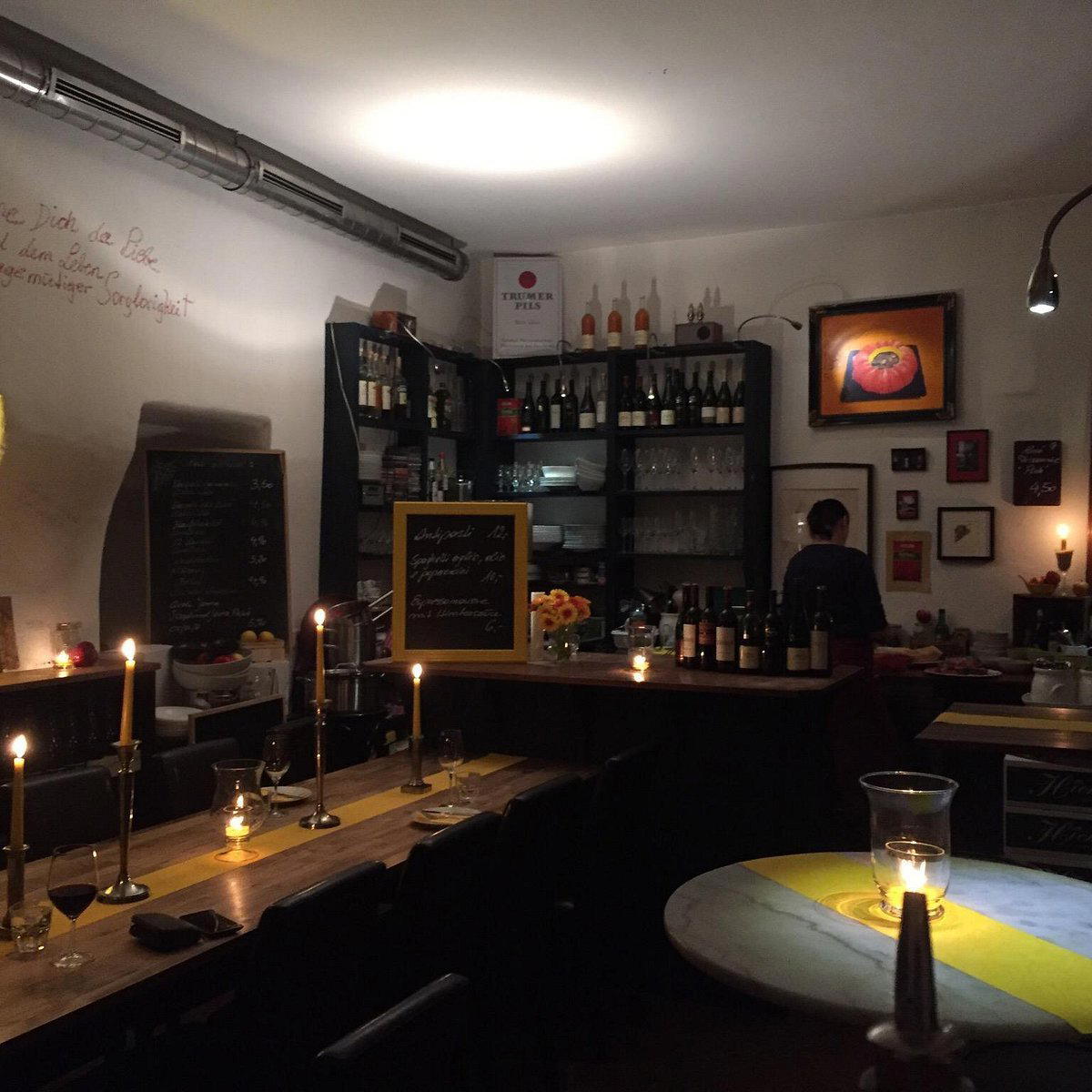
rustic and cozy historic building with warm, heartfelt atmosphere.