Our verdict
Jakob's Esskultur occupies a quietly considered address on Chiemseegasse in Salzburg's old town, operating in the tradition of ingredient-led central European cooking where sourcing is the argument, not the decoration. In a city whose dining scene is increasingly defined by Michelin-registered ambition, this is a venue that earns attention through a different register, smaller, more grounded, and more focused on what arrives at the table than on how it is framed.

Pearl is the En Primeur Club membership app, where members save venues, book tables and use the concierge.

The menu
What to order
- Goat cheese crème brûlée
- Duck breast with polenta
- Beef fillet
- Venison saddle
- Panna cotta
Chiemseegasse and the Case for Quieter Kitchens
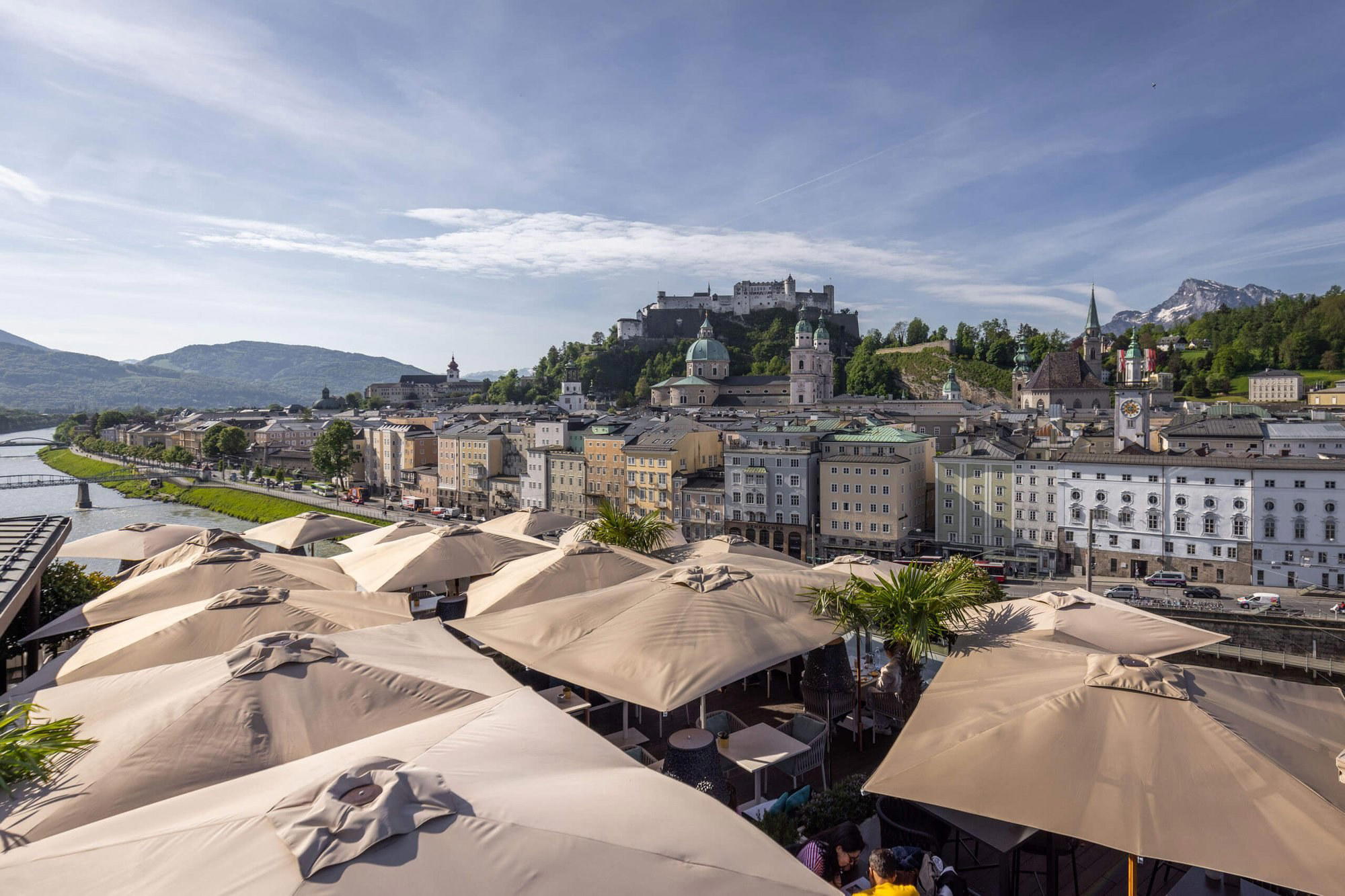
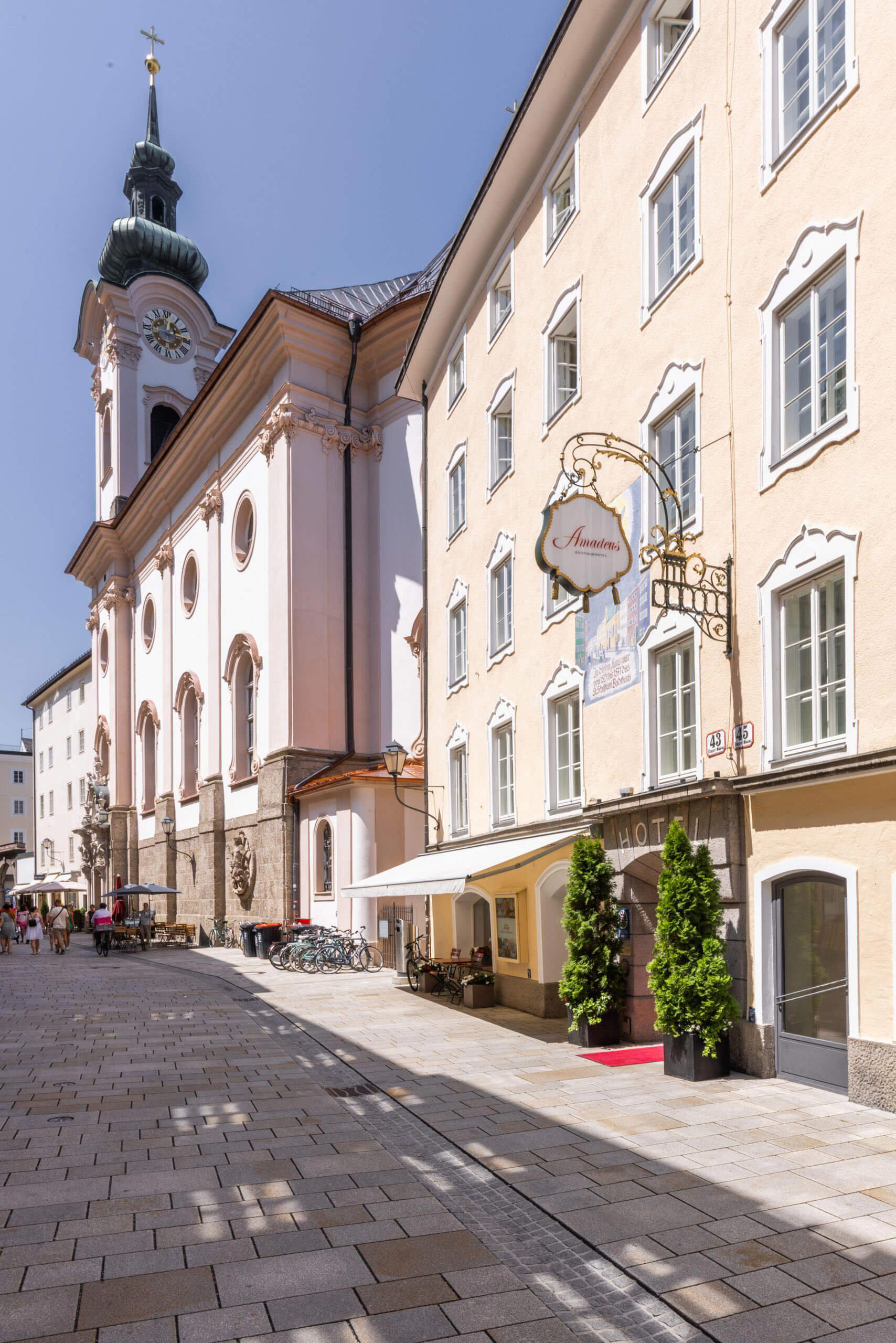
Salzburg's old town operates under a specific kind of pressure. The Festspielhaus draws international audiences, the Michelin circuit pulls in destination diners, and the streets around the Domplatz are never short of visitors willing to spend considerably for the right table. Against that backdrop, the restaurants that tend to develop the deepest local followings are often the ones that refuse to compete on spectacle. Jakob's Esskultur, on Chiemseegasse 5, sits in that category: a short walk from the cathedral square, in a part of the city where the tourist tide thins enough for neighbourhood character to reassert itself.
The name itself signals something. Esskultur, literally, eating culture, is a word with weight in the German-speaking world. It implies not just the food on the plate but the entire framework of sourcing, preparing, and understanding what you eat. That framing sets an expectation before you arrive, and it tells you where the kitchen's attention is directed: not toward theatrical presentation or signature-dish branding, but toward the material starting point of cooking itself.
Sourcing as Argument: The Alpine Pantry and What It Demands
Central Austria's position at the intersection of Alpine agriculture, lake-district produce, and the broader Austro-Bavarian culinary inheritance gives any serious kitchen in Salzburg access to a supply chain that most European cities can only approximate. The mountain pastures of the Salzkammergut produce dairy with a character shaped by altitude and grass variety. Rivers and lakes in the region supply freshwater fish that travel no meaningful distance to reach the kitchen. Local farms operating under traditional or low-intervention methods have, in recent years, become more visible on menus across the city, partly because the market increasingly supports that conversation, partly because chefs trained through the modern European system have returned to Austrian kitchens with sourcing frameworks learned elsewhere and applied here.
What distinguishes ingredient-led kitchens from marketing-led ones is the degree to which sourcing decisions are actually legible in what arrives at the table. The restraint required to let a locally grazed piece of meat or a just-caught lake fish speak without heavy intervention is technically demanding and commercially risky, it requires both skill and confidence in the supply chain. Venues that commit to this approach in Salzburg are working against a backdrop of high visitor expectations and a food-cost environment shaped by Alpine logistics. Those that do it consistently build a different kind of reputation than those competing on plating ambition or tasting-menu length.
Jakob's Esskultur operates in this tradition. Without publicly available menu details to cite specifically, what the name and positioning signal is a kitchen philosophy oriented around the quality and provenance of ingredients rather than the complexity of their transformation. That is a meaningful editorial category in a city where the higher-profile end of the market, represented by venues like Ikarus and Esszimmer, competes on creative ambition and Michelin credentialing.
Where Jakob's Sits in Salzburg's Dining Picture
Salzburg's restaurant scene in the 2020s has split more clearly than before between the internationally oriented, award-chasing upper tier and a smaller, more grounded set of venues serving local and discerning visitor audiences through consistent quality rather than seasonal reinvention. The Michelin-recognised tier includes Pfefferschiff, which operates from a historic inn outside the city proper, and Senns, whose product-focused Austrian cooking has attracted sustained critical attention. Below that tier, and in some ways more interesting for regular dining rather than occasion dining, sits a cohort of smaller venues where the kitchen's relationship with its suppliers is the primary editorial story.
Jakob's Esskultur belongs to this second group. Its address in the old town, the considered register of its name, and its positioning relative to the more formally structured competition all suggest a venue built for repeat visits rather than single-occasion spectacle. That is not a lesser ambition, in the Austrian culinary tradition, the Gasthaus and Wirtschaft formats have historically carried as much cultural weight as the fine-dining room, and the best of them have defined regional cooking more durably than any tasting menu.
For comparison, the broader Austrian scene offers useful reference points. Obauer in Werfen, roughly 40 kilometres south of Salzburg, has spent decades demonstrating what deep regional sourcing looks like at serious ambition. Döllerer in Golling an der Salzach has built its entire identity around Alpine ingredient logic. Steirereck im Stadtpark in Vienna remains the national benchmark for produce-led fine dining. These venues collectively define what ingredient-sourcing seriousness looks like at different price and ambition levels across Austria, and they provide the frame within which Salzburg's quieter kitchens operate.
Elsewhere in the Alpine region, Kräuterreich by Vitus Winkler in Sankt Veit im Pongau and Griggeler Stuba in Lech represent the mountain-sourcing tradition applied at different scales and formats, while Gourmetrestaurant Tannenhof in Sankt Anton am Arlberg and Schwarzer Adler in Hall in Tirol show how Tyrolean kitchens have evolved the same conversation. Landhaus Bacher in Mautern an der Donau and Ois in Neufelden extend the map further into the Austrian regions. Restaurant 141 by Joachim Jaud in Mieming offers another data point on how Alpine sourcing logic is being applied with contemporary technique. And for readers whose culinary interests extend across the Atlantic, the product-first rigour visible in venues like Le Bernardin in New York City and the precision of Atomix in New York City represent parallel arguments made in entirely different culinary traditions.
A broader view of where Salzburg's dining scene sits, and which venues deserve attention at each register, is covered in our full Salzburg restaurants guide, alongside The Glass Garden, which operates in the creative register within the city.
Planning a Visit
Jakob's Esskultur is located at Chiemseegasse 5, 5020 Salzburg, a few minutes on foot from the cathedral and the main old-town pedestrian zones. Given the sparse public information available on booking methods, hours, and current format, contacting the venue directly before visiting is the practical approach. Venues of this type in Salzburg's old town tend to keep limited covers and relatively focused menus, which can mean availability moves quickly, particularly during festival season in July and August when the city operates under significantly higher visitor density. Arriving outside festival periods generally makes for a quieter experience and often a more considered kitchen rhythm.
Frequently asked questions
What's the vibe at Jakob's Esskultur?
Chiemseegasse sits a few minutes from Salzburg Cathedral but outside the main tourist drag, and the name Esskultur, German for 'eating culture', signals intent clearly: this is a room oriented toward the act of eating rather than spectacle. The atmosphere leans considered rather than formal, closer to the Viennese tradition of the serious neighbourhood restaurant than the destination dining rooms that cluster around the Festspielhaus circuit. Expect a crowd that comes to eat, not to be seen.
Where is Jakob's Esskultur in Salzburg?
Jakob's Esskultur is located at Chiemseegasse 5, 5020 Salzburg, Austria, Salzburg.
Is Jakob's Esskultur worth visiting outside the Salzburg Festival season?
Salzburg in July and August means festival crowds and heavily booked tables across the old town; visiting outside that window, spring or autumn particularly, means the city operates at a more workable pace. Jakob's address at Chiemseegasse 5 puts it within the Altstadt footprint year-round, and a kitchen defined by regional Austrian sourcing tends to find its strongest seasonal argument in the autumn harvest period. For anyone in Salzburg on non-festival travel, the lower footfall makes it a more straightforward proposition to plan around.
What should I order at Jakob's Esskultur?
The venue's name and location in central Austria point toward a kitchen built around the Alpine and lake-district pantry, think freshwater fish, mountain herbs, and the Austro-Bavarian larder that defines the region's serious cooking. Ask staff what's arrived recently; that question tends to separate the kitchens that mean it from those that don't.
Comparable Spots, Quickly
Comparable venues nearby, for context on price, style, and recognition.
| Venue | Cuisine | Price | Awards | Notes |
|---|---|---|---|---|
| Jakob's EsskulturThis venue (the venue you are viewing) | Austrian & Mediterranean Fine Dining | $50–100 | Not listed | Not listed |
| ISTRA Konoba Restaurant | Croatian Seafood Konoba | $30–50 | Not listed | Neustadt |
| Pan e Vin | Upscale Mediterranean Trattoria | $50–100 | Not listed | Linke Altstadt |
| St. Peter Stiftskulinarium | Austrian-Mediterranean Fine Dining | $50–100 | Not listed | Linke Altstadt |
| Animo by Aigner | Mediterranean Seasonal Trattoria | $50–100 | Michelin Plate | Kleingmain |
| Blaue Gans Salzburg | Modern Austrian with Mediterranean influences | $50–100 | Not listed | Linke Altstadt |
Continue exploring
More in Salzburg
Restaurants in Salzburg
All restaurants in Salzburg →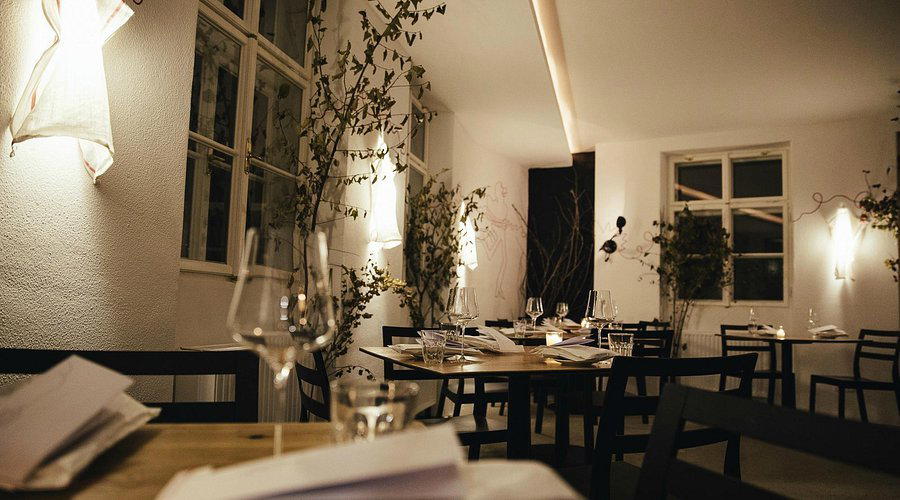
Bars in Salzburg
All bars in Salzburg →
Details
- Cozy
- Intimate
- Elegant
- Sophisticated
- Date Night
- Special Occasion
- Celebration
- Business Dinner
- Standalone
- Private Dining
- Extensive Wine List
- Sommelier Led
- Local Sourcing
- A La Carte
- Set Menu
- Wine Pairings
- Austrian Wines
- Vegetarian Friendly
- Gluten Free Options
- Allergy Accommodating
Current opening hours
- Monday
- Closed
- Tuesday
- Closed
- Wednesday
- Closed
- Thursday
- 6–10 PM
- Friday
- 6–10 PM
- Saturday
- 6–10 PM
- Sunday
- Closed
Hours can change for holidays and private events. Hours as of .
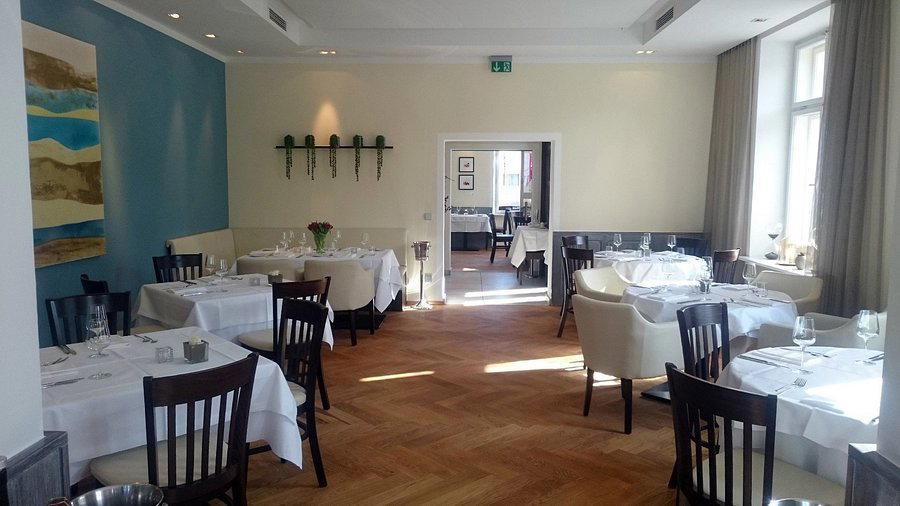
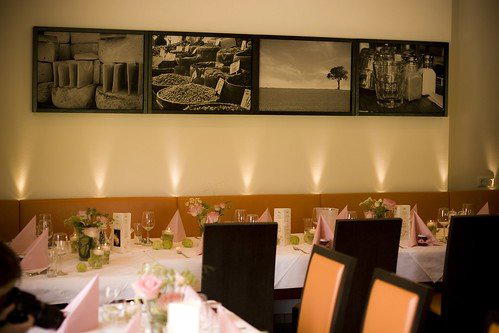
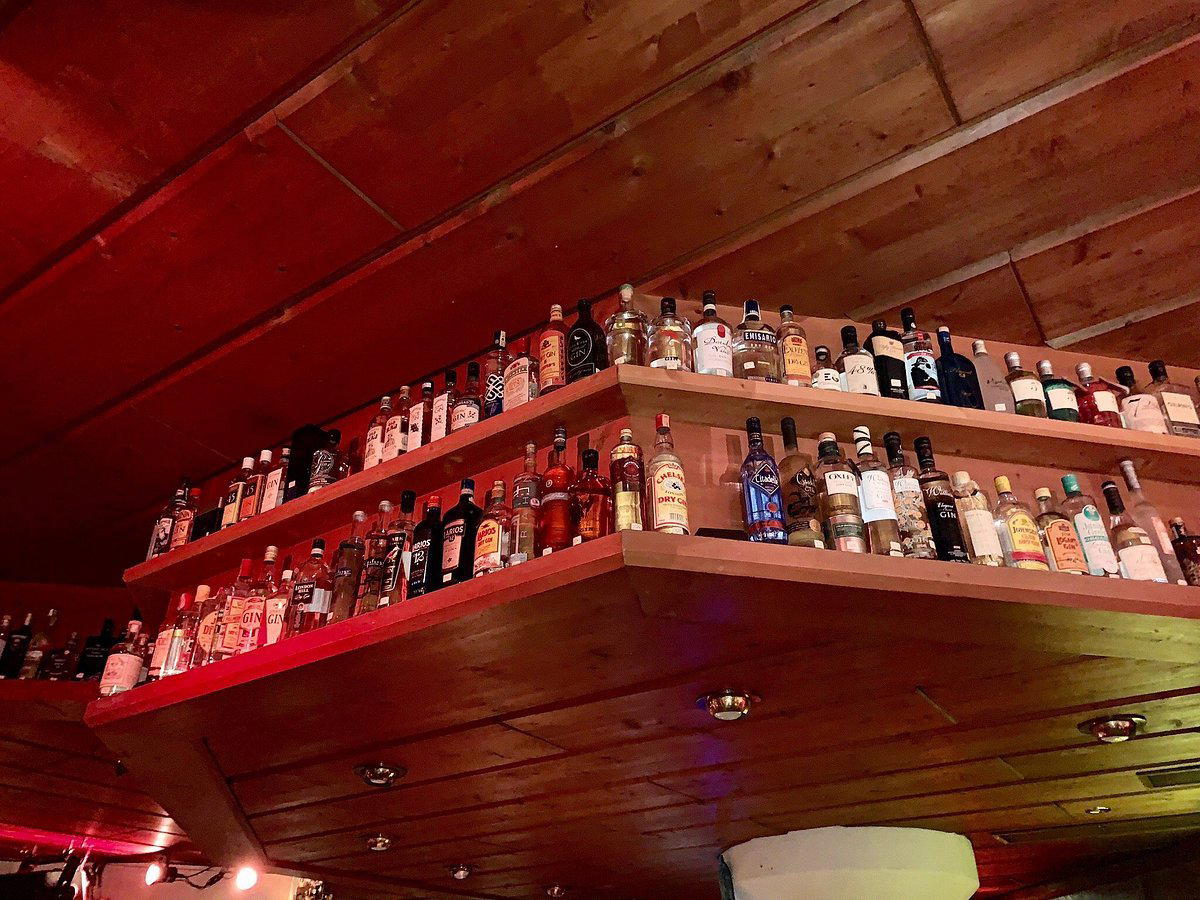
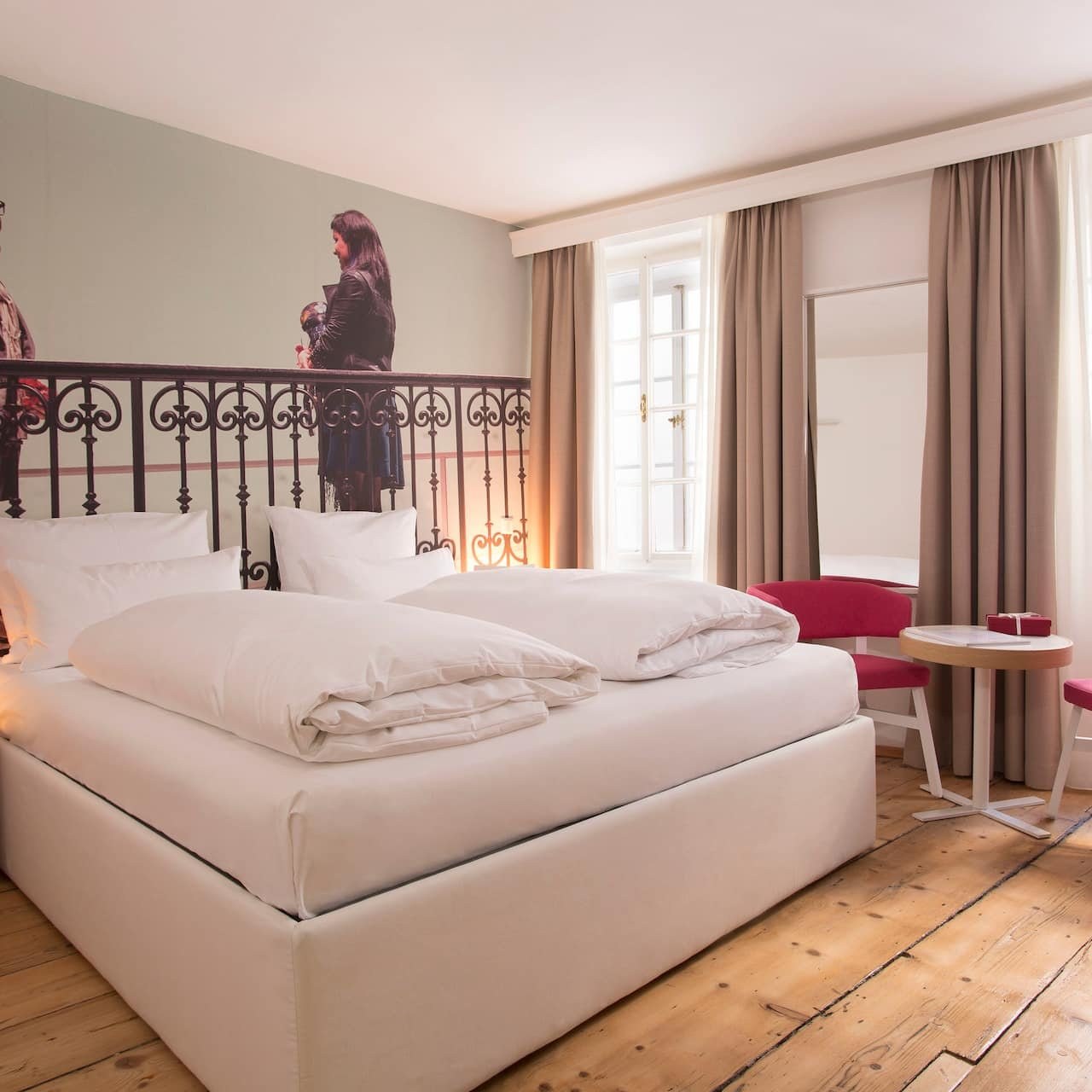
Warm, cozy, and refined with modern Austrian decor; intimate lighting and a welcoming atmosphere that feels like a sophisticated living room rather than a formal restaurant.