
La Liste Top Hotels
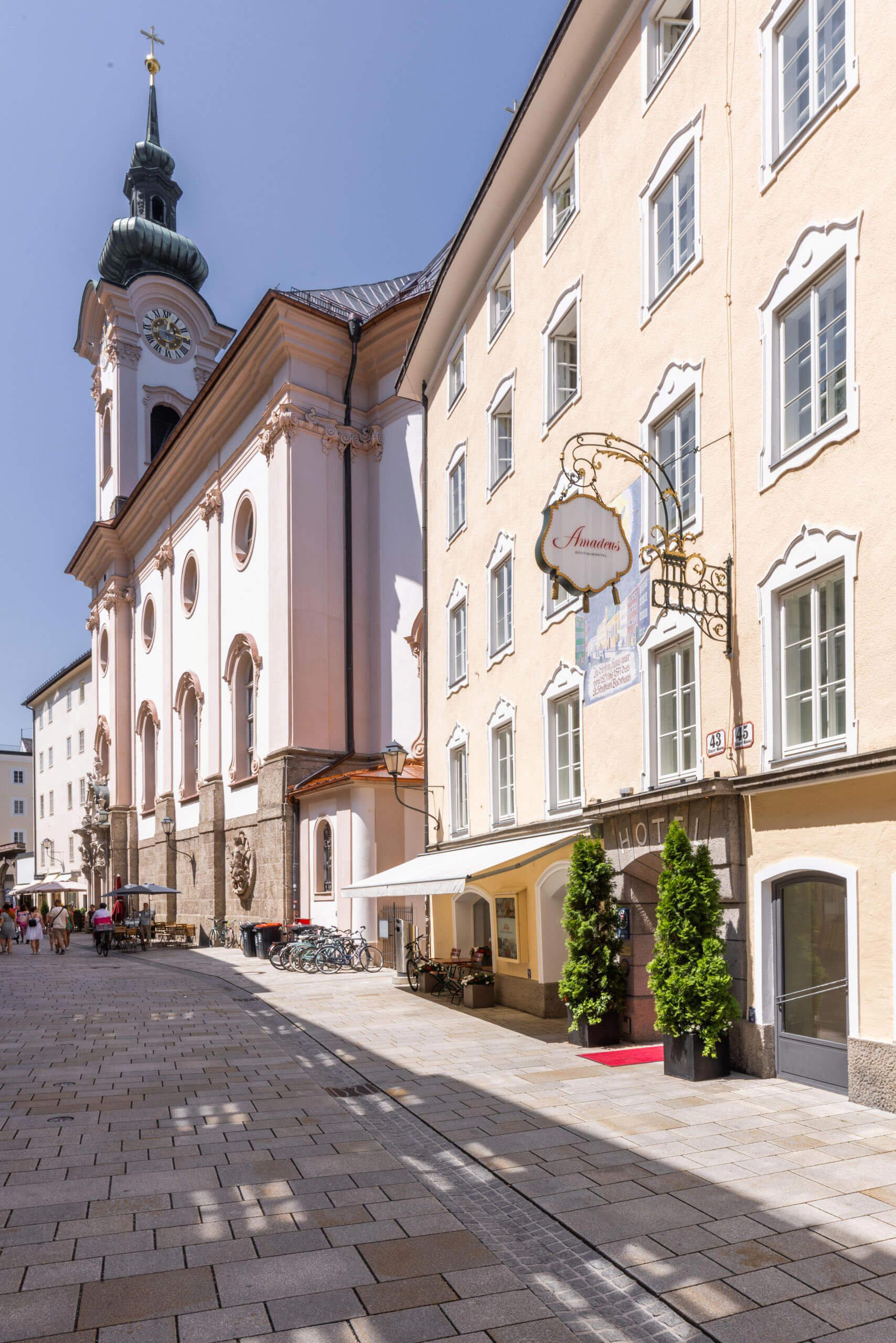
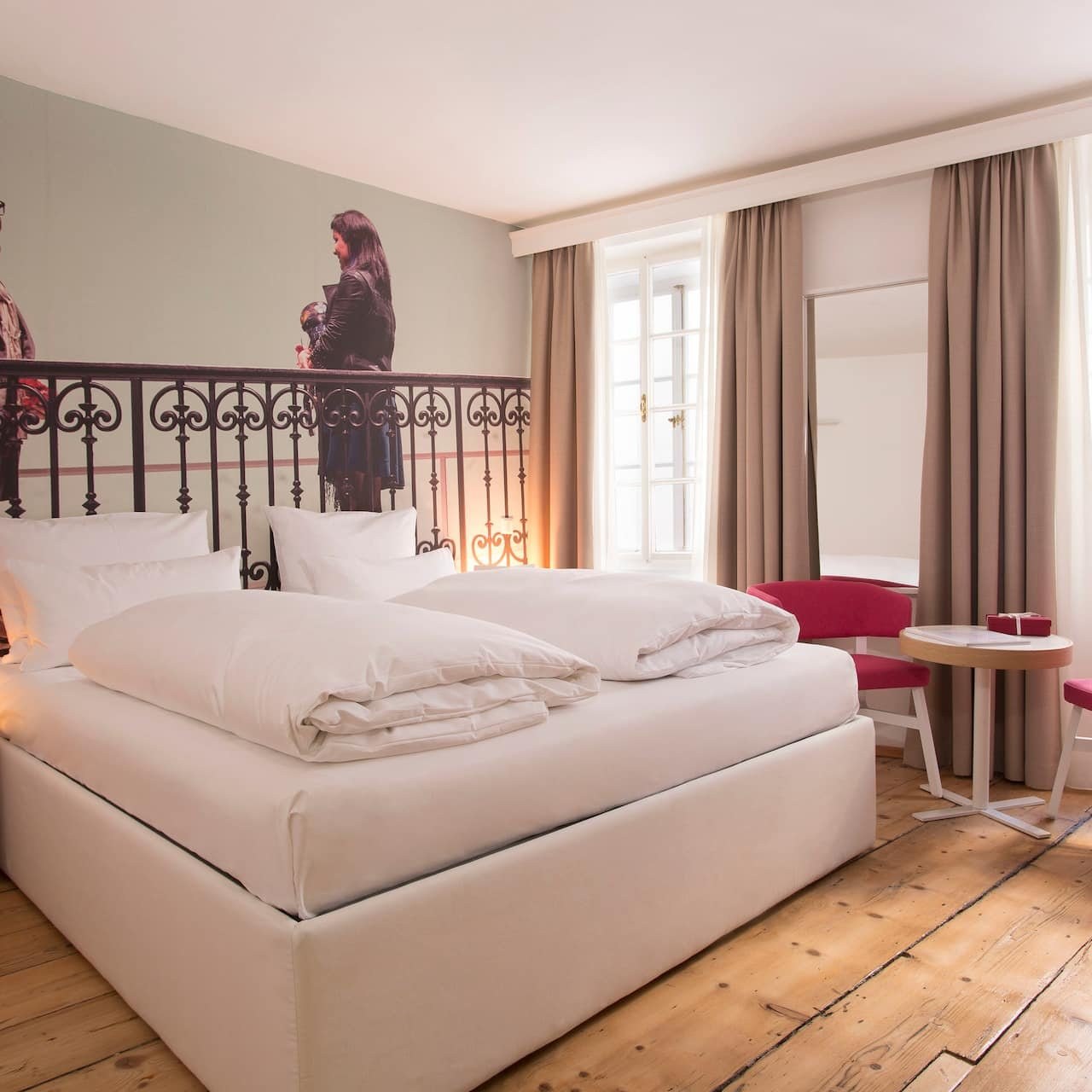
Boutiquehotel Amadeus occupies a historic address on Linzer Gasse, one of Salzburg's most characterful streets on the right bank of the Salzach. Recognised in La Liste's Top Hotels ranking with 94 points in 2026, it sits firmly in the city's independent boutique tier, offering an alternative to the grand palace-hotel format that dominates the Old Town across the river.

Pearl is the En Primeur Club membership app, where members save venues, book tables and use the concierge.
Right Bank Salzburg and the Boutique Hotel Argument
Linzer Gasse runs north from the Staatsbrücke bridge through the Neustadt quarter, lined with narrow facades, independent traders, and a street-level energy that the heavily touristed left bank around the Getreidegasse rarely matches. It is the kind of address that signals a deliberate choice: travellers who want Salzburg's historical density without being positioned directly inside its most produced tourist corridor. Boutiquehotel Amadeus sits at number 43 on that street, and its location frames everything about how the property is positioned in the city's accommodation hierarchy.
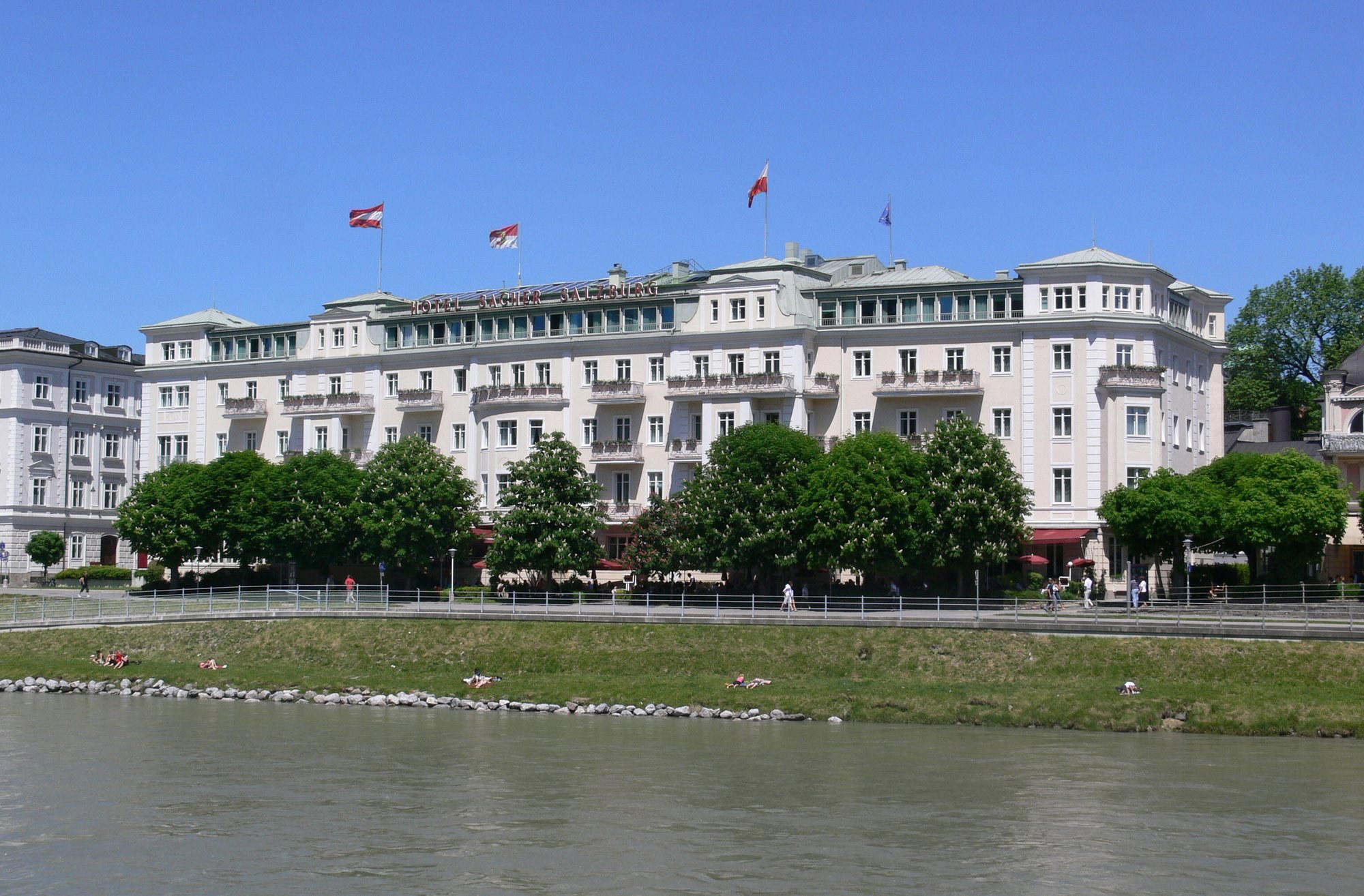
Salzburg's hotel market divides along a relatively clear axis. On one side sit the grand-scale institutions: Hotel Sacher Salzburg, Hotel Bristol Salzburg, and Hotel Goldener Hirsch, which carry long institutional histories, significant room counts, and the kind of formal service infrastructure that accompanies them. On the other side sit smaller, independently operated properties, where guest experience depends less on scale and more on specificity of character. Hotel Goldgasse and Boutiquehotel Amadeus both occupy this second category, competing less on amenities breadth and more on the clarity of their proposition. For many visitors, particularly those arriving for the Salzburg Festival or repeat travellers who have already done the palace-hotel circuit, the boutique tier is the more considered option.
La Liste's Leading Hotels ranking awarded Boutiquehotel Amadeus 94 points in 2026. That score, while not placing it at the very best of the global tier, is meaningful within the context of independent boutique accommodation: La Liste draws on aggregated sources including travel guides, critic reviews, and guest data, so consistent representation in that list suggests sustained performance rather than a single strong year. For a property of this scale and format on the right bank of Salzburg, 94 points positions it credibly alongside independent properties in comparable European cities that punch above their size in terms of guest satisfaction and critical recognition.
The comparison worth noting is with Schloss Mönchstein, which operates at a different scale entirely, with castle grounds, a Michelin-recognised restaurant, and a position that places it outside the city-centre competitive set altogether. Amadeus is not competing with that format; it is competing within the urban boutique category, where intimacy of scale and neighbourhood embeddedness are the primary differentiators.
The Dining Question at a Property This Size
The editorial angle most relevant to a property like Boutiquehotel Amadeus is not what happens inside its kitchen, but how its location on Linzer Gasse positions guests relative to Salzburg's broader dining and drinking scene. Small boutique hotels in European city centres increasingly succeed or fail partly on the quality of what surrounds them. Linzer Gasse and the Neustadt quarter offer a genuinely different eating and drinking register from the Old Town: less formal, more local-facing, with the kind of neighbourhood restaurants and wine bars that receive less international press attention but deliver more consistent, lower-pressure meals.
Augustiner Bräu Mülln, one of the most historically significant beer halls in Austria, sits within walking distance to the northwest. That proximity matters because it offers guests access to a genuinely embedded Salzburg institution rather than a tourist-facing approximation of one. Boutique hotels that can honestly claim walkable access to places like this hold an advantage that square footage and pool facilities cannot replicate.
For a more complete picture of where to eat and drink across the city, our full Salzburg restaurants guide maps the dining scene from Old Town institutions to the right-bank independents that reward the extra five minutes of walking.
Planning Your Stay: What to Know Before Booking
The property's address at Linzer Gasse 43 places it in practical walking distance of the Staatsbrücke crossing, which connects the Neustadt to the Old Town in under five minutes on foot. For visitors attending Salzburg Festival events, that proximity to both the river crossing and the festival venues across the bridge makes the location logistically sound without requiring accommodation in the more expensive and more heavily trafficked Old Town core. Festival season (July and August) compresses availability across Salzburg's entire hotel market significantly; properties in the boutique tier, with lower room counts than the grand hotels, reach capacity earlier in the booking window. Planning three to four months ahead during festival season is the practical standard for this category.
Travellers comparing the Amadeus to alternatives in Salzburg's independent tier should also consider Hotel Stein, which also occupies the right bank and is known for its rooftop terrace views over the Old Town and fortress. The two properties serve a similar traveller profile but with different spatial configurations; Stein's rooftop is a genuine differentiator for fair-weather visits.
For those extending travel beyond Salzburg, the Austrian boutique and luxury hotel market extends across a range of formats and landscapes. Rosewood Schloss Fuschl, located east of Salzburg in Hof bei Salzburg, represents the lakeside castle format at the top of the regional tier. Further afield, the Alpine wellness category is well represented by properties including Aktiv & Wellnesshotel Bergfried in Tux, Alpen-Wellness Resort Hochfirst in Obergurgl, and DAS EDELWEISS in Grossarl. Those considering Carinthia or Tyrol alongside a Salzburg stay will find additional reference points in Falkensteiner Schlosshotel Velden, Grand Tirolia Kitzbühel, Hotel Schloss Seefels in Techelsberg, Naturhotel Waldklause in Längenfeld, Hotel Almhof Schneider in Lech, LEADING Hotel Hochgurgl, Chalet Untersberg in Grodig, and Hotel Schwarzer Adler Innsbruck. For wine-oriented stays, LOISIUM Wine & Spa Resort Langenlois in the Kamptal region stands in its own niche. Vienna's equivalent of the grand-versus-boutique debate runs through properties like Hotel Sacher Wien. Outside Austria, travellers who favour the independent boutique format at this scale often also track properties like The Fifth Avenue Hotel in New York City, Aman New York, and Aman Venice as reference points for what boutique-adjacent luxury delivers at different price points globally.
Cost Snapshot
| Venue | Price | Awards |
|---|---|---|
| Boutiquehotel AmadeusThis venue (the venue you are viewing) | $1–100 | La Liste Top Hotels |
| Hotel Goldener Hirsch | $300–500 | 1 Michelin Key · La Liste Top Hotels |
| Schloss Mönchstein | Not listed | 2 Michelin Keys · La Liste Top Hotels |
| Hotel Bristol Salzburg | $300–500 | La Liste Top Hotels |
| Hotel Goldgasse | Not listed | 1 Michelin Key · La Liste Top Hotels |
| Hotel Sacher Salzburg | $300–500 | 1 Michelin Key · La Liste Top Hotels |
Recognition history
Dated appearances from independent guides and award organizations, with the underlying list record or original source where available.
La Liste Top Hotels
La Liste
Continue exploring
More in Salzburg
Hotels in Salzburg
All hotels in Salzburg →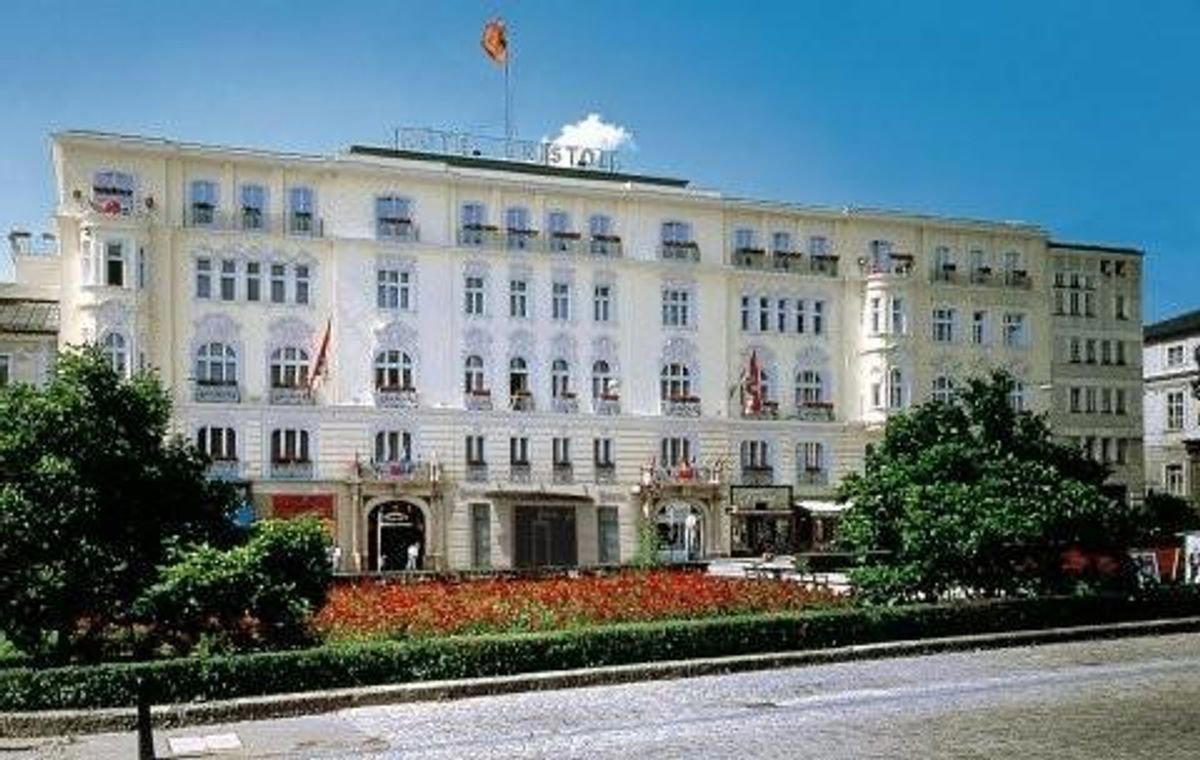
Bars in Salzburg
All bars in Salzburg →
Details
- Cozy
- Romantic
- Elegant
- Intimate
- Historic
- Romantic Getaway
- Weekend Escape
- Historic Building
- Terrace
- Wi Fi
- Room Service
- Concierge
- Laundry Service
- Street Scene
- Elevator
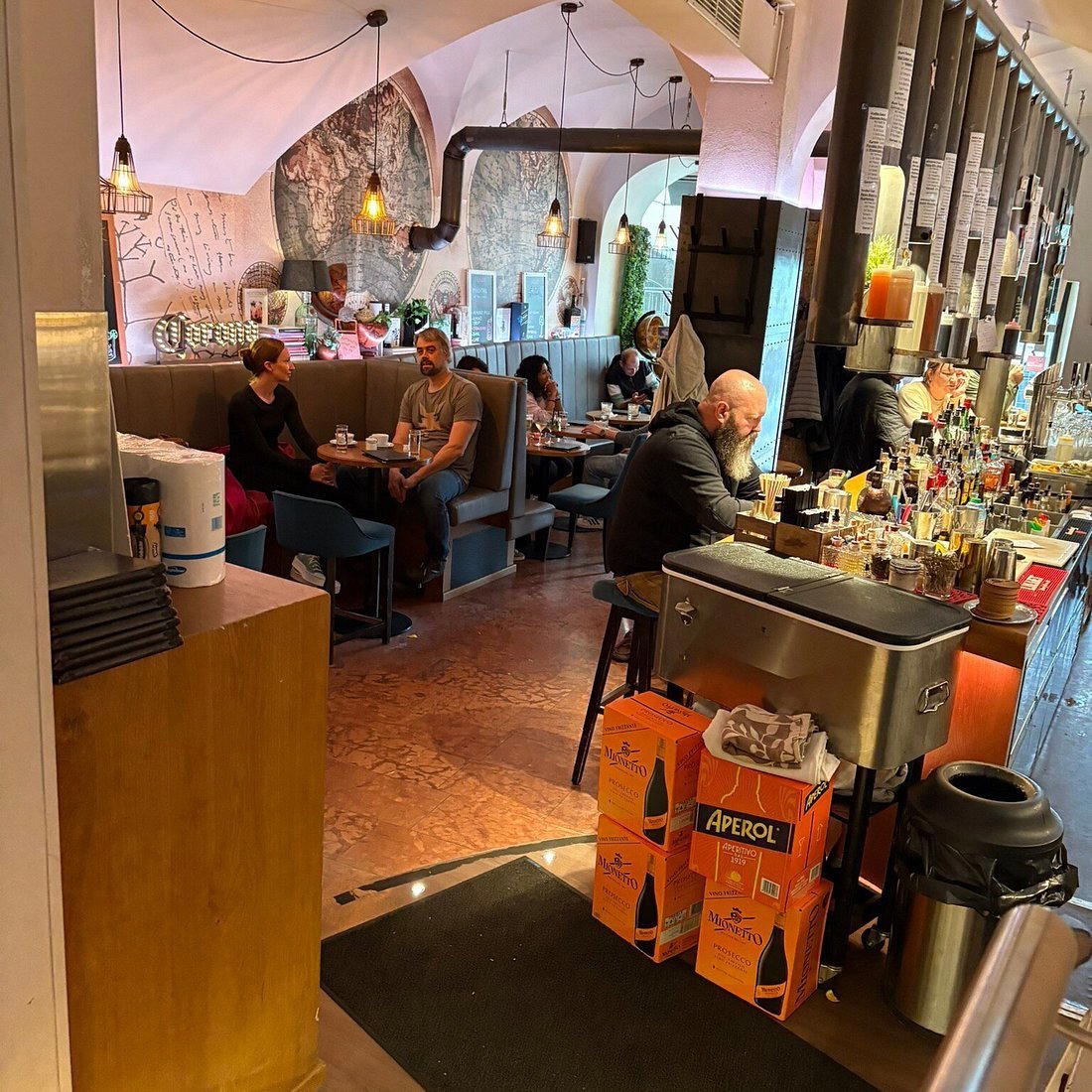
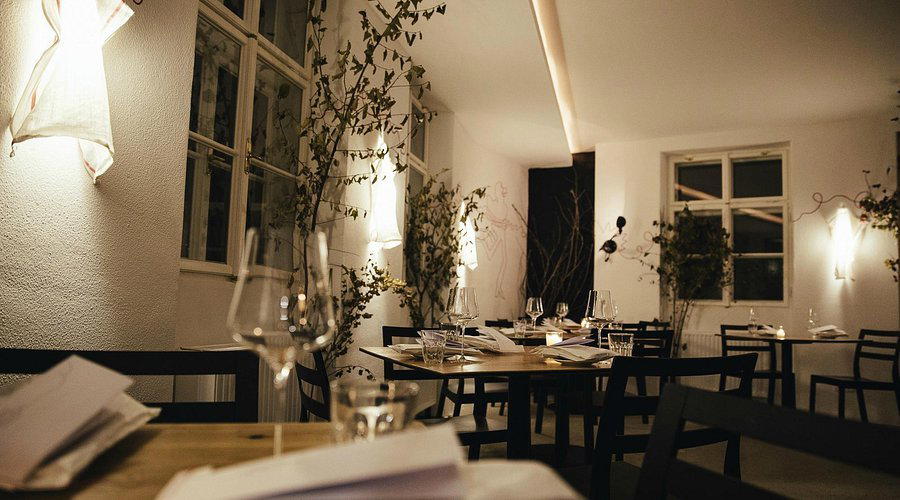
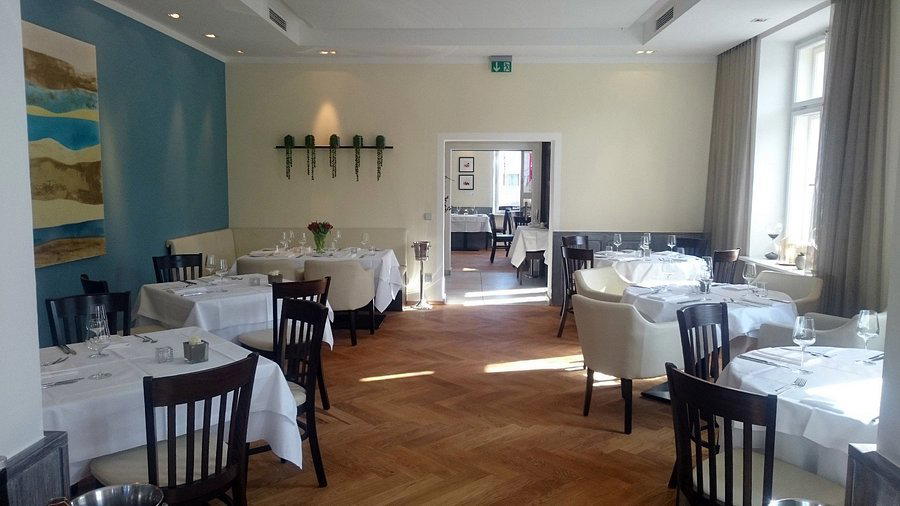
Cozy and inviting with tasteful historic charm blended with modern amenities, soundproofed rooms, and a relaxing atmosphere in medieval vaults and sun terraces.