Stücklerhof sits at Reiterhofstraße 38 in Wolfsberg, a small city in Austria's Carinthian south that receives far less dining attention than the Styrian or Tyrolean circuits. The address places it within a regional hospitality tradition where rural settings and Austrian culinary roots tend to define the offer more than metropolitan ambition. Visitors to the area should consult our full Wolfsberg restaurants guide for current context.
Pearl is the En Primeur Club membership app — saves, bookings, and concierge access live there. Same editors, same standards.
- Address
- Reiterhofstraße 38, 9412 Wolfsberg, Austria
- Phone
- +4369917393569
- Website
- stuecklerhof.net
- Directions
- Get directions
 Saves & bookings on Pearl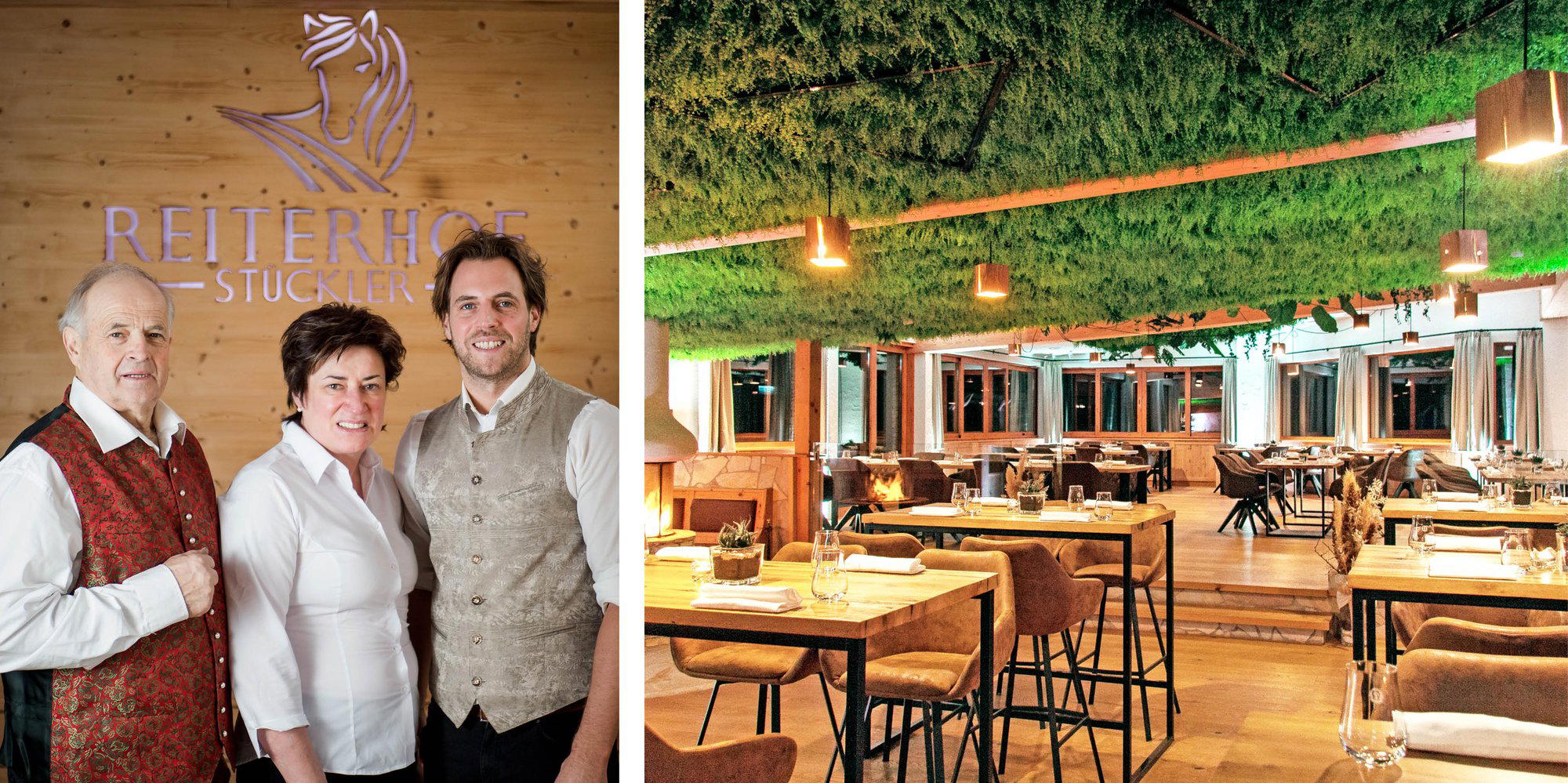
Carinthia's Quiet Dining Circuit and Where Wolfsberg Fits
Austria's fine dining conversation concentrates heavily on Vienna, Salzburg, and the alpine resort towns, leaving the southern province of Carinthia largely absent from the international shortlist. That absence is partly structural: Carinthia sits far enough from Vienna that the capital's media attention rarely travels south. What Carinthia does have is a strong domestic dining culture rooted in agricultural produce, lake fish, and the kind of hospitality that functions for local regulars rather than visiting critics. Wolfsberg, a compact city of around 25,000 in the Lavant Valley, sits squarely inside that tradition.
The broader Austrian dining scene has developed two distinct registers over the past two decades. One is the internationally recognised, award-chasing tier: Steirereck im Stadtpark in Vienna and Döllerer in Golling an der Salzach operate in that bracket, drawing on modern technique, long wine programs, and tasting menus priced for international visitors. The other register is the provincial Gasthaus and regional restaurant, where the cultural roots of Austrian cooking, Schnitzel, Kärntner Kasnudeln, freshwater fish from local lakes, game from surrounding forests, hold their own without the pressure to modernise for a global audience. Wolfsberg's dining offer sits closer to the second register, and Stücklerhof at Reiterhofstraße 38 is one of the addresses that defines that local character.
The Setting and What It Signals
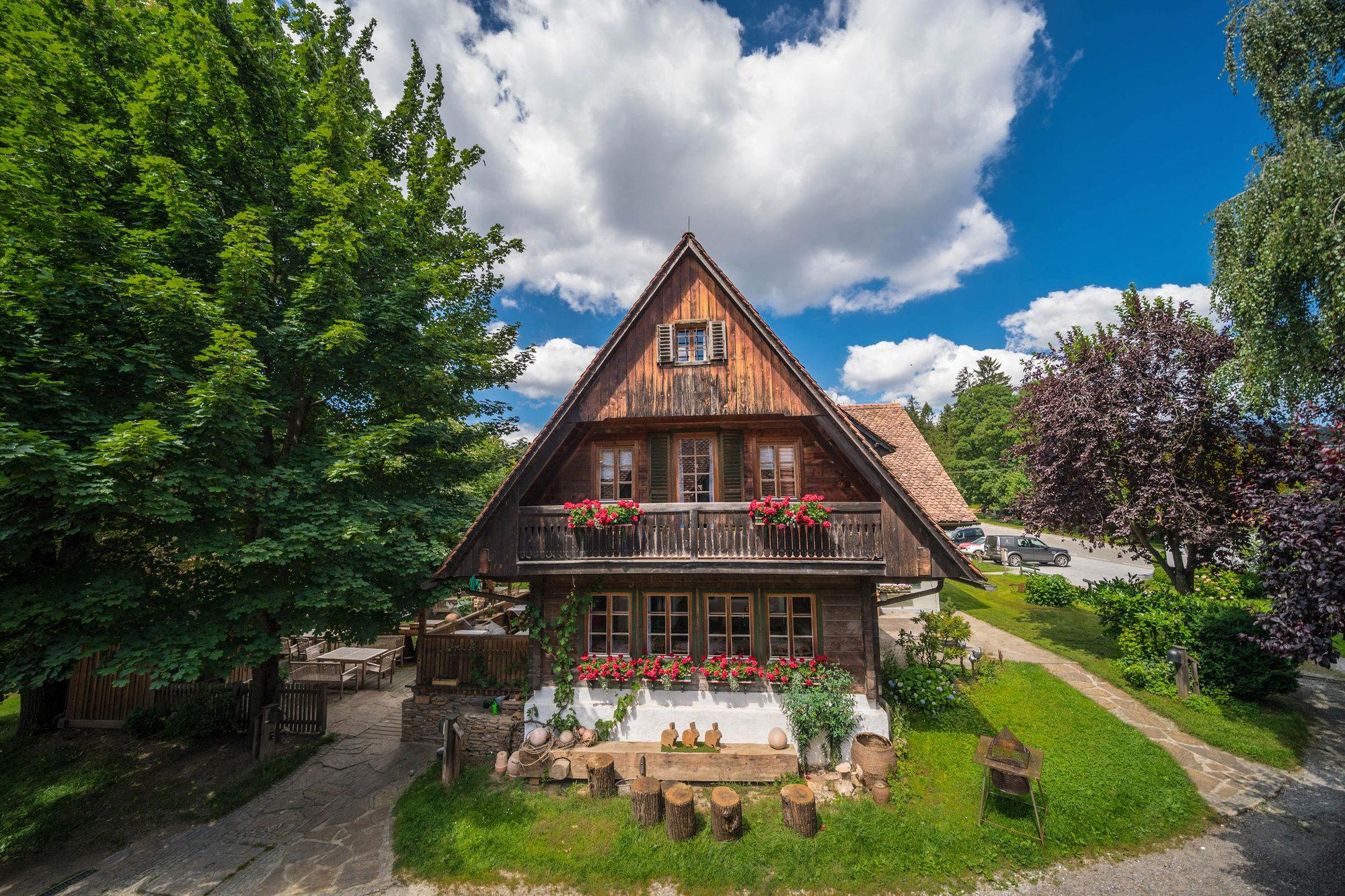
The Reiterhofstraße address places Stücklerhof outside the immediate town centre, in a setting consistent with the equestrian and rural hospitality tradition that the street name references. This is not an urban restaurant reaching for metropolitan sophistication; it is a property embedded in the agricultural and recreational fabric of the Lavant Valley. In the Austrian context, that positioning carries meaning. The country has a long tradition of Landgasthäuser, rural inn-style establishments that combine accommodation, event hosting, and food service in a format built around local community rather than destination dining. The address and regional setting suggest a venue oriented toward the valley's own residents and visitors rather than toward a touring fine dining audience.
That distinction matters when setting expectations. Addresses like Landhaus Bacher in Mautern an der Donau or Obauer in Werfen have used a rural Austrian setting as a launching pad for internationally recognised cooking programs. Stücklerhof's available data does not place it in that comparable set, which is not a criticism, it reflects a different function within the regional hospitality ecosystem, one that serves the cultural fabric of Carinthian life more directly than a destination tasting menu would.
Carinthian Food Culture as the Frame
Understanding what a Carinthian restaurant might offer requires understanding the province's culinary identity, which differs meaningfully from both Viennese classical cooking and the alpine-Tyrolean tradition. Carinthia's food culture is shaped by its position at the intersection of Austrian, Slovenian, and historically Italian influences, a geography that produced dishes with no direct equivalent elsewhere in Austria. Kärntner Kasnudeln, the region's signature pasta parcels filled with potato, cottage cheese, and fresh herbs, are the clearest example: they belong to a culinary lineage that connects the province to the broader central European dumpling and pasta tradition while remaining distinctly local in their flavour profile and cultural significance.
Game is another pillar. The forests surrounding Wolfsberg and the wider Lavant Valley support hunting traditions that translate into restaurant menus weighted toward venison, wild boar, and game birds in autumn and winter. Freshwater fish from Carinthia's lakes, perch, pike-perch, trout, appear consistently across the regional repertoire. These are not ingredients assembled for effect; they reflect a food culture that developed from the landscape over centuries, and they tend to appear more honestly on regional restaurants than on internationally oriented menus where provenance becomes a selling point rather than a given.
This context is relevant to any visitor considering Stücklerhof. A venue at this address, in this city, within this culinary tradition, is likely operating within that regional framework. The question of how it interprets that framework, classically, with modern adjustments, or in the hybrid Landgasthof style, remains outside the confirmed data available.
How Wolfsberg's Dining Offer Compares
For a city of its size, Wolfsberg supports a small but functional dining scene, and Stücklerhof sits within it alongside other addresses, including Stölzl Schloss Wolfsberg, which operates from the castle setting above the town. The broader Carinthian and Styrian dining corridor also includes places further north and west. Against those reference points, Wolfsberg operates at a different scale and with a different audience in mind.
Internationally, the gap between a regional Austrian address and a destination restaurant is wide. The comparison to Le Bernardin in New York City or Atomix in New York City illustrates the range of the dining spectrum. Wolfsberg's dining offer, including Stücklerhof, functions on a different axis entirely, one where regional authenticity and local function carry more weight than international critical recognition. That is a legitimate and more durable model. Regional dining in Austria has proved resilient precisely because it serves a community rather than chasing a global audience.
For visitors planning a broader Austrian itinerary, the Carinthian south is underrepresented, which means the dining experience here tends to be less performative and more grounded. The full Wolfsberg restaurants guide provides current context across the city's offer. For the alpine and western Austrian dining circuits, Gourmetrestaurant Tannenhof in Sankt Anton am Arlberg, Schwarzer Adler in Hall in Tirol, Restaurant 141 by Joachim Jaud in Mieming, Taubenkobel in Schützen am Gebirge, and Ois in Neufelden offer a broader map of how Austrian regional cooking operates at different levels of ambition and recognition across the country.
Planning a Visit
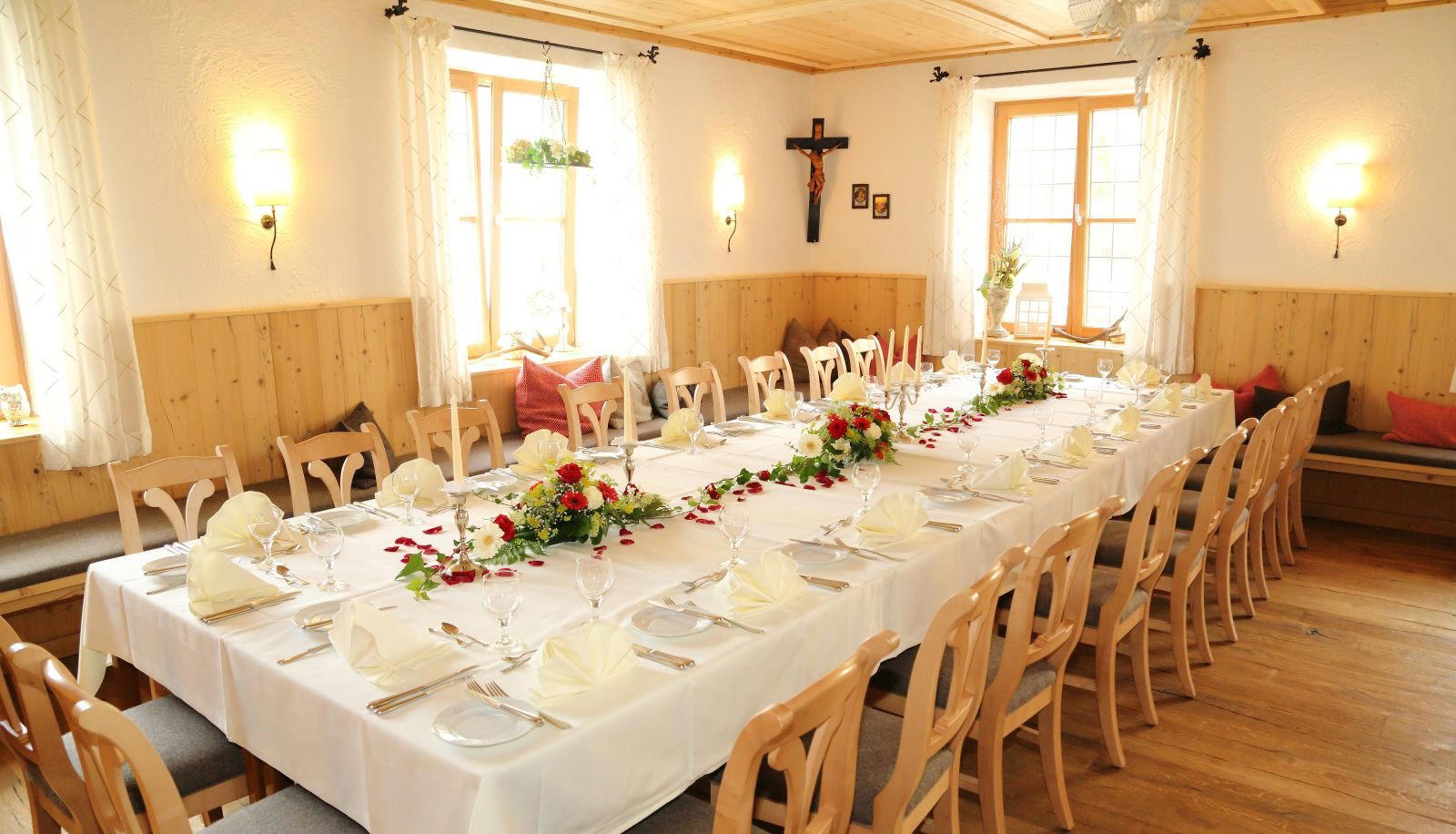
Stücklerhof is located at Reiterhofstraße 38, 9412 Wolfsberg, Austria. Wolfsberg is reachable by train from Graz in approximately two hours, and by car from Klagenfurt in under an hour. Current hours, pricing, and booking arrangements are best confirmed directly with the venue before visiting. Given the regional character of the dining scene, advance enquiry is advisable, particularly for weekend visits or larger groups when local demand tends to be highest.
Cost and Credentials
Comparable venues nearby, for context on price, style, and recognition.
| Venue | Cuisine | Price | Notes |
|---|---|---|---|
| StücklerhofThis venue — the venue you are viewing | Not listed | $$ | Not listed |
| Stölzl Schloss Wolfsberg | Not listed | $$$ | Lavanttal, Modern Regional Austrian with Mediterranean Influences |
| Senhor Vinho | Not listed | $$ | Margareten, Traditional Portuguese Seafood |
| The Epos | Hofburg, Mediterranean Turkish Greek | $$ | Not listed |
| Ablaufdatum | Not listed | $$ | Obersievering, Mediterranean & Austrian Regional |
| AnDo | Hernals, Oriental-Mediterranean Café | $$ | Not listed |
Continue exploring
More in Wolfsberg
Restaurants in Wolfsberg
Browse all →
Hotels in Wolfsberg
Browse all →
Wineries in Wolfsberg
Browse all →
At a Glance
- Rustic
- Cozy
- Family
- Casual Hangout
- Historic Building
- Local Sourcing
- Garden
Current opening hours
- Monday
- Closed
- Tuesday
- Closed
- Wednesday
- Closed
- Thursday
- Closed
- Friday
- 5 PM–12 AM
- Saturday
- 5 PM–12 AM
- Sunday
- 11 AM–3 PM
Hours can change for holidays and private events. Last verified .
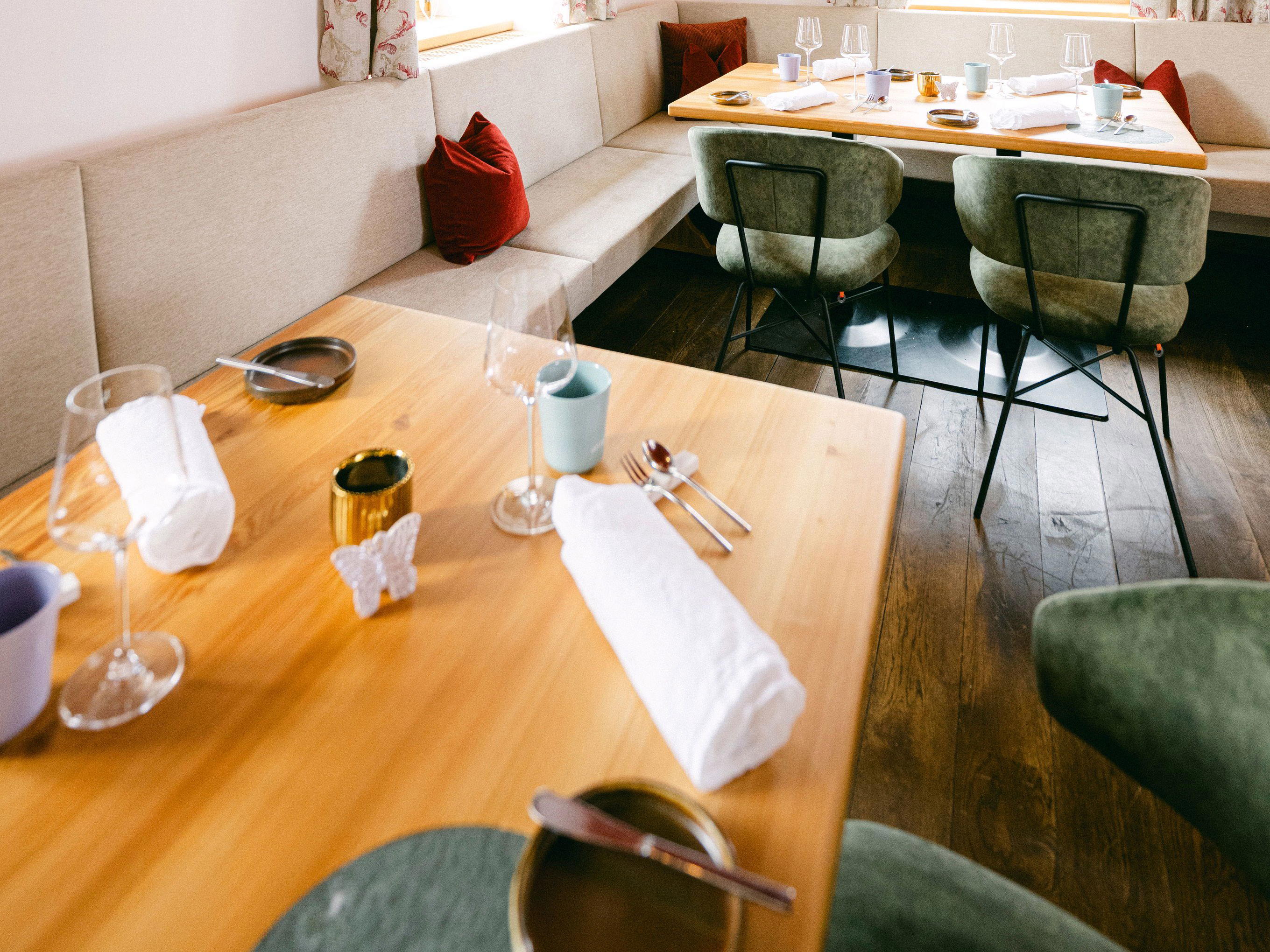
rustic and welcoming atmosphere combining hearty home-style cooking with the charm of a rural riding farm.