


1 Michelin Star · Falstaff Restaurant - 95 Falstaff Points
Our verdict
A Michelin-starred fixture on Müllner Hauptstraße, Esszimmer earns its place among Salzburg's most consistent fine-dining addresses through classical Austrian foundations inflected with restrained Asian and Mediterranean technique. Chef Andreas Kaiblinger's cooking is direct and flavour-forward, while Andrea Kaiblinger's front-of-house presence and wine selection add a layer of warmth that the city's more formal rooms rarely match. Opinionated About Dining ranked it #169 in Europe's Classical category for 2025.

Pearl is the En Primeur Club membership app, where members save venues, book tables and use the concierge.
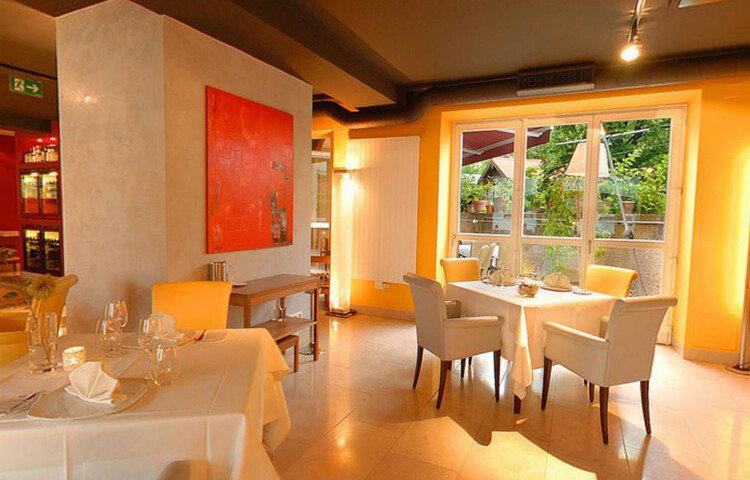
A Room That Sets the Register
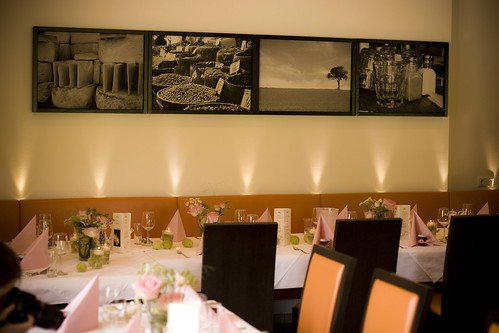
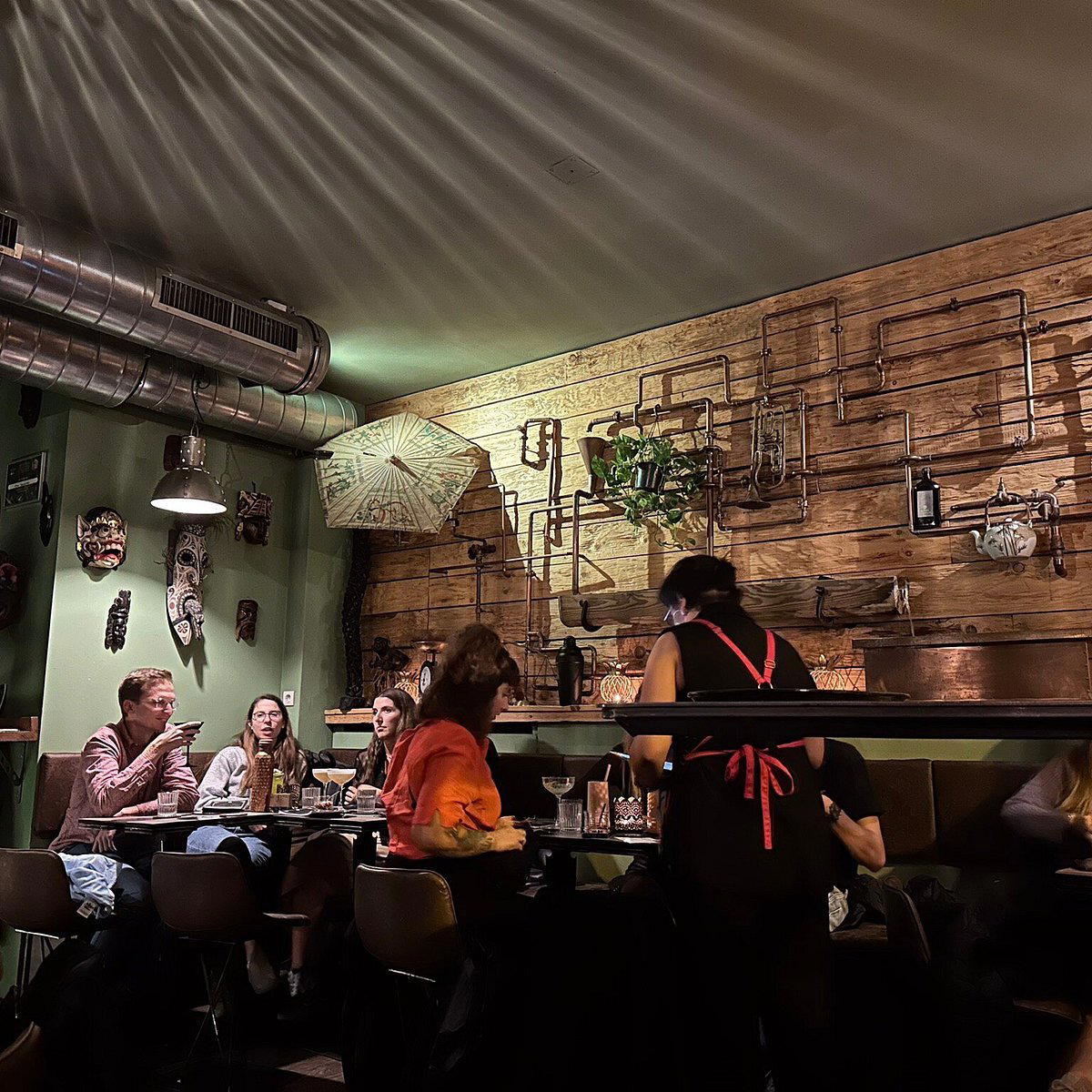
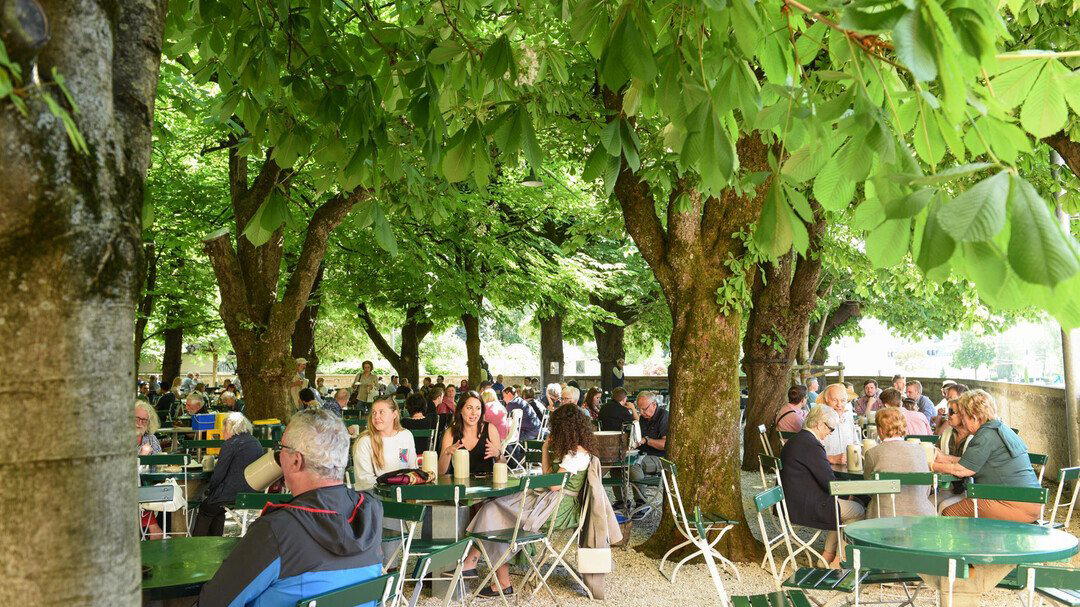
Müllner Hauptstraße sits on the left bank of the Salzach, a residential stretch that filters out the tourist traffic concentrated around the Altstadt. Arriving at Esszimmer, the transition from street to dining room is deliberate: the interior reads as a family project with aesthetic conviction, the colourful, layered decor carrying enough warmth to signal occasion without the stiffness that Michelin-starred rooms in more formal European cities tend to impose. The rear courtyard terrace, available when weather allows, extends that register into something more informal still, making the space function differently across the seasons. For visitors accustomed to reading Salzburg exclusively through its baroque set-pieces, this part of the city offers a different frame entirely.
Where Esszimmer Sits in Salzburg's Fine-Dining Structure
Salzburg's upper tier of restaurant cooking is smaller and more concentrated than its cultural reputation might suggest. The city draws serious visitors year-round, and its fine-dining addresses cluster tightly in quality and format. Ikarus sits at the apex of that tier with two Michelin stars and a rotating guest-chef model that places it in a category of its own; Senns holds two stars on a more focused Austrian program; and the one-star bracket includes Pfefferschiff and The Glass Garden alongside Esszimmer. Within that bracket, the distinctions are less about technical ambition and more about cooking register and value geometry.
Esszimmer operates at the €€€ price point, which places it a tier below Pfefferschiff and Ikarus (both €€€€) while holding the same Michelin one-star recognition as Pfefferschiff. That asymmetry is worth flagging: you are accessing a decorated kitchen at a price that does not reflect the ceiling of the city's fine-dining market. For diners mapping Salzburg's restaurant scene against cost, this is the operative data point. Animo by Aigner, which operates at €€ with a Mediterranean focus, occupies a different lane entirely and does not directly compete on format or ambition.
The Cooking: Classical Foundations, Selective Inflection
Modern Austrian fine dining has split along a familiar axis. One side compounds tradition with technical complexity, building menus that reference alpine larder and rural technique through contemporary plating and intricate preparation sequences. The other approach, less common but arguably more demanding to execute, holds closer to classical structure and bets on produce quality and flavour directness rather than conceptual layering. Esszimmer belongs to the second tendency.
Opinionated About Dining, which ranked the restaurant at #169 in its Classical in Europe list for 2025 (up from #161 in 2024, and previously Highly Recommended in 2023), describes the cooking as classical in its foundations and full of flavour, with Asian and Mediterranean seasonings introduced sparingly to give individual dishes a certain personality without overwriting the base register. The kitchen works with produce quality as its primary argument, and the OAD framing of the restaurant within the Classical category rather than a creative or experimental one is an accurate signal about what the room prioritises.
That consistency matters in a city that experiences significant seasonal pressure. During the Salzburg Festival, which runs through July and August, restaurants in the upper tier see demand they cannot always absorb, and cooking can drift under volume. Esszimmer's model, family-run and meticulous by most accounts, is less exposed to that kind of drift than larger, more corporate operations. The Tuesday through Saturday service window (closed Sundays and Mondays) and the split lunch and dinner format (noon to 2pm and 6pm to 10pm) reflect a kitchen operating at deliberate capacity rather than maximum throughput.
Front of House and Wine as Part of the Proposition
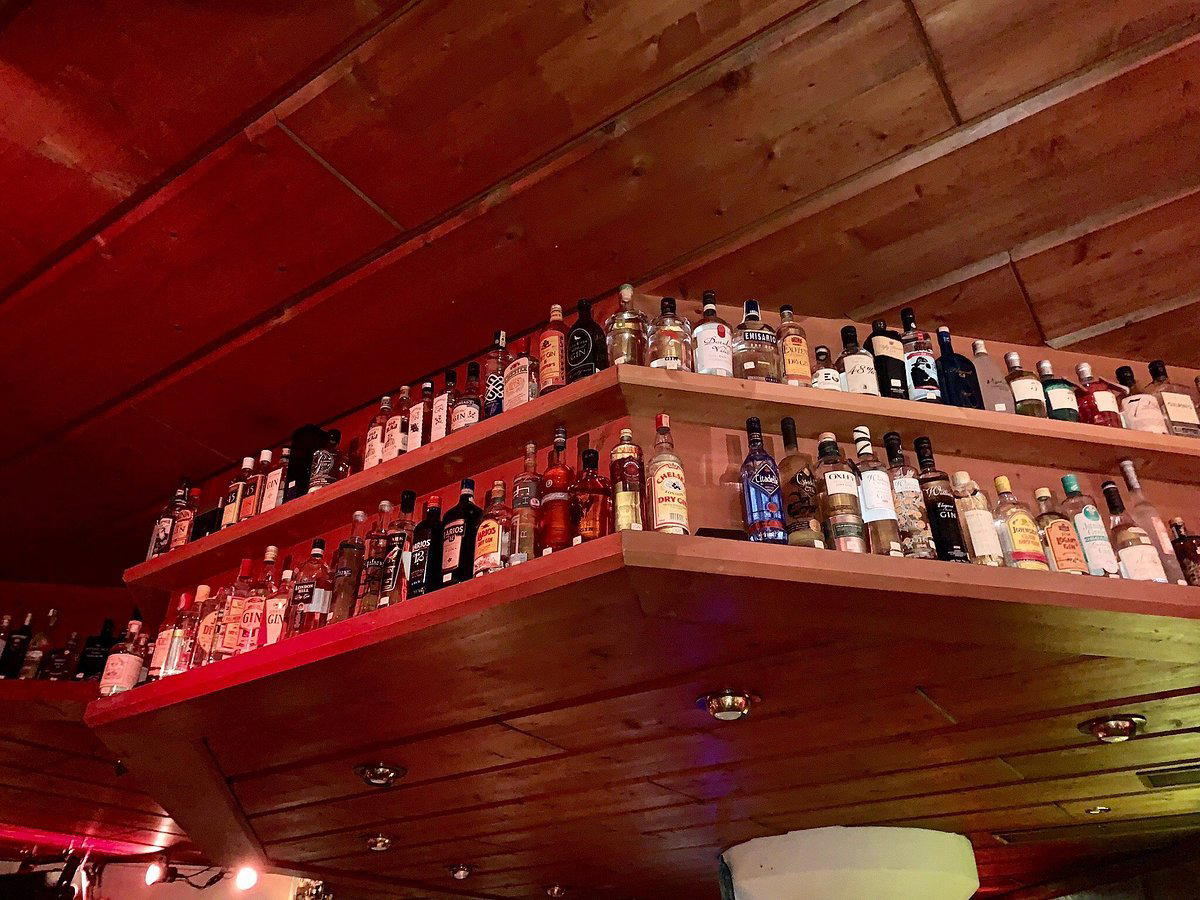
In any Michelin-starred room, the front-of-house contribution to the overall experience is as measurable as the cooking, even if it is harder to score. At Esszimmer, the maître d' role is filled by Andrea Kaiblinger, whose wine recommendations have drawn specific attention in OAD's published notes. Wine selection at classical European rooms tends to default toward the expected: deep Austrian lists that perform regional loyalty without particular point of view, or Burgundy-heavy international selections that signal seriousness without surprise. A maître d' with documented personal investment in wine pairing changes that calculus for guests willing to defer to the room's knowledge rather than ordering from the list on recognisable names alone.
For the value proposition to function fully, the front-of-house element is part of what you are paying for. A technically competent meal delivered with transactional service reads differently from the same meal delivered with genuine attentiveness and wine knowledge brought to the table with personality. The Kaiblinger family operation, in which the same names appear across both kitchen and dining room, tends toward the latter.
Contextualising Within Austrian Fine Dining More Broadly
The classical strand of Austrian fine dining that Esszimmer represents has strong regional reference points. Steirereck im Stadtpark in Vienna operates at the category's upper register; Landhaus Bacher in Mautern an der Donau represents the more rural, produce-driven expression. Döllerer in Golling an der Salzach, less than 40 kilometres south of Salzburg, leans into alpine identity with more overt technique. In the wider alpine fine-dining bracket, Gourmetrestaurant Tannenhof in Sankt Anton am Arlberg, Griggeler Stuba in Lech, and Kräuterreich by Vitus Winkler in Sankt Veit im Pongau each address the alpine ingredient story from a different angle.
For the modern Austrian cooking tradition taken in a more experimental direction, Mraz and Sohn in Vienna and Horváth in Berlin represent how the same cultural root system can be reconfigured through more disruptive technical programs. Esszimmer sits closer to the tradition than to the disruption, and that is a positioning choice, not a limitation.
Planning a Visit
Esszimmer is at Müllner Hauptstraße 33, on the left bank of the Salzach in the Mülln district. The restaurant is open Tuesday through Saturday, with lunch service from noon to 2pm and dinner from 6pm to 10pm. Sunday and Monday are closed. The price range sits at €€€, placing it below the ceiling of Salzburg's fine-dining market while holding Michelin one-star recognition. Given the OAD ranking trajectory and the family-run format, booking ahead is advisable, particularly during the festival season in July and August when the city operates at compressed capacity across all dining tiers. For broader trip planning across Salzburg, see our full Salzburg restaurants guide, our full Salzburg hotels guide, our full Salzburg bars guide, our full Salzburg wineries guide, and our full Salzburg experiences guide.
Frequently asked questions
What should I eat at Esszimmer?
What the awards record does establish is the cooking direction: classical Austrian foundations with selective use of Asian and Mediterranean seasoning, executed with produce quality as the primary argument. Opinionated About Dining's Classical in Europe ranking and the Michelin one-star both signal a kitchen that works within a defined register rather than shifting format seasonally. The clearest approach is to follow Andrea Kaiblinger's wine recommendations from the floor, let the kitchen's current market-led selection guide the meal, and treat the front-of-house knowledge as part of what the €€€ price point includes.
Nearby-ish Comparables
| Venue | Cuisine | Price | Awards | Notes |
|---|---|---|---|---|
| EsszimmerThis venue (the venue you are viewing) | Modern French Fine Dining | $100–150 | 1 Michelin Star · Falstaff Restaurant - 95 Falstaff Points | Not listed |
| Ikarus | Guest Chef Fine Dining | $200–300 | 2 Michelin Stars · La Liste Top Restaurants | Modern European, Creative |
| Senns | Modern Cosmopolitan Fine Dining | Not listed | 2 Michelin Stars · La Liste Top Restaurants | Not listed |
| Pfefferschiff | Modern Austrian Fine Dining | $100–150 | 1 Michelin Star · Falstaff Restaurant - 95 Falstaff Points | Creative |
| The Glass Garden | Modern Austrian Fine Dining | $150–200 | 1 Michelin Star · Falstaff Restaurant - 97 Falstaff Points | Creative |
| Animo by Aigner | Mediterranean Seasonal Trattoria | $50–100 | Michelin Plate | Mediterranean Cuisine |
Recognition history
Dated appearances from independent guides and award organizations, with the underlying list record or original source where available.
Michelin 1 Star
Michelin
Falstaff Restaurant - 95 Falstaff Points
Falstaff
Opinionated About Dining Classical in Europe Ranked #169
Opinionated About Dining
Full recognition history (7 entries)
Michelin 1 Star
Michelin
Michelin 1 Star
Michelin
Opinionated About Dining Classical in Europe Ranked #161
Opinionated About Dining
Opinionated About Dining Classical in Europe Highly Recommended
Opinionated About Dining
Continue exploring
More in Salzburg
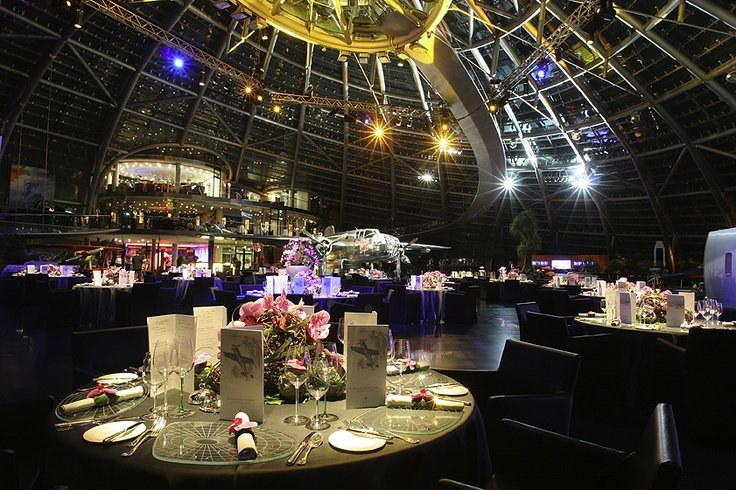
Restaurants in Salzburg
All restaurants in Salzburg →
Bars in Salzburg
All bars in Salzburg →
Details
- Elegant
- Modern
- Cozy
- Intimate
- Sophisticated
- Date Night
- Special Occasion
- Business Dinner
- Terrace
- Open Kitchen
- Extensive Wine List
- Sommelier Led
- Local Sourcing
- Garden
- Tasting Menu
- A La Carte
- Vegetarian Friendly
- Vegan Options
Current opening hours
- Monday
- Closed
- Tuesday
- 12–2 PM, 6–10 PM
- Wednesday
- 6–10 PM
- Thursday
- 12–2 PM, 6–10 PM
- Friday
- 12–2 PM, 6–10 PM
- Saturday
- 12–2 PM, 6–10 PM
- Sunday
- Closed
Hours can change for holidays and private events. Hours as of .
Elegant space with lively, colorful decor, warm lighting, cozy fireplace, and glass floor over a medieval water channel; relaxed and discreet atmosphere.