


A 24-room castle hotel atop Salzburg's Mönchsberg hill, Schloss Mönchstein holds a 2026 La Liste score of 98 points with regional and country winner status for romantic and castle hotels respectively, plus Michelin 2 Keys recognition. The Glass Garden restaurant carries a Michelin Star. Its position above the old town places it in a tier of Austrian castle properties that operate more as intimate retreats than grand hotel institutions.
Pearl is the En Primeur Club membership app — saves, bookings, and concierge access live there. Same editors, same standards.
- Address
- Mönchsberg Park 26, 5020 Salzburg
- Phone
- +43 662 8485550
- Website
- monchstein.at
- Directions
- Get directions
 Saves & bookings on Pearl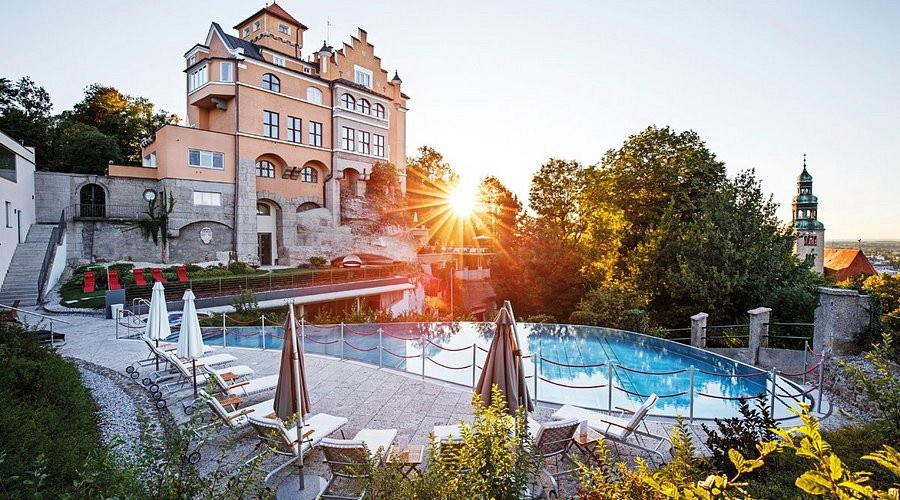
A Hilltop Removed from the City Below
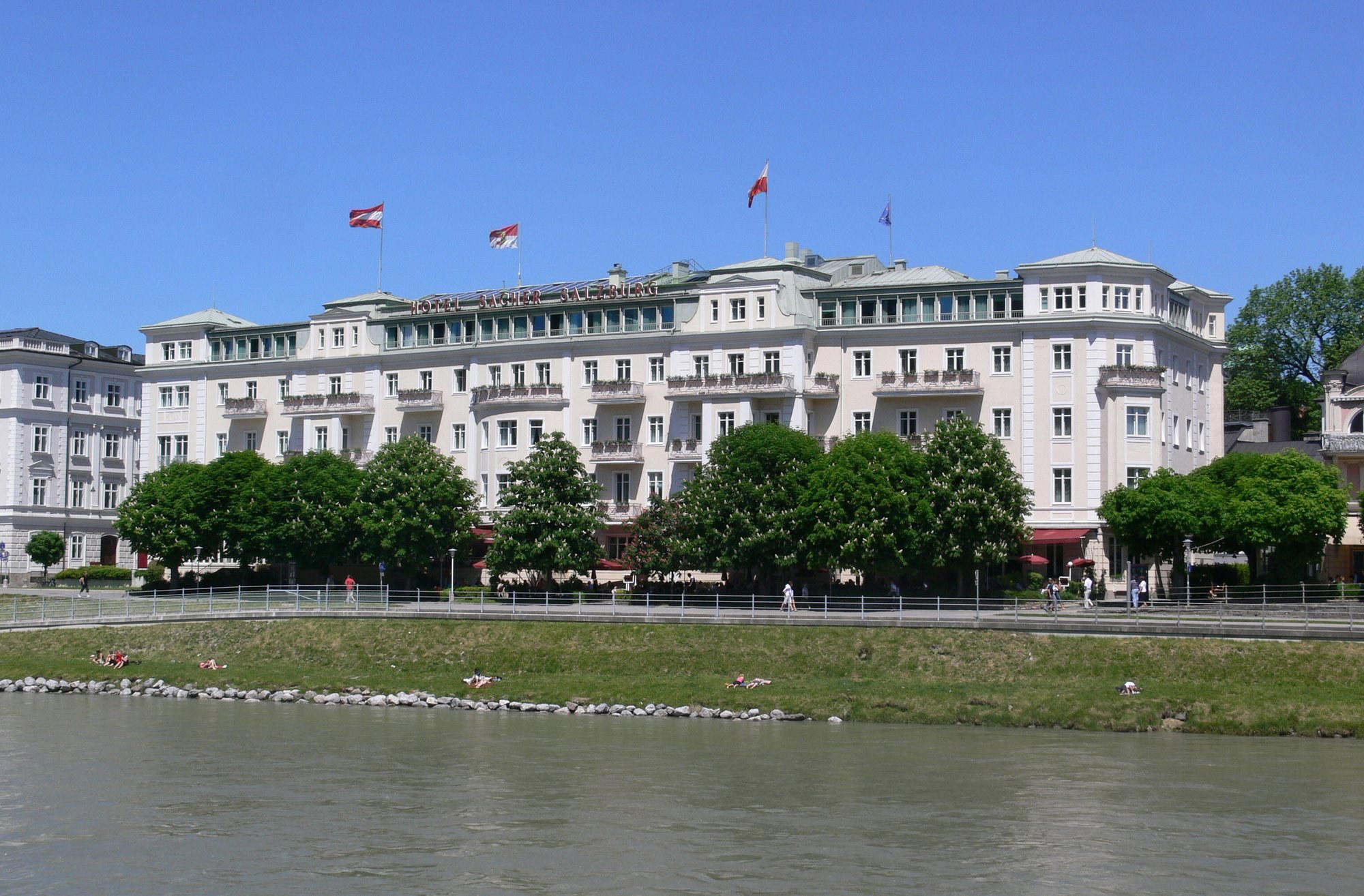
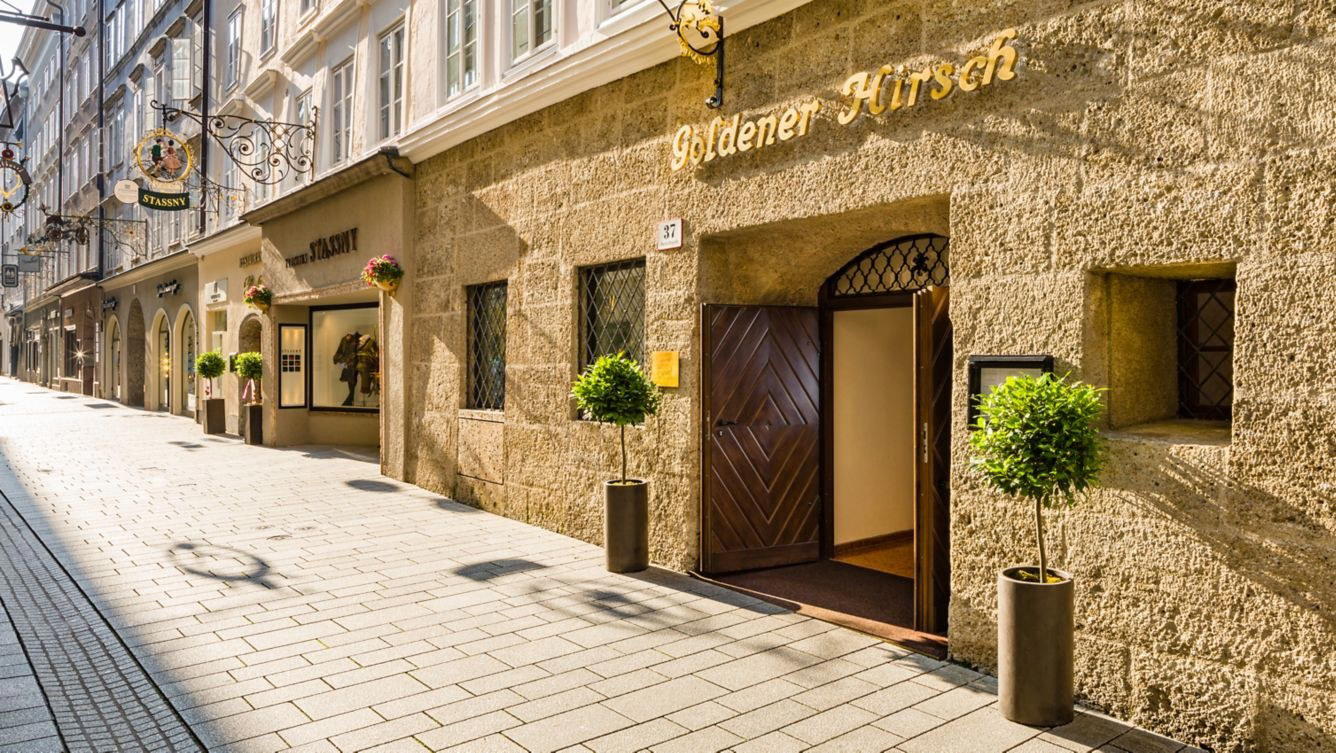
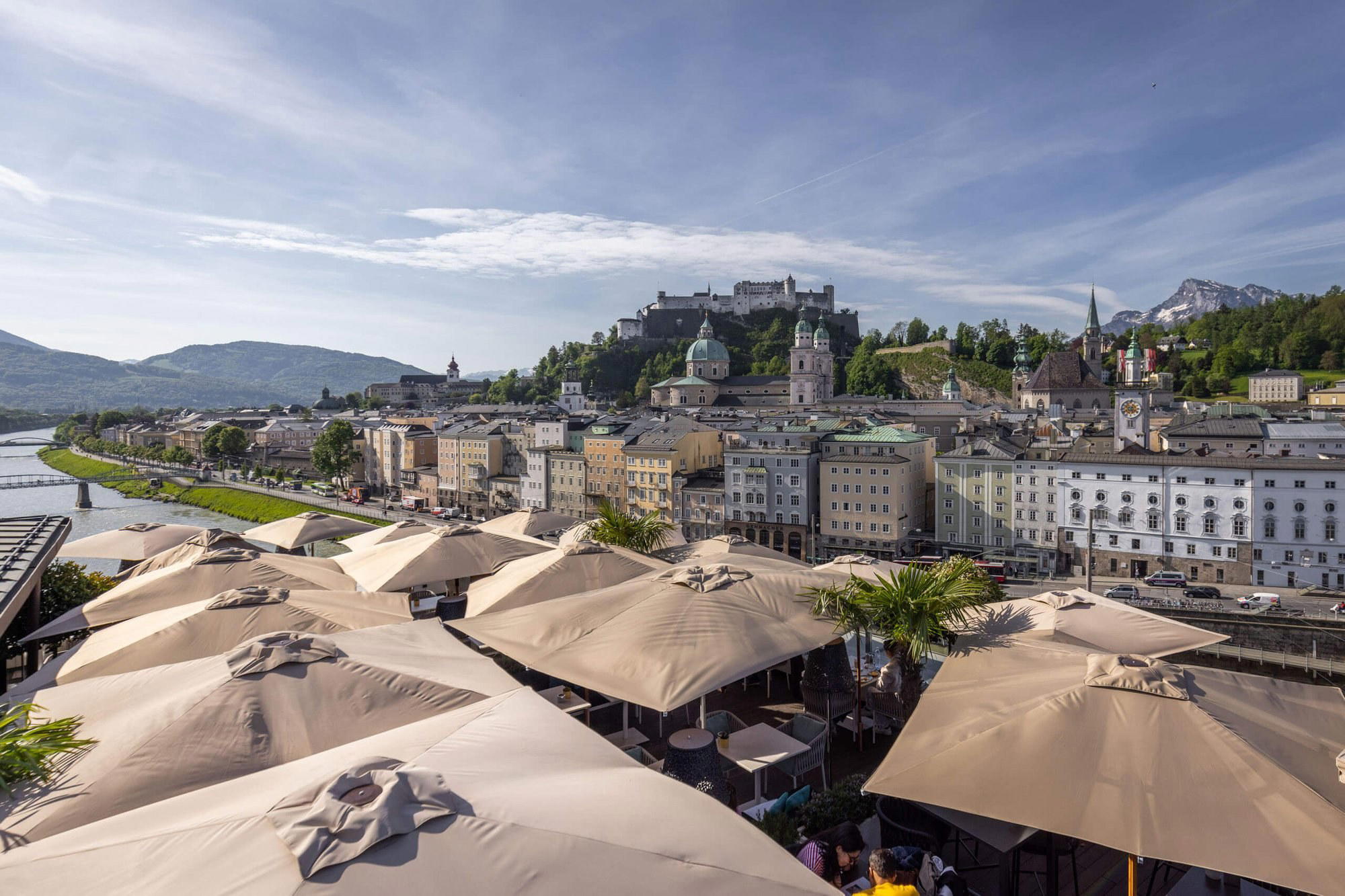
Salzburg's premium accommodation divides along a clear fault line: the grand historic properties anchoring the old town streets, among them Hotel Sacher Salzburg, Hotel Goldener Hirsch, and Hotel Bristol Salzburg, and a smaller cohort of properties that withdraw physically from that scene. Schloss Mönchstein belongs to the second group, and its separation is literal rather than metaphorical. The castle sits atop the Mönchsberg, the forested ridge that rises sharply from the city's left bank, and the approach requires either a steep footpath or the private hotel transport that guests typically use. By the time you arrive at the entrance, Salzburg's baroque spires and terracotta rooftops are below you rather than around you.
That altitude is not a gimmick. It shapes how the property functions: as a retreat with the city in view rather than a property embedded in its noise. For a hotel with 24 rooms, that positioning creates a specific atmosphere that larger Old Town competitors, regardless of their own historic credentials, cannot easily replicate. The scale at Schloss Mönchstein is deliberately residential. The room count is closer to that of Hotel Goldgasse or Boutiquehotel Amadeus than to the larger palace-hotel format, and that intimacy carries through from reception to dining.
The Glass Garden and What a Michelin Star Signals Here
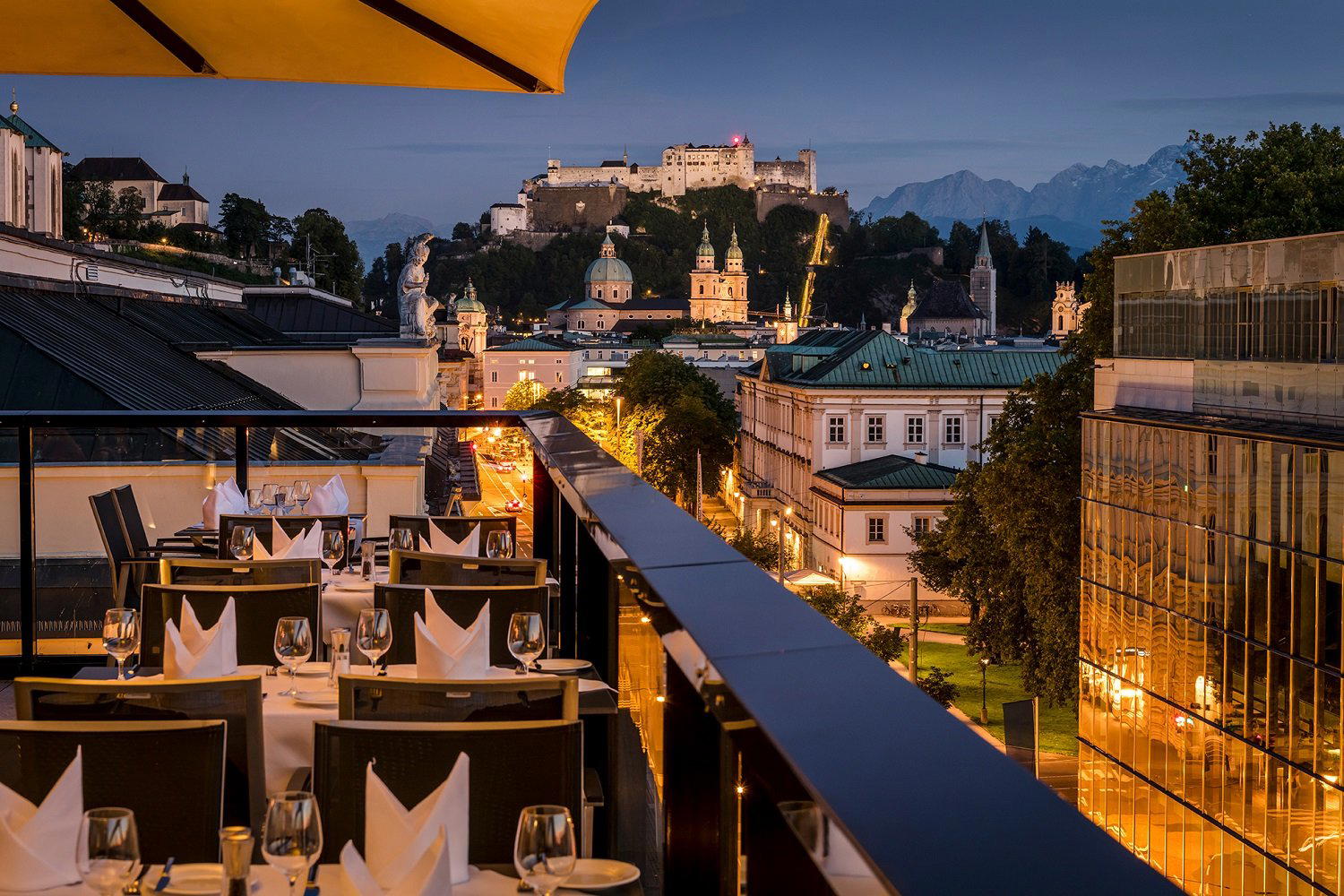
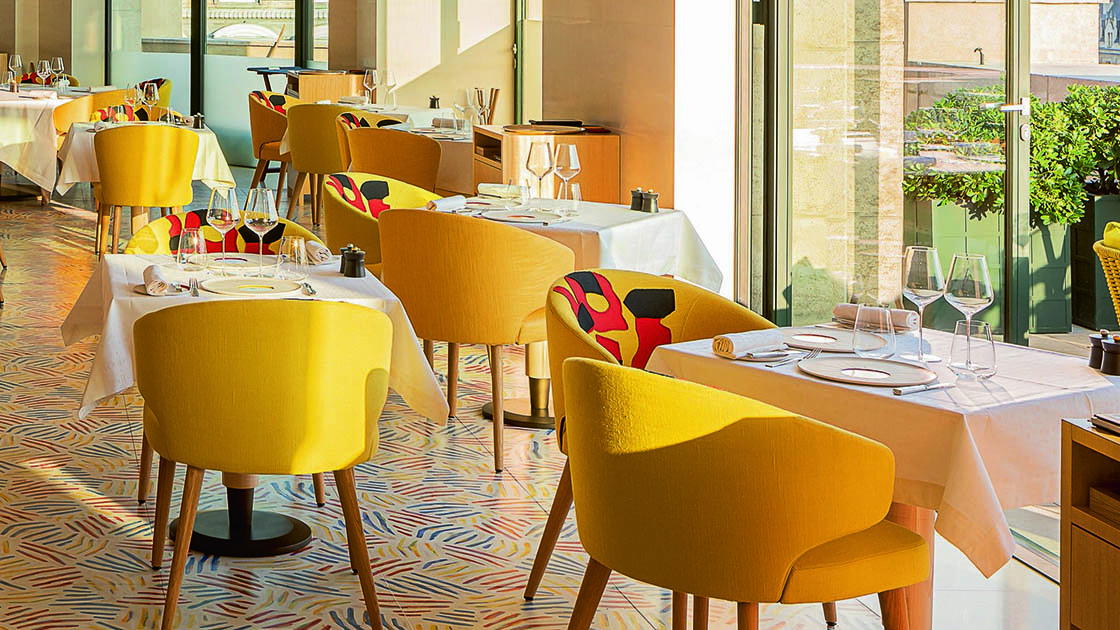
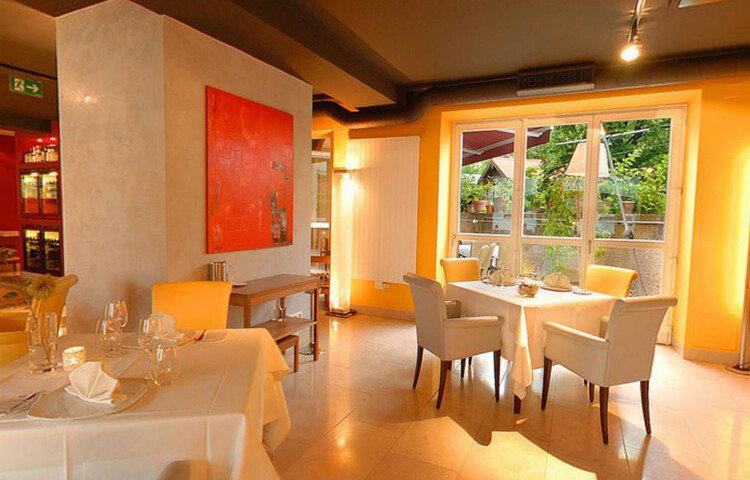
Austrian castle hotels have historically leaned on atmosphere over culinary ambition. Schloss Mönchstein breaks from that pattern. The Glass Garden restaurant holds a Michelin Star, a credential that places it among a small number of hotel restaurants in the broader Alpine region where the kitchen operates as a reason to visit rather than a convenience for guests who would rather not leave. The restaurant's format, a glass-enclosed dining room, positions it somewhere between the castle interior and the landscape outside: on a clear evening, the views across Salzburg's domes and the surrounding hills become part of the dining experience in a way that most urban restaurant settings cannot offer.
In the broader context of Salzburg's food scene, a Michelin Star attached to a hotel property carries particular weight. The concentration of starred cooking within hotel settings, rather than freestanding restaurants, reflects a European pattern in which castle and palace properties have invested more seriously in kitchen talent over the past decade. The Glass Garden fits that trajectory.
Responsible Luxury at Scale: What 24 Rooms Actually Means
Small-format castle hotels operate under different conditions and, offer a different model of responsible luxury without requiring the same infrastructure argument. Small-format castle hotels operate under different conditions and, offer a different model of responsible luxury without requiring the same infrastructure argument.
A 24-room property on a wooded hillside within a UNESCO-listed city operates at a scale where environmental footprint is structurally limited. The Mönchsberg itself is a protected natural area, and the hotel's position within it means the surrounding landscape is not managed for the property's benefit but rather the reverse: the property exists within ecological and heritage constraints that define what is and is not possible. This is a different relationship between luxury hospitality and landscape than the resort model, where amenity expansion is often in tension with environmental preservation. Here, the constraints are architectural and regulatory, and they produce a smaller, quieter operation as a result.
For travellers assessing responsible luxury options in the Alpine corridor, the small-format castle category tends to produce lower per-guest resource intensity than large wellness resorts.Rosewood Schloss Fuschl in Hof bei Salzburg and, further afield, Falkensteiner Schlosshotel Velden in Velden am Wörthersee, tends to produce lower per-guest resource intensity than large wellness resorts. Austria's broader Alpine wellness category, including properties such as Alpen-Wellness Resort Hochfirst in Obergurgl and Aktiv & Wellnesshotel Bergfried in Tux, pursues sustainability through certified programs and explicit environmental targets. Schloss Mönchstein operates from a different premise: the historical fabric of the building, the protected hillside setting, and the limited room count are themselves a form of restraint that larger properties cannot replicate through programming alone.
How It Sits Within Austrian Castle Hotel Recognition
The hotel has received 98 points from La Liste, with both a Regional Winner designation for Luxury Romantic Hotel and a Country Winner designation for Luxury Castle Hotel in Austria. Those are specific category recognitions rather than general luxury ratings, and they signal something meaningful about how the property performs within its comparable set rather than against the full spectrum of Austrian accommodation.
The Country Winner status for Luxury Castle Hotel in Austria is particularly relevant context. Austria has a significant supply of castle and schloss properties, ranging from converted hunting lodges in the Tyrol to baroque palaces in Vienna and Styria. That hotel holds the leading La Liste designation within that category, at 98 points, positions it at the upper end of a competitive and historically deep field. The Michelin 2 Keys recognition applies the hospitality-specific Michelin framework that evaluates the overall hotel experience rather than the restaurant alone, a credential that distinguishes it from properties where only the kitchen carries external recognition. For comparison within Austria's castle hotel category, Hotel Schloss Seefels in Techelsberg offers another lakeside variation on the schloss-hotel format, illustrating how differently positioned these properties can be despite sharing a broad category.
The Spa and Infinity Pool: Context Within the Format
The spa at the hotel operates within those limits but includes an outdoor infinity pool, which is a meaningful amenity given the hillside setting. The spa at the hotel operates within those limits but includes an outdoor infinity pool, which is a meaningful amenity given the hillside setting. An infinity pool at elevation, overlooking a UNESCO old town, is a different proposition than the same feature at a flat resort property, the view is the amenity as much as the water itself.
Within the broader Austrian market for wellness-focused castle stays, this places the hotel in a tier that combines historic architecture with contemporary spa investment, without the full wellness-resort footprint of dedicated Alpine properties like Naturhotel Waldklause in Längenfeld or LEADING Hotel Hochgurgl in Hochgurgl. The spa is positioned as a complement to the castle experience rather than its primary draw.
Planning Your Stay
The hotel is located at Mönchsberg Park 26, 5020 Salzburg, on the Mönchsberg ridge above the old town. The property offers a different relationship to the city than Old Town hotels: proximity by foot or hotel transport, but separation by elevation and atmosphere. Hotel Sacher Wien in Vienna and internationally to Aman Venice in Venice, both of which operate in the same upper tier of European urban luxury within historic settings. Within the Salzburg area, Chalet Untersberg in Grodig offers a lower-key alternative for those seeking the hillside setting without the full castle-hotel format. For those arriving in Austria from beyond the region, LOISIUM Wine & Spa Resort Langenlois in Langenlois and Hotel Almhof Schneider in Lech represent contrasting approaches to Austrian luxury that round out the country's premium accommodation picture.
Cost and Credentials
Comparable venues nearby, for context on price, style, and recognition.
| Venue | Price | Awards | Notes |
|---|---|---|---|
| Schloss MönchsteinThis venue — the venue you are viewing | $$$$ | Michelin 2 Key | Not listed |
| Hotel Sacher Salzburg | $$$$ | Michelin 1 Key | Rechte Altstadt, Historic luxury heritage hotel with classical Austrian elegance; individually designed rooms and suites reflecting Salzburg's refined aesthetic; blend of 19th-century charm with modern amenities. |
| Hotel Goldener Hirsch | $$$$ | Michelin 1 Key | Linke Altstadt, Historic Austrian heritage hotel with contemporary luxury integration; positioned as an authentic 15th-century guesthouse modernized for informed travelers seeking cultural immersion with five-star service. |
| Hotel Goldgasse | $$$$ | Michelin 1 Key | Linke Altstadt, Historic boutique luxury in a 14th-century building with modern comforts. |
| Arthotel Blaue Gans | $$$$ | 4-Star | Linke Altstadt, Contemporary arthotel in a 14th-century historic ensemble |
| Hotel & Villa Auersperg | $$$$ | 4-Star | Neustadt, Contemporary classic boutique in historic villa |
Recognition history
Dated appearances from independent guides and award organizations, with the underlying list record or original source where available.
La Liste Top Hotels
La Liste
Michelin 2 Keys
Michelin
World Luxury Hotel Awards WLHA Regional Winner
World Luxury Hotel Awards
World Luxury Hotel Awards WLHA Country Winner
World Luxury Hotel Awards
Michelin 2 Keys
Michelin
At a Glance
- Romantic
- Elegant
- Quiet
- Sophisticated
- Scenic
- Ornate
- Honeymoon
- Romantic Getaway
- Anniversary
- Wellness Retreat
- Historic Building
- Panoramic View
- Infinity Pool
- Terrace
- Wi Fi
- Pool
- Spa
- Fitness Center
- Room Service
- Concierge
- Sauna
- Hot Tub
- Restaurant
- Skyline
- Garden
- Mountain
- Wi Fi
- Pool
- Spa
- Fitness Center
- Room Service
- Concierge
- Sauna
- Hot Tub
- Restaurant
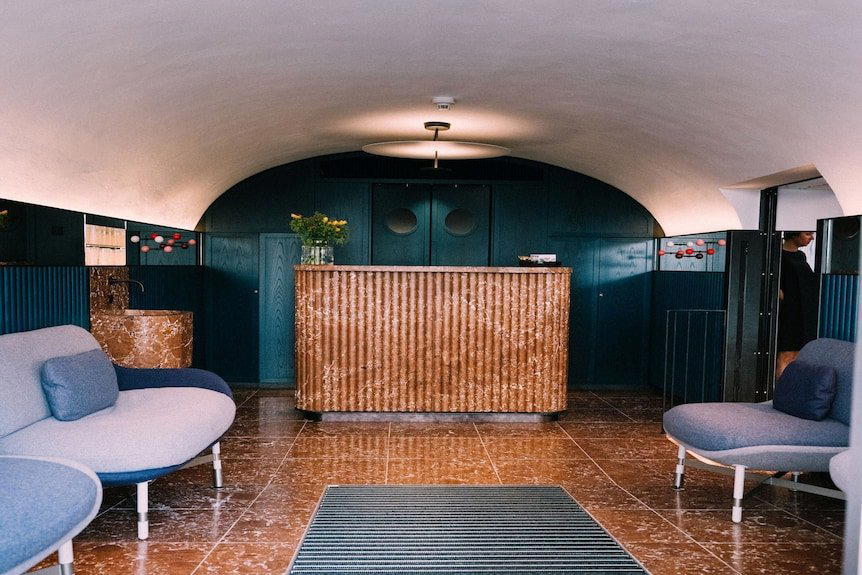
Intimate and elegant castle atmosphere with natural light from large windows, panoramic views, and a sense of serene luxury praised in guest reviews.