A konoba-style restaurant on Wolf-Dietrich-Straße bringing the Adriatic tradition of Istrian cooking into the heart of Salzburg. The format follows the Croatian coastal model: ingredient-forward preparations, minimal intervention, and a menu structured around the sea and the land in roughly equal measure. For a city that skews heavily toward Alpine and central European cooking, ISTRA represents a distinct counterpoint.
Pearl is the En Primeur Club membership app — saves, bookings, and concierge access live there. Same editors, same standards.
- Address
- Wolf-Dietrich-Straße 27, 5020 Salzburg, Austria
- Phone
- +43662879794
- Website
- istra.at
- Directions
- Get directions
 Saves & bookings on Pearl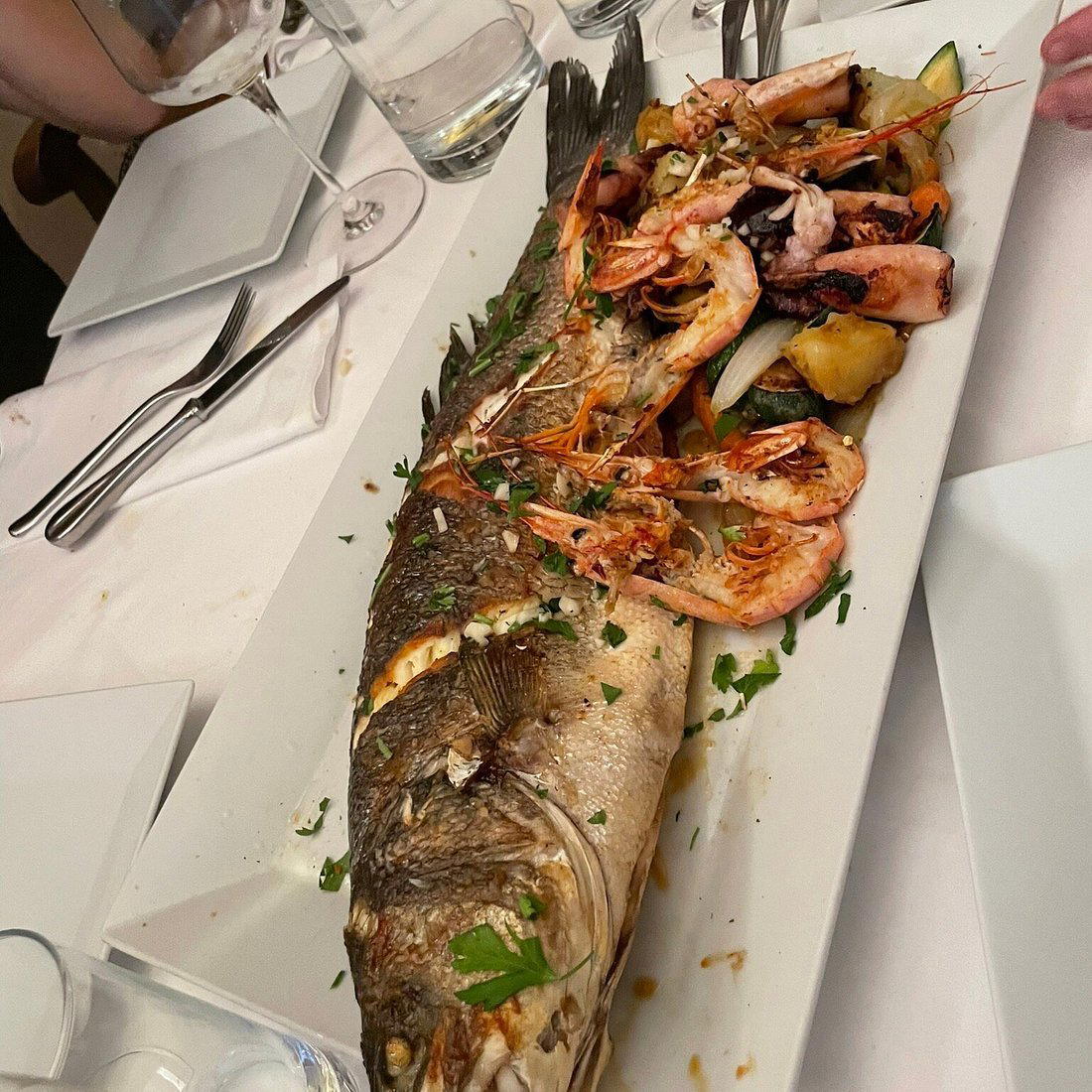
Where the Adriatic Meets the Alpine City
Salzburg's restaurant scene has long been organized around two gravitational poles: the Michelin-chasing modern Austrian kitchens like Esszimmer and Senns, and the traditional Gasthäuser that anchor the city's everyday eating. What sits between those poles, or outside them entirely, is a smaller, more interesting category. ISTRA Konoba Restaurant on Wolf-Dietrich-Straße belongs to that third space: a restaurant shaped by a coastal Adriatic tradition that has almost no other representative in the city.
The konoba format is worth understanding before you arrive. In Croatia and the Istrian peninsula, a konoba is roughly equivalent to the Italian osteria: a room built around hospitality rather than performance, where the cooking draws from whatever the season and the surrounding land or sea provides. The menu is typically short, the preparations restrained, and the structure of the meal itself carries the weight rather than individual showpiece dishes. Transplanted to Salzburg, that format reads as a deliberate alternative to the orchestrated tasting-menu experiences you find further up Wolf-Dietrich-Straße's neighbourhood, and to the high-production kitchens at places like Ikarus or Pfefferschiff.
Menu Architecture: The Istrian Logic
The organizing principle of Istrian cooking is direct to identify once you've eaten it a few times: protein quality and ingredient sourcing do the heavy lifting, while preparation steps are kept to a minimum. This is a cuisine built on olive oil, the Adriatic catch, Istrian truffles, air-dried meats, and the kind of vegetables that are given time to develop flavor rather than coaxed through technique. The menu architecture at a konoba typically reflects this by moving through a sequence that feels unhurried, cold starters giving way to pasta or risotto, then fish or meat, rather than the dish-by-dish escalation you'd find in a tasting-menu format.
That structure is meaningfully different from what Salzburg's more prominent fine-dining rooms offer. At The Glass Garden or the creative kitchens in the city's Michelin tier, the menu is the argument, a sequenced editorial statement from the chef. At a konoba, the menu is closer to a document of what's available and what's good right now. The reader, the diner, exercises more agency. That shift in dynamic is part of what makes the format appealing to a certain kind of traveller who has already eaten through the formal end of a city's offering.
For international reference points, the structural DNA of Istrian cooking sits closer to the ingredient-reverence approach you see at the highest tier of seafood-focused cooking globally. Places like Le Bernardin in New York City operate at a completely different scale and price point, but share the underlying editorial conviction that great fish needs less intervention, not more. The konoba is the unpretentious expression of the same philosophy.
The Salzburg Context
Austria's restaurant culture outside Vienna has developed considerable sophistication over the past two decades. The western Alpine corridor in particular, running from Salzburg south through Golling to Werfen and across to Tirol, has produced a concentration of serious kitchens. Döllerer in Golling an der Salzach and Obauer in Werfen are particularly discussed examples of that regional ambition, while in Tirol, kitchens like Gourmetrestaurant Tannenhof in Sankt Anton am Arlberg and Griggeler Stuba in Lech operate at the high end of the Alpine tradition.
What that regional excellence consistently shares is an Alpine and central European reference frame: game, dairy, freshwater fish, root vegetables, fermentation traditions rooted in the Germanic kitchen. ISTRA sits outside that frame entirely. Its Adriatic and Istrian orientation gives Salzburg diners access to a culinary tradition that is geographically close, the Istrian peninsula is roughly three hours south, but rarely represented in the city's restaurants. That gap in the market is its own argument for the restaurant's existence.
Across Austria more broadly, the Adriatic influence has filtered into dining rooms slowly. Steirereck im Stadtpark in Vienna remains the benchmark for how Austrian fine dining absorbs and reframes outside influences while staying rooted in domestic produce. Further afield in the country's eastern and central regions, kitchens like Landhaus Bacher in Mautern an der Donau and Kräuterreich by Vitus Winkler in Sankt Veit im Pongau continue to work in a distinctly Austrian register. ISTRA is not in conversation with any of them, it's working from a different source entirely.
What the Format Demands of the Diner
A konoba rewards a particular disposition. If you arrive expecting the precision pacing of a Viennese tasting room or the creative intensity of the kitchens that have made Salzburg a recurring stop on Austria's Michelin map, you will be misreading the room. The format asks for patience, appetite, and a willingness to let the meal accumulate rather than build to a climax. Shared plates, a longer middle section of the meal, and a wine list that leans toward the Adriatic coast rather than Austria's domestic appellations are all consistent with the tradition.
For those arriving in Salzburg primarily for the festival season or for a concentrated run of the city's fine-dining options, ISTRA makes sense as a counterpoint evening: something with lower formality and a different culinary reference system. For anyone extending into the broader Austrian dining circuit, which would logically include stops at places like Schwarzer Adler in Hall in Tirol, Ois in Neufelden, or Restaurant 141 by Joachim Jaud in Mieming, ISTRA represents the one moment in that itinerary when the Alpine frame drops away entirely.
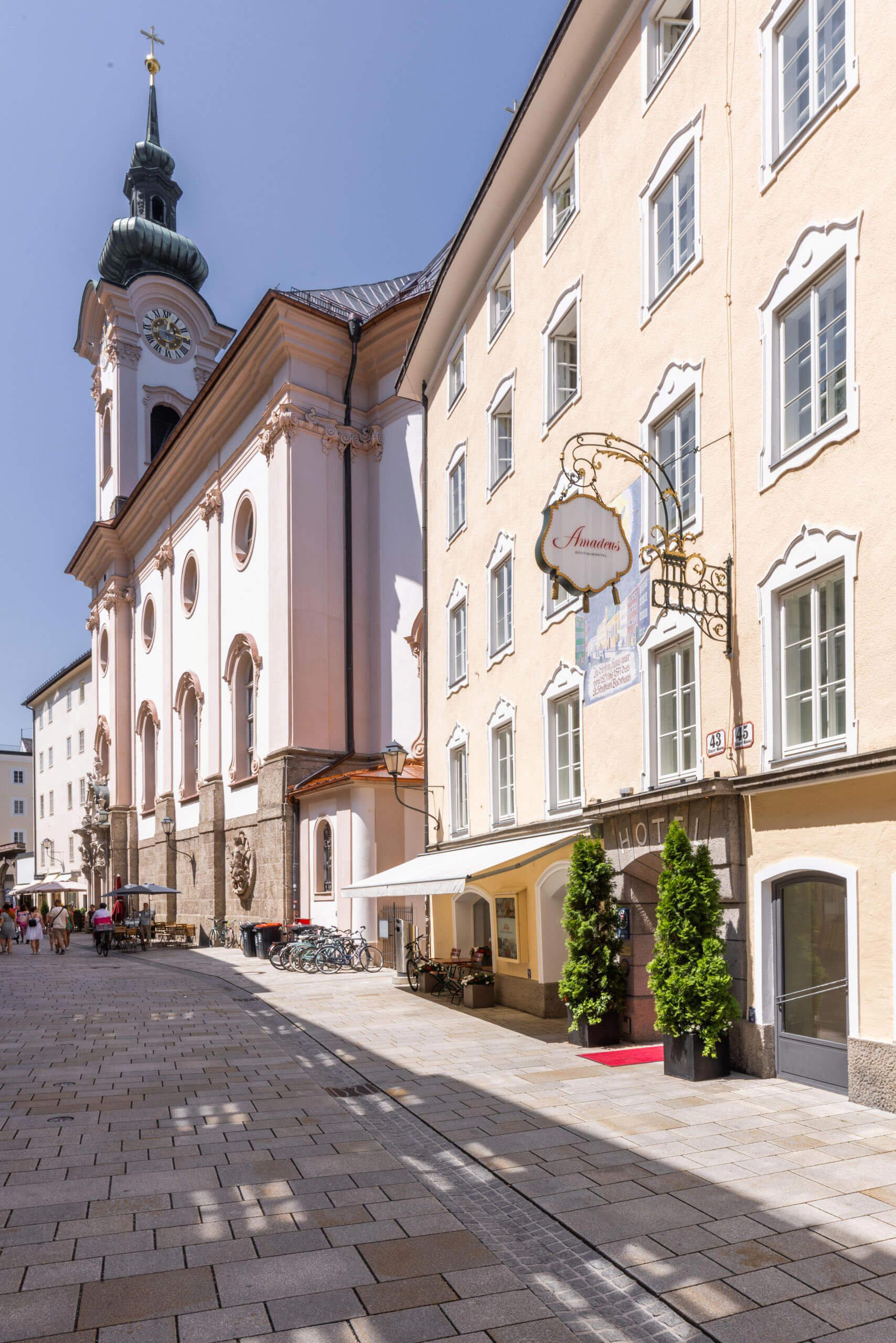
Wolf-Dietrich-Straße itself is a useful address: close enough to the Altstadt to be convenient but outside the highest-traffic tourist corridor, which keeps the dining room's atmosphere more local than the restaurants immediately adjacent to the Residenzplatz. Reservations are recommended.
Recognition, Side-by-Side
Comparable venues nearby, for context on price, style, and recognition.
| Venue | Cuisine | Price | Notes |
|---|---|---|---|
| ISTRA Konoba RestaurantThis venue — the venue you are viewing | Croatian Seafood Konoba | $$$ | Not listed |
| IMLAUER Sky | Modern Austrian with International Influences | $$$ | Neustadt |
| Die Cabreras | Authentic Mexican | $$$ | Rechte Altstadt |
| Wirtshaus Elefant | Traditional Austrian | $$$ | Altstadt |
| Osteria Cavalli | Traditional Italian Osteria | $$ | Innere Riedenburg |
| Merkel & Merkel | Modern Austrian Fine Dining | $$$ | Hellbrunner Allee |
At a Glance
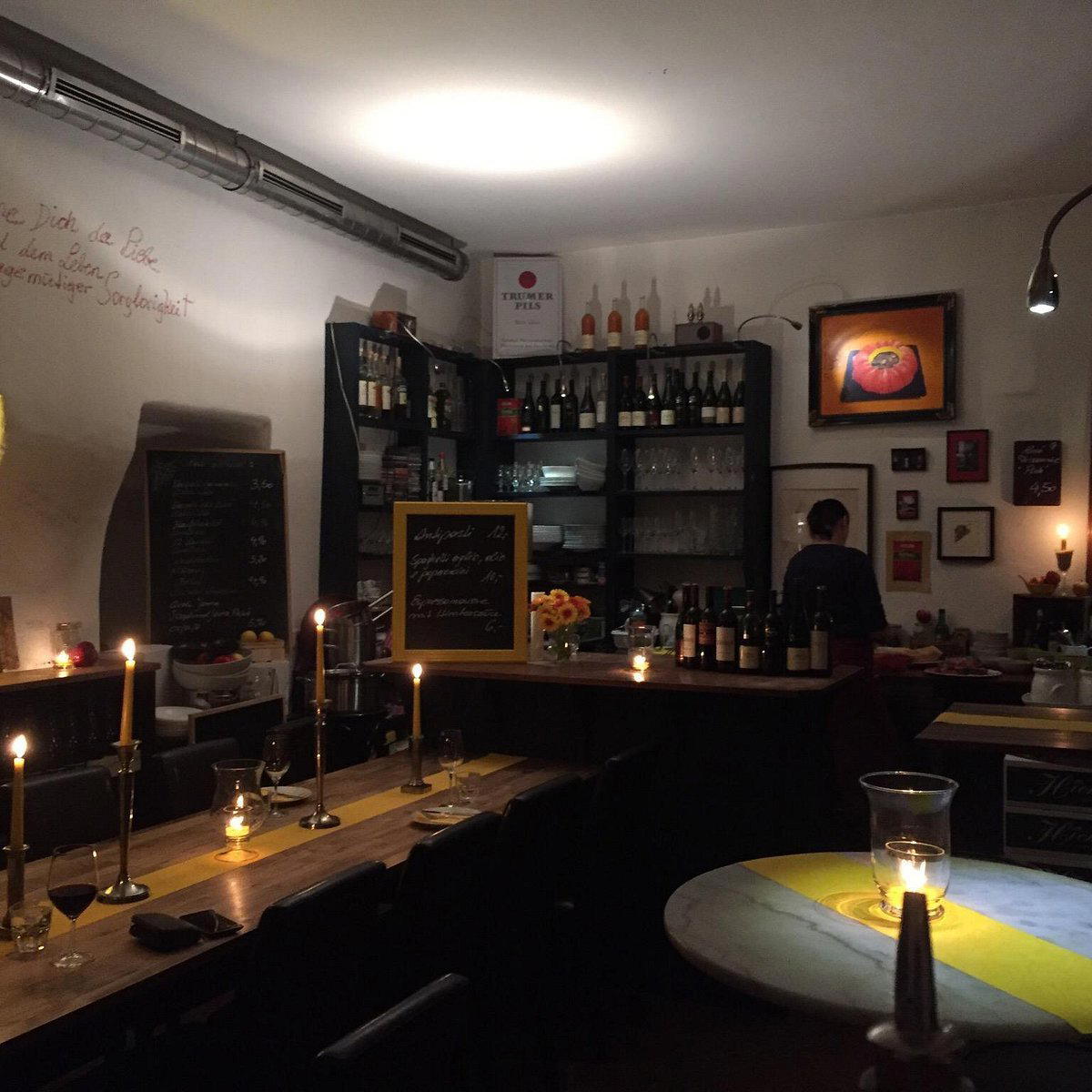
- Cozy
- Rustic
- Intimate
- Date Night
- Special Occasion
- Standalone
- Extensive Wine List
- Local Sourcing
Current opening hours
- Monday
- Closed
- Tuesday
- 5:30–11:30 PM
- Wednesday
- 11:30 AM–2:30 PM, 5:30–11:30 PM
- Thursday
- 11:30 AM–2:30 PM, 5:30–11:30 PM
- Friday
- 11:30 AM–2:30 PM, 5:30–11:30 PM
- Saturday
- 11:30 AM–2:30 PM, 5:30–11:30 PM
- Sunday
- Closed
Hours can change for holidays and private events. Last verified .
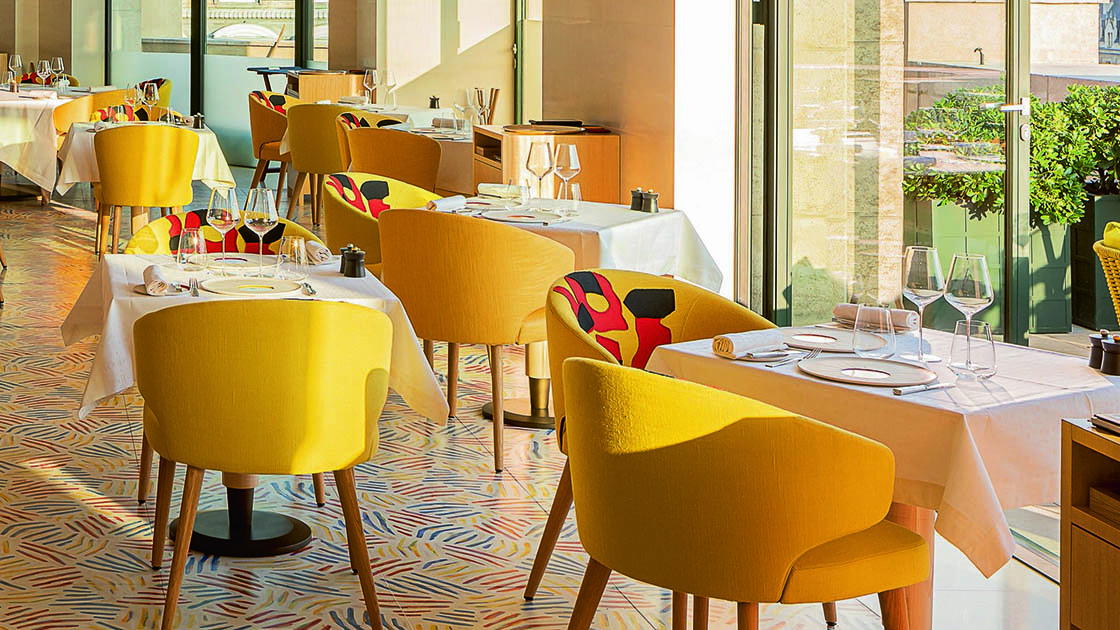
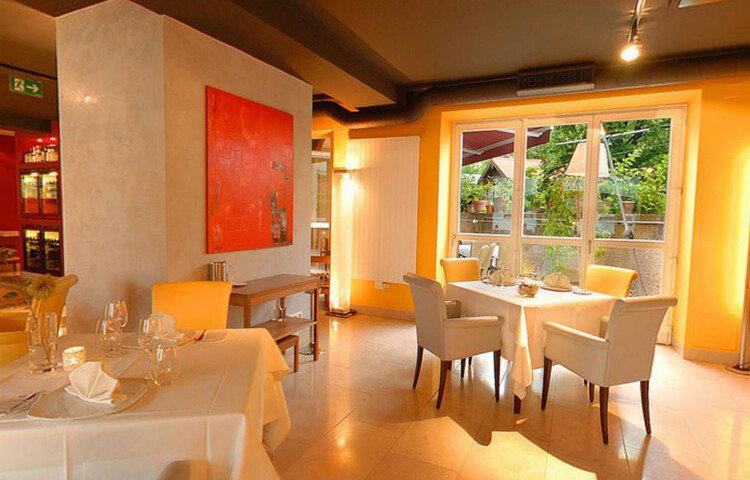
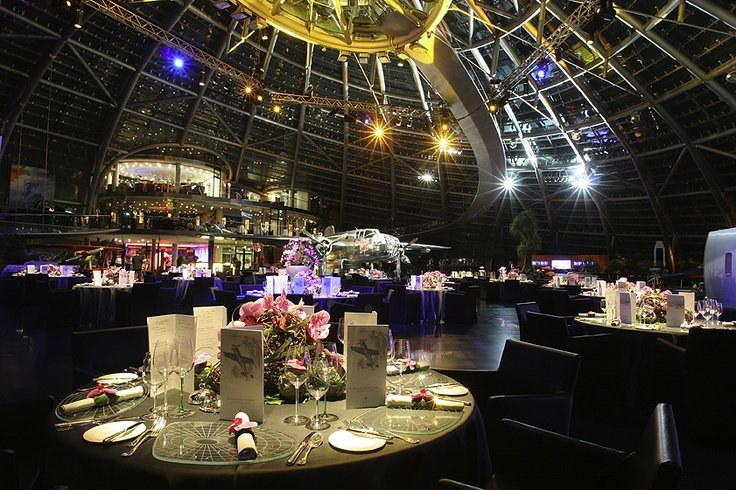
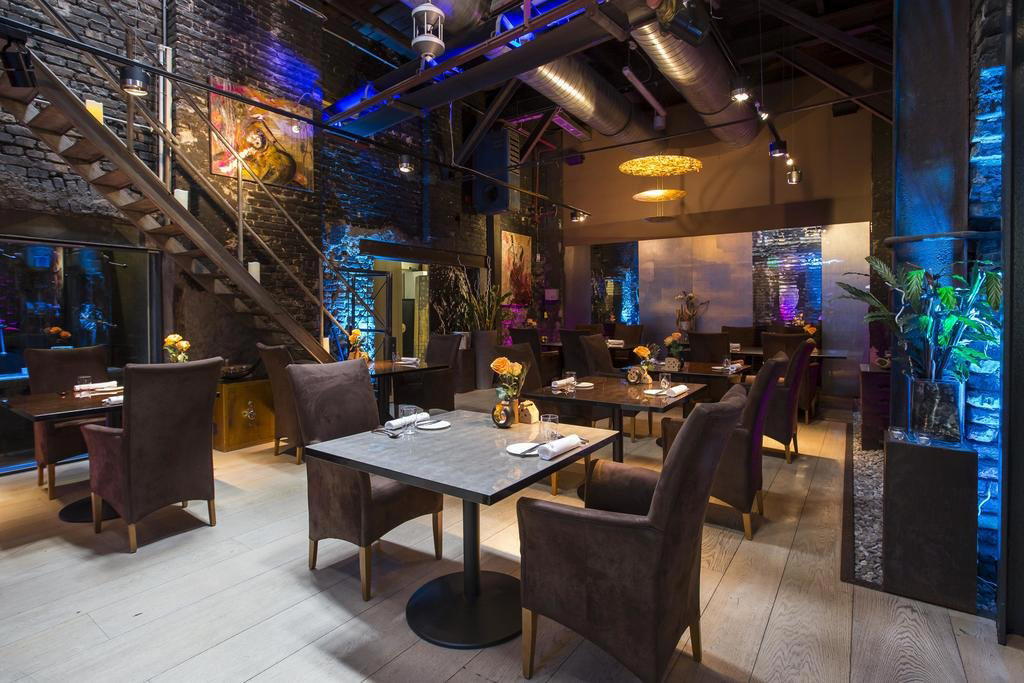
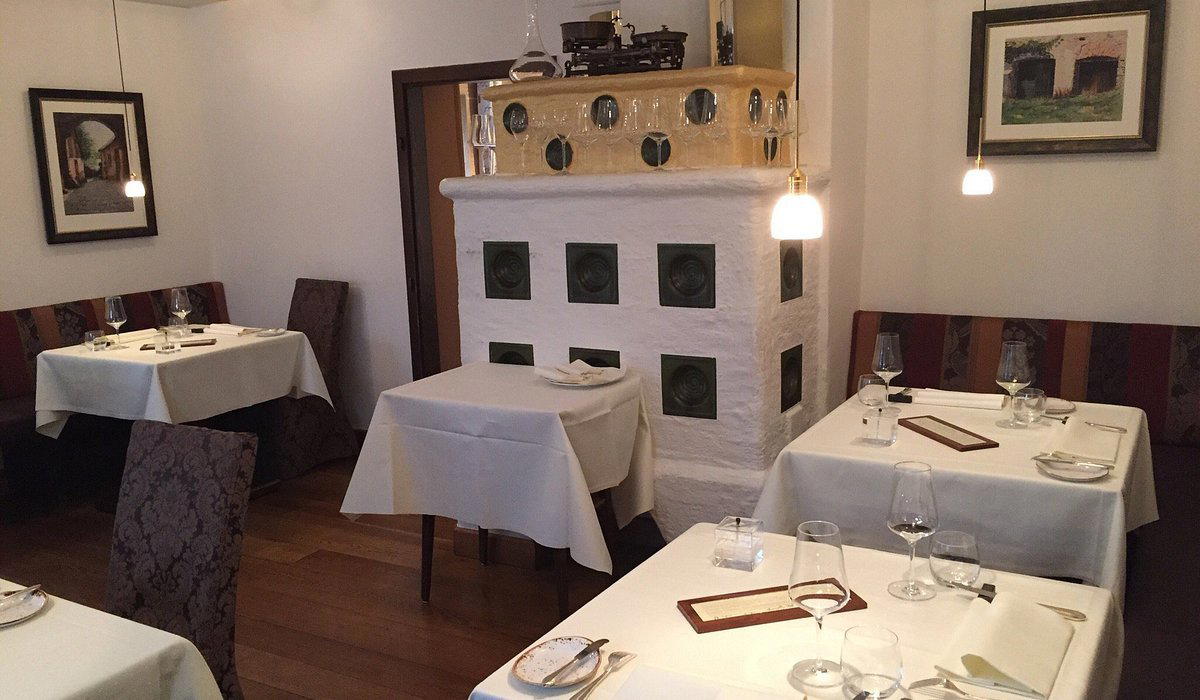
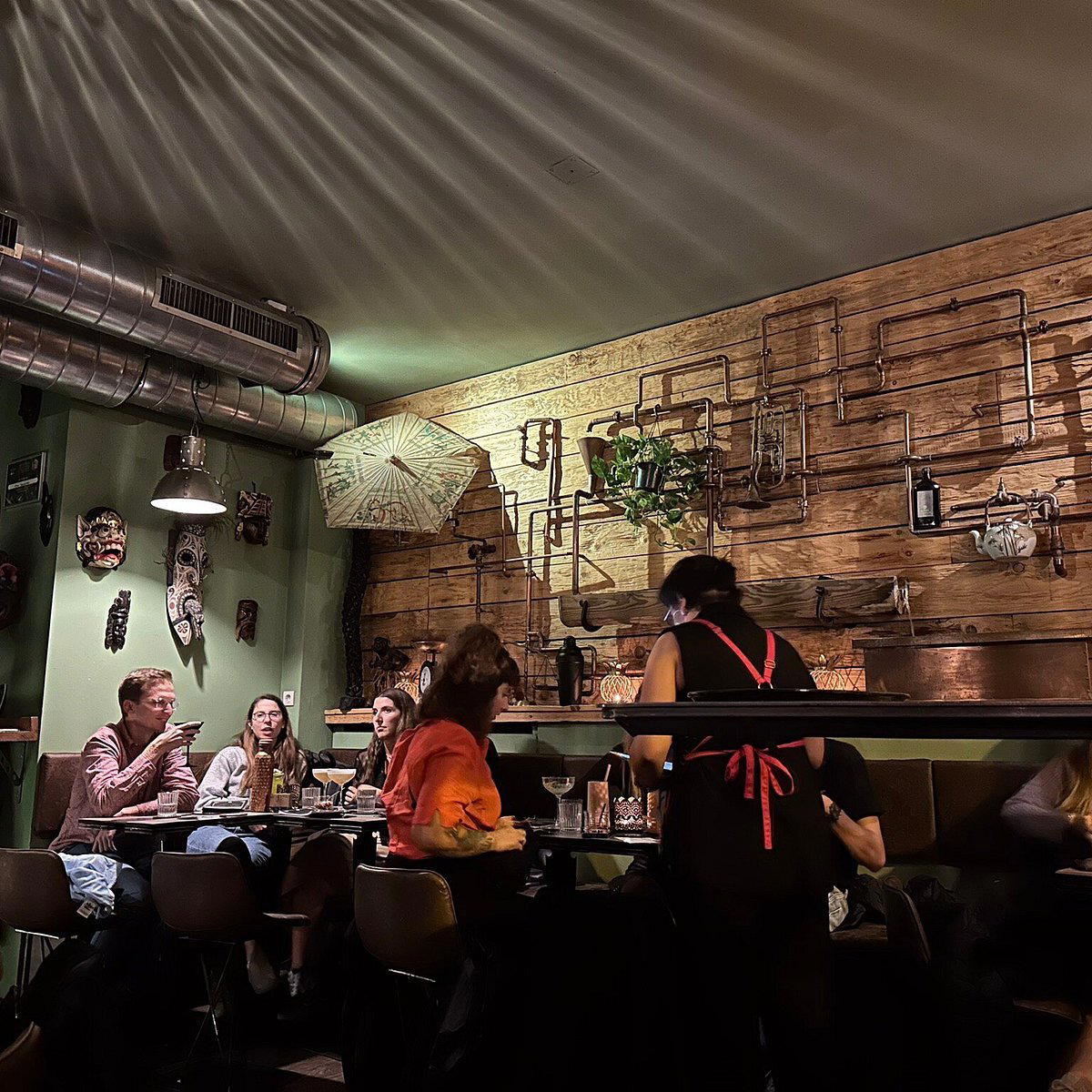
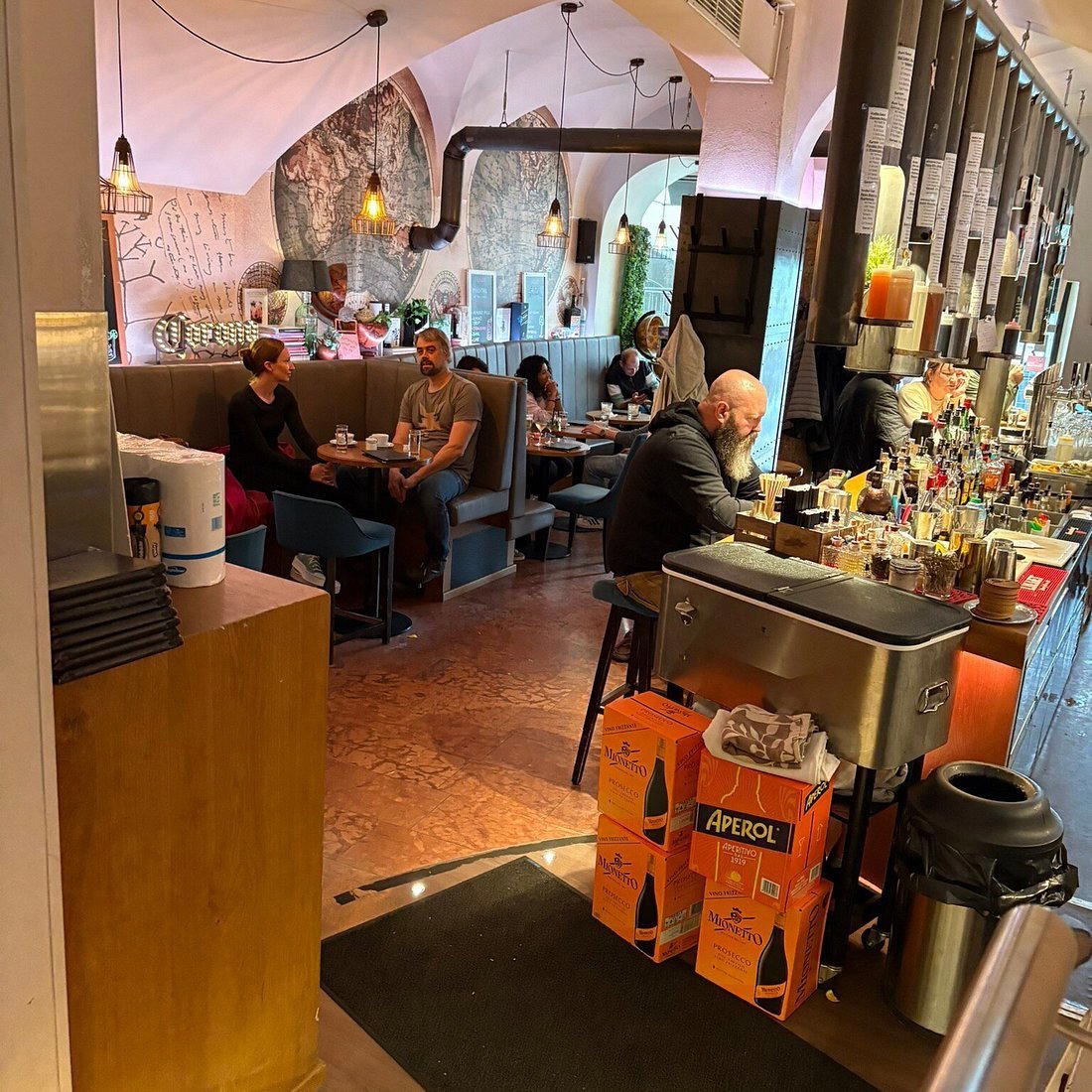
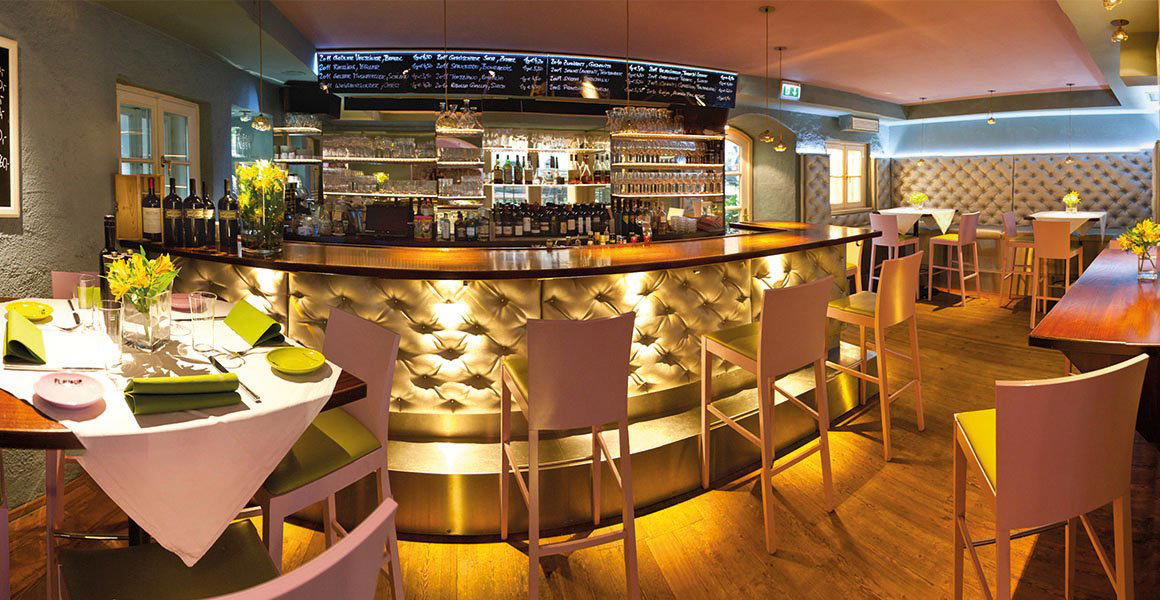
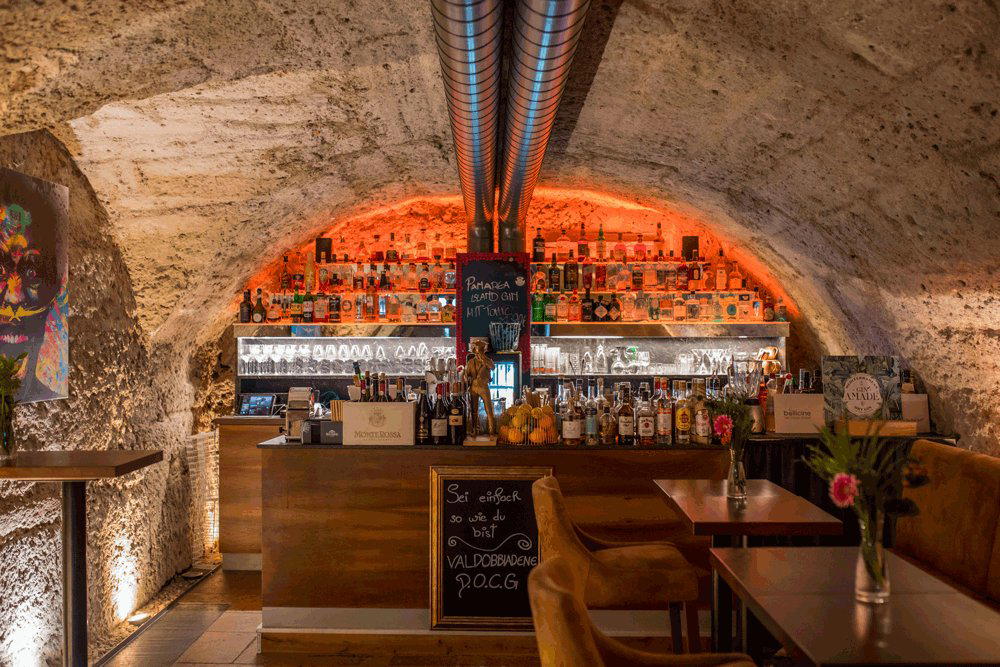
Cozy and inviting atmosphere with warm, charming lighting well-suited for intimate meals.