Golfrestaurant Schloss Finkenstein
Set on the grounds of Schloss Finkenstein in Godersdorf, southern Carinthia, this golf club restaurant occupies a position where castle estate agriculture and regional Austrian cooking intersect. The setting alone separates it from conventional clubhouse dining, though the kitchen's relationship to local Carinthian produce is the more substantive reason to make the detour from Klagenfurt or Villach.
Pearl is the En Primeur Club membership app — saves, bookings, and concierge access live there. Same editors, same standards.
- Address
- Schloßrainweg 8, 9585, Austria
- Phone
- +43425794128
- Website
- restaurant-finkenstein.at
- Directions
- Get directions
 Saves & bookings on Pearl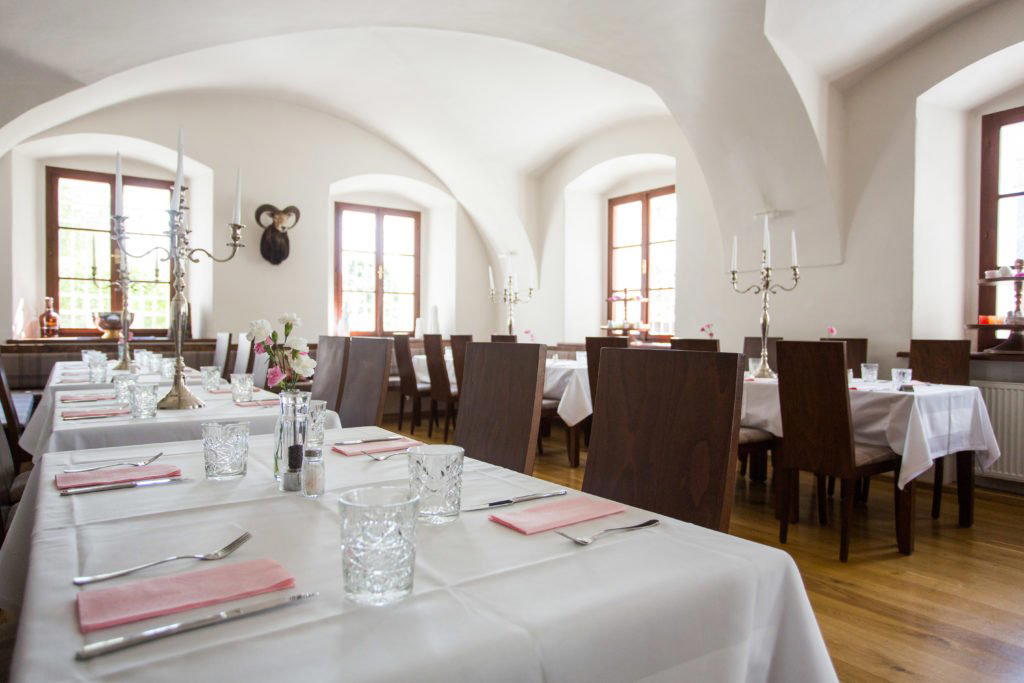
Where Estate Grounds Meet the Plate
Carinthia's southern corridor, running toward the Slovenian border through Godersdorf, is not where most Austrian fine dining coverage concentrates. That tends to gather in Vienna, Salzburg, and the Alpine resort circuit, where restaurants like Steirereck im Stadtpark in Vienna or Ikarus in Salzburg absorb the critical attention. The consequence is that estate-based restaurants in the region's agricultural south operate in relative obscurity, which can work in a visitor's favour: fewer crowds, less competitive booking pressure, and a format shaped more by local produce cycles than by what international reviewers expect.
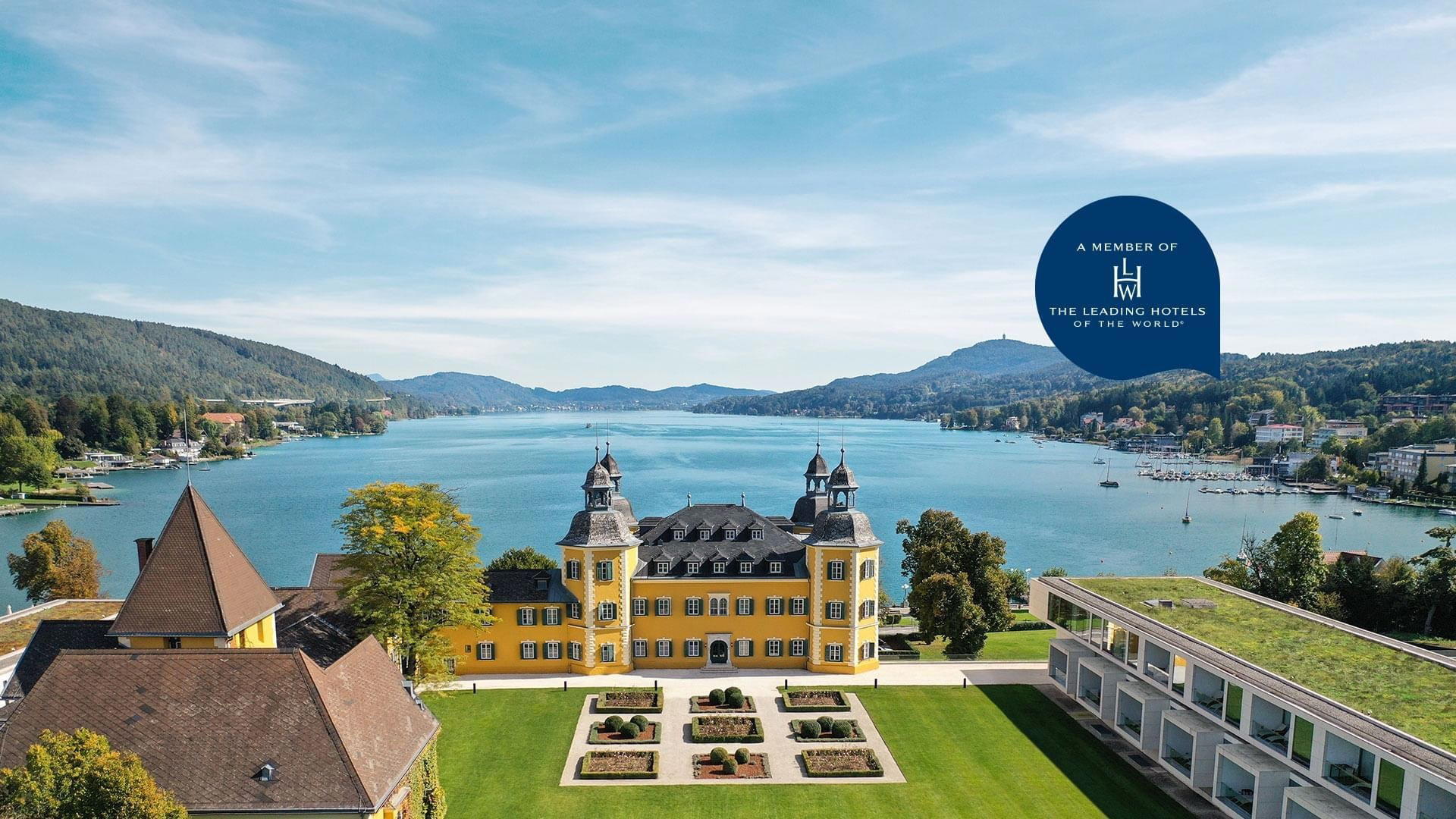
Approaching Schloss Finkenstein, the castle architecture announces itself before the restaurant does. The Schloßrainweg address places the dining room within the estate complex, and that physical context matters for how the kitchen tends to think about sourcing. Golf resort restaurants in Austria's lakeland south have historically occupied an awkward middle ground between banquet catering and genuine regional cooking. The better ones resolve that tension by anchoring their menus to the farms, orchards, and waters that immediately surround them. That logic applies with particular force here, where the estate setting creates both the expectation and the practical infrastructure for ingredient provenance to mean something specific rather than generic.
Carinthian Sourcing and What It Actually Means
Austria's farm-to-table discourse has matured considerably over the past decade, moving from vague regionalism toward kitchen relationships with named producers, specific elevations, and documented supply chains. The restaurants that have credibly made that transition tend to sit in one of two categories: urban destinations like Taubenkobel in Schützen am Gebirge, which built their modern Austrian identity around Pannonian wine country produce, or rurally embedded operations where geography itself enforces sourcing discipline.
Carinthia's southern lowlands offer particular agricultural character: warm summers shaped by Adriatic influence, lake fish from the Wörthersee and smaller surrounding waters, pumpkin cultivation that feeds directly into local cooking traditions, and hill farms producing lamb and game that reflect the region's position between Alpine and Mediterranean climatic zones. A kitchen working seriously with these inputs will produce menus that look quite different from the game-heavy, dairy-rich cooking of Tyrol or the classically structured Austrian repertoire of places like Landhaus Bacher in Mautern an der Donau. The Carinthian south has its own ingredient logic, and estate-adjacent restaurants are positioned to express it more directly than city kitchens necessarily can.
The herb and vegetable profile of castle gardens in this part of Austria also has a longer history than most contemporary farm-to-table framing acknowledges. Estate kitchens in the region were sourcing from walled gardens and managed orchards long before the concept acquired its current marketing language. That continuity, where it persists, gives the cooking a different register than the deliberate sourcing experiments of urban restaurants. It is less performative and more structural.
Golf Resort Dining in Regional Context
Across Austria, the golf resort restaurant occupies a contested category. At one end sit clubhouse operations primarily serving members with conservative menus and little ambition beyond functional catering. At the other end, a smaller group of resort-adjacent kitchens has used the captive audience and relative financial stability of the golf format to fund genuinely serious cooking. Gourmetrestaurant Tannenhof in Sankt Anton am Arlberg and Stüva in Ischgl represent the alpine resort end of that spectrum, where high-season visitor volumes support ambitious kitchen investment. The southern Carinthian version of that model operates at smaller scale and with a different seasonal rhythm, peaking in summer when the lake district attracts Austrian and Central European visitors rather than international ski tourism.
The distinction matters for a visitor calibrating expectations. A golf club restaurant in this setting is unlikely to be competing in the same tier as Obauer in Werfen or Döllerer in Golling an der Salzach, both of which have built national and international reputations over multiple decades. The more relevant comparisons are with regionally embedded restaurants that prioritise local character over formal ambition: places like Thaller Gasthaus in Sankt Veit am Vogau, which operates in the same Styrian-Carinthian agricultural corridor with a focus on produce-led simplicity.
The Estate as Ingredient Infrastructure
What castle and manor estates offer a kitchen that ordinary restaurants cannot is structured growing space, established fruit trees, and the kind of continuity that allows perennial plants and fermentation practices to develop over years rather than seasons. When that infrastructure is actively used, the cooking acquires depth that procurement-based kitchens find difficult to replicate. Pumpkin seed oil, a distinctively Styrian and Carinthian ingredient, is produced by regional farms that often supply estate kitchens directly. Lake fish, particularly pike-perch and trout from the surrounding waters, appear on menus throughout the region, and the shorter the supply chain, the more the cooking can rely on freshness rather than technique to do the work.
For visitors building a wider Austrian culinary itinerary, the southern Carinthian region pairs naturally with the wine-country restaurants of Styria to the north and east. Kräuterreich by Vitus Winkler in Sankt Veit im Pongau and Ois in Neufelden represent other regional expressions of ingredient-led Austrian cooking worth including in the same journey. For those approaching from further afield, Atelier Fischer in Sankt Gilgen and Griggeler Stuba in Lech offer contrasting regional contexts within Austria's broader fine dining geography. The contrast with internationally-oriented destination restaurants like Le Bernardin in New York City or Lazy Bear in San Francisco underlines how distinctly place-specific stronger examples from this regional Austrian format can be. Also worth considering in the Tyrol and Vorarlberg regions: Schwarzer Adler in Hall in Tirol and Restaurant 141 by Joachim Jaud in Mieming.
Planning Your Visit
Golfrestaurant Schloss Finkenstein is located at Schloßrainweg 8, 9585 Godersdorf, in the castle estate complex. Godersdorf sits in southern Carinthia, accessible from Villach and Klagenfurt by road. Given the golf resort format, summer visits align with peak operational season, when the kitchen is likely running at its fullest capacity and the estate grounds are at their most accessible.
At-a-Glance Comparison
Comparable venues nearby, for context on price, style, and recognition.
| Venue | Cuisine | Price | Notes |
|---|---|---|---|
| Golfrestaurant Schloss FinkensteinThis venue — the venue you are viewing | Mediterranean and Regional Austrian | $$ | Not listed |
| Milo | Alpine-Mediterranean | $$ | Villach |
| Agape Cuisine & Wine | Mediterranean Seafood & Wine | $$$ | Stadtplatz |
| The Epos | Mediterranean Turkish Greek | $$ | Hofburg |
| Pasta Mama | Italian Trattoria with Homemade Pasta | $$ | Stadtpark |
| Alpenhotel Kitzbühel am Schwarzsee | Austrian & Mediterranean Fine Dining | $$$ | Schwarzsee, Kitzbühel |
Continue exploring
More in Godersdorf
Restaurants in Godersdorf
Browse all →
Bars in Godersdorf
Browse all →

Hotels in Godersdorf
Browse all →

At a Glance
- Scenic
- Elegant
- Intimate
- Special Occasion
- Group Dining
- Historic Building
- Panoramic View
- Standalone
- Local Sourcing
- Mountain
Current opening hours
- Monday
- 10 AM–5 PM
- Tuesday
- 10 AM–5 PM
- Wednesday
- 10 AM–5 PM
- Thursday
- 10 AM–5 PM
- Friday
- 10 AM–5 PM
- Saturday
- 10 AM–5 PM
- Sunday
- 10 AM–5 PM
Hours can change for holidays and private events. Last verified .
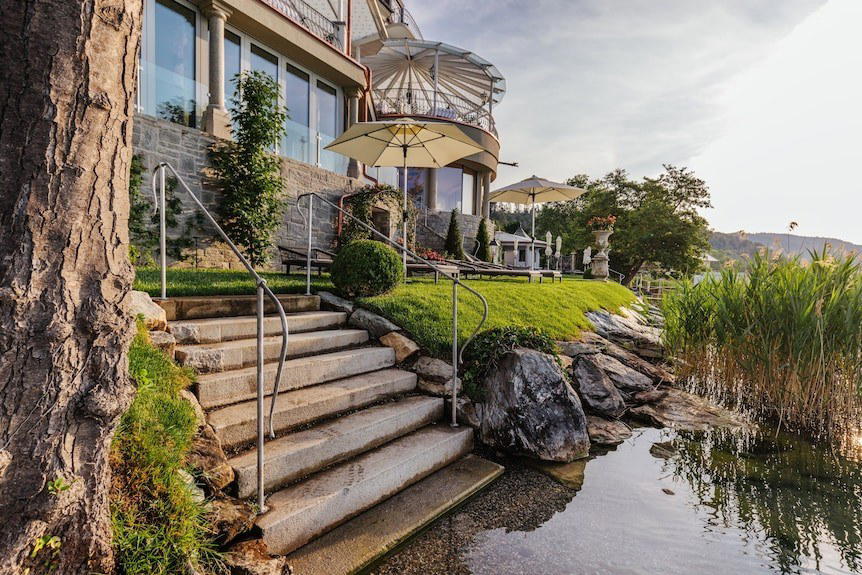
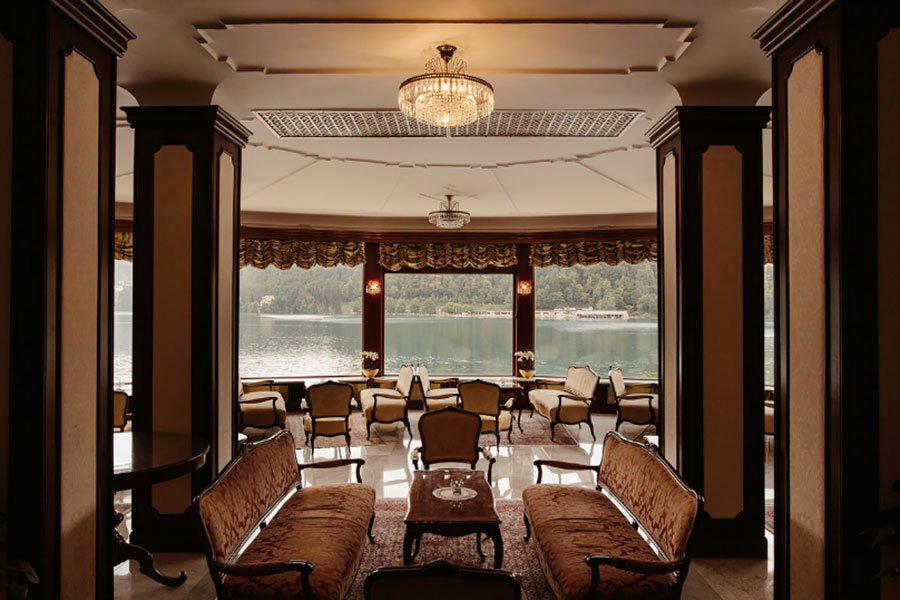
Intimate and relaxing atmosphere with nice surroundings and panoramic views.